We Deliver Airguns Directly To Your Door
SKU N/A Category

Skout Evo PCP Air Rifle

Price range: €1,630.00 through €1,730.00

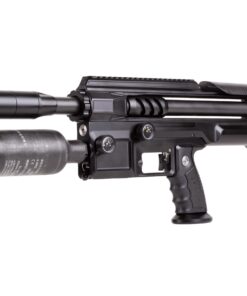
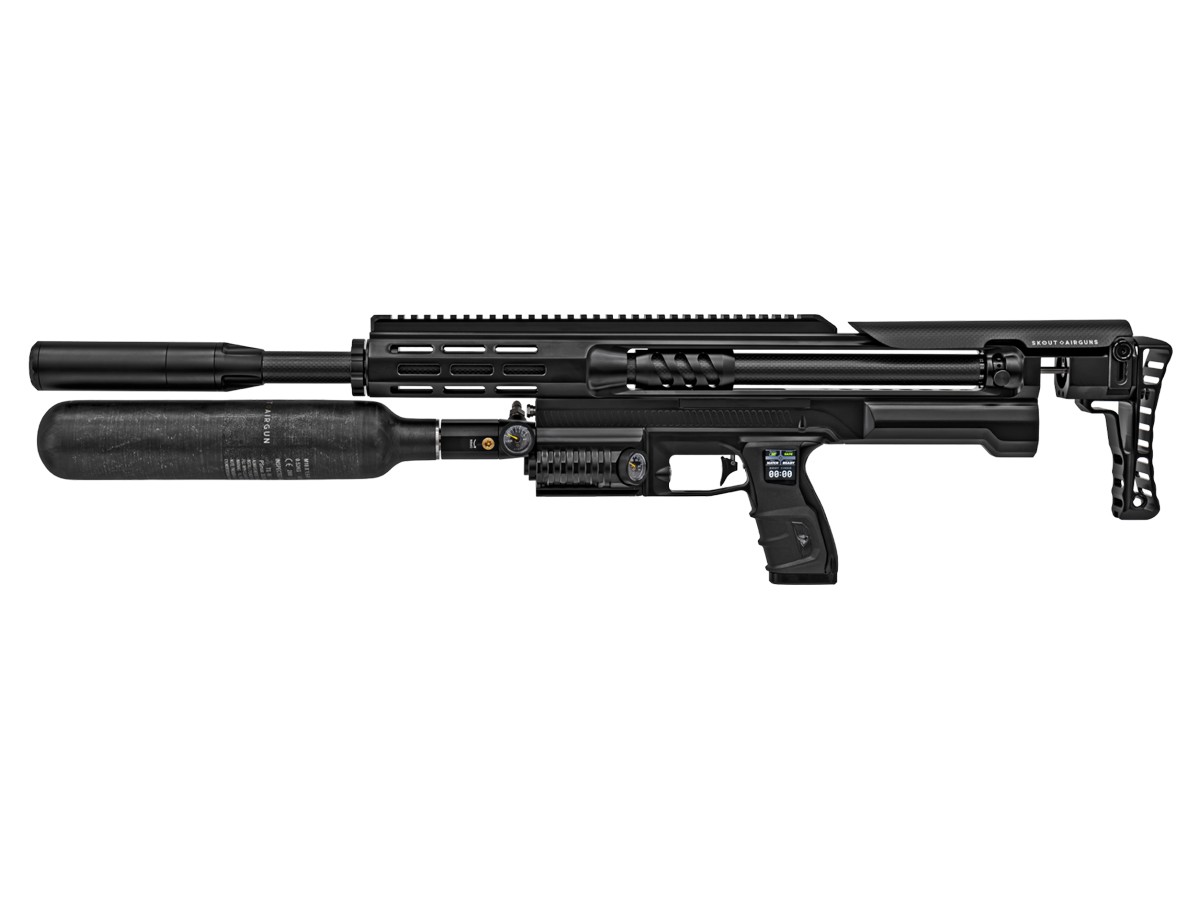
The Skout EVO gives you a PCP air rifle with important upgrades over the previous airgun in the lineup, with an improved user interface and computer system that let you get even better tuning performance. You’ll appreciate the hammerless valve system and advanced engineering from the prior model, plus the speed and power for incredible precision and the features you need for success in competitions, target practice, and hunting.

With this version of the air rifle, you get an easy way to index the barrel because it comes with a composite carbon barrel and a revised barrel lock system that gives you indexing numbers on the barrel. If you’re a precision shooter, you only need to unlock the two barrel securement locks, adjust the barrel, and lock it down again, and standard shooters can simply shoot with no adjustments needed.

You’ll appreciate the variety of adjustments available on this air rifle and the ease of use from the new user interface, like guidance cues, safety parameters, cycling modes, valve dwell time, plus other settings. You’ll also like the updates made to the two stage electronic trigger to improve trigger feel and give more adjustment range, and you can make adjustments like post-travel and pre-travel, trigger shoe height and angle, and others.

The Skout EVO gives you a 580cc removable carbon fiber air tank that gives you a large number of shots per fill, plus dual externally adjustable regulators that you can adjust without degassing the air rifle that let you tune for the best performance with multiple ammo types. You’ll also find it’s easy to keep an eye on the expected performance of each shot, because of the three pressure gauges for the valve pressure, the regulator pressure, and the air cylinder pressure.

You get a long Picatinny scope rail with this air rifle for adding your favorite scope or optic. If you need a precision airgun with electronic controls for accurate tuning flexibility and some of the highest performance available for hunting, competition, and target practice, get a Skout EVO at Airgun Depot today.

Skout EVO Features:

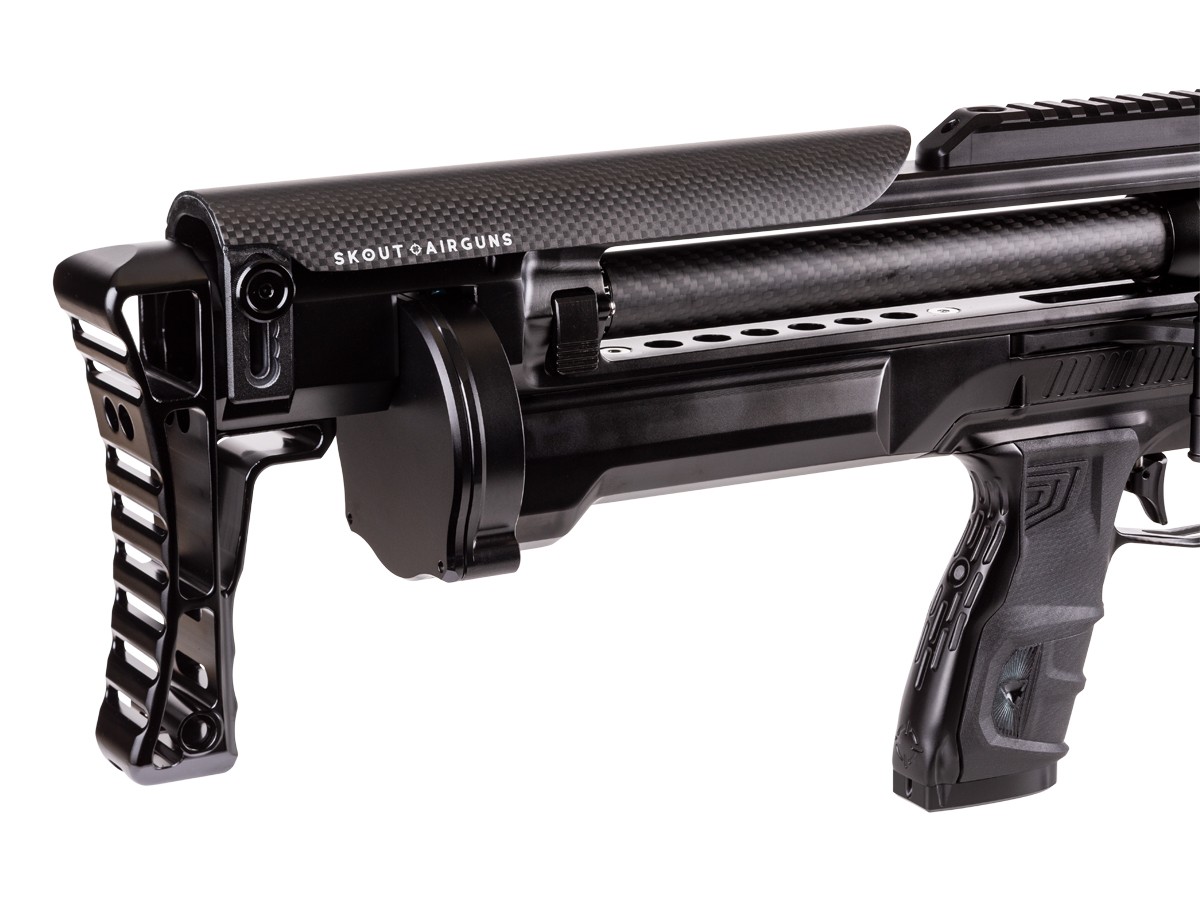
  • Adjustable synthetic stock
  • PCP
  • Sidelever
  • Composite carbon barrel with revised barrel lock system for easy indexing
  • Magnetic lock magazine
  • Magazine capacity: 36 rounds (.177), 30 rounds (.22), 25 rounds (.25), 22 rounds (.30), 18 rounds (.35)
  • Integrated moderator
  • 580cc removable carbon fiber bottle
  • 4,350 psi (300 bar) fill pressure
  • Shots per fill:
    • 95 in .22 (w/22gr pellets @ 970 fps)
    • 90 in .25 (w/33gr pellets @ 930 fps)
    • 90 in .30 (w/44.75gr pellets @ 860 fps)
    • 40 in .35 (w/81gr pellets @ 760 fps)
  • Dual adjustable regulators
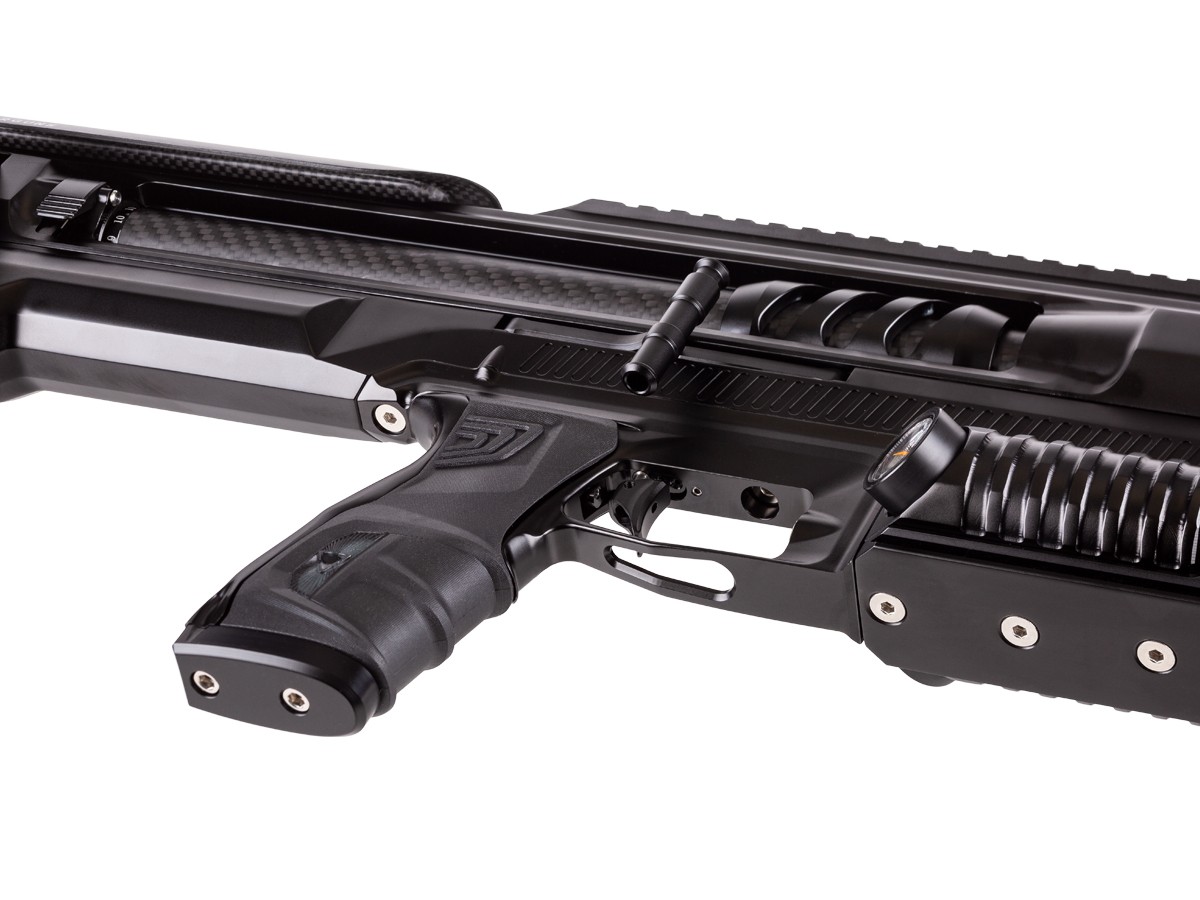
  • Three integrated manometers
  • Tool-free barrel change system
  • Upgraded two-stage adjustable match trigger
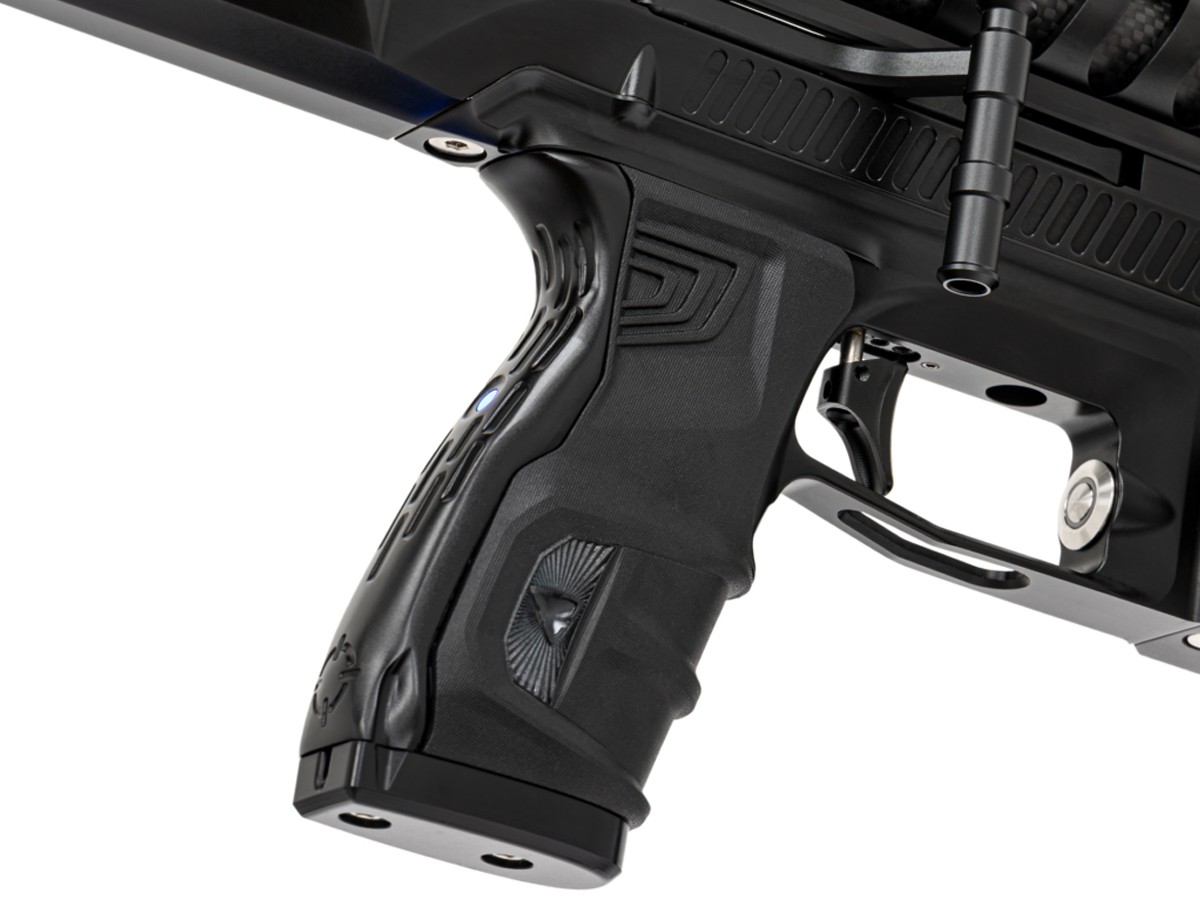
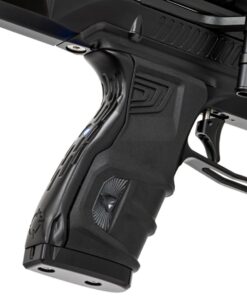
  • Textured ergonomic pistol grip with modular grip panels
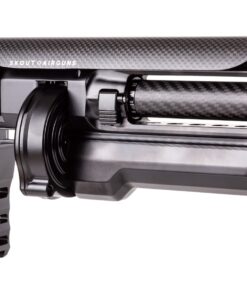
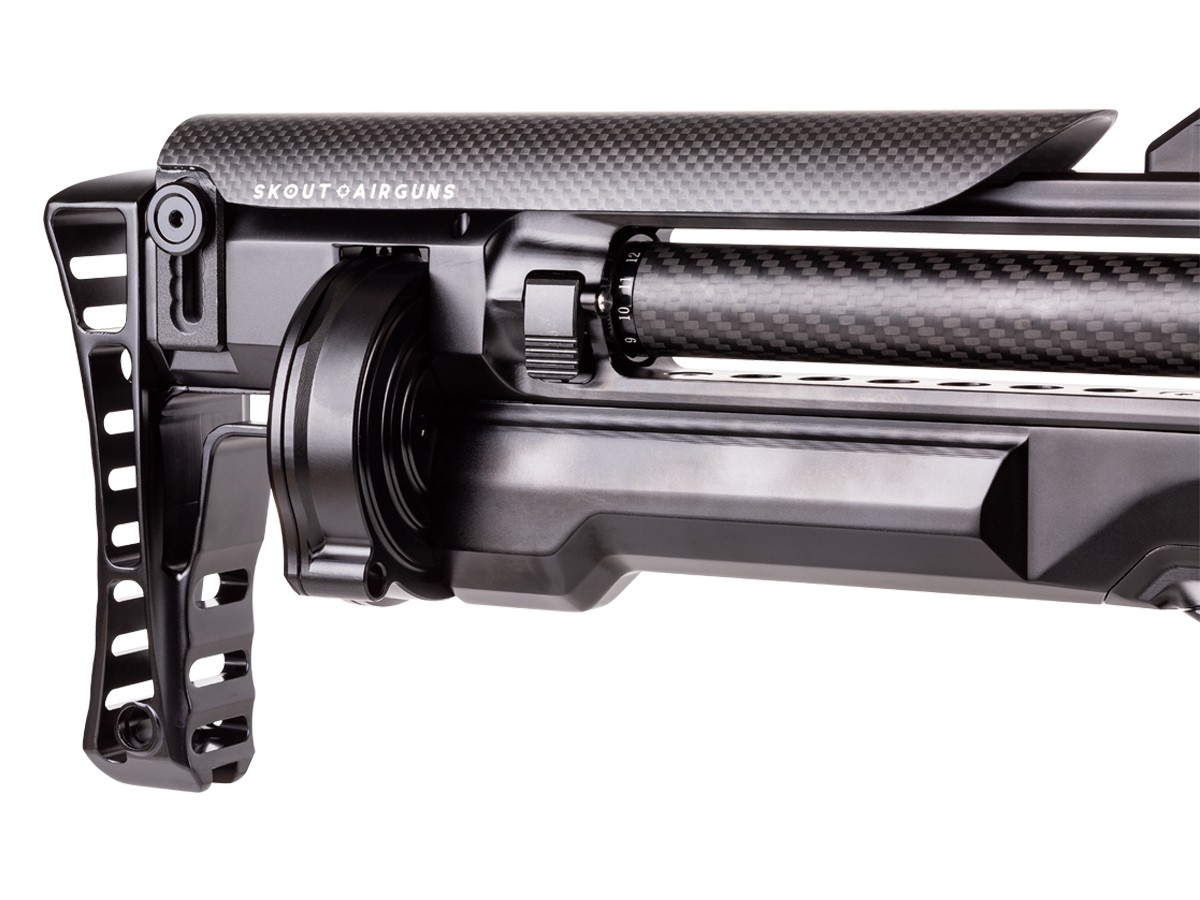
  • Skeletonized Shoulder Rest (SSR)
  • Height-adjustable cheekpiece
  • Length-adjustable shoulder rest
  • Long Picatinny scope rail
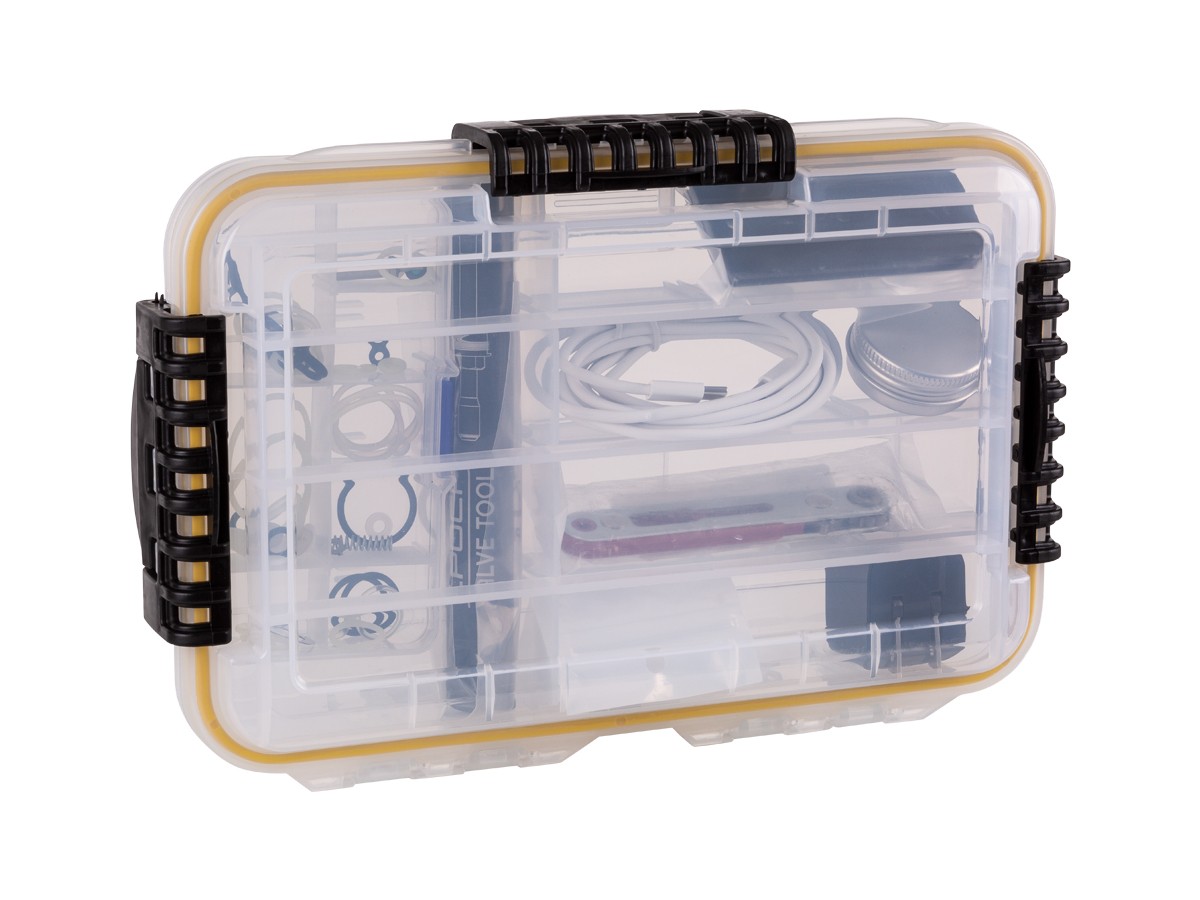
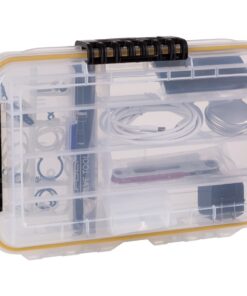
  • Includes custom Plano hard case
  • Includes full Allen wrench set and full reseal kit
  • Designed and made in the USA
Specs
  • Manufacturer Skout
  • Caliber .22
  • Velocity 970 fps
  • Condition New
  • Ammo Type Pellets
  • Action Sidelever
  • Barrel Style Rifled
  • Fire Mode Repeater
  • Gun Weight 11.40
  • Loudness 3-Medium
  • Magazine Capacity 30
  • Mechanism Pre-charged pneumatic
  • Rail Weaver/Picatinny
  • Safety Manual
  • Front Sights none
  • Rear Sights none
  • Shots per Fill 95
  • Trigger Adjustability Two-stage adjustable
  • Use Small game hunting/target practice
  • Warranty 3-year limited warranty
  • Barrel Twist Rate 1:20 Twist
  • Upgrades 25″ 1:20 Twist Barrel

Skout Evo PCP Air Rifle: Precision Platform for Every Disciplined Shot

Uncompromising consistency is delivered by the Skout Evo PCP Air Rifle whenever target work, competition, pest control, or legal hunting is pursued. Designed and assembled in the USA, this multi-caliber pre-charged platform is refined around dual externally adjustable regulators, a carbon-composite indexed barrel system, and an electronic interface that can be configured without guesswork. Consequently, shot-to-shot stability is maintained while caliber changes, power levels, and shooting styles are accommodated with remarkable ease.

Moreover, versatility is built into every major subsystem. Therefore, one rifle can be adapted from light-target .177 work through high-energy .30 and .357 hunting setups. Additionally, inclusive fit is supported through an ambidextrous chassis, reversible sidelever, height-adjustable cheekpiece, and length-adjustable skeletonized shoulder rest, so shooters of many statures and shooting hands can be served.

Why the Skout Evo PCP Air Rifle Is Chosen by Precision Shooters

Refinement over the earlier Epoch platform is embodied in the Evo. Subsequently, a high-resolution color display, modular electronics, tool-free barrel indexing, and dual regulators that can be tuned without the bottle being emptied are provided. As a result, velocity, cycling pressure, and dwell can be aligned to pellet or slug, barrel length, and local conditions.

Furthermore, a 580 cc removable carbon-fiber bottle (500 cc versions are also offered) is pressurized to a recommended maximum of 4,500 psi / 310 bar. Hence, generous shot strings are produced when moderate power is selected, while FAC-level energy approaching 150 fpe can still be generated in larger calibers when legal power is required.

Core Capabilities at a Glance

  • Calibers offered: .177, .22, .25, .30, and .357
  • Action: Sidelever repeater (lever side can be reversed)
  • Air system: Removable 500/580 cc carbon bottle, 4,500 psi fill
  • Regulation: Dual externally adjustable HP and LP regulators
  • Barrel system: Carbon-composite hybrid bull barrel with tool-free lock and indexing; Lothar Walther upgrades available
  • Magazine capacities: 36 (.177), 30 (.22), 25 (.25), 22 (.30), 18 (.357) magnetic-lock magazines
  • Typical published velocities: up to ~1,100 fps (.177), ~970 fps (.22), ~930 fps (.25), ~860 fps (.30), ~760 fps (.357) depending on projectile and tune
  • Optics interface: Long Picatinny rail with 20 MOA built in
  • Trigger: Fully adjustable two-stage electronic match trigger
  • Safety: Electronic, with configurable modes including hunter-style auto re-engage
  • Stock adjustments: Height-adjustable cheekpiece, length-adjustable skeletonized shoulder rest, modular textured grip panels
  • Included support: Custom hard case, Allen set, reseal kit

Sub-MOA grouping at 100 yards is routinely reported when the factory barrel is properly indexed and a suitable projectile is selected. Therefore, benchrest, PRS-style airgun stages, HFT practice, and ethical field use can all be supported by the same chassis.

Air System, Regulation, and Shot Consistency

Shot consistency is governed by two independent regulators mounted forward under the bottle adapter. The high-pressure regulator sets chamber energy and muzzle velocity. Meanwhile, the low-pressure regulator governs cycling of the pneumatic action. Both can be adjusted from outside the rifle without the air charge being dumped. Consequently, a stage can be retuned in minutes when wind, altitude, or ammunition is changed.

Three integrated manometers are provided so bottle pressure, regulated high pressure, and operating pressure can be read at a glance. In addition, electronic dwell can be programmed so valve open time is matched to the chosen projectile. As a result, extreme spreads are kept tight once a baseline is established with a chronograph.

Because the bottle is removable, a spare charged cylinder can be carried and swapped in the field. Moreover, the fill interface follows familiar high-pressure airgun practice, so existing pumps and tanks can usually be used with the correct adapter.

Barrel, Caliber Flexibility, and Accuracy Potential

A hybrid carbon outer wall bonded to an alloy liner is employed on the standard factory bull barrel. Vibration is damped and weight is reduced while rigidity comparable to a full steel bull barrel is retained. Additionally, a revised lock allows the barrel to be released and indexed without tools. Therefore, caliber changes and cleaning can be completed quickly, and point of impact can be restored after a swap when the index marks are followed.

Optional Lothar Walther polygonal barrels in selected lengths and twist rates are offered for shooters who demand still tighter groups with specific pellets or slugs. Twist rates vary by caliber (commonly 1:15.75, 1:17.7, 1:24 and similar), so projectile length and weight can be matched. An integrated moderator is fitted to tame report without extra length being added at the muzzle.

Because the platform is multi-caliber by design, a single chassis can be converted among popular sizes when extra barrels and magazines are obtained. Hence, plinking, competition, and hunting roles can be covered without a second complete rifle being purchased.

Ergonomics, Electronics, and Inclusive Fit

An ambidextrous aluminum-and-carbon chassis is used so left- and right-handed shooters are equally accommodated. The sidelever can be swapped. Likewise, cheek height and length of pull can be adjusted, and modular grip panels can be exchanged. Consequently, a stable, repeatable hold is available to a wide range of body types and shooting positions.

A full-color sunlight-readable display plus audible cues is provided so settings can be confirmed without menus being guessed at. Battery life is long; thousands of shots are typically available between charges, and USB-C charging is supported. Modular electronics mean individual boards can be serviced rather than an entire loom being replaced.

A long 20 MOA Picatinny rail is machined into the action so high-magnification scopes and long-range holds can be used without the turret travel being exhausted. No iron sights are fitted; the rifle is intended to be used with quality optics.

Practical Use, Legal Power, and Responsible Ownership

Power can be set from low-energy backyard and club levels through FAC outputs where local law permits. Therefore, the same Skout Evo PCP Air Rifle can be used for training, competition, and field work when regulations are observed. Magnetic magazines feed both pellets and compatible slugs in the matching caliber. High-capacity magazines reduce reloads during strings; lower-capacity magazines may be required in some jurisdictions.

Maintenance is straightforward: regulators are externally accessible, a reseal kit is supplied, and the barrel lock simplifies cleaning. A custom Plano-style hard case is included so the rifle and accessories can be transported securely.

Legal compliance remains the owner’s responsibility. Fill pressure must not exceed the stated maximum. Local airgun, hunting, and transport laws must be followed. Eye protection is required, and a safe backstop must always be used.

Who Is Best Served by This Platform

Competitive bench and PRS-style airgunners are served by the match trigger, dual regulators, and sub-MOA barrel potential. Hunters and pest controllers (where legal) are served by the larger calibers, high shot count at moderate power, and quick barrel swaps. Club shooters who want one chassis for several roles are served by the multi-caliber architecture and inclusive stock adjustments.

When a precision-first, electronically assisted PCP with genuine caliber flexibility is required, the Skout Evo PCP Air Rifle is positioned as a complete, USA-built solution rather than a single-purpose specialist.

Ready-to-shoot configurations, barrel upgrades, magazines, and support accessories can be selected so the rifle arrives matched to the intended discipline. Precision, consistency, and adaptability are thereby placed in the hands of every shooter who values a platform that can be tuned rather than tolerated.

Barra Air Rifles, BB Guns, PCP Systems, Electric Airguns, and Advanced Shooting Platforms

The modern airgun market offers a wide range of shooting platforms designed for beginners, enthusiasts, and experienced shooters. From traditional BB gun designs to advanced pneumatic systems, today’s technology provides improved accuracy, power, reliability, and versatility. The Barra product range has gained attention among airgun users because of its combination of innovative engineering and practical shooting performance.

Popular models include the Barra 300Z, Barra 350Z, Barra 250Z, Barra 400, Barra 400E Gen 2, Barra 400 E, 400E, 400 e, Bara 400E, Barra 1100Z, Barra 1100Z Gen 2, Barra 1200G, Barra 100, BA-400, Barra 1866, Barra 1866 Rosie Bundle, Barra 270Z, Barra Sportsman 900, and Sportsman 900. These platforms are designed for different shooting preferences, including recreational shooting, target practice, and precision applications.

A BB gun rifle provides a classic shooting experience, while a BB rifle offers a compact and accessible option for users interested in recreational shooting. Many shooters also search for a BB gun rifle with scope because an optic can improve aiming consistency and overall shooting control. Traditional accessories and variations include BB rifle pump, BB gun pump, and BB gun rifle pump systems.

PCP Air Rifle and Compressed Air Technology

Advanced airgun technology has been transformed through precharged pneumatic systems. A PCP rifle uses stored air pressure to deliver consistent performance, making it a popular choice among users who want accuracy and power. A PCP air rifle operates through compressed air stored inside a reservoir, allowing multiple shots before refilling.

Many shooters research air rifle compressed air technology because it provides smooth operation, reduced vibration, and improved shot consistency. A compressed air pellet guns platform uses high-pressure air to propel pellets efficiently, while a high pressure air rifle is designed for users who require increased performance.

Other related systems include air gun compressed, compressed air guns, and compressed air rifle designs. These platforms are commonly paired with equipment such as a PCP pump for air rifle and other filling accessories.

For new users asking PCP air rifle meaning, what is a PCP air rifle, what is PCP air rifle, or whats a PCP gun, the answer refers to a precharged pneumatic system that stores compressed air before shooting. A pre charged pneumatic air rifles setup provides an alternative to spring-powered designs and is widely used for precision shooting.

Barra PCP Models and Caliber Options

The Barra 250Z PCP air rifle is designed for shooters looking for a powerful and compact pneumatic platform. The Barra 250Z for sale market includes different configurations, including the Barra 250Z .25 cal version.

Large-caliber airguns are becoming increasingly popular, with options such as a 25 cal air rifle 1000 fps, 25 caliber pellet rifle, .25 PCP air rifle, PCP 25 caliber air rifle, 25 caliber air rifle, and 25 Z configurations.

These larger-caliber platforms are designed for users who want increased energy and performance compared with smaller calibers. Other popular caliber choices include the 22 cal air rifle, 22 caliber air rifle, 22 caliber pellet gun, and 22 pellet rifle 1200 fps options.

Electric BB Guns and Automatic Airgun Platforms

Electric-powered shooting systems have created another category within recreational shooting. An electric BB gun uses battery-powered technology to provide a unique shooting experience. Related designs include electric pellet gun, electric air gun, air gun electric, electric rifle, battery powered air gun, electric BB guns, electric guns, and airsoft air guns electric.

Users searching for high-speed systems may look for terms such as most powerful fully automatic BB gun, full auto BB gun electric, best full auto BB gun, best full auto BB guns, full auto BB gun 1000 fps, full auto BB gun, and fully automatic BB gun.

These platforms are designed for users who want rapid operation and modern features. Performance-focused searches may also include strong BB guns when comparing powerful recreational shooting options.250 z

Pellet Guns, Break Barrel, and Traditional Air Rifles

Traditional airgun designs remain popular because of their simplicity and reliability. A pellet gun provides a practical option for target shooting, while a pellet rifle offers improved stability and accuracy.ar bb gun

A pellet sniper platform is designed for users interested in precision shooting. Classic spring-powered systems include the break barrel pellet gun 1200 fps, break barrel, and single shot 22 break barrel rifle.

For beginners researching what is a break barrel air rifle, this system works through a hinged barrel mechanism that compresses a spring or gas piston before each shot. These designs remain popular because they require minimal additional equipment.

Additional traditional options include air gun pump action, air rifle pump action, pump pellet gun, and pump BB pistol platforms.

Barra Sportsman and Additional Airgun Platforms

The Sportsman 900 air rifle and Sportsman 900 BB gun provide versatile options for recreational users. These models are part of the wider selection of Barra shooting products designed for different experience levels.

Other available platforms include 250Z, Barra 300Z, and various modern Barra configurations. Accessories such as pellet trap for 1200 fps, camouflage pellet guns, and Mossy Oak 308 products allow shooters to customize their equipment.bara 250z

Users interested in alternative power systems may also explore a CO2 rifle, lever action air rifle, and lever action PCP air rifle. These designs combine traditional handling with modern airgun technology.b a r r a,what gen is black 2

Choosing the Right Airgun System

Selecting the right platform depends on shooting purpose, preferred caliber, power requirements, and experience level. A PCP review can help users compare different pneumatic systems, while PCP shooting provides insight into the performance advantages of regulated air platforms.barra 400e aeg

Whether choosing a Barra model, a compressed air system, an electric shooting platform, or a traditional spring-powered design, understanding features and applications helps buyers select the correct equipment.bb gunning.full auto electric bb gun

From the Barra 400E price to advanced PCP technology and modern electric systems, today’s airgun market provides a wide range of choices for recreational shooters, target enthusiasts, and experienced users seeking reliable performance.barra 250z 25 cal

Calibres, FAC Power Levels, and Accessories for the Skout Evo PCP Air Rifle

Calibre choice, legal power, and supporting accessories are treated as a single system on the Skout Evo PCP Air Rifle. Consequently, one chassis can be configured for club-level practice, FAC hunting, or competition without a second complete rifle being required. Moreover, inclusive use is supported because left- and right-handed shooters, varied body sizes, and different national power limits can all be accommodated through the same modular platform.

Available Calibres and Typical Roles

Five factory calibres are offered so a wide span of disciplines can be covered. Therefore, light target work and high-energy field use can both be served after the matching barrel and magazine have been fitted.

  • .177 is selected when high pellet counts, flat trajectories, and low recoil are preferred for indoor ranges, HFT practice, and precision paper. Magazine capacity of 36 rounds is provided.
  • .22 is chosen when a balance of trajectory, energy, and shot count is required for club shooting, pest control, and general outdoor use. A 30-round magazine is supplied, and published velocity near 970 fps with mid-weight pellets is commonly quoted.
  • .25 is favoured when extra downrange energy is wanted without the jump to big-bore recoil. A 25-round magazine is used, with published velocity around 930 fps on typical 33-grain projectiles.
  • .30 is specified when legal hunting or long-range slug work is intended. A 22-round magazine is fitted, and a slower twist (often 1:24) with a longer barrel option is frequently paired to this calibre.
  • .357 is reserved for maximum legal energy and large slugs where local law permits. An 18-round magazine is employed, and fewer shots per fill are accepted in exchange for terminal performance.

Barrel length and twist are matched at the factory to the ordered calibre, yet tool-free indexing still allows later conversion when extra barrels are obtained. Additionally, both diabolo pellets and compatible slugs can be fed by the magnetic-lock magazines when the correct calibre set is installed. As a result, a single Evo can be moved between paper, steel, and field roles with only a barrel, magazine, and regulator tweak being required.

FAC, Power Tuning, and Legal Energy

Power is not fixed. Instead, dual externally adjustable regulators plus programmable dwell are used so muzzle energy can be set from sub-12 ft/lb club levels up to FAC outputs approaching 150 fpe in the larger calibres, depending on projectile, barrel, and tune. Hence, the same rifle can be shipped at the legal limit of the destination country and later retuned when the owner is licensed for higher power.

High-pressure regulation controls chamber energy and velocity. Meanwhile, low-pressure regulation keeps the sidelever action cycling reliably. Both adjustments can be made without the bottle being emptied. Therefore, a chronograph session can be completed at the range and the rifle returned to a legal or competition setting in minutes.

Published example strings (always subject to projectile weight and regulator settings) include approximately 95 shots in .22 at about 970 fps with 22-grain pellets, about 90 shots in .25 at 930 fps, about 90 shots in .30 at 860 fps, and about 40 shots in .357 at 760 fps. Lower power settings produce substantially higher shot counts from the 580 cc (or 500 cc) carbon bottle filled to the recommended 4,500 psi / 310 bar maximum. Conversely, maximum FAC tunes reduce shot count while energy is increased.

Responsible ownership remains essential. Fill pressure must never exceed the stated limit. Local FAC, hunting, transport, and storage laws must be observed. Eye protection and a safe backstop are required on every session. Inclusive clubs and mixed-ability groups can still share the platform because power can be reduced for newer shooters and raised again for licensed field use.

Accessories That Complete the Platform

A ready-to-work package is supplied with the rifle, and a wide aftermarket is available so the setup can be tailored.

Factory-included items

  • Custom hard case for transport and storage
  • Full Allen wrench set
  • Reseal kit for scheduled maintenance
  • At least one magnetic-lock magazine in the ordered calibre
  • Integrated moderator already fitted to the barrel system

High-value upgrades commonly paired with the Skout Evo PCP Air Rifle

  • Extra carbon-composite or Lothar Walther barrels in alternate lengths and twist rates for calibre conversion
  • Spare magazines in each calibre used
  • Additional 500 cc or 580 cc carbon bottles so a charged spare can be carried
  • 20 MOA Picatinny rail is already present; ARCA rails and bipod adapters can be added for PRS and bench positions
  • Quality first-focal-plane or second-focal-plane scopes matched to the intended distance
  • USB-C charging cable and spare battery where permitted
  • Fill adapters for existing high-pressure tanks and pumps
  • Extra modular grip panels and cheek-riser options so fit can be refined for every shooter in a household or club

Because electronics are modular, individual boards can be serviced rather than an entire loom being replaced. Likewise, the skeletonized shoulder rest and height-adjustable cheekpiece can be fine-tuned so smaller-statured, taller, left-handed, and right-handed shooters are all given a repeatable weld. Consequently, one rifle can be shared ethically and comfortably when club or family use is planned.

Matching Calibre, Power, and Accessories to the Task

A coherent setup is assembled when three decisions are made together. First, calibre is selected for the primary discipline. Second, regulator and dwell settings are confirmed against local legal limits and a chronograph. Third, barrels, magazines, optics, and spare air are added so the rifle is not limited by missing parts in the field.

For example, a .22 Evo with factory barrel, moderate regulator setting, and a mid-range optic is well suited to club and pest work. Meanwhile, a .30 or .357 configuration with a longer Lothar Walther barrel, FAC tune, spare bottle, and high-capacity magazines is prepared for legal hunting or long-range slug practice. In both cases the same chassis, trigger, and electronic interface are retained.

When these elements are specified as a system rather than as isolated extras, the Skout Evo PCP Air Rifle is transformed from a capable action into a complete, inclusive precision platform. Calibre flexibility is preserved, legal power is respected, and the accessory set ensures that every shooter—regardless of hand, stature, or licensed energy level—can be given a consistent, conversion-ready rifle.

Practical Use Scenarios

Everyday shooting is where a multi-caliber, dual-regulated pre-charged rifle either earns its keep or is left in the case. Consequently, the following situations are written around real sessions rather than brochure claims. Inclusive language is used throughout so left- and right-handed shooters, mixed experience levels, and different legal power limits can all see themselves in the same chassis.

Club Range and Paper-Punching Evenings

A midweek club night is often the first honest test. Lighting is mixed, benches are shared, and time between relays is short. Therefore, a sidelever that can be reversed, a magazine that locks magnetically, and regulators that can be tweaked without the bottle being dumped become practical rather than theoretical.

After the rifle has been uncased, bottle pressure is confirmed on the dedicated gauge. Next, the high-pressure regulator is checked against the velocity that was recorded at the last chrono session. Meanwhile, the low-pressure regulator is left in the band that keeps the action cycling cleanly. As a result, the first string is spent confirming zero instead of diagnosing a sluggish cycle.

Paper at 25, 50, and 75 yards is typically used on club nights. A moderate .22 or .25 setup is frequently selected because recoil remains mild and shot count stays high. Consequently, several magazines can be fired before a refill is required, which matters when the compressor queue is long. Groups are then compared with previous cards so drift from temperature or a slightly different pellet lot can be spotted early.

Newer members can be coached on the same rifle because power can be reduced for the evening. Inclusive clubs benefit when one chassis is shared without a second expensive action being purchased. After the session, the barrel lock is released, the bore is wiped, and the rifle is returned to the hard case with the bottle still holding usable pressure for the weekend.

Hunter Field Target and Field Target Practice

Woodland courses reward a rifle that can be adjusted to the shooter rather than the other way around. Height of the cheekpiece and length of pull are therefore set before the first peg is visited. Likewise, the skeletonized shoulder rest is lengthened or shortened so a kneeling or standing shot does not force an awkward weld.

Because many HFT and FT rules cap energy, the high-pressure regulator is wound down until a legal, consistent velocity is confirmed. Dwell is then refined so extreme spread stays tight in cold morning air. Subsequently, a single magazine is often enough for a practice loop, which keeps kit light when a long walk between pegs is expected.

Wind flags and partial targets demand a predictable trajectory. A .177 or light .22 pellet is commonly chosen for this work. The 20 MOA rail allows a compact scope to be mounted with enough elevation in reserve for the longest pegs. When a barrel index mark is followed after cleaning, point of impact is restored without a full re-zero being required in fading light.

Inclusive teams can rotate the same rifle among shooters of different stature because the stock adjustments are tool-free enough for a quick change between details. After the course, mud is wiped from the action, the electronic safety is confirmed off for transport, and the display is checked so battery state is known before the next match morning.

Pest Control Around Buildings and Small Holdings

Legal pest work is usually measured in short windows rather than long strings. A calm, moderated report and a fast follow-up matter more than maximum energy. Therefore, a mid-calibre setup with the integrated moderator left in place is often preferred.

The rifle is carried with the electronic safety engaged until the shot is confirmed. Because the sidelever can be run quietly and the magazine feeds without a mechanical latch being fought, a second shot can be presented if the first is not conclusive. Dual regulators keep velocity stable even when the bottle is no longer full, which is common when several small jobs are completed from one fill.

Elevated shots from a loft hatch or kneeling shots along a fence line are made easier when length of pull and cheek height have already been set at home. A spare charged bottle in the vehicle means the session is not ended by a single overlooked gauge reading. Inclusive households can assign the same rifle to more than one licensed adult because the grip panels and lever side can be swapped in minutes.

After the work is finished, the rifle is made safe, the magazine is removed, and local storage rules are followed. A brief wipe of the barrel crown and a check of the three manometers complete the routine so the next call-out starts from a known state.

Legal Hunting and Longer Field Walks

Where hunting with air is lawful and an appropriate licence is held, larger calibres and higher energy settings are brought into play. A .30 or .357 barrel, a slower twist matched to slugs or heavy pellets, and a FAC-legal regulator setting are then used. Shot count falls, so planning the stalk around the remaining air becomes part of the outing.

The removable carbon bottle is an advantage on a long walk. A spare cylinder can be carried and exchanged without the action being stripped. Three gauges let bottle, regulated, and operating pressures be read without a separate tool being unpacked. Consequently, a decision to take or pass a shot can include the knowledge that enough consistent air remains for a follow-up.

Shooting positions change constantly. The adjustable cheekpiece and shoulder rest allow a supported shot from a stick, a kneeling shot over a bank, and a prone shot from a scrape without the scope picture being lost. Inclusive hunting pairs can share the rifle if one partner is left-handed: the lever is swapped, the weld is reset, and the same zero is retained because the barrel index has not been disturbed.

Ethics remain non-negotiable. Range is limited to distances at which clean placement has been demonstrated on paper. A safe backstop is confirmed. Local seasons, species, and transport laws are observed. After the walk, the rifle is unloaded, the bottle valve is treated according to the maker’s guidance, and the hard case is used so the optics are not knocked on the drive home.

Benchrest, PRS-Style Stages, and Chronograph Days

Competition days expose any weakness in consistency. Therefore, the dual-regulator layout and programmable dwell are used as working tools rather than unused features. High pressure is set for the chosen projectile and velocity. Low pressure is set so the action cycles without bounce. Dwell is then walked in a few units at a time while a chronograph records extreme spread.

A long Picatinny rail with built-in 20 MOA lets high-magnification optics be used without the turret being wound to the stops. Bipod or bag positions are supported once an ARCA or sling stud accessory has been fitted. Magazine changes are rapid because the magnetic lock does not rely on a fragile mechanical tab.

Between relays, a barrel can be indexed or swapped if a different twist is needed for a slug stage. Tool-free access means the change can be completed in the time other competitors spend looking for an Allen key. Inclusive squads can put newer shooters on a reduced-power setting for a fun event and return the rifle to match power afterwards without a gunsmith being involved.

Data is written down. Temperature, regulator readings, dwell, and group size are recorded so the next match starts from a known baseline rather than from memory. The electronic display’s odometer and status screens help confirm that the session has not been run on a failing battery.

Teaching, Family Use, and Mixed-Ability Sessions

A single well-fitted chassis can serve several people when adjustments are treated as part of the safety brief. Cheek height is set for the first shooter, then noted. Length of pull is marked. Lever side is confirmed. Power is reduced so a first-time shooter is not fighting recoil or a harsh report.

Passive coaching is easier when the rifle does not fight the student. A two-stage match trigger that can be lightened for experienced hands can also be left a little heavier for a new shooter. The electronic safety can be explained once and then used consistently. Inclusive language and unhurried handling keep the session focused on safe habits rather than on the equipment.

When the next person steps in, the same steps are repeated in reverse. Nothing about the air system needs to be drained. The bottle, regulators, and barrel stay as they were; only the interface with the body is changed. After the group has finished, one thorough clean and one set of gauge readings prepare the rifle for whoever takes it next.

Travel, Storage, and the Session Before the Session

Practical use begins before the first shot. The supplied hard case protects the action and the optic during a car journey or a flight where airguns are permitted. Fill adapters travel with the rifle so a host club’s tank or a portable compressor can be used without a hunt for threads.

Overnight storage follows local law. The magazine is removed. The electronic safety is left in a known state. Battery charge is checked on the display so a match morning is not spent looking for a cable. A spare reseal kit and Allen set remain in the case because field-side maintenance is occasionally required after dust or rain.

On arrival, a short function check is performed. Lever travel is felt. Magazine lock is confirmed. Gauges are read. A few fouling shots are fired into the backstop before scoring shots are taken. These minutes prevent a wasted relay and keep every later scenario—club, course, field, or competition—starting from a rifle that has already been proven that day.

Across all of these settings the same principles apply. Power is set to the law and the task. Fit is set to the shooter. Air is monitored rather than guessed. Accessories are chosen so a barrel, magazine, bottle, or optic is not the reason a session ends early. When those habits are followed, a multi-caliber pre-charged rifle stops being a collection of features and becomes a working tool that can be shared, tuned, and trusted from the first peg to the last light.
Options

25" 1:15.75 Twist Lothar Walther Barrel, 25" 1:19 Twist Barrel, 25" 1:20 Twist Barrel, 25" 1:23 Twist Barrel, 25" 1:24 Twist Barrel, 25" 1:27 Twist Barrel, 34.4" 1:20 Twist Barrel, 34.4" 1:23 Twist Barrel, 34.4" 1:38 Twist Barrel

caliber

.177, .22, .25, .30, .357

Reviews

There are no reviews yet.

Be the first to review “Skout Evo PCP Air Rifle”

Related Products

FAQ

  • Spring-Piston (Break-Barrel or Underlever): Cock by compressing a spring. Reliable, no external air source needed, but can have more recoil (“spring twang”) and require technique to shoot accurately.
  • Pre-Charged Pneumatic (PCP): Filled from a scuba tank, compressor, or pump. High power, low recoil, multiple shots per fill. Popular for precision and hunting.
  • CO₂: Powered by disposable cartridges. Good for pistols and semi-auto/repeaters, but performance drops in cold weather.
  • Multi-Pump Pneumatic: Hand-pumped to build pressure. Versatile but requires effort.
  • Gas Ram (Nitro Piston): Uses compressed gas instead of a metal spring. Smoother than traditional springers.

Calibers: Most common are .177 (4.5mm) for speed/flat trajectory and general use, and .22 (5.5mm) for better hunting knockdown power. Larger “big bore” (.25, .30, .357+) exist for hunting bigger game where legal.

Yes, many modern PCP and springers deliver enough energy for small game (rabbits, squirrels, birds) and even larger game in some areas. Muzzle energy (in ft-lbs or joules) matters more than velocity alone. Always match caliber, pellet weight, and energy to the game and check local hunting regs.

Treat every airgun as if it is loaded.

  • Always point the muzzle in a safe direction.
  • Keep your finger off the trigger until ready to shoot.
  • Know your target and what is beyond it (pellets can ricochet or travel far).
  • Wear eye protection.
  • Store unloaded, out of reach of children/untrained users, and ideally locked.
  • Never shoot at hard surfaces or in areas where pellets could escape your property.

Follow these rules strictly—airguns cause real injuries.

Laws differ dramatically by country, state/province, and even city. Always verify current local laws before buying, owning, transporting, or using an airgun. Age restrictions (often 18+) are common.

Examples (summaries only; check official sources):

  • UK: Air rifles ≤12 ft-lbs (16.3 joules) and pistols ≤6 ft-lbs generally do not require a license (FAC needed above that).
  • USA: Varies by state. Some treat powerful airguns as firearms; others do not. Many states now allow big-game hunting with air rifles.
  • Canada: Some airguns classified as firearms if they exceed velocity/energy thresholds.
  • Australia: Often treated as firearms; licensing/registration required in most states.
  • EU/France/Belgium/etc.: Varies; many allow low-power (<20J) guns freely to adults, with higher power needing permits. Germany has strict ~7.5J limits in some contexts.
  • Other countries: Some have no restrictions below certain energies; others ban or heavily regulate them.

Resources: Wikipedia “Air gun laws”, airgun forums, or official government sites. For travel, research transit laws carefully.

Consider:

  • Purpose: Plinking/backyard → lower power springer or CO₂. Hunting/precision → PCP.
  • Budget: Entry-level springers are affordable; PCPs need a fill system (extra cost).
  • .177 vs .22: .177 easier for beginners/targets; .22 better for hunting.
  • Power source: Convenience vs performance.
  • Test pellets in your gun—accuracy varies.

Buy from reputable dealers and consider warranties.

  • Clean barrel periodically (especially if accuracy drops) with patches and appropriate tools/solvents. Avoid over-oiling.
  • Lubricate moving parts and seals with airgun-specific oil (not general gun oil). Springers need piston seal oil occasionally.
  • Check screws, seals for leaks (PCP), and safety mechanisms regularly.
  • Store in a cool, dry place, ideally in a case. Avoid leaving cocked for long periods.

Follow your model’s manual. Basic care extends life significantly.

International shipping may be available for select products. Customers are responsible for understanding and complying with their local import laws and regulations before ordering.

Yes. Customers are required to confirm their order number through WhatsApp or Live Chat before orders are processed and shipped.

If local laws prevent shipment to your area, your order may be canceled and refunded according to our store policy.

Processing typically takes 1–3 business days after payment confirmation. Delivery times vary depending on destination, carrier, and product availability.


  • Wrong pellets for your barrel/caliber.
  • “Death grip” or poor shooting form (especially with springers—let the gun recoil naturally).
  • Loose scopes or mounts.
  • Ignoring safety or local laws.
  • Over-oiling or shooting with obstructions.


Pellets are the most common projectile (lead or lead-free). Match them to your gun, caliber, and purpose—test several brands as accuracy varies by barrel.

  • Domed (Round-Head): Best all-rounder. Excellent accuracy, ballistic coefficient, and energy retention. Ideal for target shooting, field target, and general hunting (e.g., JSB Exact, Air Arms Diabolo Field, H&N Field Target Trophy).
  • Wadcutter (Flat-Head): Clean holes in paper. Best for close-range target/plinking (under 20-25 yards).
  • Hollow Point: Expands on impact for better energy dump. Good for small game hunting (e.g., Predator Polymag, H&N Terminator).
  • Pointed: More penetration, but often less accurate than domed.
  • Slugs: Heavier, more aerodynamic for high-power PCPs at longer ranges (better for big game where legal).

Tips: Heavier pellets in .22/.25 for hunting (better momentum). Lighter in .177 for speed/flat trajectory. Always check head size fit (e.g., 4.51-4.53mm variants).

Muzzle energy (ft-lbs or joules) matters more than velocity. Ethical shots require precise placement (head/heart-lung) within effective range.

Rough Guidelines (adjust for distance, pellet, and local laws):

  • Small game (squirrels, rabbits, birds): 9-20+ FPE, .177/.22.
  • Medium (raccoons, etc.): 25+ FPE, .22/.25 recommended.
  • Larger game: 40-100+ FPE in .30+ calibers (up to big bore for deer/hogs where permitted).

PCPs dominate serious hunting due to power and shot count. Springers/gas rams work well for small game but require skill. Always prioritize clean kills and check seasons/species rules.

  • Barrel Cleaning: Use a pull-through kit or rod with patches. Avoid brushes that could damage rifling. Clean when accuracy drops or after 500-1000 shots.
  • Lubrication: Airgun-specific silicone oil for seals/O-rings (sparingly—excess causes dieseling in springers). Springers may need piston lube periodically.
  • PCP Specific: Check for leaks (soapy water test), monitor regulator/hammer settings, and keep fill systems clean. Don’t exceed rated pressure.
  • General: Tighten stock screws, inspect for wear, store properly. Chronograph shots to track consistency.

Common Issues:

  • Inconsistent velocity → dirty barrel, bad pellets, or seal problems.
  • Spring “twang” → tuning or proper hold.
  • Low power → worn seals or under/over-pumping.

Toggle Content

  • Scopes: Airgun-rated (hold zero under recoil). 3-9x or 4-12x common.
  • Fill Systems: Hand pumps, compressors, or tanks for PCPs.
  • Safety Gear: Eye/ear protection, targets with backstops.
  • Noise: Airguns quieter than firearms, but moderators help further.

Budget Tip: Start with a quality springer (~$150-400) before investing in PCP setup.

Airgunning offers endless depth—from backyard plinking to precision competition and ethical hunting. Prioritize safety, legality, and practice. If you want specifics (e.g., recommendations for a country, budget, hunting small game, or a particular type like PCP vs springer), let me know for more targeted info! Shoot responsibly.

Tuning improves accuracy, reduces noise/recoil, or increases power (within legal limits).

  • Springers: Lighter springs, guides, seals, or custom tuning kits for smoother shot cycle. “V-Mach” or similar professional tunes popular.
  • PCPs: Regulator tuning, hammer spring adjustments, valve work for efficiency and shot count. Some add electronic systems.
  • Accessories: Suppressors (often unregulated on airguns), better triggers, stocks, and scopes.

Caution: Check laws—power increases may reclassify your gun. DIY only if experienced; professional tuners recommended.

You must be at least 18 years old to purchase any airgun or related accessories from our store. By placing an order, you confirm that you meet the legal age requirements in your state or country.

Yes. Orders may require age verification before processing and shipping. In some cases, we may request a valid government-issued ID to confirm eligibility.


Translate »