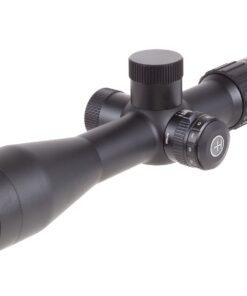
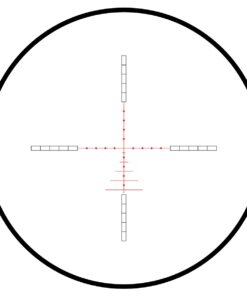
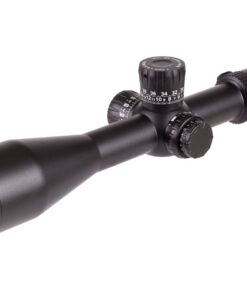
Hawke Frontier 30 Side AO Scope – Premium Optical Performance for Precise Shooting
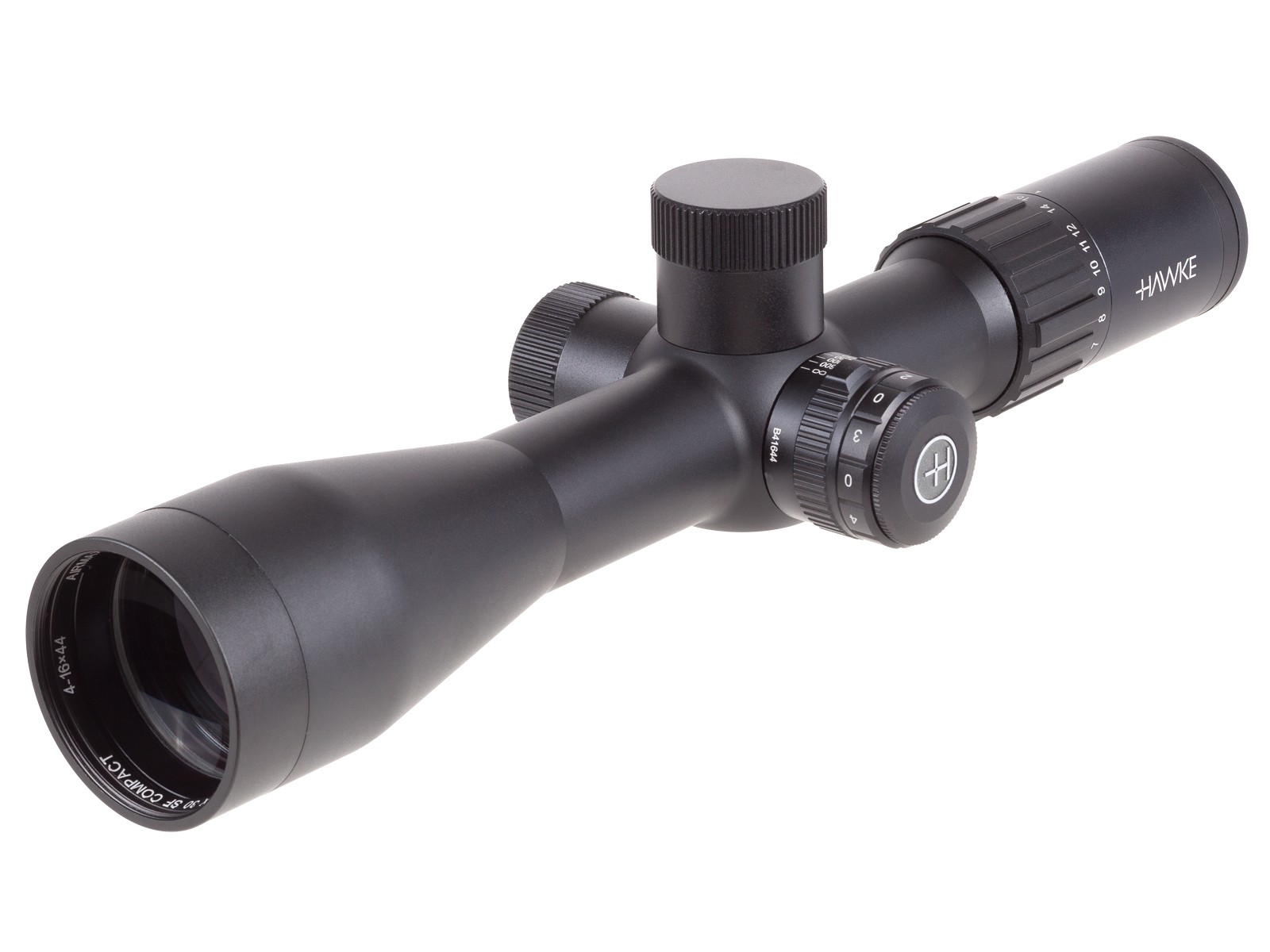
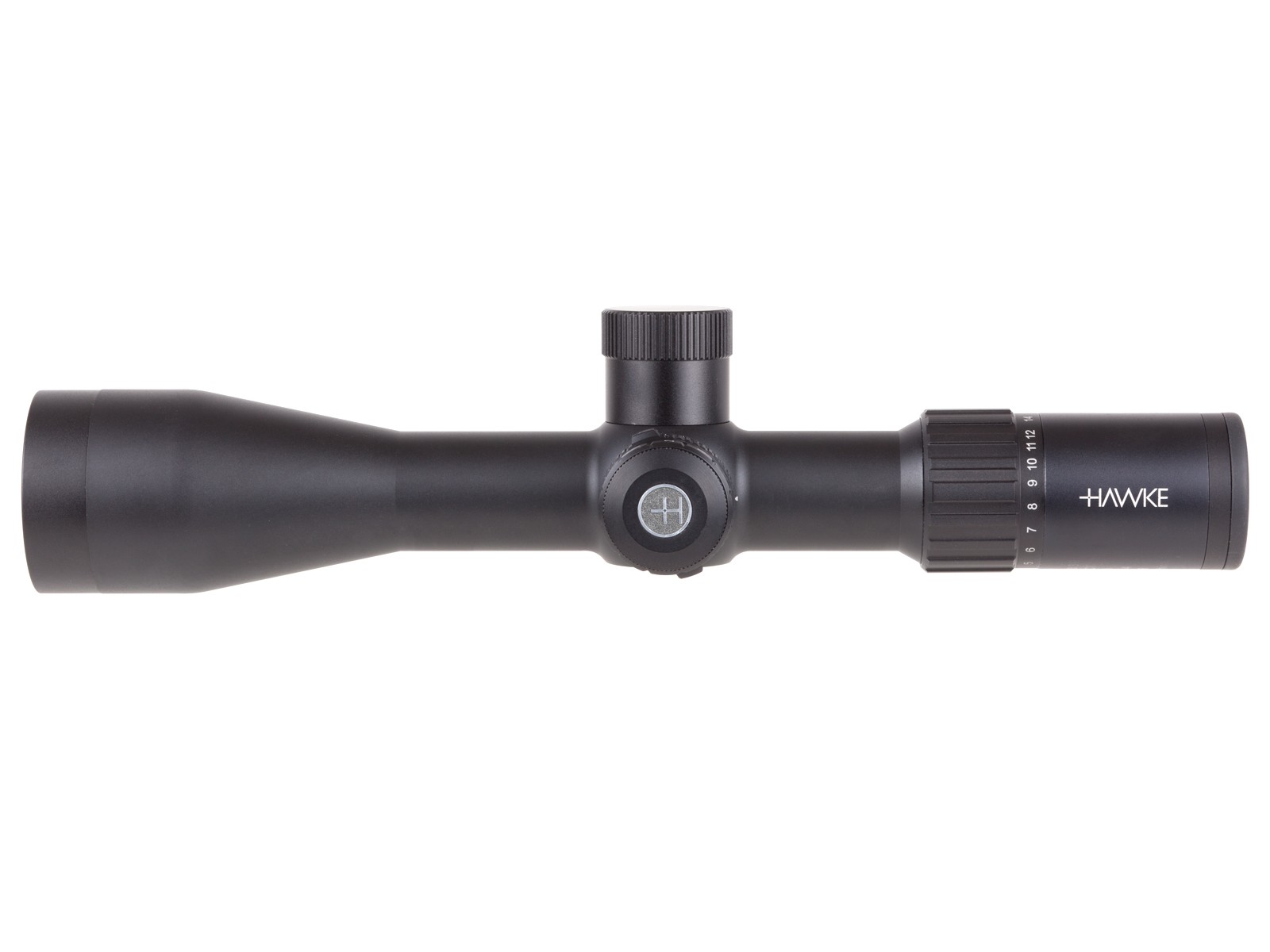
When dependable optical performance, precise adjustment, and premium build quality are required, the Hawke Frontier 30 Side AO Scope is designed to deliver a refined shooting experience. A strong 30mm mono-tube platform is provided across the Frontier 30 family, while high-grade aluminium construction is used to support strength, consistency, and long-term reliability.
From careful target acquisition to demanding outdoor shooting sessions, confidence can be improved through a combination of optical clarity, convenient side adjustment, and dependable controls. Rather than unnecessary complexity being introduced, the scope has been developed around practical functionality. As a result, adjustments can be made more naturally, while a clean and controlled sight picture can be maintained.
Furthermore, premium optical engineering has been incorporated into the Frontier range so that detail can be identified more easily across different shooting environments. Consequently, shooters who value consistency, durability, and precise aiming can be supported by an optic positioned toward the premium end of Hawke’s riflescope lineup.
Why Choose the Hawke Frontier 30 Side AO Scope?
A riflescope is expected to provide much more than magnification alone. Clear viewing, repeatable adjustment, comfortable target acquisition, and dependable construction must also be provided. With the Hawke Frontier 30 Side AO Scope, those characteristics are brought together within a robust platform.
Most importantly, a 30mm mono-tube chassis is used throughout the Frontier 30 series. High-grade aluminium is also used in the construction, allowing durability to be provided without sacrificing the refined profile expected from a premium sporting optic.
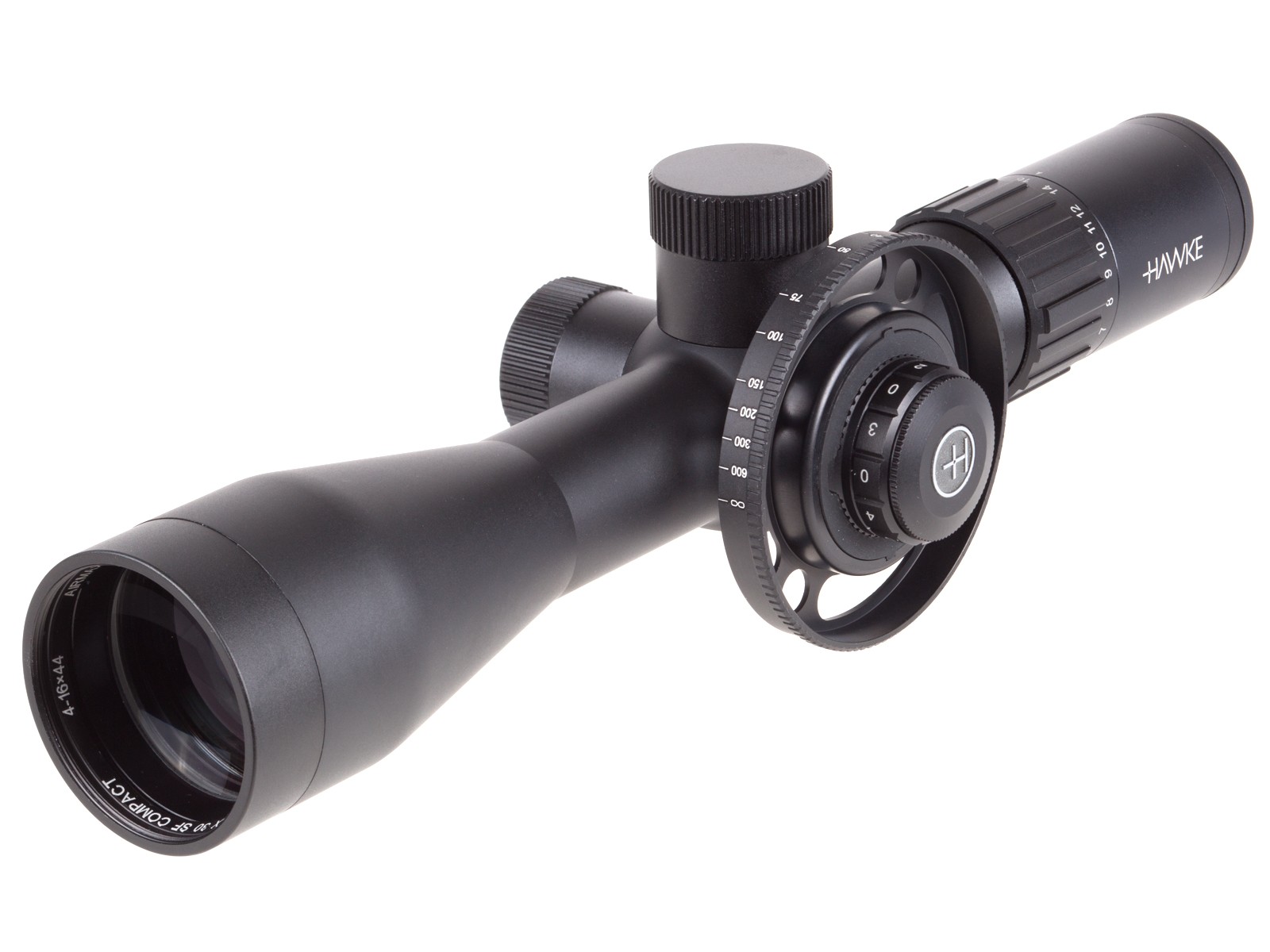
Meanwhile, side-focus capability is incorporated into Frontier 30 SF configurations. Therefore, parallax correction can be managed conveniently without the shooter having to reach toward the objective end of the optic.
Highlighted Product Features
- Premium Hawke Frontier construction for demanding shooting applications
- 30mm mono-tube chassis manufactured from high-grade aluminium
- Side-focus adjustment for convenient parallax management on applicable Frontier 30 SF models
- Precise turret adjustment designed to support accurate sight correction
- Quality optical system developed for strong clarity and target definition
- Durable construction suited to regular outdoor use
- Ergonomic control layout for straightforward field adjustment
- Professional appearance suitable for premium rifle and shooting setups
- Reliable performance platform designed for shooters who value repeatability
- Versatile Frontier architecture offered across several magnification, objective, reticle, and turret configurations
High-Quality Optical Performance
Optical clarity can make a significant difference when small details must be distinguished quickly. For that reason, considerable emphasis has been placed on lens quality throughout Hawke’s Frontier range.
Fully multi-coated optical systems are used on current Frontier models, while selected Frontier configurations are specified with 21-layer fully multi-coated lenses. High-grade, low-dispersion crown glass is also used on certain models to support improved image definition and color control.
Accordingly, a bright and detailed sight picture can be delivered under a wide range of conditions. Target edges can be identified more clearly, while distracting optical imperfections can be reduced.
Moreover, improved visual definition can be particularly useful when targets are positioned against complicated backgrounds. Instead of valuable detail being lost, stronger separation between the target and surrounding environment can be achieved.
Convenient Side Adjustment for Better Control
Precise focusing becomes especially important whenever shooting distance changes. Through side-focus adjustment on Frontier 30 SF models, parallax can be corrected conveniently from the side of the optic.
Because the adjustment is positioned within easy reach, unnecessary movement can be reduced. Consequently, shooting position and concentration can be maintained more effectively.
In addition, a sharper target image can be achieved when the focus setting has been correctly matched to the distance being viewed. Greater confidence can therefore be maintained during precision-oriented shooting.
Designed for Repeatable Adjustments
Reliable adjustment is essential whenever elevation or windage correction is required. Across the current Frontier 30 family, different turret arrangements are offered, including low-profile capped systems and Zero Lock ‘n’ Stop configurations. Hawke states that the Zero Lock ‘n’ Stop design is resettable and lockable and provides a return-to-zero function.
Therefore, the appropriate Frontier configuration can be selected according to shooting style.
A streamlined setup can be preferred when protected controls are desired. Alternatively, more readily accessible turret systems can be selected when frequent adjustment is expected.
Strong 30mm Mono-Tube Construction
Durability should never be treated as an afterthought on a quality riflescope. With the Hawke Frontier 30 Side AO Scope platform, a 30mm mono-tube chassis machined from high-grade aluminium is provided.
Through this construction, structural rigidity can be supported while a professional, streamlined profile is maintained.
Additionally, current Frontier riflescope models are described by Hawke as nitrogen purged, shockproof, waterproof, and fog proof. They are also listed as all-calibre rated on applicable product pages.
As a result, dependable performance can be expected through changing outdoor conditions when the optic is properly mounted and used according to manufacturer guidance.
Comfortable and Efficient Target Acquisition
A quality optic should allow a target to be found without unnecessary effort. Therefore, viewing comfort has been emphasized throughout the Frontier platform.
On selected Frontier configurations, a wide-angle field of view and high-volume eyebox are provided, helping the sight picture to be acquired more naturally. A fast-focus eyebell with lock ring is also included on certain models.
Consequently, eye positioning can feel less restrictive, while the reticle and target can be brought into useful focus efficiently.
This level of usability can become particularly valuable during longer shooting sessions, where repeated repositioning and uncomfortable viewing may otherwise become distracting.
Built for Shooters Who Value Precision
The Hawke Frontier 30 Side AO Scope is particularly well suited to buyers who prioritize optical quality, dependable mechanics, and convenient adjustment.
Instead of entry-level functionality being emphasized, a more refined shooting experience is provided. Therefore, the scope can be considered by recreational shooters, experienced enthusiasts, target shooters, and other responsible users seeking a higher-grade optic.
Precision can be supported through careful focusing. Adjustment can be handled conveniently. Meanwhile, confidence can be enhanced through strong construction and premium optics.
Suitable Applications
Depending on the exact magnification and reticle configuration selected, the Frontier platform can be considered for:
- Target and range shooting
- Precision-oriented recreational shooting
- Outdoor sporting applications
- Variable-distance target engagement
- Shooting situations requiring convenient parallax adjustment
- Premium rifle builds where optical quality is prioritized
Always ensure that the exact scope configuration, mounting system, and intended use comply with applicable local laws and safe firearm-handling practices.
Premium Engineering with Practical Usability
Although technical performance remains important, usability should also be considered when choosing an optic. For this reason, accessible adjustment controls, durable materials, quality lenses, and practical ergonomics have been combined throughout Hawke’s Frontier design.
Furthermore, unnecessary complication has been avoided. Each major function has been positioned so that adjustment can be performed efficiently once the scope has been properly set up.
As conditions change, the optic can therefore be adapted without the shooting experience being disrupted unnecessarily.
Hawke No-Fault Lifetime Warranty
Long-term ownership confidence is further strengthened by Hawke’s warranty support. Current Frontier product listings are supplied with the Hawke No-Fault Lifetime Warranty, subject to Hawke’s applicable warranty terms and conditions.
Consequently, additional reassurance can be provided to buyers investing in a premium Hawke optic.
Order the Hawke Frontier 30 Side AO Scope Today
For shooters seeking premium construction, precise controls, dependable optics, and convenient side adjustment, the Hawke Frontier 30 Side AO Scope offers a compelling combination.
A robust 30mm mono-tube platform is provided. High-grade aluminium construction is incorporated. Side-focus capability is available across Frontier 30 SF configurations, while sophisticated turret and optical systems are offered across the wider Frontier family.
Ultimately, dependable performance has been placed at the center of the design. Whether greater confidence is wanted at the range or a higher-quality optic is being selected for an upgraded setup, the Hawke Frontier platform provides the engineering expected from a premium sporting riflescope.
Choose the Hawke Frontier 30 Side AO Scope and equip your setup with premium clarity, precise adjustment, robust construction, and dependable Hawke engineering.
Frequently Asked Questions
1. What makes this scope suitable for precision shooting?
This scope is designed around a combination of optical clarity, dependable adjustment, and a strong 30mm tube construction. These characteristics can be especially useful when consistent aiming and repeatable performance are required. Rather than relying only on magnification, the overall design helps provide a more controlled viewing experience.
Side adjustment also allows focus and parallax to be managed more conveniently. Consequently, the target image can be refined without requiring excessive movement away from the shooting position. For shooters who regularly work at changing distances, this can make the setup more practical and easier to operate.
In addition, a premium optical platform can help improve target definition. Fine details may therefore be identified more clearly, particularly when backgrounds are visually complicated or lighting conditions are less than ideal.
2. What is the advantage of a 30mm tube?
A 30mm tube is commonly selected because it provides a strong and versatile platform for modern riflescope construction. Increased internal adjustment capacity can be supported depending on the exact scope configuration, while excellent structural rigidity can also be maintained.
Furthermore, 30mm rings and mounting systems are widely available. Therefore, compatible mounting hardware can usually be selected without difficulty.
The larger tube should not automatically be interpreted as producing greater magnification. Instead, it primarily supports the mechanical design of the optic. For shooters seeking a premium setup, a 30mm tube can provide an excellent balance between strength, adjustment capability, and practical mounting options.
3. What does the side adjustment control do?
The side adjustment is used to help correct parallax and sharpen the target image at different distances. When the target and reticle do not appear on the same optical plane, small changes in eye position can potentially cause apparent reticle movement.
Through proper adjustment, that effect can be reduced. As a result, greater confidence can be maintained when precise aiming is required.
Because the control is positioned on the side of the optic, it can generally be reached without significantly changing the shooting position. This becomes especially convenient during range sessions where multiple targets are positioned at different distances.
4. Is side focus the same as an adjustable objective?
Both systems are designed to achieve a similar goal: improving focus and correcting parallax according to target distance. However, the location of the control is different.
With an adjustable objective system, the front portion of the scope is rotated. By contrast, side-focus systems place the adjustment on the central turret area. Consequently, side focus is often considered more convenient because the control can be reached more easily from the normal shooting position.
The practical benefit is improved ergonomics. Less movement may be required, and the shooter can remain more focused on the target while making the necessary correction.
5. Can this optic be used at different shooting distances?
Yes. Variable-distance shooting is one of the situations where side adjustment can be particularly useful. As target distance changes, focus and parallax settings can be refined accordingly.
For closer targets, one setting may be required. At longer distances, another setting can be selected. Therefore, the optic can be adapted to changing conditions rather than being restricted to one fixed shooting distance.
However, the exact usable distance range will depend on the specific model, magnification range, and parallax specification. Buyers should always check the individual product configuration before ordering.
6. Is the scope suitable for target shooting?
Target shooting is one of the most natural applications for this type of optic. Precision adjustments, clear optics, and convenient focusing can all contribute to a more controlled range experience.
When groups are being evaluated, consistent aiming becomes particularly important. A sharper target image can help the shooter align the reticle more confidently. Likewise, repeatable turret adjustment may be useful when corrections are required.
For recreational range sessions as well as more serious precision practice, a well-built variable optic can therefore provide substantial advantages.
7. How important is optical clarity in a riflescope?
Optical clarity is extremely important because every aiming decision depends on what can be seen through the scope. A magnified image is not automatically useful if detail, contrast, or sharpness is poor.
High-quality glass and lens coatings can help improve light transmission while reducing reflections. Consequently, target edges can appear more defined and visual fatigue may be reduced during longer shooting sessions.
Clear optics can also become especially valuable when targets are placed against vegetation, dark backgrounds, or uneven terrain. Better separation between the target and surrounding environment can make precise aiming easier.
8. Does a larger objective lens always mean a better scope?
Not necessarily. A larger objective lens can allow more light into the optical system, but overall performance depends on much more than objective size alone.
Lens quality, coatings, internal construction, magnification, exit pupil, and optical design all contribute to the final image. Therefore, a well-engineered scope with a moderate objective can sometimes provide a better viewing experience than a lower-quality optic with a larger objective.
Mounting height should also be considered. Larger objectives may require higher rings, which can affect cheek position and overall rifle ergonomics.
9. How should the scope be mounted?
The scope should be installed using suitable 30mm rings or a compatible one-piece mount. Before tightening the rings, correct eye relief should be established while the rifle is held in the normal shooting position.
The reticle should then be leveled carefully. Ring screws should be tightened gradually and evenly according to the mount manufacturer’s recommended torque specifications.
Overtightening should be avoided because excessive pressure can damage the tube or interfere with internal mechanisms. Proper installation is essential because even a high-quality optic may perform poorly if the mount is unstable or incorrectly aligned.
10. What is eye relief and why does it matter?
Eye relief is the distance between the shooter’s eye and the rear lens where the full field of view can be seen. Correct eye relief provides both comfort and safety.
If the eye is positioned too far away, the image may appear restricted. If it is positioned too close, viewing can become uncomfortable and additional safety concerns may arise on equipment that produces substantial recoil.
The scope should therefore be positioned so that a complete sight picture is achieved naturally when the rifle is shouldered. Correct setup can reduce unnecessary head movement and improve shooting consistency.
11. How should the reticle be focused?
Reticle focus is generally adjusted using the ocular or fast-focus eyepiece. The goal is to make the reticle appear immediately sharp when viewed.
A plain, bright background can be used during setup. The shooter should look through the scope briefly, then adjust the eyepiece until the reticle appears crisp. Long periods of staring should be avoided because the eye may compensate and make an incorrect setting appear acceptable.
Once properly adjusted, the ocular setting normally requires little further modification unless the optic is used by another person with different eyesight.
12. What does parallax mean in practical terms?
Parallax occurs when the image of the target and the reticle are not perfectly aligned on the same optical plane. If the shooter’s eye moves slightly, the reticle may appear to shift across the target.
At shorter distances or lower precision requirements, the effect may be relatively minor. However, as accuracy demands increase, proper parallax correction becomes more important.
By adjusting the side control until the target appears sharp and apparent reticle movement is minimized, aiming consistency can be improved.
13. Is high magnification always better?
No. Higher magnification can make small targets easier to inspect, but it also introduces several trade-offs. Field of view becomes narrower, natural movement appears more pronounced, and target acquisition may become slower.
Lower magnification can be more comfortable when targets are closer or when a wider field of view is preferred. Therefore, variable magnification is valuable because the image can be adapted according to the situation.
For many shooters, the most effective setting is not the maximum magnification but the lowest power that still provides enough detail for confident aiming.
14. How can the correct magnification be selected?
Magnification should be matched to target size, distance, shooting position, and environmental conditions. A stable benchrest position may allow more magnification to be used effectively. Conversely, a less stable position may benefit from a wider field of view and reduced image movement.
Start at a moderate setting and increase magnification only when additional detail is genuinely needed. This approach can make target acquisition easier and reduce unnecessary visual instability.
Extreme heat can also create visible mirage at longer distances. In those conditions, reducing magnification may actually produce a more usable image.
15. How should the lenses be cleaned?
Loose dust should first be removed with a clean lens brush or suitable air blower. Rubbing dry dust directly across the glass should be avoided because abrasive particles may scratch the coatings.
After loose particles have been removed, a clean microfiber cloth or dedicated lens tissue can be used. If necessary, a small quantity of optical lens-cleaning solution may be applied.
Household glass cleaners and aggressive chemicals should not be used because they may damage lens coatings or surrounding materials. Gentle cleaning is normally sufficient.
16. Can the scope be used in wet weather?
Premium outdoor optics are generally designed to tolerate challenging conditions, but reasonable care should still be taken. After exposure to rain, external moisture should be wiped away using a clean, dry cloth.
The scope should then be allowed to dry naturally before being stored. Wet equipment should not be sealed immediately inside a case for extended periods because trapped moisture may encourage corrosion on surrounding metal components.
Lens caps can also be used during transport to reduce unnecessary exposure to water, dust, and debris.
17. How should the optic be stored?
The optic should be kept in a dry environment away from excessive heat, persistent moisture, and aggressive chemicals. When the scope remains attached to the rifle, the entire setup should be stored securely and legally.
Lens caps should be fitted whenever practical. Additionally, external surfaces should be inspected periodically for dust, moisture, or signs of damage.
A padded case can provide useful protection during transport, although long-term storage in a damp soft case should generally be avoided.
18. What can cause a scope to lose zero?
Several factors can cause apparent zero shift. Loose mounting screws are among the most common problems. Ring movement, base movement, ammunition variation, mechanical changes, or inconsistent shooting technique can also contribute.
Before assuming the optic is defective, the entire mounting system should be inspected carefully. Fasteners should be checked according to manufacturer torque specifications, and the rifle should be tested with consistent ammunition.
If unexplained zero changes continue after mounting and ammunition variables have been eliminated, the optic may require professional inspection.
19. Should the turrets be adjusted frequently?
That depends on the type of shooting being performed. Some shooters prefer to establish zero and leave the turrets largely untouched. Others make regular elevation or windage adjustments according to distance and conditions.
Frequent adjustment places greater importance on turret repeatability. Protected or capped turrets may be more appropriate when accidental movement needs to be minimized.
Before making repeated corrections, shooters should understand the adjustment unit used by their specific model and should confirm how each click corresponds to point-of-impact movement.
20. What should be checked before buying?
The exact model specification should always be reviewed because different versions may use different magnification ranges, objective sizes, reticles, illumination systems, turret designs, and focusing distances.
Ring diameter and mounting clearance should also be confirmed. Buyers should additionally consider intended shooting distance, preferred reticle style, rifle type, and whether frequent turret adjustment will be required.
Choosing according to practical use rather than simply selecting the largest magnification can provide a much more satisfying result.
21. Is this type of optic suitable for beginners?
Yes, although new shooters may benefit from learning the basic controls before using every available feature. Magnification, ocular focus, side focus, elevation, and windage should each be understood individually.
Once these controls have been learned, the system can become straightforward to operate. In fact, accessible side adjustment can make parallax correction easier to understand because changes can be observed directly through the sight picture.
Beginners should also spend time learning safe handling, correct mounting, and consistent shooting fundamentals.
22. Why is proper cheek position important?
A consistent cheek position helps place the eye in approximately the same location behind the optic for every shot. This improves sight-picture consistency and can reduce aiming errors.
Mounting height plays an important role. If the scope is mounted unnecessarily high, the shooter may struggle to maintain comfortable contact with the stock.
For this reason, rings should generally be selected to position the optic as low as practical while still providing adequate clearance for the objective, action, and accessories.
23. Can environmental conditions affect the sight picture?
Yes. Rain, haze, low light, dust, bright sunlight, and heat mirage can all influence what is seen through an optic.
Under very bright conditions, reducing magnification can sometimes improve usability. During low light, a wider exit pupil may make the image easier to view. Heat mirage may become especially visible at higher magnification.
Understanding these effects can help shooters make better use of the optic rather than assuming that maximum magnification should always be selected.
24. How often should the mounting system be inspected?
Mounting hardware should be checked when the scope is first installed and periodically afterward. Inspections are particularly important after extended use, transport, or unusual impact.
Frequent unnecessary tightening should be avoided. Instead, fasteners should be checked carefully and maintained according to the mount manufacturer’s guidance.
A correctly installed scope and mount should remain stable without constant adjustment.
25. Who is this scope best suited for?
This type of optic is well suited to shooters who value optical clarity, convenient focus adjustment, dependable construction, and a premium overall feel.
Range shooters may appreciate the ability to refine focus at changing distances. Precision-oriented users may value repeatable controls and strong target definition. Recreational shooters can also benefit from the versatility offered by a variable optical system.
Ultimately, the best results will be achieved when the exact model is matched carefully to the rifle, typical shooting distance, mounting setup, and individual viewing preferences.
Premium Rangefinding Binoculars, Precision Riflescopes and Advanced Hunting Optics
Modern optical technology gives hunters, sport shooters, wildlife observers, and outdoor enthusiasts more ways to identify distant targets, measure range, and achieve a clearer field of view. Premium Leica rangefinder binoculars remain highly regarded for combining observation and ranging technology in one compact optical platform. Popular searches include Leica Geovid 10×42 rangefinder binoculars, Leica Geovid binoculars, Leica binoculars with rangefinder, Leica Geovid Pro 10×42, and Geovid Pro 10×42. Whether someone is researching a Leica Geovid rangefinder, Leica Geovid Pro rangefinder binoculars, Leica Geovid rangefinder binoculars, or the classic Leica Geovid 10×42, the Geovid family is commonly associated with high-quality glass, strong optical clarity, and practical long-distance observation.
Beyond rangefinding models, the wider Leica binoculars collection appeals to users searching for Leica small binoculars, binoculars Leica, Leica Geovid binos, Leica bino, Leica binoculars for sale, Leica bino rangefinder, Leica camera binoculars, Leica binos, or simply a Leica binocular for travel, field observation, wildlife viewing, and outdoor use. Different magnification formats, including 10×40, can suit users who want a balance between detail, portability, and field of view.
Alternative electronic binocular technologies are also becoming increasingly popular. Searches for SIG Sauer binoculars, SIG self stabilizing binoculars, SIG Sauer binos, SIG binoculars, SIG image stabilizing binoculars, SIG binocular, and SIG auto stabilizing binoculars reflect growing interest in electronically assisted viewing. Likewise, SIG Sauer self stabilized binoculars and SIG Sauer image stabilized binoculars can appeal to users who want reduced visual movement during handheld observation. Some buyers may also encounter broader search variations such as Sigma binoculars or specification terms like 11.5ee while comparing different optical products.
Precision aiming optics occupy another major part of the premium optics market. A Zeiss red dot offers a different sighting concept from traditional magnified optics, while the Nightforce ATACR line is frequently researched by users interested in premium long-range scopes. Common variants include Nightforce ATACR 5-25×56 F2, Nightforce ATACR 4-20×50, Nightforce ATACR 5-25×56 F1, and Nightforce ATACR 4-16×50. Related searches such as Night Force ATACR, ATACR scope, Nightforce attacker, ATACR 4-20, and Nightforce ATACR 4 20×50 F1 often appear when buyers are comparing magnification ranges, focal-plane configurations, turret systems, and optical performance.
At the higher end of precision optics, Tangent Theta products are frequently associated with specialist applications requiring refined mechanical adjustment and premium optical performance. Users may search for Tangent Theta scopes, Tangent scope, Tangent scopes, Theta optics, Tangent Theta scope, and Tangent optics while researching high-performance long-range systems.
The market also includes companies such as Fierce Firearms, Fierce Arms, and Fierce Optics, which may appear in searches involving hunting equipment and optical accessories. Within the Athlon category, meanwhile, one of the more detailed product searches is Midas TAC Gen2 HD 6-24×50 APLR15 FFP MOA reticle riflescope. The broader Athlon Midas TAC family, including Athlon Midas TAC 6-24×50, is often considered by users who want substantial magnification and adjustable target-focused features.
For shooters comparing larger objective and magnification configurations, terms such as 34 56, 34×56, Athlon Argos BTR Gen2 8-34×56, Athlon BTR Gen 2, Athlon Argos BTR Gen2, Athlon Argos BTR, and Athlon Argos BTR Gen 2 commonly appear during product research. Search variations such as Athalon scopes and Athens scope may also lead shoppers toward Athlon products when researching a new gun scope, Icarus scope, longest range scope, or general hunting optic.
Anyone learning how to buy a rifle scope should compare magnification range, objective diameter, reticle design, adjustment system, eye relief, optical quality, focal-plane configuration, overall weight, and intended sporting application. Terms such as AO scope can refer to adjustable-objective configurations, while models in the Athlon Ares BTR family provide additional options for users exploring precision-oriented optics.
Mid-range magnification searches frequently include 2.5×15, Avalon Aries, 2.5/15, Athlon BTR Gen 2, Athlon scopes review, Athlon reticles, 2.5-15 scope, and repeated comparisons involving Athlon Argos BTR Gen2 8-34×56 or 34×56 configurations. These searches demonstrate how buyers often compare reticles, magnification ratios, objective sizes, and scope families rather than selecting an optic solely by maximum magnification.
Low-power variable optics are another major category. Searches such as 1 10 scope, Ares ETR 1 10, 1 10 LPVO, 1-10 LPVO, 1-10 FFP LPVO, 1×10 scope, Athlon ETR, LPVO 1-8, LPVO 1-10, and 1-10 rifle scope reflect demand for versatile magnification systems. An LPVO allows users to move between low magnification for a broad field of view and higher magnification for improved observation at extended distances, making the format useful across several sporting disciplines.
For greater magnification, the Ares ETR Gen2 UHD 4.5-30×56 APRS12 FFP IR MIL reticle represents another precision-focused configuration within the Athlon range. Related product searches include Athlon 4.5-30×56, 4.5 30, Athlon ETR, and 4.5/30. The large 56 mm objective and broad magnification range make this type of optic particularly relevant to users comparing long-distance target and field optics.
Other searches such as 14×44, 2s14, Athlon BTR 2-12, 1/2×42, Athlon BTR Gen 2, 12×4.2, 2-12x, and Athlon 2 demonstrate continued demand for more compact variable-magnification formats. A 2-12x configuration, for example, can provide a useful compromise between field of view and magnified observation without requiring the size or weight of a very high-magnification optic.
Ultimately, premium optics cover far more than a single product category. Leica rangefinder binoculars and Leica Geovid binoculars combine observation with distance measurement, while stabilized SIG Sauer binoculars emphasize steady handheld viewing. Meanwhile, Nightforce ATACR, Tangent Theta scopes, and Athlon families such as the Midas TAC, Argos BTR, Ares BTR, and Ares ETR provide a wide range of magnification, reticle, and focal-plane options. By comparing optical clarity, magnification range, objective diameter, reticle format, adjustment system, physical dimensions, and intended sporting use, buyers can narrow a broad optics market into products that better match their individual requirements.





Reviews
There are no reviews yet.