We Deliver Airguns Directly To Your Door
SKU N/A Category

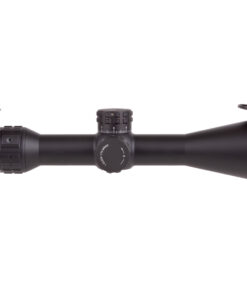
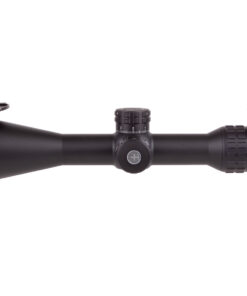
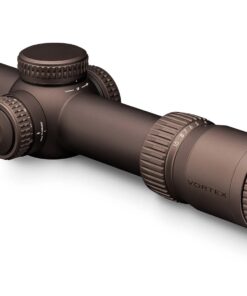
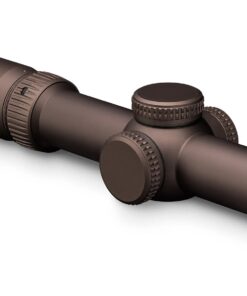
Hawke Frontier 30 FFP IR Mil Pro

Price range: €600.00 through €650.00

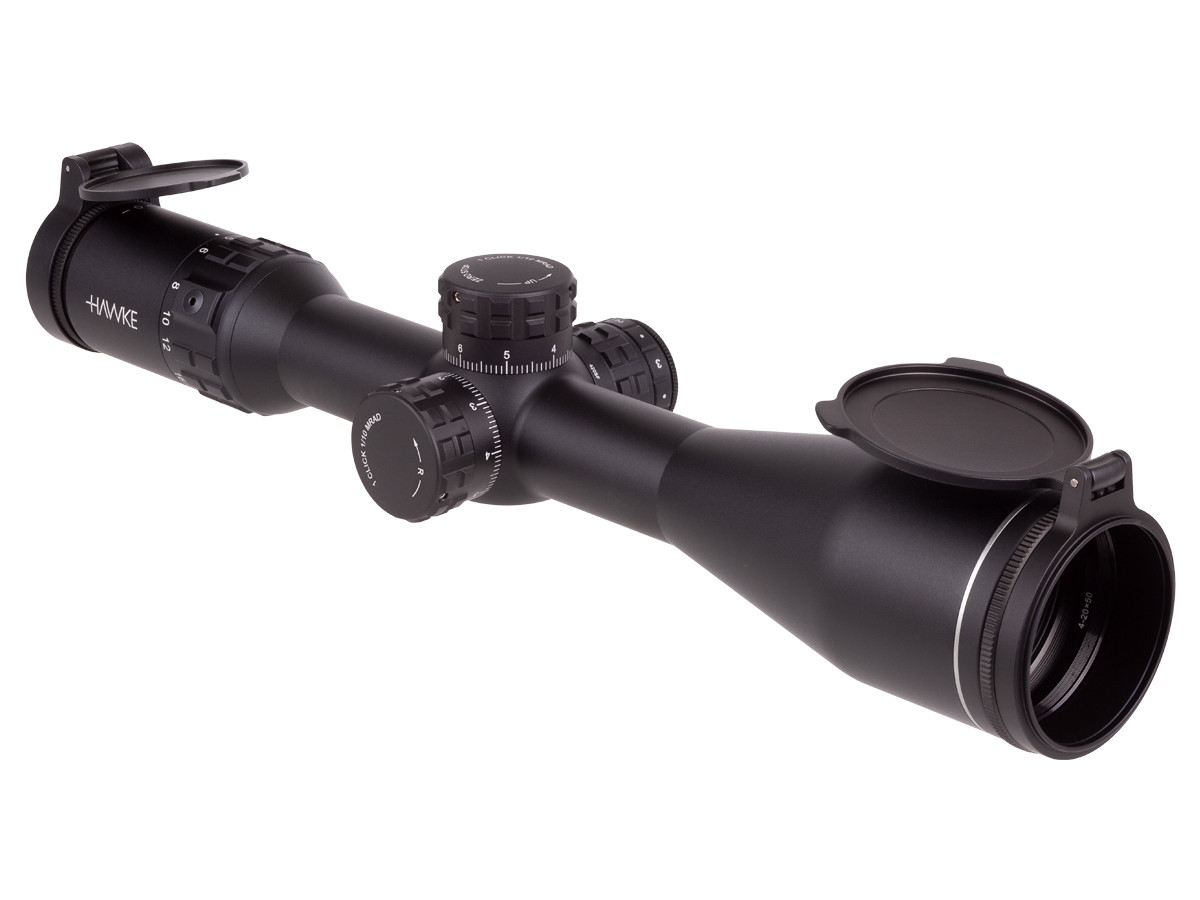
The Hawke Frontier 4-20×50 FFP Rifle Scope is an excellent choice for both hunters and target shooters. It offers versatility and durability for various shooting applications.

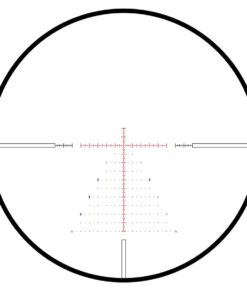
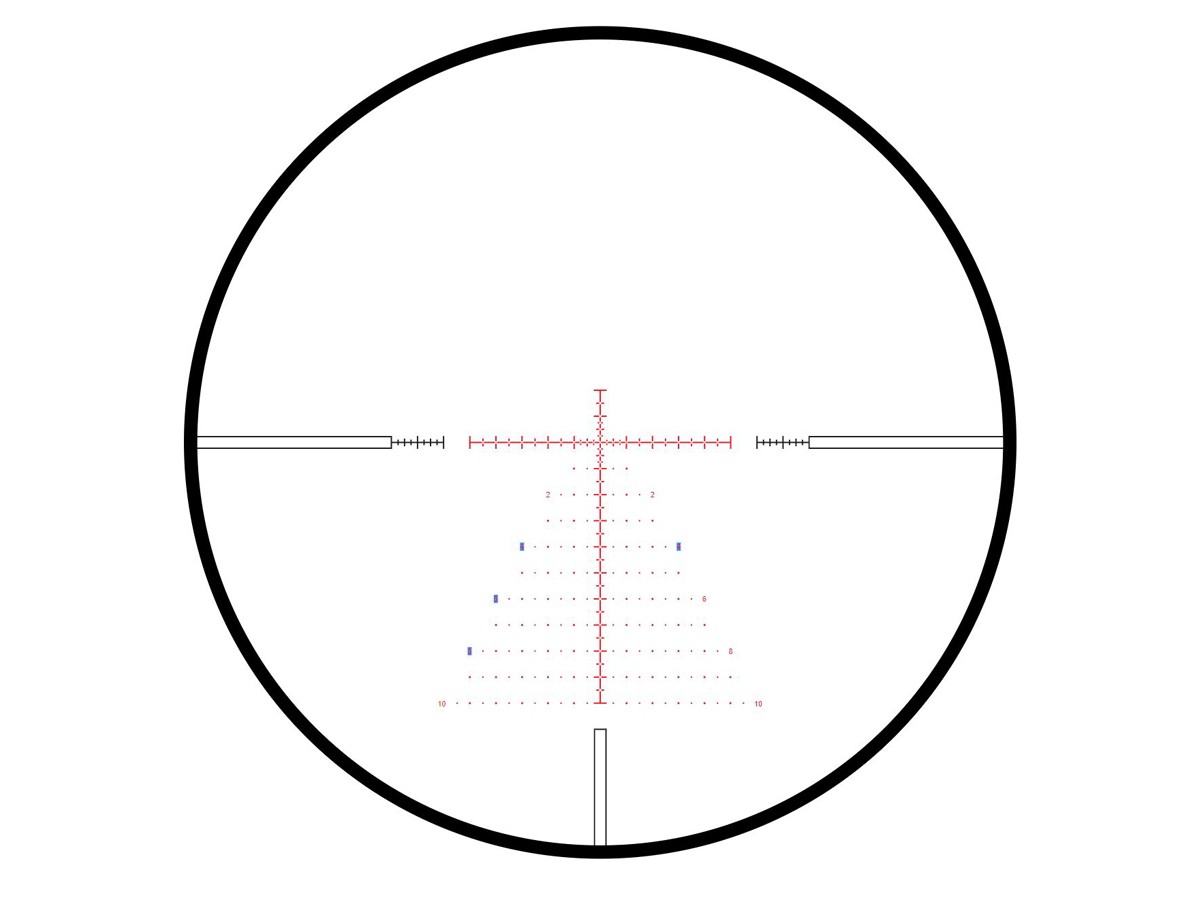
The Mil Pro reticle, featuring 10 MILs of holdover markings and transparent gaps, ensures that your view of the target is never obstructed.

Backed by Hawke’s Global Lifetime Warranty, the Frontier 30 stands out in Hawke’s lineup. Invest in accuracy with the 4-20×50 FFP Frontier today! Available at Airgun Depot, get yours now!

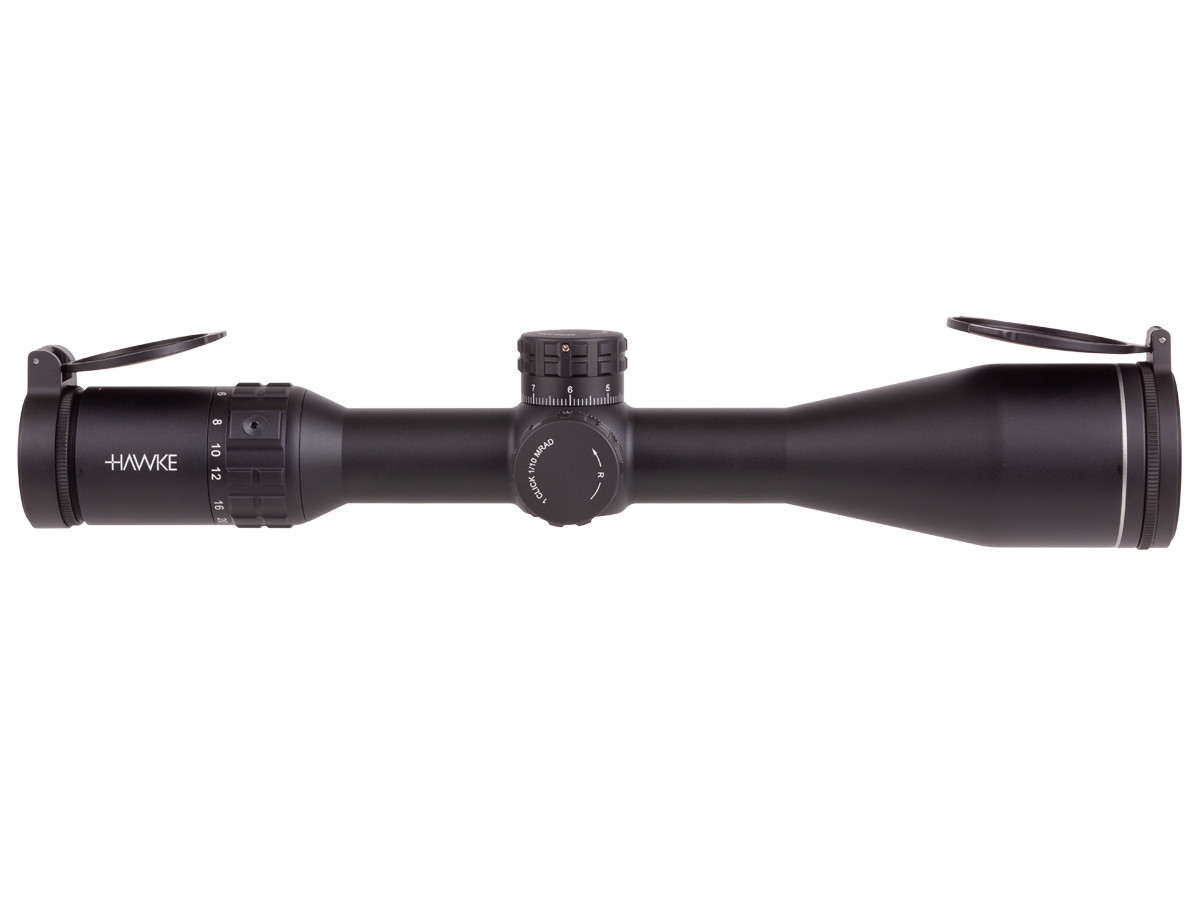
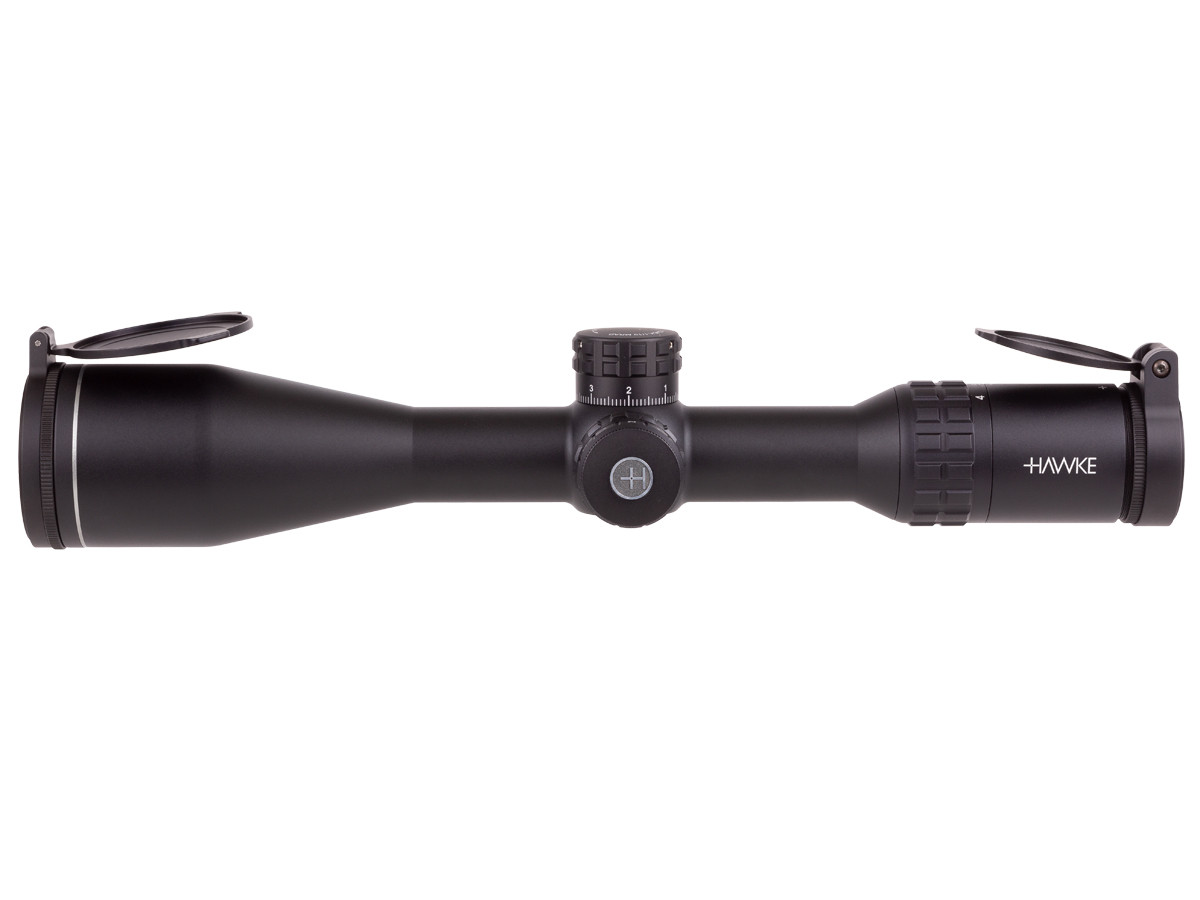
Hawke Frontier 30 FFP SF Riflescope 4-20×50 IR Mil Pro, 1/10 MRAD

  • Length: 13.2″
  • Weight: 22.2 oz
  • Focal Plane: First
  • Tube Size: 30mm
  • Reticle: Mil Pro
  • Min Parallax Adjustment: 15 yds
  • Eye Relief: 4 inches
  • Field of view @ 100 yards: 28.2-5.7 ft
  • 6 level Illumination reticle
  • Click Adjustment Value: 1/10 MRAD

Other Features:

  • Waterproof
  • Shockproof
  • Nitrogen Purged
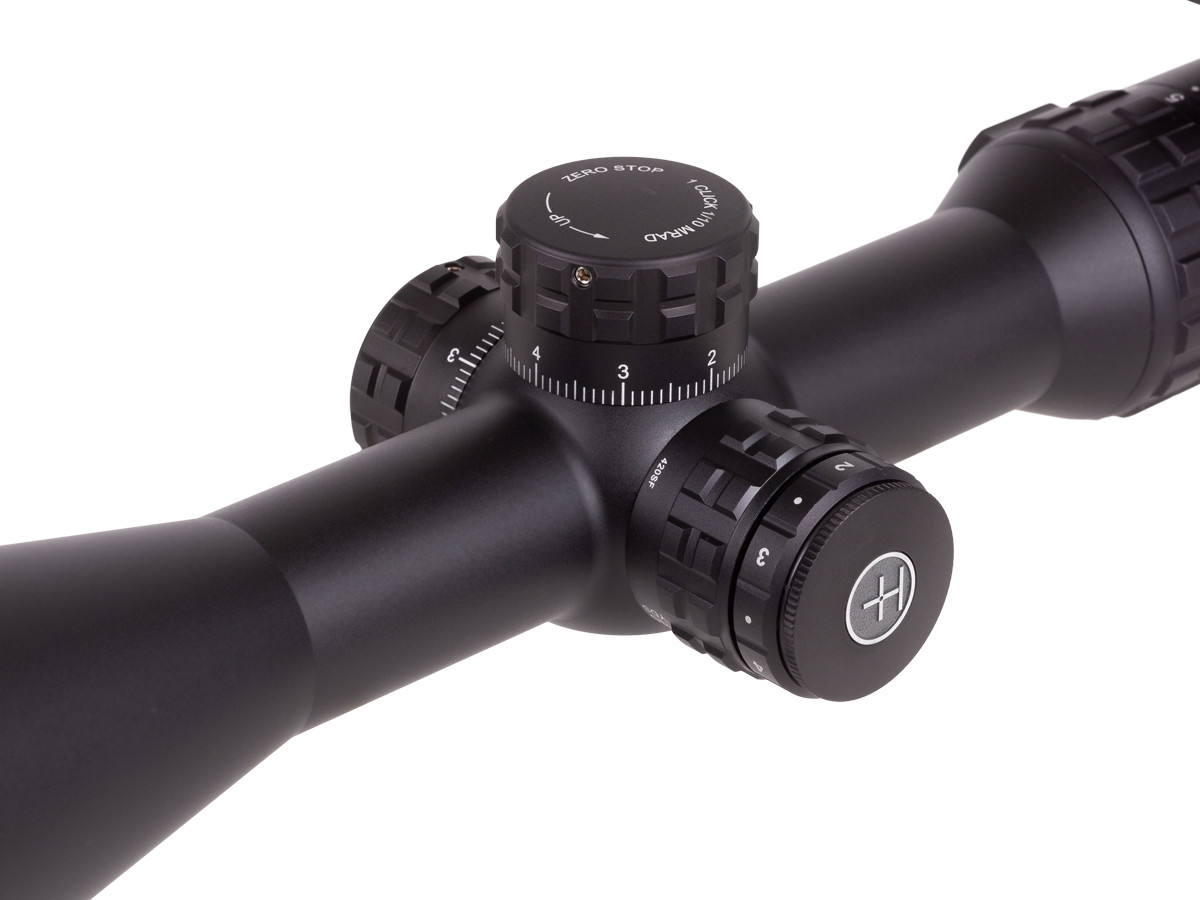
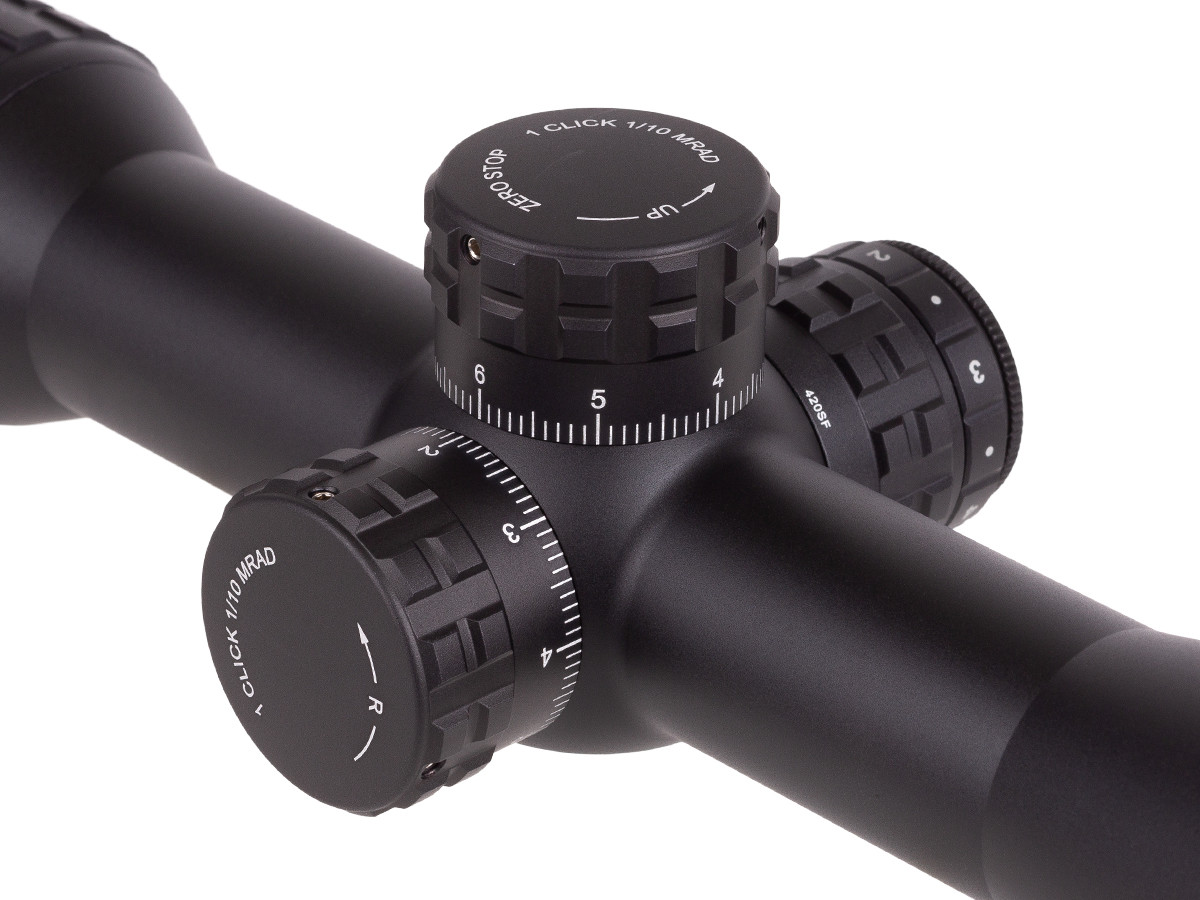
  • Patent Pending Lock n’ Stop Turrets (zero stop)
  • Removable Zoom Lever
  • 26 MRAD Windage and Elevation Adjustment
Specs
  • ManufacturerHawke Sport Optics
  • Condition New
  • Accessories Type Scopes
  • Warranty Lifetime limited warranty
  • Weight 1.79
  • Objective and Magnification 4-20×50

Discover Unmatched Precision with the Hawke Frontier 30 FFP IR Mil Pro

Precision optics are elevated to new heights by the Hawke Frontier 30 FFP IR Mil Pro. Designed for shooters who demand consistent accuracy across varying distances and conditions, this flagship riflescope series delivers exceptional performance. Whether long-range target engagement, dynamic competitions, or ethical hunting pursuits are undertaken, the Hawke Frontier 30 FFP IR Mil Pro provides the tools needed for confident success.

Engineered with Hawke’s advanced H7 optical system, supreme clarity and light transmission are achieved through high-grade, low-dispersion Crown glass. Fully multi-coated with 21 layers, the lenses ensure bright, sharp images from edge to edge. As a result, targets remain clearly defined even in challenging light.

Advanced First Focal Plane Technology for Consistent Holdovers

True hold points are maintained at every magnification setting thanks to the first focal plane design of the Hawke Frontier 30 FFP IR Mil Pro. When magnification is increased, the reticle scales proportionally with the image. Consequently, range estimation and holdover calculations remain accurate without the need for complex charts or mental adjustments.

Moreover, the FFP Mil Pro reticle features half-mil spaced markings that extend to 10 mils of holdover. Additional finer subtensions in the central section support precise aiming at extreme distances. Transparent gaps in the design keep the target unobstructed, allowing a clear view at all times. Therefore, shooters of all experience levels benefit from versatile aim points that adapt seamlessly to changing scenarios.

In addition, red multi-LED illumination is offered across six intensity levels, with off positions between each setting. Low-light or shadowed environments are mastered with ease, while battery life is conserved through thoughtful control.

Rugged Construction Built for Every Challenge

Durability forms the foundation of the Hawke Frontier 30 FFP IR Mil Pro. A 30mm mono-tube chassis is machined from high-grade aluminum, delivering strength without unnecessary weight. Nitrogen purging, combined with waterproof, shockproof, and fog-proof construction, ensures reliability in rain, dust, temperature extremes, or heavy recoil. All calibers are rated, so the optic performs equally well on air rifles, centrefire platforms, or magnum cartridges.

Furthermore, generous 4-inch (approximately 100–102 mm) eye relief creates a high-volume eyebox that accommodates rapid target acquisition and protects against recoil. Wide-angle field of view supports tracking of moving targets at lower powers while still delivering detail at maximum magnification.

Precision Turrets and User-Friendly Adjustments

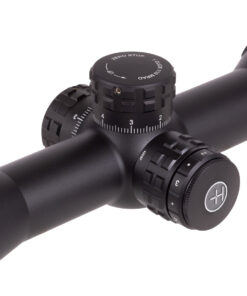
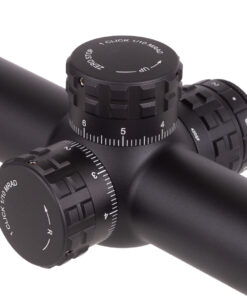
Fine control is delivered by the patented Zero Lock ‘n’ Stop elevation turret system. Exposed, lockable, and fully resettable, these turrets allow rapid return to zero after dialing for distance. Click values of 1/10 MRAD enable precise, repeatable adjustments measured in tenths of a milliradian. Elevation and windage ranges typically span 19–26 MRAD depending on the specific model configuration, providing ample travel for long-range work.

Side focus parallax adjustment runs from as close as 10–15 yards (or 9–14 meters) to infinity, eliminating image shift and ensuring crisp focus at any range. A removable zoom lever and locking fast-focus ocular further streamline field use, so magnification and focus changes can be made quickly and securely.

Key Features of the Hawke Frontier 30 FFP IR Mil Pro Highlighted for Easy Review:

  • First Focal Plane (FFP) optical system with true holdovers at all powers
  • Illuminated FFP Mil Pro reticle (6 red intensity levels)
  • 30mm mono-tube chassis machined from high-grade aluminum
  • 21-layer fully multi-coated lenses and low-dispersion Crown glass (H7 system)
  • Patented Zero Lock ‘n’ Stop elevation turrets with 1/10 MRAD clicks
  • Side focus parallax from close range to infinity
  • Generous 4-inch eye relief and high-volume eyebox
  • Wide-angle field of view for versatile shooting
  • Nitrogen purged, waterproof, shockproof, and fog proof
  • All-caliber rated construction
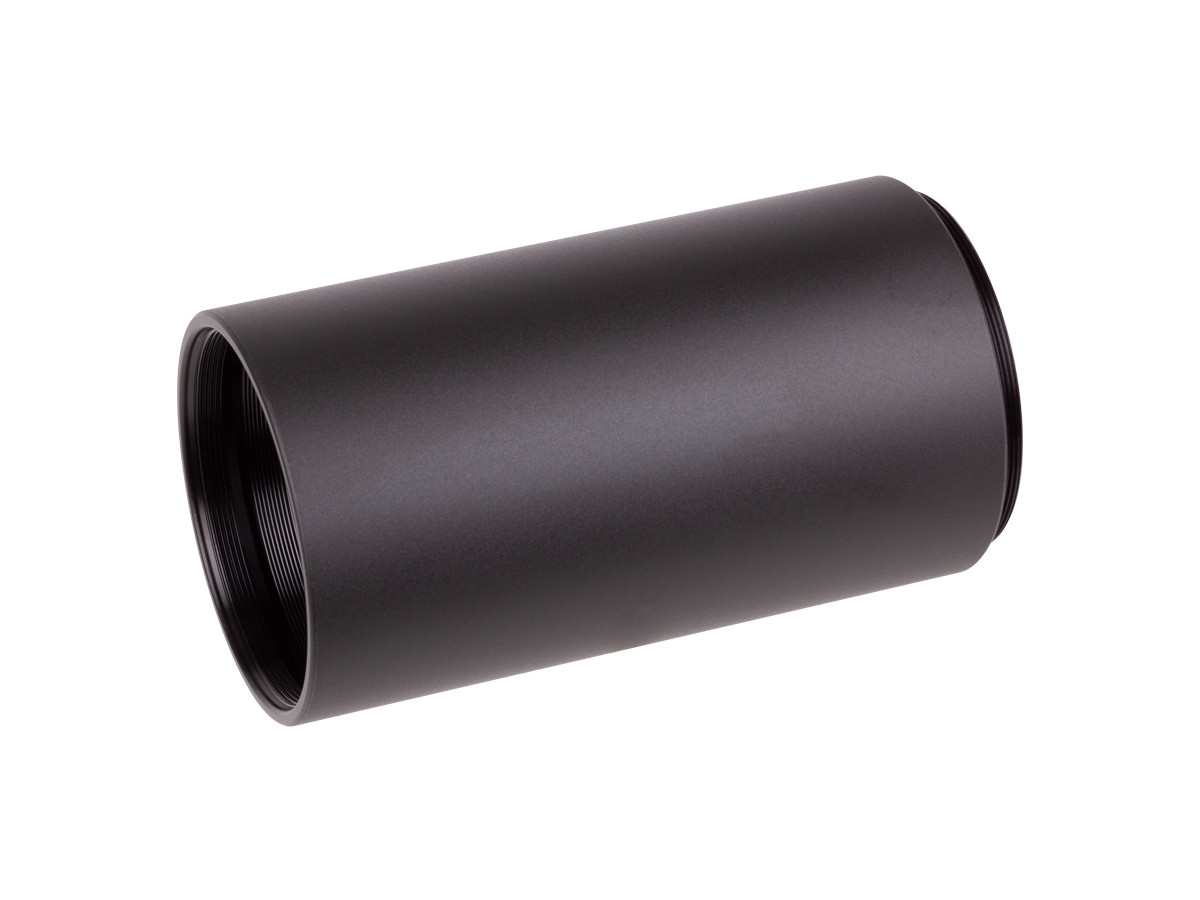
  • Supplied with professional metal flip-up covers, sun shade, zoom lever, lens cloth, and battery
  • Backed by Hawke’s No-Fault Lifetime Warranty

Versatility Across Disciplines and Environments

Hunters, competitive shooters, and recreational enthusiasts alike find the Hawke Frontier 30 FFP IR Mil Pro adaptable. At lower magnifications, a broad field of view supports close-range or moving-game shots. When higher powers are selected, fine reticle details and optical clarity enable precise engagement of distant targets. Transitioning between these roles feels natural because of the consistent first-focal-plane behavior and smooth controls.

In addition, the optic’s robust sealing and mechanical reliability inspire confidence during extended field use. Temperature swings, moisture, or repeated recoil cycles are handled without loss of zero or image quality. Consequently, more time can be spent focusing on the shot rather than worrying about equipment.

Why Choose the Hawke Frontier 30 FFP IR Mil Pro for Your Next Setup

Optical excellence is paired with practical field features in the Hawke Frontier 30 FFP IR Mil Pro. Index-matched lenses deliver exceptional clarity across the entire field of view, while the multi-LED reticle provides high-intensity visibility when needed. The combination of FFP design, mil-based reticle, and matching 1/10 MRAD turrets simplifies ballistic compensation for every shooter.

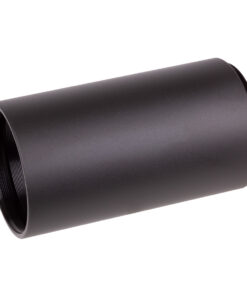
Moreover, thoughtful inclusions such as the removable throw lever, locking ocular, and protective covers enhance everyday usability. Professional-grade metal flip-up covers protect the lenses during transport or storage, and a 4-inch sun shade helps manage glare in bright conditions.

Inclusive design principles ensure the Hawke Frontier 30 FFP IR Mil Pro welcomes shooters of every background and skill level. Clear, intuitive controls and consistent performance remove barriers, allowing everyone to develop confidence behind the optic. Whether a first precision scope is being selected or an upgrade is sought for an existing rifle, this series offers a balanced blend of capability and value.

Supreme accuracy for rifle shooting, driven game, and hunting applications is delivered by every model in the range. Available configurations typically include popular options such as 3-15×50, 4-20×50, and 5-25×56, each optimized with the same core technologies.

Ready to Elevate Your Shooting Experience

Confidence in every shot is built through the thoughtful engineering of the Hawke Frontier 30 FFP IR Mil Pro. Crystal-clear glass, a versatile illuminated reticle that scales correctly, rugged all-weather construction, and precise zero-stop turrets work together to support better results in the field or on the range.

Furthermore, Hawke’s No-Fault Lifetime Warranty provides lasting peace of mind, reflecting the manufacturer’s commitment to quality. When the next optic is chosen, consider how the Hawke Frontier 30 FFP IR Mil Pro can transform accuracy, speed, and enjoyment.

Add the Hawke Frontier 30 FFP IR Mil Pro to your rifle today and experience the difference that precision optics make. Clear images, reliable adjustments, and consistent holdovers await—ready for whatever challenges the next outing brings.

Complete Guide to Athlon Optics Scopes, Thermal Systems, and Precision Shooting Equipment

The world of precision shooting continues to evolve, and the Athlon Outdoors product lineup remains one of the most respected choices among hunters, target shooters, and long-range enthusiasts. Whether you are researching the Athlon Midas TAC, comparing various Athlon reticles, looking for a powerful thermal optic, or searching for dependable spotting scopes, Athlon offers solutions designed for virtually every shooting discipline.

Athlon Midas TAC and Precision Riflescopes

The Athlon Midas TAC family has earned an excellent reputation among professional marksmen. Products such as the Midas TAC Gen2 HD 6-24×50 APLR15 FFP MOA reticle riflescope, the Athlon Midas TAC 4-16×44, and the well-known Mida 110 configuration deliver outstanding clarity, dependable tracking, and repeatable adjustments.

Many shooters also compare these optics with alternatives such as the Telson Target Master 5-25×56 because of their similar performance characteristics.

Popular configurations include:

  • 6-24 scope models
  • 4-20x tactical optics
  • 2.5-15 scope systems
  • 25×56 long-range platforms
  • 2.5 x 15, 2.5 15, 2.5/15, 2.5.15, and 15 x 2.5 configurations

These optics are designed for competitive shooting, hunting, and precision target applications.

Athlon Argos BTR Series

The Athlon Argos BTR Gen2 family remains one of the company’s most popular product lines.

Many shooters compare the following models:

  • Athlon Argos BTR Gen2 6-24×50
  • Athlon Argos BTR Gen3 6-24×50
  • Athlon Argos BTR Gen 2
  • Athlon BTR Gen 2
  • Argos BTR Gen2 6-24×50
  • Athlon Argos BTR Gen2 6-24×50 review
  • Athlon Argos BTR Gen2 6-24×50 price

Users frequently praise the durability, tracking precision, and image quality of these scopes. Reviews consistently indicate that the Argos lineup delivers impressive performance while remaining affordable.

Athlon Helos BTR Series

The Athlon Helos BTR Gen2 6-24×56 is widely recognized among long-range shooters who need excellent elevation adjustment and first focal plane performance.

Popular models include:

  • Athlon Helos BTR Gen2 6-24×56
  • Helos BTR Gen2 4-20×50 APRS6 FFP IR MIL
  • Athlon Helos BTR Gen2 4-20×50 review
  • Helos BTR Gen2 2 12×42

The Helos series is designed to bridge the gap between entry-level optics and premium tactical platforms.

Cronus ATS Thermal Scope Systems

Thermal optics continue to gain popularity, and the Cronus ATS Pro lineup is among the most advanced systems currently available.

The series includes:

  • Cronus ATS Pro 25P-250 thermal scope
  • Athlon Cronus ATS Pro 25P 250
  • Athlon Cronus ATS Pro
  • Cronus ATS Pro 25P 250
  • Cronus ATS Pro 25P-250 review
  • Athlon Cronus ATS Pro 25P-250 review
  • Cronus ATS Pro 25P-250 thermal scope review
  • Cronus ATS Pro 25P 250 thermal scope review
  • ATS Pro systems

Shooters looking for high-performance thermal optics also examine the Cronus ATS 35-400, Cronus ATS Pro 35P 400, Cronus ATS Pro 35P 400 thermal scope, Cronus ATS Pro 35P-400 thermal scope review, 35cl, 35 cl, 35×400, and 400/35 configurations.

Cronus 640 Thermal Series

The Athlon Cronus ATS 50 640 lineup delivers outstanding thermal imaging performance.

Notable products include:

  • Cronus ATS 50 640
  • Athlon Cronus ATS 50 640
  • Cronus ATS 50-640 review
  • Athlon Cronus ATS 50-640 review
  • Cronus ATS Pro 50L-640 thermal scope
  • Athlon Cronus ATS Pro 50L-640
  • Athlon 50L-640
  • 640 50
  • 30 56

These thermal systems are designed for hunting, surveillance, search operations, and nighttime observation.

Thermal Attachments and Clip-On Systems

Many shooters prefer modular equipment because it allows them to transform a conventional optic into a thermal system without replacing the original scope.

Common accessories include:

  • Thermal scope attachment
  • Thermal scope adapter
  • Clip-on thermal scope attachment
  • Thermal add on for scope
  • Thermal clip on scope attachment
  • Thermal adapter for scope
  • Clip on thermal optics
  • Scope thermal
  • Marathon thermal scope
  • AS thermal

These accessories allow users to retain their existing optics while benefiting from thermal technology.

Ares ETR and Ares BTR Long-Range Platforms

The Athlon Ares BTR and Athlon ETR series are designed for serious long-range shooters.

Highly sought-after models include:

  • Ares ETR 3-18×50
  • Ares ETR 3 18×50
  • Ares ETR 4.5-30×56
  • Ares ETR 4.5 30×56
  • Athlon 4.5-30×56
  • Athlon ETR
  • 4.5×30
  • 4.5 x 30
  • 4.5 30
  • 4.5/30
  • 4 5 30

These optics are especially popular among precision rifle competitors.

Spotting Scopes and Observation Equipment

Athlon also manufactures high-quality spotting scopes that complement its riflescope lineup.

Leading products include:

  • Athlon Argos 20 60×85 HD
  • Athlon Optics Argos HD 20 60×85 spotting scope
  • Athlon Argos HD 20-60×85
  • Athlon Argos HD spotting scope
  • Talos spotting scope
  • Athlon Ares spotting scope
  • Anton telescope

Many users appreciate the exceptional brightness and clarity these systems provide.

Reticles, Red Dots, and Optical Technology

Modern optics depend heavily on advanced reticle designs. Athlon offers numerous options, including the Apex Halo BDC reticle, precision Athlon reticles, and the popular Athlon Midas Beam red dot.

Many customers researching optic al, Athens scope, and Athalon scopes eventually discover the broad selection of products available from Athlon.

Frequently Asked Questions About Athlon Optics

Where are Athlon Optics made?

Many people ask, “Where are Athlon Optics made?” The company designs its products in the United States while manufacturing is handled by carefully selected facilities that specialize in precision optics production.

Are Athlon scopes any good?

Questions such as Are Athlon scopes any good, Athlon scope review, Athlon rifle scopes reviews, Athlon optics review, Athlon scopes review, and Athlon scopes for sale appear frequently among first-time buyers.

Overall, most users praise the balance between price, durability, optical clarity, and long-term reliability offered by Athlon products.

Whether you need an entry-level hunting optic or a premium thermal system, Athlon continues to offer an extensive catalog capable of satisfying beginners and experienced shooters alike.

Frequently Asked Questions About the Hawke Frontier 30 FFP IR Mil Pro

What makes this riflescope suitable for both hunting and competitive shooting? This optic combines a first focal plane design with a versatile illuminated reticle that scales accurately across the entire magnification range. Holdover points remain true whether you are tracking game at closer distances or engaging targets at extended ranges. The generous eye relief and wide field of view support quick target acquisition in dynamic hunting situations, while the precise 1/10 MRAD adjustments and zero-stop turrets deliver the repeatability demanded in precision rifle competitions. Rugged construction further ensures reliability in varied weather and terrain, making it a practical choice for shooters who move between different disciplines.

How does the first focal plane reticle improve accuracy at different magnifications? In a first focal plane system the reticle enlarges or shrinks in proportion to the image as magnification changes. This means the mil-based markings stay consistent relative to the target, allowing reliable range estimation and holdovers without recalculation. At lower powers the reticle appears finer and less obstructive, while at higher powers the detailed hash marks become more precise for fine aiming. The result is greater confidence when transitioning between close and long-range shots without needing external charts or complex mental math.

What type of reticle is included and how is it illuminated? The scope features a mil-spaced reticle with half-mil markings extending to 10 mils of holdover, plus finer subtensions in the central area for greater precision. Transparent sections help keep the target visible. Red multi-LED illumination is provided across six intensity levels, each with intermediate off positions to conserve battery life and reduce glare. This setup works well in low light, dawn, dusk, or shadowed environments while remaining usable in brighter conditions when illumination is switched off.

Can the turrets be returned to zero quickly after dialing for distance? Yes. The elevation turret incorporates a patented zero-stop mechanism that locks and resets reliably. After dialing elevation for a long shot, the turret can be returned to the original zero with a positive stop, eliminating guesswork. Both elevation and windage turrets are exposed for rapid access, lockable to prevent accidental movement, and fully resettable. Click values of 1/10 MRAD provide fine, tactile adjustments that track consistently.

What is the parallax adjustment range and how does it help? Side-focus parallax correction typically begins at 10–15 yards (or the metric equivalent) and extends to infinity. This allows the image and reticle to remain sharp and free of shift at virtually any distance, from air-rifle ranges to extreme long-range shots. Correct parallax eliminates aiming errors that occur when the eye is not perfectly centered, improving consistency especially when shooting from unconventional positions or with varying eye placement.

Is the scope suitable for heavy-recoiling calibers? The 30 mm mono-tube chassis is machined from high-grade aluminum and engineered to handle the stresses of all common calibers, including magnum cartridges. Combined with approximately 4 inches of eye relief and a high-volume eyebox, the design reduces the risk of scope bite while maintaining a clear sight picture under recoil. Nitrogen purging and full sealing further protect internal components from the shock and vibration associated with powerful loads.

How well does the optical system perform in low light? The H7 optical system uses high-grade, low-dispersion Crown glass fully multi-coated with 21 layers. These coatings maximize light transmission and reduce reflections, delivering bright, high-contrast images even as light fades. Edge-to-edge clarity remains strong, helping shooters identify targets and read the reticle during early morning or late evening sessions. The illuminated reticle can be adjusted to match ambient conditions without washing out the view.

What accessories are typically supplied with the scope? Most configurations include professional metal flip-up lens covers, a removable zoom throw lever, a sun shade, lens cloth, hex keys for adjustments, a CR2032 battery for the illumination, instruction manual, and reticle booklet. These items prepare the optic for immediate use and protect the lenses during transport or storage.

How durable is the construction against weather and rough handling? The scope is nitrogen purged, waterproof, shockproof, and fog proof. Seals prevent moisture and dust intrusion, while the robust tube withstands impacts and temperature extremes. This combination allows reliable performance in rain, snow, dusty environments, or rapid temperature changes without internal fogging or loss of zero.

What magnification ranges are available in this series? Common configurations include 3-15×50, 4-20×50, and 5-25×56. Each offers a useful zoom ratio that balances wide fields of view at lower powers with detailed aiming capability at higher powers. The first focal plane design ensures reticle utility remains consistent across the full range in every model.

How does the side focus compare to objective-mounted parallax adjustment? Side focus places the parallax control within easy reach of the shooting hand, allowing adjustments without breaking position or shifting grip. This is especially helpful when fine-tuning focus at longer distances or when conditions change quickly. The mechanism is smooth and precise, with clear markings for repeatable settings.

Is the illumination visible in bright daylight? The multi-LED system is designed primarily for low-light enhancement. In full daylight the reticle remains clearly etched and usable without illumination. The higher intensity settings can still provide contrast in partially shaded conditions, while intermediate off positions prevent the light from remaining on unintentionally.

What maintenance is recommended to keep the optic performing well? Keep lenses clean with the supplied cloth or a quality optics cleaner, avoiding abrasive materials. Store with the flip-up covers closed when not in use. Periodically check turret locks and the zero-stop function. Battery replacement for the illumination is straightforward. Avoid extreme impacts beyond normal field use, although the construction is rated for demanding conditions. Following these simple steps preserves clarity and mechanical reliability for years.

Can the scope be used effectively on air rifles as well as firearms? Yes. The close-focus parallax capability and robust construction make it compatible with air rifles, including spring-piston and pre-charged pneumatic models. The same features that support long-range centerfire shooting also benefit precision airgun work at shorter to medium distances.

How does the field of view change across the magnification range? At the lowest power the field of view is relatively wide, aiding in locating and tracking targets. As magnification increases the field narrows, concentrating the view for precise aiming. The first focal plane reticle remains correctly proportioned throughout, so hold points stay usable even as the visible area changes.

What is the typical weight and length of these models? Most configurations fall in the range of approximately 22–25 ounces and 13–14.5 inches, depending on objective size and exact magnification. This keeps the optic manageable on a variety of rifles without excessive front-end weight, while still providing the optical performance expected from a mid-to-high-end scope.

Does the warranty cover accidental damage? Hawke offers a No-Fault Lifetime Warranty on these optics. Coverage generally extends to defects in materials and workmanship as well as accidental damage under normal use conditions. Registration and adherence to reasonable care guidelines help ensure full support should service ever be required.

How do the locking turrets prevent accidental movement? Each turret can be locked in position after adjustment. This feature is particularly useful when moving through dense cover, transporting the rifle, or shooting from positions where clothing or gear might contact the turrets. Unlocking is quick and deliberate when further adjustments are needed.

Is a throw lever necessary, and can it be removed? The removable zoom lever provides faster magnification changes, especially useful in competitions or when rapid transitions between close and distant targets are required. It can be left in place for convenience or removed for a lower profile if preferred. The power ring remains fully functional either way.

What shooting positions benefit most from the high-volume eyebox? The forgiving eye box helps maintain a clear image when shooting from awkward or unsupported positions, such as kneeling, sitting, or prone with imperfect cheek weld. It also reduces eye strain during extended sessions and accommodates slight variations in head position common in field hunting.

How does this optic compare in light transmission to lower-tier scopes? The combination of quality Crown glass and extensive multi-coatings yields noticeably brighter and sharper images than many entry-level or mid-range alternatives. Contrast and color fidelity remain strong across the field of view, supporting better target identification and reduced eye fatigue over long periods behind the glass.

Can custom turrets be fitted if preferred? Some shooters opt for aftermarket custom elevation turrets calibrated to specific loads and ballistic data. Compatibility with certain third-party options exists, allowing personalized yardage or mil markings while retaining the zero-stop functionality of the original design.cronus ats pro 25p 250 review

What role does the sun shade play? The included sun shade reduces glare and stray light entering the objective, improving contrast in bright or low-angle sunlight. It also offers minor protection against rain or debris striking the front lens directly. Installation is straightforward and can be left in place or removed as conditions dictate.helos btr gen2 4 20×50 aprs6 ffp ir mil

How important is proper mounting for optimal performance? Correct ring height, alignment, and torque are essential to realize the full potential of any precision optic. Adequate clearance for the objective and ocular, plus consistent eye relief, ensure the full field of view and reticle clarity are available. Professional mounting or careful DIY installation with quality rings is recommended.

Does the reticle support wind holds as well as elevation? Yes. The mil-spaced design includes horizontal markings that allow windage holds in addition to elevation. Combined with the matching turret adjustments, shooters can either dial or hold for wind, depending on the situation and personal preference.

What training or practice helps users get the most from this scope? Familiarization with the reticle subtensions, practice dialing and returning to zero, and confirmation of true ballistic data at various distances build confidence. Dry-fire sessions focusing on consistent eye placement and rapid magnification changes further refine technique. Range time confirming tracking and point-of-impact consistency is the most valuable investment.

Is the scope compatible with night-vision or thermal devices? While not specifically designed as a night-vision host, the optical quality and robust construction allow pairing with certain clip-on systems when eye relief and mounting solutions are carefully matched. Users should verify compatibility with specific accessories.

How does temperature affect the internal components? Nitrogen purging and quality seals minimize the effects of temperature swings that can cause fogging in lesser optics. The mechanical adjustments remain smooth across a wide operating range, and the zero typically holds through significant temperature changes when the scope is properly mounted and zeroed.

What should new users know about the illumination rheostat? The stepped control cycles through six brightness levels with off positions between each. This design prevents the light from staying on accidentally and allows quick selection of the appropriate intensity. Battery life is extended by using the lowest effective setting and turning the system off when not needed.

Can the optic be used effectively for both short-range and extreme long-range work? The combination of close-focus parallax, wide low-power field of view, and high-magnification detail with consistent reticle scaling supports a broad practical range. From air-rifle distances or brush hunting to shots well beyond 800–1000 yards (depending on cartridge and conditions), the design remains relevant and effective.thermal scope 640

These answers address the most common questions raised by hunters, competitive shooters, and recreational users evaluating this series of riflescopes. The features work together to deliver reliable performance, clear optics, and user-friendly adjustments across a wide variety of shooting scenarios. Proper mounting, familiarization with the reticle and turrets, and routine care will help ensure years of accurate and enjoyable use.athlon cronus thermal

A Day in the Field: Putting Precision Optics to Work

The morning began well before sunrise. A light frost covered the grass as the rifle was carefully lifted from the truck. After weeks of preparation—load development, zero confirmation, and practice sessions—the day had arrived for a focused hunt in mixed terrain that shifted from open meadows to timbered draws. The optic mounted on the rifle had already proven itself on the range; now it would be asked to perform under real conditions where light, distance, and time pressure all played a role.

At first light the meadow stretched nearly four hundred yards to a distant treeline. Magnification was kept low to preserve the wide field of view. A group of deer moved along the far edge, still partially obscured by lingering mist. The side-focus dial was turned until the image snapped into clarity and the reticle sat sharp against the background. Even at the lower power setting the illuminated center remained visible enough to pick out the intended animal without washing out the scene. A steady hold was established, the shot taken, and the animal dropped cleanly. The zero-stop turret had not been touched; the holdover for the modest distance was read directly from the mil markings that stayed true to the target size.

Later that morning the terrain changed. A steep ridge offered a vantage point over a valley floor more than seven hundred yards away. Here the higher end of the magnification range became useful. As power was increased the reticle grew in proportion to the image, keeping every half-mil mark accurate for both elevation and wind. A light crosswind drifted from the left. The horizontal markings allowed a precise wind hold while the elevation turret was dialed the calculated number of clicks. The positive stops and clear markings made the adjustment deliberate and free of second-guessing. After the shot the turret was rotated back until it met the firm zero stop, restoring the original setting in seconds. That single feature eliminated the risk of losing zero during a hurried reset—an advantage felt immediately when another opportunity appeared farther down the ridge.

Midday brought brighter conditions and a shift to glassing. The sunshade fitted earlier in the morning cut glare effectively, preserving contrast across the lenses. Edge-to-edge clarity remained strong even when scanning large areas at moderate power. When a distant coyote appeared on a bare hillside, the throw lever allowed a rapid increase in magnification without breaking position. The high-volume eyebox forgave small shifts in head placement that often occur when shooting from improvised rests on uneven ground. Eye relief proved generous enough that recoil from the cartridge never threatened contact with the brow, even from a seated position with limited support.

Afternoon practice on a nearby private range offered a different test. Targets were placed from one hundred to one thousand yards, some partially obscured by mirage and others set against dark timber. The parallax adjustment handled the full span without difficulty, eliminating the slight image shift that can appear when the eye is not perfectly centered. Tracking exercises confirmed that both elevation and windage turrets returned to the same point of impact after multiple full-value adjustments. The tactile clicks and locking rings kept settings secure while the rifle was moved between shooting positions—prone, kneeling, and from a bipod. Battery life for the illumination proved generous; only the lowest settings were needed in the shaded lanes, and intermediate off positions prevented accidental drain.

As light began to fade, the multi-level illumination became more valuable. Six intensity options allowed the reticle to remain clearly defined against a darkening hillside without overpowering the target. In one instance a pig moved through thick brush at roughly two hundred and fifty yards. The lower magnification kept the field of view open enough to track the animal’s movement, while the illuminated center and nearby hash marks provided a clean aiming reference once the shot opportunity settled. The waterproof seals and nitrogen purge gave quiet confidence when a brief rain shower passed through; no fogging appeared on the internal surfaces, and the exterior simply wiped clean.

Evening brought a final scenario—a low-light stalk along a creek bottom where distances changed rapidly from under one hundred yards to nearly four hundred. The close-focus capability of the side parallax control proved useful when the animal stepped into a small clearing at short range. A quick turn of the dial brought both reticle and target into simultaneous focus. When the animal moved farther out, the same control restored clarity at the new distance without requiring a change in shooting position. The consistent first-focal-plane behavior meant that hold points learned on the range translated directly to the field, removing the need to remember different subtensions at different powers.

Throughout the day the optic’s weight and balance remained unobtrusive. Mounted in quality rings at the correct height, it sat low enough for a comfortable cheek weld yet high enough to clear the barrel and any accessories. The locking fast-focus ocular held its setting despite temperature changes from cold morning air to warmer afternoon conditions. No internal fogging occurred, and the mechanical adjustments stayed smooth.

The following weekend the same rifle and optic were taken to a local precision rifle match. Stages required rapid transitions between targets at varying distances, some under time pressure and others demanding careful wind calls. The removable throw lever made magnification changes almost instantaneous. Competitors who relied on second-focal-plane optics often paused to confirm hold values at each new power setting; here the reticle remained proportionally correct at every stop on the zoom ring. Dialing for the longer targets and returning to zero between stages became a practiced, nearly automatic motion thanks to the positive stop. Illumination was left at a moderate setting for the shaded stages and switched off entirely when shooting in open sunlight. The wide eyebox helped maintain a full sight picture even when shifting between prone and positional shooting under the clock.

One stage in particular highlighted the value of the optical system. A target set against a dark treeline at dusk required both clarity and a visible reticle. The multi-coated lenses preserved enough contrast to identify the target shape, while the illuminated center provided a precise aiming point without blooming. Several shooters using lesser optics struggled with either a washed-out image or a reticle that disappeared against the background. The combination of glass quality and adjustable illumination solved both problems at once.

After the match the optic was cleaned with the supplied cloth, the flip-up covers closed, and the rifle returned to its case. No special tools or complicated procedures were required. A quick visual check confirmed that the zero-stop remained correctly set and the turrets locked. Battery condition was still strong after two full days of intermittent use.

Over subsequent months the same setup continued to serve in varied roles: early-season deer hunting in open country, late-season work in timber, occasional prairie dog shoots at extended range, and regular practice sessions that mixed steel targets with paper groups. In each environment the core strengths remained consistent. Holdovers stayed true across the magnification range. Adjustments tracked predictably. The image stayed bright and sharp. Weather seals held. The zero-stop returned the turret to its original position without fail.

Practical advantages accumulated in small but meaningful ways. Time previously spent second-guessing hold values or re-confirming zero after dialing could instead be used for wind reading or shot execution. Confidence in the equipment reduced mental load during high-pressure moments. The forgiving eye box and generous relief made positional shooting less fatiguing over long days. Close-range parallax correction expanded the optic’s usefulness beyond pure long-range work, allowing the same rifle to handle opportunistic shots inside two hundred yards without compromise.

Objective and Magnification

4-20×50, 5-25×50

Reviews

There are no reviews yet.

Be the first to review “Hawke Frontier 30 FFP IR Mil Pro”

Related Products

FAQ

  • Spring-Piston (Break-Barrel or Underlever): Cock by compressing a spring. Reliable, no external air source needed, but can have more recoil (“spring twang”) and require technique to shoot accurately.
  • Pre-Charged Pneumatic (PCP): Filled from a scuba tank, compressor, or pump. High power, low recoil, multiple shots per fill. Popular for precision and hunting.
  • CO₂: Powered by disposable cartridges. Good for pistols and semi-auto/repeaters, but performance drops in cold weather.
  • Multi-Pump Pneumatic: Hand-pumped to build pressure. Versatile but requires effort.
  • Gas Ram (Nitro Piston): Uses compressed gas instead of a metal spring. Smoother than traditional springers.

Calibers: Most common are .177 (4.5mm) for speed/flat trajectory and general use, and .22 (5.5mm) for better hunting knockdown power. Larger “big bore” (.25, .30, .357+) exist for hunting bigger game where legal.

Yes, many modern PCP and springers deliver enough energy for small game (rabbits, squirrels, birds) and even larger game in some areas. Muzzle energy (in ft-lbs or joules) matters more than velocity alone. Always match caliber, pellet weight, and energy to the game and check local hunting regs.

Treat every airgun as if it is loaded.

  • Always point the muzzle in a safe direction.
  • Keep your finger off the trigger until ready to shoot.
  • Know your target and what is beyond it (pellets can ricochet or travel far).
  • Wear eye protection.
  • Store unloaded, out of reach of children/untrained users, and ideally locked.
  • Never shoot at hard surfaces or in areas where pellets could escape your property.

Follow these rules strictly—airguns cause real injuries.

Laws differ dramatically by country, state/province, and even city. Always verify current local laws before buying, owning, transporting, or using an airgun. Age restrictions (often 18+) are common.

Examples (summaries only; check official sources):

  • UK: Air rifles ≤12 ft-lbs (16.3 joules) and pistols ≤6 ft-lbs generally do not require a license (FAC needed above that).
  • USA: Varies by state. Some treat powerful airguns as firearms; others do not. Many states now allow big-game hunting with air rifles.
  • Canada: Some airguns classified as firearms if they exceed velocity/energy thresholds.
  • Australia: Often treated as firearms; licensing/registration required in most states.
  • EU/France/Belgium/etc.: Varies; many allow low-power (<20J) guns freely to adults, with higher power needing permits. Germany has strict ~7.5J limits in some contexts.
  • Other countries: Some have no restrictions below certain energies; others ban or heavily regulate them.

Resources: Wikipedia “Air gun laws”, airgun forums, or official government sites. For travel, research transit laws carefully.

Consider:

  • Purpose: Plinking/backyard → lower power springer or CO₂. Hunting/precision → PCP.
  • Budget: Entry-level springers are affordable; PCPs need a fill system (extra cost).
  • .177 vs .22: .177 easier for beginners/targets; .22 better for hunting.
  • Power source: Convenience vs performance.
  • Test pellets in your gun—accuracy varies.

Buy from reputable dealers and consider warranties.

  • Clean barrel periodically (especially if accuracy drops) with patches and appropriate tools/solvents. Avoid over-oiling.
  • Lubricate moving parts and seals with airgun-specific oil (not general gun oil). Springers need piston seal oil occasionally.
  • Check screws, seals for leaks (PCP), and safety mechanisms regularly.
  • Store in a cool, dry place, ideally in a case. Avoid leaving cocked for long periods.

Follow your model’s manual. Basic care extends life significantly.

International shipping may be available for select products. Customers are responsible for understanding and complying with their local import laws and regulations before ordering.

Yes. Customers are required to confirm their order number through WhatsApp or Live Chat before orders are processed and shipped.

If local laws prevent shipment to your area, your order may be canceled and refunded according to our store policy.

Processing typically takes 1–3 business days after payment confirmation. Delivery times vary depending on destination, carrier, and product availability.


  • Wrong pellets for your barrel/caliber.
  • “Death grip” or poor shooting form (especially with springers—let the gun recoil naturally).
  • Loose scopes or mounts.
  • Ignoring safety or local laws.
  • Over-oiling or shooting with obstructions.


Pellets are the most common projectile (lead or lead-free). Match them to your gun, caliber, and purpose—test several brands as accuracy varies by barrel.

  • Domed (Round-Head): Best all-rounder. Excellent accuracy, ballistic coefficient, and energy retention. Ideal for target shooting, field target, and general hunting (e.g., JSB Exact, Air Arms Diabolo Field, H&N Field Target Trophy).
  • Wadcutter (Flat-Head): Clean holes in paper. Best for close-range target/plinking (under 20-25 yards).
  • Hollow Point: Expands on impact for better energy dump. Good for small game hunting (e.g., Predator Polymag, H&N Terminator).
  • Pointed: More penetration, but often less accurate than domed.
  • Slugs: Heavier, more aerodynamic for high-power PCPs at longer ranges (better for big game where legal).

Tips: Heavier pellets in .22/.25 for hunting (better momentum). Lighter in .177 for speed/flat trajectory. Always check head size fit (e.g., 4.51-4.53mm variants).

Muzzle energy (ft-lbs or joules) matters more than velocity. Ethical shots require precise placement (head/heart-lung) within effective range.

Rough Guidelines (adjust for distance, pellet, and local laws):

  • Small game (squirrels, rabbits, birds): 9-20+ FPE, .177/.22.
  • Medium (raccoons, etc.): 25+ FPE, .22/.25 recommended.
  • Larger game: 40-100+ FPE in .30+ calibers (up to big bore for deer/hogs where permitted).

PCPs dominate serious hunting due to power and shot count. Springers/gas rams work well for small game but require skill. Always prioritize clean kills and check seasons/species rules.

  • Barrel Cleaning: Use a pull-through kit or rod with patches. Avoid brushes that could damage rifling. Clean when accuracy drops or after 500-1000 shots.
  • Lubrication: Airgun-specific silicone oil for seals/O-rings (sparingly—excess causes dieseling in springers). Springers may need piston lube periodically.
  • PCP Specific: Check for leaks (soapy water test), monitor regulator/hammer settings, and keep fill systems clean. Don’t exceed rated pressure.
  • General: Tighten stock screws, inspect for wear, store properly. Chronograph shots to track consistency.

Common Issues:

  • Inconsistent velocity → dirty barrel, bad pellets, or seal problems.
  • Spring “twang” → tuning or proper hold.
  • Low power → worn seals or under/over-pumping.

Toggle Content

  • Scopes: Airgun-rated (hold zero under recoil). 3-9x or 4-12x common.
  • Fill Systems: Hand pumps, compressors, or tanks for PCPs.
  • Safety Gear: Eye/ear protection, targets with backstops.
  • Noise: Airguns quieter than firearms, but moderators help further.

Budget Tip: Start with a quality springer (~$150-400) before investing in PCP setup.

Airgunning offers endless depth—from backyard plinking to precision competition and ethical hunting. Prioritize safety, legality, and practice. If you want specifics (e.g., recommendations for a country, budget, hunting small game, or a particular type like PCP vs springer), let me know for more targeted info! Shoot responsibly.

Tuning improves accuracy, reduces noise/recoil, or increases power (within legal limits).

  • Springers: Lighter springs, guides, seals, or custom tuning kits for smoother shot cycle. “V-Mach” or similar professional tunes popular.
  • PCPs: Regulator tuning, hammer spring adjustments, valve work for efficiency and shot count. Some add electronic systems.
  • Accessories: Suppressors (often unregulated on airguns), better triggers, stocks, and scopes.

Caution: Check laws—power increases may reclassify your gun. DIY only if experienced; professional tuners recommended.

You must be at least 18 years old to purchase any airgun or related accessories from our store. By placing an order, you confirm that you meet the legal age requirements in your state or country.

Yes. Orders may require age verification before processing and shipping. In some cases, we may request a valid government-issued ID to confirm eligibility.


Translate »