We Deliver Airguns Directly To Your Door
SKU N/A Category

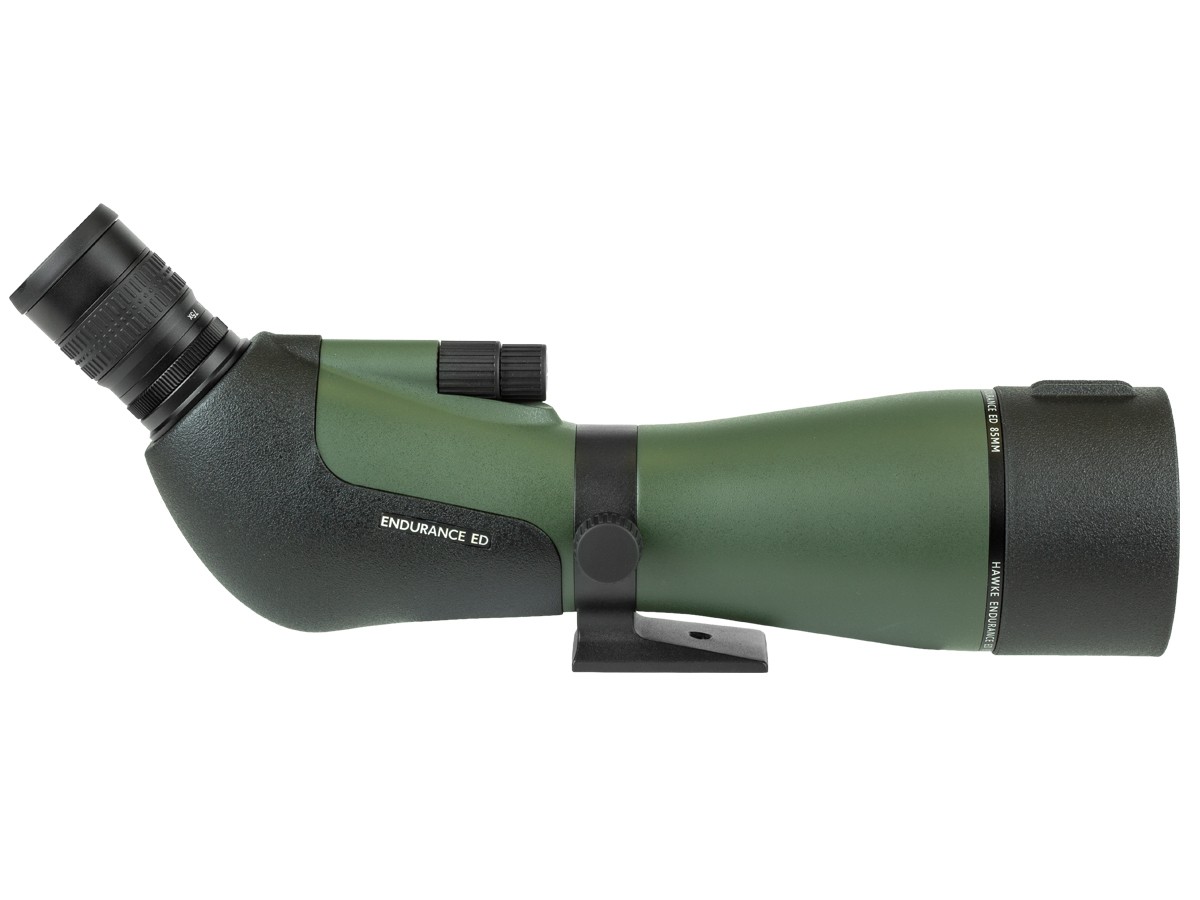
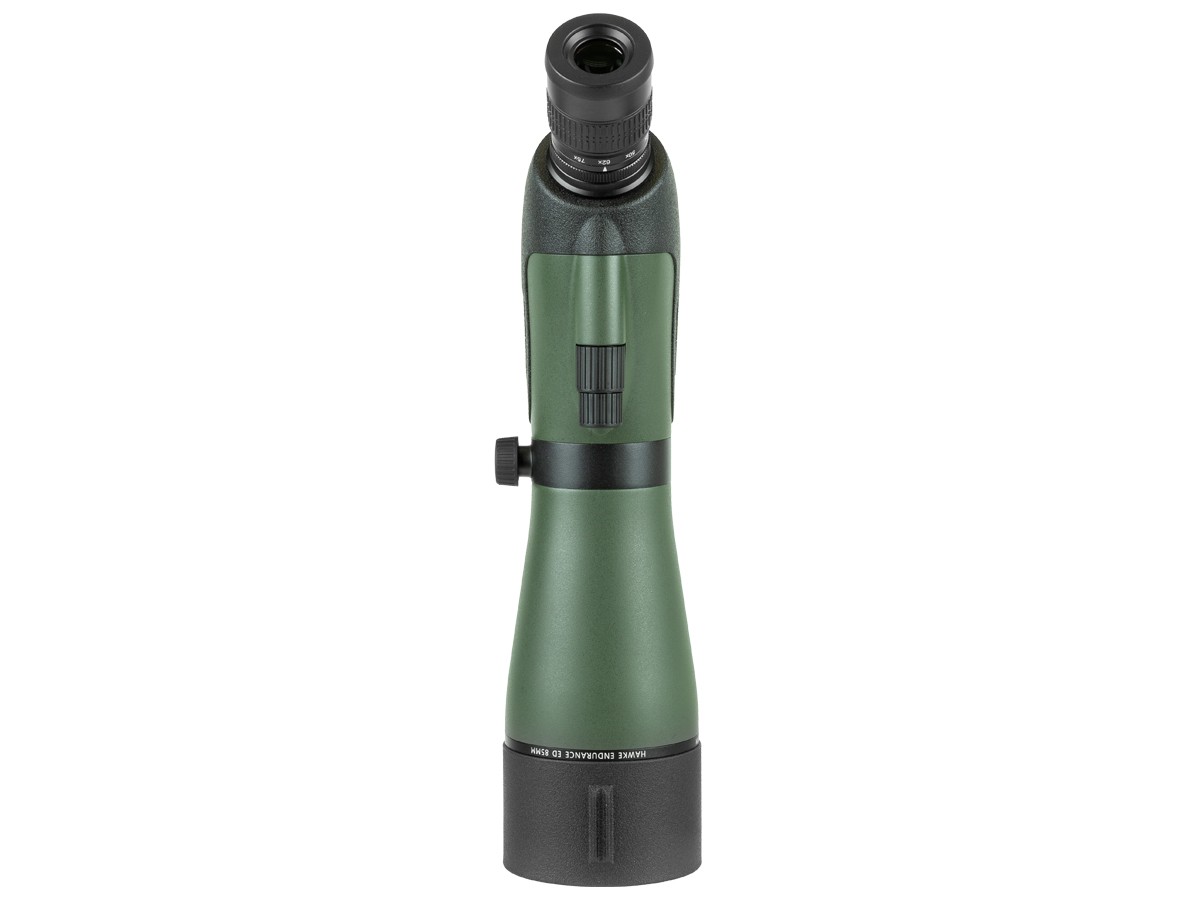
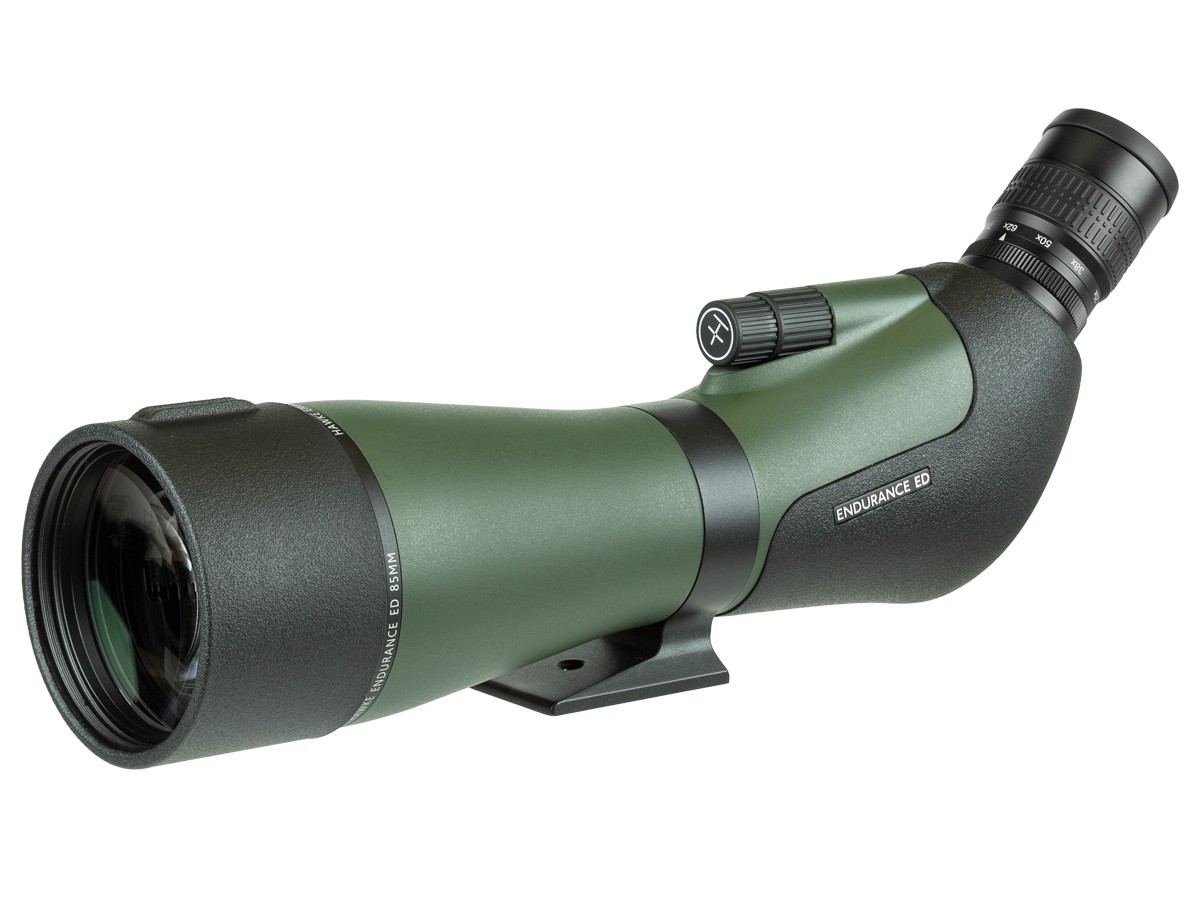
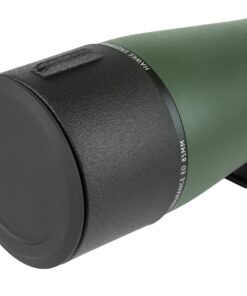
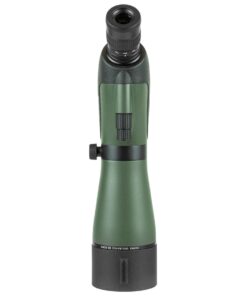
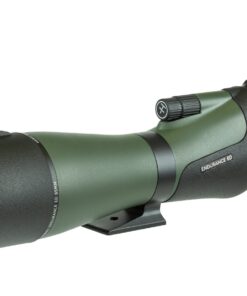
Hawke Endurance ED Spotting Scope

Price range: €300.00 through €620.00

The Hawke Endurance ED 25-75×85 gives you a spotting scope that delivers outstanding and detailed views combined with reliable performance. You’ll appreciate crisp and bright views with accurate colors thanks to the System H5 optics and the 85mm objective lens that gives you improved light transmission compared to competing scopes.

This spotting scope gives you better performance with fewer unwanted reflections than other scopes because of its fully-multicoated lenses, as well as accurate images and improved views with bright colors because of the extra low dispersion ED glass. Plus, you’ll get better clarity and images that stay sharp because of the BAK-4 glass and the dielectric coating on the prisms.

The Hawke Endurance ED 25-75×85 gives you the ability to capture videos and photos through the scope because it’s compatible with the Hawke Digi-Scope adapter that lets you attach a smartphone. It also gives you the ability to really dial in the exact focus you want because of the dual focus knob that adjusts both coarse and fine focus for added ease of use.

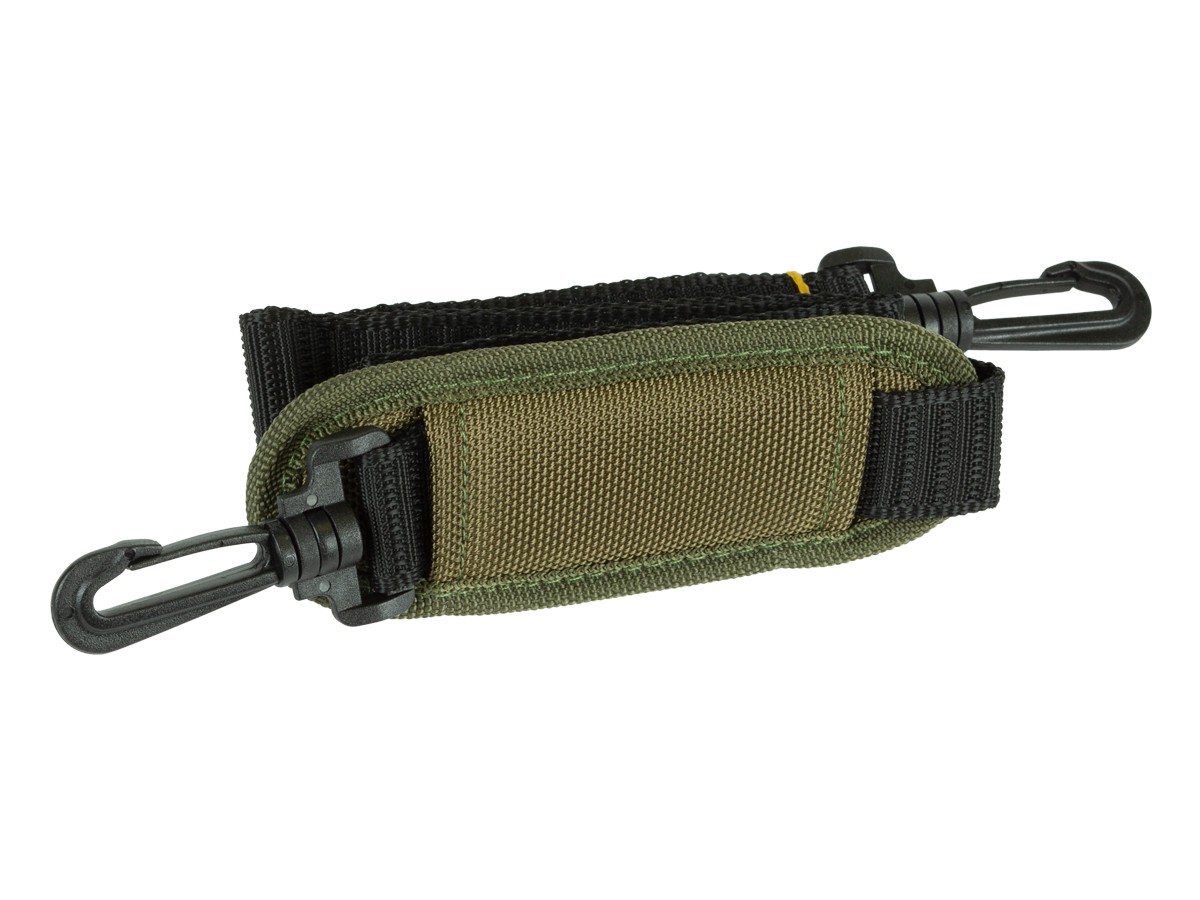
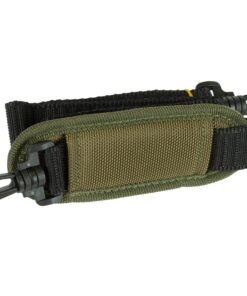
The package for this spotting scope adds value because it gives you extras that include a carry strap, a stay on soft cover, and lens covers. If you’re in the market for a spotting scope with premium features for impressive views that improve your long distance viewing abilities, get the Hawke Endurance ED 25-75×85 at Airgun Depot now.

Hawke Endurance ED 25-75×85 Features:

  • Objective lens: 85mm
  • 25-75x magnification
  • 45-degree angle
  • FOV @ 1000yds.: 90-46.5ft. (30-15.5m @ 1000m)
  • Angular FOV: 1.7°-0.9°
  • Eye relief: .8″ (20mm)
  • Exit pupil: .13″-.04″ (3.4mm-1.1mm)
  • Close focus: 26.2ft. (8m)
  • System H5 optical system
  • Extra-low dispersion ED glass
  • Fully-multicoated lenses
  • Dielectric prism coating
  • Dual focus knob (coarse and fine)
  • Digi-scope compatible
  • BAK4 Porro prisms
  • Rotating ring
  • Waterproof
  • Nitrogen purged
  • Fog proof
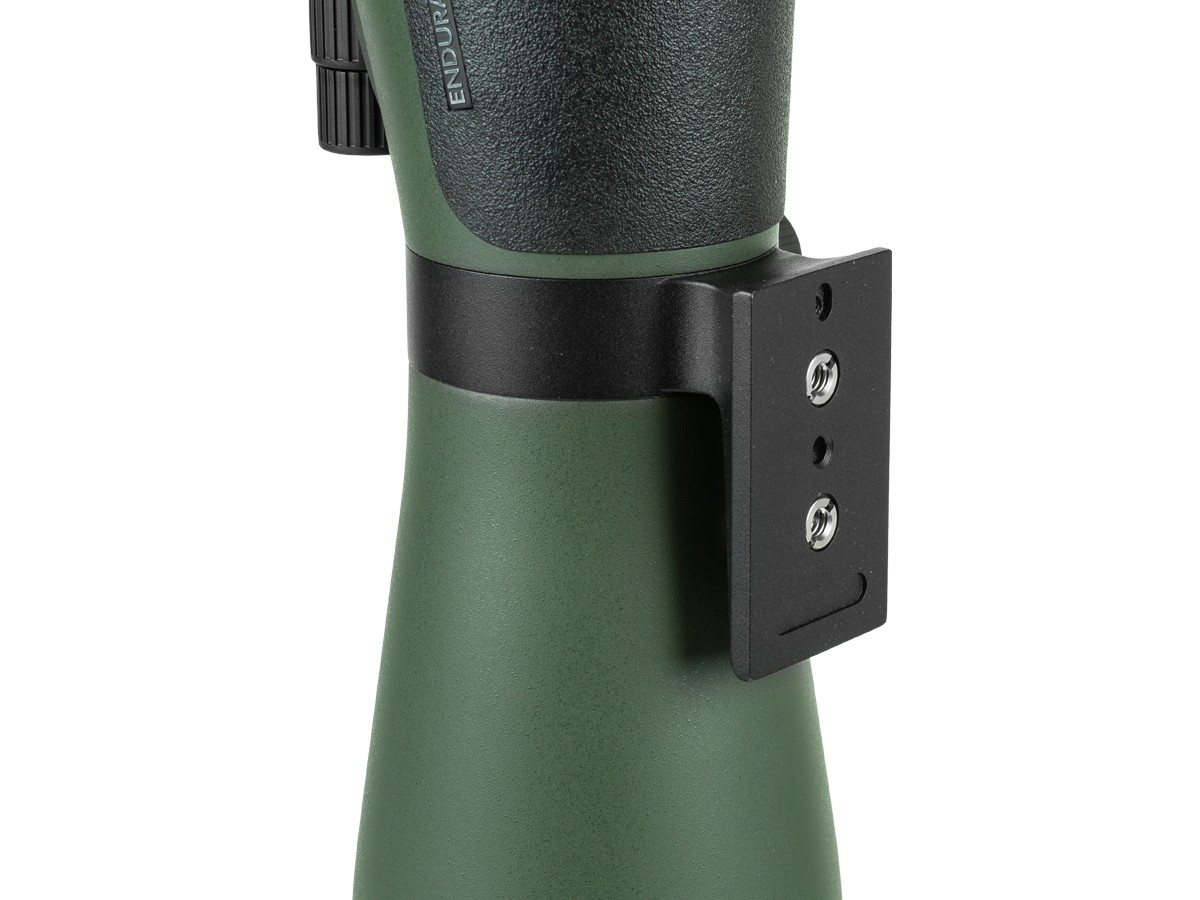
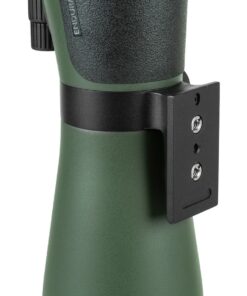
  • Tripod mounting thread: 1/4″ – 20 UNC
  • Twist up eyecup
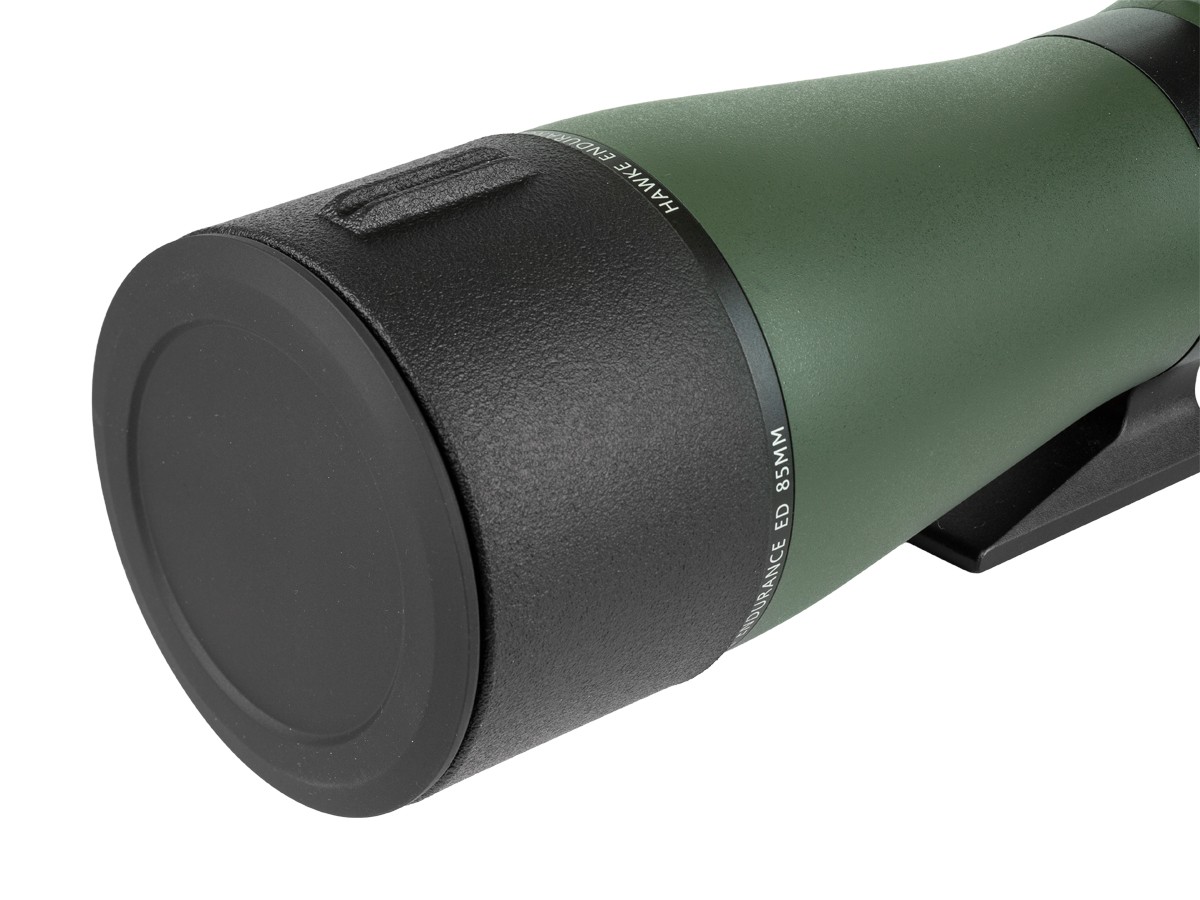
  • Pull-out sunshade
  • Includes lens covers, stay-on soft cover, carry strap, lens cloth, instruction manual
  • Length: 17.1″ (435mm)
  • Weight: 64.4oz (1.825kg)
  • Hawke No-Fault Lifetime Warranty (limited to 2 years on the eyepiece)
Specs
  • ManufacturerHawke Sport Optics
  • Condition New
  • Accessories Type Scopes
  • Warranty Lifetime limited warranty
  • Weight 4.00
  • Objective and Magnification 25-75×85

Discover Unmatched Clarity with the Hawke Endurance ED Spotting Scope

Exceptional optical performance is delivered by the Hawke Endurance ED Spotting Scope for nature enthusiasts, birdwatchers, hunters, and outdoor observers of every background. Superior image quality is achieved through advanced engineering that places clarity, durability, and comfort within reach of all users. Distant subjects are brought into sharp focus by this spotting scope, while chromatic aberration is minimized and true-to-life colors are preserved.

In addition, the Hawke Endurance ED Spotting Scope is constructed with extra-low dispersion (ED) glass that reduces color fringing and enhances overall crispness. Fully multi-coated lenses are combined with dielectric-coated BAK4 Porro prisms so that maximum light transmission and intense contrast are ensured. As a result, bright, natural images are produced even in challenging lighting conditions.

Furthermore, dual-focus knobs (coarse and fine) are incorporated so that rapid acquisition of subjects is followed by precise fine-tuning. Twist-up eyecups are provided for comfortable viewing with or without eyeglasses, and a retractable sunshade is included to combat glare. Nitrogen purging is applied so that the optic is rendered waterproof and fog-proof, allowing reliable performance in rain, humidity, or temperature extremes.

Moreover, a stay-on soft cover is supplied for continuous protection during transport and field use, while digi-scoping compatibility is built in so that cameras or smartphones can be attached for documentation and sharing. A standard ¼”-20 tripod mount is featured so that stable observation is supported on any compatible support.

Optical Superiority That Transforms Observation

Clarity is elevated by the ED glass system at the heart of the Hawke Endurance ED Spotting Scope. Color fringing is controlled effectively, and edge-to-edge sharpness is maintained across the zoom range. High reflectivity is delivered by the dielectric coatings on the BAK4 prisms, while light loss is minimized by the fully multi-coated surfaces. Consequently, vivid colors and excellent contrast are observed by users in varied environments—from dawn birding sessions to long-range target spotting.

In addition, close-focus distances as short as approximately 8.2 feet (2.5 m) on compact models are achieved, allowing detailed examination of nearby subjects. Field-of-view ranges are optimized so that broad scanning at lower magnifications transitions smoothly to detailed inspection at higher powers. Eye relief of around 20 mm is maintained so that comfortable extended viewing is possible for people of different facial structures and those who wear corrective lenses.

Versatile Models for Every Need

A range of configurations is offered within the Hawke Endurance ED Spotting Scope family so that preferences for size, weight, and magnification can be matched. Compact options such as the 13-39×50 and 15-45×60 models are designed for portability, while larger 20-60×68 and 25-75×85 versions provide greater light-gathering ability and reach. Angled viewing versions are available so that more comfortable head positioning is facilitated during prolonged sessions.

Key product features are highlighted below for easy comparison and selection:

  • ED Glass Construction — Chromatic aberration is reduced and image crispness is improved.
  • Fully Multi-Coated Lenses — Light transmission is maximized and glare is controlled.
  • Dielectric-Coated BAK4 Porro Prisms — Color intensity and contrast are enhanced.
  • Dual Focus System (Coarse & Fine) — Fast subject acquisition is paired with precise adjustment.
  • Twist-Up Eyecups — Comfortable viewing is supported with or without eyeglasses.
  • Retractable Sunshade — Glare is minimized in bright conditions.
  • Nitrogen-Purged, Waterproof & Fog-Proof Body — Reliable performance is maintained in adverse weather.
  • Stay-On Soft Scope Cover — Protection is provided during transport and storage.
  • Digi-Scope Compatible — Photography and video recording are enabled.
  • ¼”-20 Tripod Mount — Stable mounting is ensured on standard supports.
  • Hawke No-Fault Lifetime Warranty (limited on eyepiece) — Long-term confidence is offered to every owner.

Furthermore, body rotation is permitted on many models so that viewing angles can be adjusted without repositioning the tripod. Lightweight polycarbonate construction is utilized on compact versions so that extended carrying is made practical for hikers and travelers.

Durability and Everyday Reliability

Rugged performance is engineered into the Hawke Endurance ED Spotting Scope so that it withstands the demands of outdoor use by people of all experience levels. The nitrogen-filled interior prevents internal fogging when temperature changes occur, while sealed construction resists water ingress during wet conditions. Soft rubber armoring is applied on many models for impact resistance and secure handling in gloves or bare hands.

In addition, the stay-on cover allows the optic to remain protected yet ready for immediate use. Lens caps and eyepiece covers are included so that optical surfaces stay clean between sessions. As a result, consistent performance is delivered year after year with minimal maintenance.

Designed for Inclusive Outdoor Enjoyment

Observation opportunities are opened to birders, wildlife watchers, hunters, target shooters, and landscape enthusiasts alike by the Hawke Endurance ED Spotting Scope. Comfortable eye relief and adjustable features accommodate a wide variety of users, including those who wear glasses. Portable compact models support active lifestyles involving hiking or travel, while higher-magnification versions serve long-range needs on the range or in open country.

Moreover, digi-scoping capability encourages documentation and sharing of sightings within communities of every background. Natural color rendition and high contrast make identification of species or assessment of distant details more accurate and enjoyable. Therefore, whether the goal is peaceful nature study or precise shot placement verification, reliable optical support is provided.

Why Choose the Hawke Endurance ED Spotting Scope

Value is maximized by combining premium ED glass and multi-coated optics with practical field features at an accessible price point. Independent reviews frequently note the absence of noticeable chromatic aberration, the brightness of the image, and the usefulness of the dual-focus system. Transition from coarse to fine focus is made seamless so that moving subjects or heat shimmer can be managed effectively.

In addition, the lifetime warranty (with noted limitations on the eyepiece) reinforces confidence in long-term ownership. All necessary accessories—covers, caps, and mounting provisions—are supplied so that the optic can be put to use immediately.

Finally, the Hawke Endurance ED Spotting Scope is recommended for anyone seeking clear, reliable, and comfortable long-distance viewing. Superior images are produced, durability is ensured, and inclusive design features welcome observers of every ability and interest. Experience the difference that thoughtful optical engineering makes—add the Hawke Endurance ED Spotting Scope to your kit and let every distant detail be revealed with confidence and clarity.

Athlon Optics Scopes, Prismatic Sights, Red Dot Systems, Thermal Optics, and Precision Observation Equipment

Athlon Optics has become recognized among hunters, competitive shooters, outdoor enthusiasts, and precision rifle users because of its wide selection of optical systems designed for different shooting and observation needs. From compact aiming solutions to advanced long-range rifle scopes and high-definition spotting systems, Athlon products cover multiple categories, including prism optics, red dot sights, thermal scopes, DMR optics, and professional observation equipment.

Understanding what is a prismatic scope helps shooters choose the right optic for their firearm setup. A prismatic scope uses a glass prism system instead of a traditional series of lenses to create a compact optical design with improved image clarity and a permanently etched reticle. Unlike standard red dots, a prismatic scope provides magnification options while maintaining fast target acquisition. Many shooters prefer prism sights because they combine the speed of a red dot with the precision of a traditional scope.

A prismatic red dot and prism red dots are popular alternatives for users who want a rugged optic with enhanced clarity. These systems are especially useful for close-range shooting, tactical applications, and compact rifles. A prism red dot for pistol provides a durable aiming solution for handgun platforms, offering a sharp aiming point without relying only on projected illumination. The Athlon Midas Beam Red Dot represents this category by delivering a compact optic design suitable for fast target engagement.

For users searching for a lightweight aiming solution, a 1x scope offers maximum speed while maintaining optical clarity. Modern prism optics provide excellent eye relief, etched reticles, and dependable performance in demanding environments. Athlon continues expanding its lineup with advanced solutions such as the Athlon Midas Beam Red Dot, designed for shooters requiring a reliable optic red dot, red dot optics for pistols, and compact aiming technology.

Athlon Cronus ATS Thermal Scope Technology

Thermal observation has become an important tool for hunters, wildlife observers, and professionals operating in low-light conditions. The Cronus ATS Thermal Scope series provides advanced thermal imaging capabilities with high-resolution sensors and durable construction.

The Cronus ATS Pro 35P 400 Thermal Scope and Cronus ATS Pro 35P-400 Thermal Scope are designed for users needing compact thermal performance with accurate target identification. For extended detection capability, the Cronus ATS Pro 50L-640 Thermal Scope, Athlon Cronus ATS 50 640, and Athlon 50L-640 models provide higher-resolution thermal imaging for demanding applications.

The Athlon Cronus ATS Pro family combines thermal sensitivity, detailed imaging, and practical field usability. These systems are designed for professionals who require dependable performance during nighttime observation, hunting, and outdoor exploration.

Athlon Ares ETR and Argos BTR Precision Rifle Scopes

Athlon precision rifle scopes are engineered for shooters who demand accuracy, durability, and advanced reticle technology. The Ares ETR 3-18×50, also written as Ares ETR 3 18×50, provides a versatile magnification range suitable for tactical shooting, hunting, and precision competitions.

The Athlon Argos BTR Gen3 6-24×50 and Athlon Argos BTR Gen2 6-24×50 Review models are frequently considered by shooters looking for affordable long-range capability. The Athlon Argos BTR Gen2 series delivers features commonly found in higher-priced optics, making it a popular choice among enthusiasts searching for an Athlon scope review, Athlon rifle scopes reviews, and information about are Athlon scopes any good.

For medium-to-long range applications, options such as the 2.5-15 scope, 2.5.15, 2.5 15, 2.5/15, and 15 x 2.5 configurations provide flexible magnification ranges. These scopes are ideal for hunting rifles, designated marksman setups, and general-purpose precision shooting.

The Athlon ETR lineup includes powerful options such as the Ares ETR 4.5-30×56, also searched as Ares ETR 4.5 30×56, Athlon 4.5-30×56, 4.5/30, 4.5 30, 4.5 x 30, 4.5×30, and 30 56. These scopes provide extended magnification for shooters requiring detailed target observation at longer distances.

Athlon Spotting Scopes and High Definition Observation Systems

Athlon spotting scopes are built for long-range viewing, wildlife observation, and precision shooting applications. The Athlon Argos 20-60×85 HD is a popular high-power spotting scope designed to deliver bright images and detailed viewing.

The Athlon Optics Argos HD 20-60×85 Spotting Scope, Athlon Argos HD 20-60×85, and Athlon Argos HD Spotting Scope provide powerful magnification ranges suitable for range spotting and outdoor observation. Users searching for a spotting scope with tripod, best tripod for a spotting scope, or a good tripod for spotting often consider stable mounting solutions essential for maximizing optical performance.

The Athlon Ares G2 UHD Spotting Scope and Athlon Ares G2 UHD 20-60×85 deliver premium optical quality with UHD glass technology. The Athlon Ares Spotting Scope, Athlon Ares G2 UHD 20 60×85, and Athlon Ares 15-45×65 UHD Review models provide excellent versatility for birdwatching, target shooting, and nature observation.

The 45×65, 65/45, 45/65, 15:45, 15/.45, and 45-65 magnification formats represent spotting scope configurations designed for users requiring flexible zoom capability.

Other popular Athlon observation products include the Athlon Cronus G2 Spotting Scope, Athlon Talos Spotting Scope Review, Talos Spotting Scope, and advanced outdoor viewing systems from Athlon Outdoors.

Athlon Midas UHD Binoculars and Outdoor Optics

Athlon binoculars are designed for hunters, birdwatchers, and outdoor explorers who need lightweight performance and excellent image quality. The Athlon Optics Midas ED series uses advanced glass technology to improve color accuracy and image detail.

The Athlon Optics 8×42 Midas UHD, Athlon Optics 8×42 Midas, Athlon Midas 8×42, and Athlon Midas 8×42 Review searches are commonly associated with one of the company’s most recognized binocular designs. The 8:42, 8 x 42, 8×42, and 8x 42 configurations provide a balanced field of view and magnification, making them a strong choice for users searching for the best 8×42 binoculars for birding.

Athlon Reticles and DMR Shooting Optics

Reticle technology plays an important role in precision shooting. Athlon reticles are designed to provide accurate aiming references for elevation adjustments, wind compensation, and long-range shooting calculations.

A DMR optic, DMR scope, or DMR scopes setup is commonly used by designated marksmen who need a balance between speed and precision. Athlon optics designed for these applications offer clear glass, practical magnification ranges, and tactical reticle designs.

Red Dot Optics and Pistol Shooting Solutions

Modern shooters increasingly use compact electronic sights for rapid target acquisition. Products and categories such as red dot Layton, Midas A5, red dot laser for pistol, MRDS sight, MRDS optic, pistol reddot, pistol red dot, pistol red dot optics, and low profile red dot represent the growing demand for compact aiming solutions.

The LP-1 red dot, canted red dot, and Athlon Midas Beam Red Dot are examples of optic styles designed for users who want fast aiming capability while maintaining reliability. Whether mounted as a primary sight or secondary offset optic, these systems provide flexibility for modern shooting platforms.

Athlon Optics Brand Information and Reviews

Many customers research topics such as where are Athlon optics made, Athlon scopes for sale, Athalon scopes, Athens scope, optic al, Athlon optics review, and Athlon scope review before purchasing. Athlon has developed a reputation for producing feature-rich optics that compete in multiple price categories.

From hunting scopes and tactical optics to thermal systems, binoculars, and spotting scopes, Athlon products continue attracting users who want dependable optical performance without unnecessary complexity. Models such as the 10 Point Titan M1 Specs, advanced rifle scopes, thermal systems, and compact red dot platforms demonstrate the company’s broad approach to modern optical technology.

Frequently Asked Questions About the Hawke Endurance ED Spotting Scope

What makes the optical system of the Hawke Endurance ED Spotting Scope stand out? Extra-low dispersion glass is employed throughout the Hawke Endurance ED Spotting Scope so that chromatic aberration and color fringing are substantially reduced. Fully multi-coated lenses are paired with dielectric-coated BAK4 Porro prisms; consequently, high light transmission, rich contrast, and natural color reproduction are delivered. Edge-to-edge sharpness is maintained across the zoom range, and bright images are produced even in lower light. Dual coarse and fine focus knobs are provided so that subjects can be acquired quickly and then refined with precision.

How does the Hawke Endurance ED Spotting Scope perform in different weather conditions? Nitrogen purging is applied to the interior of the Hawke Endurance ED Spotting Scope so that internal fogging is prevented during rapid temperature changes. Waterproof sealing is incorporated, allowing reliable use in rain or high humidity. A retractable sunshade is included to manage glare on bright days, while the stay-on soft cover offers additional protection against dust, moisture, and minor impacts. As a result, consistent optical performance is maintained across varied outdoor environments.

Which models are available within the Hawke Endurance ED Spotting Scope range? Several configurations are offered so that different needs for portability and magnification can be met. Compact versions such as the 13-39×50 and 15-45×60 models prioritize lighter weight and easier packing, while larger 20-60×68 and 25-75×85 models deliver greater light-gathering power and higher maximum magnification. Angled viewing options are available on many models so that more comfortable head and neck positioning can be achieved during extended observation sessions.

Is the Hawke Endurance ED Spotting Scope suitable for digi-scoping? Digi-scoping compatibility is built into the Hawke Endurance ED Spotting Scope. Cameras or smartphones can be attached using appropriate adapters so that still images and video of distant subjects can be captured. The optical quality of the ED glass system supports clear documentation, making the scope useful for both personal records and sharing within nature or outdoor communities.

What eye relief and close-focus capabilities are provided? Approximately 20 mm of eye relief is maintained on the Hawke Endurance ED Spotting Scope so that comfortable viewing is possible for people who wear eyeglasses as well as those who do not. Close-focus distances of around 8.2 feet (2.5 m) are achieved on compact models, allowing detailed examination of nearer subjects in addition to distant ones. Twist-up eyecups further enhance comfort across different users.

How should the Hawke Endurance ED Spotting Scope be mounted for best results? A standard ¼”-20 tripod mounting thread is included so that the Hawke Endurance ED Spotting Scope can be secured to virtually any compatible tripod or support. Body rotation is permitted on many models, enabling viewing-angle adjustments without moving the tripod itself. For larger, higher-magnification versions, a sturdy tripod is recommended so that vibration is minimized and image stability is preserved at elevated powers.

What warranty coverage is offered with the Hawke Endurance ED Spotting Scope? A No-Fault Lifetime Warranty is provided by Hawke for the Hawke Endurance ED Spotting Scope (with a noted limitation of two years on the eyepiece). Confidence in long-term ownership is therefore reinforced, and support is available should any issues arise under normal use.

Who can benefit from using the Hawke Endurance ED Spotting Scope? Birdwatchers, wildlife observers, hunters, target shooters, landscape enthusiasts, and travelers of every experience level can benefit from the Hawke Endurance ED Spotting Scope. Inclusive design elements—comfortable eye relief, adjustable eyecups, portable compact options, and digi-scoping capability—ensure that people with different physical needs and outdoor interests can enjoy clear, detailed views. Reliable performance is delivered whether the activity involves quiet nature study or precise long-range observation.

How is the Hawke Endurance ED Spotting Scope protected during transport and storage? A stay-on soft scope cover is supplied so that the Hawke Endurance ED Spotting Scope remains protected while still being ready for quick deployment. Lens caps and an eyepiece cover are also included to keep optical surfaces clean. The rugged construction, combined with these protective accessories, helps maintain the optic in excellent condition between uses.

Why is the dual-focus system important on the Hawke Endurance ED Spotting Scope? Coarse and fine focus knobs are integrated into the Hawke Endurance ED Spotting Scope so that subjects can be located rapidly and then brought into precise sharpness. This dual system proves especially valuable when heat shimmer, moving wildlife, or changing distances are encountered. Fine adjustments can be made without losing the subject, resulting in consistently sharp images.

Through thoughtful design and high-quality optical components, the Hawke Endurance ED Spotting Scope continues to deliver reliable clarity and versatility for observers everywhere.

Dawn Breaks Over the Wetlands

Soft light filters through the mist as the first birds begin to stir along the marsh edge. A group of observers settles quietly onto folding stools near the water’s edge, tripods already leveled on firm ground. One member carefully positions a high-quality angled spotting optic and begins scanning the reeds. Within moments the dual-focus system allows a quick coarse adjustment followed by precise fine-tuning. Distant silhouettes resolve into individual birds—each feather edge and subtle color variation becoming clear even in the low light of early morning.

The extra-low dispersion glass keeps chromatic fringing under control so that the soft orange and gray tones of a rising heron remain true and sharp. Fully multi-coated surfaces pull in every available photon, delivering a bright image while the dielectric-coated prisms maintain strong contrast. A gentle twist of the eyecup accommodates those wearing glasses, and the generous eye relief prevents the blackout that can occur with lesser optics. When a sudden breeze pushes moisture across the lens, the nitrogen-purged, waterproof body simply shrugs it off. No internal fogging appears, and observation continues without interruption.

As the sun climbs higher, the same optic is rotated on its mounting ring so that a second observer can take a turn without resetting the tripod. The stay-on protective cover remains in place during brief pauses, ready to shield the instrument if a shower develops. Close-focus capability proves useful when a dragonfly lands on a nearby stem; the image snaps into crisp detail only a few meters away, revealing wing venation that would otherwise be missed.

Midday Wildlife Tracking Across Open Terrain

Later the group moves inland to a rolling grassland where larger mammals are known to graze. Heat shimmer begins to rise from the ground, yet the optic still delivers usable resolution at moderate magnification. A distant herd is located with the wide field of view at lower power, then the zoom is increased smoothly. Dual focus knobs again prove essential—coarse focus rapidly brings the animals into the frame, while the fine knob isolates individual animals and clarifies ear notches, horn shape, and body condition.

One observer attaches a simple digiscoping adapter and records short video clips of the herd’s behavior. The large ocular accepts the clamp securely, and the resulting footage shows enough detail for later identification of individuals. Throughout the session the retractable sunshade is extended to cut glare from the high sun, keeping the view free of distracting flare. When the group relocates to a shaded overlook, the compact model of the optic is chosen for its lighter weight and shorter length, slipping easily into a daypack between observation points.

Inclusive design features ensure that every participant can contribute. Those who prefer to remain seated for longer periods find the angled eyepiece places their head in a natural posture. Others who like to stand and scan can rotate the body of the optic to a comfortable angle without losing the subject. The twist-up eyecup adjusts quickly for different users, and the consistent eye relief works equally well for those with and without corrective lenses.

Evening Low-Light Observation and Target Assessment

As afternoon fades into evening, the same instrument is carried to a ridge overlooking a valley. Light levels drop rapidly, yet the large objective on the full-size version continues to gather enough illumination for clear viewing. Color fidelity remains strong; the muted browns and grays of a distant deer are rendered accurately rather than washed out or tinted. The waterproof and fog-proof construction becomes especially valuable when temperature falls and dew begins to form. The optic stays clear while breath and ambient moisture would fog unprotected glass.

A competitive shooter in the group uses the high magnification end of the zoom range to examine impact marks on distant steel plates. Fine focus isolates the exact location of each hit, allowing immediate feedback without walking downrange. The stable tripod mount eliminates the handshake that would otherwise blur the image at higher powers. When the session ends, the stay-on cover is slipped back over the body, lens caps are secured, and the instrument is packed for the drive home—ready for the next outing without special drying or maintenance.

Multi-Day Field Expedition

On a longer trip into varied terrain the optic proves its versatility. One morning is spent along a forest edge where songbirds move quickly through the canopy. The compact version is preferred for its portability; it is carried in one hand while hiking and set up in seconds when activity is spotted. Close focus again reveals nesting behavior only a short distance away. Later the same day the group climbs to an alpine meadow. Here the larger objective is mounted, taking advantage of greater light-gathering ability in the thinner air and brighter sky. The dual-focus system compensates for the greater distance and any residual atmospheric turbulence.

During a sudden afternoon thunderstorm the optic is left on the tripod under its protective cover. Rain sheets across the landscape, yet when the weather clears the instrument is instantly usable—no internal moisture, no need to wait for lenses to clear. The nitrogen purge and sealed construction have done their work. Digiscoping continues in the soft post-storm light, capturing images of a family of mountain goats moving across a distant cliff face. The dielectric coatings help maintain contrast even when the sky is still partly overcast.

Throughout the expedition the optic is shared among participants of different ages, heights, and physical abilities. The rotating body and adjustable eyecup allow each person to find a comfortable viewing posture. Inclusive language and practice within the group emphasize that clear observation belongs to everyone; the instrument itself supports that principle through thoughtful ergonomics and reliable performance under changing conditions.

Seasonal Applications Across the Year

In spring the optic is used for migration watches. Early arrivals are identified by subtle plumage differences that only high-resolution glass can reveal at range. The wide field of view at lower magnification helps locate flocks, while the zoom and fine focus isolate individuals for confirmation. Waterproofing is tested repeatedly during April showers, yet the view remains clear.

Summer brings insect and butterfly study at close range. The short minimum focus distance turns the optic into a powerful tool for examining wing patterns and behavior without disturbing the subjects. Heat haze is managed by careful use of lower magnifications and the dual-focus system. Digiscoping records sequences that later serve educational purposes for community nature groups.

Autumn offers dramatic light and the chance to follow large mammals preparing for winter. Color accuracy from the dispersion-controlled glass ensures that the rich hues of changing foliage and animal coats are rendered faithfully. The fog-proof design handles the rapid temperature swings of clear nights and cool mornings without internal condensation.

Winter sessions test cold-weather reliability. The optic continues to function smoothly even when temperatures drop well below freezing. Eye relief remains comfortable for observers wearing thicker outdoor clothing and glasses. The protective cover keeps snow off the body during setup and breakdown. High magnification reveals the fine details of tracks and feeding sign that would be difficult to interpret with the naked eye or ordinary binoculars.

Community Education and Shared Observation

Local nature centers and school groups frequently borrow or share high-quality optics for field trips. The instrument’s durable construction stands up to repeated handling by enthusiastic young observers, while the simple dual-focus controls are easy to teach. Inclusive practice ensures that every participant—regardless of prior experience, physical stature, or visual needs—receives a clear view. The angled eyepiece and adjustable eyecup make this possible without complicated accessories.

During public events the optic is set up at a popular overlook. Passers-by of all ages take turns viewing distant landmarks, nesting sites, or wildlife. The digiscoping capability allows real-time images to be shared on a nearby tablet, extending the experience to those who prefer not to look through the eyepiece itself. Waterproofing provides peace of mind when the weather turns unexpectedly.

Practical Maintenance and Everyday Readiness

After each outing a quick wipe of the exterior and a check of the lens surfaces are all that is required. The stay-on cover remains in place during storage, protecting against dust and accidental bumps. Because the optic is nitrogen purged and sealed, there is no need for special desiccant packs or climate-controlled cabinets under normal use. Tripod threads stay clean and functional with occasional inspection. The lifetime support offered by the manufacturer further reduces long-term concern, allowing users to focus on observation rather than equipment worries.

Putting It All Together in Real Conditions

Across wetlands, grasslands, forests, mountains, and urban edges the same optical principles deliver consistent results. Clarity free of distracting color fringing, bright images even in limited light, precise focusing that keeps up with moving subjects, weather resistance that ignores rain and temperature swings, and ergonomic features that welcome every observer—these qualities combine to turn ordinary outings into moments of genuine discovery. Whether the goal is identifying a rare migrant, assessing animal condition at distance, recording behavior for later study, or simply sharing the view with friends and family, the practical advantages become obvious in the field.

The instrument remains ready at a moment’s notice. Setup is measured in seconds. Adjustments are intuitive. Performance holds steady from first light until the last usable glow of evening. In every season and every setting the experience of looking through high-quality, thoughtfully designed optics reinforces a simple truth: the more clearly we can see, the more deeply we connect with the world around us. That connection is available to anyone willing to look, and the right tools make the looking effortless, reliable, and shared.

Why a Dedicated High-Magnification Optic Outperforms Rifle Scopes Alone for Precision Shooting and Hunting

Clear, detailed observation at extended distances makes the difference between confident decisions and missed opportunities when rifles are involved. A purpose-built spotting optic delivers advantages that a rifle-mounted scope simply cannot match, especially once ranges stretch beyond a few hundred yards or conditions become challenging. The combination of greater magnification potential, superior light gathering, refined focusing control, and ergonomic design creates a practical edge for target work, ethical hunting, and long-range practice.

Greater Magnification and Resolution for Impact Confirmation

Rifle scopes are optimized for aiming. Their magnification ranges are deliberately limited so that the shooter can maintain a wide enough field of view and rapid target acquisition under recoil. Once the shot is fired, however, confirming exact impact location or reading fine details on a distant target becomes difficult. A dedicated spotting optic routinely offers zoom ranges that push well beyond typical rifle-scope capabilities, allowing individual bullet holes on paper or steel to be resolved clearly at distances where a rifle optic would only show a blur.

Extra-low dispersion glass further sharpens this advantage. Color fringing is controlled so that black-and-white target lines or the edges of a steel plate remain crisp rather than soft or rainbow-edged. Fully multi-coated surfaces and high-quality prisms transmit more light and preserve contrast, making it possible to see subtle splash marks or exact point of impact even when heat shimmer or residual powder smoke is present. The result is faster, more accurate feedback during practice sessions and more reliable assessment of shot placement on game.

Dual-Focus Precision and Reduced Fatigue

Finding and holding focus on a distant subject while looking through a rifle scope requires the shooter to stay in position behind the rifle, often in an uncomfortable or unstable posture. A separate spotting optic removes that constraint. Coarse and fine focus controls work together so that a subject can be acquired quickly and then refined with millimeter-level precision. Once the image is sharp, the observer can remain relaxed behind the tripod while the shooter stays ready or adjusts position.

This separation of roles reduces physical strain. Holding a rifle steady for extended periods of observation is tiring; supporting a spotting optic on a stable mount is not. The angled eyepiece places the head in a natural posture whether the observer is sitting, kneeling, or lying prone. Twist-up eyecups accommodate glasses or bare eyes without forcing awkward head angles. Over the course of a long range day or a multi-hour hunt, the cumulative reduction in fatigue translates directly into better concentration and more consistent performance.

Superior Light Gathering and Low-Light Capability

Rifle scopes must balance size and weight against the demands of mounting on a firearm. Objective lenses are therefore kept relatively modest. A dedicated spotting optic can employ larger front elements that collect significantly more light. In the critical periods of dawn and dusk—when many hunters prefer to be in the field—this extra light-gathering ability keeps images bright and usable long after a rifle scope has become dim and grainy.

The same optical coatings that enhance contrast also improve performance in marginal light. Details of animal body condition, antler configuration, or target markings remain visible when ambient illumination is fading. Fog-proof and waterproof construction ensure that temperature drops or unexpected moisture do not introduce internal haze at the very moment clear vision is most needed. The optic stays ready through changing weather rather than requiring constant attention or protective measures.

Stable Platform for Wind Reading and Environmental Assessment

Accurate long-range shooting depends on understanding wind, mirage, and other atmospheric effects. A tripod-mounted spotting optic provides a rock-steady view that reveals the direction and strength of wind indicators far more clearly than a handheld rifle or binoculars. Mirage patterns become readable, allowing the shooter to adjust hold or wait for a calmer moment. Because the optic is independent of the rifle, the observer can continuously monitor conditions while the shooter concentrates on the shot itself.

Body rotation on the mounting ring lets the optic be angled for comfortable sharing among multiple observers without disturbing the established view. This is especially useful during group practice or guided hunts, where several people need to evaluate the same distant animal or target. Inclusive design means that participants of different heights, physical abilities, or visual needs can each obtain a clear look without awkward contortions or repeated setup changes.

Digiscoping for Documentation and Learning

Modern practice benefits from recorded evidence. Attaching a camera or smartphone to a compatible spotting optic turns every session into a documented learning opportunity. Group sizes on paper can be photographed at full magnification for later measurement. Impact locations on steel can be reviewed frame by frame. Animal behavior or exact shot placement can be captured for ethical review or training purposes. The large ocular and stable platform make digiscoping straightforward, producing usable images and video that a rifle scope alone cannot deliver.

Field Durability and Everyday Practicality

Hunting and range environments are hard on equipment. Sudden rain, temperature swings, dust, and rough handling are common. A sealed, nitrogen-purged optic shrugs off moisture and resists internal fogging. A protective stay-on cover shields the body during movement between positions, while the robust construction tolerates the inevitable bumps of field use. Once the optic is mounted on a solid tripod, it becomes a reliable observation station that remains ready throughout the day.athlon ares 15 45×65 uhd review

Weight and size options further increase practicality. Compact versions travel easily in a pack for mobile hunts, while larger-objective models stay at fixed positions for maximum light gathering and resolution. Either choice frees the rifle from the dual burden of aiming and detailed observation, allowing each tool to perform the role for which it was designed.spotting scope reticle.athlon optics argos hd 20 60×85 spotting scope.4 5 30

Ethical and Practical Advantages in Hunting

When a rifle is used for hunting, the ability to evaluate an animal thoroughly before the shot is both practical and ethical. Higher magnification and superior resolution reveal body condition, age indicators, and exact orientation that determine whether a clean, responsible shot is possible. After the shot, the same optic confirms results at distances where walking in immediately would be impractical or unsafe. The separation of spotting and shooting roles also keeps movement and noise to a minimum, reducing the chance of alerting game.red dot for m.mides a5.msr 1.athlon argos 20 60×85 hd.35cl

In competitive or recreational target shooting the benefits are equally clear. Faster confirmation of impacts shortens the time between shot strings. Better wind reading improves scores. Shared observation among teammates builds collective understanding of conditions. The optic becomes a teaching tool as much as a performance aid.anton telescope.athlon argos 20 60×85 hd

Long-Term Value Through Consistent Performance

The cumulative effect of these advantages is a noticeable improvement in both results and enjoyment. Practice sessions become more productive because feedback is immediate and detailed. Hunting decisions rest on clearer information. Fatigue is reduced, so concentration lasts longer. Weather and light challenges are met with greater resilience. Over seasons of use the optic proves itself not as an optional accessory but as an essential partner to the rifle—one that consistently elevates the quality of every outing.

Choosing a high-quality dedicated spotting optic therefore represents a practical investment in clearer vision, more informed decisions, and more reliable outcomes whenever a rifle is in play. The reasons are straightforward: greater magnification and resolution, precise and fatigue-free focusing, superior light performance, stable environmental assessment, documentation capability, and field-ready durability. Together they create a measurable edge that rifle scopes alone cannot provide.athlon scopes review.athlon ares btr

Objective and Magnification

13-39×50, 25-75×85

Reviews

There are no reviews yet.

Be the first to review “Hawke Endurance ED Spotting Scope”

Related Products

FAQ

  • Spring-Piston (Break-Barrel or Underlever): Cock by compressing a spring. Reliable, no external air source needed, but can have more recoil (“spring twang”) and require technique to shoot accurately.
  • Pre-Charged Pneumatic (PCP): Filled from a scuba tank, compressor, or pump. High power, low recoil, multiple shots per fill. Popular for precision and hunting.
  • CO₂: Powered by disposable cartridges. Good for pistols and semi-auto/repeaters, but performance drops in cold weather.
  • Multi-Pump Pneumatic: Hand-pumped to build pressure. Versatile but requires effort.
  • Gas Ram (Nitro Piston): Uses compressed gas instead of a metal spring. Smoother than traditional springers.

Calibers: Most common are .177 (4.5mm) for speed/flat trajectory and general use, and .22 (5.5mm) for better hunting knockdown power. Larger “big bore” (.25, .30, .357+) exist for hunting bigger game where legal.

Yes, many modern PCP and springers deliver enough energy for small game (rabbits, squirrels, birds) and even larger game in some areas. Muzzle energy (in ft-lbs or joules) matters more than velocity alone. Always match caliber, pellet weight, and energy to the game and check local hunting regs.

Treat every airgun as if it is loaded.

  • Always point the muzzle in a safe direction.
  • Keep your finger off the trigger until ready to shoot.
  • Know your target and what is beyond it (pellets can ricochet or travel far).
  • Wear eye protection.
  • Store unloaded, out of reach of children/untrained users, and ideally locked.
  • Never shoot at hard surfaces or in areas where pellets could escape your property.

Follow these rules strictly—airguns cause real injuries.

Laws differ dramatically by country, state/province, and even city. Always verify current local laws before buying, owning, transporting, or using an airgun. Age restrictions (often 18+) are common.

Examples (summaries only; check official sources):

  • UK: Air rifles ≤12 ft-lbs (16.3 joules) and pistols ≤6 ft-lbs generally do not require a license (FAC needed above that).
  • USA: Varies by state. Some treat powerful airguns as firearms; others do not. Many states now allow big-game hunting with air rifles.
  • Canada: Some airguns classified as firearms if they exceed velocity/energy thresholds.
  • Australia: Often treated as firearms; licensing/registration required in most states.
  • EU/France/Belgium/etc.: Varies; many allow low-power (<20J) guns freely to adults, with higher power needing permits. Germany has strict ~7.5J limits in some contexts.
  • Other countries: Some have no restrictions below certain energies; others ban or heavily regulate them.

Resources: Wikipedia “Air gun laws”, airgun forums, or official government sites. For travel, research transit laws carefully.

Consider:

  • Purpose: Plinking/backyard → lower power springer or CO₂. Hunting/precision → PCP.
  • Budget: Entry-level springers are affordable; PCPs need a fill system (extra cost).
  • .177 vs .22: .177 easier for beginners/targets; .22 better for hunting.
  • Power source: Convenience vs performance.
  • Test pellets in your gun—accuracy varies.

Buy from reputable dealers and consider warranties.

  • Clean barrel periodically (especially if accuracy drops) with patches and appropriate tools/solvents. Avoid over-oiling.
  • Lubricate moving parts and seals with airgun-specific oil (not general gun oil). Springers need piston seal oil occasionally.
  • Check screws, seals for leaks (PCP), and safety mechanisms regularly.
  • Store in a cool, dry place, ideally in a case. Avoid leaving cocked for long periods.

Follow your model’s manual. Basic care extends life significantly.

International shipping may be available for select products. Customers are responsible for understanding and complying with their local import laws and regulations before ordering.

Yes. Customers are required to confirm their order number through WhatsApp or Live Chat before orders are processed and shipped.

If local laws prevent shipment to your area, your order may be canceled and refunded according to our store policy.

Processing typically takes 1–3 business days after payment confirmation. Delivery times vary depending on destination, carrier, and product availability.


  • Wrong pellets for your barrel/caliber.
  • “Death grip” or poor shooting form (especially with springers—let the gun recoil naturally).
  • Loose scopes or mounts.
  • Ignoring safety or local laws.
  • Over-oiling or shooting with obstructions.


Pellets are the most common projectile (lead or lead-free). Match them to your gun, caliber, and purpose—test several brands as accuracy varies by barrel.

  • Domed (Round-Head): Best all-rounder. Excellent accuracy, ballistic coefficient, and energy retention. Ideal for target shooting, field target, and general hunting (e.g., JSB Exact, Air Arms Diabolo Field, H&N Field Target Trophy).
  • Wadcutter (Flat-Head): Clean holes in paper. Best for close-range target/plinking (under 20-25 yards).
  • Hollow Point: Expands on impact for better energy dump. Good for small game hunting (e.g., Predator Polymag, H&N Terminator).
  • Pointed: More penetration, but often less accurate than domed.
  • Slugs: Heavier, more aerodynamic for high-power PCPs at longer ranges (better for big game where legal).

Tips: Heavier pellets in .22/.25 for hunting (better momentum). Lighter in .177 for speed/flat trajectory. Always check head size fit (e.g., 4.51-4.53mm variants).

Muzzle energy (ft-lbs or joules) matters more than velocity. Ethical shots require precise placement (head/heart-lung) within effective range.

Rough Guidelines (adjust for distance, pellet, and local laws):

  • Small game (squirrels, rabbits, birds): 9-20+ FPE, .177/.22.
  • Medium (raccoons, etc.): 25+ FPE, .22/.25 recommended.
  • Larger game: 40-100+ FPE in .30+ calibers (up to big bore for deer/hogs where permitted).

PCPs dominate serious hunting due to power and shot count. Springers/gas rams work well for small game but require skill. Always prioritize clean kills and check seasons/species rules.

  • Barrel Cleaning: Use a pull-through kit or rod with patches. Avoid brushes that could damage rifling. Clean when accuracy drops or after 500-1000 shots.
  • Lubrication: Airgun-specific silicone oil for seals/O-rings (sparingly—excess causes dieseling in springers). Springers may need piston lube periodically.
  • PCP Specific: Check for leaks (soapy water test), monitor regulator/hammer settings, and keep fill systems clean. Don’t exceed rated pressure.
  • General: Tighten stock screws, inspect for wear, store properly. Chronograph shots to track consistency.

Common Issues:

  • Inconsistent velocity → dirty barrel, bad pellets, or seal problems.
  • Spring “twang” → tuning or proper hold.
  • Low power → worn seals or under/over-pumping.

Toggle Content

  • Scopes: Airgun-rated (hold zero under recoil). 3-9x or 4-12x common.
  • Fill Systems: Hand pumps, compressors, or tanks for PCPs.
  • Safety Gear: Eye/ear protection, targets with backstops.
  • Noise: Airguns quieter than firearms, but moderators help further.

Budget Tip: Start with a quality springer (~$150-400) before investing in PCP setup.

Airgunning offers endless depth—from backyard plinking to precision competition and ethical hunting. Prioritize safety, legality, and practice. If you want specifics (e.g., recommendations for a country, budget, hunting small game, or a particular type like PCP vs springer), let me know for more targeted info! Shoot responsibly.

Tuning improves accuracy, reduces noise/recoil, or increases power (within legal limits).

  • Springers: Lighter springs, guides, seals, or custom tuning kits for smoother shot cycle. “V-Mach” or similar professional tunes popular.
  • PCPs: Regulator tuning, hammer spring adjustments, valve work for efficiency and shot count. Some add electronic systems.
  • Accessories: Suppressors (often unregulated on airguns), better triggers, stocks, and scopes.

Caution: Check laws—power increases may reclassify your gun. DIY only if experienced; professional tuners recommended.

You must be at least 18 years old to purchase any airgun or related accessories from our store. By placing an order, you confirm that you meet the legal age requirements in your state or country.

Yes. Orders may require age verification before processing and shipping. In some cases, we may request a valid government-issued ID to confirm eligibility.


Translate »