Gamo Replay 10 Magnum IGT GEN2i: Ten Shots, Zero Reloads, Magnum Power
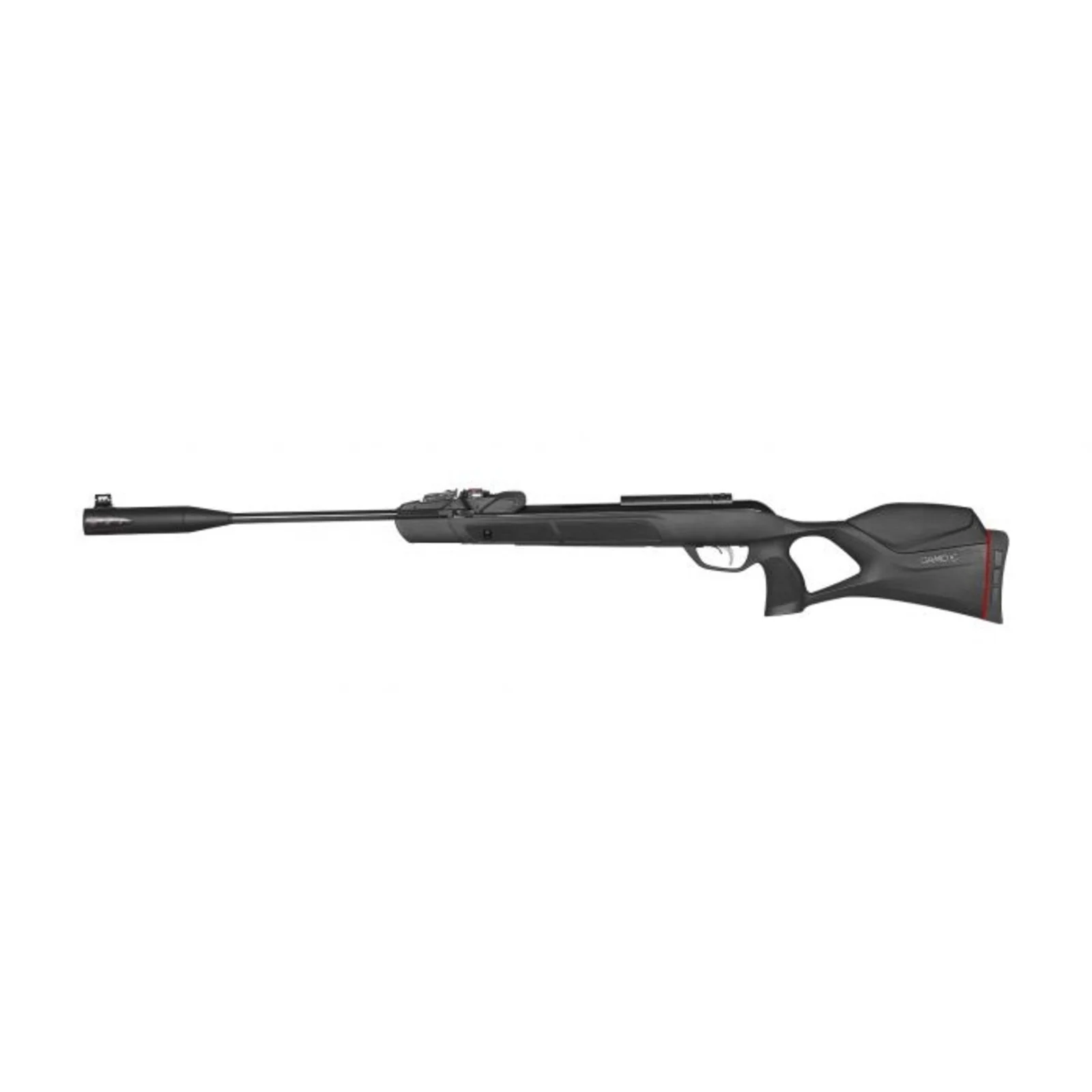
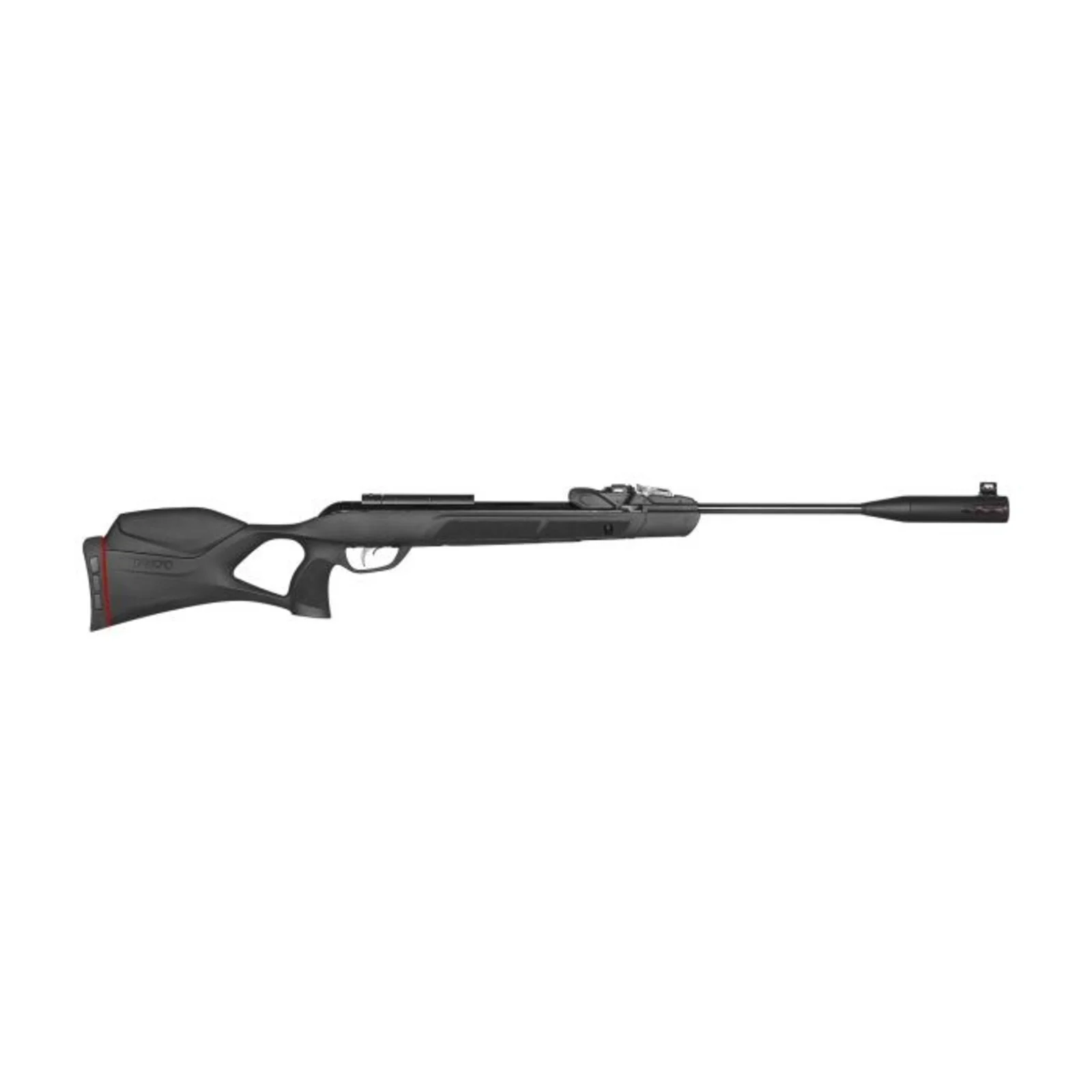
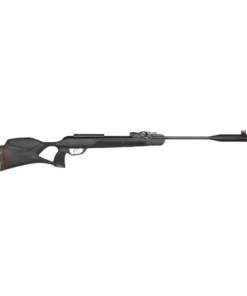
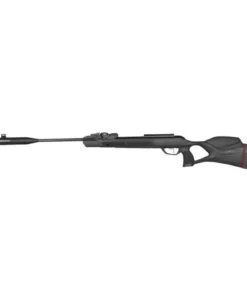
Precision, speed, and repeatable power are combined in the Gamo Replay 10 Magnum IGT GEN2i. Ten rapid follow-up shots are delivered without a pellet being handled between breaks, while Magnum-class energy is produced by a 33 mm IGT Mach 1 gas ram. A lighter, lower-profile GEN2 horizontal magazine is integrated so that open sights or optics can be used with equal ease. Consequently, a break-barrel platform that once felt slow is transformed into a fast, conversion-ready field rifle.
Why the Gamo Replay 10 Magnum IGT GEN2i Is Chosen
A traditional single-shot break barrel is limited by reload time. That limit is removed by 10X GEN2 Quick-Shot technology. After the barrel is broken, the rotary magazine is indexed and a pellet is chambered automatically. Therefore, ten shots can be fired in succession while the target picture is kept.
Moreover, Magnum output is supplied by IGT (Inert Gas Technology) rather than a steel mainspring. Vibration is reduced, cocking effort is smoothed, and shot-to-shot velocity is kept more consistent. In addition, Whisper sound dampening, a CAT two-stage adjustable trigger, an SWA shock-wave butt pad, and an RRR recoil-reducing rail are included so that comfort, quietness, and optic life are improved together.
Highlight Product Listing
- Model: Gamo Replay 10 Magnum IGT GEN2i (also listed as Replay 10X Magnum IGT GEN2)
- Action: Break-barrel multi-shot
- Magazine: 10X GEN2 horizontal rotary magazine, 10 pellets
- Powerplant: IGT Mach 1 / IGT GEN2i nitrogen gas ram, oversized 33 mm cylinder
- Calibers offered: 4.5 mm (.177) and 5.5 mm (.22)
- Energy (market dependent): typically ~24 J in restricted EU versions; Magnum versions commonly specified around 36–45 J
- Indicative velocity (full-power Magnum, manufacturer figures): up to about 470 m/s in .177 with PBA; up to about 380 m/s in .22 with PBA
- Barrel: Rifled steel with Whisper / Whisper Fusion moderator
- Trigger: CAT (Custom Action Trigger), independently adjustable first and second stage
- Stock: Ambidextrous synthetic thumbhole, automotive-grade glass-filled nylon, textured grip and forend
- Recoil pad: SWA (Shock Wave Absorber), removable inserts, up to ~74% more absorption than a standard pad
- Rail: 11 mm dovetail with RRR (Recoil Reducing Rail)
- Sights: Fiber-optic Truglo front and adjustable rear (combo packs may include a 3–9×40)
- Safety: Manual safety plus automatic cocking safety
- Typical weight: about 3.3–3.4 kg
- Typical overall length: about 121–126 cm
- Use: Plinking, target practice, pest control where lawful, hunting where lawful and ethically appropriate
How 10X GEN2 Quick-Shot Technology Is Used
A vertical first-generation magazine raised the sight line and blocked iron sights on many rifles. That problem is corrected by GEN2 horizontal integration. As a result, a lower profile is achieved, weight is trimmed, and open sights remain usable.
Furthermore, pellets are not touched between shots. The barrel is broken, the magazine is rotated by the cocking cycle, and the next pellet is presented to the breech. Consequently, reload time is cut and the shooting rhythm is kept. Time-trial practice, pest sequences, and hunting follow-ups are therefore made more practical than on a classic single-shot magnum.
Nevertheless, pellet length must be respected. Overlong slugs can jam a rotary feed. Standard diabolo pellets of appropriate length are therefore recommended so that feeding reliability is preserved.
How IGT Mach 1 / IGT GEN2i Power Is Delivered
A coiled steel spring is replaced by a nitrogen-charged piston in a 33 mm cylinder. Terminal velocity is improved, power consistency is increased, cocking effort is reduced compared with an equivalent steel-spring magnum, and unwanted vibration is lessened.
Additionally, spring fatigue, spring twang, and metal-on-metal “twang” noise are avoided. Over thousands of cycles, a gas ram typically holds its charge better than a cheap spring. Therefore, a more stable point of impact can be maintained when the same pellet and hold are used.
However, cocking force on a 45 J Magnum remains substantial. Youth and very small-framed shooters may find the break demanding. Proper stance, a supported cocking method, and legal power selection for the market are advised.
Calibers, FAC / Legal Power, and Accessories
.177 / 4.5 mm
Flat trajectory and high pellet speed are favored in .177. Paper punching, tin cans, and longer-range plinking are commonly chosen. Restricted-market versions are often capped near local joule limits (for example ~16–24 J). Full Magnum .177 listings may quote very high PBA speeds; real-world lead-pellet speed will be lower.
.22 / 5.5 mm
Energy transfer and wind resistance are improved in .22. Pest control and hunting (where legal) are the usual reasons this caliber is selected on the Magnum. Many full-power EU Magnum listings specify about 45 J in 5.5 mm.
FAC and local law
Power is not the same in every country. Sub-12 ft-lb UK airguns, 7.5 J German sport versions, 16–24 J Spanish/Italian consumer versions, and 36–45 J Magnum export versions all exist under similar names. Local law must be checked before purchase, import, or use. Licensing, age limits, and hunting rules are not waived by marketing copy.
Accessories that are commonly paired
- Extra 10X GEN2 magazines
- Quality 3–9×40 or 4–16×44 airgun-rated scopes on two-piece mounts
- Lead diabolo pellets matched to the choke (not random slugs)
- Fill-nothing required: no PCP tank, no pump
- Soft case, targets, and a spring-piston-safe cleaning kit
CAT Trigger, SWA Pad, RRR Rail, and Whisper Barrel
A two-stage CAT trigger is fitted so that first-stage travel and second-stage weight can be set independently with the supplied screws. A cleaner break is therefore available after a short setup session.
Meanwhile, SWA inserts in the butt pad can be added or removed so that felt recoil is tuned. Up to about 74% more absorption than a plain rubber pad is claimed.
Likewise, the RRR rail is designed to soak two-way springer recoil so that scope internals are stressed less. An airgun-rated optic is still required; a cheap firearm scope is still at risk.
Finally, Whisper / Whisper Fusion dual-chamber moderation reduces muzzle report. A gas-ram magnum is never as quiet as a regulated PCP with a long shroud, but neighbor-friendly backyard use is improved compared with an unmoderated steel-spring magnum.
Practical Use Scenarios
Backyard and club plinking is made faster because ten shots are fired before a magazine is swapped. Pest routes (where lawful) benefit from follow-up shots without a pellet tin being opened. Hunters who are licensed and acting ethically gain a second and third opportunity on a moving rabbit or similar small game, provided energy and caliber are legal. Training new shooters is helped by the ambidextrous thumbhole stock, though cocking effort must still be considered.
Inclusive use is supported by the ambidextrous stock and fiber-optic sights. Left- and right-handed shooters are accommodated without a special SKU. Eye relief and cheek weld should still be checked when a scope is mounted.
Care, Safety, and Conversion Notes
Dry-firing is avoided. Pellets of correct length are used. The barrel is not slammed shut. The safety is applied during cocking and loading. Eye protection is worn. Local storage and transport laws are followed.
A compressor is never required. That is the conversion point versus PCP: no bottles, no pumps, no fill fittings—only pellets and a magazine. For shooters who want Magnum energy without PCP logistics, the Gamo Replay 10 Magnum IGT GEN2i is positioned as a complete, ready platform.
FAQs
Is a scope included? Combo packs sometimes include a 3–9×40; many rifle-only listings do not. The listing must be read.
Can slugs be used? Rotary feed prefers standard diabolo length. Long slugs are a jam risk.
Is it FAC in the UK? Full 45 J Magnum versions would be FAC. UK unlicensed versions, if offered, would be limited to sub-12 ft-lb. Confirm the exact SKU.
Is it quiet? Whisper helps. It is not silent.
Is it ambidextrous? Yes. The thumbhole stock is designed for both sides.
Calibres, FAC, Power and Accessories
Power, pellet choice and legal status are decided together on this platform. A single catalogue name covers more than one energy level and more than one bore. Therefore, the marked joule rating on the actual rifle, the destination country’s airgun law and the intended distance must be read before a calibre or an accessory pack is selected.
How the two factory calibres are used
Two chamberings are commonly offered: 4.5 mm (.177) and 5.5 mm (.22). Both are fed by the same 10-shot GEN2 rotary magazine, provided pellet length stays inside the feed window.
A flatter flight path and a lower cost per shot are associated with 4.5 mm. Paper, spinners and club plinking at moderate range are typically served by that bore. Alloy PBA figures in manufacturer tables can look dramatic in this calibre; real groups with standard lead diabolo pellets will be slower and, for most shooters, more useful. Consequently, a tin that is already known to suit Gamo chokes should be chosen over a headline velocity claim.
Greater pellet mass and stronger energy transfer are associated with 5.5 mm. Wind drift is reduced and small-pest work, where such use is lawful, is more often paired with this bore on Magnum-power examples. Follow-up shots remain available because the magazine is shared across both calibres. Inclusive use is supported either way: the ambidextrous thumbhole stock and CAT trigger are not calibre-specific. Distance, backstop and local joule limits should still decide the purchase, not habit alone.
How FAC and legal power are applied
Licensing is not created by marketing language. It is created by measured muzzle energy and by national statute.
In the United Kingdom, an air rifle that remains at or below 12 ft-lb (approximately 16.3 J) can usually be held without a firearm certificate if age, storage and public-place rules are followed. A true Magnum example in the 36–45 J class would fall under FAC. Possession, purchase and use of that higher specification without the correct certificate would be unlawful.
Elsewhere in Europe, consumer versions are frequently capped near 7.5 J, 16 J or 24 J, depending on the market. Export and specialist Magnum listings for this model are often quoted around 36 J in 4.5 mm and up to about 45 J in 5.5 mm. Velocity tables that cite roughly 470 m/s in .177 with PBA, or roughly 380 m/s in .22 with PBA, belong to those full-power specifications and will not match a restricted legal rifle.
Additionally, hunting seasons, landowner permission, transport rules and minimum ages vary by country and sometimes by region. Import into a lower-limit jurisdiction does not convert a Magnum into a legal unlicensed gun. The receiver’s law applies. Confirmation from the seller’s specification sheet and, where needed, from a local licensing office is required before an order is placed.
How power should be matched to the shooter
Cocking effort rises with energy. A 45 J break-barrel ram is demanding. Youth, smaller-framed shooters and anyone with limited shoulder or wrist strength may be better served by a legally restricted version of the same action. Inclusive shooting is improved when a rifle that can be cocked safely for a full session is chosen, rather than when a maximum joule figure is chased. Accuracy also benefits: a consistent hold is easier to repeat when the cocking stroke is not a struggle.
Accessories that should be specified with the rifle
- Spare 10X GEN2 magazines. Ten shots are useful; twenty or thirty without a bench refill are better. Genuine magazines that match GEN2 pocket geometry should be used so that feeding is not compromised.
- Airgun-rated optic. An 11 mm RRR rail is fitted. A 3–9×40 is the usual first scope; longer-range shooters may prefer a 4–16 class with an adjustable objective. Two-way springer recoil must be tolerated. A cheap firearm scope is frequently damaged. Combo listings sometimes include a 3–9×40; rifle-only listings often do not.
- Rings and a one-piece or quality two-piece mount. Correct height for the thumbhole cheek piece should be selected so that neck strain is avoided for every shooter.
- Matched lead diabolo pellets. Standard lengths that fit the rotary drum are required. Long slugs are a jam risk and are not a default accessory.
- Soft case, targets and eye protection. These are not optional extras for a first session.
- Light, springer-safe lubricant and a cleaning kit. Solvent-heavy routines that attack polymer magazine parts should be avoided.
- No PCP tank, pump or compressor. Those items are unnecessary. That absence is part of the accessory calculation: running costs stay with pellets and magazines only.
A complete checkout is therefore built from the correct legal power, the calibre that matches the real use, two magazines, a rated optic if open sights will not be relied upon, and a tin that has been chosen for group size rather than box speed. When those pieces are specified together, the rifle is ready for the range without a second order being delayed.


Reviews
There are no reviews yet.