Vortex Spitfire HD Gen II 3X Prism Scope Picatinny – Compact 3X Precision with HD Optical Clarity
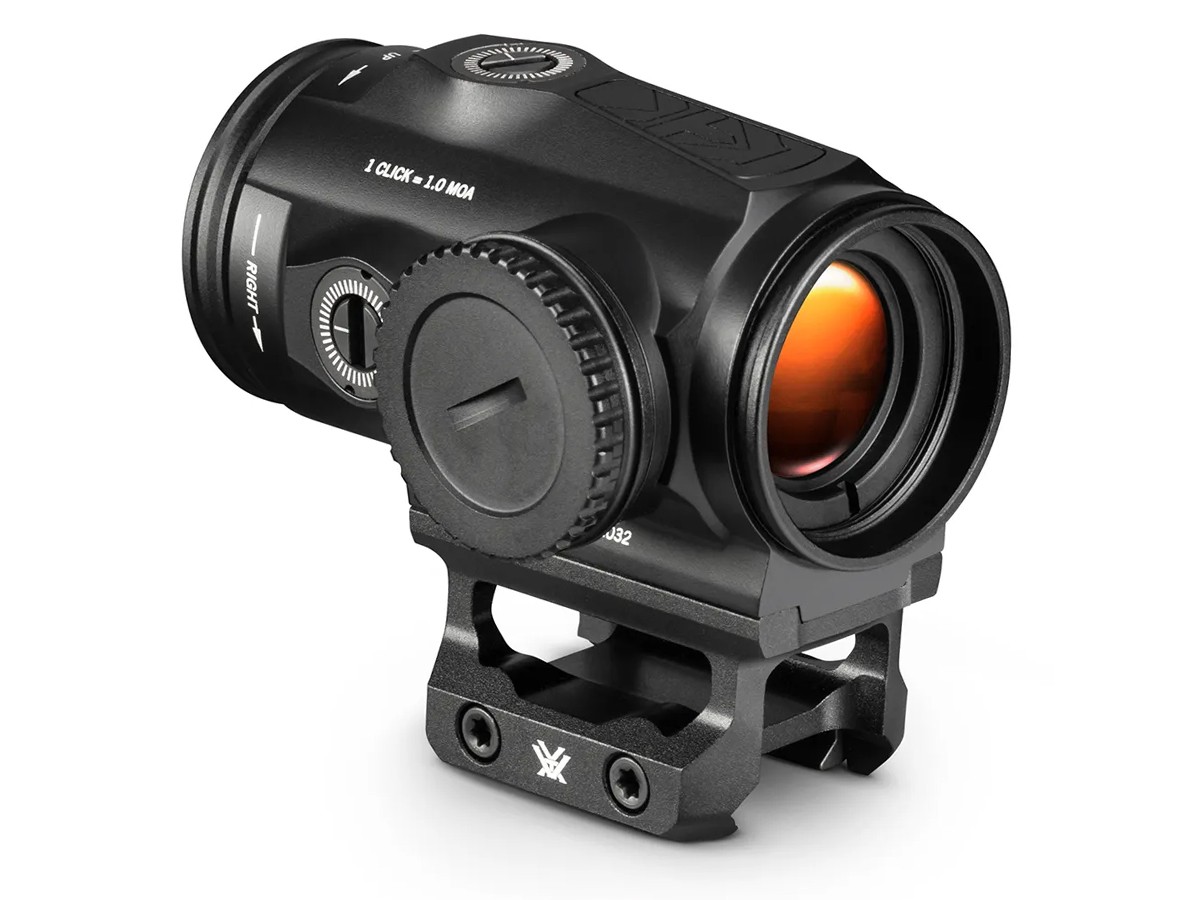
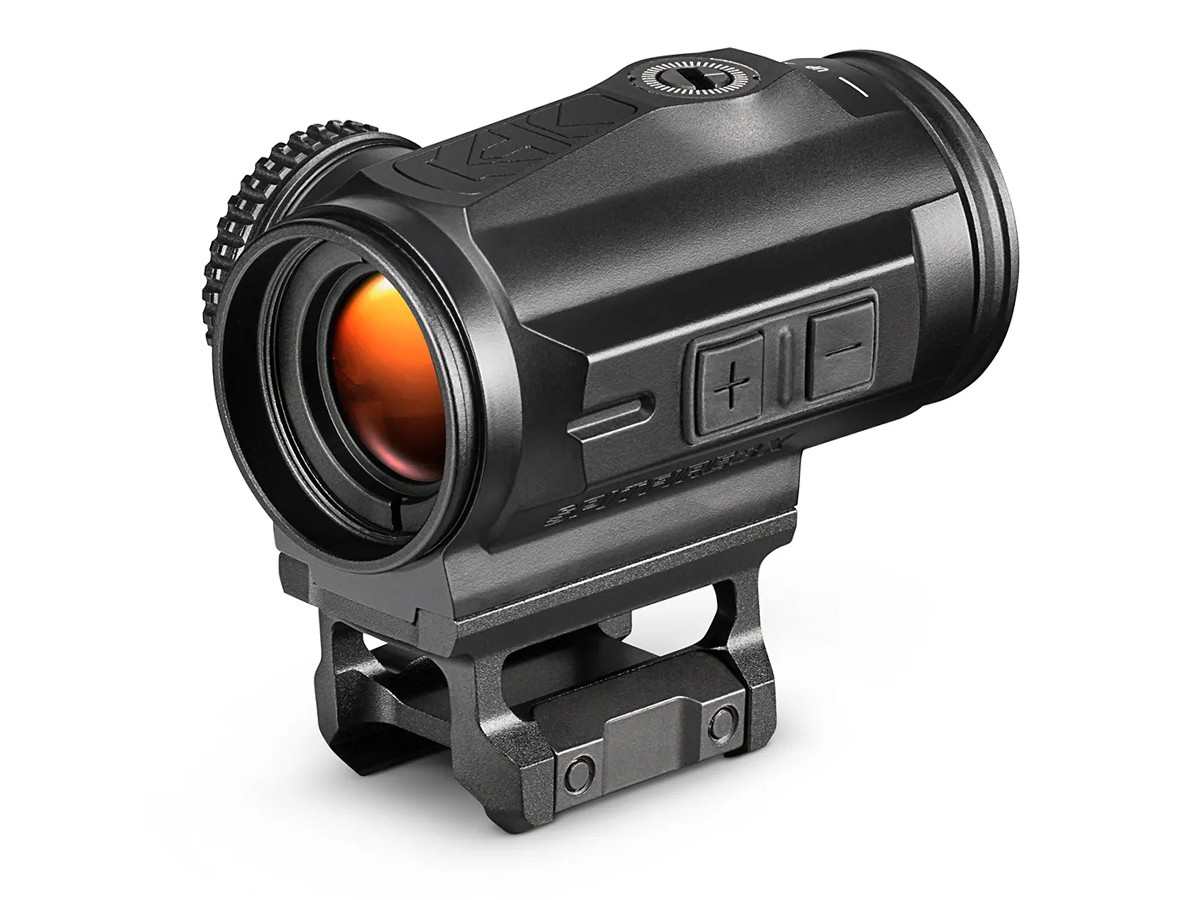
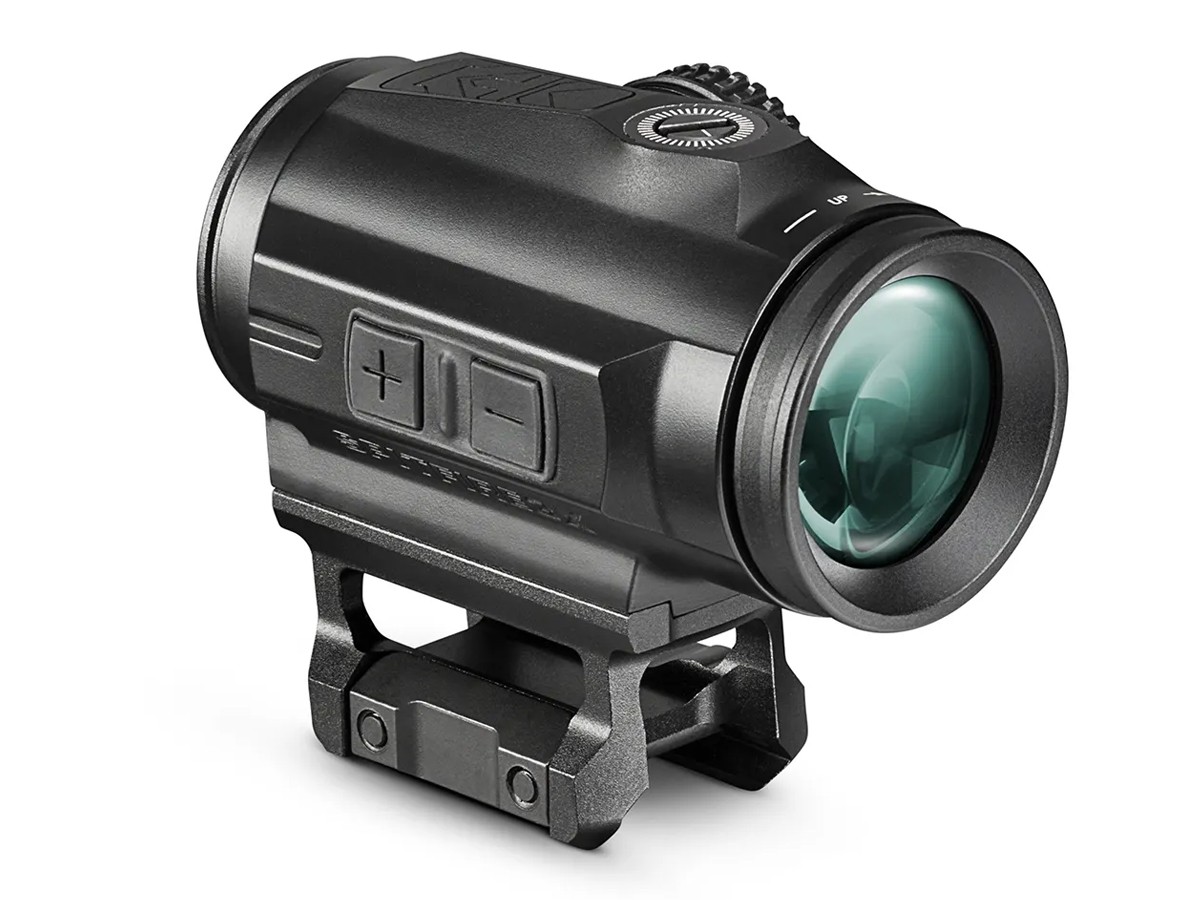
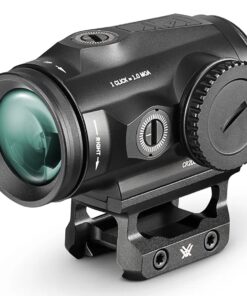
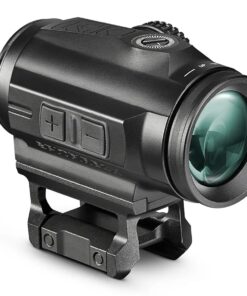
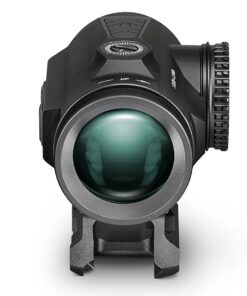
The Vortex Spitfire HD Gen II 3X Prism Scope Picatinny has been engineered for shooters who want a compact, lightweight optic with fixed 3X magnification, dependable clarity, and a practical illuminated reticle. Instead of unnecessary bulk being added to a firearm platform, a streamlined prism design has been used so enhanced visual detail can be achieved while valuable rail space is preserved.
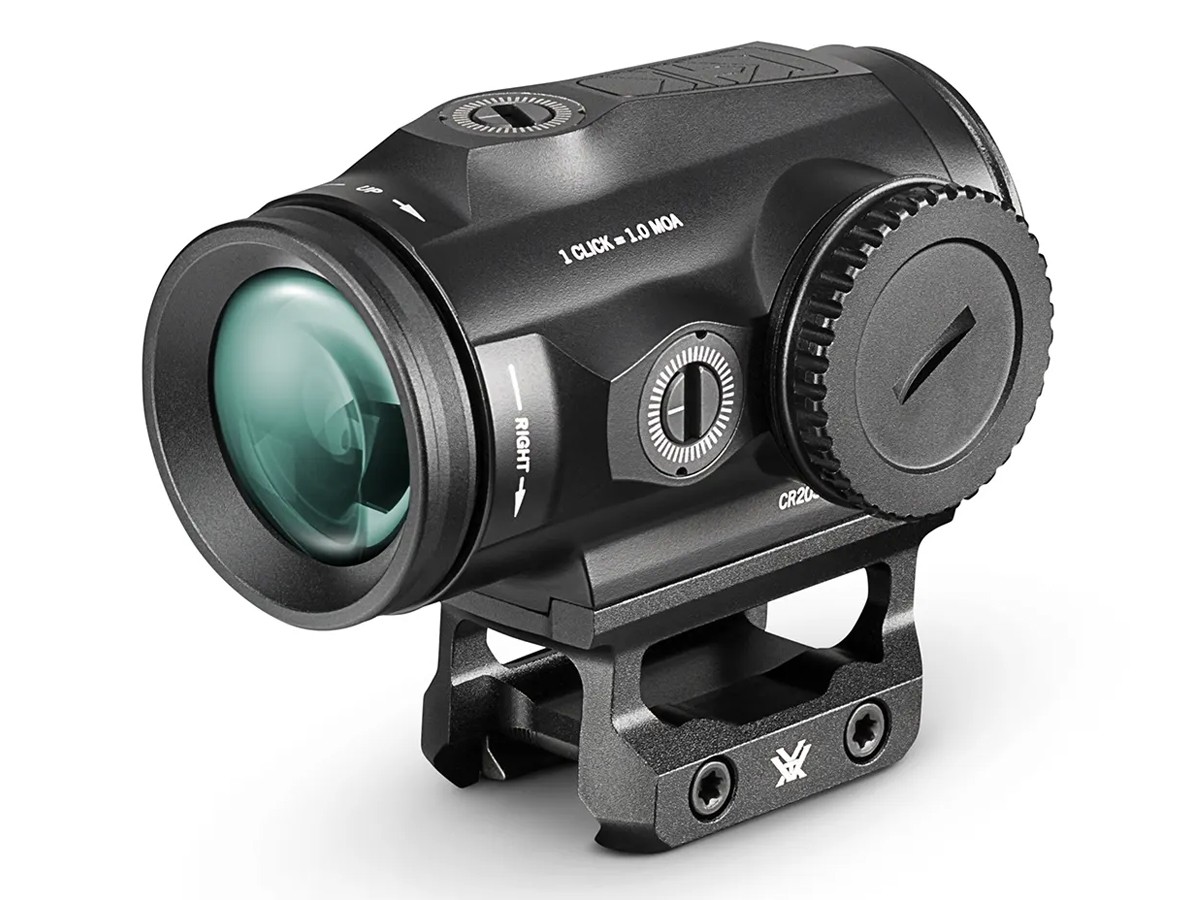
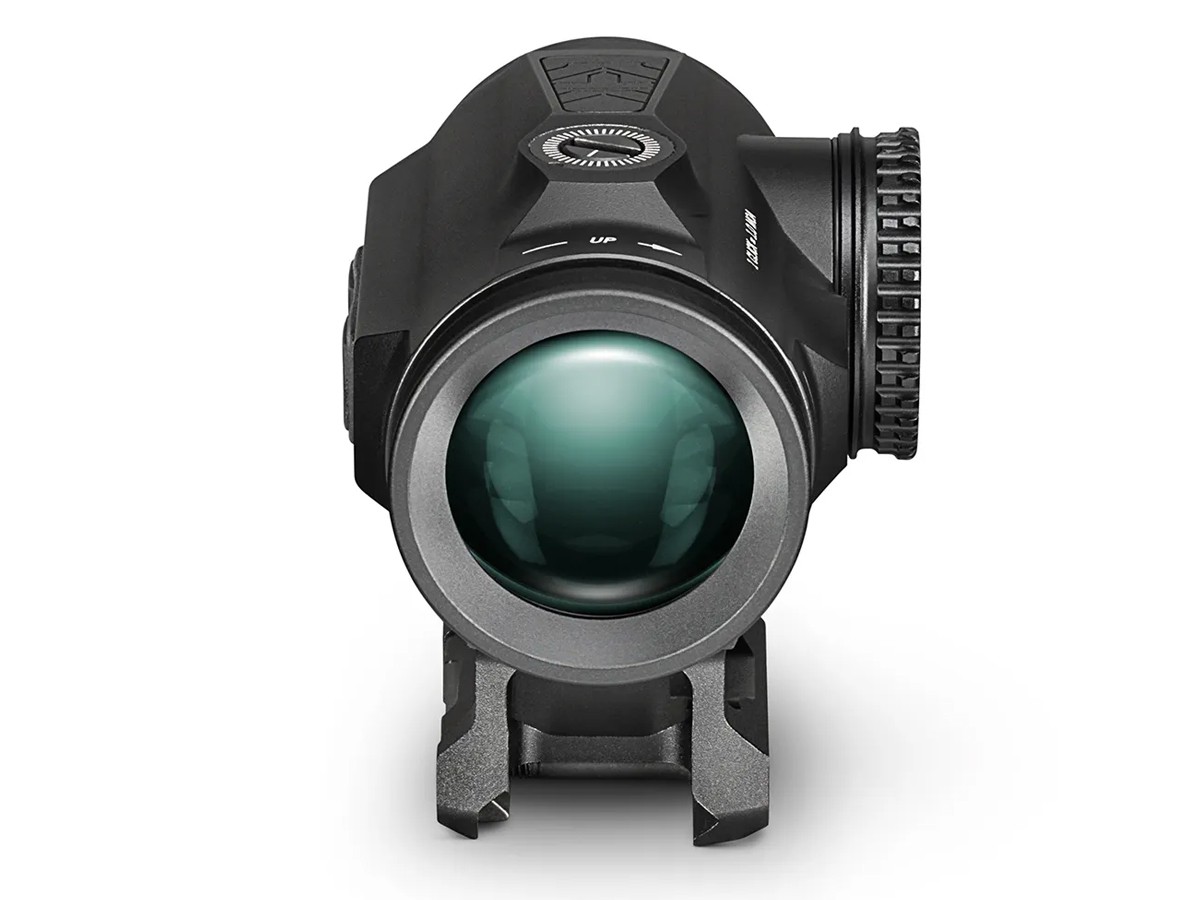
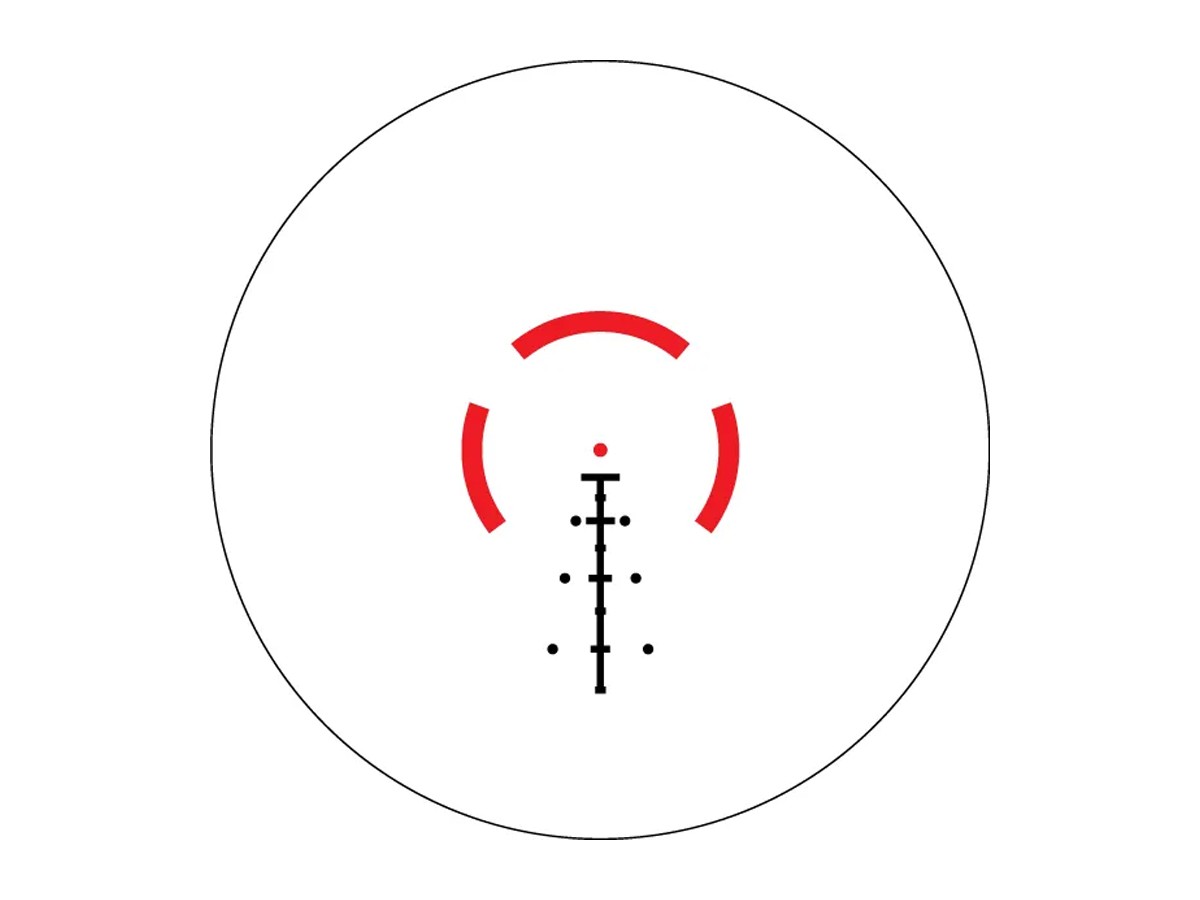
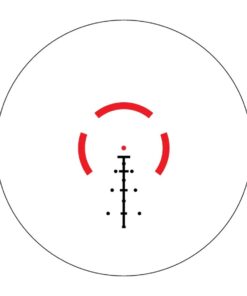
Through its HD optical system, enhanced resolution and improved image quality are provided in a remarkably compact package. Furthermore, a bright red illuminated AR-BDC4 reticle has been incorporated, while the reticle itself is etched into the prism. Consequently, a visible aiming reference can still be maintained when illumination is not being used. Vortex lists the optic with 3X magnification, a 21 mm objective lens, 2.6-inch eye relief, and a 37.9-foot field of view at 100 yards.
For users who prioritize reduced weight, dependable construction, and straightforward operation, the Spitfire HD Gen II provides an attractive balance between magnification and compact dimensions.
Why Choose the Vortex Spitfire HD Gen II 3X Prism Scope Picatinny?
A modern optical system should be easy to integrate without unnecessary complexity being introduced. For that reason, the Vortex Spitfire HD Gen II 3X Prism Scope Picatinny has been designed around a compact prism configuration that can provide magnification without the dimensions normally associated with larger traditional riflescopes.
Most importantly, fixed 3X magnification has been provided. As a result, additional target detail can be viewed while a relatively wide field of view is retained. The optic measures approximately 3 inches in length and weighs only 9.3 ounces, allowing weight and overall footprint to be kept low.
Meanwhile, mounting versatility has also been considered. A multi-height mounting system is specified by Vortex, allowing the optic to be adapted to compatible configurations according to the user’s setup.
Highlighted Product Features
- 3X fixed magnification is provided for a balanced magnified viewing experience.
- 21 mm objective lens is incorporated into the compact optical system.
- HD optical design is used to promote enhanced resolution and image quality.
- AR-BDC4 etched reticle is supplied for a visible aiming reference even when illumination is unavailable.
- Bright red illumination is provided for enhanced reticle visibility.
- CR2032 battery compatibility is specified for the illumination system.
- 2.6-inch eye relief is provided.
- 37.9 ft field of view at 100 yards is offered.
- Multi-height mounting is included for adaptable installation.
- 1 MOA adjustment graduation is provided.
- 100-yard parallax setting is specified.
- Compact 3-inch overall length helps valuable mounting space to be conserved.
- Lightweight 9.3-ounce construction helps additional system weight to be minimized.
HD Optical Performance in a Compact Prism Design
Clarity can make a significant difference when magnification is being used. Therefore, the optical system of the Vortex Spitfire HD Gen II 3X Prism Scope Picatinny has been designed to deliver improved visual performance while an exceptionally compact physical format is maintained.
Because magnification has been fixed at 3X, complicated zoom controls are eliminated. Consequently, the optic can be kept simple and compact while additional visual detail is still provided compared with an unmagnified sighting system.
Moreover, Vortex identifies prism scopes as fixed-power optics and notes that an etched reticle continues to provide a point of aim without electrical power. Therefore, the Spitfire HD Gen II can remain visually functional even when its illumination is switched off.
AR-BDC4 Etched Reticle with Bright Red Illumination
A versatile sighting experience is supported by the AR-BDC4 reticle. Rather than the aiming reference being dependent entirely on battery-powered projection, the reticle has been etched into the optical system.
Accordingly, reticle visibility can still be maintained without illumination. When additional contrast is preferred, bright red illumination can be activated.
Power for the illuminated system is supplied by a CR2032 battery, according to the manufacturer. As a result, a widely recognized battery format is used while the optic’s compact dimensions are maintained.
Lightweight Construction Without Unnecessary Bulk
Adding magnification does not always need to mean adding substantial size.
At approximately 9.3 ounces, the Vortex Spitfire HD Gen II 3X is kept remarkably lightweight. Furthermore, its overall length is listed at only 3 inches. Therefore, users who value compact equipment can benefit from magnified optics without a large conventional scope being mounted.
Additionally, the reduced footprint allows valuable rail space to be conserved. A cleaner and more manageable configuration can consequently be achieved on compatible Picatinny-equipped platforms.
Multi-Height Mounting for Greater Flexibility
Different setups can require different optic heights. Consequently, a multi-height mount has been incorporated into the Spitfire HD Gen II 3X package specification.
Through this arrangement, greater flexibility can be provided when the optic is being installed on a compatible rail system. Nevertheless, compatibility should always be verified against the specific platform and mounting arrangement before installation.
Practical Adjustment System
Reliable optical performance is supported by straightforward adjustment specifications.
A 1 MOA adjustment graduation is provided, while total elevation and windage adjustment are both listed by Vortex at 250 MOA. Additionally, 42 MOA of travel per rotation is specified.
Therefore, adjustments can be made in clearly defined increments. Meanwhile, the optic’s parallax setting has been established at 100 yards, further reinforcing its purpose as a compact fixed-power prism optic.
Wide Field of View
Situational awareness should not automatically be sacrificed simply because magnification has been introduced.
For that reason, a field of view measuring approximately 37.9 feet at 100 yards is provided. This broad viewing area helps the user maintain useful surrounding visual information through the optic.
Combined with 3X magnification, the design offers an effective compromise between enhanced visual detail and a sufficiently broad sight picture.
Built for Users Who Value Simplicity and Performance
The Vortex Spitfire HD Gen II 3X Prism Scope Picatinny has been created around a straightforward concept: useful magnification should be provided without excessive bulk or complicated controls being introduced.
Instead of variable magnification being included, a fixed 3X system has been adopted. Moreover, an etched reticle is supplied so the aiming reference does not disappear simply because illumination has been switched off. Likewise, a compact housing allows the optic to be installed without a large amount of rail space being occupied.
Because of these characteristics, the Spitfire HD Gen II can appeal to users who value compact optics, lightweight equipment, clearly defined adjustments, and uncomplicated operation.
Key Specifications
For easier product comparison, the main specifications are summarized below:
- Magnification: 3X
- Objective Lens Diameter: 21 mm
- Reticle: AR-BDC4
- Reticle Color: Bright red
- Battery: CR2032
- Eye Relief: 2.6 inches
- Field of View: 37.9 ft at 100 yards
- Adjustment Graduation: 1 MOA
- Travel Per Rotation: 42 MOA
- Maximum Elevation Adjustment: 250 MOA
- Maximum Windage Adjustment: 250 MOA
- Parallax Setting: 100 yards
- Mount Type: Multi-height
- Overall Length: 3.0 inches
- Weight: 9.3 oz
A Compact 3X Prism Optic Designed for Modern Setups
Ultimately, an effective combination of optical clarity, compact dimensions, fixed magnification, and practical reticle functionality has been brought together in the Vortex Spitfire HD Gen II 3X Prism Scope Picatinny.
Rather than additional size being accepted simply to gain magnification, an efficient prism-based design has been used. Additionally, useful visibility is supported through the illuminated AR-BDC4 etched reticle, while straightforward adjustment controls allow the optic to remain uncomplicated.
Above all, impressive portability is achieved through the 3-inch length and 9.3-ounce weight, while fixed 3X magnification provides enhanced visual detail without turning the optic into a bulky conventional riflescope.
For shoppers seeking a compact Vortex 3X prism scope, the Spitfire HD Gen II offers a refined combination of HD optics, lightweight construction, reticle visibility, multi-height mounting, and reliable fixed-power performance. Consequently, it can serve as a compelling option for anyone prioritizing a clean, compact, and purpose-built optical system.
Premium Rangefinding Binoculars, Precision Riflescopes and Advanced Hunting Optics
Modern optical technology gives hunters, sport shooters, wildlife observers, and outdoor enthusiasts more ways to identify distant targets, measure range, and achieve a clearer field of view. Premium Leica rangefinder binoculars remain highly regarded for combining observation and ranging technology in one compact optical platform. Popular searches include Leica Geovid 10×42 rangefinder binoculars, Leica Geovid binoculars, Leica binoculars with rangefinder, Leica Geovid Pro 10×42, and Geovid Pro 10×42. Whether someone is researching a Leica Geovid rangefinder, Leica Geovid Pro rangefinder binoculars, Leica Geovid rangefinder binoculars, or the classic Leica Geovid 10×42, the Geovid family is commonly associated with high-quality glass, strong optical clarity, and practical long-distance observation.
Beyond rangefinding models, the wider Leica binoculars collection appeals to users searching for Leica small binoculars, binoculars Leica, Leica Geovid binos, Leica bino, Leica binoculars for sale, Leica bino rangefinder, Leica camera binoculars, Leica binos, or simply a Leica binocular for travel, field observation, wildlife viewing, and outdoor use. Different magnification formats, including 10×40, can suit users who want a balance between detail, portability, and field of view.
Alternative electronic binocular technologies are also becoming increasingly popular. Searches for SIG Sauer binoculars, SIG self stabilizing binoculars, SIG Sauer binos, SIG binoculars, SIG image stabilizing binoculars, SIG binocular, and SIG auto stabilizing binoculars reflect growing interest in electronically assisted viewing. Likewise, SIG Sauer self stabilized binoculars and SIG Sauer image stabilized binoculars can appeal to users who want reduced visual movement during handheld observation. Some buyers may also encounter broader search variations such as Sigma binoculars or specification terms like 11.5ee while comparing different optical products.
Precision aiming optics occupy another major part of the premium optics market. A Zeiss red dot offers a different sighting concept from traditional magnified optics, while the Nightforce ATACR line is frequently researched by users interested in premium long-range scopes. Common variants include Nightforce ATACR 5-25×56 F2, Nightforce ATACR 4-20×50, Nightforce ATACR 5-25×56 F1, and Nightforce ATACR 4-16×50. Related searches such as Night Force ATACR, ATACR scope, Nightforce attacker, ATACR 4-20, and Nightforce ATACR 4 20×50 F1 often appear when buyers are comparing magnification ranges, focal-plane configurations, turret systems, and optical performance.
At the higher end of precision optics, Tangent Theta products are frequently associated with specialist applications requiring refined mechanical adjustment and premium optical performance. Users may search for Tangent Theta scopes, Tangent scope, Tangent scopes, Theta optics, Tangent Theta scope, and Tangent optics while researching high-performance long-range systems.
The market also includes companies such as Fierce Firearms, Fierce Arms, and Fierce Optics, which may appear in searches involving hunting equipment and optical accessories. Within the Athlon category, meanwhile, one of the more detailed product searches is Midas TAC Gen2 HD 6-24×50 APLR15 FFP MOA reticle riflescope. The broader Athlon Midas TAC family, including Athlon Midas TAC 6-24×50, is often considered by users who want substantial magnification and adjustable target-focused features.
For shooters comparing larger objective and magnification configurations, terms such as 34 56, 34×56, Athlon Argos BTR Gen2 8-34×56, Athlon BTR Gen 2, Athlon Argos BTR Gen2, Athlon Argos BTR, and Athlon Argos BTR Gen 2 commonly appear during product research. Search variations such as Athalon scopes and Athens scope may also lead shoppers toward Athlon products when researching a new gun scope, Icarus scope, longest range scope, or general hunting optic.
Anyone learning how to buy a rifle scope should compare magnification range, objective diameter, reticle design, adjustment system, eye relief, optical quality, focal-plane configuration, overall weight, and intended sporting application. Terms such as AO scope can refer to adjustable-objective configurations, while models in the Athlon Ares BTR family provide additional options for users exploring precision-oriented optics.
Mid-range magnification searches frequently include 2.5×15, Avalon Aries, 2.5/15, Athlon BTR Gen 2, Athlon scopes review, Athlon reticles, 2.5-15 scope, and repeated comparisons involving Athlon Argos BTR Gen2 8-34×56 or 34×56 configurations. These searches demonstrate how buyers often compare reticles, magnification ratios, objective sizes, and scope families rather than selecting an optic solely by maximum magnification.
Low-power variable optics are another major category. Searches such as 1 10 scope, Ares ETR 1 10, 1 10 LPVO, 1-10 LPVO, 1-10 FFP LPVO, 1×10 scope, Athlon ETR, LPVO 1-8, LPVO 1-10, and 1-10 rifle scope reflect demand for versatile magnification systems. An LPVO allows users to move between low magnification for a broad field of view and higher magnification for improved observation at extended distances, making the format useful across several sporting disciplines.
For greater magnification, the Ares ETR Gen2 UHD 4.5-30×56 APRS12 FFP IR MIL reticle represents another precision-focused configuration within the Athlon range. Related product searches include Athlon 4.5-30×56, 4.5 30, Athlon ETR, and 4.5/30. The large 56 mm objective and broad magnification range make this type of optic particularly relevant to users comparing long-distance target and field optics.
Other searches such as 14×44, 2s14, Athlon BTR 2-12, 1/2×42, Athlon BTR Gen 2, 12×4.2, 2-12x, and Athlon 2 demonstrate continued demand for more compact variable-magnification formats. A 2-12x configuration, for example, can provide a useful compromise between field of view and magnified observation without requiring the size or weight of a very high-magnification optic.
Ultimately, premium optics cover far more than a single product category. Leica rangefinder binoculars and Leica Geovid binoculars combine observation with distance measurement, while stabilized SIG Sauer binoculars emphasize steady handheld viewing. Meanwhile, Nightforce ATACR, Tangent Theta scopes, and Athlon families such as the Midas TAC, Argos BTR, Ares BTR, and Ares ETR provide a wide range of magnification, reticle, and focal-plane options. By comparing optical clarity, magnification range, objective diameter, reticle format, adjustment system, physical dimensions, and intended sporting use, buyers can narrow a broad optics market into products that better match their individual requirements.
Practical Use Scenario: Vortex Spitfire HD Gen II 3X Prism Scope Picatinny
A compact prism optic becomes especially valuable when a shooter wants more visual detail than a standard unmagnified sight can provide, yet does not want the bulk of a full-size variable riflescope. In that situation, the Vortex Spitfire HD Gen II 3X Prism Scope Picatinny can be used as a practical fixed-magnification solution for lawful target shooting, recreational range sessions, outdoor sporting activities, and controlled competition environments.
Its lightweight design, fixed 3X magnification, illuminated etched reticle, and compact mounting profile make it particularly useful when fast setup, clear target identification, and uncomplicated operation are preferred.
Scenario 1: Recreational Target Shooting at the Range
Imagine arriving at an outdoor shooting range where targets have been positioned at several moderate distances. A conventional red-dot-style optic may provide excellent speed at short range, but smaller details can become more difficult to distinguish as the target is moved farther away.
With the Spitfire HD Gen II mounted securely on a compatible Picatinny rail, the fixed 3X magnification provides additional visual detail without requiring the user to manage a magnification ring.
After the equipment has been safely prepared according to range procedures, the optic can be checked to ensure that the mounting system remains secure. Because the design is compact, the setup can feel less front-heavy than configurations built around larger scopes.
Once the shooter assumes a stable position, the 2.6-inch eye relief allows the sight picture to be established at the appropriate viewing distance. The user can then focus on maintaining consistent head placement and a steady shooting position.
Clearer Target Observation
At moderate distances, the 3X magnification can make printed target markings, scoring zones, and aiming points easier to distinguish.
Instead of the target appearing extremely small, additional visual definition is provided. Consequently, the shooter may find it easier to evaluate shot placement between strings without relying solely on the naked eye.
Because the magnification remains fixed, there is also no need to decide whether the optic should be set at 2X, 3X, or 4X. The viewing experience remains consistent throughout the session.
For recreational shooters who value simplicity, that consistency can be particularly appealing.
Scenario 2: Practicing Consistency and Fundamental Shooting Skills
Another practical use involves structured range practice.
Rather than focusing exclusively on speed, a shooter may want to work on breathing control, stable positioning, trigger discipline, sight alignment, and repeatable body mechanics. A fixed-power prism optic can support that type of training because the same magnified sight picture is presented each time.
The etched reticle remains visible even when illumination is not being used. Therefore, daytime practice can be completed without depending continuously on battery-powered illumination.
During a bright afternoon session, for example, the user may decide that the etched reticle already provides enough contrast against the target. Illumination can consequently be left switched off.
If lighting conditions later become less favorable, the red illumination can be activated to improve reticle visibility.
Building Repeatable Eye Position
Consistent eye position plays an important role when using magnified optics.
As the shooter repeatedly shoulders the firearm or settles behind the platform on a bench, the goal is to establish a natural viewing position where the complete field of view is visible.
Because the optic has a defined eye-relief distance, inconsistent head placement can become noticeable. Instead of being a disadvantage, this characteristic can encourage the user to develop a more repeatable shooting position.
Over time, a more consistent mounting position, cheek placement, and viewing angle may be developed.
For recreational practice, that repeatability can contribute to a more comfortable and predictable experience.
Scenario 3: A Compact Setup for Longer Range Sessions
Weight becomes increasingly noticeable during extended periods of equipment handling.
A large variable optic, heavy mounting hardware, and additional accessories can collectively make a sporting setup feel substantially heavier. By comparison, the Spitfire HD Gen II weighs approximately 9.3 ounces and measures roughly 3 inches in length.
During a long range session, that reduced mass can be appreciated.
For example, a shooter may spend several hours alternating between bench shooting and standing practice. Because unnecessary optic weight has been minimized, the platform can remain easier to handle.
Furthermore, the short optic body preserves rail space. Other compatible equipment does not have to be crowded unnecessarily around a large scope body.
Simplified Equipment Management
A compact fixed-power optic also reduces the number of controls that must be managed.
There is no zoom ring requiring adjustment between target distances. Likewise, there is no complex variable magnification system that must be repeatedly checked.
Instead, the user can concentrate on the fundamentals of safe range operation and consistent target engagement.
The magnification remains at 3X.
The reticle remains familiar.
The sight picture remains predictable.
As a result, less attention is diverted toward optic configuration.
Scenario 4: Outdoor Sporting Competition
The optic can also be useful during lawful sporting competitions where participants move through structured stages and engage designated paper or steel targets under controlled rules.
In this environment, compactness and visual clarity may both be valuable.
Consider a stage where some targets are positioned relatively close while others are placed farther downrange. The fixed 3X magnification offers enough enlargement to improve visual definition while still maintaining a relatively broad field of view.
The listed 37.9-foot field of view at 100 yards helps preserve useful peripheral visual information through the optic.
Therefore, the shooter is not presented with the extremely narrow viewing experience that can be associated with higher magnification optics.
Maintaining a Consistent Viewing System
Competitive environments can reward familiarity.
When equipment is changed frequently, the user may need time to adapt to different eye relief, reticle designs, control layouts, and magnification settings.
By contrast, a fixed prism optic provides the same optical configuration whenever it is used.
After sufficient practice, the shooter becomes familiar with how the reticle appears, where the eye should be positioned, and how the sight picture responds to movement.
Consequently, equipment operation can become more intuitive.
Scenario 5: Bright Daylight and Changing Light Conditions
Outdoor ranges rarely provide perfectly consistent lighting.
A session may begin under bright sunlight, continue beneath cloud cover, and finish during softer late-afternoon conditions.
The etched reticle can be advantageous in these circumstances because basic reticle visibility does not depend entirely on illumination.
During strong daylight, the shooter may prefer the natural appearance of the etched reticle.
Later, as contrast changes, the illumination system can be used when additional reticle visibility is desired.
This combination gives the user flexibility without requiring the optic to become unusable when illumination is not active.
Battery Independence for Basic Reticle Visibility
Electronic sights that rely completely on powered projection can become difficult to use if the battery becomes depleted.
A prism optic with an etched reticle behaves differently.
Even without illumination, the physical reticle remains visible through the optic.
For extended recreational sessions, this characteristic can provide additional confidence. While responsible users should still inspect and replace batteries as required, immediate reticle visibility is not completely dependent on battery power.
Scenario 6: Learning to Use an Etched Reticle
A new owner may initially spend time becoming familiar with the reticle before concentrating on any advanced applications.
A sensible first session can involve viewing clearly marked range targets from a stable bench position.
The user can observe how the reticle appears against light and dark backgrounds. Illumination levels can be explored gradually to determine what feels comfortable under different lighting conditions.
Rather than simply selecting the brightest possible setting, the user may discover that a moderate illumination level provides better visual balance.
Excessive brightness can sometimes make an illuminated aiming point appear more dominant than necessary. Accordingly, illumination should generally be adjusted to suit the environment rather than automatically being maximized.
This process helps the shooter understand the optic more thoroughly.
Scenario 7: Using the Wide Field of View During Range Drills
Another practical advantage becomes noticeable when multiple designated targets are arranged across the range.
The user may begin with one target, safely lower or reposition the firearm according to the drill instructions, and then transition toward another marked target.
Because the optic provides a relatively broad field of view for a 3X system, visual orientation can remain manageable.
The shooter can practice moving between designated target areas without constantly adjusting magnification.
For controlled sporting exercises, this simplicity can improve the overall experience.
Fixed Magnification Reduces Distraction
Variable optics provide flexibility, but they also introduce another decision.
Should magnification be increased?
Should it be reduced?
Has the magnification ring accidentally moved?
With a fixed 3X optic, those questions disappear.
The shooter simply learns the characteristics of the existing magnification and adapts accordingly.
For many recreational users, fewer adjustments can mean greater familiarity.
Scenario 8: Bench-Rest Accuracy Practice
Bench-rest practice represents another suitable application.
Once the firearm is safely supported according to range rules, the shooter can use the magnified image to concentrate on maintaining the same point of aim from shot to shot.
The 3X magnification provides enough visual enlargement to make common range targets easier to observe while avoiding the extreme image movement that can become more noticeable under very high magnification.
Small movements in the shooter’s position may still be visible, which can actually be useful during training.
For instance, slight movement caused by breathing may be seen through the optic. By observing that movement, the shooter can work toward a more stable and repeatable position.
Reviewing Shooting Technique
After completing a group, the shooter can evaluate performance and make adjustments to technique.
If the group spreads vertically, breathing or support consistency may be reviewed.
If the group shifts because body position changes between shots, the shooter can work on establishing the same posture every time.
The optic therefore becomes more than simply a device for making the target appear closer. It can also become part of a structured practice routine.
Scenario 9: Traveling to the Range with a Compact Setup
Transport and storage are practical considerations that are sometimes overlooked.
A large riflescope can require additional case clearance, especially when large turrets or oversized objective lenses are present.
Because the Spitfire HD Gen II is compact, a platform equipped with it may fit more easily into appropriately sized secure transport cases.
The reduced optic profile also lowers the likelihood of the optic being unnecessarily bumped against other equipment while being handled.
Of course, all firearms and related equipment should always be transported and stored according to applicable laws, range rules, and safe-handling practices.
Scenario 10: A Straightforward Setup for New Prism-Optic Users
Someone transitioning from basic iron sights or unmagnified optics may not want to begin with a complicated variable-power system.
A fixed 3X prism optic provides a relatively straightforward introduction to magnified optics.
There is one magnification level to learn.
The reticle remains visible without illumination.
Brightness can be adjusted when illumination is desired.
The optic remains compact enough that the overall platform does not feel dramatically transformed.
This simplicity can make the learning process less intimidating.
Gradual Familiarization
During the first few sessions, the user can focus on three basic areas:
- Establishing correct eye position
- Becoming familiar with the reticle
- Learning how lighting affects the sight picture
Once those fundamentals become natural, attention can shift toward improving shooting consistency.
This gradual approach is often more productive than attempting to learn every feature simultaneously.
Everyday Value of the Compact 3X Design
Across these practical scenarios, the primary advantage of the optic is balance.
More visual detail is provided than would normally be available through an unmagnified sight, yet the equipment remains significantly smaller than many conventional riflescopes.
Fixed magnification keeps operation simple.
The etched reticle provides a persistent visual reference.
Red illumination adds flexibility when greater contrast is needed.
Meanwhile, lightweight construction keeps the overall setup manageable.
For recreational range users, sporting competitors, and target shooters who prefer straightforward equipment, those characteristics can work together effectively.
Final Practical Perspective
The Vortex Spitfire HD Gen II 3X Prism Scope Picatinny is particularly well suited to users who want dependable magnification without building an unnecessarily complicated optical system.
During relaxed target practice, the 3X view can make target details easier to observe. During structured training, the fixed magnification encourages familiarity and consistent positioning. During sporting competition, the compact design and broad field of view can provide a useful balance between visual detail and awareness.
Furthermore, the etched reticle remains usable without powered illumination, while adjustable red illumination can provide additional contrast when lighting conditions change.
Its short overall length and lightweight construction also make it attractive for users who prefer clean, efficient setups.
Ultimately, the greatest practical benefit comes from simplicity. Rather than requiring constant adjustment, the optic offers one familiar magnification level, a clear reticle, a compact mounting footprint, and straightforward operation.
For lawful recreational shooting, controlled target practice, and sporting range use, that combination can provide an accessible and dependable viewing experience while keeping equipment weight and complexity under control.
Frequently Asked Questions
What type of optic is this?
It is a compact fixed-power prism optic designed to provide magnification in a smaller package than many conventional riflescopes. Because a prism-based optical system is used, the reticle can remain visible even when electronic illumination is turned off. This makes the optic suitable for users who prefer a straightforward viewing system for lawful target shooting, sporting competition, and recreational range use.
How much magnification is provided?
A fixed 3X magnification level is provided. Since the magnification does not change, there is no zoom ring to adjust during use. Consequently, the same sight picture can be maintained throughout a shooting session. This can be especially convenient for users who value simplicity and want additional target detail without operating a variable-power scope.
Is the reticle visible without a battery?
Yes. Because the reticle is etched into the optical system, it remains visible even when illumination is switched off or battery power is unavailable. The electronic illumination is used to enhance reticle visibility rather than create the reticle itself. Therefore, basic aiming reference visibility does not depend entirely on battery power.
What color is the illuminated reticle?
Red illumination is provided. Different lighting conditions can influence how bright the reticle needs to appear, so the illumination level can be selected according to the environment and personal preference. During bright daylight, the etched reticle may already provide sufficient visibility, while illumination can become more useful when contrast is reduced.
What battery does the illumination system use?
The illumination system uses a CR2032 battery. This common battery type helps simplify replacement when required. Even so, users should periodically inspect battery condition, particularly before longer range sessions or sporting events where illuminated reticle visibility may be preferred.
Is it suitable for beginners?
Yes, it can be a practical option for someone learning to use magnified optics. Fixed magnification reduces the number of controls that must be managed, while the etched reticle remains straightforward to view. New users should spend time becoming familiar with eye position, reticle appearance, illumination levels, and their equipment manufacturer’s instructions before regular use.
How much eye relief does it provide?
Approximately 2.6 inches of eye relief is provided. Proper eye positioning is important because prism optics require the user’s eye to remain within an appropriate viewing distance to obtain a complete sight picture. Consistent head and cheek placement can therefore improve comfort and viewing consistency.
Does it work with Picatinny rails?
It is designed for compatible Picatinny mounting configurations and includes a multi-height mounting system. However, compatibility should always be confirmed before installation because different platforms, rail arrangements, and accessory combinations may require specific mounting considerations.
Is the optic heavy?
No. The compact design weighs approximately 9.3 ounces, making it considerably lighter than many traditional magnified riflescopes. Reduced optic weight can help maintain a manageable overall setup, particularly during longer range sessions or sporting activities where equipment may be carried for extended periods.
How large is the optic?
The body measures approximately 3 inches in length. This compact footprint helps conserve rail space and can make the overall platform easier to transport and store in an appropriately sized secure case.
What field of view does it offer?
A field of view of approximately 37.9 feet at 100 yards is provided. This relatively broad viewing area can help maintain awareness around the designated target while still benefiting from 3X magnification.
Can it be used for target shooting?
Yes. Recreational and competitive target shooting are among the practical applications for this type of optic. The fixed magnification can make target details easier to see at moderate distances, while the etched reticle and uncomplicated controls can support consistent range practice.
Is fixed magnification better than variable magnification?
Neither system is universally better. Fixed magnification favors simplicity, compact dimensions, and consistent optical presentation. Variable scopes, by comparison, provide a wider range of magnification choices. The better option depends on the user’s intended sporting activity, preferred equipment weight, typical target distances, and desired level of adjustment.
Does the optic require constant illumination?
No. Illumination is optional because the reticle remains visible without it. During many daylight conditions, users may prefer to rely on the etched reticle alone. When additional contrast is beneficial, the red illumination can then be activated.
What makes a prism optic different from a red dot sight?
A prism optic uses an optical prism and etched reticle, while a conventional red dot typically projects an electronically generated aiming point. Prism optics can also provide fixed magnification. Furthermore, because the reticle is physically etched, it remains visible when the illumination system is inactive.
Is it appropriate for extended range sessions?
Its lightweight construction and uncomplicated controls can make it convenient for longer recreational sessions. The absence of a magnification ring also means fewer settings have to be managed. Nevertheless, proper setup, safe handling, regular equipment inspection, and adherence to all applicable range procedures should always be maintained.
Who is this optic best suited for?
It can be particularly appealing to users who want a compact magnified optic without the bulk and complexity associated with larger variable scopes. Recreational target shooters, sporting competitors, and users building lightweight lawful range setups may appreciate its fixed magnification, etched reticle, compact dimensions, and illuminated viewing option.


Reviews
There are no reviews yet.