Frequently Asked Questions
What is the Vortex Diamondback Tactical designed for?
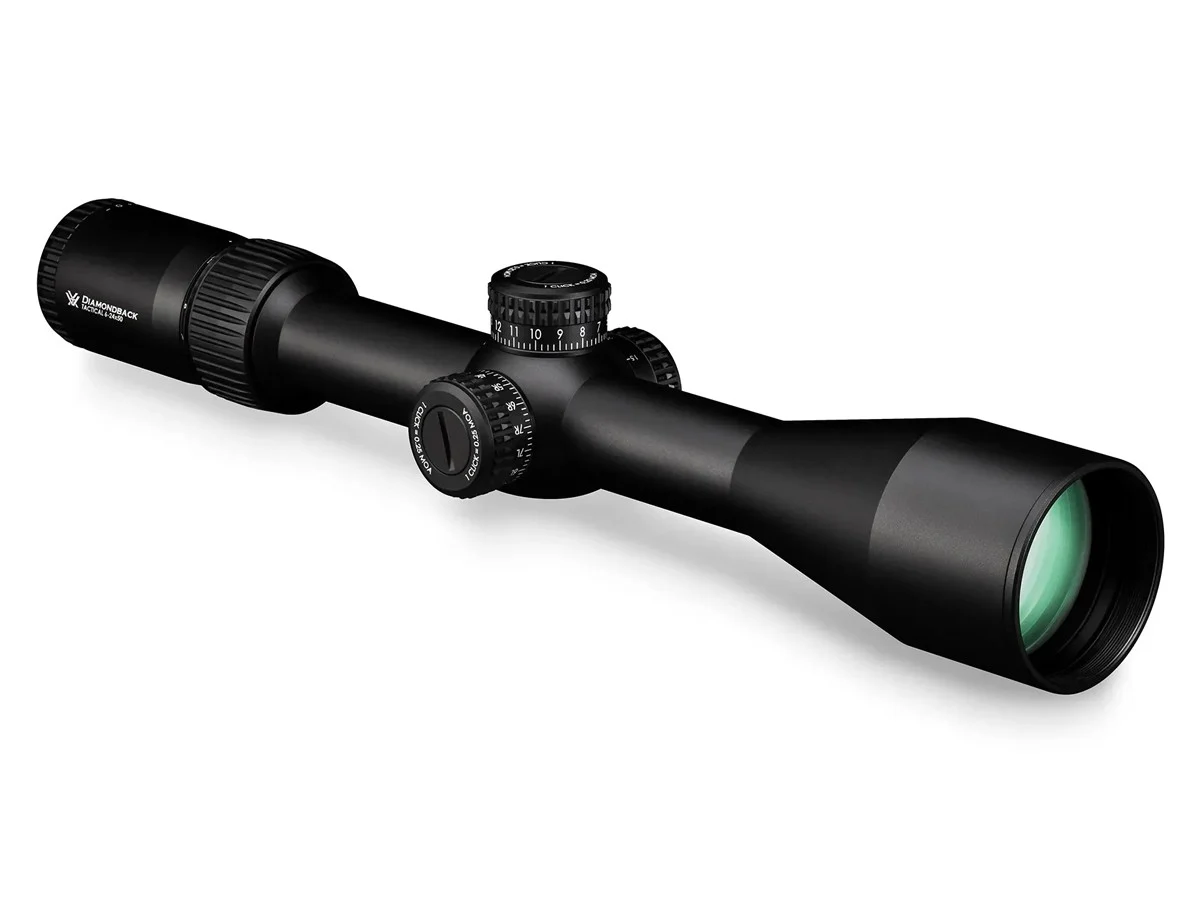
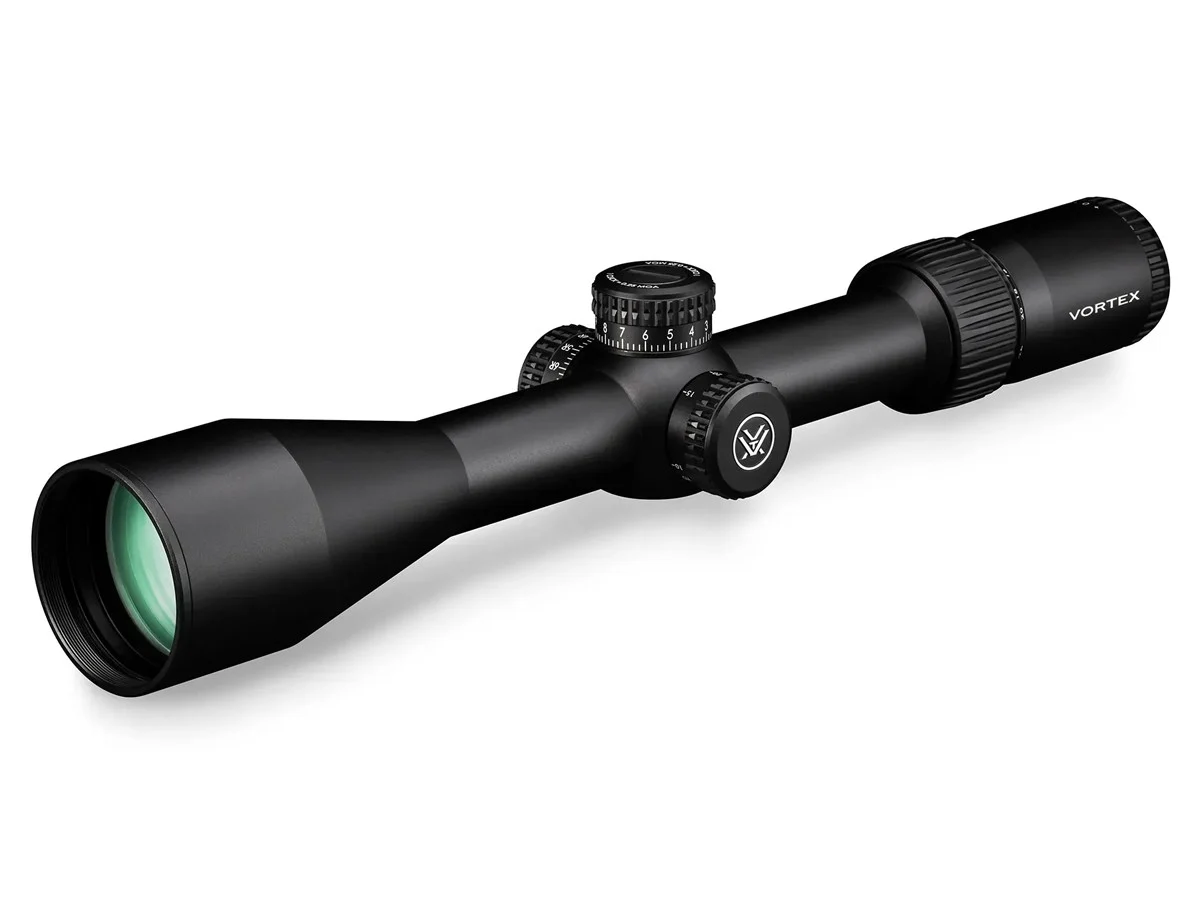
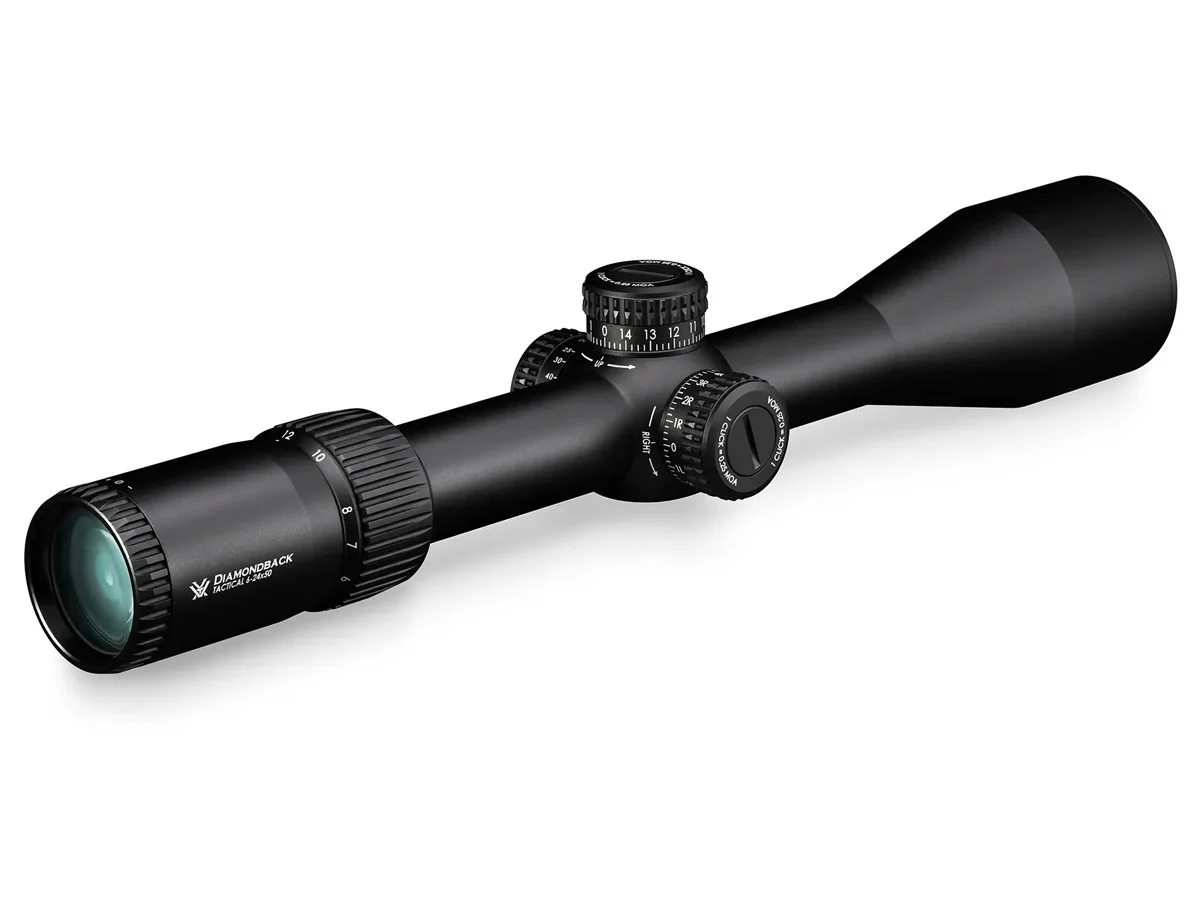
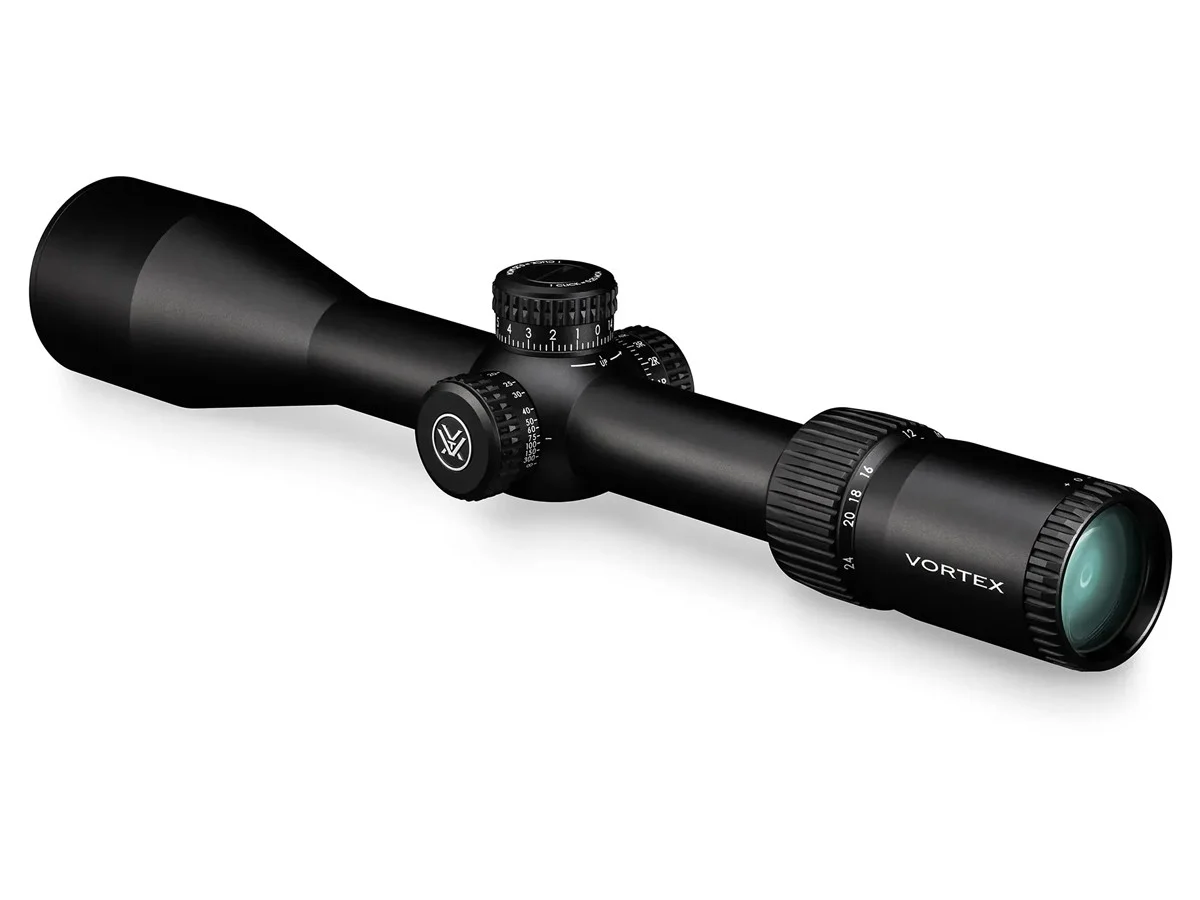
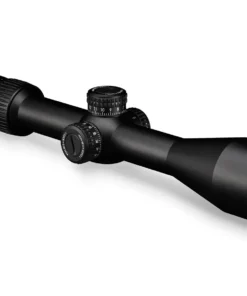
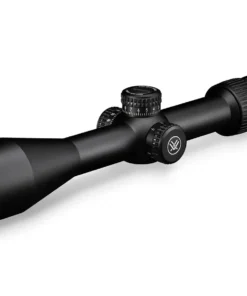
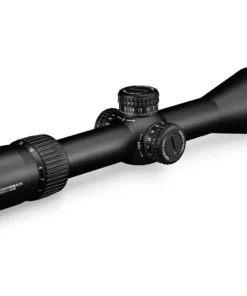
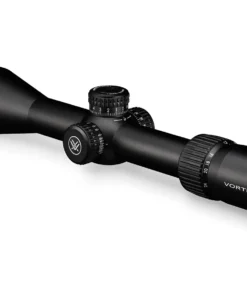
The Vortex Diamondback Tactical is designed for shooters who need a dependable riflescope for target shooting, range training, precision practice, and extended-distance applications. Its combination of clear optics, practical reticle choices, exposed adjustment turrets, and durable construction makes it suitable for a wide range of shooting styles.
Because different magnification options are available, the scope can be matched to various rifle platforms and intended distances. Lower-magnification versions are often preferred for general range use, while higher-magnification configurations are better suited to detailed target observation and longer-range precision work.
Is the Vortex Diamondback Tactical suitable for long-range shooting?
Yes. Several configurations are specifically designed to support mid-range and long-range shooting. Higher-magnification models provide enough optical power for observing smaller targets at extended distances, while tactical reticles and adjustable turrets can help shooters make controlled elevation and windage corrections.
In addition, first focal plane versions allow reticle subtensions to remain proportional throughout the magnification range. Consequently, shooters can apply holdovers and ranging references more consistently without being restricted to a single magnification setting.
What magnification options are available?
Different magnification ranges are offered within the product family. Common configurations include lower-power models intended for versatile use and higher-power models created for precision shooting.
Depending on availability, shooters may encounter configurations such as 3-9x, 4-12x, 4-16x, or 6-24x. Each range serves a slightly different purpose.
For example, a lower-powered optic can provide a wider field of view and faster target acquisition, whereas a higher-powered version can make smaller targets easier to inspect at greater distances.
What is the difference between first focal plane and second focal plane versions?
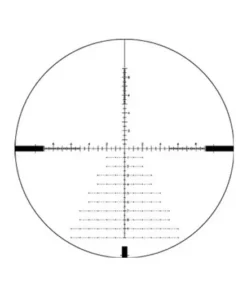
A first focal plane reticle changes apparent size as magnification is increased or decreased. Because the relationship between the reticle markings and the target remains consistent, subtension-based measurements can be used throughout the magnification range.
A second focal plane reticle, however, stays the same apparent size while magnification changes. In many second focal plane scopes, the reticle measurements are calibrated accurately at a specific magnification setting.
Therefore, shooters who frequently use holdovers or ranging references at different power levels may prefer a first focal plane model. Meanwhile, shooters who value a reticle that maintains the same visual size may prefer a second focal plane configuration.
Is the glass clear enough for precision shooting?
The optical system is designed to provide good resolution, contrast, and image clarity for its price category. Targets can generally be identified clearly during normal range conditions, while coated lenses help improve light transmission and reduce unwanted reflections.
Although premium optics may provide superior low-light performance or edge-to-edge resolution, the Diamondback Tactical is intended to deliver a practical balance between optical quality and affordability.
For many recreational and precision shooters, the clarity is more than adequate for routine training and target work.
Does the scope have exposed tactical turrets?
Many models feature exposed tactical-style turrets. These allow elevation and windage adjustments to be made quickly without removing protective turret caps.
Exposed turrets are particularly useful when shooting at several distances because corrections can be dialed as target range changes.
Furthermore, clearly defined adjustment clicks can help users keep track of elevation and windage changes more efficiently.
Before purchasing a specific model, however, the exact turret configuration should always be confirmed because specifications can differ between versions.
Is it available in MOA and MRAD?
Different versions may be offered with MOA or MRAD-based reticle and adjustment systems.
Both measurement systems can be highly effective when the reticle and turret adjustments are matched.
MOA is commonly used by shooters who are familiar with inches and yards, while MRAD is widely used in precision shooting because calculations can be performed easily in decimal-based units.
Neither system is inherently better. Instead, the most suitable choice normally depends on personal preference, previous experience, and the type of shooting being performed.
Can beginners use this riflescope?
Absolutely. Although tactical features may initially appear complex, the scope can serve as a useful learning platform for people who are developing their understanding of precision shooting.
Beginners can learn how to establish a reliable zero, adjust elevation, compensate for wind, understand bullet trajectory, and use reticle references.
As experience increases, more advanced techniques can gradually be introduced.
Because the controls are relatively straightforward, the optic can help newer shooters understand how tactical scopes operate without requiring an extremely expensive premium setup.
Is it suitable for experienced shooters?
Yes. Experienced shooters may appreciate the combination of practical controls, useful magnification ranges, durable construction, and competitive pricing.
It can be particularly useful on training rifles, secondary setups, rimfire precision rifles, or recreational long-range platforms.
Shooters who already understand ballistic calculations and turret adjustments can take advantage of the tactical layout immediately.
Additionally, experienced users may appreciate having a dependable optic that does not require the financial investment associated with premium competition-grade scopes.
How durable is the scope?
The scope is built around a rugged aluminum housing designed to tolerate normal shooting recoil and field use.
Additionally, supported models incorporate waterproof, fog-resistant, and shock-resistant construction.
This type of protection is important because temperature changes, moisture, dust, and recoil can affect lesser-quality optics over time.
Proper mounting and reasonable handling are still recommended. However, under normal operating conditions, the optic is designed to provide reliable performance through repeated shooting sessions.
Is the Vortex Diamondback Tactical waterproof?
The scope is designed with weather-resistant sealing that helps protect internal components from moisture.
This makes it suitable for outdoor shooting conditions where rain, humidity, or rapidly changing weather may be encountered.
Nevertheless, waterproof construction should not be interpreted as permission for unnecessary prolonged submersion.
After exposure to rain or moisture, the exterior should be wiped clean and dried before storage.
Proper care will help preserve both the optical surfaces and external finish.
Does it resist internal fogging?
Yes. The internal design is intended to reduce fogging caused by temperature changes and moisture.
Internal fogging can make a scope temporarily unusable, especially when moving between warm and cold environments. Consequently, a properly sealed and purged optical system provides an important practical advantage.
External lens fogging can still occur under certain environmental conditions, but that can generally be wiped away carefully with an appropriate lens cloth.
What type of shooting is it best suited for?
The optic can be used for recreational target shooting, precision range training, longer-distance shooting, and other applications where repeatable adjustments and clear target visibility are required.
Lower-magnification configurations are often more versatile, while higher-magnification models provide additional detail for smaller or more distant targets.
The final choice should therefore be based on expected shooting distance, rifle configuration, target size, and personal magnification preference.
Can it be mounted on different rifles?
Yes, provided that the correct rings and mounting system are used.
The required ring diameter depends on the specific scope model because different configurations may use different tube sizes.
Before mounting, the rifle’s rail or base should also be checked for compatibility.
Proper ring height is equally important because the objective lens must have adequate clearance while still allowing the shooter to maintain a comfortable and consistent cheek position.
Correct mounting contributes significantly to accuracy and shooting comfort.
Does it come with a parallax adjustment?
Certain models include adjustable parallax, particularly those intended for longer-distance precision shooting.
Parallax adjustment can improve accuracy when the target is positioned at different ranges because it allows the apparent target image and reticle to be aligned more precisely.
This feature becomes increasingly valuable at higher magnification.
However, specifications vary between models, so buyers should confirm whether side focus or another parallax adjustment system is included on the exact configuration being considered.
How important is eye relief?
Eye relief is extremely important because it affects both comfort and safe rifle positioning.
Proper eye relief allows the shooter to obtain a full sight picture without placing the eye unnecessarily close to the ocular lens.
When the scope is being mounted, it should therefore be positioned according to the shooter’s natural firing stance.
A correctly mounted optic can reduce neck strain, improve consistency, and make target acquisition more comfortable during longer shooting sessions.
Can the reticle be used for holdovers?
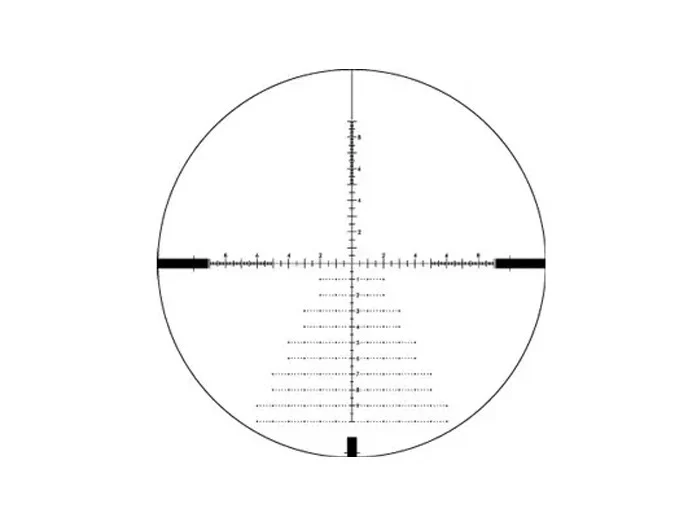
Yes, tactical reticles can provide reference points that help shooters compensate for bullet drop and wind without dialing every correction through the turrets.
However, the exact function depends on the reticle design and focal plane system.
With a first focal plane reticle, the subtensions remain consistent throughout the magnification range. Meanwhile, second focal plane reticles may require a specific magnification setting for accurate subtension measurements.
Shooter familiarity with the reticle is therefore important before relying on holdover references at longer distances.
How should the scope be zeroed?
A stable shooting position should first be established at a suitable distance. Initial shots can then be fired to determine the relationship between the point of aim and point of impact.
Afterward, elevation and windage adjustments can be made until the shot group is centered on the intended aiming point.
Several confirmation groups should be fired before the zero is considered established.
Rather than adjusting after every single shot, shooters should normally evaluate consistent groups so ammunition variation and shooter error do not lead to unnecessary corrections.
Does higher magnification always improve accuracy?
Not necessarily.
Higher magnification makes targets appear larger, but excessive magnification can reduce field of view and make natural movement appear more pronounced.
Environmental effects such as mirage may also become more noticeable.
Therefore, the best magnification setting is usually the lowest power that still provides enough detail for accurate aiming.
As shooting distance increases, magnification can gradually be raised according to conditions and target size.
Is the scope good for range training?
Yes. It is particularly well suited to structured range practice because the shooter can learn how elevation, windage, reticle references, magnification, and parallax interact.
Regular training can also help users understand how ammunition performance changes across different distances.
Furthermore, repeatable turret operation allows shooters to practice dialing corrections and returning to their original zero.
These skills are valuable for anyone interested in developing stronger precision-shooting fundamentals.
How should the lenses be cleaned?
Loose dust should first be removed with a lens blower or soft optical brush.
Afterward, fingerprints or marks can be cleaned using a dedicated lens cloth and an appropriate optical cleaning solution.
Regular household tissues should generally be avoided because they may contain fibers capable of scratching lens coatings.
Excessive pressure should also be avoided.
Keeping protective lens covers installed when the optic is not being used can significantly reduce unnecessary cleaning.
How should the scope be stored?
The optic should be stored in a cool, dry environment when it is not being used.
Any moisture should be removed before storage, particularly after shooting in rain or humid conditions.
Lens covers can be installed once the surfaces are clean and dry.
Additionally, the rifle should be stored securely to prevent accidental impacts to the optic.
Proper storage helps protect adjustment mechanisms, lens coatings, seals, and the exterior finish.
Is it a good value for the money?
For shooters seeking tactical-style features without moving directly into a premium optics price category, the scope provides a strong balance of performance and affordability.
Clear optics, usable reticles, rugged construction, practical adjustment systems, and several magnification choices make it suitable for many precision-oriented applications.
The ideal model will depend on individual requirements. Nevertheless, the combination of features makes it an attractive option for both developing shooters and experienced users who want dependable performance at a reasonable cost.
What should I consider before choosing a specific model?
The intended shooting distance should be considered first. Magnification requirements can then be matched to the expected range and target size.
Next, the preferred focal plane system should be selected. Shooters who regularly use reticle subtensions at different magnification settings may favor first focal plane designs.
The turret measurement system should also match the reticle wherever possible.
Finally, tube diameter, ring size, objective clearance, rifle mounting system, eye relief, overall weight, and available adjustment range should all be evaluated before purchase.
By considering these factors carefully, the scope can be matched more effectively to both the rifle and the shooter’s intended application.
Practical Use Scenarios
Precision Practice at the Shooting Range
One of the most practical environments for the Vortex Diamondback Tactical is a structured shooting range where consistent accuracy, target observation, and repeatable adjustments matter. During a typical range session, the shooter can begin at a familiar distance to confirm zero before gradually moving to longer target positions.


Reviews
There are no reviews yet.