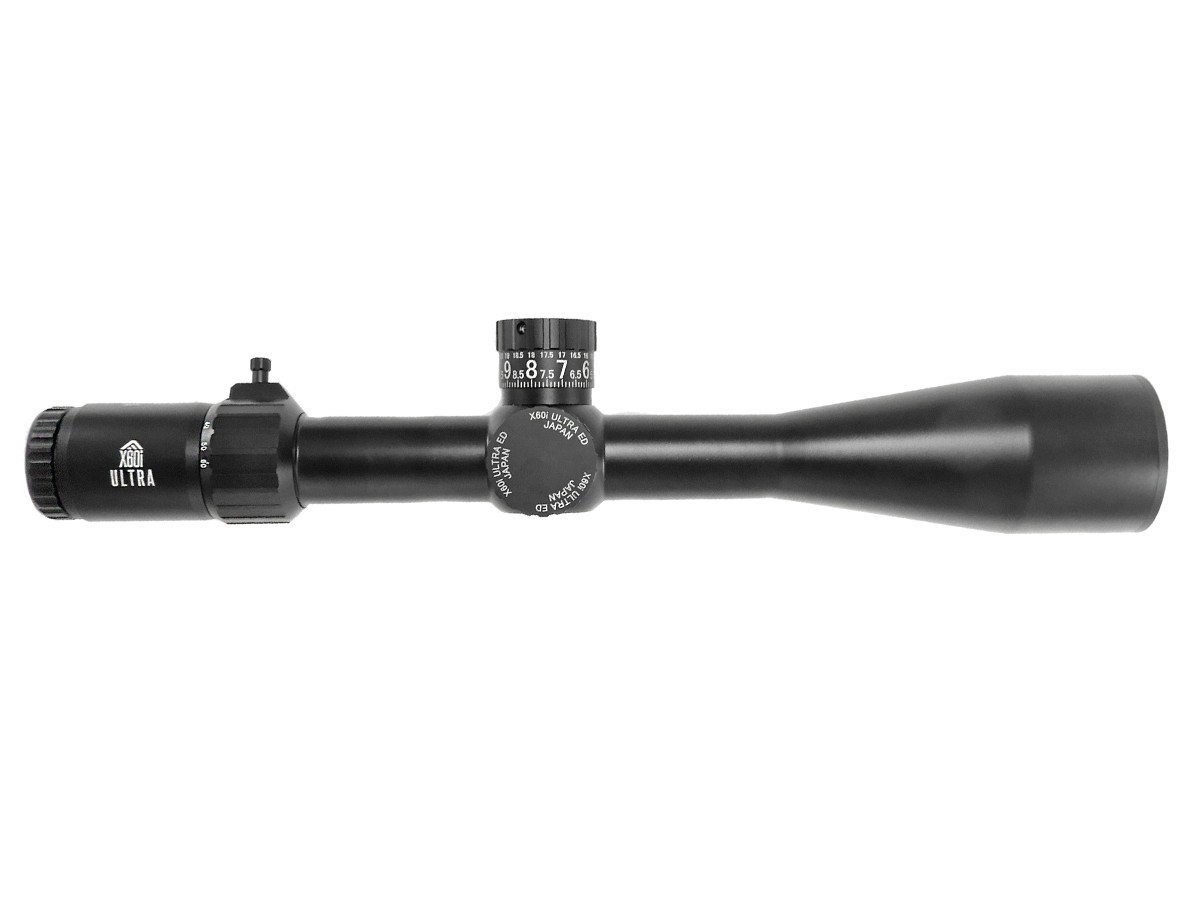
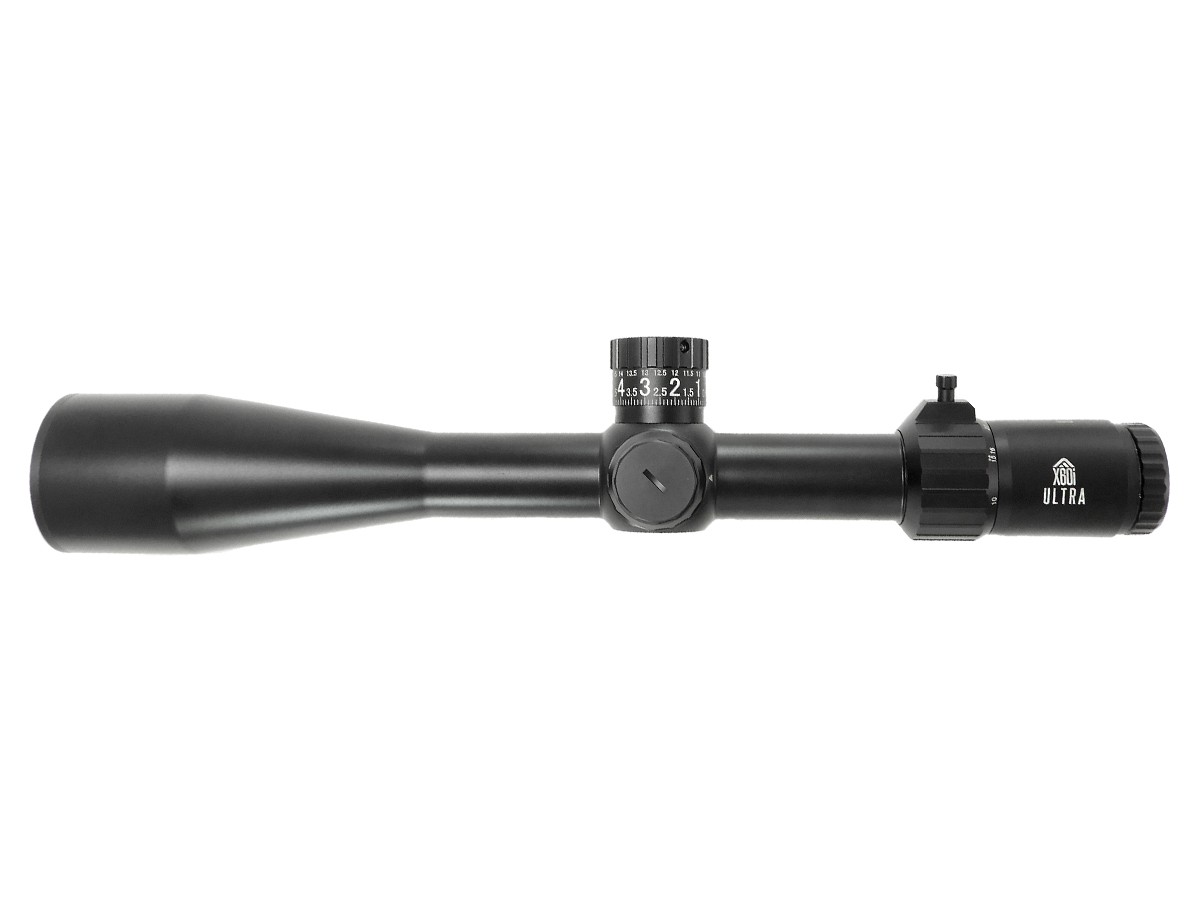
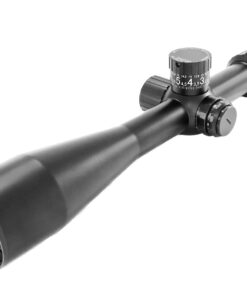
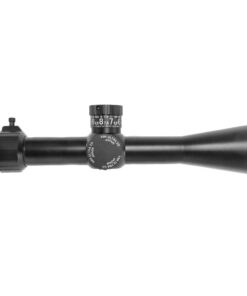
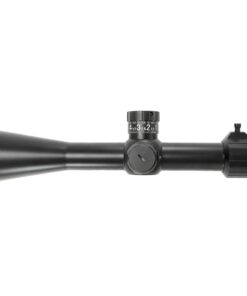
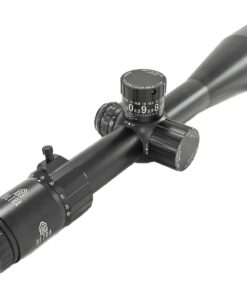
Discover Unmatched Precision with the Falcon X60i Ultra 10-60x56i SFP ED AO
Competition success is delivered by the Falcon X60i Ultra 10-60x56i SFP ED AO, a flagship riflescope engineered for serious benchrest, field target, long-range, and precision shooting enthusiasts. Designed in the United Kingdom, hand-built in Japan, and quality-tested in the UK, this fourth-generation optic elevates performance through exceptional clarity, mechanical reliability, and competition-focused features. Shooters of every background and experience level will find this scope transforms challenging targets into achievable results.
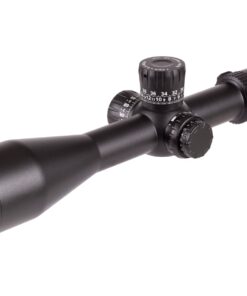
Moreover, the Falcon X60i Ultra 10-60x56i SFP ED AO combines a powerful 10-60x magnification range with a 56 mm objective lens and advanced Dense Fluor-Crown extra-low dispersion (ED) glass. As a result, stunning resolution, true color fidelity, and reliable low-light performance are achieved even under demanding conditions. Furthermore, its robust one-piece 34 mm tube construction ensures mechanical stability while providing generous internal adjustment ranges that serious competitors demand.
Exceptional Optical Clarity Across the Full Zoom Range
Clarity remains consistent from minimum to maximum power thanks to the fully multi-coated Dense Fluor-Crown ED optical system. In addition, light transmission is maximized by the large 56 mm objective, allowing fine details on distant targets to be resolved with confidence. Consequently, the field of view measures approximately 3.47 m to 0.64 m at 100 meters, giving users a practical balance between overview and precision aiming.
Eye relief is comfortably maintained between 100 mm and 87 mm across the magnification range. Therefore, a natural shooting position can be maintained without strain during extended sessions. Additionally, the redesigned eyepiece delivers a larger, more immersive image that helps shooters stay focused on the target rather than the equipment.
The side-focus parallax adjustment operates from just 8 meters to infinity. Moreover, Falcon’s snap-focus cam design enables rapid, consistent ranging with minimal temperature sensitivity—an essential advantage in field target and benchrest competition where every second and every millimeter counts.
Precision Reticle Designed for Competition
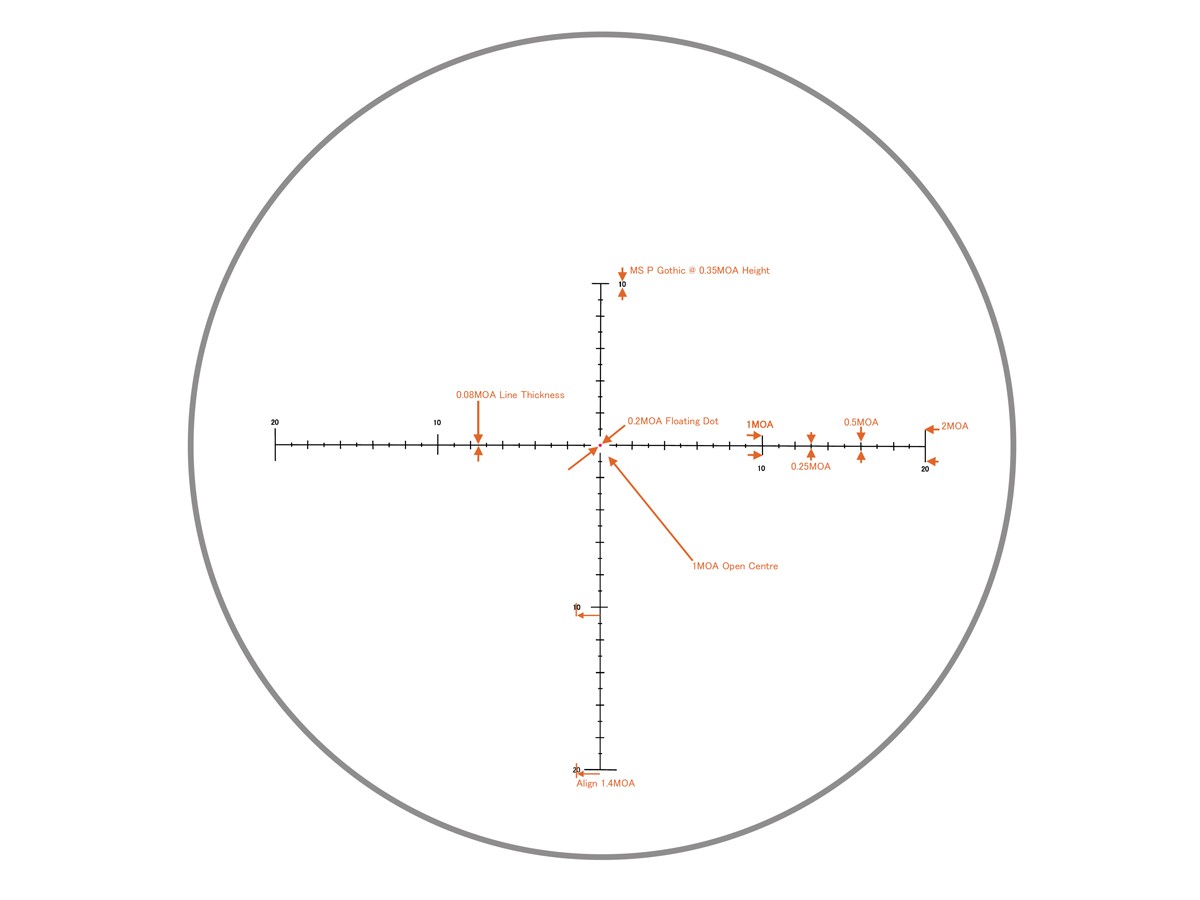
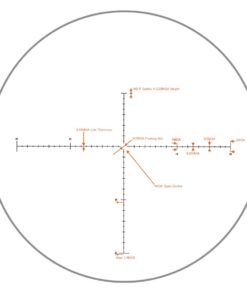
At the heart of the Falcon X60i Ultra 10-60x56i SFP ED AO sits the E-CDi (Enhanced Competition Dot) reticle. This glass-etched second-focal-plane design features a floating precision target dot small enough to fit comfortably inside a 2 mm benchrest bull at 25 meters. In addition, clean MOA calibration is provided at 15x, 30x, and 60x, allowing accurate holdovers and measurements when the magnification ring is set to these marked positions.
Furthermore, 11 levels of red illumination with “off” positions between each setting give users precise control over reticle brightness. As a result, the reticle can be fine-tuned for bright daylight or low-light conditions without washing out the target picture. The uncluttered view keeps the shooter’s attention exactly where it belongs—on the aiming point.
Robust Mechanics and Generous Adjustment Ranges
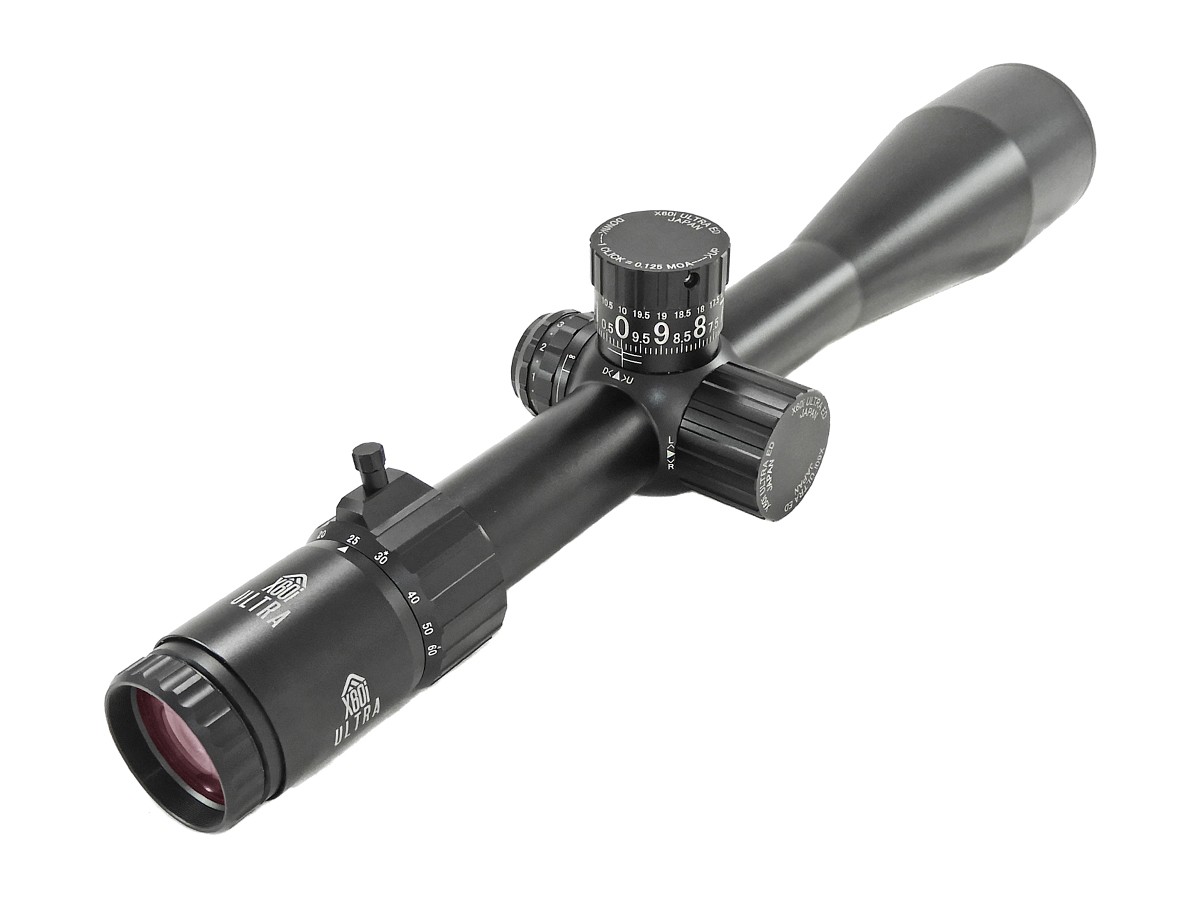
Mechanical performance matches the optical excellence. The oversized elevation turret features a revolution indexing scale and large laser-etched MOA markings for rapid, confident dialing. In addition, an unrestricted zero-stop system is included, while the total elevation travel exceeds 70 MOA. Click values of 1/8 MOA (0.125 MOA) and 10 MOA per revolution deliver the fine adjustments competition shooters require.
Windage is managed by a capped turret that can be left in place for “set-and-forget” use or uncapped when tactile adjustments are preferred. Meanwhile, windage travel reaches approximately 40 MOA under the same precise 1/8 MOA click value. Consequently, both elevation and windage remain highly repeatable shot after shot.
The one-piece 34 mm tube, saddle, and objective construction contributes to overall rigidity. Moreover, the scope is nitrogen-purged, waterproof, fog-proof, and shock-proof. It has been recoil-tested up to .338 Lapua Magnum and .50 BMG calibers and remains spring-piston safe when correctly mounted with quality rings and proper torque values. Therefore, reliability is maintained across a wide variety of platforms and conditions.
Key Features at a Glance
- Magnification Range: 10-60x
- Objective Lens Diameter: 56 mm
- Tube Diameter: 34 mm one-piece construction
- Reticle: E-CDi Enhanced Competition Dot, second focal plane, glass-etched, red illuminated (11 levels)
- Parallax Adjustment: Side focus from 8 m to infinity with snap-focus cam
- Elevation Travel: Over 70 MOA with unrestricted zero-stop
- Click Value: 1/8 MOA (0.125 MOA)
- Adjustment per Revolution: 10 MOA
- Eye Relief: 100–87 mm
- Field of View at 100 m: 3.47–0.64 m
- Length: Approximately 424 mm
- Weight: Approximately 1020 g
- Included Accessories: Removable zoom throw lever, sunshade, and flip-up lens covers
In addition to these core specifications, optional accessories such as a large-diameter side wheel further enhance ranging speed for field target use.
Built for Longevity and Confidence
Every Falcon X60i Ultra 10-60x56i SFP ED AO undergoes hand testing and quality control in the United Kingdom before it reaches the customer. Furthermore, the optic is backed by Falcon’s no-charge, no-time-limit repair-or-replace warranty. Should the scope ever fail to perform as expected, repair or replacement is provided without cost. As a result, shooters can invest with confidence knowing long-term support is assured.
The combination of Japanese craftsmanship, British design oversight, and rigorous testing creates an optic that performs consistently under competition pressure. Whether the discipline is benchrest at short distances, field target at varying ranges, or long-range precision work, the Falcon X60i Ultra 10-60x56i SFP ED AO delivers the clarity, adjustment range, and mechanical integrity required to push personal bests higher.
Why Choose the Falcon X60i Ultra 10-60x56i SFP ED AO?
Competition optics must do more than simply magnify a target. They must resolve fine detail, hold zero under recoil, allow fast and accurate ranging, and provide a reticle that does not obscure the aiming point. Moreover, they must remain usable across changing light and temperature conditions. The Falcon X60i Ultra 10-60x56i SFP ED AO addresses each of these requirements through thoughtful engineering rather than marketing claims alone.
Dense Fluor-Crown ED glass reduces chromatic aberration and improves contrast. In addition, the 6x zoom ratio optical system maintains image quality even at the extreme 60x setting. The floating competition dot keeps the view clean while still offering calibrated MOA references at key magnifications. Meanwhile, the snap-focus parallax and generous elevation travel remove common limitations that frustrate competitors using lesser optics.
Shooters who value inclusive, practical design will appreciate the comfortable eye relief, tactile turrets, and thoughtfully included accessories. The removable throw lever speeds magnification changes, the sunshade reduces glare, and the flip-up covers protect the lenses between stages. Consequently, the scope arrives ready for serious use straight out of the box.nightforce atacr 4 20×50 f1
Elevate Your Next Match
Precision shooting rewards preparation, skill, and equipment that does not become the limiting factor. The Falcon X60i Ultra 10-60x56i SFP ED AO removes optical and mechanical barriers so that attention can remain fully on technique and conditions. Whether targets are measured in millimeters at 25 meters or challenges stretch to longer distances, this scope provides the tools needed to succeed.
In summary, exceptional ED glass, a competition-optimized reticle, precise 1/8 MOA adjustments, over 70 MOA of elevation travel, and a rugged 34 mm platform are combined in one cohesive package. Furthermore, the no-time-limit warranty and careful quality control reinforce long-term ownership confidence. For competitors and precision enthusiasts seeking a true flagship optic, the Falcon X60i Ultra 10-60x56i SFP ED AO stands ready to deliver measurable results.ares etr 1 10
Experience the difference that thoughtful design and premium materials make. Choose the Falcon X60i Ultra 10-60x56i SFP ED AO and step onto the firing line with the clarity and confidence required to perform at the highest level.
Premium Rangefinding Binoculars, Hunting Optics, and Precision Rifle Scopes
Modern hunters, long-range shooters, and precision marksmen demand exceptional optical performance, and that is why products such as Leica rangefinder binoculars, Leica Geovid 10×42 rangefinder binoculars, Leica Geovid binoculars, Leica binoculars with rangefinder, Leica Geovid Pro 10×42, Geovid Pro 10×42, Leica Geovid rangefinder, Leica Geovid Pro rangefinder binoculars, Leica Geovid rangefinder binoculars, and the Leica Geovid 10×42 continue to attract attention throughout the shooting industry.
Whether enthusiasts are looking for Leica binoculars, Leica small binoculars, binoculars Leica, Leica Geovid binos, Leica bino, Leica binoculars for sale, Leica bino rangefinder, Leica camera binoculars, Leica binos, or a standard Leica binocular, there are options suitable for every environment and shooting application.
Many users also compare Leica products with SIG Sauer binoculars, SIG self stabilizing binoculars, SIG Sauer binos, SIG binoculars, SIG image stabilizing binoculars, SIG binocular, SIG auto stabilizing binoculars, Sigma binoculars, SIG Sauer self stabilized binoculars, and SIG Sauer image stabilized binoculars when evaluating premium optics.
Long-range shooters frequently combine these binocular systems with elite scopes such as the Nightforce ATACR, Nightforce ATACR 5-25×56 F2, Nightforce ATACR 4-20×50, Nightforce ATACR 5-25×56 F1, Nightforce ATACR 4-16×50, Night Force ATACR, ATACR scope, Nightforce attacker, ATACR 4-20, and the Nightforce ATACR 4-20×50 F1. Many professionals also pair their rifles with a Zeiss red dot for faster target acquisition.icarus scope
Another respected name in the precision optics market is Tangent Theta. Experienced marksmen frequently search for Tangent Theta scopes, Tangent scope, Tangent scopes, Theta optics, Tangent Theta scope, and Tangent optics because of their legendary reputation for repeatability, durability, and optical clarity.
Companies such as Fierce Firearms, Fierce Arms, and Fierce Optics have likewise contributed to the growing popularity of advanced hunting equipment and premium glass systems. Their products are often used alongside specialized equipment featuring 11.5EE, 10×40, 34 56, 34×56, 14×44, 2S14, 2.5×15, 2.5/15, 1/2×42, 12×4.2, 4.5 30, and 4.5/30 specifications.
Among performance-oriented manufacturers, Athlon products remain extremely popular. Examples include the Midas TAC Gen2 HD 6-24×50 APLR15 FFP MOA reticle riflescope, Athlon Midas TAC, Athlon Midas TAC 6-24×50, Athlon Argos BTR Gen2 8-34×56, Athlon BTR Gen 2, Athlon Argos BTR Gen2, Athlon Argos BTR, Athlon Argos BTR Gen 2, Athalon scopes, Athens scope, Athlon Ares BTR, Athlon ETR, Athlon 4.5-30×56, Athlon BTR 2-12, Athlon 2, Athlon reticles, and numerous other models designed for demanding field conditions.
Frequently Asked Questions
What makes this scope particularly suited for competition shooting? This optic was purpose-built for disciplines that demand extreme precision and repeatability. The high magnification range allows shooters to resolve very small aiming points at both short and extended distances. A fine floating center dot keeps the view uncluttered while still providing calibrated references at key power settings. Generous elevation travel supports long-range dialing, and the side-focus system is engineered for fast, consistent ranging with reduced temperature sensitivity. Together these features help competitors maintain accuracy under match pressure.
What is the magnification range and how usable is the top end? The scope offers a continuous 10x to 60x magnification range. The optical system maintains strong resolution and usable brightness even at the highest powers, so the full range can be employed rather than becoming impractical beyond mid-level settings. Indicator marks on the magnification ring correspond to the calibrated positions of the reticle, making it straightforward to switch between overview and precise aiming.
What type of glass is used and how does it perform in different lighting? Extra-low dispersion Dense Fluor-Crown glass is employed throughout the optical system. This glass reduces chromatic aberration and delivers high resolution, accurate color, and strong contrast. The large objective lens gathers ample light, supporting clear images in challenging or lower-light conditions common during early morning or late afternoon matches. Fully multi-coated surfaces further improve light transmission and reduce reflections.
Can you describe the reticle and its illumination? The reticle is a glass-etched Enhanced Competition Dot design placed in the second focal plane. A floating precision center dot sits at the heart of the pattern and is sized to fit inside a very small bullseye target at typical benchrest distances. MOA references are calibrated at three specific magnification settings. Eleven levels of red illumination are provided, with off positions between each level so brightness can be adjusted finely without overpowering the sight picture.
What is the parallax adjustment range and how does the focus system work? Side parallax correction begins at 8 meters and extends to infinity. A snap-focus cam design allows rapid and consistent ranging, which is especially valuable in field target where targets appear at many different distances. The system is engineered to minimize focus shift caused by temperature changes, helping shooters maintain confidence in their range estimates throughout a match.
How much elevation and windage adjustment is available? More than 70 MOA of elevation travel is available, paired with approximately 40 MOA of windage travel. Adjustments are made in precise 1/8 MOA increments, with 10 MOA of travel per full revolution of the turret. An oversized elevation turret features a revolution indexing scale and large laser-etched markings for quick visual reference. An unrestricted zero-stop system is included so the shooter can return reliably to the original zero.
Is the scope suitable for spring-piston air rifles? Yes, when mounted correctly with high-quality rings and proper torque values applied. The optic has been tested for recoil levels associated with heavy calibers and is rated spring-piston safe under appropriate mounting conditions. Correct installation is essential to long-term reliability on any high-recoil platform.
What is the tube diameter and overall construction? A robust 34 mm one-piece tube, saddle, and objective housing form the mechanical foundation. This construction provides strength, internal adjustment range, and resistance to the stresses of repeated recoil and field use. The scope is nitrogen-purged, waterproof, fog-proof, and shock-proof.
What accessories are included with the scope? A removable magnification throw lever, a sunshade, and flip-up lens covers are supplied as standard. These items allow the optic to be used immediately in competition without the need for additional purchases of basic protective or operational accessories.
Where is the scope designed and manufactured? The design originates in the United Kingdom. Assembly takes place in Japan, and each unit undergoes hand testing and quality control in the United Kingdom before release. This combination of design oversight, precision manufacturing, and final inspection supports consistent performance.
What kind of warranty is provided? A no-charge, no-time-limit repair-or-replace warranty covers the optic. If the scope fails to perform as expected, the manufacturer will either repair it or replace it at no cost to the owner. This long-term commitment reflects confidence in the build quality and materials.
How does the eye relief and field of view compare across the magnification range? Eye relief remains comfortable between roughly 100 mm at the low end and 87 mm at the high end of the magnification range. The field of view narrows as power increases, which is expected, yet the optical system is designed to keep the image clear and usable throughout. A redesigned eyepiece contributes to a more immersive viewing experience.
Is a zero-stop included and how does it function? An unrestricted zero-stop system is fitted to the elevation turret. After the rifle is zeroed, the stop can be set so the shooter can return to the original zero position quickly and reliably, even after dialing large amounts of elevation for longer shots.
What is the approximate size and weight? Overall length is approximately 424 mm and weight is approximately 1020 grams. These dimensions place the optic in a category that balances optical performance with practical handling on competition rifles.
Can the reticle be used for holdovers and range estimation? Because the reticle is in the second focal plane, its subtensions remain constant relative to the target only at the calibrated magnification settings. At those marked powers the MOA references can be used for holdovers or estimation. At other magnifications the reticle still provides a precise aiming point but the scale values change with power.
How does this model improve on earlier competition optics from the same maker? The optical system has been refined for higher resolution and more stable performance across the zoom range. Mechanical refinements include increased elevation travel, an unrestricted zero-stop, an oversized elevation turret with clear indexing, and a snap-focus parallax system optimized for rapid ranging. Illumination control and overall image immersion have also been improved.
Is the scope waterproof and fog-proof? Yes. Nitrogen purging combined with sealed construction makes the optic waterproof and fog-proof. It is also shock-proof and has been tested against significant recoil forces, giving users confidence in varied weather and field conditions.
What mounting considerations should be kept in mind? A 34 mm tube requires appropriately sized rings or a compatible mount. High-quality rings and correct torque values are recommended, especially when the scope will be used on spring-piston or high-recoil firearms. Proper eye relief positioning and level installation further support consistent performance.
How does the throw lever improve handling? The removable throw lever attaches to the magnification ring and allows rapid power changes without breaking shooting position. This is particularly useful during timed stages or when switching quickly between overview and precision aiming.
Who is this optic best suited for? It is designed for competitive shooters who need high magnification, fine reticle detail, generous internal adjustment, and reliable ranging performance. Benchrest, field target, and long-range precision disciplines benefit most directly, although the features also support serious recreational long-range practice.
How should the scope be cared for between matches? Keep the lenses clean with appropriate optical cleaning materials and protect them with the supplied flip-up covers when not in use. Avoid excessive force on the turrets or focus controls. Store the optic in a dry environment and periodically check mounting torque. The nitrogen-purged design reduces internal fogging risk, but external surfaces still benefit from regular care.
Does the scope hold zero well under recoil? The one-piece tube construction, robust internal mechanisms, and recoil testing up to heavy calibers contribute to strong zero retention when the optic is correctly mounted. Proper ring selection and installation technique remain important factors in long-term stability.
Can the windage turret be used without the cap? Yes. The windage turret is capped for a clean profile during most competition use, but the cap can be removed when tactile adjustments are preferred. The underlying turret remains functional and precise either way.
What advantages does the floating center dot provide? A floating precision dot minimizes obstruction of the target while still offering an extremely fine aiming point. This design is especially helpful when engaging very small scoring rings or distant targets where a thicker reticle post could obscure critical detail.
Is an optional larger side wheel available? Yes. A larger-diameter ranging wheel can be added for even faster and more precise parallax adjustments, a popular upgrade among field target competitors who range multiple targets under time pressure.
These answers cover the most common questions raised by shooters evaluating a high-magnification competition optic. The combination of optical quality, mechanical precision, and thoughtful competition-oriented features makes this scope a strong choice for those seeking consistent performance at the highest levels of precision shooting.
Shooters interested in low-power variable optics continue to search for solutions such as the 1-10 scope, Ares ETR 1-10, 1-10 LPVO, 1-10 FFP LPVO, 1×10 scope, LPVO 1-8, LPVO 1-10, and the 1-10 rifle scope. Likewise, precision enthusiasts appreciate the performance of the Ares ETR Gen2 UHD 4.5-30×56 APRS12 FFP IR MIL reticle, particularly when accuracy is required at extended distances.
The demand for versatile optics has also increased interest in equipment such as the 2-12x, 2.5-15 scope, AO scope, gun scope, hunting optic, longest range scope, and guides explaining how to buy a rifle scope. These products allow hunters and competitive shooters to adapt to changing terrain, lighting conditions, and target distances with exceptional precision.
From elite Leica Geovid rangefinder binoculars to advanced Nightforce ATACR models, highly regarded Tangent Theta scopes, innovative SIG Sauer binoculars, and dependable Athlon platforms, today’s market offers virtually unlimited possibilities for anyone seeking world-class optical performance.avalon aries.1 10 lpvo.athlon scopes review.1 10 scope
Practical Use Scenarios for High-Magnification Competition Optics
A competition day begins long before the first shot is fired. The rifle is assembled, the optic is mounted in quality 34 mm rings, and torque values are checked carefully. Eye relief is set so the full image appears without black rings or strain. Once the rifle is secure in the rest or bipod, the side-focus control is used to confirm a sharp picture at a known distance. The magnification ring is rotated to a mid-range setting, the illuminated floating center dot is activated at a low brightness level, and a careful zero is established. The unrestricted zero-stop is then engaged so that large elevation changes later in the day can be dialed and returned to with confidence. This preparation sequence is repeated by many serious competitors because it removes variables before the clock starts.
Benchrest Precision at Short Range
On the benchrest line the targets are small and the scoring rings demand absolute precision. Magnification is increased toward the upper end of the range so that the tiny bull becomes large and clear in the eyepiece. The floating center dot of the glass-etched reticle sits cleanly inside the scoring area without covering important reference points. Because the reticle is calibrated at specific powers, the shooter can confirm the correct magnification setting by the indicator marks on the ring and then use the fine 1/8 MOA clicks to make last-moment corrections.
The large objective and extra-low dispersion glass deliver a high-contrast image even when the sun is high and mirage begins to dance. Subtle changes in wind flags are easier to interpret when the target itself remains sharp and free of color fringing. Between strings the magnification is lowered briefly to check the surrounding conditions, then returned quickly to the working power with the aid of the throw lever. The consistent eye relief across the zoom range keeps the shooter’s head position stable, reducing fatigue during a long morning of strings. When a group is complete, the elevation turret is left alone or returned to the zero-stop if the next distance requires a different setting. The entire process feels deliberate and controlled rather than rushed.
Field Target Ranging and Rapid Engagement
Field target presents a different challenge. Targets appear at unknown distances from close range out to the maximum allowed by the course. The side-focus system becomes the primary ranging tool. Starting at the lowest practical parallax setting, the shooter rotates the focus control while watching the image. The snap-focus cam design allows a positive feel and rapid movement, so the distance can be estimated quickly and then refined. Once the image is sharp, the magnification is adjusted to a power that balances detail with field of view.
The floating center dot remains precise on the kill zone while the surrounding reticle elements stay unobtrusive. When the target is small or partially obscured by foliage, higher magnification and a carefully chosen illumination level keep the aiming point visible without washing out the background. After the shot, the throw lever allows an immediate return to a lower power for the next lane. Temperature changes throughout the day have less effect on focus consistency than on many older designs, so the same ranging technique remains reliable from the first target to the last. The generous elevation travel is rarely needed for typical field target distances, yet the precise clicks still allow fine hold or dial adjustments when a particularly difficult lane appears.
Long-Range Practice and Dialing for Distance
On a dedicated long-range range the optic’s mechanical capability is exercised more fully. After confirming zero at a mid-range distance, the shooter begins dialing elevation for more distant targets. The oversized elevation turret with its clear revolution index and large laser-etched markings makes multi-revolution adjustments straightforward. Each click is positive and audible, and the unrestricted zero-stop ensures that returning to the original setting requires no counting or mental arithmetic.
Windage adjustments are made with the capped turret when conditions are stable, or with the cap removed when frequent corrections are expected. The second-focal-plane reticle keeps the center dot the same size relative to the shooter’s eye at every power, while the calibrated settings allow known subtensions to be used for holdovers if preferred. Extra-low dispersion glass continues to resolve fine detail on distant steel or paper, even when atmospheric conditions degrade the image. The large objective gathers enough light that the picture remains usable later in the afternoon when shadows lengthen. Between shot strings the sunshade is fitted to reduce glare, and the flip-up covers protect the lenses during movement between firing points.
Variable Light and Changing Conditions
Competition schedules rarely guarantee perfect light. Early morning stages may begin in soft light, while afternoon stages can face harsh sun or overcast skies. The multi-coated optical system and large objective maintain usable brightness and contrast across these changes. Illumination of the center dot is adjusted in small steps so that the aiming point remains visible without dominating the target. In deeper shade the higher illumination levels are available; in bright conditions the lowest levels or the off positions keep the view natural.
Mirage is managed by selecting a magnification that still resolves the target while allowing the shooter to read heat waves. The consistent eye relief and immersive eyepiece help the shooter stay relaxed rather than constantly adjusting head position. When rain or humidity arrives, the nitrogen-purged and sealed construction prevents internal fogging, so the only maintenance required is wiping external surfaces and keeping the flip-up covers closed between shots.
Spring-Piston and High-Recoil Platforms
Many competitors use spring-piston air rifles or centerfire rifles that produce significant recoil. When the optic is mounted in high-quality rings and correct torque values are applied, the one-piece tube construction and internal mechanisms hold zero reliably. The recoil testing performed during development provides additional confidence that the adjustments and optical alignment remain stable over hundreds of shots. After a string of fire the shooter can return to the zero-stop and confirm that the point of aim has not shifted. This reliability allows attention to stay on wind, elevation, and trigger control rather than on equipment variables.
A Full Match Day Sequence
A typical match day might begin with a short zero confirmation at a known distance using a moderate magnification setting. The zero-stop is verified, and the side-focus is exercised across several distances to reacquaint the shooter with the feel of the cam. On the first stage the magnification is raised for a precise shot on a small target, then lowered with the throw lever for a wider view of the next lane. Ranging is performed by focusing rather than by estimation alone, and the floating center dot is placed carefully on the required aiming point.
As the day progresses, elevation is dialed for longer targets and returned to the stop between stages. Illumination is adjusted as the light changes. The sunshade is added or removed according to the sun’s position. Between relays the flip-up covers are closed and the rifle is rested safely. At the end of the day the optic is inspected, the lenses are cleaned if needed, and the entire system is packed for transport. Throughout the sequence the combination of optical clarity, mechanical precision, and thoughtful controls reduces the mental load that often accompanies high-level competition.


Reviews
There are no reviews yet.