Vortex Diamondback Tactical Scope – Precision Optics Built for Confident Long-Range Shooting
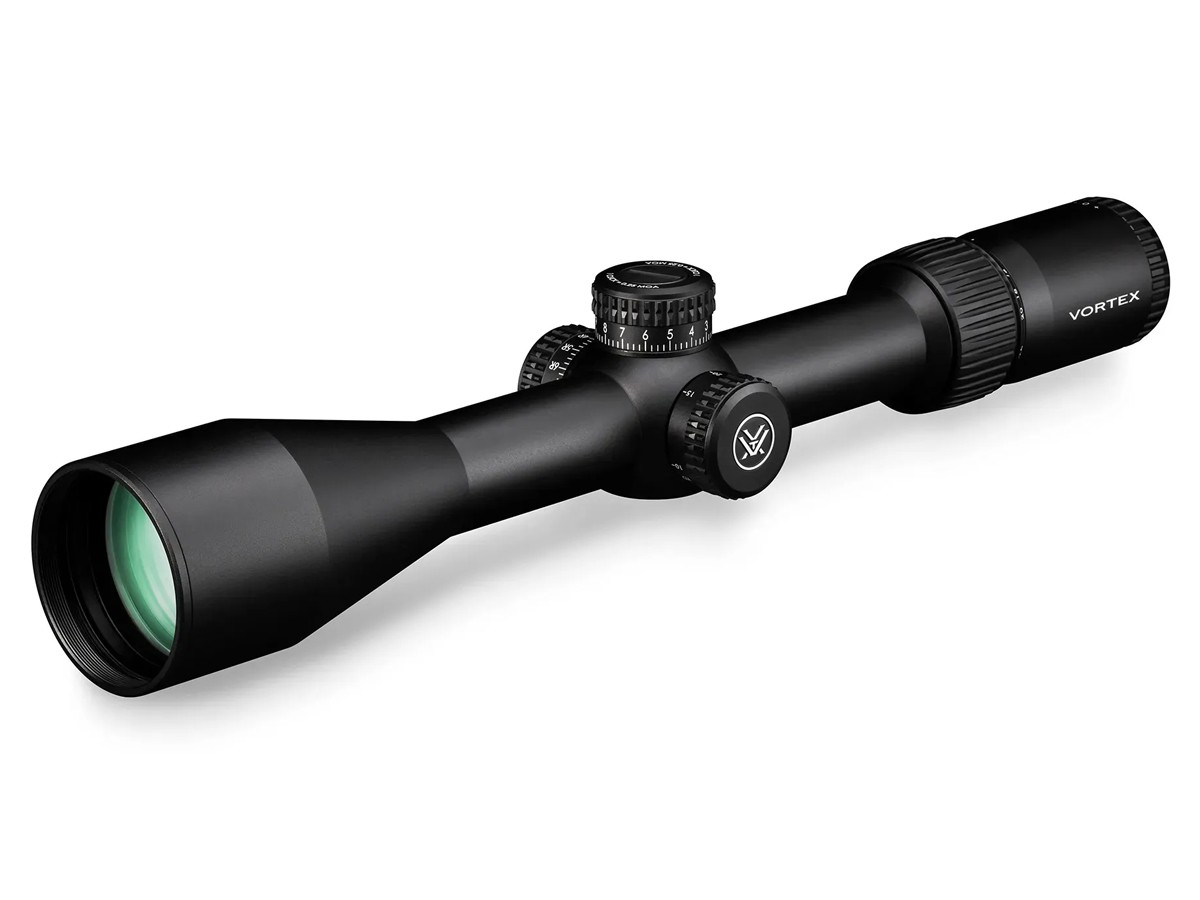
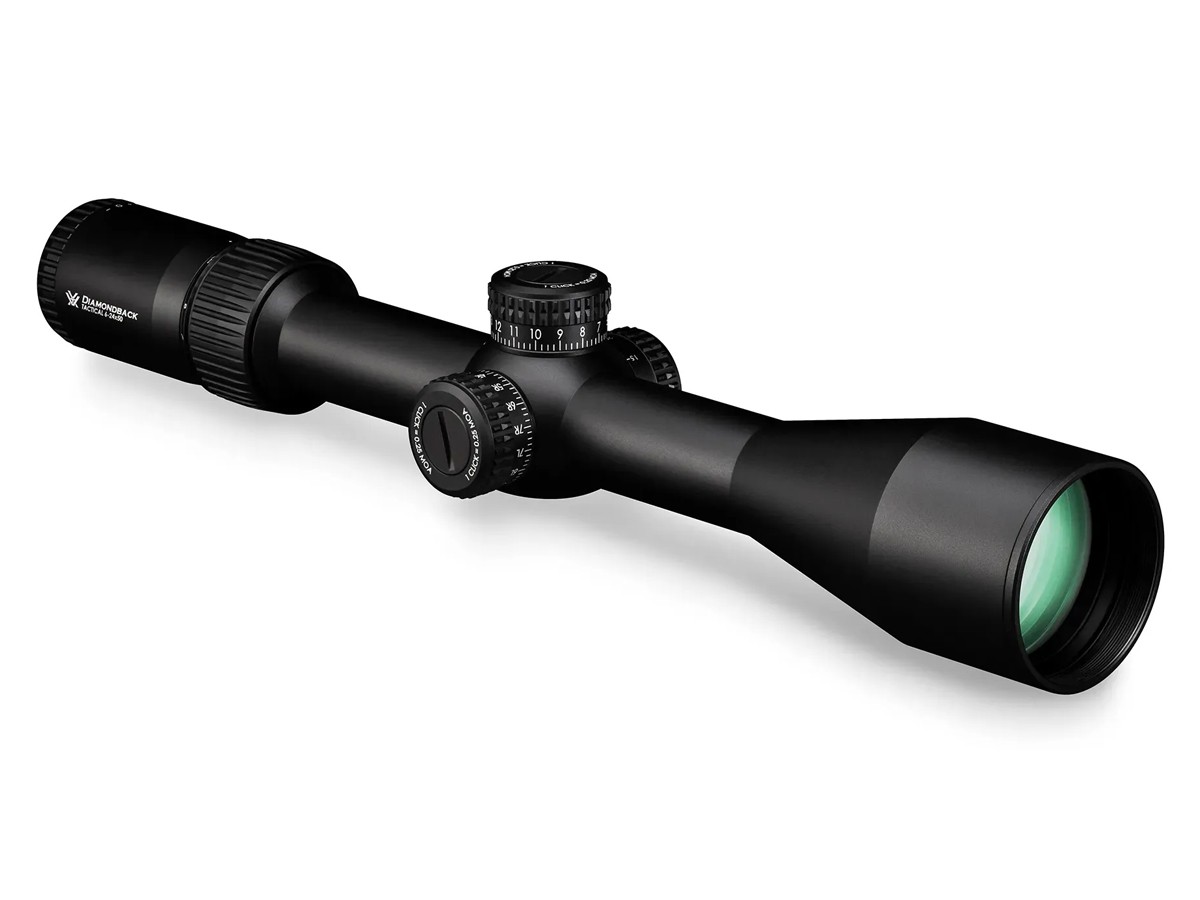
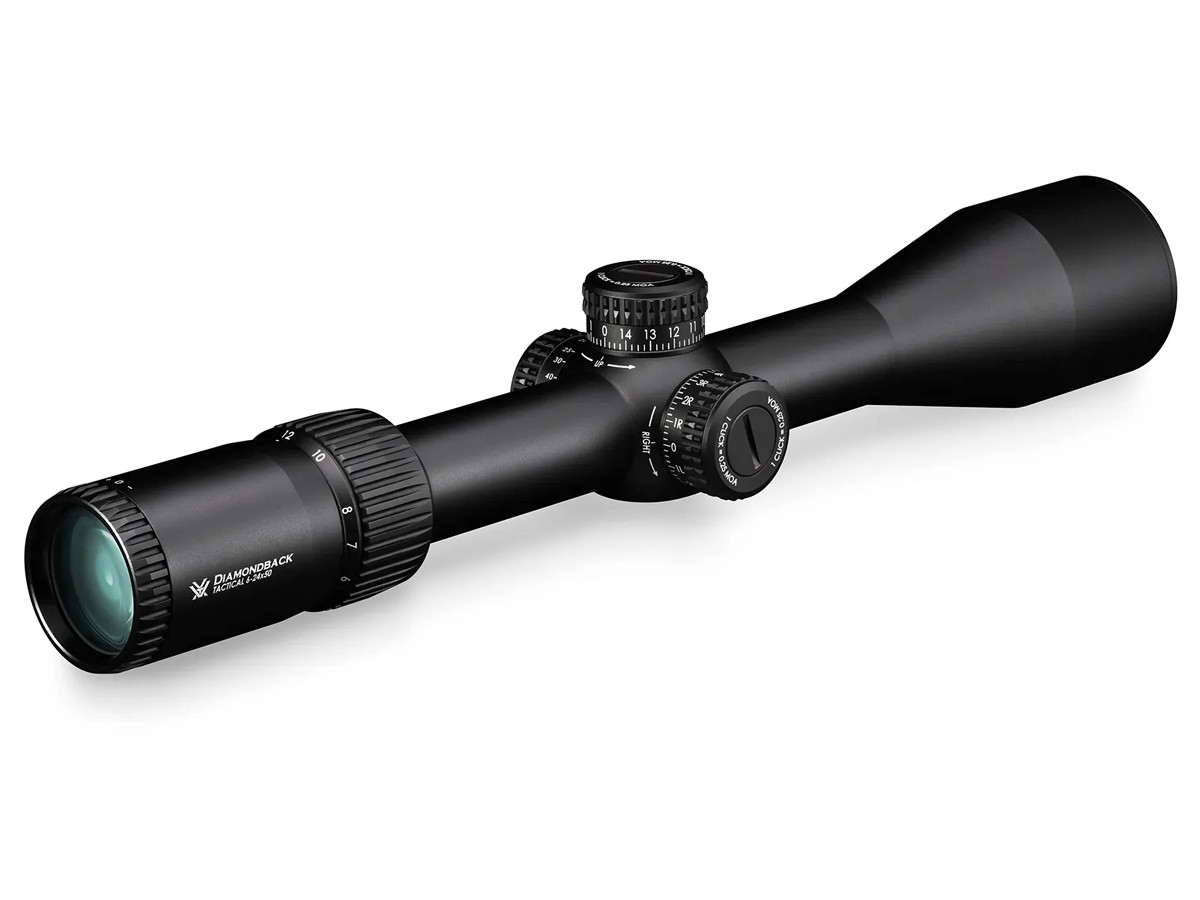
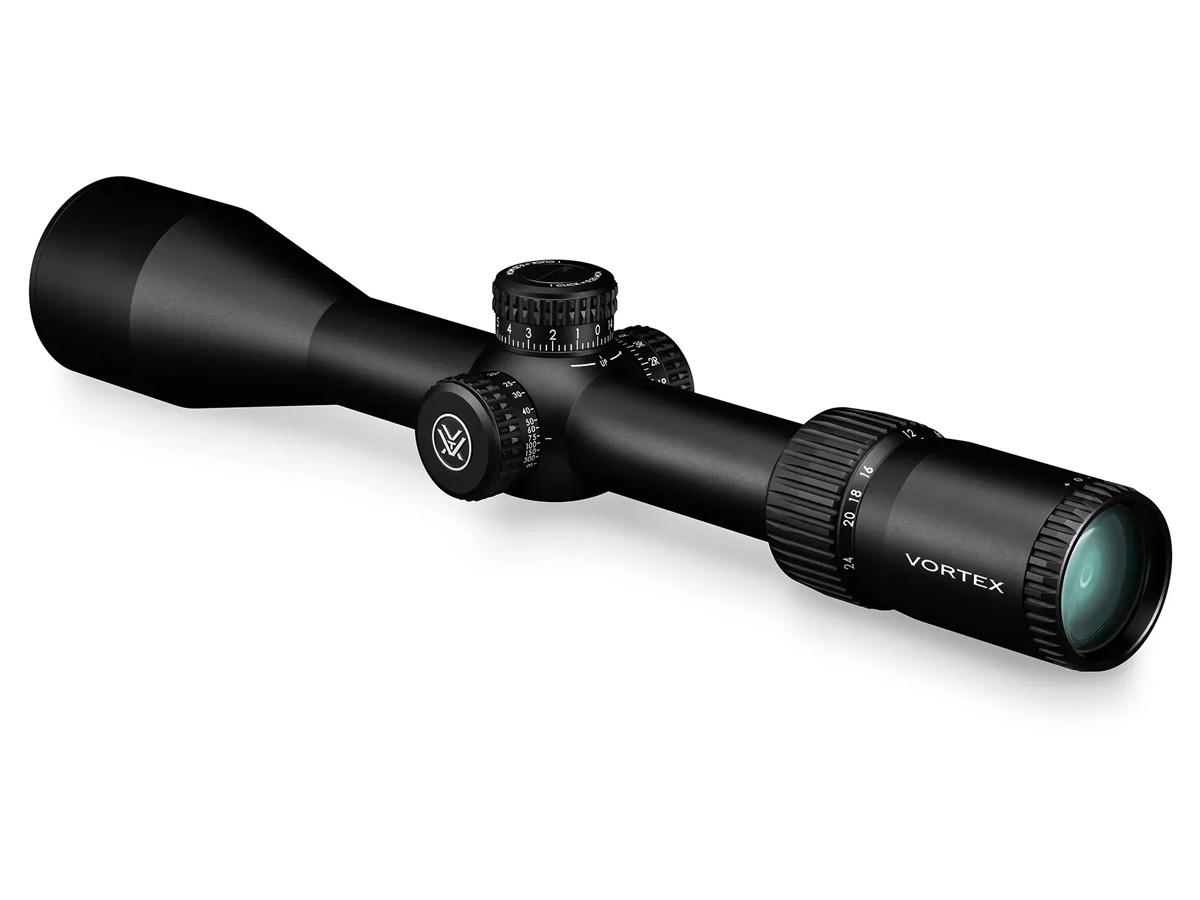
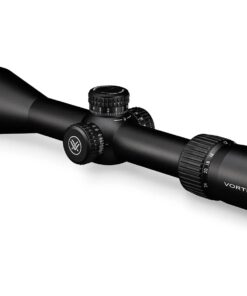
The Vortex Diamondback Tactical scope has been designed for shooters who want dependable optical performance, practical long-range features, and durable construction without moving into premium-tier pricing. Whether the scope is being used for target shooting, range practice, competition-style training, or precision-oriented recreational shooting, a clear sight picture and predictable adjustment system can make a major difference.
With the Vortex Diamondback Tactical scope, essential tactical features are combined with a streamlined design. Consequently, shooters are provided with an optic that can be configured efficiently, adjusted confidently, and used across changing shooting conditions. In addition, the combination of quality glass, exposed tactical turrets, a first focal plane reticle on applicable models, and robust construction makes the Diamondback Tactical family especially attractive to users who value function over unnecessary complexity.
Why Choose a Vortex Diamondback Tactical Scope?
A riflescope should do more than simply magnify a distant target. Instead, accurate elevation adjustments, reliable windage corrections, useful reticle references, and consistent image quality should all be provided. Those priorities have been incorporated throughout the Vortex Diamondback Tactical scope platform.
Because precise aiming information can be viewed directly through the optic, target engagement can be approached more systematically. Furthermore, the adjustment controls have been positioned for convenient access, which allows corrections to be made without disrupting the overall shooting setup.
For shooters who are developing their long-range skills, these characteristics can be particularly valuable. Rather than being overwhelmed by excessive technology, the user is given a straightforward optical system through which foundational precision-shooting techniques can be practiced.
Highlighted Product Features
- First focal plane reticle available on Diamondback Tactical FFP configurations
- Multi-coated optical surfaces for enhanced light transmission
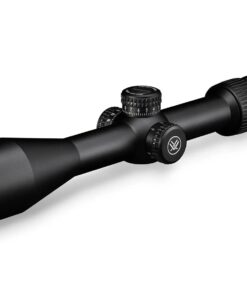
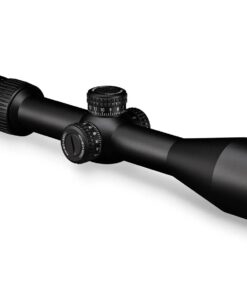
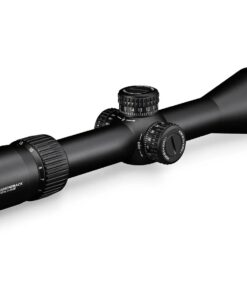
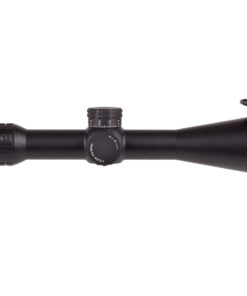
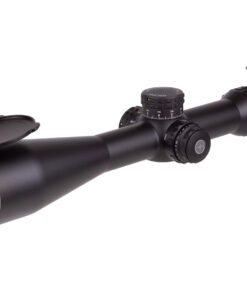
- Exposed tactical-style elevation and windage turrets
- Precision-glide erector system for smooth magnification changes
- Side-focus parallax adjustment on applicable models
- Durable aircraft-grade aluminum construction
- Shock-resistant design for dependable field performance
- Waterproof and fog-resistant internal construction
- Fast-focus eyepiece for customized reticle clarity
- Suitable for target, recreational, training, and long-range applications
- Streamlined controls that remain easy to operate
- Backed by Vortex’s established optics support ecosystem
Clear Optical Performance Across the Magnification Range
Image clarity becomes increasingly important as shooting distances increase. Therefore, the optical system of the Vortex Diamondback Tactical scope has been engineered to provide a bright and usable sight picture throughout its magnification range.
Multiple lens surfaces are treated with anti-reflective coatings. As a result, available light can be transmitted more efficiently through the optical system. Contrast is also improved, while distracting reflections are reduced.
During daylight range sessions, target details can therefore be identified more easily. Likewise, when lighting conditions become less favorable, a usable image can still be maintained more effectively than would normally be expected from basic entry-level optics.
Although environmental conditions will always influence visibility, the scope’s optical design helps the shooter make better use of the available light.
First Focal Plane Reticle Advantage
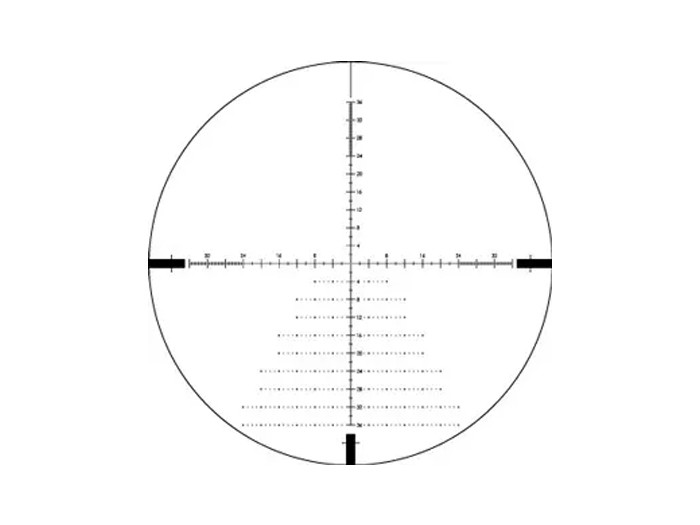
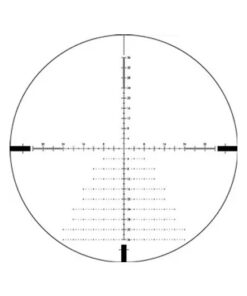
On Vortex Diamondback Tactical FFP models, the reticle is positioned within the first focal plane. Consequently, the apparent size of the reticle changes as magnification is increased or decreased.
This design offers a significant practical advantage. Reticle subtensions remain proportional to the target throughout the magnification range. Therefore, ranging references, elevation holds, and windage corrections can be interpreted consistently without requiring the scope to be set at one specific magnification.
For long-range training, this flexibility is especially useful. Magnification can be reduced for a broader field of view or increased for more detailed target observation, while the reticle’s measurement relationship remains usable.
Tactical Turrets for Repeatable Adjustment
Precise shooting often requires elevation and windage corrections to be entered directly into the scope. For that reason, the Vortex Diamondback Tactical scope uses exposed tactical-style turrets that can be accessed quickly.
Clearly defined adjustment clicks are provided so corrections can be tracked with greater confidence. Once ballistic information has been established, elevation can be dialed for different target distances. Similarly, windage corrections can be introduced when environmental conditions require compensation.
Because the adjustment process remains mechanical and straightforward, shooters can concentrate on their ballistic data rather than navigating complicated electronic systems.
Side-Focus Parallax Adjustment
Parallax can influence aiming precision, particularly when targets are engaged at varying distances. On configurations equipped with side focus, parallax can be adjusted from the side of the scope.
As a result, the target image and reticle can be brought into a more appropriate optical relationship for the selected distance. Moreover, the control can be reached easily while the shooter remains positioned behind the rifle.
This adjustment becomes increasingly valuable when smaller targets are being viewed at extended ranges.
Rugged Construction for Demanding Use
Optical performance is only useful when it is protected by a durable housing. Therefore, the Vortex Diamondback Tactical scope is built around a strong single-piece tube manufactured from aircraft-grade aluminum.
The housing has been designed to tolerate normal recoil, transportation, repeated adjustment, and outdoor use. Additionally, internal sealing helps protect the optic from moisture and environmental contaminants.
Fog-resistant construction has also been incorporated. Consequently, internal lens fogging is minimized when temperature or humidity changes occur.
Whether the scope is being transported between shooting locations or regularly used on an outdoor range, its rugged construction provides an important layer of protection for the internal optical and mechanical components.
Smooth Magnification Control
A precision optic should allow magnification to be changed without unnecessary resistance. Therefore, a precision-glide erector system has been incorporated into the Diamondback Tactical design.
Smooth magnification movement is produced, which makes transitions between wider viewing and higher-detail observation easier.
For example, lower magnification can be selected when a wider field of view is preferred. Conversely, higher magnification can be used when more precise target observation is required.
Fast-Focus Eyepiece for Personalized Viewing
Every shooter’s eyesight differs slightly. Consequently, the fast-focus eyepiece allows the reticle to be adjusted until a sharp visual appearance is obtained.
Once properly configured, the reticle can be viewed more naturally when the shooter looks through the optic. This reduces the need to repeatedly force the eye to compensate for an improperly focused reticle.
Proper eyepiece adjustment should therefore be completed before serious zeroing or extended shooting sessions are started.
Designed for Practical Precision Shooting
One of the strongest advantages of the Vortex Diamondback Tactical scope is its balance between capability and accessibility. Advanced features are provided, yet the optic remains practical for shooters who are still developing their understanding of long-range shooting.
The reticle can be used to learn holdovers. Meanwhile, exposed turrets can be used to practice dialing elevation and windage. Parallax adjustment can also be incorporated into the shooting routine.
As experience is gained, these controls can be combined with ballistic data, environmental observations, and consistent shooting fundamentals.
Therefore, the scope can serve both as an introduction to tactical-style optics and as a dependable long-term range optic.
Suitable Applications
The Diamondback Tactical platform can be considered for several shooting environments, including:
- Precision target shooting
- Long-range recreational shooting
- Range training
- Competition-inspired practice
- Ballistic learning and reticle training
- General outdoor shooting applications where magnification and adjustment capability are required
Because different Diamondback Tactical models offer different magnification ranges and reticle configurations, the appropriate version should be selected according to the intended shooting distance, rifle setup, and personal preference.
Practical Controls Without Unnecessary Complexity
Modern optics can sometimes become overloaded with electronic features. However, many shooters prefer a system that remains primarily mechanical.
With the Vortex Diamondback Tactical scope, the core functions are kept accessible. Magnification can be adjusted manually, focus can be refined, and elevation or windage corrections can be dialed directly.
Consequently, fewer distractions are introduced between the shooter and the target.
For users who want to understand how their optic actually works, this straightforward layout can also make the learning process more intuitive.
Value-Oriented Tactical Performance
Premium tactical scopes can represent a significant investment. Nevertheless, many shooters do not require every specialized feature found on professional-level optics.
The Vortex Diamondback Tactical scope occupies an appealing position between basic hunting-style scopes and more expensive precision platforms. Important tactical functionality is included while overall complexity is controlled.
Therefore, shooters can gain access to features such as an FFP reticle on compatible versions, tactical turrets, parallax adjustment, and dependable optical performance without immediately stepping into the highest pricing categories.
Buy the Vortex Diamondback Tactical Scope for a More Capable Shooting Setup
When dependable magnification, practical reticle functionality, rugged construction, and accessible tactical controls are required, the Vortex Diamondback Tactical scope presents a compelling option.
A clear optical system has been combined with repeatable adjustments and durable construction. Furthermore, essential precision-shooting features have been incorporated without making the optic unnecessarily complicated.
Whether long-range skills are being developed, a target rifle is being upgraded, or a versatile tactical-style scope is being selected for regular range use, the Diamondback Tactical platform provides a strong balance of performance, usability, and value.
Choose the Vortex Diamondback Tactical scope when dependable optical performance, intuitive adjustments, and precision-oriented functionality are priorities for your shooting setup.
Premium Rangefinding Binoculars, Precision Riflescopes and Advanced Hunting Optics
Modern optical technology gives hunters, sport shooters, wildlife observers, and outdoor enthusiasts more ways to identify distant targets, measure range, and achieve a clearer field of view. Premium Leica rangefinder binoculars remain highly regarded for combining observation and ranging technology in one compact optical platform. Popular searches include Leica Geovid 10×42 rangefinder binoculars, Leica Geovid binoculars, Leica binoculars with rangefinder, Leica Geovid Pro 10×42, and Geovid Pro 10×42. Whether someone is researching a Leica Geovid rangefinder, Leica Geovid Pro rangefinder binoculars, Leica Geovid rangefinder binoculars, or the classic Leica Geovid 10×42, the Geovid family is commonly associated with high-quality glass, strong optical clarity, and practical long-distance observation.
Beyond rangefinding models, the wider Leica binoculars collection appeals to users searching for Leica small binoculars, binoculars Leica, Leica Geovid binos, Leica bino, Leica binoculars for sale, Leica bino rangefinder, Leica camera binoculars, Leica binos, or simply a Leica binocular for travel, field observation, wildlife viewing, and outdoor use. Different magnification formats, including 10×40, can suit users who want a balance between detail, portability, and field of view.
Alternative electronic binocular technologies are also becoming increasingly popular. Searches for SIG Sauer binoculars, SIG self stabilizing binoculars, SIG Sauer binos, SIG binoculars, SIG image stabilizing binoculars, SIG binocular, and SIG auto stabilizing binoculars reflect growing interest in electronically assisted viewing. Likewise, SIG Sauer self stabilized binoculars and SIG Sauer image stabilized binoculars can appeal to users who want reduced visual movement during handheld observation. Some buyers may also encounter broader search variations such as Sigma binoculars or specification terms like 11.5ee while comparing different optical products.
Precision aiming optics occupy another major part of the premium optics market. A Zeiss red dot offers a different sighting concept from traditional magnified optics, while the Nightforce ATACR line is frequently researched by users interested in premium long-range scopes. Common variants include Nightforce ATACR 5-25×56 F2, Nightforce ATACR 4-20×50, Nightforce ATACR 5-25×56 F1, and Nightforce ATACR 4-16×50. Related searches such as Night Force ATACR, ATACR scope, Nightforce attacker, ATACR 4-20, and Nightforce ATACR 4 20×50 F1 often appear when buyers are comparing magnification ranges, focal-plane configurations, turret systems, and optical performance.
At the higher end of precision optics, Tangent Theta products are frequently associated with specialist applications requiring refined mechanical adjustment and premium optical performance. Users may search for Tangent Theta scopes, Tangent scope, Tangent scopes, Theta optics, Tangent Theta scope, and Tangent optics while researching high-performance long-range systems.
The market also includes companies such as Fierce Firearms, Fierce Arms, and Fierce Optics, which may appear in searches involving hunting equipment and optical accessories. Within the Athlon category, meanwhile, one of the more detailed product searches is Midas TAC Gen2 HD 6-24×50 APLR15 FFP MOA reticle riflescope. The broader Athlon Midas TAC family, including Athlon Midas TAC 6-24×50, is often considered by users who want substantial magnification and adjustable target-focused features.
For shooters comparing larger objective and magnification configurations, terms such as 34 56, 34×56, Athlon Argos BTR Gen2 8-34×56, Athlon BTR Gen 2, Athlon Argos BTR Gen2, Athlon Argos BTR, and Athlon Argos BTR Gen 2 commonly appear during product research. Search variations such as Athalon scopes and Athens scope may also lead shoppers toward Athlon products when researching a new gun scope, Icarus scope, longest range scope, or general hunting optic.
Anyone learning how to buy a rifle scope should compare magnification range, objective diameter, reticle design, adjustment system, eye relief, optical quality, focal-plane configuration, overall weight, and intended sporting application. Terms such as AO scope can refer to adjustable-objective configurations, while models in the Athlon Ares BTR family provide additional options for users exploring precision-oriented optics.
Mid-range magnification searches frequently include 2.5×15, Avalon Aries, 2.5/15, Athlon BTR Gen 2, Athlon scopes review, Athlon reticles, 2.5-15 scope, and repeated comparisons involving Athlon Argos BTR Gen2 8-34×56 or 34×56 configurations. These searches demonstrate how buyers often compare reticles, magnification ratios, objective sizes, and scope families rather than selecting an optic solely by maximum magnification.
Low-power variable optics are another major category. Searches such as 1 10 scope, Ares ETR 1 10, 1 10 LPVO, 1-10 LPVO, 1-10 FFP LPVO, 1×10 scope, Athlon ETR, LPVO 1-8, LPVO 1-10, and 1-10 rifle scope reflect demand for versatile magnification systems. An LPVO allows users to move between low magnification for a broad field of view and higher magnification for improved observation at extended distances, making the format useful across several sporting disciplines.
For greater magnification, the Ares ETR Gen2 UHD 4.5-30×56 APRS12 FFP IR MIL reticle represents another precision-focused configuration within the Athlon range. Related product searches include Athlon 4.5-30×56, 4.5 30, Athlon ETR, and 4.5/30. The large 56 mm objective and broad magnification range make this type of optic particularly relevant to users comparing long-distance target and field optics.
Other searches such as 14×44, 2s14, Athlon BTR 2-12, 1/2×42, Athlon BTR Gen 2, 12×4.2, 2-12x, and Athlon 2 demonstrate continued demand for more compact variable-magnification formats. A 2-12x configuration, for example, can provide a useful compromise between field of view and magnified observation without requiring the size or weight of a very high-magnification optic.
Ultimately, premium optics cover far more than a single product category. Leica rangefinder binoculars and Leica Geovid binoculars combine observation with distance measurement, while stabilized SIG Sauer binoculars emphasize steady handheld viewing. Meanwhile, Nightforce ATACR, Tangent Theta scopes, and Athlon families such as the Midas TAC, Argos BTR, Ares BTR, and Ares ETR provide a wide range of magnification, reticle, and focal-plane options. By comparing optical clarity, magnification range, objective diameter, reticle format, adjustment system, physical dimensions, and intended sporting use, buyers can narrow a broad optics market into products that better match their individual requirements.
Practical Use Scenario: Precision Shooting Across Changing Distances and Conditions
A precision optic becomes most valuable when it is used in a realistic environment where distance, lighting, wind, target size, and shooting position constantly change. Rather than being judged only by specifications on paper, its usefulness can be understood more clearly when every control is applied during an actual shooting session.
Imagine a shooter arriving at an outdoor range early in the morning. The goal for the day is not simply to fire a few rounds at one fixed distance. Instead, several targets have been positioned between 100 and 600 yards, and the shooter intends to practice zero confirmation, elevation adjustments, wind holds, magnification management, and consistent shot placement.
The rifle is placed securely on the bench while the optic, mounts, ammunition, and shooting accessories are inspected before firing begins. Because accurate shooting depends on the entire system working together, mounting screws are checked, the lenses are inspected, and the rifle is positioned naturally behind the shooting rest.
Starting the Session With a 100-Yard Zero Check
Before longer distances are attempted, the shooter begins at 100 yards. A previously established zero is already available, but confirmation is still important because rifles may experience small changes after transportation, cleaning, ammunition changes, or repeated use.
At first, moderate magnification is selected rather than immediately using the highest setting. Consequently, the target remains easy to locate while enough detail is still provided for precise aiming.
The shooter’s eye position is then established behind the optic. The reticle appears clear because the eyepiece has already been adjusted for individual eyesight. Therefore, unnecessary eye strain is avoided, and the aiming point can be identified quickly.
Three carefully controlled shots are fired.
Afterward, the group is inspected through the optic. The shots are slightly above the intended point of impact. Instead of guessing, the shooter calculates the required correction and uses the elevation turret to make a small adjustment.
Another group is fired.
This time, the rounds are centered correctly. The zero has now been confirmed, which provides a reliable starting point for the longer-distance exercises that follow.
Why Zero Confirmation Matters
A dependable zero provides the reference from which all later corrections are calculated. Without this baseline, elevation adjustments at extended distances may become inaccurate regardless of how carefully ballistic data is prepared.
For that reason, experienced shooters commonly verify their zero before beginning serious long-range practice.
In this scenario, the adjustment system allows the shooter to make controlled corrections without removing protective caps or struggling with inaccessible controls. Each adjustment can be recorded in a shooting notebook so that future changes remain organized.
Moving From 100 to 300 Yards
The next target is positioned at approximately 300 yards.
At this distance, target detail becomes more difficult to observe with the same magnification used during the zeroing stage. Therefore, magnification is increased gradually.
The shooter does not immediately turn the optic to maximum power. Instead, enough magnification is selected to obtain a detailed sight picture while maintaining a comfortable field of view.
Ballistic information indicates that additional elevation is required. Consequently, the correct number of clicks is dialed into the elevation turret.
Wind conditions are also observed.
A light crosswind is moving from left to right. Grass near the target is shifting slightly, while a small wind indicator positioned closer to the firing line shows intermittent movement.
Rather than ignoring these conditions, the shooter uses them to estimate the necessary correction.
The first shot is fired and impacts slightly to the right of center.
That result provides useful feedback.
A small wind correction is applied, and the next shot lands much closer to the intended point.
With several rounds fired, the shooter begins building an understanding of how ammunition performance, environmental conditions, and optic adjustments interact.
Using the Reticle Instead of Dialing Every Correction
Not every shooting situation requires the turrets to be adjusted.
During the next exercise, the shooter decides to practice using reticle references for elevation and wind compensation.
The target remains at 300 yards, but the elevation turret is returned to the established zero position.
Instead of dialing the known correction, the shooter uses an appropriate aiming reference within the reticle.
This method demonstrates one of the major advantages of a properly designed precision reticle. The shooter can compensate for bullet drop without mechanically changing the optic every time target distance changes.
Moreover, when proportional reticle references remain consistent throughout the magnification range, the shooter gains greater flexibility when selecting magnification.
For example, magnification can be reduced slightly to obtain a wider field of view while usable aiming references remain available.
The shooter fires another group using the reticle rather than the turret.
After several rounds, both techniques are compared.
Dialing provides a clean central aiming point because the mechanical adjustment moves the reticle relationship to the expected impact. Holding with the reticle, however, allows corrections to be made more quickly when distances change repeatedly.
Neither technique completely replaces the other. Instead, both methods become tools that can be selected according to the situation.
Engaging a 450-Yard Target
After becoming comfortable at 300 yards, the shooter moves to a steel target positioned at approximately 450 yards.
At this distance, parallax management becomes increasingly important.
The side-focus adjustment is turned until the target image becomes sharp and apparent reticle movement is minimized when the shooter’s head position changes slightly.
This step helps create a more consistent sight picture.
The shooter then increases magnification enough to clearly identify the steel plate. However, maximum magnification is still avoided because atmospheric movement and excessive image shake may become more noticeable at very high power.
Elevation is calculated using previously prepared ballistic information.
The turret is adjusted accordingly.
The shooter settles behind the rifle, controls breathing, and begins applying steady pressure to the trigger.
The shot breaks.
A short moment later, the sound of the bullet striking steel confirms the hit.
The next shot misses slightly high.
Rather than immediately changing the optic, the shooter considers whether the miss resulted from technique, ammunition variation, wind, or an incorrect elevation value.
After another controlled shot impacts successfully, the original setting is maintained.
This highlights an important principle of precision shooting: not every missed shot should automatically result in an adjustment.
Consistent groups should be evaluated before changes are made.
Working With Variable Wind
As the day progresses, wind conditions become less predictable.
At the firing line, the air sometimes appears calm. However, vegetation halfway to the target moves differently from the grass near the shooter.
This indicates that wind speed and direction may not remain constant across the entire bullet path.
The shooter begins observing several indicators before each shot.
Flags, grass movement, mirage, and previous impacts are considered together.
Instead of dialing windage for every change, reticle references are increasingly used.
For one shot, a moderate hold into the wind is applied.
The impact lands near center.
Several minutes later, the wind decreases.
The same hold now produces an impact on the opposite side of the target.
Therefore, the shooter reduces the correction.
This process demonstrates how a clearly visible reticle can become an active measuring and correction tool rather than simply providing a central aiming point.
Transitioning Between Targets Quickly
A new exercise is introduced with targets placed at 200, 350, and 500 yards.
The objective is to engage each target without spending excessive time making mechanical changes.
Magnification is reduced to a moderate level so all targets can be found quickly.
The 200-yard target is engaged first with minimal correction.
Next, the shooter transitions to 350 yards and uses a reticle hold based on previously confirmed ballistic information.
The 500-yard target requires a larger elevation correction.
Rather than adjusting magnification between every shot, the shooter maintains one practical setting and concentrates on target identification and consistent positioning.
This demonstrates why usable optical clarity across the magnification range can be more valuable than simply having the highest possible magnification number.
A balanced magnification setting allows the shooter to maintain situational awareness while still obtaining sufficient target detail.
Practicing From a Prone Position
Bench shooting provides stability, but real-world precision practice often includes other positions.
The rifle is moved from the shooting bench to a prone position.
A bipod supports the front of the rifle while a rear bag is used for additional stability.
Because the shooter’s body position has changed, eye alignment behind the optic must be re-established.
The stock is positioned comfortably against the shoulder, and the cheek weld is adjusted until the full sight picture can be viewed without dark edges around the image.
This position immediately reveals whether eye relief and optic mounting have been configured correctly.
Once comfortable alignment is achieved, the shooter returns to a 400-yard target.
Parallax is refined.
Magnification is adjusted.
Elevation is dialed.
Several rounds are fired.
Because the prone position provides a stable platform, small aiming errors become more noticeable. The shooter can therefore concentrate on breathing control, trigger movement, follow-through, and maintaining the reticle on target after each shot.
Low-Light Performance Near the End of the Session
Later in the afternoon, sunlight becomes less intense.
Targets that appeared highly defined earlier now show reduced contrast against the background.
This creates another useful test.
Magnification is lowered slightly because excessive magnification can reduce the apparent brightness and make target acquisition more difficult in limited light.
The shooter notices that a moderate power setting provides a more comfortable image.
Target edges remain visible, and the reticle can still be distinguished clearly against the background.
Instead of forcing maximum magnification, the optic is adjusted according to the available conditions.
This flexibility becomes important because practical shooting rarely occurs under identical lighting throughout an entire day.
Recording Elevation Data for Future Sessions
After successfully engaging several distances, the shooter begins creating a personalized elevation record.
Confirmed adjustments are written down for 100, 200, 300, 400, 500, and 600 yards.
These values are more useful than theoretical calculations alone because they have been verified with the actual rifle, ammunition, optic height, and environmental conditions being used.
For example, ballistic software may predict a particular correction at 500 yards. However, actual impacts may show that a slightly different setting produces better results.
Therefore, theoretical data becomes the starting point while practical shooting provides confirmation.
Over time, a reliable dope chart can be developed.
This information makes future range sessions more efficient because the shooter already knows approximately where to begin when adjusting for each distance.
Returning the Turrets to Zero
At the end of the long-range exercises, the shooter carefully returns the elevation and windage settings to the original zero position.
This step should never be overlooked.
If adjustments are left dialed after a session, confusion may occur the next time the rifle is used.
The shooter verifies the turret position and fires one final group at 100 yards.
The shots remain centered.
That final confirmation demonstrates that the adjustment system has successfully returned to the established reference point after being moved repeatedly throughout the day.
Building Long-Term Shooting Confidence
Perhaps the most important benefit of this type of session is not simply hitting distant targets.
Instead, the shooter develops a repeatable process.
Target distance is identified. Ballistic information is consulted. Magnification is selected appropriately. Parallax is adjusted when necessary. Wind is evaluated. Elevation or reticle corrections are applied. Finally, each shot is analyzed before unnecessary changes are made.
Through repeated practice, these steps gradually become more intuitive.
The optic serves as the interface through which much of this information is applied.
A shooter who initially requires several minutes to prepare for a 400-yard shot may eventually perform the same process more efficiently because the controls, reticle, and adjustment system have become familiar.
A Practical Tool for Developing Precision Skills
This scenario shows how a tactical-style optic can support a complete day of precision shooting rather than being limited to a single type of target.
At short distance, it can be used to establish and confirm zero.
At medium range, elevation adjustments and reticle holds can be practiced.
At longer distances, parallax control, wind interpretation, and magnification management become increasingly important.
Meanwhile, exposed adjustment controls allow ballistic corrections to be tested, recorded, and repeated.
The greatest benefit appears when these features are used together.
Clear optics help the target remain identifiable. A functional reticle provides measurement and hold references. Accessible turrets allow precise corrections to be entered. Side focus helps improve the sight picture at changing distances. Variable magnification allows the shooter to adapt to different target sizes and conditions.
Consequently, the optic becomes more than a simple magnifying device.
It becomes part of a complete precision-shooting system.
For shooters who regularly practice from multiple distances, experiment with ballistic data, develop wind-reading skills, or simply want to improve consistency at the range, this type of setup provides a practical environment for progressive skill development.
With careful setup, verified ballistic information, responsible firearm handling, and consistent practice, every range session can provide useful data while gradually improving confidence, accuracy, and understanding of precision shooting fundamentals.
Frequently Asked Questions
Is this scope suitable for long-range shooting?
Yes. It is designed with features that support precision shooting at extended distances, including tactical-style adjustment turrets, variable magnification, a detailed reticle system, and side-focus parallax adjustment on applicable configurations. These features allow elevation, windage, and target focus to be managed more effectively during long-range practice.
Is it a good option for beginner shooters?
Absolutely. The controls are straightforward enough for newer shooters to understand while still offering features that can remain useful as experience increases. Beginners can start by learning basic zeroing and magnification adjustment before progressing into elevation dialing, reticle holds, parallax correction, and ballistic calculations.
What is the advantage of a first focal plane reticle?
A first focal plane reticle changes apparent size as magnification is adjusted. Therefore, its subtensions remain proportional to the target throughout the magnification range. This makes holdover, ranging, and windage references easier to use at different magnification settings without being limited to one specific power level.
Can the scope be used for target shooting?
Yes. Target and precision range shooting are among its most practical applications. Clear magnification, repeatable adjustments, and useful reticle references allow shooters to practice grouping, zero confirmation, distance corrections, and controlled shot placement.
Does it have parallax adjustment?
Certain configurations include side-focus parallax adjustment. This feature allows the shooter to refine focus for different target distances while minimizing apparent reticle movement caused by changes in eye position. It becomes particularly useful during extended-range shooting.
Is the optic waterproof and fog resistant?
The housing is designed to resist moisture and internal fogging under normal outdoor conditions. Sealed construction helps protect internal components from water intrusion, while fog-resistant engineering supports clearer viewing when temperature and humidity levels change.
Are the turrets easy to adjust?
Yes. Exposed tactical-style turrets are designed to provide accessible elevation and windage adjustments. Defined clicks allow corrections to be tracked systematically, which is useful when moving between targets positioned at different distances.
Can magnification be changed easily?
Variable magnification allows the shooter to adapt the sight picture according to target distance and shooting conditions. Lower settings can provide a wider field of view, while higher magnification can reveal more target detail when additional precision is required.
Is maximum magnification always best?
No. Higher magnification can provide more detail, but it may also make image movement, mirage, and a limited field of view more noticeable. Moderate magnification is often more practical when targets need to be located quickly or environmental conditions are changing.
What shooting applications is it best suited for?
It can be used for recreational precision shooting, long-range range practice, target shooting, ballistic training, and competition-inspired exercises. Its combination of magnification, reticle functionality, and adjustment controls makes it especially suitable for shooters who want to develop practical precision skills.
Should the zero be checked regularly?
Yes. Zero should be confirmed periodically, particularly after transportation, remounting, ammunition changes, or extended use. A verified zero provides a dependable reference point for all subsequent elevation and windage corrections.
How should the scope be maintained?
Keep the lenses free from dust and debris using appropriate optical cleaning equipment. The exterior should be wiped clean after exposure to moisture, dirt, or fingerprints. Turrets and adjustment controls should also be protected from unnecessary impact, while mounting hardware should be checked periodically to ensure the optic remains secure.


Reviews
There are no reviews yet.