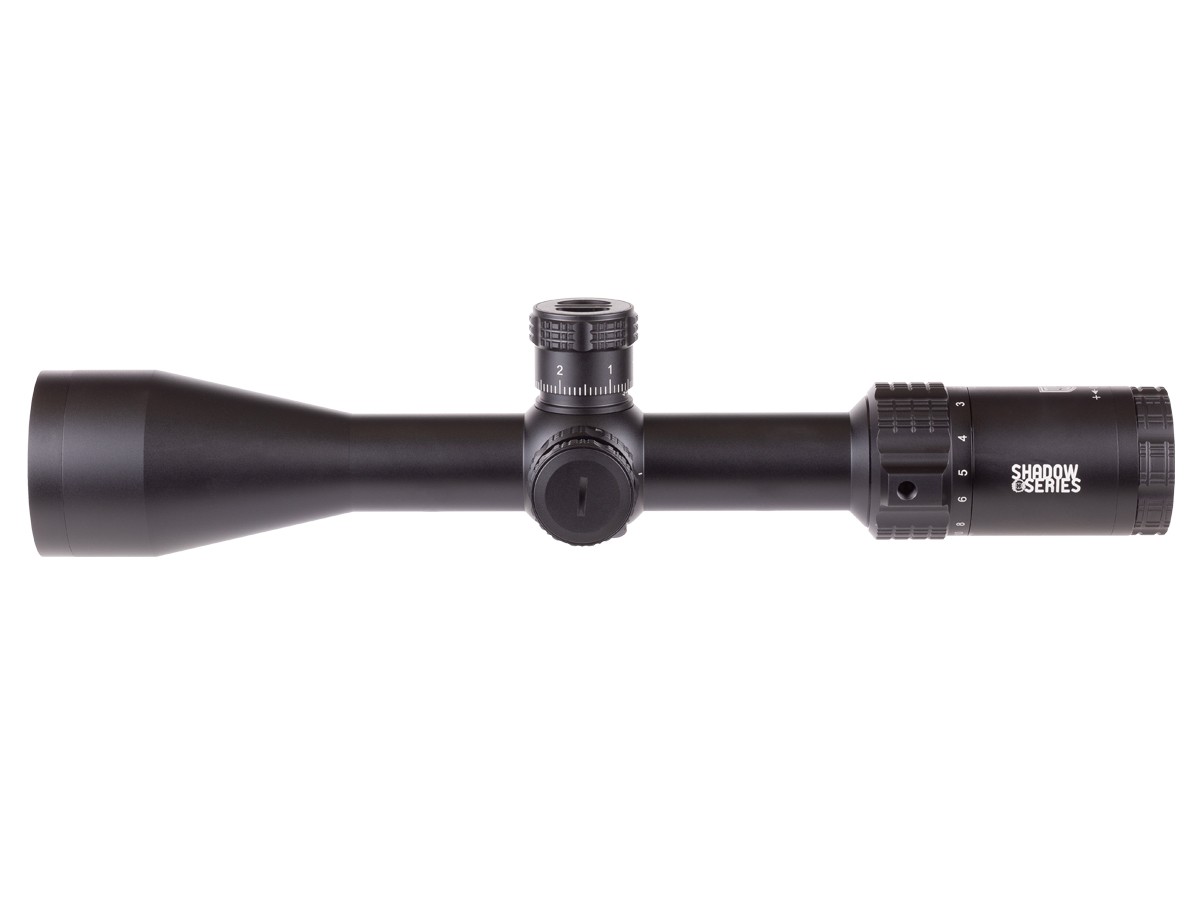
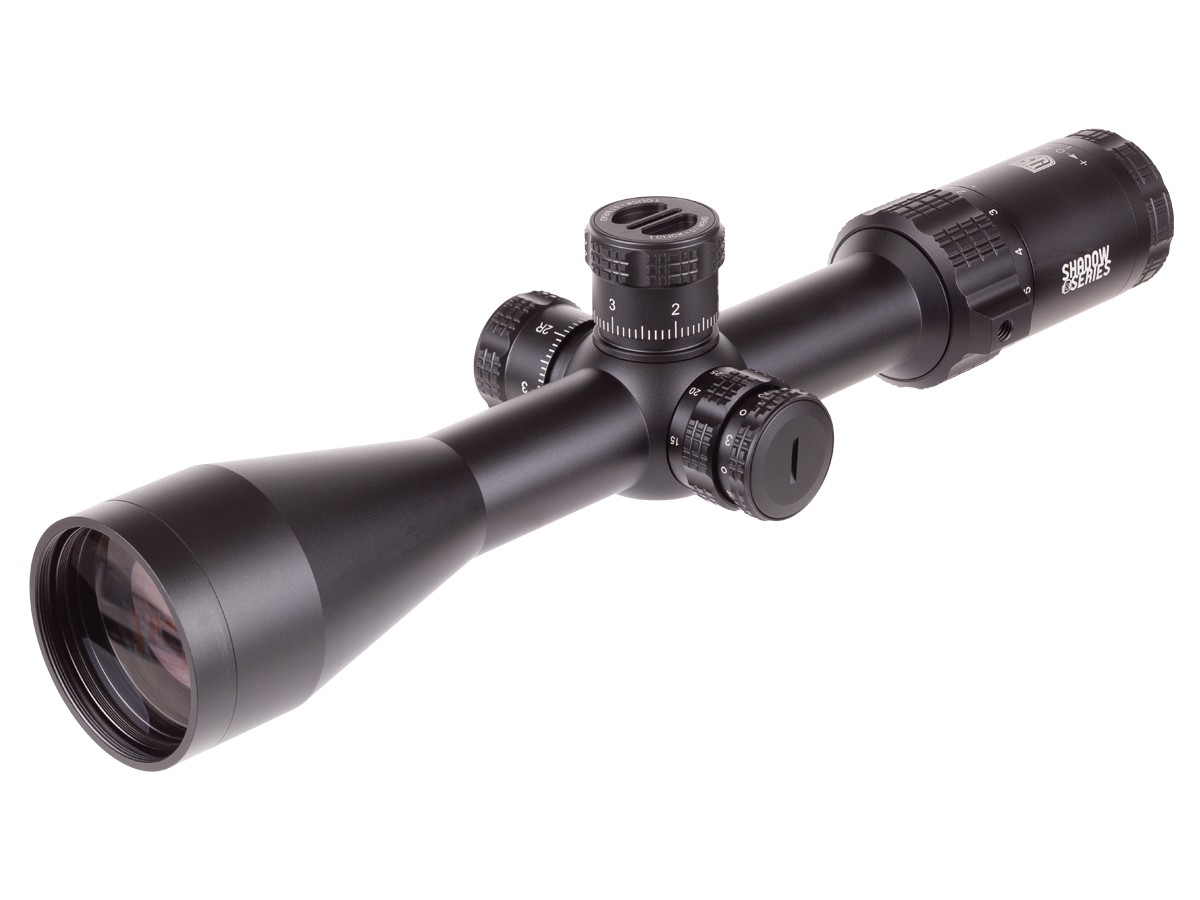
JTS Shadow Series FFP Riflescope – Precision Optics for Confident Long-Range Shooting
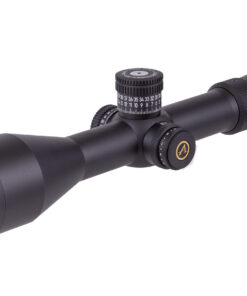
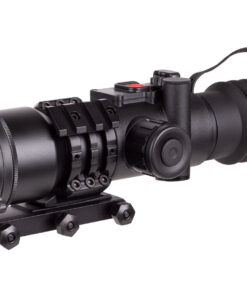
The JTS Shadow Series FFP Riflescope has been developed for shooters who demand precise aiming, dependable adjustment, and excellent optical performance across changing shooting conditions. Whether targets are being engaged at the range, equipment is being prepared for field use, or greater consistency is being pursued at extended distances, this riflescope series provides a refined combination of clarity, durability, and practical functionality.
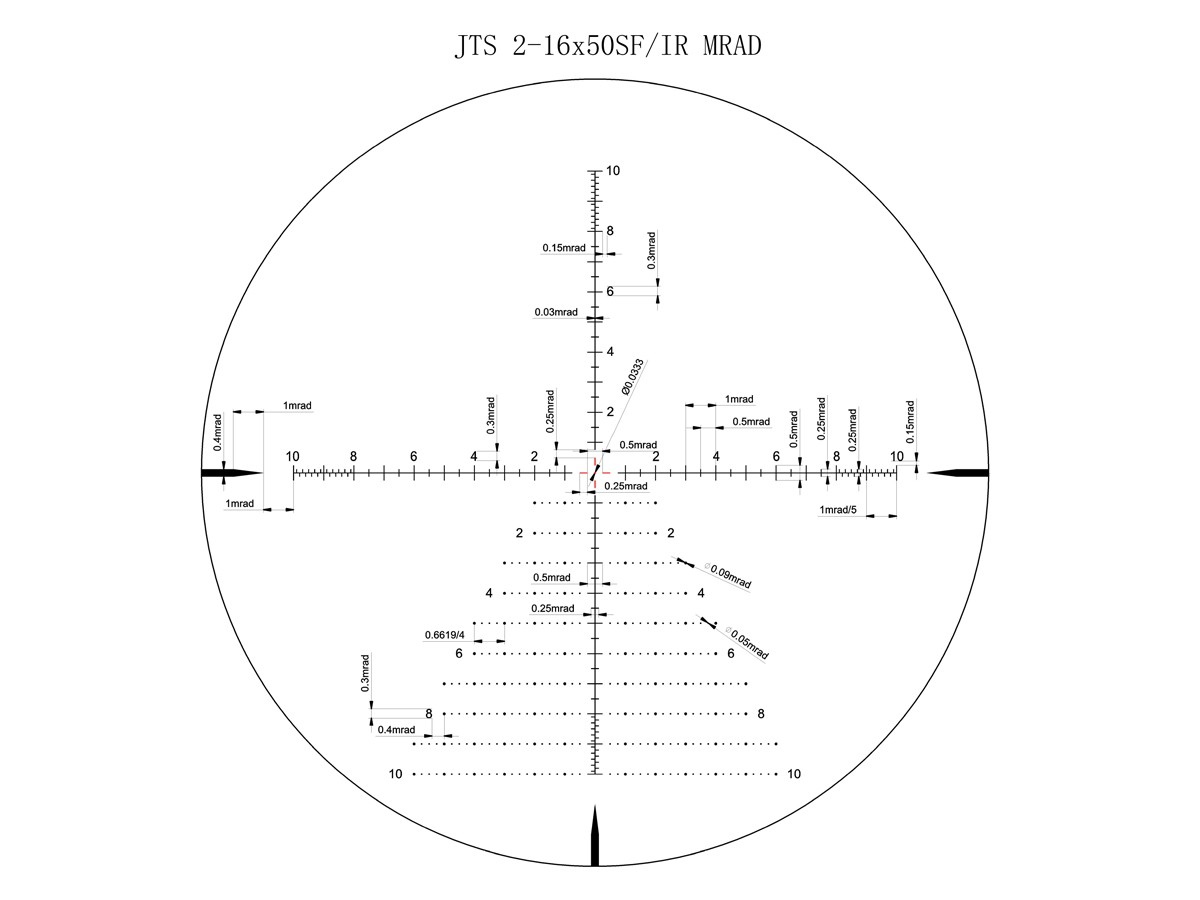
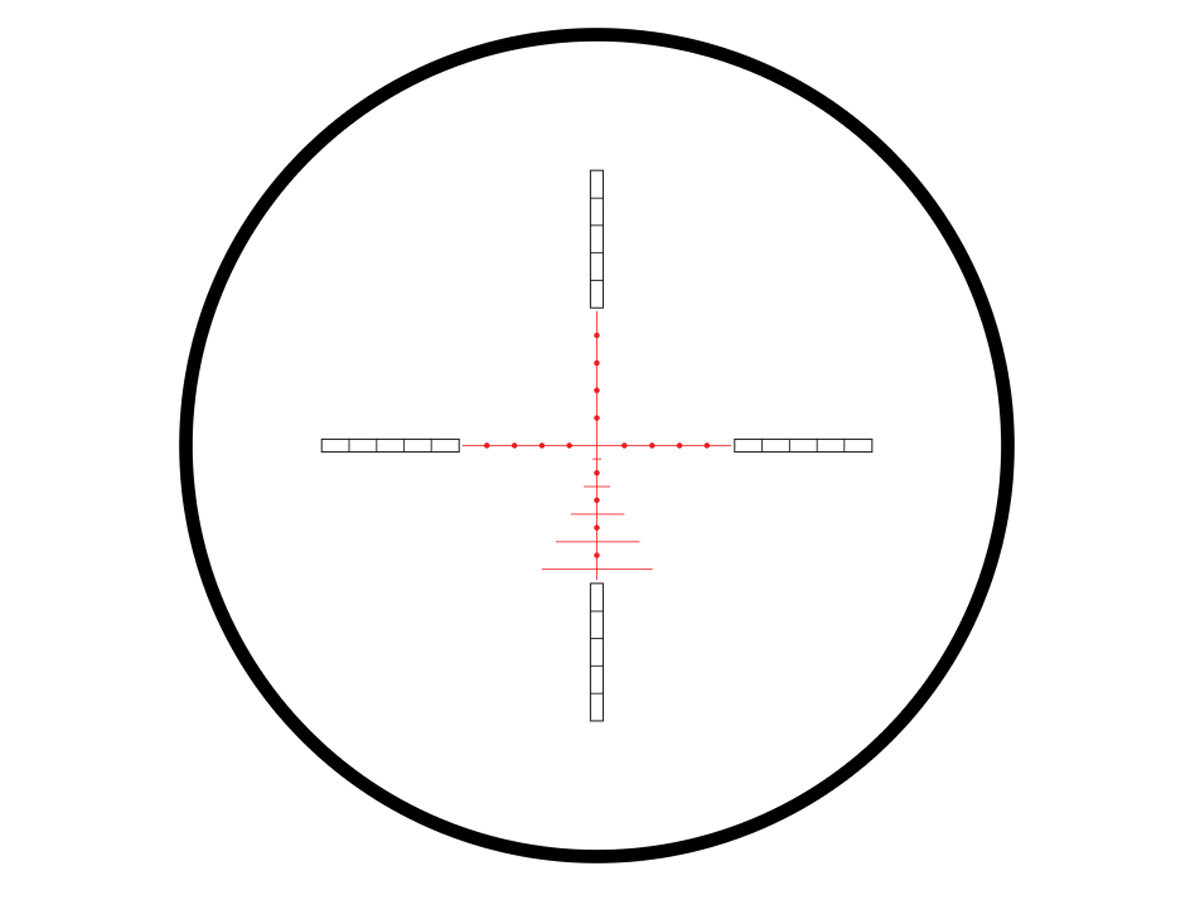
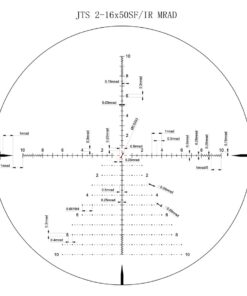
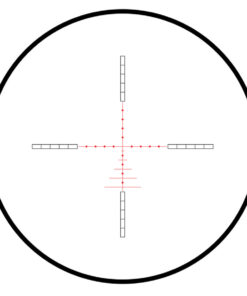
Because a first focal plane reticle is used across the FFP models, the reticle changes apparent size together with magnification. Consequently, the relationship between the reticle markings and the target is maintained throughout the magnification range. More reliable holdovers, wind corrections, and ranging calculations can therefore be achieved without being limited to one particular magnification setting.
Furthermore, several configurations are offered within the Shadow Series, allowing a suitable optic to be selected according to the rifle, shooting distance, and preferred magnification range. Current Shadow FFP configurations include options such as 6-24×50, 3-18×50, 5-25×56, and 5-30×56 models, although specifications differ between individual versions.
Why Choose the JTS Shadow Series FFP Riflescope?
Precision shooting depends heavily on a clear sight picture and predictable adjustments. For that reason, the JTS Shadow Series FFP Riflescope has been engineered around features that support repeatable performance.
High-quality optical glass is incorporated into the Shadow Series, while fully multicoated lenses are used on current models to improve light transmission and image clarity. As a result, targets can be viewed with improved definition across different lighting conditions.
Additionally, durable aluminum construction is used to provide the structural strength required for demanding shooting environments. For example, the 6-24×50 version is built around an A6061-T6 aluminum tube, while waterproof, fog-proof, and shock-resistant construction has also been specified for Shadow models.
Product Highlights
- First focal plane reticle design for consistent reticle subtensions throughout magnification
- Multiple magnification configurations available within the Shadow Series
- Fully multicoated optical glass for improved light transmission and image quality
- Large objective lens options for bright and detailed target viewing
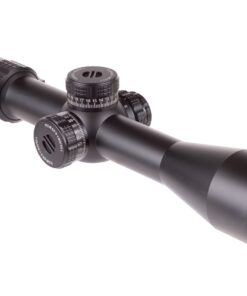
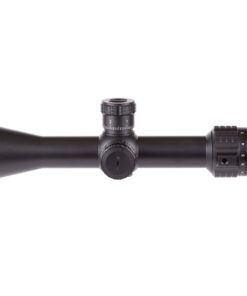
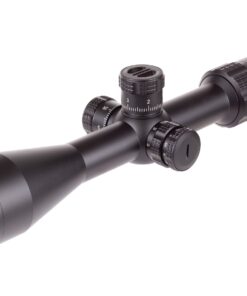
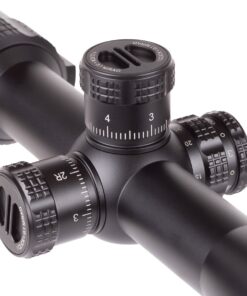
- Precision adjustment turrets designed for repeatable elevation and windage corrections
- Adjustable parallax on applicable models for improved focus and aiming precision
- Illuminated reticle options available on selected Shadow FFP configurations
- Strong aluminum construction designed for demanding shooting environments
- Waterproof and fog-resistant construction for reliable outdoor performance
- Shock-resistant design intended to maintain dependable operation
- Zero-stop elevation systems provided on certain models
- MOA and MRAD adjustment configurations available depending on the specific Shadow model
First Focal Plane Accuracy Across the Magnification Range
One of the most important advantages offered by the JTS Shadow Series FFP Riflescope is its first focal plane optical system.
With a traditional second focal plane optic, reticle markings normally correspond correctly to predetermined values at a specific magnification. In contrast, an FFP reticle is positioned so that it appears to grow or shrink as magnification is changed.
Therefore, reticle subtensions remain proportional to the target.
This becomes especially useful when rapid corrections need to be made. Instead of repeatedly returning the magnification ring to a predetermined setting before using the reticle markings, corrections can be applied throughout the available magnification range.
Better Holdovers and Wind Corrections
When shooting distances vary, accurate elevation and windage references become increasingly valuable. Because the FFP reticle remains proportional throughout magnification, holdover references can be used more consistently.
For example, a shooter may begin with lower magnification to locate and track a target. Afterward, magnification may be increased for a more detailed sight picture. Because the reticle remains correctly scaled, the same aiming references can continue to be used.
Consequently, the system can provide greater flexibility during target shooting, airgun competition, field shooting, and other precision-oriented applications.
Clear Optical Performance
A riflescope cannot provide useful precision when the target image lacks clarity. Therefore, optical quality has been given considerable attention throughout the Shadow Series.
Fully multicoated glass is used on current models, while some Shadow versions are specified with HD or ED glass depending on configuration. For example, the 5-25×56 FFP model is listed with fully multicoated ED glass.
As light passes through the optical system, these coatings are intended to improve transmission while reducing unwanted reflections. Consequently, better contrast and target definition can be achieved.
Meanwhile, large 50mm and 56mm objective configurations are available in the range. These objective sizes support detailed target viewing while also complementing the higher magnification ranges offered by several Shadow models.
Performance in Changing Light Conditions
Lighting can change rapidly in outdoor environments. Clouds may move overhead, shadows may become deeper, or available light may gradually decrease.
For this reason, the combination of multicoated optics, large objective lenses, and illuminated-reticle options can become especially beneficial.
An illuminated reticle is supplied with selected models, including current 3-18×50 and 5-25×56 configurations. Therefore, reticle visibility can be improved when the target background makes a standard black reticle harder to distinguish.
Precision Turrets and Parallax Adjustment
Reliable optical performance must be supported by accurate mechanical adjustments.
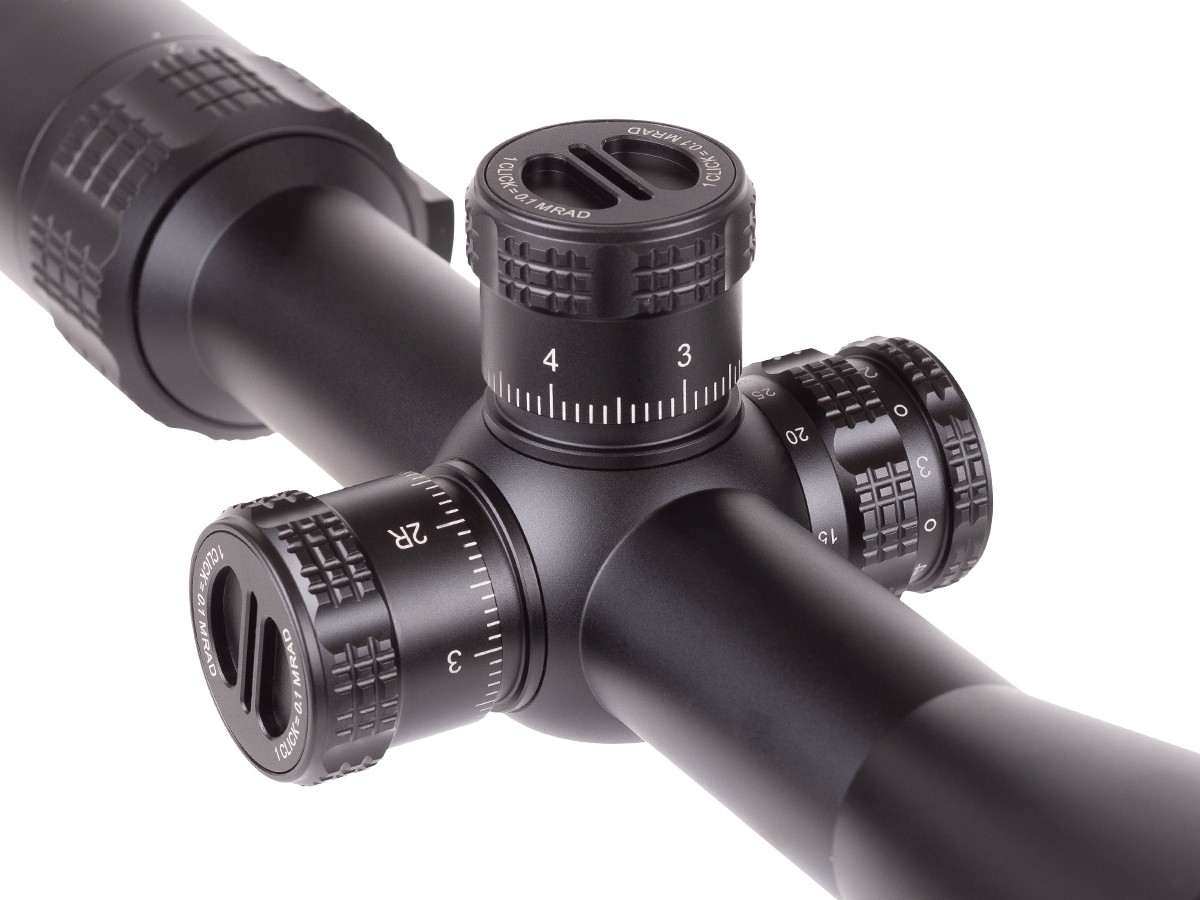
Depending on the selected model, Shadow Series riflescopes are offered with MOA or MRAD-based adjustment systems. For instance, the current 6-24×50 version is available with 0.1 MRAD adjustments, while 34mm FFP models are offered with 1/4 MOA adjustment configurations.
As a result, buyers can select an adjustment system that better matches their preferred shooting method.
Adjustable Parallax for Greater Precision
Parallax becomes increasingly important when precision is required at varying ranges.
Selected Shadow scopes provide side parallax adjustment so the target image and reticle can be brought into a more appropriate relationship at different distances. For example, the 5-25×56 version provides parallax adjustment from 15 yards to infinity.
Accordingly, a sharper target image can be achieved while potential aiming error caused by incorrect eye positioning is reduced.
Strong Construction for Demanding Use
Optical precision should be supported by dependable construction. Therefore, rugged materials are incorporated throughout the JTS Shadow Series FFP Riflescope range.
Aircraft-grade aluminum is specified for the 6-24×50 Shadow platform. In addition, waterproof, fog-proof, and shock-resistant construction is advertised across current Shadow models.
Because environmental conditions cannot always be controlled, these features provide additional confidence when an optic is taken beyond a controlled shooting range.
Temperature changes, moisture, transportation, recoil, and routine handling can all place stress on a riflescope. Nevertheless, durable construction helps the optic remain dependable when properly mounted and maintained.
Designed for Precision-Focused Shooters
Versatility remains one of the strongest advantages of the Shadow FFP lineup.
A moderate magnification configuration can be selected when wider field awareness is preferred. Alternatively, higher magnification models can be chosen when small or distant targets require greater visual detail.
For instance, a 3-18×50 model provides a broad magnification range suitable for varied distances, while 5-25×56 and 5-30×56 configurations provide additional magnification for more specialized precision applications.
Therefore, the Shadow Series can be adapted to different shooting styles rather than forcing every user into the same optical configuration.
Who Is the JTS Shadow Series FFP Riflescope For?
The JTS Shadow Series FFP Riflescope can be considered by shooters who prioritize:
- Accurate reticle scaling throughout magnification
- Repeatable elevation and windage adjustments
- Long-range or precision target shooting
- Clear optical performance
- Adjustable parallax
- Multiple magnification choices
- Durable outdoor-ready construction
- Illuminated reticle functionality on selected models
- Large objective lenses
- MOA or MRAD adjustment preferences
Beginners developing precision-shooting skills can appreciate the practical reticle system, while experienced shooters can benefit from the additional control provided by an FFP configuration.
Upgrade Your Shooting Setup with JTS Shadow Series Optics
When improved precision, optical clarity, and flexible magnification are being prioritized, the JTS Shadow Series FFP Riflescope provides a compelling combination of features.
First focal plane reticle technology allows aiming references to remain proportionally accurate as magnification is changed. Meanwhile, multicoated optics support clear target viewing, adjustable parallax helps refine focus, and robust construction provides the durability needed for regular use.
Moreover, the availability of several Shadow FFP configurations allows the optic to be matched more closely to the shooter’s intended application.
Whether greater consistency is being pursued at the range, a precision air rifle is being upgraded, or a versatile FFP optic is being selected for varied shooting distances, the JTS Shadow Series FFP Riflescope delivers the features required for a confident and controlled sighting system.
Choose the JTS Shadow Series FFP Riflescope that best matches your preferred magnification and adjustment system, and equip your setup with an optic built around clarity, precision, and dependable performance.
Premium Rangefinding Binoculars, Precision Riflescopes and Advanced Hunting Optics
Modern optical technology gives hunters, sport shooters, wildlife observers, and outdoor enthusiasts more ways to identify distant targets, measure range, and achieve a clearer field of view. Premium Leica rangefinder binoculars remain highly regarded for combining observation and ranging technology in one compact optical platform. Popular searches include Leica Geovid 10×42 rangefinder binoculars, Leica Geovid binoculars, Leica binoculars with rangefinder, Leica Geovid Pro 10×42, and Geovid Pro 10×42. Whether someone is researching a Leica Geovid rangefinder, Leica Geovid Pro rangefinder binoculars, Leica Geovid rangefinder binoculars, or the classic Leica Geovid 10×42, the Geovid family is commonly associated with high-quality glass, strong optical clarity, and practical long-distance observation.
Beyond rangefinding models, the wider Leica binoculars collection appeals to users searching for Leica small binoculars, binoculars Leica, Leica Geovid binos, Leica bino, Leica binoculars for sale, Leica bino rangefinder, Leica camera binoculars, Leica binos, or simply a Leica binocular for travel, field observation, wildlife viewing, and outdoor use. Different magnification formats, including 10×40, can suit users who want a balance between detail, portability, and field of view.
Alternative electronic binocular technologies are also becoming increasingly popular. Searches for SIG Sauer binoculars, SIG self stabilizing binoculars, SIG Sauer binos, SIG binoculars, SIG image stabilizing binoculars, SIG binocular, and SIG auto stabilizing binoculars reflect growing interest in electronically assisted viewing. Likewise, SIG Sauer self stabilized binoculars and SIG Sauer image stabilized binoculars can appeal to users who want reduced visual movement during handheld observation. Some buyers may also encounter broader search variations such as Sigma binoculars or specification terms like 11.5ee while comparing different optical products.
Precision aiming optics occupy another major part of the premium optics market. A Zeiss red dot offers a different sighting concept from traditional magnified optics, while the Nightforce ATACR line is frequently researched by users interested in premium long-range scopes. Common variants include Nightforce ATACR 5-25×56 F2, Nightforce ATACR 4-20×50, Nightforce ATACR 5-25×56 F1, and Nightforce ATACR 4-16×50. Related searches such as Night Force ATACR, ATACR scope, Nightforce attacker, ATACR 4-20, and Nightforce ATACR 4 20×50 F1 often appear when buyers are comparing magnification ranges, focal-plane configurations, turret systems, and optical performance.
At the higher end of precision optics, Tangent Theta products are frequently associated with specialist applications requiring refined mechanical adjustment and premium optical performance. Users may search for Tangent Theta scopes, Tangent scope, Tangent scopes, Theta optics, Tangent Theta scope, and Tangent optics while researching high-performance long-range systems.
The market also includes companies such as Fierce Firearms, Fierce Arms, and Fierce Optics, which may appear in searches involving hunting equipment and optical accessories. Within the Athlon category, meanwhile, one of the more detailed product searches is Midas TAC Gen2 HD 6-24×50 APLR15 FFP MOA reticle riflescope. The broader Athlon Midas TAC family, including Athlon Midas TAC 6-24×50, is often considered by users who want substantial magnification and adjustable target-focused features.
For shooters comparing larger objective and magnification configurations, terms such as 34 56, 34×56, Athlon Argos BTR Gen2 8-34×56, Athlon BTR Gen 2, Athlon Argos BTR Gen2, Athlon Argos BTR, and Athlon Argos BTR Gen 2 commonly appear during product research. Search variations such as Athalon scopes and Athens scope may also lead shoppers toward Athlon products when researching a new gun scope, Icarus scope, longest range scope, or general hunting optic.
Anyone learning how to buy a rifle scope should compare magnification range, objective diameter, reticle design, adjustment system, eye relief, optical quality, focal-plane configuration, overall weight, and intended sporting application. Terms such as AO scope can refer to adjustable-objective configurations, while models in the Athlon Ares BTR family provide additional options for users exploring precision-oriented optics.
Mid-range magnification searches frequently include 2.5×15, Avalon Aries, 2.5/15, Athlon BTR Gen 2, Athlon scopes review, Athlon reticles, 2.5-15 scope, and repeated comparisons involving Athlon Argos BTR Gen2 8-34×56 or 34×56 configurations. These searches demonstrate how buyers often compare reticles, magnification ratios, objective sizes, and scope families rather than selecting an optic solely by maximum magnification.
Low-power variable optics are another major category. Searches such as 1 10 scope, Ares ETR 1 10, 1 10 LPVO, 1-10 LPVO, 1-10 FFP LPVO, 1×10 scope, Athlon ETR, LPVO 1-8, LPVO 1-10, and 1-10 rifle scope reflect demand for versatile magnification systems. An LPVO allows users to move between low magnification for a broad field of view and higher magnification for improved observation at extended distances, making the format useful across several sporting disciplines.
For greater magnification, the Ares ETR Gen2 UHD 4.5-30×56 APRS12 FFP IR MIL reticle represents another precision-focused configuration within the Athlon range. Related product searches include Athlon 4.5-30×56, 4.5 30, Athlon ETR, and 4.5/30. The large 56 mm objective and broad magnification range make this type of optic particularly relevant to users comparing long-distance target and field optics.
Other searches such as 14×44, 2s14, Athlon BTR 2-12, 1/2×42, Athlon BTR Gen 2, 12×4.2, 2-12x, and Athlon 2 demonstrate continued demand for more compact variable-magnification formats. A 2-12x configuration, for example, can provide a useful compromise between field of view and magnified observation without requiring the size or weight of a very high-magnification optic.
Ultimately, premium optics cover far more than a single product category. Leica rangefinder binoculars and Leica Geovid binoculars combine observation with distance measurement, while stabilized SIG Sauer binoculars emphasize steady handheld viewing. Meanwhile, Nightforce ATACR, Tangent Theta scopes, and Athlon families such as the Midas TAC, Argos BTR, Ares BTR, and Ares ETR provide a wide range of magnification, reticle, and focal-plane options. By comparing optical clarity, magnification range, objective diameter, reticle format, adjustment system, physical dimensions, and intended sporting use, buyers can narrow a broad optics market into products that better match their individual requirements.
Frequently Asked Questions About the JTS Shadow Series FFP Riflescope
1. What is the JTS Shadow Series FFP Riflescope?
The JTS Shadow Series FFP Riflescope is a precision-focused optic designed for shooters who want clear target visibility, dependable adjustments, and consistent reticle performance throughout the magnification range. Its first focal plane design allows the reticle to increase or decrease in apparent size as magnification changes. As a result, the relationship between the target and reticle markings remains consistent.
This design can be especially useful for precision target shooting, long-range practice, air rifle applications, and situations where accurate holdovers or wind corrections may be required. In addition, different configurations are available within the Shadow Series, allowing shooters to select a magnification range that better suits their preferred shooting distance and rifle setup.
2. What does FFP mean on a riflescope?
FFP stands for First Focal Plane. In an FFP riflescope, the reticle is positioned within the optical system so that it appears to change size when magnification is increased or decreased.
Because the reticle scales together with the target image, its measurement references remain proportionally consistent throughout the available magnification range. Therefore, shooters can use holdover, ranging, and windage markings without necessarily returning the scope to one specific magnification setting.
This feature is often valued by precision shooters because magnification can be changed quickly while the reticle continues to provide usable references.
3. What are the main advantages of a first focal plane riflescope?
Several practical advantages are offered by a first focal plane design. Most importantly, reticle subtensions remain consistent at different magnification levels.
Consequently, shooters can make elevation or wind corrections using the reticle regardless of the magnification being used. This becomes especially helpful when targets are positioned at different ranges.
Moreover, an FFP optic can simplify transitions between wide-field observation and higher-magnification precision shooting. Lower magnification can be used to locate a target, while higher magnification can later be selected for a more detailed sight picture.
4. Is the JTS Shadow Series suitable for long-range shooting?
Yes, the Shadow Series can be well suited to long-range and precision-oriented shooting, depending on the particular model selected.
Higher-magnification configurations can provide increased target detail at longer distances. Additionally, the combination of an FFP reticle, adjustable parallax, and precision turrets can help shooters make more controlled corrections.
However, successful long-range shooting depends on more than magnification alone. Proper mounting, rifle accuracy, ammunition consistency, environmental conditions, shooting technique, and correct zeroing should all be considered.
5. Can the JTS Shadow Series FFP Riflescope be used on air rifles?
Yes. The Shadow Series can be used on suitable air rifle platforms when the selected optic, mounting system, and rifle are compatible.
Precision PCP air rifles, in particular, can benefit from features such as adjustable parallax, first focal plane reticles, and higher magnification. These features can help when smaller targets are being engaged or when precise shot placement is required.
Before installation, however, the correct scope rings should be selected for the scope tube and mounting rail. Proper eye relief and mounting position should also be established before final tightening.
6. How does magnification affect the reticle?
With an FFP riflescope, the reticle appears smaller at lower magnification and larger at higher magnification.
At lower settings, more of the surrounding environment can usually be viewed, which can make target acquisition easier. Meanwhile, higher magnification provides increased visual detail for smaller or more distant targets.
Because the reticle scales with magnification, its reference points maintain their proportional relationship to the target. Therefore, holdover and correction markings remain useful as magnification changes.
7. What type of shooting is the Shadow Series designed for?
The Shadow Series can support several precision-oriented shooting applications.
It may be used for recreational target shooting, long-range practice, air rifle shooting, competition-style practice, field shooting, and other lawful applications where accurate aiming is important.
Different shooters will naturally prefer different magnification levels. Therefore, selecting the most appropriate model should be based on expected shooting distance, target size, rifle type, preferred reticle, and overall shooting style.
8. Why is adjustable parallax important?
Parallax adjustment helps reduce apparent movement between the reticle and target when the shooter’s eye position changes slightly.
When parallax is incorrectly adjusted, the reticle can appear to shift across the target as the eye moves behind the scope. This can introduce aiming error, particularly during precision shooting.
By adjusting parallax for the approximate target distance, the target image can usually be brought into sharper focus while reticle movement is minimized. As a result, greater consistency can be achieved.
Parallax adjustment is especially useful when shooting at different distances rather than always engaging targets at one fixed range.
9. How do I properly adjust the parallax?
Begin by setting the riflescope to a comfortable magnification level. Then, look through the optic at the intended target and turn the parallax adjustment until the target appears sharp.
Next, move your head slightly while keeping the rifle steady. If the reticle appears to move in relation to the target, further adjustment may be needed.
The goal is to achieve a clear target image while minimizing apparent movement between the reticle and target. Because distance markings can serve as approximate references rather than absolute measurements, final adjustment should be confirmed visually.
10. What is the purpose of an illuminated reticle?
An illuminated reticle can improve visibility when the background makes a standard dark reticle difficult to see.
For example, a dark target, shaded environment, or changing outdoor light can reduce reticle contrast. When illumination is activated, the aiming point can become easier to identify.
However, excessive brightness should generally be avoided because it may cause the reticle to appear overly bright or distract from the target image. Therefore, the lowest useful illumination setting is often preferred.
Not every model within a riflescope series necessarily includes the same illumination system, so the specifications of the selected version should always be checked.
11. How should I choose the right magnification range?
The best magnification depends primarily on intended shooting distance and target size.
Lower magnification can provide a wider field of view and faster target acquisition. Therefore, it can be useful when targets may appear at different distances.
Higher magnification, on the other hand, provides greater visual detail. Consequently, it can be beneficial when smaller targets are being engaged at extended distances.
A versatile magnification range can provide a balance between these two requirements. Shooters should consider where the rifle will be used most frequently rather than simply selecting the highest magnification available.
12. Is higher magnification always better?
No. Higher magnification can be useful, but it is not always the best choice.
As magnification increases, the field of view generally becomes narrower. Natural movement may also appear more noticeable through the optic.
Additionally, atmospheric conditions such as heat shimmer can reduce the practical benefit of very high magnification at longer distances.
Therefore, magnification should be selected according to the shooting situation. A moderate setting may provide better stability and target awareness, while higher magnification can be reserved for situations where additional target detail is genuinely useful.
13. What are precision turrets used for?
Precision turrets allow controlled adjustments to elevation and windage.
The elevation turret moves the point of impact vertically, while the windage turret provides horizontal correction. These adjustments can be used during zeroing and may also be used to compensate for bullet or pellet trajectory at different distances.
Each turret click represents a specific angular adjustment, depending on the scope configuration. Therefore, users should become familiar with the adjustment system used on their particular model before making corrections.
Recording reliable elevation data can also make repeated distance changes easier to manage.
14. What is a zero stop?
A zero stop is a turret feature designed to help a shooter return quickly to the original zero setting after elevation adjustments have been made.
For example, elevation may be dialed upward when engaging a more distant target. Afterward, the turret can be returned toward the established zero until the mechanical stop is reached.
This feature can reduce the likelihood of losing track of turret rotations and can make repeated distance changes more convenient.
The exact zero-stop procedure varies between scope designs. Therefore, the manufacturer’s instructions for the specific model should always be followed.
15. How do I zero the JTS Shadow Series FFP Riflescope?
First, the optic should be securely mounted with the correct rings and proper eye relief.
Once the rifle and optic have been prepared safely, an initial target can be placed at an appropriate distance. A controlled shot group should then be fired from a stable position.
After the group location has been identified, elevation and windage adjustments can be made to move the point of impact toward the desired point of aim.
Another group should then be fired to confirm the adjustment. This process should be repeated until the desired zero is achieved.
Using groups rather than individual shots usually provides a more reliable indication of the rifle’s actual point of impact.
16. Why is proper scope mounting important?
Even a high-quality riflescope cannot perform correctly when it has been mounted improperly.
Incorrect ring alignment, excessive tightening, insufficient tightening, or poor positioning can affect performance and comfort. Eye relief may also become incorrect if the optic is positioned too far forward or backward.
Therefore, suitable rings should be selected for both the scope tube diameter and rifle mounting system.
The optic should be level, the reticle should be aligned properly, and ring screws should be tightened according to appropriate torque recommendations.
17. How should the lenses be cleaned?
Loose dust should first be removed using a clean lens blower or a suitable soft optical brush.
After loose particles have been cleared, a microfiber lens cloth may be used gently. If additional cleaning is required, an optical lens-cleaning solution designed for coated lenses can be applied.
Household cleaners, rough cloth, paper towels, and abrasive materials should be avoided because they may damage lens coatings.
Lens caps can also be used during storage and transportation to protect the optical surfaces from dust, fingerprints, and accidental contact.
18. How should the riflescope be stored?
The riflescope should ideally be stored in a clean, dry environment.
If the optic has been exposed to rain or moisture, the exterior should be allowed to dry before long-term storage. Lens caps can then be installed once the surfaces are clean and dry.
Extreme heat, prolonged direct sunlight, and unnecessary exposure to moisture should be avoided when possible.
If the illuminated reticle will not be used for an extended period, removing the battery may also help prevent possible leakage.
19. Can weather conditions affect riflescope performance?
Yes. Rain, humidity, temperature changes, dust, bright sunlight, and low-light conditions can all influence the shooting experience.
Waterproof and fog-resistant construction can help protect the internal optical system. Nevertheless, the exterior lenses can still become wet, dirty, or temporarily fogged.
A lens shade may help reduce glare in bright conditions, while clean lenses can improve image quality when available light is limited.
Environmental conditions can also influence projectile trajectory, so experienced shooters often consider both optical and ballistic factors.
20. Why is optical clarity important?
A clear image helps the shooter identify the target, aiming point, and surrounding details more accurately.
Poor image quality can become particularly noticeable when magnification is increased. Therefore, lens quality, coatings, correct focus, and proper parallax adjustment all contribute to overall viewing performance.
Good optical clarity does not simply make an image look better. It can also reduce visual strain and improve confidence when precise target identification is required.
21. Is the Shadow Series suitable for beginners?
Yes, a beginner can use an FFP riflescope successfully, although some time may be required to understand the reticle and turret system.
Learning how magnification, parallax, elevation, windage, and reticle measurements interact can significantly improve the experience.
New shooters may find it helpful to begin with a simple zeroing process and gradually learn more advanced holdover and turret techniques.
Over time, the first focal plane system can become especially useful because reticle references remain proportional throughout the magnification range.
22. Can experienced shooters benefit from this scope?
Certainly. More experienced shooters can take advantage of features that support precision and repeatability.
First focal plane reticles can be incorporated into ranging and correction techniques, while adjustable parallax can help improve precision at varying distances.
Similarly, exposed or precision-style turrets can support dialing solutions when known ballistic data is available.
The combination of these features can make the scope appealing to users who prefer a more technical and controlled approach to shooting.
23. What should I check before buying?
Before purchasing, the specific model specifications should be reviewed carefully.
Important considerations include:
- Magnification range
- Objective lens size
- Tube diameter
- Reticle design
- Adjustment system
- Turret click value
- Parallax range
- Illumination features
- Overall size and weight
- Mount compatibility
- Intended shooting distance
Choosing according to actual shooting requirements usually produces better results than purchasing solely on magnification or appearance.
24. Why choose the JTS Shadow Series FFP Riflescope?
The JTS Shadow Series FFP Riflescope combines several features valued by precision-oriented shooters.
A first focal plane reticle supports consistent holdovers across magnification settings, while adjustable parallax can help improve target focus and reduce aiming error.
Meanwhile, clear optics, practical turret controls, durable construction, and multiple magnification configurations provide flexibility for different rifle setups and shooting distances.
For shooters seeking an optic that can support target practice, precision air rifle shooting, and longer-distance applications, the Shadow Series provides a balanced combination of optical performance, adjustability, and practical functionality.
Practical Use Scenario
Setting Up for a Precision Range Session
A shooter arrives at an outdoor range with a precision air rifle that has already been fitted with the optic. The goal for the day is straightforward: confirm zero, test consistency at several distances, and become more familiar with the scope’s adjustment system.
Before shooting begins, the rifle is placed securely on a benchrest. The mounting screws are checked, the scope is inspected for movement, and the lenses are cleaned with a soft optical cloth. Because accurate shooting begins with a stable setup, these small checks help prevent avoidable errors later in the session.
Once everything is confirmed, the shooter settles into position and begins by looking through the optic at a target placed at a moderate distance. The magnification is kept relatively low at first. This provides a wider field of view, which makes the target easier to locate and keeps the sight picture comfortable.
Next, the eyepiece is adjusted until the reticle appears sharp. Afterward, the side-focus or parallax control is turned gradually until the target image becomes clear and apparent reticle movement is minimized.
At this stage, the shooter is ready to begin confirming zero.
Establishing a Reliable Zero
A three-shot group is fired from the supported position. Instead of immediately adjusting the turrets after every shot, the shooter waits until the entire group has been completed.
This approach helps reveal the average point of impact rather than reacting to one isolated shot.
After the target is inspected, the group is found slightly below and to the right of the aiming point. Therefore, the elevation turret is adjusted upward, while the windage turret is corrected toward the left.
Another group is then fired.
This time, the pellets land much closer to the center of the target. A small final adjustment is made, and a third group confirms that the rifle is now properly zeroed.
Because the zero has been established using several shots, greater confidence can be placed in the result.
Moving Between Different Distances
With the initial zero complete, the shooter begins engaging targets positioned farther downrange.
The magnification is increased gradually to provide more visual detail. As magnification changes, the reticle appears larger within the sight picture. However, the relationship between the reticle markings and the target remains consistent.
This becomes particularly useful as the shooting distance increases.
Rather than relying entirely on turret adjustments, the shooter begins experimenting with holdover references. A known reticle mark is used to compensate for the pellet’s increasing drop.
A carefully aimed shot is released.
The pellet strikes slightly below the intended point. Therefore, the next reticle reference is adjusted accordingly. The following shot lands much closer to the desired impact point.
Through repeated practice, the shooter begins building a better understanding of how the rifle, ammunition, and optic behave together.



Reviews
There are no reviews yet.