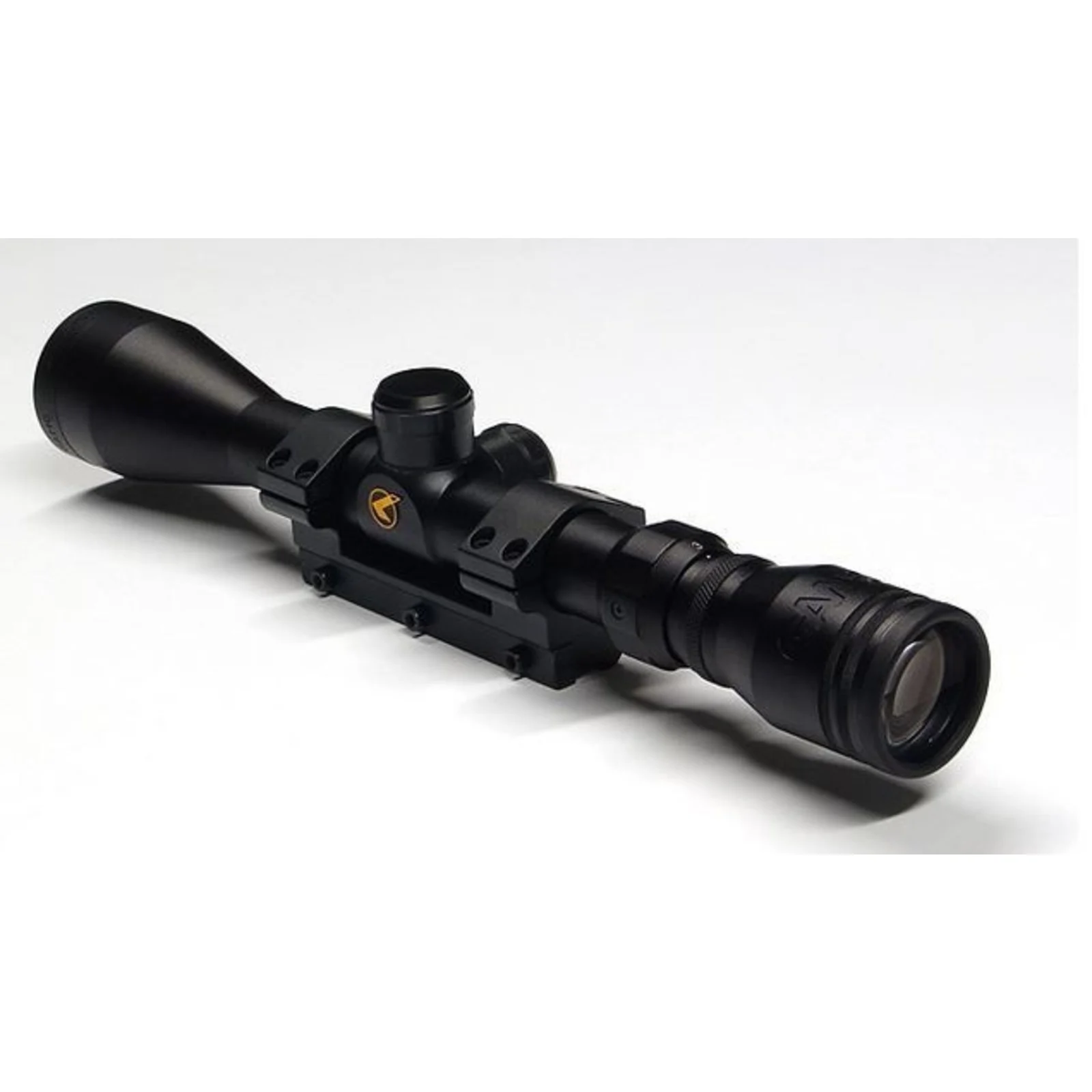
Practical Use Scenarios
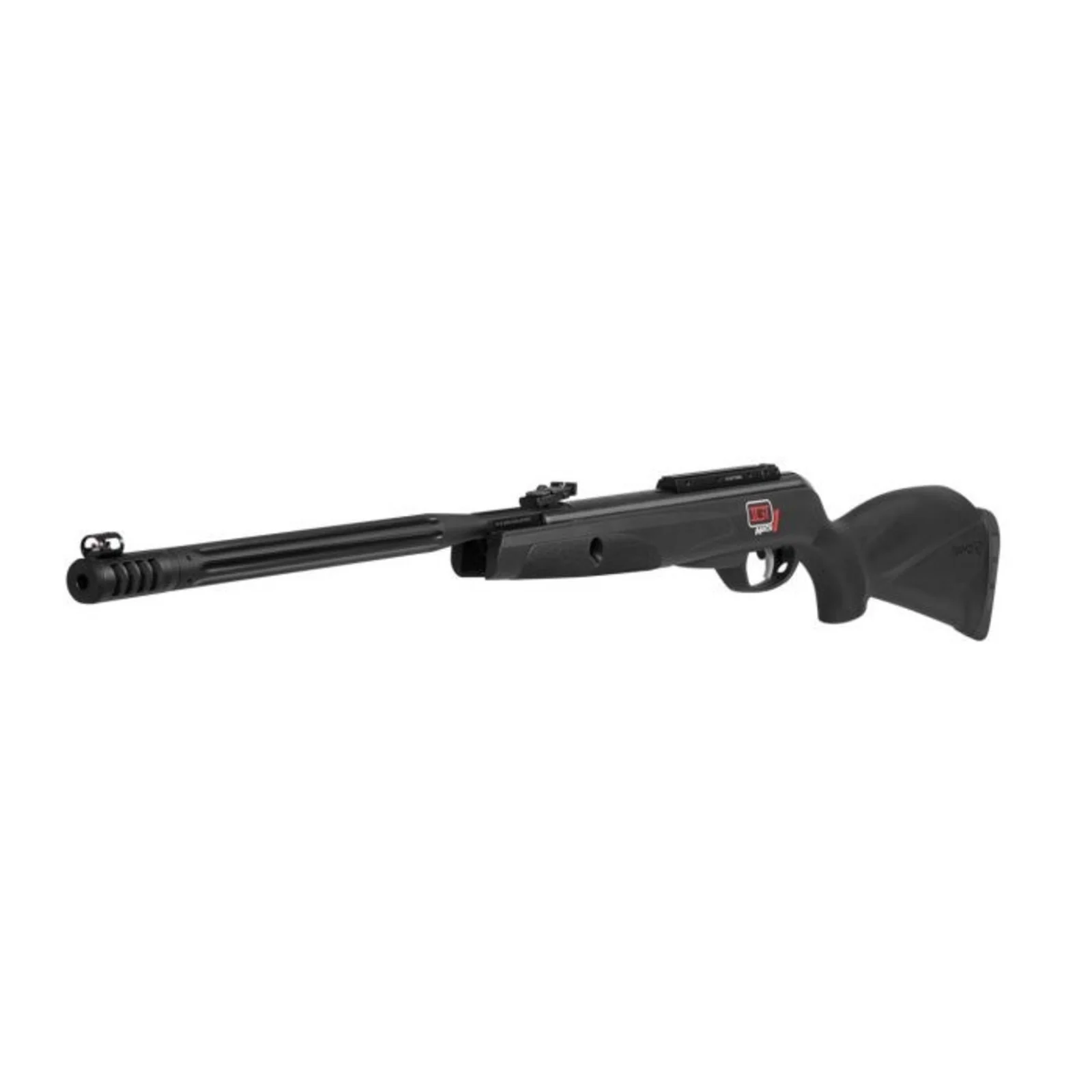
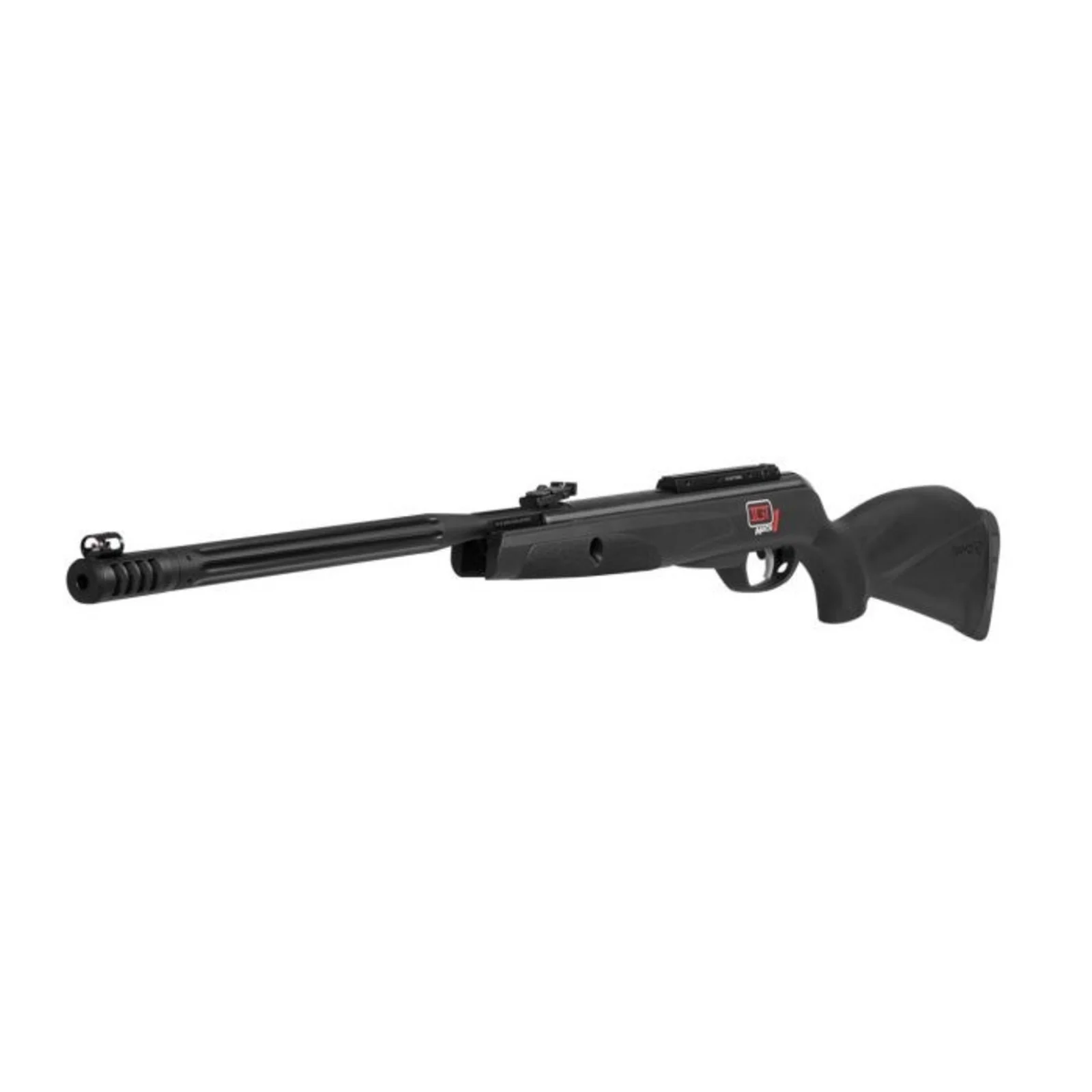
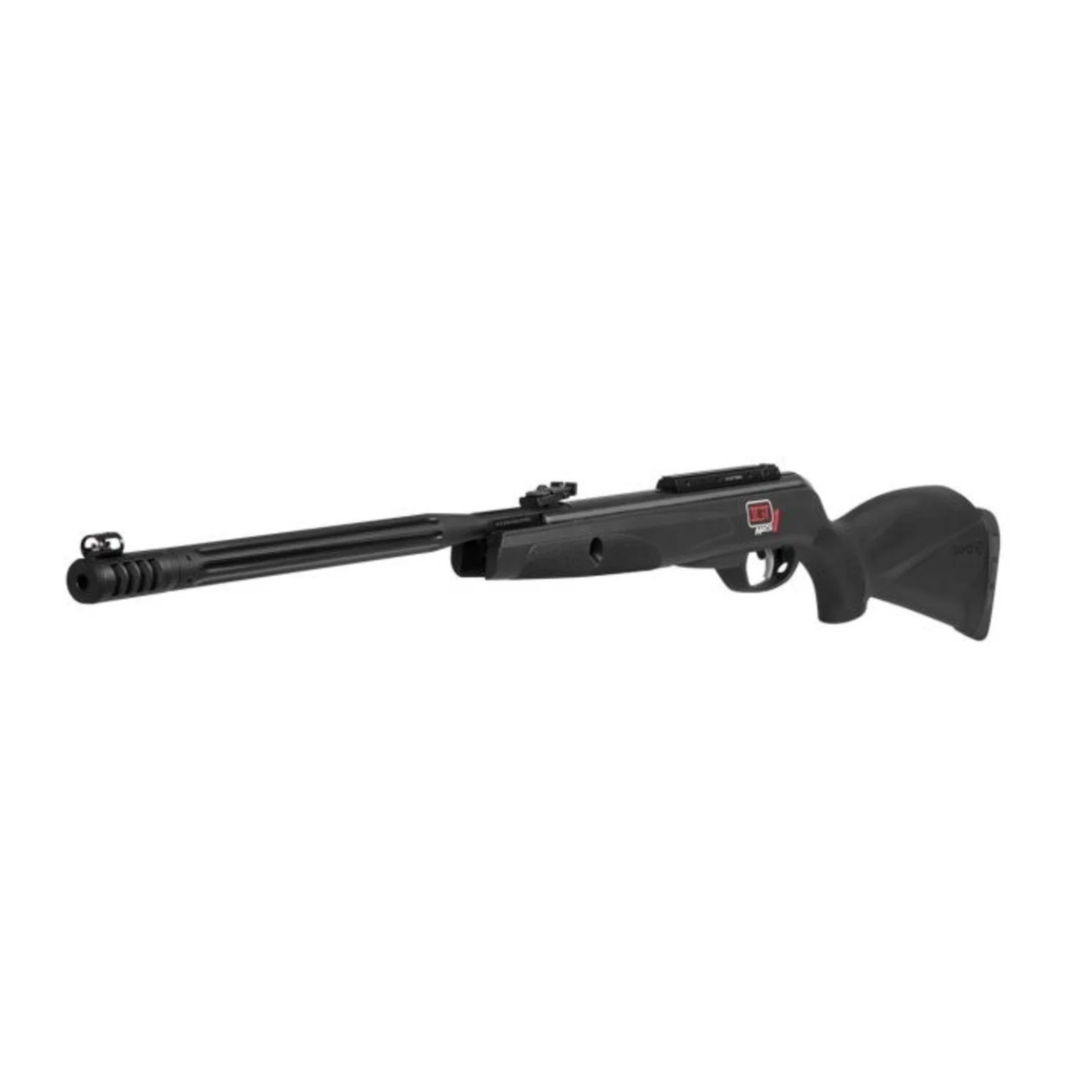
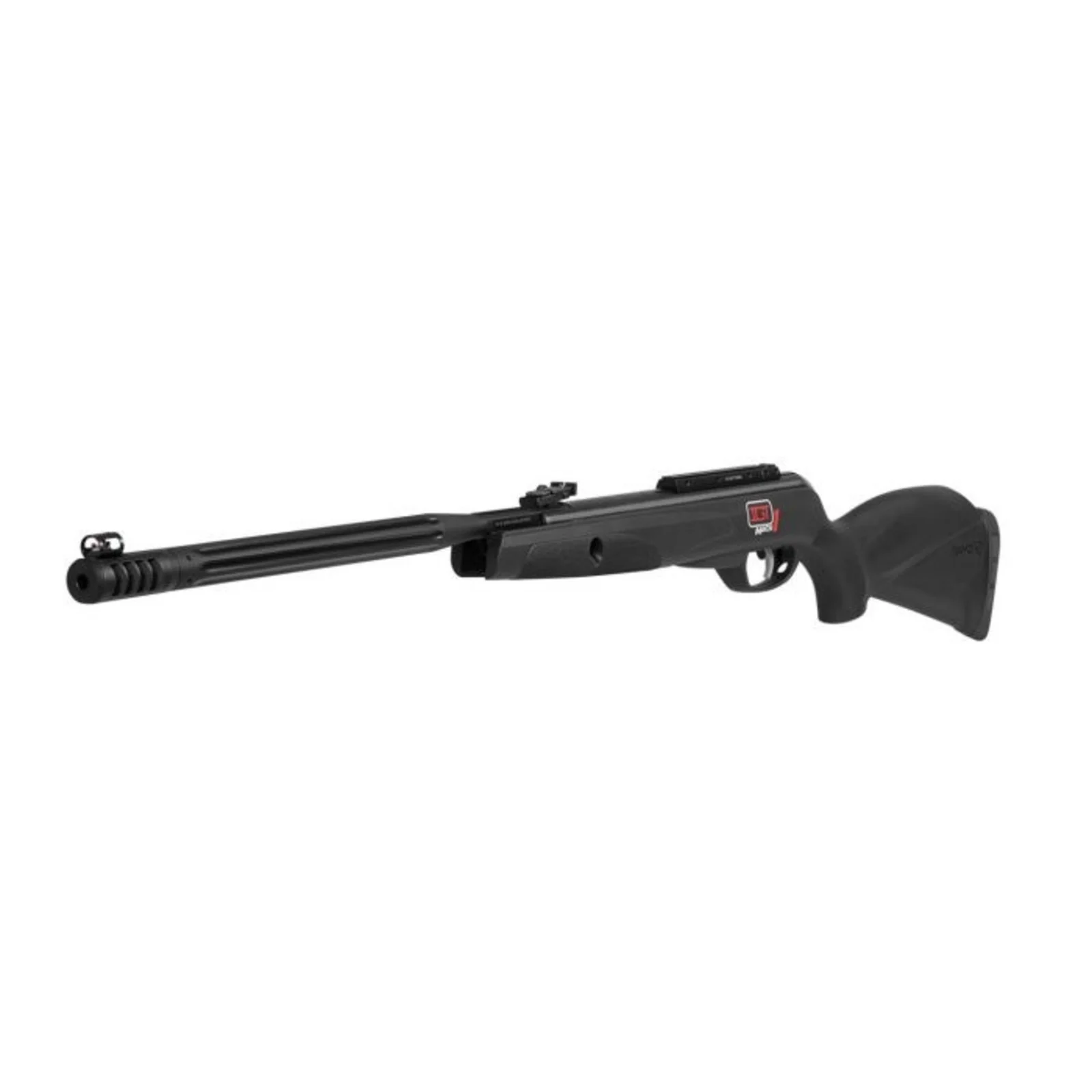
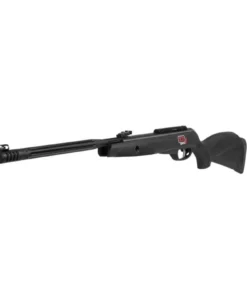
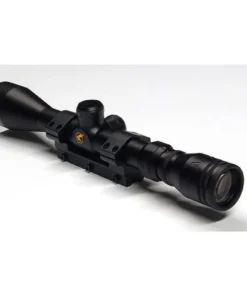
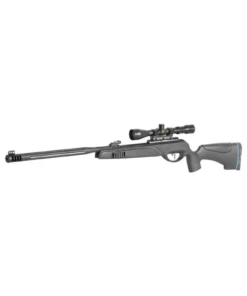
A high-power .177 break-barrel with an inert-gas piston, an integral quieting muzzle and a variable optic is used most effectively when the session is planned before the barrel is opened. Consequently, each scenario below is organised around hold, distance, backstop, pellet choice and the people who may share the firing point. Inclusive shooting is assumed throughout: left- and right-handed marksmen, newcomers and experienced field users are all accommodated by an ambidextrous stock and a two-stage adjustable trigger.
Moreover, legal permission is treated as a precondition rather than an afterthought. Landowner consent, local air-weapon rules and humane energy limits are confirmed first. Thereafter, the rifle is employed as a precise single-shot tool rather than as a rapid-fire toy.
Club and Back-Garden Paper Work
Paper targets at 10 to 35 metres are the most forgiving classroom for this class of spring-piston rifle. A rest or bag is placed under the forend so that the artillery hold can be learned without muscle tremor masking the group. The optic is set at a moderate magnification so that the reticle does not bounce excessively during the firing cycle. Eye relief is locked in before the first pellet is seated.
Furthermore, a consistent shoulder pocket and a relaxed leading hand are required because a gas-ram still produces a two-way snap. The stock is allowed to move in the same path on every shot. Tight gripping of the forend is avoided. As a result, vertical stringing is reduced and the zero obtained on the 3–9× class scope remains usable from week to week.
A pellet that groups in this particular barrel is selected after a short ladder test. Mid-weight lead is usually preferred for scoring rings; lightweight alloy is reserved for curiosity on the chronograph. Subsequently, one tin is dedicated to zero so that point of impact is not chased across brands.
Highlighted habits for the target line:
- A rated trap or an earth bank is used behind every card
- Hearing and eye protection are worn by everyone on the point
- The barrel is broken only when the muzzle is aimed at the backstop
- Groups are recorded at one distance before hold-over notes are added
- The manual safety is applied while scores are marked and targets are changed
In addition, newcomers are given time to complete the cocking stroke without being rushed. The effort is real on a 29-joule-class action. Inclusive coaching means the instructor stands off the line of the muzzle and never pushes a tired shooter to “just get one more group.”
Zero Confirmation Before Any Field Walk
A confirmed zero is treated as part of the use scenario, not as a separate hobby. Twenty to thirty metres is a common first distance for a fast .177. Five-shot clusters are fired from the same rest that will later be approximated in the field. Flyers caused by a canted reticle or a changing cheek weld are diagnosed before the rifle leaves the garden.
Meanwhile, the open fiber-optic sights are left available. If the optic fogs or a very close, fast shot is required, the iron sights can still be used. Transition between the two systems is practised on paper so that it is not improvised over a live pest.
Weather is noted. A cold gas ram may feel slightly different from a warm one. Wind at 25 metres already moves a light pellet. Therefore, a simple dope card—distance, hold, wind flag—is slipped into the slip case after the session.
Lawful Pest Control at Ethical Range
Where statute, season and landowner permission allow, small pest species may be taken with a precise .177 pellet. Energy and placement both matter. A head or brain shot on a small animal is the standard that is aimed for; body shots at stretched distance are declined. Consequently, most ethical work with this velocity band is kept inside distances that have already been proven on paper.
Quiet muzzle treatment helps keep disturbance low around barns, paddocks and garden perimeters. Neighbours are less likely to be alarmed. Wildlife other than the target is less likely to be flushed. Nevertheless, a quieter report is not a licence to shoot nearer to houses or roads than the law permits.
A single pellet is loaded only when a clear, stationary target and a safe backstop are both present. Break-barrel cocking in thick cover is performed with exaggerated muzzle awareness. Branches are not used as an improvised rest if they sit under the barrel and throw the point of impact.
Inclusive field craft also covers who is present. Children, dogs and livestock are accounted for before the safety is pushed off. Guests who do not shoot are briefed on where to stand. The session is stopped if a public path becomes busy.
Practical limits that are observed:
- Shots are taken only at ranges already grouped on the same pellet
- A solid backstop is required beyond the animal
- Moving targets at speed are passed up
- Night work is undertaken only where lighting, law and identification of the species allow
- Carcass recovery and disposal follow local rules


Reviews
There are no reviews yet.