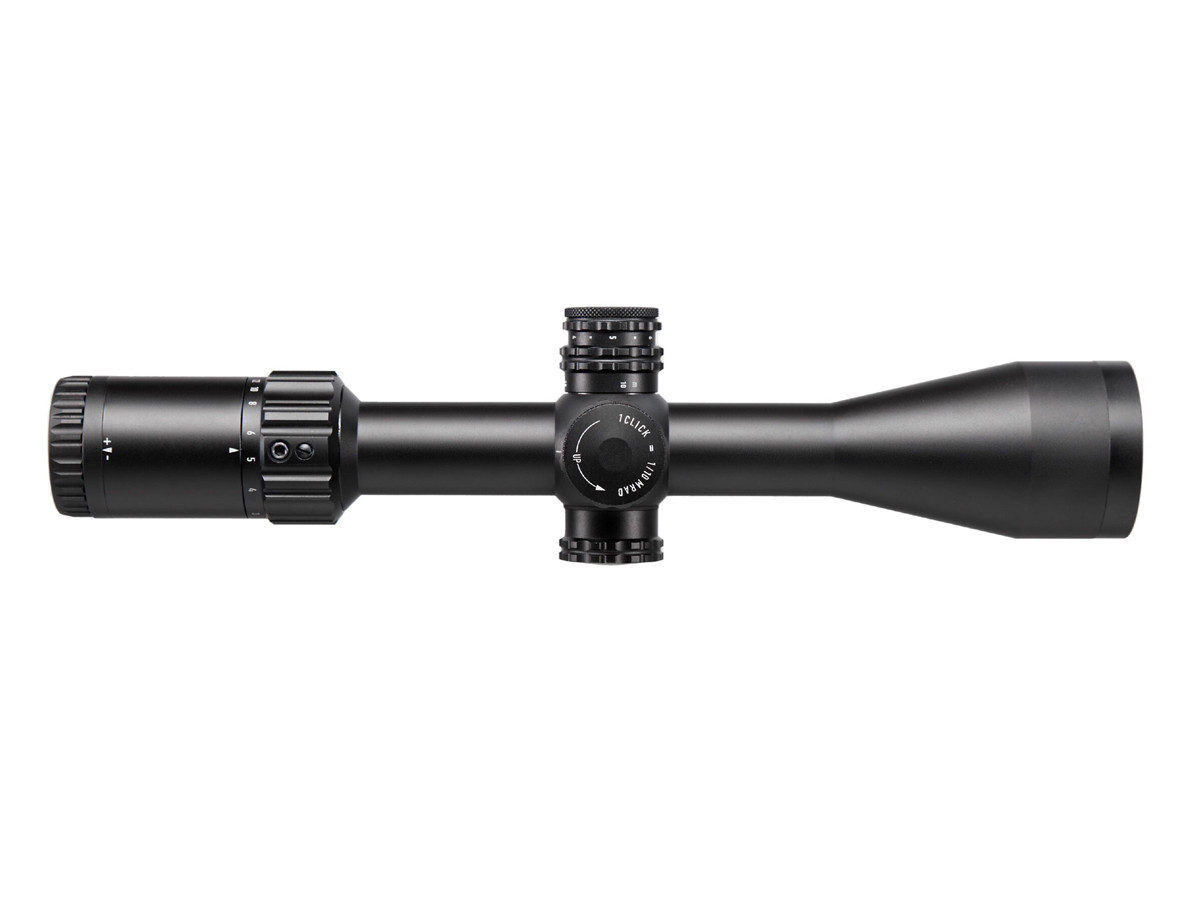
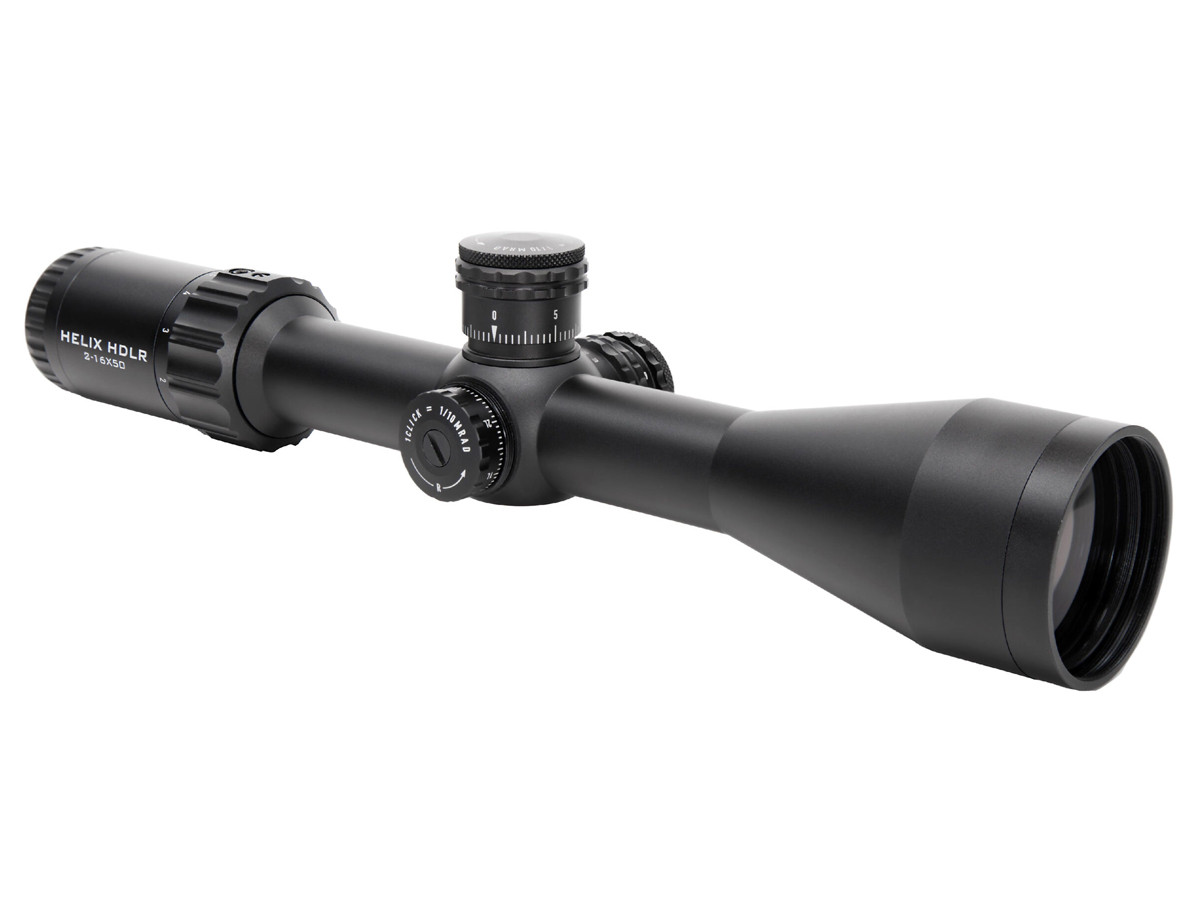
Element Optics Helix HDLR 2-16×50 SFP – Premium Versatility and HD Optical Performance
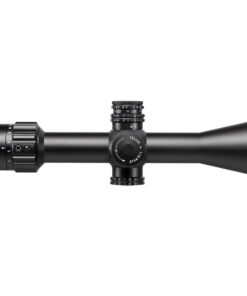
Exceptional optical versatility has been brought together in the Element Optics Helix HDLR 2-16×50 SFP, where an impressive magnification range, high-definition glass, illuminated reticle technology, and practical field functionality are combined within one refined riflescope. Consequently, a dependable sighting solution can be enjoyed by shooters who require flexibility across changing distances, lighting conditions, and shooting environments.
Rather than being limited to one particular application, the Element Optics Helix HDLR 2-16×50 SFP has been designed around adaptability. At the lower end of its 2-16x magnification range, a wider viewing perspective can be maintained. Meanwhile, additional target detail can be acquired as magnification is increased toward 16x. Therefore, a broad range of shooting situations can be accommodated without unnecessary complication.
Furthermore, optical quality has been prioritized through the use of HD glass. Enhanced image clarity, improved visual definition, and accurate target recognition are supported by this premium optical system. Element Optics specifically distinguishes the HDLR model through HD glass, reticle illumination, and its extensive zoom range.
Why Choose the Element Optics Helix HDLR 2-16×50 SFP?
A carefully balanced combination of magnification, objective size, reticle visibility, and optical performance has been incorporated into this riflescope. Accordingly, usability can be maintained across both closer viewing situations and more distant observation.
Unlike scopes that are optimized around only one magnification range, broader flexibility is provided by the 2-16x configuration. As a result, equipment changes can be minimized while greater versatility can be maintained.
At the same time, a 50mm objective lens has been incorporated into the design. Therefore, substantial light can be gathered through the optical system, while the overall configuration remains suitable for users who value a practical balance between viewing performance and equipment size.
High-Definition Glass for Enhanced Clarity
Image quality can significantly affect how comfortably details are recognized through an optic. For that reason, HD glass has been integrated into the Element Optics Helix HDLR 2-16×50 SFP.
Greater visual definition can consequently be experienced when distant details are being evaluated. In addition, improved optical clarity can help reduce the washed-out appearance that may otherwise be encountered through lower-quality glass.
Because visual conditions rarely remain identical throughout a session, this optical performance can become especially valuable as environmental light changes.
Broad 2-16x Magnification Range
Versatility is strongly supported by the 2-16x magnification system. At 2x, a broad visual perspective can be retained. Subsequently, magnification can be increased when additional detail is required.
Therefore, one riflescope can be adapted to multiple viewing distances instead of being restricted to a narrow magnification window.
Moreover, magnification adjustments can be made according to the user’s environment, target size, and preferred viewing perspective. Consequently, greater control over the sight picture can be maintained.
Highlighted Features of the Element Optics Helix HDLR 2-16×50 SFP
- Versatile 2-16x magnification range
- Large 50mm objective lens
- Premium HD glass
- Second Focal Plane reticle configuration
- Illuminated reticle for improved visibility
- Wide magnification flexibility
- Designed for dependable optical performance
- Clear and refined sight picture
- Suitable for changing viewing distances
- Premium HELIX-series construction
- User-focused adjustment system
- Balanced combination of optical quality and versatility
The HDLR model is specifically identified by Element Optics as featuring HD glass and reticle illumination while maintaining the 2-16×50 SFP configuration.
Second Focal Plane Reticle Design
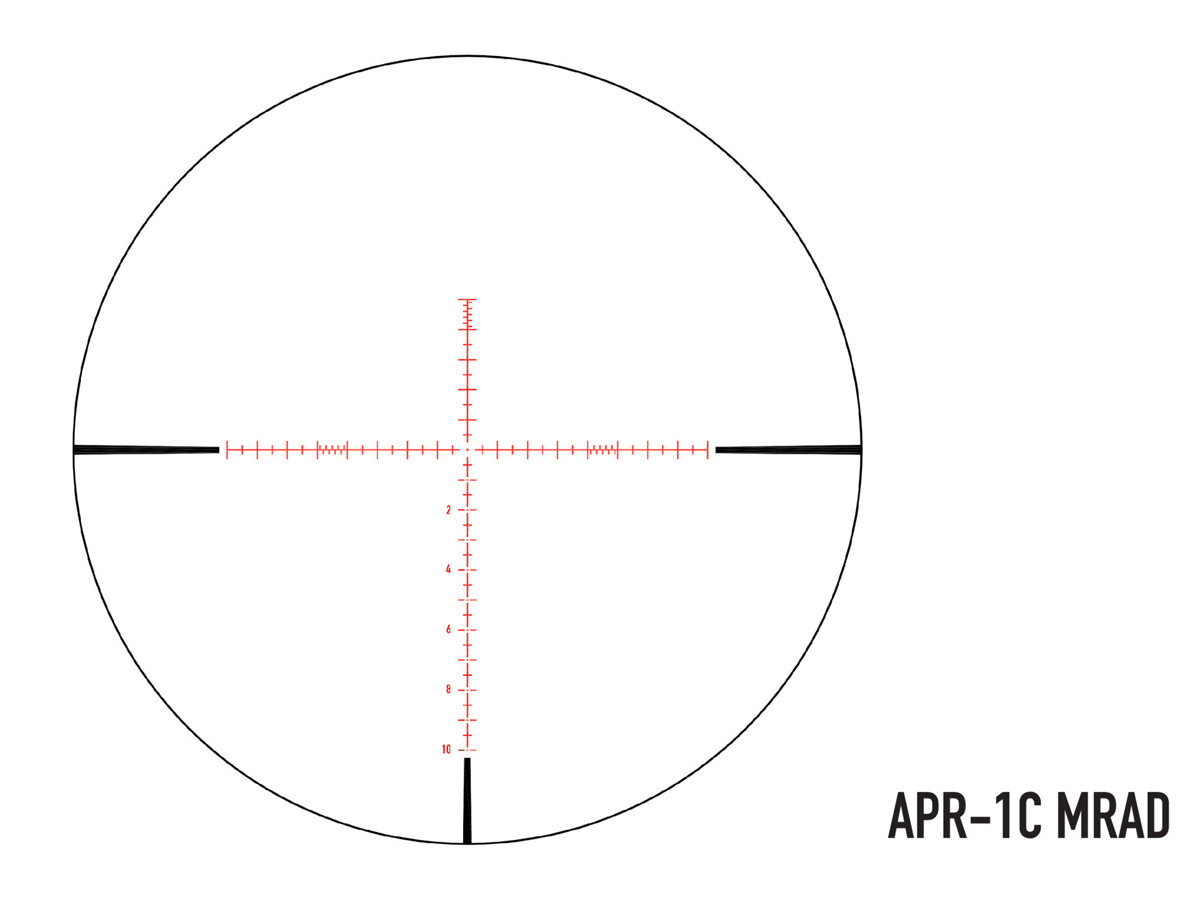
A Second Focal Plane, or SFP, configuration has been incorporated into the Element Optics Helix HDLR. With this arrangement, the apparent reticle size is kept consistent while magnification is being adjusted.
Consequently, a familiar reticle appearance can be preserved across the magnification range. For many users, this traditional configuration can provide a comfortable and uncluttered viewing experience.
Furthermore, the combination of SFP operation and broad magnification can provide an appealing balance between simplicity and optical flexibility.
Illuminated Reticle for Changing Light
Reticle visibility can become increasingly important whenever background contrast begins to decrease. Accordingly, illumination has been incorporated into the HDLR configuration.
Through this feature, the reticle can be made easier to distinguish under suitable low-light or complex-background conditions. Therefore, visual confidence can be supported when a conventional dark reticle might otherwise become less prominent.
Importantly, illumination is presented by Element Optics as one of the characteristics that differentiates the HDLR within the HELIX family.
50mm Objective for Balanced Light Gathering
A 50mm objective lens has been paired with the broad magnification range. Consequently, a strong balance between physical dimensions and optical performance can be achieved.
More importantly, useful image brightness can be supported as available light passes through the optical system. Combined with HD glass, the objective size contributes to an optical package intended to produce a detailed, comfortable sight picture.
Meanwhile, the scope’s overall configuration remains versatile enough for users who prefer one optic to cover several roles.
Built for Practical Everyday Operation
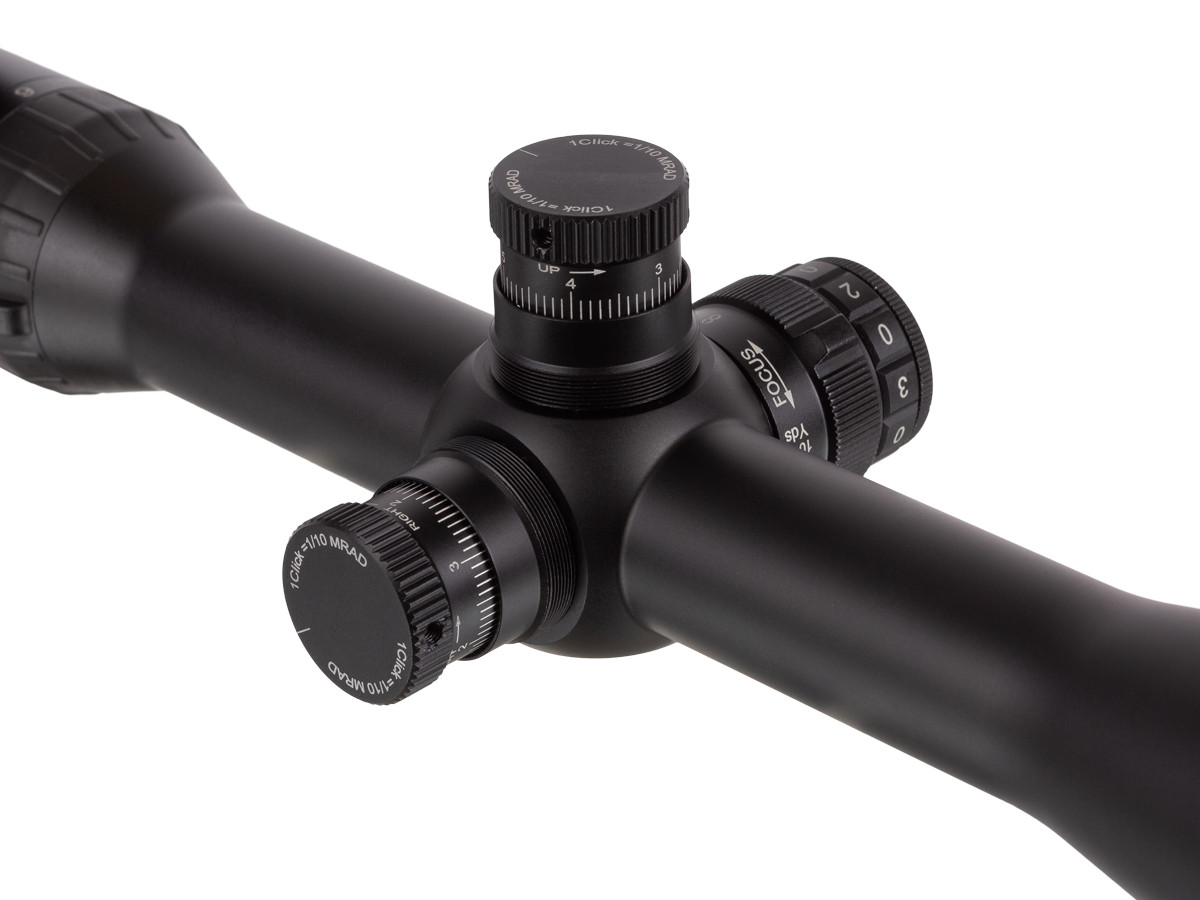
Beyond optical specifications, real-world usability has also been considered. Controls are positioned so that essential adjustments can be accessed when required, while the overall design remains focused on straightforward operation.
As conditions change, magnification can be adapted. Likewise, reticle illumination can be selected when additional contrast is useful. Because these functions are integrated into one optical system, equipment management can be simplified considerably.
A Versatile Choice for Different Shooting Environments
One of the strongest advantages offered by the Element Optics Helix HDLR 2-16×50 SFP is its adaptability.
For shorter viewing distances, the lower magnification range can be selected. Conversely, greater magnification can be applied when additional detail is needed at extended distances.
As a result, the riflescope can be considered by users who value flexibility rather than an optic optimized exclusively for either low or high magnification.
Additionally, the illuminated reticle can become beneficial as lighting or background contrast changes, while HD glass supports the detailed image quality expected from a premium modern optic.
Premium Optical Performance Without Unnecessary Complexity
Sophisticated optical performance does not always need to be accompanied by complicated operation. Accordingly, the Element Optics Helix HDLR 2-16×50 SFP has been positioned around practical features that can deliver meaningful benefits during regular use.
Clear glass has been combined with useful magnification flexibility. Similarly, illumination has been integrated without sacrificing the familiar SFP viewing format.
Therefore, an approachable yet capable riflescope can be obtained by users who want premium functionality while still valuing straightforward operation.
Who Is the Element Optics Helix HDLR 2-16×50 SFP Designed For?
This model can be considered by experienced enthusiasts as well as users upgrading from a more basic optical platform. Because a wide magnification range is provided, different preferences and viewing situations can be accommodated.
It can be especially attractive when the following qualities are being prioritized:
- Optical clarity
- Magnification versatility
- Illuminated reticle visibility
- Second focal plane simplicity
- HD glass performance
- A substantial 50mm objective
- Flexible everyday operation
- Premium build quality
Rather than being selected solely because of one headline feature, the scope can be appreciated for the way its individual characteristics have been combined into a balanced package.
Upgrade Your Optics with the Element Optics Helix HDLR 2-16×50 SFP
When clear glass, broad magnification, dependable reticle visibility, and versatile optical performance are being sought, the Element Optics Helix HDLR 2-16×50 SFP presents a compelling solution.
From the expansive 2-16x magnification range to its HD optical system and illuminated SFP reticle, each major feature has been incorporated to create a more adaptable viewing experience. Consequently, changing distances and environmental conditions can be approached with greater flexibility.
Most importantly, premium functionality has been delivered without making the optic unnecessarily complicated. Therefore, the Element Optics Helix HDLR 2-16×50 SFP can serve as an excellent choice for users who want refined optical quality, practical operation, and the flexibility of a modern high-performance riflescope.
For anyone comparing versatile premium optics within the HELIX family, the Element Optics Helix HDLR 2-16×50 SFP deserves serious consideration as a well-rounded combination of HD clarity, illumination, magnification range, and user-focused design.
Frequently Asked Questions About the Element Optics Helix HDLR 2-16×50 SFP
1. What is the Element Optics Helix HDLR 2-16×50 SFP?
The Element Optics Helix HDLR 2-16×50 SFP is a versatile riflescope designed to combine a broad magnification range, high-definition optical glass, an illuminated reticle, and a second focal plane configuration. Because magnification can be adjusted from 2x up to 16x, the optic can be adapted to a variety of viewing distances and shooting environments.
In addition, the 50mm objective lens supports strong light transmission while providing a detailed sight picture. The HD optical system is intended to improve clarity, contrast, and target definition. As a result, the scope provides a practical balance between wide-field viewing at lower magnification and detailed observation at higher magnification.
Its overall configuration makes it appealing to users looking for one optic that can perform across multiple situations rather than requiring several specialized scopes.
2. What does the 2-16×50 specification mean?
The numbers describe the scope’s magnification range and objective lens diameter.
The 2-16x portion means that magnification can be adjusted from two times normal vision up to sixteen times magnification. At the lower 2x setting, a wider field of view can generally be maintained. Conversely, increasing magnification toward 16x allows smaller or more distant details to appear larger.
The 50 refers to the diameter of the objective lens in millimeters. A 50mm objective provides a useful combination of light-gathering capability and optical performance.
Therefore, the 2-16×50 configuration offers considerable versatility while remaining suitable for users who want a broad zoom range in a single optic.
3. What is HDLR technology on this scope?
The HDLR designation identifies a configuration built around enhanced optical performance and reticle illumination. High-definition glass is used to provide improved clarity, contrast, and visual definition.
Furthermore, an illuminated reticle is incorporated to improve reticle visibility against darker, shaded, or visually complicated backgrounds.
Because both optical clarity and reticle visibility influence how comfortably a sight picture can be interpreted, these features work together to create a more refined viewing experience.
The HDLR version is therefore particularly attractive to users who prioritize image quality while also wanting illumination available when environmental conditions change.
4. Is the Element Optics Helix HDLR 2-16×50 SFP a first or second focal plane scope?
This model uses a Second Focal Plane, commonly abbreviated as SFP, reticle system.
With an SFP design, the apparent size of the reticle remains unchanged as magnification is increased or decreased. Consequently, the reticle maintains a consistent visual appearance throughout the zoom range.
Many users appreciate this because the reticle does not become visually larger at high magnification or smaller at low magnification.
However, reticle subtensions on an SFP scope generally correspond precisely to their intended measurement value at a specified magnification. Therefore, users should become familiar with the reticle documentation and recommended magnification setting when using measurement-based reticle features.
5. What are the advantages of a Second Focal Plane reticle?
An SFP reticle offers several practical benefits. Most noticeably, the reticle maintains the same apparent thickness as magnification changes.
At lower magnification, the reticle remains easy to see instead of becoming extremely small. Similarly, at higher magnification, it does not expand and cover an unnecessarily large portion of the sight picture.
Because of this consistent appearance, an SFP optic can feel intuitive and familiar to many users.
Furthermore, users who primarily rely on the center aiming point rather than continuously using reticle subtensions may prefer the simplicity associated with second focal plane optics.
6. Does the scope have an illuminated reticle?
Yes. Reticle illumination is incorporated into the Helix HDLR configuration.
Illumination can improve the visibility of the reticle when contrast between the reticle and the background is reduced. For example, a dark reticle can sometimes become more difficult to distinguish against shaded terrain or visually complex backgrounds.
When illumination is activated at an appropriate level, the aiming reference can become easier to identify.
Nevertheless, illumination should be adjusted carefully. Excessive brightness can create unwanted glare or overpower finer reticle details. Therefore, the lowest comfortable illumination level is often preferred.
7. Why is a 50mm objective lens useful?
A 50mm objective lens provides a substantial entrance aperture for incoming light. Consequently, a bright and detailed image can be supported, particularly when appropriate magnification settings are selected.
The larger objective can also contribute to a more comfortable viewing experience because more available light can be transferred through the optical system.
However, objective diameter alone does not determine image quality. Glass quality, coatings, internal construction, exit pupil, and environmental conditions also influence perceived brightness and clarity.
In this optic, the 50mm objective is paired with HD glass, creating a balanced configuration intended to provide strong optical performance without requiring an excessively oversized objective.
8. How clear is the image through the scope?
High-definition glass has been incorporated specifically to improve optical performance. As a result, fine details can be presented with greater definition compared with basic optical systems.
Contrast is also important because an image may technically appear sharp while still lacking separation between similarly colored objects. Better-quality optical glass can help produce stronger differentiation between details.
Furthermore, color reproduction and edge-to-edge clarity contribute to overall visual comfort.
Actual perceived image quality can vary according to magnification, lighting, atmospheric conditions, eye position, and individual eyesight. Nevertheless, HD glass provides a strong foundation for a clean and refined sight picture.
9. Is the 2-16x magnification range versatile?
Yes. The broad 2-16x zoom range is one of the key advantages of this configuration.
At 2x, a relatively wide field of view can be maintained, making the scope easier to use when a broader visual perspective is preferred. Meanwhile, medium magnification settings can provide a useful balance between field of view and target detail.
When additional detail is required, magnification can be increased toward 16x.
Therefore, the user is not restricted to a narrow magnification range. Instead, the scope can be adjusted according to distance, target size, viewing conditions, and personal preference.
10. Is the scope suitable for beginners?
It can be a suitable option for beginners who are willing to learn basic riflescope setup and adjustment.
The second focal plane design can be particularly approachable because the reticle maintains a consistent visual size as magnification changes. Moreover, the broad zoom range allows new users to experiment with different magnification levels and learn what works best for various viewing situations.
However, correct mounting, eye relief, focus adjustment, zeroing, and turret operation should still be understood.
Beginners should also read the manufacturer’s manual before making adjustments. Doing so can prevent unnecessary confusion while helping the user understand the scope’s controls and reticle system.
11. Is it suitable for experienced shooters?
Experienced users may appreciate the scope because of its combination of HD glass, illumination, broad magnification, and SFP reticle configuration.
Rather than concentrating on only one feature, the design balances several practical characteristics. Therefore, experienced users who prefer traditional second focal plane operation while still wanting modern optical performance may find the configuration appealing.
Additionally, the 2-16x magnification range provides considerable flexibility when different viewing distances are encountered.
12. How should the magnification be adjusted?
Magnification should be selected according to the amount of detail and field of view required.
Lower magnification generally provides a wider visual area, which can make locating and following an object easier. As magnification increases, the visible field becomes narrower while the apparent size of distant details increases.
For that reason, starting at a lower setting is often practical. After the desired subject has been located, magnification can then be increased gradually.
Using maximum magnification continuously is not always necessary. Instead, selecting only the amount of magnification required can provide a more comfortable viewing experience.
13. Does higher magnification always provide a better image?
Not necessarily.
Although higher magnification enlarges distant details, it also magnifies visible movement, atmospheric distortion, and minor imperfections in viewing conditions.
Furthermore, maximum magnification usually produces a narrower field of view and a smaller exit pupil.
Therefore, image quality should not be judged entirely by how much magnification is being used. In many situations, a medium magnification level can provide a brighter, steadier, and more comfortable view.
The broad zoom range allows users to select the setting that works best for their particular situation.
14. Can the illuminated reticle be used during daylight?
Yes, depending on the illumination level and available ambient light.
Reticle illumination is not limited exclusively to darkness. It may also improve contrast when the reticle is positioned against shaded areas, dark vegetation, or visually complicated backgrounds.
However, extremely bright daylight may reduce the apparent effect of lower illumination settings.
Users should choose a brightness level that keeps the reticle clearly visible without creating unnecessary glare.
15. How should the scope be focused correctly?
Proper focusing is important for achieving a comfortable sight picture.
First, the ocular focus should generally be adjusted so that the reticle appears sharp immediately when viewed. Staring at the reticle for too long during this adjustment should be avoided because the eye may compensate for incorrect focus.
Afterward, parallax or target-focus adjustments can be used according to the manufacturer’s recommended procedure.
Correct focus becomes especially important at higher magnification because small focusing errors become more noticeable.
16. Why is proper eye relief important?
Eye relief refers to the distance between the user’s eye and the rear lens at which a full sight picture can be seen.
Correct eye relief helps provide a complete image while minimizing dark shadows around the edges of the view. Furthermore, maintaining suitable spacing between the optic and the face contributes to safe and comfortable operation.
During installation, the scope should therefore be positioned while the user is in a natural shooting posture.
The optic should not be positioned merely according to how it looks on the mounting system. Instead, comfort, alignment, and repeatable head position should determine placement.
17. What should be considered when mounting the scope?
A compatible mounting system should be selected according to the firearm, rail configuration, scope tube specifications, and manufacturer recommendations.
The rings should provide sufficient clearance for the objective lens without forcing the scope unnecessarily high above the bore.
Additionally, the reticle should be leveled carefully.
Mounting screws should be tightened according to the manufacturer’s recommended torque specifications. Excessive torque can potentially damage components, while insufficient torque can allow unwanted movement.
When uncertainty exists, installation by a qualified professional may be preferable.
18. How should the lenses be cleaned?
Dust and loose particles should first be removed gently using suitable optical cleaning equipment.
After loose debris has been cleared, a dedicated lens-cleaning solution and clean microfiber cloth can be used when required.
The lens surface should not be rubbed aggressively, particularly when dirt or abrasive particles are present. Otherwise, optical coatings may be damaged.
Household cleaners, rough fabrics, paper towels, and abrasive materials should generally be avoided.
Protective lens caps can also help reduce contamination during transport and storage.
19. How should the scope be stored?
The optic should be stored in a clean, dry environment away from excessive moisture and extreme temperature fluctuations whenever possible.
After exposure to rain or moisture, the exterior should be dried before long-term storage.
Lens caps can be installed once the optic has dried completely.
If the illuminated reticle will not be used for an extended period, checking the manufacturer’s battery-storage recommendations is also advisable.
Proper storage helps preserve optical surfaces, adjustment mechanisms, and exterior finishes.
20. Why choose the Element Optics Helix HDLR 2-16×50 SFP?
The strongest reason to consider this model is its balance of versatility and optical performance.
A broad 2-16x magnification range is provided, while a 50mm objective supports useful light transmission. High-definition glass helps deliver clear visual detail, whereas the illuminated reticle provides additional visibility when contrast conditions become challenging.
Furthermore, the SFP configuration maintains a consistent reticle appearance as magnification changes.
Together, these characteristics create a riflescope suited to users who value flexibility, straightforward operation, quality optics, and a refined viewing experience within one well-rounded platform.
Athlon Optics Scopes, Prismatic Sights, Red Dot Systems, Thermal Optics, and Precision Observation Equipment
Athlon Optics has become recognized among hunters, competitive shooters, outdoor enthusiasts, and precision rifle users because of its wide selection of optical systems designed for different shooting and observation needs. From compact aiming solutions to advanced long-range rifle scopes and high-definition spotting systems, Athlon products cover multiple categories, including prism optics, red dot sights, thermal scopes, DMR optics, and professional observation equipment.
Understanding what is a prismatic scope helps shooters choose the right optic for their firearm setup. A prismatic scope uses a glass prism system instead of a traditional series of lenses to create a compact optical design with improved image clarity and a permanently etched reticle. Unlike standard red dots, a prismatic scope provides magnification options while maintaining fast target acquisition. Many shooters prefer prism sights because they combine the speed of a red dot with the precision of a traditional scope.
A prismatic red dot and prism red dots are popular alternatives for users who want a rugged optic with enhanced clarity. These systems are especially useful for close-range shooting, tactical applications, and compact rifles. A prism red dot for pistol provides a durable aiming solution for handgun platforms, offering a sharp aiming point without relying only on projected illumination. The Athlon Midas Beam Red Dot represents this category by delivering a compact optic design suitable for fast target engagement.
For users searching for a lightweight aiming solution, a 1x scope offers maximum speed while maintaining optical clarity. Modern prism optics provide excellent eye relief, etched reticles, and dependable performance in demanding environments. Athlon continues expanding its lineup with advanced solutions such as the Athlon Midas Beam Red Dot, designed for shooters requiring a reliable optic red dot, red dot optics for pistols, and compact aiming technology.
Athlon Cronus ATS Thermal Scope Technology
Thermal observation has become an important tool for hunters, wildlife observers, and professionals operating in low-light conditions. The Cronus ATS Thermal Scope series provides advanced thermal imaging capabilities with high-resolution sensors and durable construction.
The Cronus ATS Pro 35P 400 Thermal Scope and Cronus ATS Pro 35P-400 Thermal Scope are designed for users needing compact thermal performance with accurate target identification. For extended detection capability, the Cronus ATS Pro 50L-640 Thermal Scope, Athlon Cronus ATS 50 640, and Athlon 50L-640 models provide higher-resolution thermal imaging for demanding applications.
The Athlon Cronus ATS Pro family combines thermal sensitivity, detailed imaging, and practical field usability. These systems are designed for professionals who require dependable performance during nighttime observation, hunting, and outdoor exploration.
Athlon Ares ETR and Argos BTR Precision Rifle Scopes
Athlon precision rifle scopes are engineered for shooters who demand accuracy, durability, and advanced reticle technology. The Ares ETR 3-18×50, also written as Ares ETR 3 18×50, provides a versatile magnification range suitable for tactical shooting, hunting, and precision competitions.
The Athlon Argos BTR Gen3 6-24×50 and Athlon Argos BTR Gen2 6-24×50 Review models are frequently considered by shooters looking for affordable long-range capability. The Athlon Argos BTR Gen2 series delivers features commonly found in higher-priced optics, making it a popular choice among enthusiasts searching for an Athlon scope review, Athlon rifle scopes reviews, and information about are Athlon scopes any good.mides a5
For medium-to-long range applications, options such as the 2.5-15 scope, 2.5.15, 2.5 15, 2.5/15, and 15 x 2.5 configurations provide flexible magnification ranges. These scopes are ideal for hunting rifles, designated marksman setups, and general-purpose precision shooting.athlon argos 20 60×85 hd
The Athlon ETR lineup includes powerful options such as the Ares ETR 4.5-30×56, also searched as Ares ETR 4.5 30×56, Athlon 4.5-30×56, 4.5/30, 4.5 30, 4.5 x 30, 4.5×30, and 30 56. These scopes provide extended magnification for shooters requiring detailed target observation at longer distances.
Athlon Spotting Scopes and High Definition Observation Systems
Athlon spotting scopes are built for long-range viewing, wildlife observation, and precision shooting applications. The Athlon Argos 20-60×85 HD is a popular high-power spotting scope designed to deliver bright images and detailed viewing.
The Athlon Optics Argos HD 20-60×85 Spotting Scope, Athlon Argos HD 20-60×85, and Athlon Argos HD Spotting Scope provide powerful magnification ranges suitable for range spotting and outdoor observation. Users searching for a spotting scope with tripod, best tripod for a spotting scope, or a good tripod for spotting often consider stable mounting solutions essential for maximizing optical performance.anton telescope
The Athlon Ares G2 UHD Spotting Scope and Athlon Ares G2 UHD 20-60×85 deliver premium optical quality with UHD glass technology. The Athlon Ares Spotting Scope, Athlon Ares G2 UHD 20 60×85, and Athlon Ares 15-45×65 UHD Review models provide excellent versatility for birdwatching, target shooting, and nature observation.
The 45×65, 65/45, 45/65, 15:45, 15/.45, and 45-65 magnification formats represent spotting scope configurations designed for users requiring flexible zoom capability.
Other popular Athlon observation products include the Athlon Cronus G2 Spotting Scope, Athlon Talos Spotting Scope Review, Talos Spotting Scope, and advanced outdoor viewing systems from Athlon Outdoors.
Athlon Midas UHD Binoculars and Outdoor Optics
Athlon binoculars are designed for hunters, birdwatchers, and outdoor explorers who need lightweight performance and excellent image quality. The Athlon Optics Midas ED series uses advanced glass technology to improve color accuracy and image detail.
The Athlon Optics 8×42 Midas UHD, Athlon Optics 8×42 Midas, Athlon Midas 8×42, and Athlon Midas 8×42 Review searches are commonly associated with one of the company’s most recognized binocular designs. The 8:42, 8 x 42, 8×42, and 8x 42 configurations provide a balanced field of view and magnification, making them a strong choice for users searching for the best 8×42 binoculars for birding.
Athlon Reticles and DMR Shooting Optics
Reticle technology plays an important role in precision shooting. Athlon reticles are designed to provide accurate aiming references for elevation adjustments, wind compensation, and long-range shooting calculations.35cl.4 5 30.red dot for m
A DMR optic, DMR scope, or DMR scopes setup is commonly used by designated marksmen who need a balance between speed and precision. Athlon optics designed for these applications offer clear glass, practical magnification ranges, and tactical reticle designs.
Red Dot Optics and Pistol Shooting Solutions
Modern shooters increasingly use compact electronic sights for rapid target acquisition. Products and categories such as red dot Layton, Midas A5, red dot laser for pistol, MRDS sight, MRDS optic, pistol reddot, pistol red dot, pistol red dot optics, and low profile red dot represent the growing demand for compact aiming solutions.athlon ares 15 45×65 uhd review
The LP-1 red dot, canted red dot, and Athlon Midas Beam Red Dot are examples of optic styles designed for users who want fast aiming capability while maintaining reliability. Whether mounted as a primary sight or secondary offset optic, these systems provide flexibility for modern shooting platforms.athlon ares btr
Athlon Optics Brand Information and Reviews
Many customers research topics such as where are Athlon optics made, Athlon scopes for sale, Athalon scopes, Athens scope, optic al, Athlon optics review, and Athlon scope review before purchasing. Athlon has developed a reputation for producing feature-rich optics that compete in multiple price categories.spotting scope reticle.athlon optics argos hd 20 60×85 spotting scope
From hunting scopes and tactical optics to thermal systems, binoculars, and spotting scopes, Athlon products continue attracting users who want dependable optical performance without unnecessary complexity. Models such as the 10 Point Titan M1 Specs, advanced rifle scopes, thermal systems, and compact red dot platforms demonstrate the company’s broad approach to modern optical technology.athlon scopes review.msr 1
Practical Use Scenarios for the Element Optics Helix HDLR 2-16×50 SFP
A versatile riflescope becomes most valuable when changing conditions demand more than one level of magnification, brightness, or visual detail. Rather than being limited to a single type of sporting environment, the Element Optics Helix HDLR 2-16×50 SFP can be appreciated across a wide range of lawful recreational and target-shooting situations. Its broad magnification range, high-definition glass, illuminated reticle, and second focal plane configuration are combined to create a flexible optical platform for users who value both clarity and straightforward operation.
The following practical examples demonstrate how this combination of features can support different sporting, range, and outdoor viewing scenarios without forcing the user to switch between several specialized optics.
Practical Scenario 1: A Morning at the Target Range
Imagine arriving at an outdoor shooting range early in the morning. Light levels are still relatively soft, targets are positioned at different distances, and environmental conditions may continue changing as the day progresses.
At the beginning of the session, a lower magnification setting can be selected to provide a broader visual perspective. This allows the target area to be observed comfortably without immediately relying on maximum magnification.
As greater visual detail becomes necessary, magnification can gradually be increased. Consequently, the user can adapt the sight picture according to the target distance and size instead of being restricted to one fixed level of magnification.
The 50mm objective also contributes to a bright and comfortable viewing experience. During early daylight, when illumination levels may still be moderate, the optical system can help maintain useful image definition.
Meanwhile, the HD glass allows finer visual details to be recognized more easily. Target markings, contrast changes, and surrounding visual references can therefore appear more clearly.
For users who spend several hours practicing at the range, this versatility can become especially valuable because one optic can remain useful throughout multiple stages of the session.
Practical Scenario 2: Moving Between Short and Longer Range Targets
A mixed-distance target session provides another situation where a broad 2-16x magnification range can be useful.
Suppose several sporting targets have been positioned at different approved distances. Some are relatively close, whereas others require greater visual magnification.
At the lower end of the zoom range, a wider viewing area can be maintained. Therefore, closer targets can be located and viewed without an excessively narrow field.
Once attention shifts toward more distant targets, additional magnification can be selected.
Instead of replacing the optic or significantly changing the equipment setup, the user can simply adjust magnification to match the viewing requirement.
This flexibility is one of the principal advantages of a variable-power optic.
Furthermore, because the reticle is positioned in the second focal plane, its apparent size remains visually consistent while magnification changes. Consequently, users who prefer a stable-looking reticle can enjoy a familiar sight picture throughout the session.
Practical Scenario 3: Outdoor Sporting Use Under Changing Light
Outdoor conditions can change rapidly.
A session that begins under clear skies can later be affected by cloud cover, shade, changing sun angles, or darker backgrounds. Consequently, an optic that performs well only under ideal lighting can become less comfortable to use as conditions evolve.
The illuminated reticle provides an additional option when visual contrast becomes reduced.
For example, if a conventional dark reticle becomes difficult to distinguish against a shaded background, an appropriate illumination setting can improve reticle visibility.
Importantly, illumination does not necessarily need to be used continuously. During bright conditions, the conventional reticle may provide sufficient contrast. However, when conditions become more challenging, illumination can be activated as needed.
This ability to adapt helps create a more flexible viewing system.
The HD optical glass further contributes by supporting contrast and image definition. Therefore, objects and surrounding details can remain easier to distinguish when lighting is less than perfect.



Reviews
There are no reviews yet.