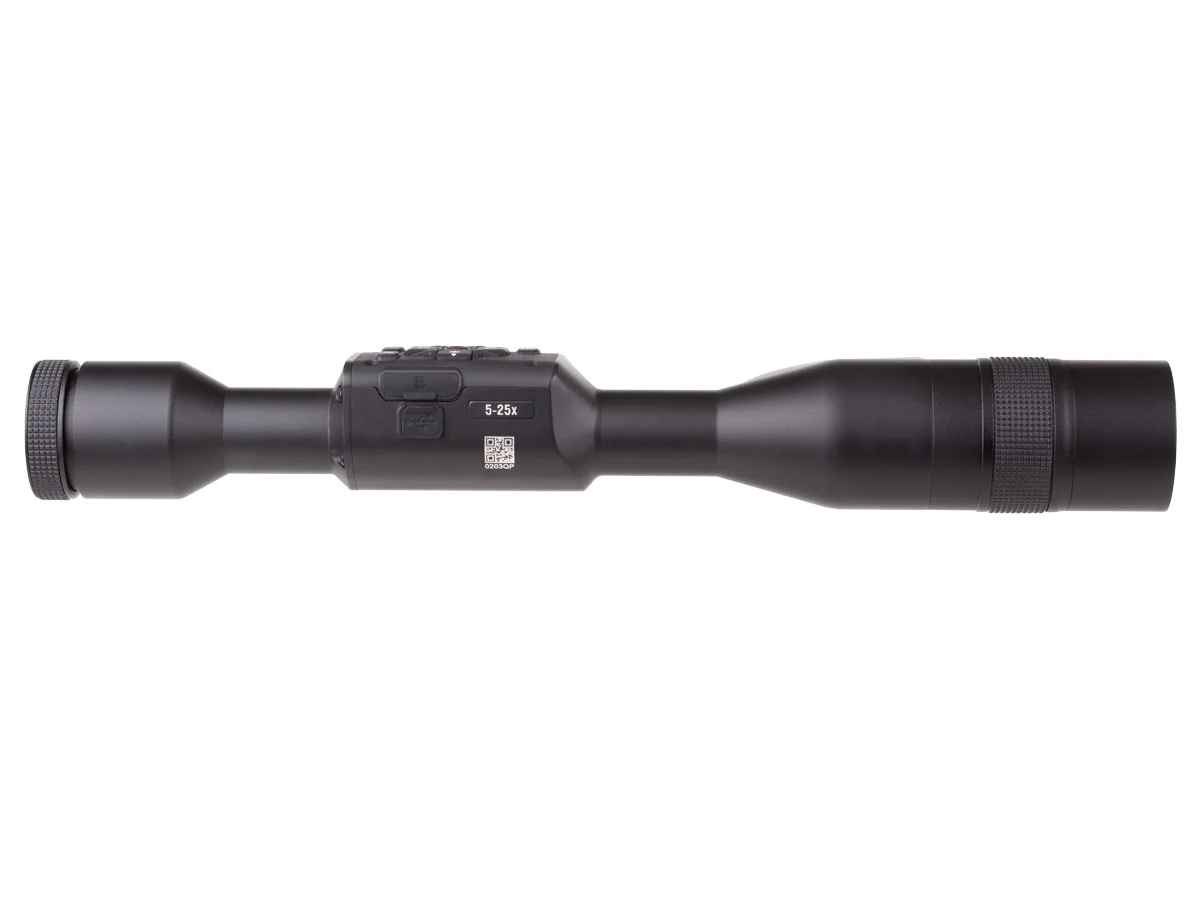
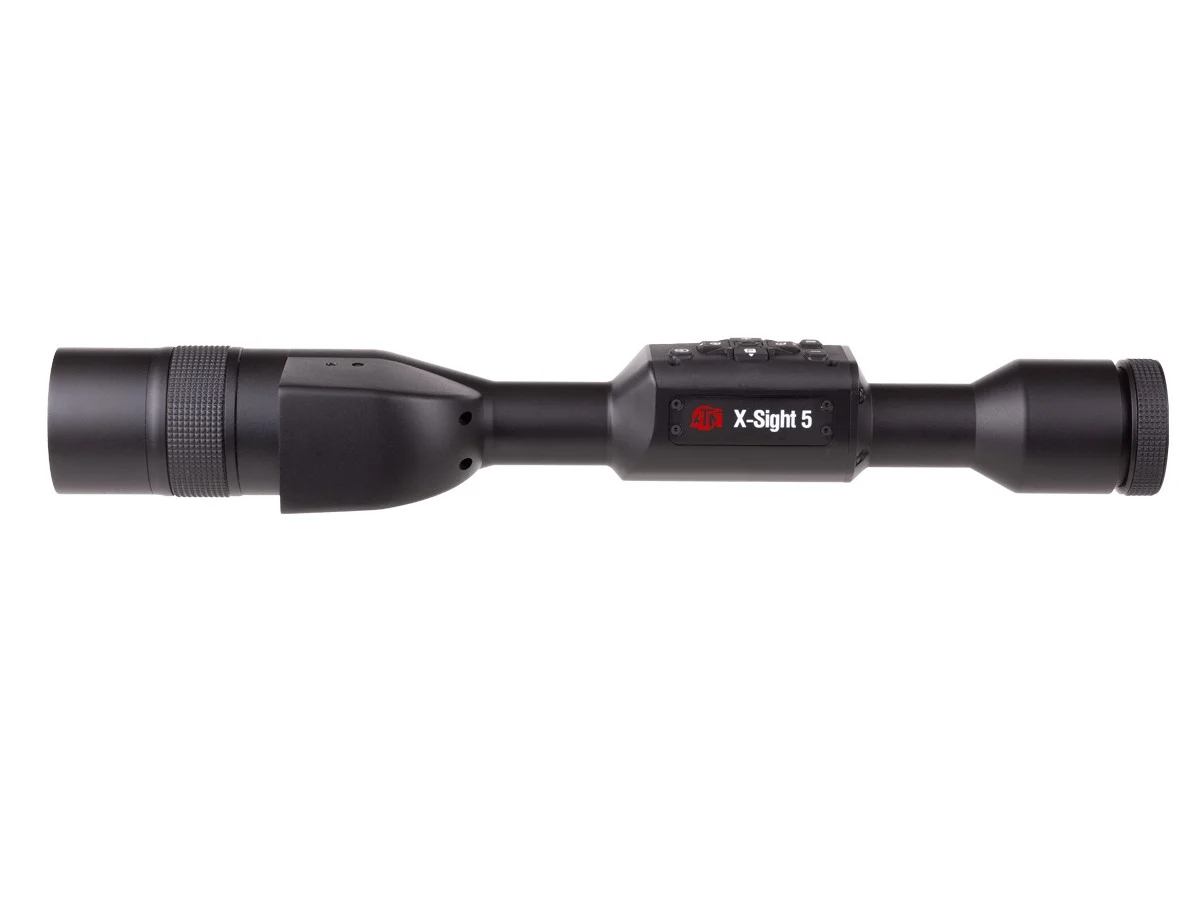
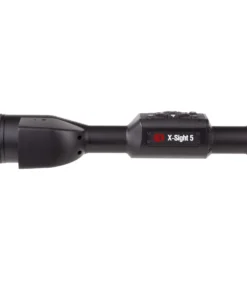
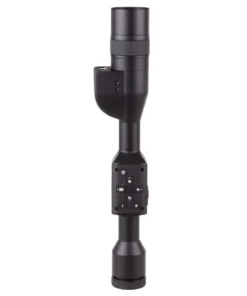
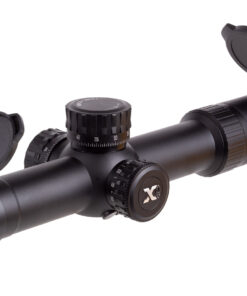
ATN X-Sight 5 LRF Smart Day/Night Hunting Rifle Scope
Advanced digital observation technology has been integrated into the ATN X-Sight 5 LRF Smart Day/Night Hunting Rifle Scope to provide clear imaging, intelligent ranging, versatile day/night viewing, and convenient recording capabilities. Designed for users who want modern optics combined with familiar scope ergonomics, this innovative platform can be used across changing light conditions without requiring separate daytime and night-vision devices.
At the center of the system, an advanced 4K+ sensor has been incorporated to deliver detailed digital imagery. Meanwhile, a high-resolution internal display has been provided so environmental details can be viewed comfortably through the optic. Day and night modes have also been integrated, allowing visibility to be maintained as lighting conditions change.
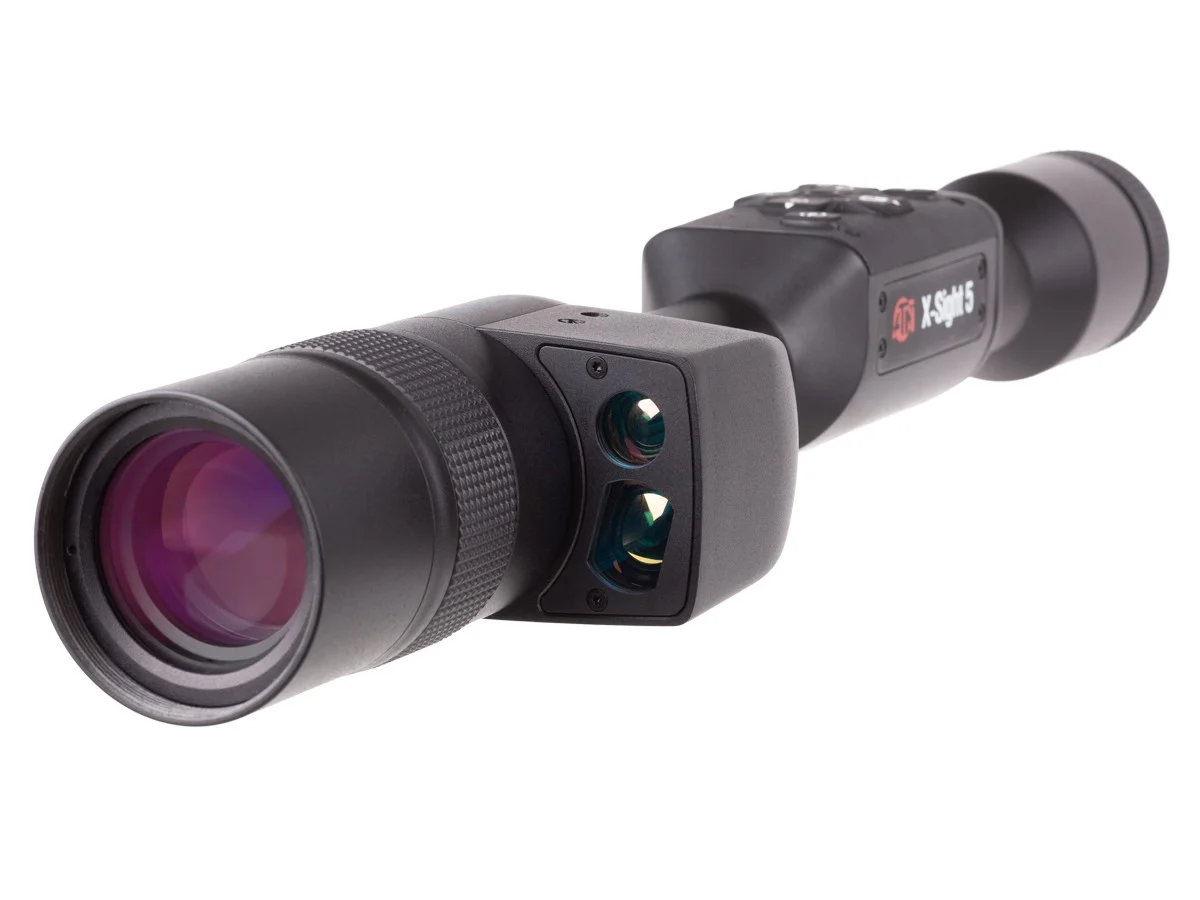
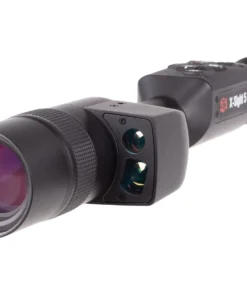
Furthermore, ranging technology has been incorporated directly into the LRF configuration. Because distance information can be obtained through the optic, separate handheld ranging equipment may be required less frequently. Consequently, equipment management can be simplified while useful information can be kept within the viewing system.
Advanced 4K+ Day and Night Imaging
Exceptional image processing has been placed at the heart of the ATN X-Sight 5 LRF Smart Day/Night Hunting Rifle Scope. An ATN 4K+ 4056 × 3040 sensor is specified for the X-Sight 5 series, while a 1280 × 960 micro display is used for viewing.
During daylight conditions, detailed digital images can be displayed with strong definition. When darkness arrives, Night Vision Mode can be selected so the same optic can continue being used rather than being replaced.
As a result, greater versatility can be achieved from one optical platform. Equipment changes can be reduced, familiarity with one operating system can be maintained, and observation can be continued throughout changing lighting conditions.
Built-In Laser Rangefinder
Distance estimation can often become an important consideration when evaluating an observed object. Therefore, a built-in laser rangefinder has been incorporated into X-Sight 5 LRF models.
Once a distance has been measured, range information can be supplied through the smart optical system. The LRF functionality can also work with the scope’s ballistic-calculation features.
Because multiple functions have been combined into a single platform, unnecessary movement between separate electronic devices can be reduced. Moreover, equipment carried into the field can potentially be simplified.
Smart Features Designed Around Modern Optics
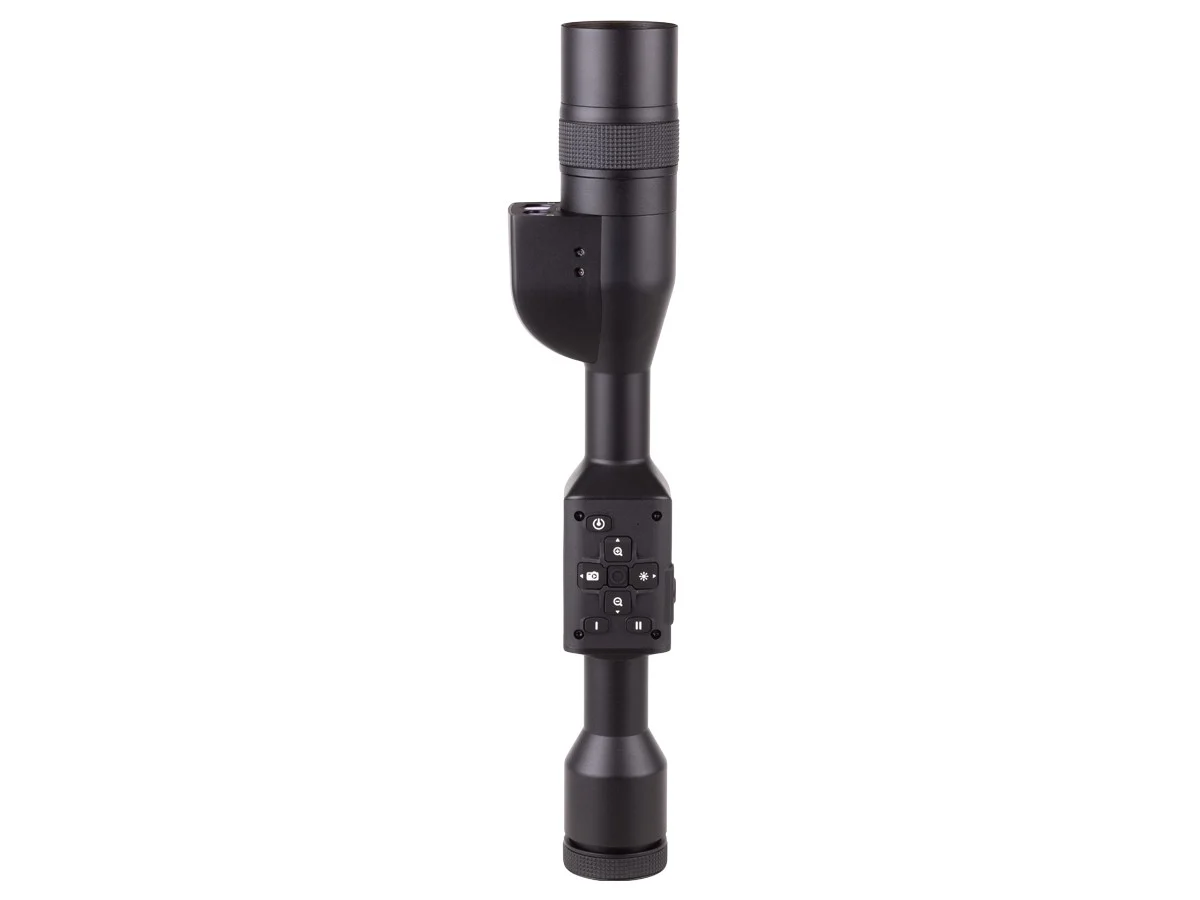
Much more than digital magnification has been provided by the X-Sight 5 platform. Instead, numerous intelligent features have been integrated to make configuration, viewing, recording, and information management more convenient.
Highlighted Features
- Advanced ATN 4K+ digital imaging sensor
- Integrated laser rangefinder on LRF models
- Dedicated daytime and night-vision operating modes
- Built-in ballistic calculator
- Ultra HD 4K video recording capability
- Recoil Activated Video technology
- Slow-motion recording support
- Dual-stream video functionality
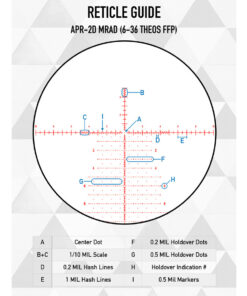
- Customizable reticle options
- Reticle Editor compatibility
- Smooth digital zoom
- Electronic compass
- Integrated Wi-Fi connectivity
- 3D gyroscope and accelerometer
- Multiple profile-management capabilities
- Comfortable 90 mm eye relief
- Long rechargeable battery operation
- Standard 30 mm mounting configuration
These capabilities are listed by ATN across its X-Sight 5 series documentation.
Capture Experiences in Ultra HD 4K
Important outdoor experiences do not always need to remain only as memories. Instead, footage can be captured directly through the optic.
Ultra HD 4K recording has been supported by the X-Sight 5 platform, while several frame-rate options have been incorporated. Recoil Activated Video, commonly shortened to RAV, has also been included.
Through this technology, recording can be handled more conveniently while attention is kept on observation and equipment operation.
Additionally, Dual Stream Video functionality has been provided. Therefore, footage can be streamed while video is simultaneously recorded to compatible storage media. This combination can be particularly valuable when experiences need to be reviewed, shared, or archived.
Personalized Viewing Through Custom Reticles
Different users can prefer different visual references. For that reason, multiple reticle patterns and color options have been supported.
Even greater personalization can be achieved through ATN’s Reticle Editor functionality. Custom configurations can be created according to personal viewing preferences and intended applications.
Consequently, the scope does not have to be restricted to a single predetermined viewing interface. Instead, a more individualized digital experience can be created.
Smooth Zoom for Flexible Observation
Magnification changes can be made through the Smooth Zoom system. Depending on the selected X-Sight 5 LRF model, 3-15x or 5-25x magnification is available.
Because these two configurations are offered, an option can be selected according to the required field of view and preferred magnification range.
Meanwhile, conventional scope-style ergonomics have been retained despite the substantial digital technology housed inside the system. Comfortable eye relief has also been provided, with ATN specifying approximately 90 mm across the range.
Intelligent Connectivity and Field Convenience
Wireless connectivity has been incorporated so compatible mobile devices can be integrated with the system. Wi-Fi support is provided for streaming, gallery access, and controls on supported iOS and Android devices.
An electronic compass, 3D gyroscope, and 3D accelerometer have also been incorporated. Therefore, additional environmental and positional information can be supported within the digital platform.
Power efficiency has received similar attention. Up to approximately 14 hours of lithium-ion battery operation is specified by ATN, although actual runtime can vary according to settings, environmental conditions, connectivity, and feature usage.
Designed for a Complete Smart-Optics Experience
Versatility is ultimately where the ATN X-Sight 5 LRF Smart Day/Night Hunting Rifle Scope distinguishes itself. Daytime imaging, night observation, rangefinding, digital magnification, video recording, wireless connectivity, customizable reticles, and smart electronic features have all been brought together within one optical platform.
Instead of several independent devices being managed, multiple functions can be accessed through one familiar system. Furthermore, the combination of advanced imaging and intelligent controls allows modern digital technology to be experienced without completely abandoning traditional scope-style ergonomics.
For users seeking a sophisticated digital optic that can transition between daylight and darkness while providing integrated ranging and recording capabilities, the ATN X-Sight 5 LRF Smart Day/Night Hunting Rifle Scope offers a feature-rich solution built around flexibility, visibility, connectivity, and intelligent field observation.
Element Optics Scopes, Rangefinding Technology, Mounts, and Precision Optic Options
For shooters comparing modern precision optics, element theos has become an important search term, especially for people researching the theos scope and premium long-range configurations such as element theos 6-36, 36×56, and element theos 6 36×56. At the same time, more versatile configurations including element optics 2-10, element 2-10 scope, and element 2 10 scope appeal to users who prefer a wider balance between close-range visibility and higher magnification. Across the broader product family, element helix, element scopes, and related models give buyers several magnification, reticle, and mounting configurations to consider.
When researching an optics-focused scopes website, customers often compare element tactical products with equipment from another optic scope manufacturer. Product searches may also include element prism, titan scope, op element, and helix scope, particularly when comparing compact optics with traditional variable-power designs. Higher magnification options such as element optics 6-24×50 can suit users who prioritize a detailed sight picture and substantial adjustment range.
The premium range also includes the nexus scope, element nexus scopes, and broader nexus scopes category. Searches for nexus tactical equipment frequently lead buyers toward the nexus 4-25×50, while the element titan provides another recognizable alternative. Users comparing a 5-25 scope, 25/56, titan 5, or theos 2-10 generally look closely at optical clarity, turret construction, reticle layout, focal-plane configuration, adjustment tracking, and overall build quality. Consequently, search phrases such as element titan 5 25×56 ffp review and titan25 are commonly associated with buyers researching the Titan platform in greater detail.
Another frequently researched configuration is the element helix 6 24×50, particularly alongside the element nexus gen 2. Although these optics occupy different positions within a product range, potential buyers often compare their specifications before choosing an appropriate design. Reticle selection is equally important, which explains continued interest in rifle scope reticles, while electronic tools such as a ballistic rangefinder can complement a modern optic setup. Some search queries also contain unusual specification formats such as 12×4/2, so checking the manufacturer’s exact specifications remains important before interpreting any numerical value.
Versatile magnification searches commonly include 2-12 scope and 2×12 scope. Meanwhile, terms such as element vision, spectrum element, and even prismatic scale of the elements can appear alongside optics-related searches. A prismatic scope differs structurally from a conventional variable-power riflescope because it uses a prism-based optical system rather than the same internal lens arrangement typically associated with traditional scope designs. Searches for element 3.0 may likewise refer to product generations, technical updates, or model-specific terminology, depending on the context.
Technology-focused users may also investigate element rf and element range products. Within the variable-power category, element theos 2-10 and element theos 2 10 provide alternative search formats for the same general magnification class. Similarly, element 2-10, 10 optic, 2-10 optic, and 2-10x scope describe configurations shoppers may encounter while comparing compact and medium-range optics. Buyers interested in first-focal-plane systems may specifically search for a 2-12 scope ffp, while terms such as fffp 2 can appear as alternate or mistyped search variations.
The Helix family attracts additional attention through searches for helix hd 2 16×50 and hdlr, whereas Titan users frequently research element titan 3 18×50 and element titan 3-18×50. These mid-range magnification configurations can provide a useful compromise between field of view and target detail. The Theos family is also represented by theos 2-10×42 ffp, which combines a practical magnification range with first-focal-plane terminology commonly sought by experienced optics buyers.
Search specifications such as 10×40, .10×40, and 14×50 may describe magnification and objective-lens formats, although exact interpretation should always be checked against official product information. People asking what is a prismatic scope are generally trying to understand how prism optics differ from traditional scope architecture. As with the phrase prismatic scale of the elements, search-engine terminology can occasionally mix scientific and optical expressions, so context matters when evaluating results.
Another product-related term is element hyper 7, together with searches for hqp7-rf-2 specifications details. Users researching newer optical or rangefinding systems may encounter these model codes while comparing technical features, dimensions, mounting options, display systems, or rangefinding capability. The terms element ll and 3×18 can also appear in searches associated with optics or magnification specifications.
For users focused specifically on the 3-18 magnification class, search phrases include 3-18 scopes, 3-18, nightforce 3-18, best 3-18 scopes, and 3×18 scope. Even unusual formatting such as 3:18 may be entered when shoppers are trying to locate comparable models. Regardless of brand, important evaluation factors include image resolution, eye relief, turret repeatability, mechanical reliability, reticle visibility, and low-light performance.
Optical quality also involves controlling distortion and color fringing. Therefore, someone researching chromatic aberration scope performance may be evaluating how effectively a particular optic manages unwanted color separation around high-contrast objects. Better glass, coatings, internal design, and manufacturing tolerances can all influence perceived image quality.
Scope Mounts, Rings, Rangefinders, and Accessory Compatibility
A precision optic also depends on a reliable mounting system. Searches for element mount, dovetail scope mount, and dovetail rings usually reflect the need to match an optic to the appropriate rail or receiver interface. Correct ring diameter, mounting height, rail type, and clearance should always be verified against the optic and platform specifications before purchase.
Electronic rangefinding accessories have expanded the number of configurations available. A picatinny mounted rangefinder or picatinny range finder can be mounted on compatible rail systems, while a rifle rangefinder provides distance information separately or as part of an integrated setup. Search phrases such as weapon mounted range finder, laser range finder for rifle, and rifle range finder generally refer to compact ranging technology intended to provide distance measurements.
Integrated technology has also increased interest in scopes with rangefinders built in, a rangefinder scope for rifle, and a rangefinding rifle scope. These products can combine optical magnification with electronic distance measurement in a single system. Buyers may encounter abbreviations such as wmlrf, while searches for a weapon mounted ballistic calculator or arken wmlrf usually indicate interest in systems that combine ranging information with additional electronic calculations or data.
Mounting accessories deserve equal attention because stability and alignment influence the overall optic installation. A 34mm diving board mount can provide an accessory mounting surface above or around a compatible optic. Similarly, a 34mm scope mount with diving board combines the primary scope mounting structure with an additional accessory interface. The broader term diving board scope mount is frequently used when researching this style of configuration.
Smaller tube systems may use a 30mm diving board mount, while scope diving board searches often refer to elevated accessory rails designed to position compatible devices above an optic. Traditional mounting searches also include picatinny scope rings, 30mm scope mount picatinny, 30mm picatinny scope rings, and picatinny scope mounts. Matching the correct ring diameter and rail standard is essential because a 30mm tube, 34mm tube, dovetail rail, and Picatinny interface are not interchangeable without the appropriate hardware.
Protection is another important consideration once an optic has been mounted. tenebraex scope caps and tenebraex scope covers can help protect exposed lenses when compatible with the selected optic. A flexible allen neoprene scope cover provides another style of external protection for storage and transport. Users running dovetail systems may instead be comparing 30mm dovetail scope rings with other dovetail scope mounts.
Ultimately, choosing between Element Optics families requires more than comparing magnification numbers alone. Whether researching Theos, Helix, Titan, Nexus, Prism, RF technology, rangefinding equipment, or mounting accessories, buyers should evaluate optical clarity, reticle design, adjustment range, focal-plane configuration, tube diameter, rail compatibility, physical dimensions, protective accessories, and manufacturer specifications. Doing so makes it easier to identify an optic and mounting system that properly matches the intended application while avoiding compatibility problems caused by relying solely on product names or search terminology.
Frequently Asked Questions
What makes this smart optic different from a traditional riflescope?
Unlike a conventional optical scope, this system combines digital imaging with several electronic features inside one platform. Day and night viewing can be selected electronically, while integrated rangefinding, video recording, digital zoom, customizable reticles, wireless connectivity, and ballistic-support functions are also available.
Consequently, several pieces of equipment that might otherwise be carried separately can be combined into one streamlined setup. A traditional scope may still appeal to people who want pure optical simplicity; however, a smart digital optic provides considerably more information and functionality.
Moreover, settings can be customized for different applications. Therefore, users can create a viewing configuration that better matches their preferences rather than being limited to one fixed reticle or conventional optical arrangement.
Can it really be used during both the day and night?
Yes. Dedicated daytime and night-vision modes have been built into the system. During daylight, full-color digital imaging can be viewed through the internal display. Once natural light becomes limited, the night-vision setting can be selected.
Because both modes are contained within the same device, swapping between separate daytime and nighttime optics can often be avoided. This becomes particularly convenient for people who spend extended periods outdoors where lighting conditions may change.
Nevertheless, image quality at night can still be influenced by ambient conditions, distance, atmospheric conditions, and the infrared illumination being used. Proper setup should therefore be completed before relying on the equipment in low-light environments.
What type of image sensor is used?
A high-resolution 4K+ digital sensor has been incorporated into the platform. The sensor provides a resolution of 4056 × 3040 pixels and works alongside the device’s digital processing system.
Greater sensor resolution allows more visual information to be captured. As a result, objects, terrain, vegetation, and surrounding details can be displayed with improved definition compared with older-generation digital systems.
However, digital image quality should always be considered together with magnification, environmental conditions, display resolution, focus adjustment, and available light. Resolution alone does not determine the complete viewing experience.
Is a laser rangefinder built into the scope?
Yes, the LRF configuration includes an integrated laser rangefinder. Distance information can therefore be obtained without requiring a separate handheld rangefinding unit for many situations.
Once activated, the system measures the distance to the selected object and displays the information through the optic. Because ranging takes place through the same viewing platform, the user’s attention can remain concentrated on the scene being observed.
This integrated arrangement also reduces the need to move repeatedly between separate electronic devices. In turn, equipment management can become more straightforward during outdoor use.
How does the built-in ballistic calculator work?
The ballistic calculator is designed to process information entered by the user together with relevant range data. A profile can be configured with information appropriate to the equipment and ammunition being used.
Once accurate data has been supplied, the system can provide digital aiming assistance based on its calculations. Therefore, proper setup remains extremely important. Incorrect ballistic information can produce inaccurate recommendations.
For best results, ammunition characteristics, environmental factors, equipment settings, and actual performance should always be verified independently. Electronic assistance should be treated as a useful tool rather than a substitute for responsible judgment and established safety practices.
Which magnification options are available?
Two primary magnification configurations are available: 3-15x and 5-25x.
The 3-15x version provides a wider field of view at its lower magnification range, making it suitable when broader situational awareness is preferred. Alternatively, the 5-25x configuration provides additional digital magnification for users who value closer observation of more distant details.
Choosing between them should therefore depend on typical viewing distances, preferred field of view, terrain, intended application, and personal comfort.
Higher magnification is not automatically better in every situation. As magnification increases, field of view becomes narrower and small movements may become more noticeable. Therefore, the most appropriate setting should be selected according to actual conditions.
Does digital zoom reduce image quality?
As with virtually every digital imaging system, increasing digital magnification can eventually make image detail appear less natural than it does at lower magnification.
Smooth Zoom technology is provided so magnification can be adjusted progressively rather than being limited to only a few fixed positions. This allows the image size to be changed according to the situation.
For the clearest viewing experience, moderate magnification can often be preferred whenever it provides sufficient detail. Higher magnification can then be introduced when closer inspection is required.
Furthermore, correct focus adjustment should be maintained whenever viewing distance or magnification changes significantly.
Can video be recorded directly through the optic?
Yes. Video-recording functionality has been integrated into the system, including support for high-resolution 4K recording modes.
This feature can be particularly useful for people who enjoy documenting outdoor experiences, reviewing recorded observations, creating educational material, or sharing footage afterward.
Because the camera effectively views through the same digital system as the user, recorded footage represents what has been observed through the optic more directly than footage captured by a completely separate camera.
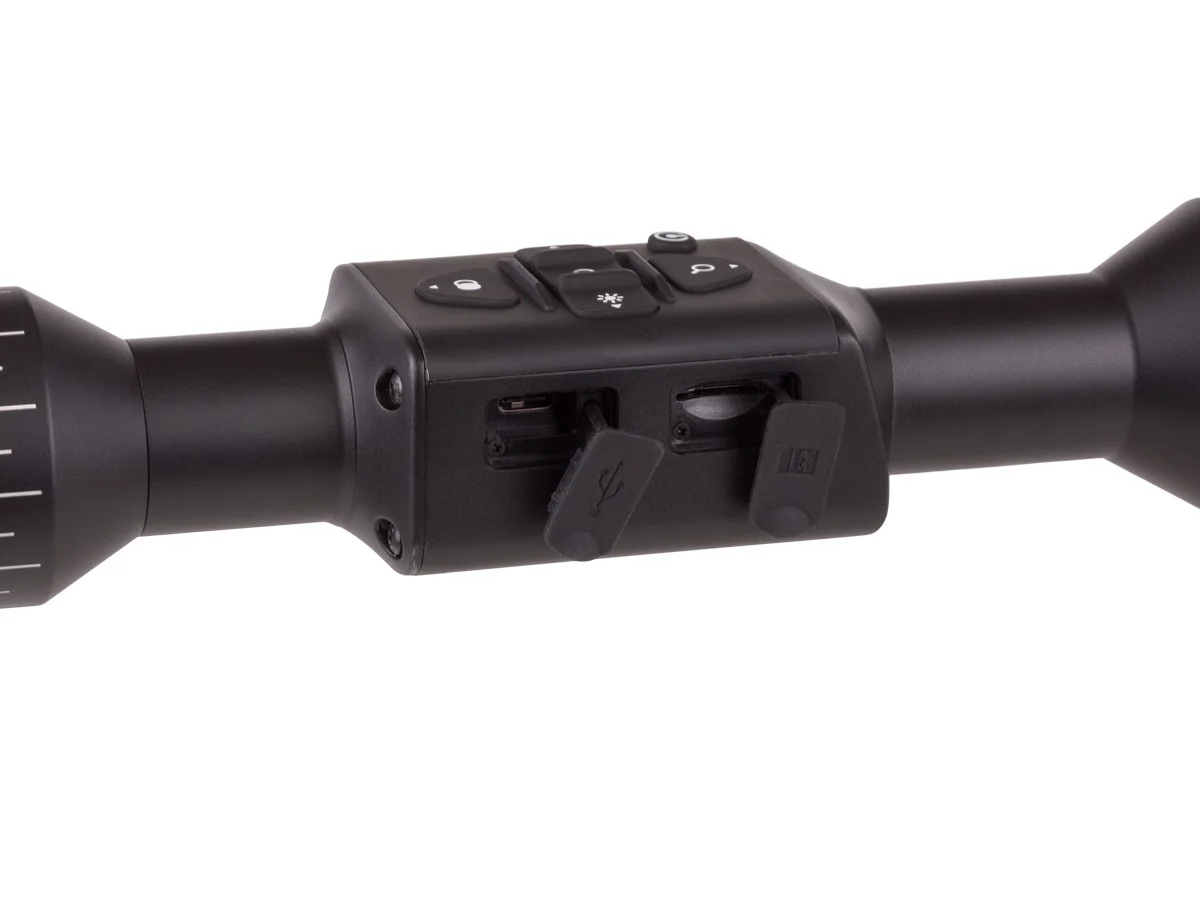
A compatible MicroSD card should be installed when recording is required. Supported storage capacity and speed requirements should be followed carefully to maintain reliable recording performance.
What is Recoil Activated Video?
Recoil Activated Video, often abbreviated as RAV, is designed to simplify recording by allowing footage capture to be associated with detected recoil.
Instead of requiring constant manual interaction with recording controls, the system can help preserve important moments automatically when the feature has been configured correctly.
This may be particularly convenient when maintaining concentration is more important than operating recording menus.
Nevertheless, the feature should be configured and tested beforehand. Users should become familiar with how recorded clips are stored and how much available memory remains on the installed card before beginning extended outdoor sessions.
Can custom reticles be used?
Yes. Multiple reticle patterns and color choices are supported, while custom reticle functionality provides additional personalization.
A reticle can therefore be selected according to visual preference and intended use. Some people may prefer a simple, uncluttered display, whereas others may prefer additional reference markings.
Furthermore, color selection can improve visibility against different backgrounds. A reticle that is highly visible against dark vegetation, for example, may not provide the same contrast against bright open terrain.
Personalization should consequently be completed with readability and simplicity in mind rather than merely adding as much information as possible.
Does it connect to a smartphone?
Wireless connectivity is supported through compatible iOS and Android devices. Wi-Fi functionality can be used for supported streaming, gallery access, and control features.
This connectivity can make captured footage easier to review and manage. In addition, certain settings may be accessed more conveniently through the supporting mobile ecosystem.
Before heading into an area without reliable internet or mobile service, however, required applications, firmware, and settings should already be prepared. Although Wi-Fi connectivity between compatible devices may still function locally, planning ahead reduces unnecessary configuration problems in the field.
How long does the battery last?
The integrated lithium-ion power system is rated for operation of up to approximately 14 hours under suitable conditions.
Actual operating time can vary considerably according to usage. Recording video, operating wireless connectivity, frequently using electronic features, changing temperatures, display settings, and battery condition can all affect runtime.
Therefore, charging the device fully before extended use is recommended. Power consumption can also be managed by disabling functions that are not required.
For longer outings, sensible power planning remains worthwhile even when the expected battery endurance appears sufficient.
What type of memory card should be used?
MicroSD cards between 4 GB and 64 GB are supported according to the manufacturer’s documentation, with an appropriate V30-class card recommended for recording performance.
A faster and reliable memory card is particularly important when high-resolution video is being captured. Slower or unsuitable cards may cause recording problems, corrupted files, or inconsistent operation.
Before important use, the card should therefore be correctly formatted and tested inside the device. Enough free storage space should also be maintained, especially when long videos or high-resolution footage will be recorded.
Regularly transferring valuable recordings to another storage device can additionally prevent accidental loss.
Is the scope difficult to operate for a first-time smart-optic user?
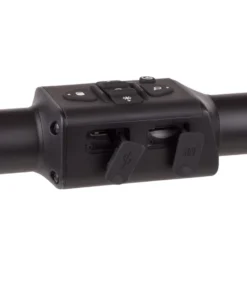
Although more features are included than would normally be found on a traditional optic, the system has been designed around a relatively familiar riflescope format.
Some learning should still be expected. Digital menus, rangefinding, recording controls, profile management, focusing, reticle customization, wireless functions, and ballistic settings all require familiarization.
Fortunately, these functions do not need to be mastered simultaneously. New users can begin with basic viewing, focusing, and magnification before progressing to advanced digital settings.
Practicing configuration in a controlled environment is recommended. Once the interface becomes familiar, routine functions can generally be accessed more efficiently.
How comfortable is the eye relief?
Approximately 90 mm of eye relief is specified for the series. This distance provides a comparatively comfortable viewing position while maintaining the traditional forward-mounted arrangement expected from a riflescope.
Correct mounting nevertheless remains important. Individual body dimensions, firearm configuration, stock position, shooting posture, and clothing can influence how naturally the display aligns with the eye.
Therefore, mounting position should be adjusted carefully before final tightening. Comfortable alignment should be achieved without forcing the head excessively forward or backward.
What mounting system is required?
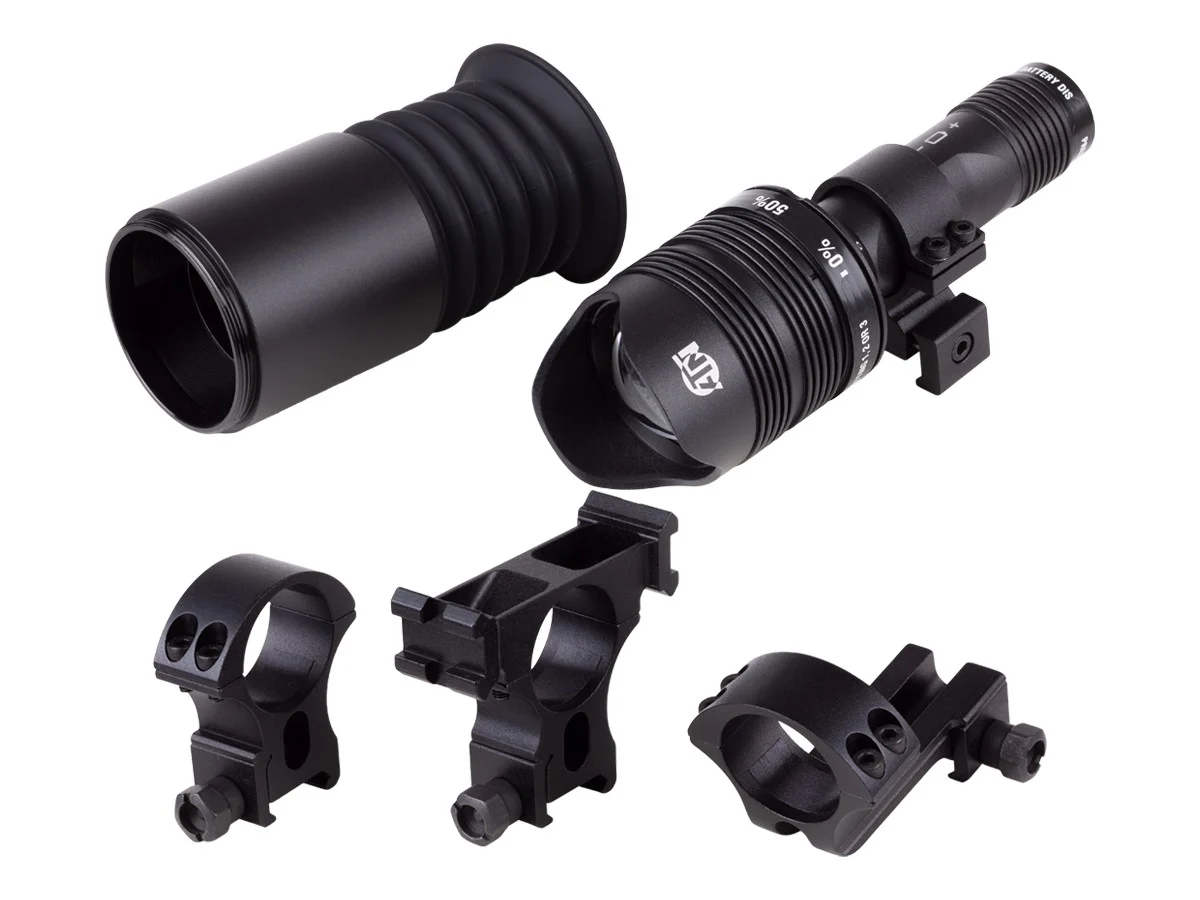
The device is designed around standard 30 mm mounting rings, and compatible rings are supplied according to the manufacturer’s specifications.
Proper installation is essential because a secure mount helps maintain consistent alignment. Before installation, the firearm should always be confirmed safe and unloaded according to established handling procedures.
Ring spacing, eye relief, mounting torque, rail compatibility, and overall clearance should all be checked carefully. If there is uncertainty regarding installation, assistance from an experienced and qualified professional should be considered.
Can several equipment profiles be stored?
Profile-management functionality has been incorporated so different setups can be organized digitally.
This feature can be useful when the optic is configured around different equipment combinations or when separate ballistic information needs to be maintained. Rather than repeatedly rebuilding settings from the beginning, stored profiles can make configuration more convenient.
However, a saved profile should never automatically be assumed to remain perfectly accurate after equipment changes. Whenever mounting, ammunition, environmental conditions, or other relevant variables are altered, settings should be verified again.
Does it include an electronic compass and motion sensors?
Yes. An electronic compass, 3D gyroscope, and 3D accelerometer are integrated into the platform.
These sensors support various smart functions and allow additional movement and orientation information to be processed electronically.
Although such features enhance the digital experience, they should complement rather than replace basic navigation skills and responsible equipment management. When operating in remote environments, dependable navigation equipment and appropriate preparation should still be carried.
Is the device suitable for changing weather conditions?
The system is described as weather resistant and has been designed for outdoor operation across a broad temperature range.
Nevertheless, weather resistance should not be interpreted as permission for unnecessary water exposure or poor storage practices. Electronic optics should still be protected whenever practical.
After exposure to moisture, dust, mud, or major temperature changes, the exterior should be inspected and allowed to dry appropriately. Lenses should only be cleaned with suitable optical-cleaning materials to prevent scratching or coating damage.
Proper maintenance will help preserve image clarity, controls, connections, and overall reliability.
How should the lenses and body be maintained?
Routine care should remain relatively simple. Dust should first be removed gently rather than being rubbed across optical surfaces. A lens-safe blower or appropriate optical brush can be used, followed by a suitable microfiber cloth when necessary.
Harsh household cleaners should not be applied to the lenses. Likewise, connectors and electronic openings should be kept clean and dry.
When the optic will not be used for an extended period, it should be stored in a clean, dry location away from excessive heat, moisture, and direct sunlight.
Software and firmware should also be kept appropriately updated according to manufacturer guidance.
Who would benefit most from this type of smart optic?
This type of system is particularly attractive to users who want several digital functions consolidated into one device.
People who value day and night observation, integrated distance measurement, video recording, digital magnification, selectable reticles, wireless features, and electronic data processing may appreciate the all-in-one design.
Conversely, anyone who values maximum simplicity and has no interest in electronic functionality may still prefer a conventional optic.
Ultimately, the best choice depends on personal requirements. For users who want a modern viewing platform with substantial customization and digital capability, the combination of high-resolution imaging, rangefinding, recording, intelligent controls, and flexible day/night performance can provide a highly versatile experience.






Reviews
There are no reviews yet.