We Deliver Airguns Directly To Your Door
SKU N/A Category

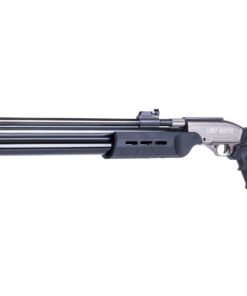
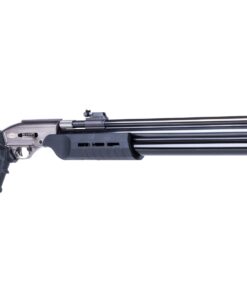
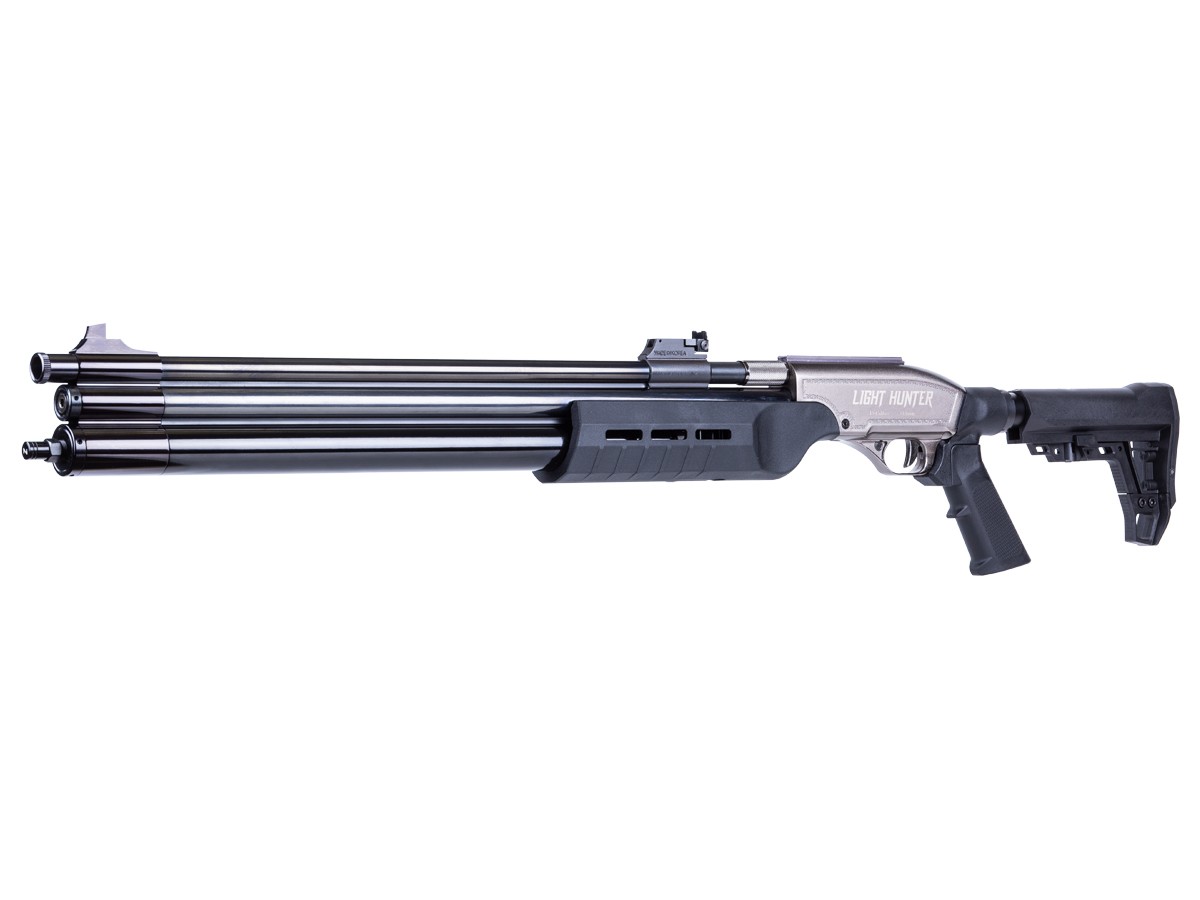
Seneca Light Hunter II Tactical PCP Air Rifle

€460.00

The Seneca Light Hunter II Tactical air rifle delivers your shots with authority and power. Send a .45-caliber pellet (actually, a bullet) downrange, and pesky critters won’t know what hit ’em!   Seneca air rifles are know for their accuracy, quality and ability to withstand the rough handling that goes along with hunting in fields and forests. Because it comes with open sights, you don’t even have to mount a scope on it. But if you want to extract the most accuracy, mount a quality scope.

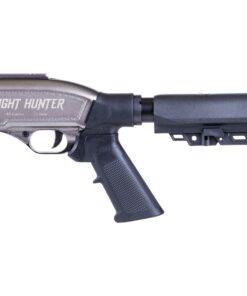
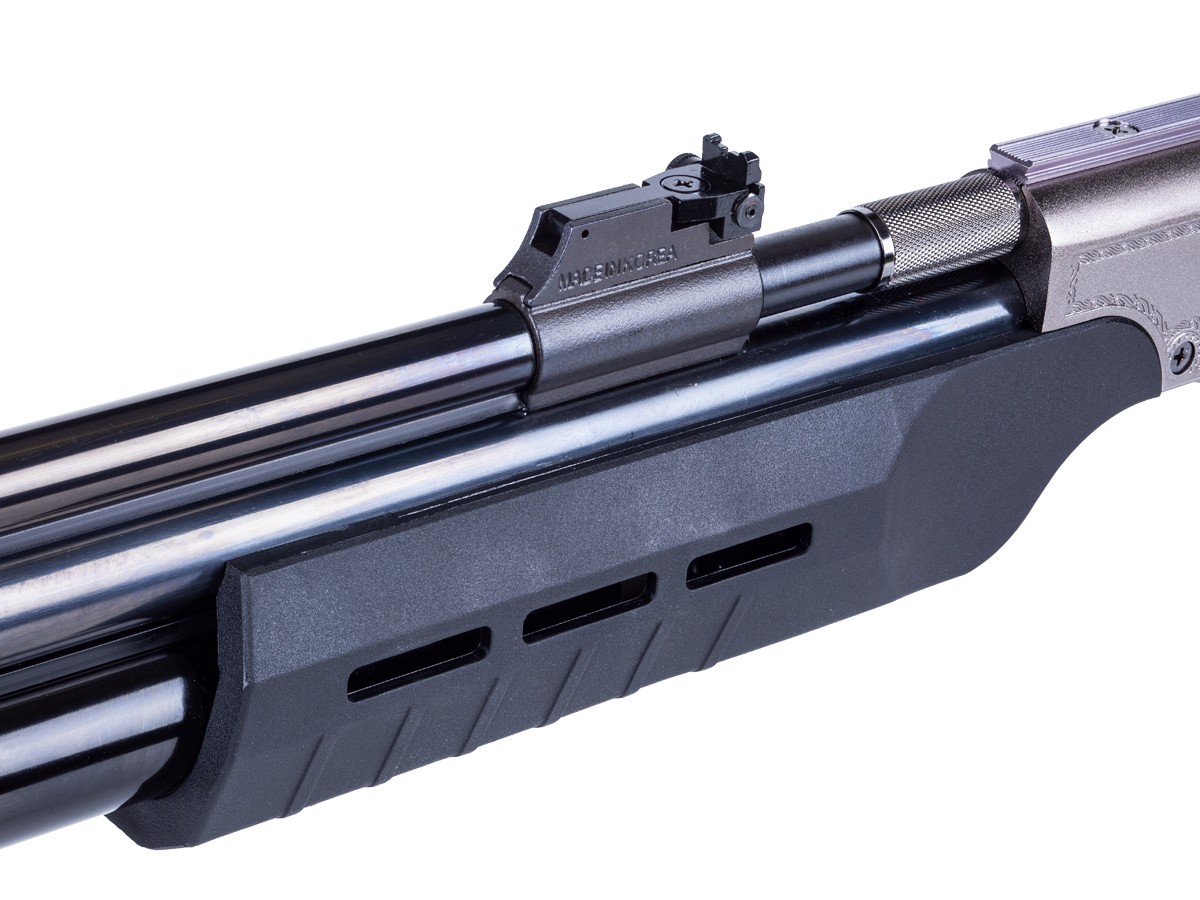
The new tactical furniture makes the Light Hunter lighter than the wood stocked original. It also offers a 6-position length adjustable AR buttstock, an A2 style AR grip and a synthetic forend with M-Lok slots for mounting all the accessories you need.

Click here for California's Proposition 65 warning. Click here for California’s Proposition 65 warning.
Specs
  • ManufacturerSeneca
  • Caliber .45
  • Velocity 867 fps
  • Condition New
  • Ammo Type Pellets
  • Action Bolt-action
  • Barrel Style Rifled
  • Fire Mode Single-shot
  • Gun Weight 7.60
  • Overall Length 43.00
  • Barrel Length 21.65
  • Loudness 5-High
  • Mechanism Pre-charged pneumatic
  • Rail 11mm dovetail
  • Safety Manual
  • Front Sights Blade
  • Rear Sights Adjustable for windage & elevation
  • Use Hunting
  • Warranty 1-year limited warranty

Seneca Light Hunter II Tactical PCP Air Rifle: Big-Bore Precision for Serious Hunting

Powerful performance is delivered by the Seneca Light Hunter II Tactical. Consequently, authoritative knockdown energy is provided for medium and large game. Furthermore, a modern tactical platform is combined with proven .45-caliber capability so that demanding field use can be supported. Moreover, dual air chambers totaling 500 cc are employed, and a maximum fill pressure of 3,000 PSI is supported. As a result, consistent shot strings can be produced when slugs or Air Bolts are used.

Additionally, a lighter synthetic furniture package is featured compared with earlier wood-stocked versions. Therefore, all-day carry in the field is made more practical. In particular, an adjustable AR-style stock, A2 grip, and M-Lok forend are integrated so that accessories can be mounted and length of pull can be customized. Likewise, open sights are included from the factory, while an 11 mm dovetail rail is provided for compact optics.

Key Features of the Seneca Light Hunter II Tactical

Power and Projectile Options

Up to 870 FPS and approximately 300 foot-pounds of energy can be generated with 180-grain slugs. Meanwhile, roughly 280 foot-pounds can be produced when 400-grain Seneca Air Bolts are launched at speeds exceeding 560 FPS. Consequently, ethical harvests of appropriate North American game can be achieved when legal regulations and proper shot placement are observed. In addition, two power settings are offered: the first bolt stop selects the lower setting, while the second stop engages high power. Thus, energy output can be matched to distance and quarry.

Tactical Ergonomics and Accessory Readiness

A 6-position adjustable AR stock is fitted so that length of pull can be adapted to different shooters and clothing layers. Furthermore, an A2-style pistol grip is used for a familiar, secure hold. Moreover, a polymer forend with M-Lok slots is incorporated, allowing bipods, lights, or slings to be attached without extra adapters. As a result, a modular platform is created that can be configured for still-hunting, blinds, or supported positions. Similarly, overall length can be adjusted between approximately 39.75 and 43 inches, and a modest 7.6-pound weight is maintained for easier handling.

Sights, Action, and Fill System

A rifled barrel measuring 21.65 inches is employed to stabilize slugs and bolts. Additionally, a longer cocking handle is provided on the bolt-action mechanism so that cycling can be performed more easily, even with gloves. Meanwhile, a fixed front blade sight and a fully adjustable, removable rear sight are included. Therefore, the rifle can be used immediately or the rear sight can be removed when a scope is mounted. Likewise, a built-in manometer is installed so that reservoir pressure can be monitored at a glance. Finally, a male Foster quick-disconnect fill fitting is supplied, enabling rapid topping-off from a hand pump, compressor, or high-pressure tank.

Highlighted Product Specifications

  • Caliber: .45 (bore approximately 0.4516–0.4567 inch)
  • Powerplant: Pre-charged pneumatic (unregulated)
  • Action: Single-shot bolt-action with two power settings
  • Max velocity / energy: Up to 867–870 FPS and 300 FPE with 180-grain slugs
  • Air Bolt performance: Up to 280 FPE with 400-grain Seneca Air Bolts
  • Air capacity: Dual chambers, 500 cc total
  • Max fill pressure: 3,000 PSI / 206 BAR
  • Barrel: Rifled, 21.65 inches
  • Overall length: 39.75–43 inches (adjustable stock)
  • Weight: 7.6 lbs
  • Stock / grip: 6-position AR-style synthetic stock, A2 grip, M-Lok polymer forend
  • Sights: Fixed front blade; adjustable, removable rear
  • Rail: 11 mm dovetail
  • Safety: Manual
  • Trigger pull: Approximately 7.5 lbs
  • Loudness: High (level 5)
  • Fill connection: Male Foster QD included

Field Performance and Practical Use

Consistent accuracy can be obtained when appropriate .45 / .457 slugs are selected and the barrel is properly broken in. Subsequently, groups suitable for hunting distances can be produced from supported positions. In particular, heavier slugs and Air Bolts are often preferred when penetration and energy transfer are prioritized. Nevertheless, shot count per fill remains modest on high power; therefore, a portable tank or compressor is commonly kept nearby so that pressure can be restored after a short string.

Furthermore, the unregulated design means velocity declines as pressure drops. Consequently, the built-in gauge should be monitored, and fills should be kept within the recommended working range. Meanwhile, the relatively loud report should be considered when hunting near populated areas or when noise-sensitive species are pursued. Accordingly, local airgun hunting regulations, caliber restrictions, and licensing requirements must always be verified before any field use.

Moreover, responsible ownership is emphasized. Safe handling, positive target identification, and knowledge of what lies beyond the target are required at all times. In addition, proper storage, regular inspection of seals and the fill system, and use of quality slugs or bolts contribute to reliable function. Likewise, inclusive access is supported by the ambidextrous grip orientation and adjustable stock, so that a wide range of shooters can find a comfortable setup.

Why the Seneca Light Hunter II Tactical Stands Out

A proven big-bore platform is modernized through lighter tactical furniture and increased power compared with the original Light Hunter. Therefore, a versatile hunting tool is offered without unnecessary complexity. Additionally, factory open sights, a simple two-power bolt, and a straightforward fill system keep operation accessible. As a result, both experienced PCP users and those stepping up to big-bore airguns can put the rifle to work quickly.

In summary, serious hunting capability is concentrated in a customizable, field-ready package. When slugs or Air Bolts are matched to the intended game and legal limits are respected, decisive performance can be delivered. Consequently, the Seneca Light Hunter II Tactical is positioned as a compelling choice for hunters seeking .45-caliber authority in a lighter, more adaptable tactical configuration. Explore available configurations and complementary optics, slugs, bolts, and filling equipment so that a complete, ready-to-hunt setup can be assembled.

Calibers, FAC Considerations, Power Settings, and Accessories for the Seneca Light Hunter II Tactical

A single primary caliber is employed by the Seneca Light Hunter II Tactical. Specifically, a .45-class bore measuring approximately 0.4516 to 0.4567 inch is used so that both conventional slugs and dedicated Air Bolts can be launched. Consequently, a wide selection of .45 and .457 projectiles can be matched to the intended quarry. Moreover, heavier slugs in the 180- to 400-grain range are commonly preferred when maximum energy transfer is required. In addition, 400-grain Seneca Air Bolts can be substituted when arrow-style projectiles are desired. Therefore, versatility within one platform is achieved without a caliber change.

Furthermore, legal classification must be verified in every jurisdiction before purchase or use. In the United Kingdom and certain other regions, output well above typical 12 ft-lb limits is produced; as a result, Firearm Certificate (FAC) authorization is generally required. Likewise, local hunting regulations, minimum energy or caliber rules, and season restrictions must be confirmed. Accordingly, responsible ownership begins with compliance rather than with the first fill.

Caliber Performance and Projectile Selection

Slug Compatibility and Ballistic Behavior

Consistent grouping can be obtained when slugs that fit the rifled barrel closely are selected. Subsequently, 180-grain slugs are often used to reach the published velocity and energy figures of roughly 867–870 FPS and 300 foot-pounds. Meanwhile, heavier 200- to 390-grain slugs can be employed when deeper penetration is prioritized, although velocity is reduced. In particular, hollow-point and boat-tail designs are frequently chosen for hunting because expansion or retained weight can be optimized. Nevertheless, each lot should be tested, because slight variations in diameter and hardness affect both accuracy and shot-to-shot consistency.

Air Bolt Capability

Dedicated 400-grain Seneca Air Bolts can be launched at speeds exceeding 560 FPS, generating approximately 280 foot-pounds. Consequently, a hybrid slug-and-bolt capability is offered from the same barrel. Moreover, broadheads of the user’s choice can be fitted so that terminal performance can be tailored. Therefore, the Seneca Light Hunter II Tactical can be configured for either conventional big-bore slug hunting or air-bolt applications where legal.

FAC, Power Output, and Regulatory Context

High muzzle energy is delivered by the unregulated dual-chamber system. As a result, the rifle falls into the FAC category in jurisdictions that treat airguns above a statutory energy threshold as firearms. Furthermore, two discrete power levels are provided by the bolt-action mechanism: the first cocking stop selects the lower setting, while the second stop engages the high-power setting. Thus, energy can be moderated for shorter ranges or practice, yet full output remains available when needed.

Additionally, shot count per fill remains modest on the high setting because the 500 cc combined reservoirs are unregulated. Consequently, pressure decline is observed after a short string, and the onboard manometer should be monitored so that fills can be restored before velocity drops excessively. Likewise, a maximum fill of 3,000 PSI / 206 BAR is specified; exceeding that limit is not recommended. In many regions, transport, storage, and use of an FAC-class air rifle are subject to additional conditions; therefore, current local statutes should always be consulted.

Inclusive language is maintained throughout: shooters of varying experience and physical stature can adapt the platform through the adjustable stock and ambidextrous grip orientation, provided legal requirements are met.

Recommended Accessories and Supporting Equipment

A complete field-ready setup is assembled when complementary items are added. Highlighted accessory categories are listed below so that configuration can be planned efficiently.

  • Optics: Compact scopes on the 11 mm dovetail rail are recommended because of limited rail length and recoil characteristics. Low- to mid-power variables with robust mounts are typically preferred.
  • Filling equipment: A high-pressure tank, portable compressor, or quality hand pump with a Foster female coupler is required. Rapid top-offs are enabled by the included male QD fitting.
  • Projectiles: Matched .45 / .457 slugs in 180–400 grain weights plus Seneca Air Bolts and compatible broadheads should be stocked and tested.
  • Support and mounting: M-Lok-compatible bipods, slings, or lights can be attached directly to the polymer forend.
  • Hearing and eye protection: High report levels make protection essential during both practice and hunting.
  • Maintenance items: Spare seals, a cleaning kit suited to .45 rifled barrels, and a reliable pressure gauge support long-term reliability.
  • Transport: A lockable case that accommodates the adjustable stock in both collapsed and extended positions is advised for secure storage and travel.

Moreover, a quality scope mount and bubble level can improve first-shot confidence at hunting distances. Similarly, a portable shooting rest or lightweight bipod can be added when supported shots are anticipated. In addition, extra magazines are not applicable because the design is single-shot; instead, a convenient loading tray or pouch for slugs and bolts is useful.

Consequently, the Seneca Light Hunter II Tactical becomes most effective when caliber-appropriate ammunition, legal FAC or equivalent authorization, correctly chosen power setting, and a modest accessory package are combined. Power can then be applied ethically and accurately, and the platform can be adapted to a range of hunters and field conditions while remaining within applicable laws.

Practical Use Scenarios in the Field

A still-hunting approach through mixed timber is begun at first light. Quiet movement is maintained while wind direction is constantly checked so that scent is carried away from likely bedding areas. Subsequently, a pause is taken every few steps and the surrounding cover is scanned. When a legal animal is located at a workable distance, a stable rest is sought against a tree trunk or fallen log. Meanwhile, the adjustable stock is set to the clothing layers being worn so that a consistent cheek weld can be achieved. Thereafter, the lower power setting is selected if the range is short, or the higher setting is chosen when additional energy is required. Consequently, a single, well-aimed shot can be delivered after the safety is disengaged and the trigger is pressed straight back.

Furthermore, a ground blind or elevated stand is occupied for longer sits. Extra padding is placed under the elbows and the forend is settled onto a shooting rail or pack. In addition, a compact optic that has already been zeroed is used so that the aiming point remains familiar. Likewise, slugs of a proven weight are loaded only when a shot opportunity is imminent, reducing the chance of an accidental discharge during hours of waiting. As a result, fatigue is reduced and first-round accuracy is preserved when an animal finally steps into the opening.

Supported Shots from Natural Rests

A kneeling or sitting position is assumed when terrain does not allow a standing shot. The offhand is placed under the forend or a M-Lok-compatible bipod is deployed if one has been fitted. Moreover, the six-position stock is collapsed or extended until length of pull matches the shooter’s torso and jacket bulk. Therefore, wobble is minimized and the rifle can be held on target long enough for a controlled break. Similarly, a backpack or rolled jacket can be used as an improvised rest when manufactured supports are not carried.

In particular, sloping ground requires extra attention. The strong-side elbow is planted firmly and the body is aligned behind the bore so that recoil is absorbed in a straight line. Subsequently, the built-in pressure gauge is glanced at to confirm that reservoir pressure remains in the useful range. If pressure has dropped after previous shots, a brief refill from a compact tank is performed before the next opportunity is taken. Thus, velocity consistency is maintained throughout a morning or evening sit.

Air-Bolt Applications on Appropriate Game

An air-bolt configuration is prepared when regulations and ethics allow that projectile type. A 400-grain bolt is seated carefully and a broadhead of known flight characteristics is inspected for damage. Meanwhile, the higher power setting is typically selected so that the published energy level can be approached. Consequently, trajectory is flatter than many expect, yet hold-over at longer distances must still be confirmed on the range beforehand. After the shot, the animal is watched until it expires or a follow-up can be made legally and safely.

Additionally, bolt recovery and reuse are considered only when the projectile remains undamaged and local rules permit. Otherwise, a fresh bolt is substituted. Likewise, practice with the identical bolt-and-broadhead combination is conducted at the same distances expected in the field. Therefore, point of impact is known and ethical shot placement can be repeated under hunting stress.

Zeroing, Practice, and Confirmation Days

A formal zeroing session is conducted from a solid bench or field-expedient rest before any hunt. Multiple slug weights are tested so that the most accurate and consistent load for that particular barrel can be identified. Furthermore, groups are fired at 25, 50, and, where safe and legal, 75 or 100 yards. Subsequently, the optic is adjusted until the chosen load prints to the desired point of aim. In addition, both power settings are recorded so that hold or turret values can be noted for each.

Moreover, a short confirmation string is fired on the morning of a hunt whenever time and conditions allow. Temperature and humidity changes can shift point of impact slightly; therefore, a single confirming shot at a known-distance target is often worthwhile. Meanwhile, hearing and eye protection are worn during all practice, because the report is substantial. As a result, both the shooter and any companions remain protected while familiarity with recoil and report is built.

A highlight list of typical practice priorities is maintained:

  • Confirmation of zero with the exact slug or bolt that will be carried
  • Verification of both power settings and the corresponding points of impact
  • Dry-fire or live-fire practice of the bolt cycle with gloves on
  • Timed transitions from carry position to a supported shooting stance
  • Review of wind calls and hold-offs at expected hunting distances
  • Inspection of seals, fill fitting, and stock adjustment locks after each session

Stalking in Broken or Brushy Country

Movement through thick cover is executed slowly. The rifle is carried muzzle-down or across the body with the safety engaged so that branches cannot snag the trigger. When a shooting lane appears, the stock is quickly adjusted if layers have been added or removed. Thereafter, a kneeling position is dropped into and the forend is braced against a sapling or the offhand is used as a hasty rest. Consequently, a shot can be presented without excessive delay.

Furthermore, two-person stalks are coordinated with clear, pre-arranged signals. One participant watches the animal while the other closes the distance or prepares the shot. Inclusive communication is used so that every member of the party understands roles regardless of experience level. Likewise, a designated safe direction is agreed upon before anyone moves. Thus, safety is preserved even when excitement rises.

Weather, Maintenance, and Day-Long Reliability

Rain, snow, or dust is encountered on many hunts. The action and fill port are shielded whenever possible, and a light wipe-down is performed during midday pauses. Moreover, the polymer forend and synthetic stock shed moisture more readily than traditional wood, yet metal surfaces still require attention. Subsequently, a small kit containing spare O-rings, a rag, and a drop of appropriate lubricant is carried. Therefore, a minor leak or stiff bolt can often be addressed in the field rather than ending the day.

In addition, temperature swings affect pressure and point of impact. A fill performed in a warm vehicle may read differently after hours in the cold; consequently, the onboard gauge is trusted more than memory of the last fill. Meanwhile, extra slugs or bolts are kept in a dry pouch so that they remain clean and undented. As a result, the first shot of the afternoon remains as reliable as the first shot of the morning.

Ethical Shot Selection and Follow-Through

Only shots that offer a high probability of a quick, humane harvest are taken. Broadside or slightly quartering angles are preferred, and distances beyond the shooter’s demonstrated capability are declined. Furthermore, the animal’s background is examined so that a miss or pass-through cannot endanger people, livestock, or property. Thereafter, the shot is taken only when the sight picture is steady and the trigger can be pressed without a flinch.

After the shot, the animal is observed for reaction. If it remains standing, a second shot is prepared immediately provided a safe angle still exists. Subsequently, a short wait is observed before tracking begins, unless conditions demand otherwise. Tracking is conducted methodically, with blood, hair, and tracks marked so that the trail is not lost. Inclusive teamwork is employed when more than one hunter is present: one person watches the last known location while another searches the immediate area.

Transport, Storage, and Multi-Day Outings

A lockable case is used for vehicle travel, and the stock is collapsed to the shortest practical setting so that the overall package fits more easily. Moreover, the reservoir is left at a moderate pressure rather than completely empty or at maximum when the rifle will sit for days. Consequently, seals are less stressed and a quicker top-off is possible at the next hunting location. Likewise, ammunition and bolts are stored separately from the rifle in accordance with local transport rules.

On multi-day trips, a compact carbon-fiber tank or a small compressor is packed so that several fill cycles can be completed away from home. In particular, a spare Foster coupler and a short whip are included. Therefore, a partner’s tank can also be used if needed. Meanwhile, a simple log of shots fired and pressure remaining is kept so that the next morning’s starting pressure is known.

Group Hunts and Shared Equipment

When several hunters share a camp, the adjustable stock and ambidextrous grip orientation allow the same rifle to be fitted to different body sizes with only a few clicks. Furthermore, a brief familiarization period is given to each participant so that the two power stops, safety location, and fill procedure are understood. Inclusive instruction is delivered without assuming prior experience with big-bore platforms. As a result, every member of the party can use the rifle safely if a shot opportunity is passed to them.

Additionally, a common zero is established for the group’s chosen slug so that hold-overs remain consistent. Subsequently, a shared data card listing distances and corresponding aiming points is posted in camp. Thus, confusion is reduced when light is fading or excitement is high.

Closing the Day and Preparing for the Next

At the end of the hunt, the rifle is unloaded, the bolt is left open or the chamber is verified empty, and a visual inspection is performed. Moisture is removed, the fill port is capped, and the stock is returned to a mid-length setting for storage. Moreover, notes on wind, temperature, slug performance, and animal reaction are recorded while memory is fresh. Consequently, the next outing can be planned with better information.

In summary, practical success is produced by combining a stable position, a confirmed zero, an appropriate power setting, legal and ethical shot selection, and simple field maintenance. When those elements are observed, the platform can be used effectively across still-hunts, stand sits, bolt applications, and multi-day trips by a wide range of hunters working individually or together.

Air Venturi, Seneca and Modern Pneumatic Airgun Platforms

Modern pneumatic shooting equipment now covers everything from compact target platforms to large-calibre sporting systems. One of the most recognizable models in this category is the air venturi avenger, which combines adjustable PCP technology with practical ergonomics and a versatile configuration. Shooters researching more modular designs may instead consider the air venturi avenge-x, while searches for avenger x, avenge x, avenge-x, and avenge x tactical often reflect interest in newer configurations built around adaptability.

Calibre is another major consideration. Someone researching a rifle pcp avenger 6.35 may be interested in a larger pellet option, while the less common search variation avenge xx can lead buyers toward the same general product family. Regardless of terminology, choosing the correct rifle should depend on shooting discipline, preferred calibre, physical dimensions, available filling equipment, and local regulations.

Exploring the Dragon Claw Big-Bore Family

The dragon claw air rifle represents a substantially different category from conventional small-bore pneumatic equipment. Searches for a dragon claw 50 caliber air gun generally come from users exploring large-calibre compressed-air platforms designed for specialized sporting applications.

Alternative search terminology such as dragonclaw gun, dragon claw airgun 50 cal, and dragon claw air gun can also appear when buyers are comparing models, ammunition options, accessories, and availability. Shoppers researching dragon claw 50 caliber air rifle price should pay attention not only to purchase cost but also to filling equipment, appropriate projectiles, maintenance requirements, and applicable laws.

The phrase dragon claw 50 cal is commonly associated with this powerful pneumatic category. Within the manufacturer’s lineup, the seneca dragon claw is particularly well known, while the seneca dragon claw 50 caliber designation helps distinguish its calibre from smaller pneumatic rifles. A more specialized configuration may be found through searches for the seneca dragon claw 2 tactical.

Understanding the Wider Airgun Market

The spelling air ventura occasionally appears during online product searches even though buyers are often looking for Air Venturi equipment. The broad term air gun encompasses several operating systems, including PCP, CO2, spring-piston, gas-ram, and multi-pump pneumatic designs.

Other variations such as air rifle com, aventuri, and airrifle regularly appear in search data. Regardless of spelling, shoppers should distinguish between different powerplants before comparing specifications.

Modern pcp air rifles store compressed air in an onboard reservoir. By comparison, pneumatic air rifles is a broader description that may also include multi-pump and other compressed-air systems. Unusual search wording such as airbun air may appear alongside more conventional product terminology.

An air hunting rifle should always be selected according to the lawful quarry, calibre requirements, accuracy, projectile performance, and permitted energy level in the shooter’s jurisdiction.

Seneca Airgun Platforms

The broader seneca air rifles catalogue contains several types of pneumatic equipment rather than one single operating system. Someone looking for a seneca dragonfly mk2 is researching a considerably different platform from a large-bore Dragon Claw.

A general search for seneca air rifle may produce PCP, multi-pump, and specialized sporting models. Likewise, seneca air is sometimes used as shorthand when users are trying to locate the brand or its product range.

The seneca dragonfly emphasizes a self-contained pneumatic design, making it particularly appealing to shooters who do not want to depend entirely on an external high-pressure filling source. Buyers searching seneca dragonfly mk2 for sale should verify calibre, condition, warranty, and exact generation before ordering.

The simplified term dragonfly mk2 is another common product query. Meanwhile, the seneca dragon claw ii refers users back toward the company’s big-bore category, and searches for seneca guns can cover its wider pneumatic catalogue.

Air Venturi Alpha Series

The air venturi alpha provides another option for users exploring PCP technology. Its design is aimed at shooters who want practical pneumatic performance without immediately moving into highly specialized big-bore equipment.

A more maneuverable alternative can be found in the air venturi alpha compact. Compact dimensions may be attractive for shooters who value reduced overall length, although specifications should still be compared carefully.

Search terms such as alphagun airx, alphapure, alpha airx, alpha pri, and alpha air can sometimes appear in related search results. Because these terms can refer to different products or even unrelated categories, confirming the exact manufacturer’s model name is important before purchasing accessories or replacement parts.

Someone searching air venturi alpha for sale should examine included equipment, calibre, fill requirements, product condition, warranty, and regional specification. The air venturi alpha air rifle can then be evaluated based on intended recreational or sporting use rather than advertised specifications alone.

Air Venturi MicroStrike

Compact PCP development continues with the air venturi microstrike, a platform designed around reduced dimensions and pneumatic operation. Some users may search for it as the air venturi micro strike, particularly when comparing listings across different online marketplaces.

The phrase microstrike pcp emphasizes its operating system, while microstrike air venturi combines the product and manufacturer names in reverse order. A general search for micro rifle may also lead buyers toward compact pneumatic equipment from several manufacturers.

Compactness should never be mistaken for a lack of capability. Pressure ratings, calibre, energy, ammunition compatibility, and safe handling requirements remain important regardless of overall dimensions.

High-Powered Pneumatic Rifles and Maintenance

People researching the best high powered air rifles for hunting should compare far more than muzzle velocity. Accuracy, retained projectile energy, calibre, shot consistency, rifle balance, ethical shooting distance, and local hunting legislation all influence whether a platform is appropriate.

Owners occasionally search airventure avenger disassembly instructions when maintenance becomes necessary. Because high-pressure reservoirs can contain substantial stored energy, internal servicing should follow official manufacturer documentation and appropriate depressurization procedures.

Specialized projectile systems also appear within the pneumatic market. An air bolt gun uses compressed-air technology with a projectile system different from an ordinary pellet rifle. Searches for airbolt gun, air bolt, airbolt, and airbolt rifle illustrate the variety of wording customers use when researching this category.

The phrase pax bolt may also appear among specialized projectile-related searches. Exact compatibility should always be confirmed directly against the intended launcher or rifle before accessories are purchased.

Pneumatic Shotgun Systems

Another specialized category is the air shotgun for hunting, which uses compressed air rather than conventional firearm propellant. These platforms are niche products that should be evaluated according to local hunting regulations and manufacturer-approved ammunition.

The wingshot is associated with pneumatic shotgun technology, while the alternative spacing wing shot is frequently used during online searches. Such designs demonstrate how compressed-air technology can extend beyond traditional pellet rifles.

Understanding 12-Gram CO2 Cartridges

CO2-powered airguns use a different energy source from high-pressure PCP systems. Small pistols and recreational platforms frequently depend on 12g co2 actuation cartridges for their operating gas.

A standard 12g co2 cartridge is a small disposable cylinder containing compressed carbon dioxide. Buyers may also search for a 12 gram co2 cartridge, 12gram co2 cartridge, or simply co2 12g when purchasing replacements.

The search term 12grams is sometimes entered without reference to CO2, while co2 cartridges 12g clearly identifies the intended accessory. Other variations include 12-gram co2 cartridge, co2 12 gram, and 12 g co2 cartridges.

Although these terms describe the same general cartridge format, users should check the equipment manufacturer’s specifications before installation because seals, dimensions, piercing mechanisms, and compatibility can vary.

PCP Air Rifle Technology Explained

A pcp air rifle is powered using compressed air stored inside an onboard cylinder or bottle. The misspelling air rifel can sometimes appear in customer searches but generally refers to the same broader equipment category.

People asking what is a pcp air rifle are essentially asking how pre-charged pneumatic technology differs from spring-powered or CO2-based systems. In PCP equipment, the reservoir is filled beforehand and subsequently meters compressed air during firing.

An ar15 air rifle normally describes a pneumatic platform that uses modern sporting-rifle-inspired styling or ergonomics. Its appearance does not mean that its internal operating mechanism is the same as a firearm.

Similarly, marketing descriptions such as high powered air gun and high velocity air rifle should be evaluated alongside energy, calibre, accuracy, intended role, and legal restrictions rather than being used as the sole basis for a purchase.

Large-calibre equipment may be found through the unusual combined search phrase big bore pcp air riflespcp shotgun, which overlaps two specialized pneumatic categories.

Seneca Double Shot and Wingshot Systems

The seneca double shot .50 cal double barrel shotgun is a distinctive pneumatic platform that differs considerably from conventional pellet rifles. Its double-barrel arrangement makes it one of the more unusual products within the compressed-air sporting market.

A shorter search for seneca double shot generally leads toward the same family. The designation seneca double shot .50 cal highlights its large-calibre format and helps distinguish it from smaller recreational equipment.

Another search for wingshot products may lead users toward pneumatic shotgun-style equipment capable of using manufacturer-approved projectiles or shot loads, depending on the specific model.

A double barrel air gun differs operationally from ordinary repeating pellet rifles. Likewise, the phrase shotgun air rifle is commonly used by shoppers attempting to describe hybrid pneumatic designs.

The simpler term double shot gun may produce broader results, so confirming the exact product before ordering parts or accessories remains important.

Avenger Components and Modular PCP Configurations

One component researched by existing owners is the air venturi avenger rear barrel support. Parts compatibility can depend on production generation, stock configuration, barrel arrangement, and other dimensional considerations.

The term avenge x pcp is commonly used by users specifically interested in the pre-charged pneumatic version of the modular platform. Understanding reservoir volume, regulator settings, fill pressure, stock design, and calibre availability is more useful than relying exclusively on headline velocity figures.

Air Venturi V10 and Precision Air Pistols

The air venturi v10 belongs to a different shooting category from larger pneumatic rifles. It is associated with precision pistol shooting and is therefore more relevant to shooters interested in balance, trigger feel, grip ergonomics, and controlled target performance.

Someone searching for a strong bb pistol may have different requirements because BB pistols are commonly designed for recreational shooting rather than formal precision disciplines.

A 10m air pistol is normally optimized for target competition at a standardized distance. Such equipment emphasizes repeatability and shooter control rather than maximum projectile velocity.

For beginners asking what is an air pistol, the term describes a handgun-format device powered by compressed air, CO2, spring mechanisms, or related airgun technologies.

An air metal gun usually refers informally to an air-powered pistol or replica featuring significant metal construction. A .50 cal air pistol, by contrast, belongs to a much more specialized large-calibre pneumatic category.

Searches for a 1000 fps pellet pistol frequently focus heavily on advertised velocity, although actual performance depends on pellet weight, test conditions, barrel design, and the specific platform.

The discipline of shooting air pistol can range from informal recreational practice to organized competition. A conventional air pellet pistol fires shaped pellets rather than spherical BB ammunition.

Competitive users interested in target shooting air pistol equipment should prioritize consistent sights, suitable grips, predictable triggers, and repeatable shot behavior.

The alternative question what is a air pistol means essentially the same thing as the grammatically standard wording but appears frequently in search queries. Meanwhile, a 22 air pistol refers to a platform chambered for .22-calibre airgun projectiles.

Choosing the Right Pneumatic Platform

Modern pneumatic equipment provides buyers with an exceptionally broad selection. Some platforms emphasize affordability and straightforward recreational use, while others focus on modularity, compact dimensions, precision competition, specialized projectiles, or large-calibre sporting performance.

The most suitable option should therefore be selected according to practical requirements. Buyers should consider calibre, reservoir capacity, pressure requirements, intended shooting discipline, rifle dimensions, ammunition availability, filling equipment, accessory compatibility, maintenance support, warranty coverage, and applicable legislation.

A carefully selected pneumatic platform can provide excellent consistency and a smooth shooting cycle when operated according to manufacturer specifications. More importantly, appropriate eye protection, secure storage, a reliable backstop, proper handling, and compliance with local laws should remain part of responsible ownership regardless of power level or platform style.
Caliber

.45, , .357

Reviews

There are no reviews yet.

Be the first to review “Seneca Light Hunter II Tactical PCP Air Rifle”

Related Products

FAQ

  • Spring-Piston (Break-Barrel or Underlever): Cock by compressing a spring. Reliable, no external air source needed, but can have more recoil (“spring twang”) and require technique to shoot accurately.
  • Pre-Charged Pneumatic (PCP): Filled from a scuba tank, compressor, or pump. High power, low recoil, multiple shots per fill. Popular for precision and hunting.
  • CO₂: Powered by disposable cartridges. Good for pistols and semi-auto/repeaters, but performance drops in cold weather.
  • Multi-Pump Pneumatic: Hand-pumped to build pressure. Versatile but requires effort.
  • Gas Ram (Nitro Piston): Uses compressed gas instead of a metal spring. Smoother than traditional springers.

Calibers: Most common are .177 (4.5mm) for speed/flat trajectory and general use, and .22 (5.5mm) for better hunting knockdown power. Larger “big bore” (.25, .30, .357+) exist for hunting bigger game where legal.

Yes, many modern PCP and springers deliver enough energy for small game (rabbits, squirrels, birds) and even larger game in some areas. Muzzle energy (in ft-lbs or joules) matters more than velocity alone. Always match caliber, pellet weight, and energy to the game and check local hunting regs.

Treat every airgun as if it is loaded.

  • Always point the muzzle in a safe direction.
  • Keep your finger off the trigger until ready to shoot.
  • Know your target and what is beyond it (pellets can ricochet or travel far).
  • Wear eye protection.
  • Store unloaded, out of reach of children/untrained users, and ideally locked.
  • Never shoot at hard surfaces or in areas where pellets could escape your property.

Follow these rules strictly—airguns cause real injuries.

Laws differ dramatically by country, state/province, and even city. Always verify current local laws before buying, owning, transporting, or using an airgun. Age restrictions (often 18+) are common.

Examples (summaries only; check official sources):

  • UK: Air rifles ≤12 ft-lbs (16.3 joules) and pistols ≤6 ft-lbs generally do not require a license (FAC needed above that).
  • USA: Varies by state. Some treat powerful airguns as firearms; others do not. Many states now allow big-game hunting with air rifles.
  • Canada: Some airguns classified as firearms if they exceed velocity/energy thresholds.
  • Australia: Often treated as firearms; licensing/registration required in most states.
  • EU/France/Belgium/etc.: Varies; many allow low-power (<20J) guns freely to adults, with higher power needing permits. Germany has strict ~7.5J limits in some contexts.
  • Other countries: Some have no restrictions below certain energies; others ban or heavily regulate them.

Resources: Wikipedia “Air gun laws”, airgun forums, or official government sites. For travel, research transit laws carefully.

Consider:

  • Purpose: Plinking/backyard → lower power springer or CO₂. Hunting/precision → PCP.
  • Budget: Entry-level springers are affordable; PCPs need a fill system (extra cost).
  • .177 vs .22: .177 easier for beginners/targets; .22 better for hunting.
  • Power source: Convenience vs performance.
  • Test pellets in your gun—accuracy varies.

Buy from reputable dealers and consider warranties.

  • Clean barrel periodically (especially if accuracy drops) with patches and appropriate tools/solvents. Avoid over-oiling.
  • Lubricate moving parts and seals with airgun-specific oil (not general gun oil). Springers need piston seal oil occasionally.
  • Check screws, seals for leaks (PCP), and safety mechanisms regularly.
  • Store in a cool, dry place, ideally in a case. Avoid leaving cocked for long periods.

Follow your model’s manual. Basic care extends life significantly.

International shipping may be available for select products. Customers are responsible for understanding and complying with their local import laws and regulations before ordering.

Yes. Customers are required to confirm their order number through WhatsApp or Live Chat before orders are processed and shipped.

If local laws prevent shipment to your area, your order may be canceled and refunded according to our store policy.

Processing typically takes 1–3 business days after payment confirmation. Delivery times vary depending on destination, carrier, and product availability.


  • Wrong pellets for your barrel/caliber.
  • “Death grip” or poor shooting form (especially with springers—let the gun recoil naturally).
  • Loose scopes or mounts.
  • Ignoring safety or local laws.
  • Over-oiling or shooting with obstructions.


Pellets are the most common projectile (lead or lead-free). Match them to your gun, caliber, and purpose—test several brands as accuracy varies by barrel.

  • Domed (Round-Head): Best all-rounder. Excellent accuracy, ballistic coefficient, and energy retention. Ideal for target shooting, field target, and general hunting (e.g., JSB Exact, Air Arms Diabolo Field, H&N Field Target Trophy).
  • Wadcutter (Flat-Head): Clean holes in paper. Best for close-range target/plinking (under 20-25 yards).
  • Hollow Point: Expands on impact for better energy dump. Good for small game hunting (e.g., Predator Polymag, H&N Terminator).
  • Pointed: More penetration, but often less accurate than domed.
  • Slugs: Heavier, more aerodynamic for high-power PCPs at longer ranges (better for big game where legal).

Tips: Heavier pellets in .22/.25 for hunting (better momentum). Lighter in .177 for speed/flat trajectory. Always check head size fit (e.g., 4.51-4.53mm variants).

Muzzle energy (ft-lbs or joules) matters more than velocity. Ethical shots require precise placement (head/heart-lung) within effective range.

Rough Guidelines (adjust for distance, pellet, and local laws):

  • Small game (squirrels, rabbits, birds): 9-20+ FPE, .177/.22.
  • Medium (raccoons, etc.): 25+ FPE, .22/.25 recommended.
  • Larger game: 40-100+ FPE in .30+ calibers (up to big bore for deer/hogs where permitted).

PCPs dominate serious hunting due to power and shot count. Springers/gas rams work well for small game but require skill. Always prioritize clean kills and check seasons/species rules.

  • Barrel Cleaning: Use a pull-through kit or rod with patches. Avoid brushes that could damage rifling. Clean when accuracy drops or after 500-1000 shots.
  • Lubrication: Airgun-specific silicone oil for seals/O-rings (sparingly—excess causes dieseling in springers). Springers may need piston lube periodically.
  • PCP Specific: Check for leaks (soapy water test), monitor regulator/hammer settings, and keep fill systems clean. Don’t exceed rated pressure.
  • General: Tighten stock screws, inspect for wear, store properly. Chronograph shots to track consistency.

Common Issues:

  • Inconsistent velocity → dirty barrel, bad pellets, or seal problems.
  • Spring “twang” → tuning or proper hold.
  • Low power → worn seals or under/over-pumping.

Toggle Content

  • Scopes: Airgun-rated (hold zero under recoil). 3-9x or 4-12x common.
  • Fill Systems: Hand pumps, compressors, or tanks for PCPs.
  • Safety Gear: Eye/ear protection, targets with backstops.
  • Noise: Airguns quieter than firearms, but moderators help further.

Budget Tip: Start with a quality springer (~$150-400) before investing in PCP setup.

Airgunning offers endless depth—from backyard plinking to precision competition and ethical hunting. Prioritize safety, legality, and practice. If you want specifics (e.g., recommendations for a country, budget, hunting small game, or a particular type like PCP vs springer), let me know for more targeted info! Shoot responsibly.

Tuning improves accuracy, reduces noise/recoil, or increases power (within legal limits).

  • Springers: Lighter springs, guides, seals, or custom tuning kits for smoother shot cycle. “V-Mach” or similar professional tunes popular.
  • PCPs: Regulator tuning, hammer spring adjustments, valve work for efficiency and shot count. Some add electronic systems.
  • Accessories: Suppressors (often unregulated on airguns), better triggers, stocks, and scopes.

Caution: Check laws—power increases may reclassify your gun. DIY only if experienced; professional tuners recommended.

You must be at least 18 years old to purchase any airgun or related accessories from our store. By placing an order, you confirm that you meet the legal age requirements in your state or country.

Yes. Orders may require age verification before processing and shipping. In some cases, we may request a valid government-issued ID to confirm eligibility.


Translate »