Air Venturi, Seneca and Modern Pneumatic Airgun Platforms
Modern pneumatic shooting equipment now covers everything from compact target platforms to large-calibre sporting systems. One of the most recognizable models in this category is the air venturi avenger, which combines adjustable PCP technology with practical ergonomics and a versatile configuration. Shooters researching more modular designs may instead consider the air venturi avenge-x, while searches for avenger x, avenge x, avenge-x, and avenge x tactical often reflect interest in newer configurations built around adaptability.
Calibre is another major consideration. Someone researching a rifle pcp avenger 6.35 may be interested in a larger pellet option, while the less common search variation avenge xx can lead buyers toward the same general product family. Regardless of terminology, choosing the correct rifle should depend on shooting discipline, preferred calibre, physical dimensions, available filling equipment, and local regulations.
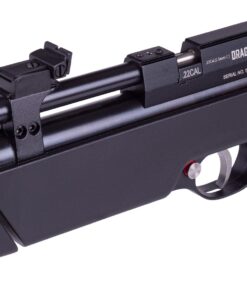
Exploring the Dragon Claw Big-Bore Family
The dragon claw air rifle represents a substantially different category from conventional small-bore pneumatic equipment. Searches for a dragon claw 50 caliber air gun generally come from users exploring large-calibre compressed-air platforms designed for specialized sporting applications.
Alternative search terminology such as dragonclaw gun, dragon claw airgun 50 cal, and dragon claw air gun can also appear when buyers are comparing models, ammunition options, accessories, and availability. Shoppers researching dragon claw 50 caliber air rifle price should pay attention not only to purchase cost but also to filling equipment, appropriate projectiles, maintenance requirements, and applicable laws.
The phrase dragon claw 50 cal is commonly associated with this powerful pneumatic category. Within the manufacturer’s lineup, the seneca dragon claw is particularly well known, while the seneca dragon claw 50 caliber designation helps distinguish its calibre from smaller pneumatic rifles. A more specialized configuration may be found through searches for the seneca dragon claw 2 tactical.
Understanding the Wider Airgun Market
The spelling air ventura occasionally appears during online product searches even though buyers are often looking for Air Venturi equipment. The broad term air gun encompasses several operating systems, including PCP, CO2, spring-piston, gas-ram, and multi-pump pneumatic designs.
Other variations such as air rifle com, aventuri, and airrifle regularly appear in search data. Regardless of spelling, shoppers should distinguish between different powerplants before comparing specifications.
Modern pcp air rifles store compressed air in an onboard reservoir. By comparison, pneumatic air rifles is a broader description that may also include multi-pump and other compressed-air systems. Unusual search wording such as airbun air may appear alongside more conventional product terminology.
An air hunting rifle should always be selected according to the lawful quarry, calibre requirements, accuracy, projectile performance, and permitted energy level in the shooter’s jurisdiction.
Seneca Airgun Platforms
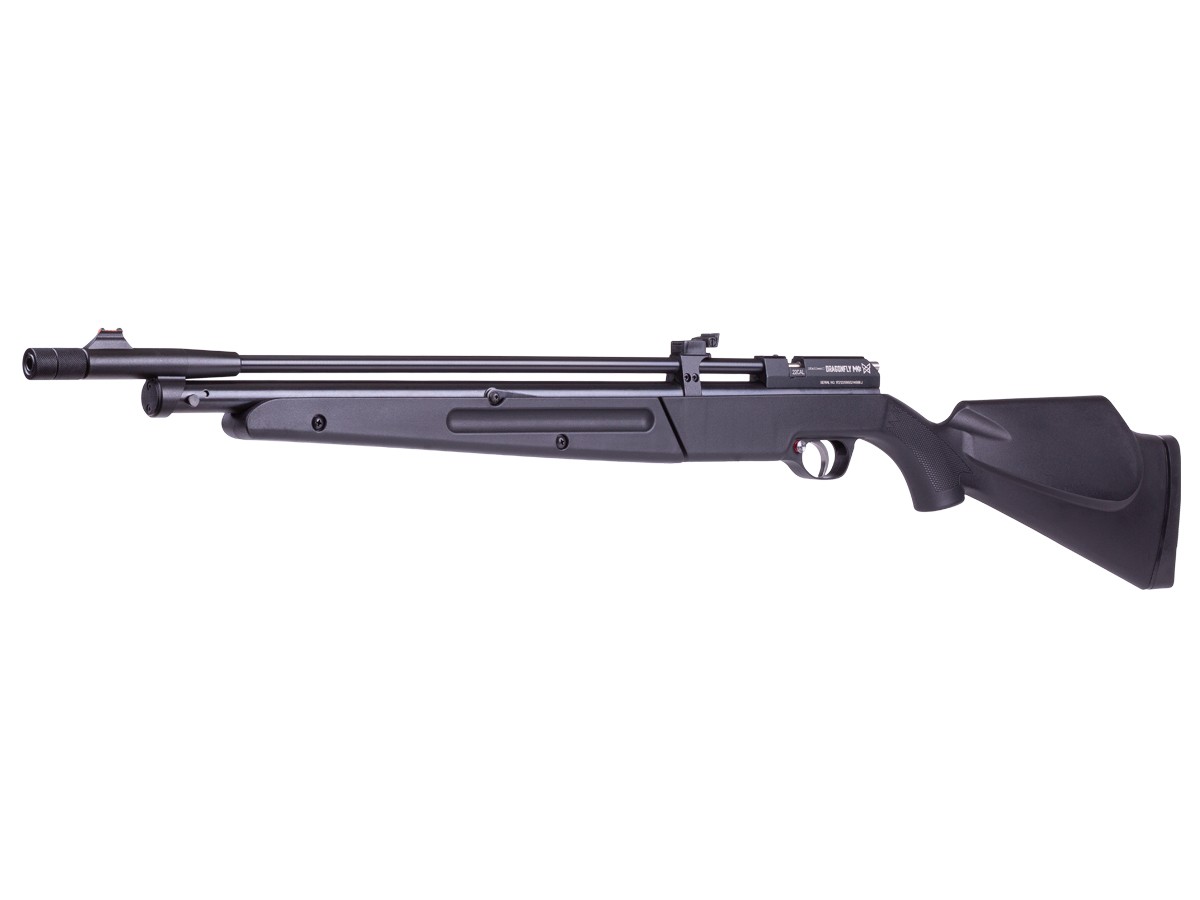
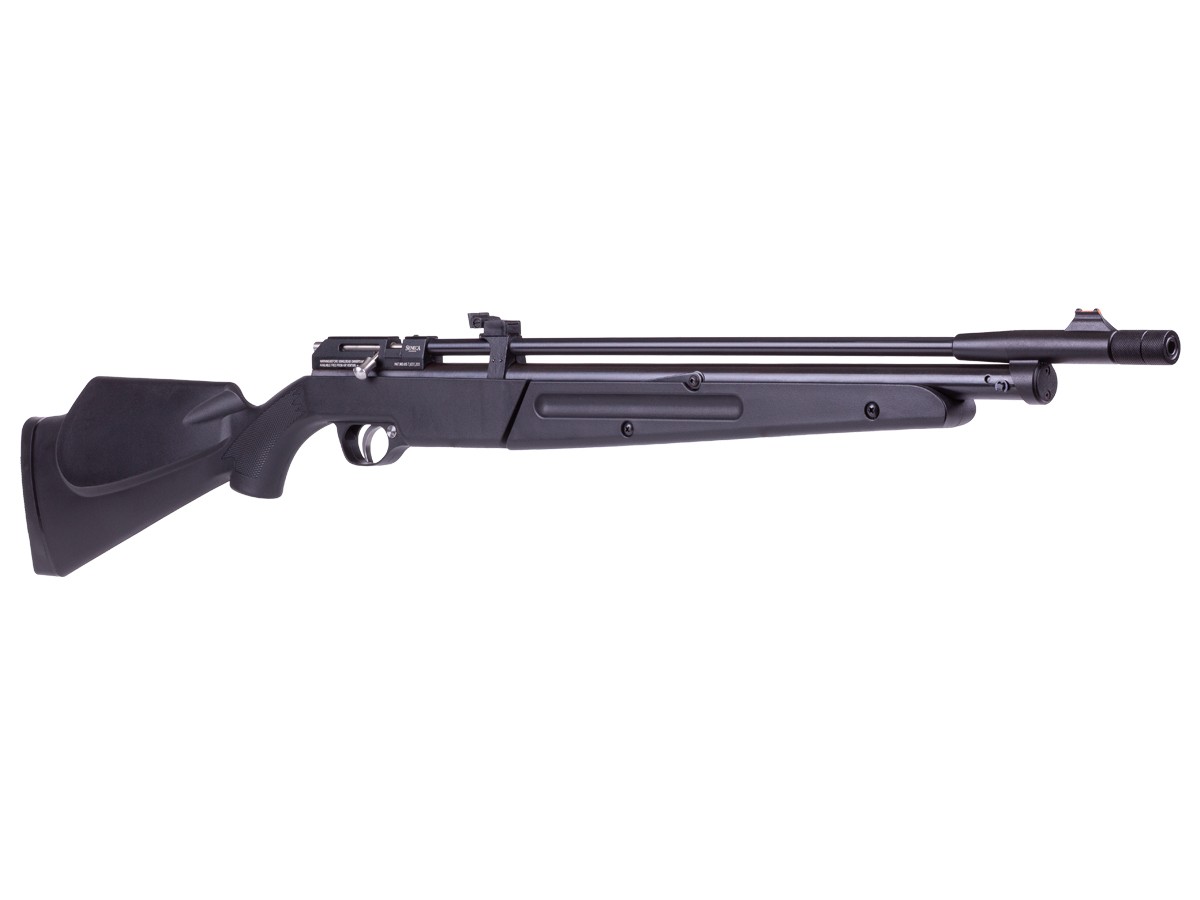
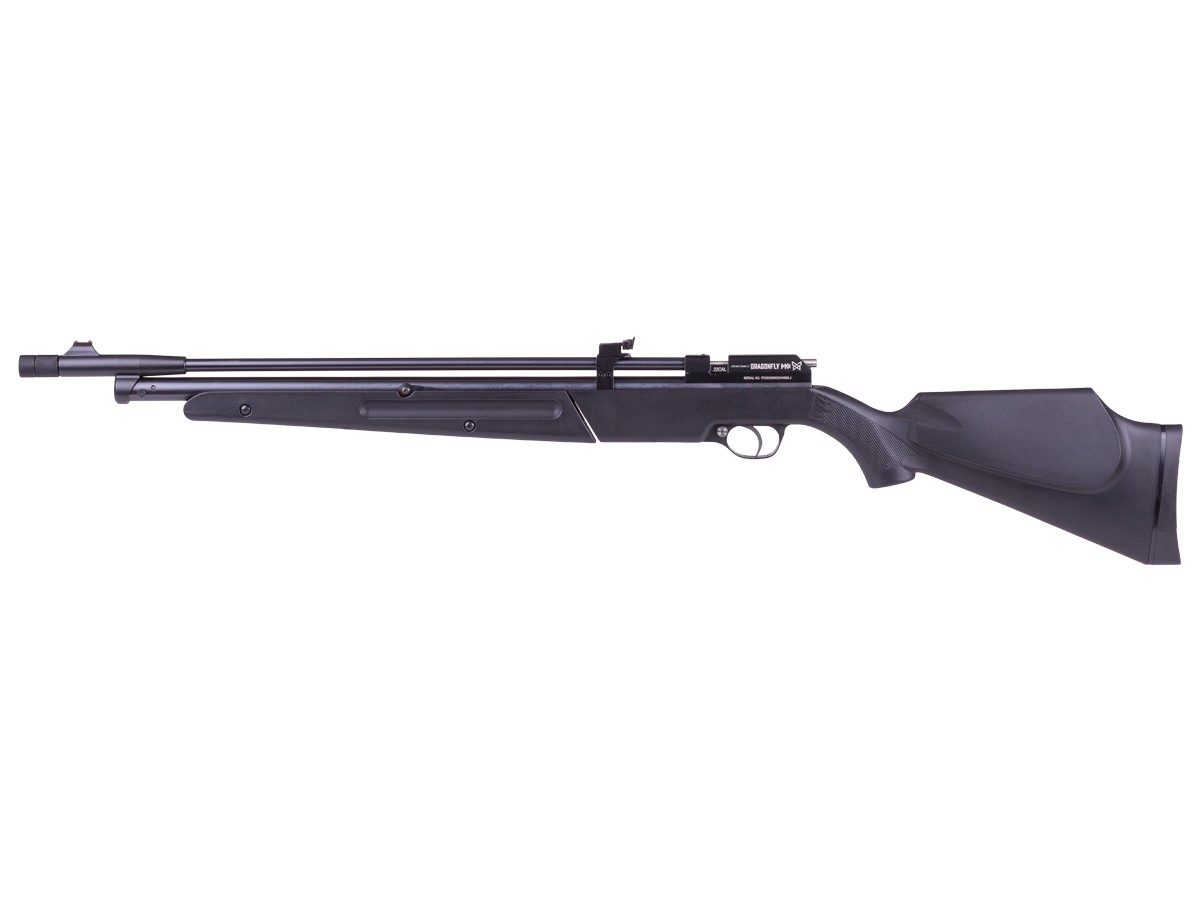
The broader seneca air rifles catalogue contains several types of pneumatic equipment rather than one single operating system. Someone looking for a seneca dragonfly mk2 is researching a considerably different platform from a large-bore Dragon Claw.
A general search for seneca air rifle may produce PCP, multi-pump, and specialized sporting models. Likewise, seneca air is sometimes used as shorthand when users are trying to locate the brand or its product range.
The seneca dragonfly emphasizes a self-contained pneumatic design, making it particularly appealing to shooters who do not want to depend entirely on an external high-pressure filling source. Buyers searching seneca dragonfly mk2 for sale should verify calibre, condition, warranty, and exact generation before ordering.
The simplified term dragonfly mk2 is another common product query. Meanwhile, the seneca dragon claw ii refers users back toward the company’s big-bore category, and searches for seneca guns can cover its wider pneumatic catalogue.
Air Venturi Alpha Series
The air venturi alpha provides another option for users exploring PCP technology. Its design is aimed at shooters who want practical pneumatic performance without immediately moving into highly specialized big-bore equipment.
A more maneuverable alternative can be found in the air venturi alpha compact. Compact dimensions may be attractive for shooters who value reduced overall length, although specifications should still be compared carefully.
Search terms such as alphagun airx, alphapure, alpha airx, alpha pri, and alpha air can sometimes appear in related search results. Because these terms can refer to different products or even unrelated categories, confirming the exact manufacturer’s model name is important before purchasing accessories or replacement parts.
Someone searching air venturi alpha for sale should examine included equipment, calibre, fill requirements, product condition, warranty, and regional specification. The air venturi alpha air rifle can then be evaluated based on intended recreational or sporting use rather than advertised specifications alone.
Air Venturi MicroStrike
Compact PCP development continues with the air venturi microstrike, a platform designed around reduced dimensions and pneumatic operation. Some users may search for it as the air venturi micro strike, particularly when comparing listings across different online marketplaces.
The phrase microstrike pcp emphasizes its operating system, while microstrike air venturi combines the product and manufacturer names in reverse order. A general search for micro rifle may also lead buyers toward compact pneumatic equipment from several manufacturers.
Compactness should never be mistaken for a lack of capability. Pressure ratings, calibre, energy, ammunition compatibility, and safe handling requirements remain important regardless of overall dimensions.
High-Powered Pneumatic Rifles and Maintenance
People researching the best high powered air rifles for hunting should compare far more than muzzle velocity. Accuracy, retained projectile energy, calibre, shot consistency, rifle balance, ethical shooting distance, and local hunting legislation all influence whether a platform is appropriate.
Owners occasionally search airventure avenger disassembly instructions when maintenance becomes necessary. Because high-pressure reservoirs can contain substantial stored energy, internal servicing should follow official manufacturer documentation and appropriate depressurization procedures.
Specialized projectile systems also appear within the pneumatic market. An air bolt gun uses compressed-air technology with a projectile system different from an ordinary pellet rifle. Searches for airbolt gun, air bolt, airbolt, and airbolt rifle illustrate the variety of wording customers use when researching this category.
The phrase pax bolt may also appear among specialized projectile-related searches. Exact compatibility should always be confirmed directly against the intended launcher or rifle before accessories are purchased.
Pneumatic Shotgun Systems
Another specialized category is the air shotgun for hunting, which uses compressed air rather than conventional firearm propellant. These platforms are niche products that should be evaluated according to local hunting regulations and manufacturer-approved ammunition.
The wingshot is associated with pneumatic shotgun technology, while the alternative spacing wing shot is frequently used during online searches. Such designs demonstrate how compressed-air technology can extend beyond traditional pellet rifles.
Understanding 12-Gram CO2 Cartridges
CO2-powered airguns use a different energy source from high-pressure PCP systems. Small pistols and recreational platforms frequently depend on 12g co2 actuation cartridges for their operating gas.
A standard 12g co2 cartridge is a small disposable cylinder containing compressed carbon dioxide. Buyers may also search for a 12 gram co2 cartridge, 12gram co2 cartridge, or simply co2 12g when purchasing replacements.
The search term 12grams is sometimes entered without reference to CO2, while co2 cartridges 12g clearly identifies the intended accessory. Other variations include 12-gram co2 cartridge, co2 12 gram, and 12 g co2 cartridges.
Although these terms describe the same general cartridge format, users should check the equipment manufacturer’s specifications before installation because seals, dimensions, piercing mechanisms, and compatibility can vary.
PCP Air Rifle Technology Explained
A pcp air rifle is powered using compressed air stored inside an onboard cylinder or bottle. The misspelling air rifel can sometimes appear in customer searches but generally refers to the same broader equipment category.
People asking what is a pcp air rifle are essentially asking how pre-charged pneumatic technology differs from spring-powered or CO2-based systems. In PCP equipment, the reservoir is filled beforehand and subsequently meters compressed air during firing.
An ar15 air rifle normally describes a pneumatic platform that uses modern sporting-rifle-inspired styling or ergonomics. Its appearance does not mean that its internal operating mechanism is the same as a firearm.
Similarly, marketing descriptions such as high powered air gun and high velocity air rifle should be evaluated alongside energy, calibre, accuracy, intended role, and legal restrictions rather than being used as the sole basis for a purchase.
Large-calibre equipment may be found through the unusual combined search phrase big bore pcp air riflespcp shotgun, which overlaps two specialized pneumatic categories.
Seneca Double Shot and Wingshot Systems
The seneca double shot .50 cal double barrel shotgun is a distinctive pneumatic platform that differs considerably from conventional pellet rifles. Its double-barrel arrangement makes it one of the more unusual products within the compressed-air sporting market.
A shorter search for seneca double shot generally leads toward the same family. The designation seneca double shot .50 cal highlights its large-calibre format and helps distinguish it from smaller recreational equipment.
Another search for wingshot products may lead users toward pneumatic shotgun-style equipment capable of using manufacturer-approved projectiles or shot loads, depending on the specific model.
A double barrel air gun differs operationally from ordinary repeating pellet rifles. Likewise, the phrase shotgun air rifle is commonly used by shoppers attempting to describe hybrid pneumatic designs.
The simpler term double shot gun may produce broader results, so confirming the exact product before ordering parts or accessories remains important.
Avenger Components and Modular PCP Configurations
One component researched by existing owners is the air venturi avenger rear barrel support. Parts compatibility can depend on production generation, stock configuration, barrel arrangement, and other dimensional considerations.
The term avenge x pcp is commonly used by users specifically interested in the pre-charged pneumatic version of the modular platform. Understanding reservoir volume, regulator settings, fill pressure, stock design, and calibre availability is more useful than relying exclusively on headline velocity figures.
Air Venturi V10 and Precision Air Pistols
The air venturi v10 belongs to a different shooting category from larger pneumatic rifles. It is associated with precision pistol shooting and is therefore more relevant to shooters interested in balance, trigger feel, grip ergonomics, and controlled target performance.
Someone searching for a strong bb pistol may have different requirements because BB pistols are commonly designed for recreational shooting rather than formal precision disciplines.
A 10m air pistol is normally optimized for target competition at a standardized distance. Such equipment emphasizes repeatability and shooter control rather than maximum projectile velocity.
For beginners asking what is an air pistol, the term describes a handgun-format device powered by compressed air, CO2, spring mechanisms, or related airgun technologies.
An air metal gun usually refers informally to an air-powered pistol or replica featuring significant metal construction. A .50 cal air pistol, by contrast, belongs to a much more specialized large-calibre pneumatic category.
Searches for a 1000 fps pellet pistol frequently focus heavily on advertised velocity, although actual performance depends on pellet weight, test conditions, barrel design, and the specific platform.
The discipline of shooting air pistol can range from informal recreational practice to organized competition. A conventional air pellet pistol fires shaped pellets rather than spherical BB ammunition.
Competitive users interested in target shooting air pistol equipment should prioritize consistent sights, suitable grips, predictable triggers, and repeatable shot behavior.what does air do on focusrite
The alternative question what is a air pistol means essentially the same thing as the grammatically standard wording but appears frequently in search queries. Meanwhile, a 22 air pistol refers to a platform chambered for .22-calibre airgun projectiles.
Choosing the Right Pneumatic Platform
Modern pneumatic equipment provides buyers with an exceptionally broad selection. Some platforms emphasize affordability and straightforward recreational use, while others focus on modularity, compact dimensions, precision competition, specialized projectiles, or large-calibre sporting performance.
The most suitable option should therefore be selected according to practical requirements. Buyers should consider calibre, reservoir capacity, pressure requirements, intended shooting discipline, rifle dimensions, ammunition availability, filling equipment, accessory compatibility, maintenance support, warranty coverage, and applicable legislation.
A carefully selected pneumatic platform can provide excellent consistency and a smooth shooting cycle when operated according to manufacturer specifications. More importantly, appropriate eye protection, secure storage, a reliable backstop, proper handling, and compliance with local laws should remain part of responsible ownership regardless of power level or platform style.
Calibres, FAC Considerations, Power Settings and Accessories for the Seneca Dragonfly Mk2
Two popular pellet calibres are offered with the Seneca Dragonfly Mk2 so that different shooting goals can be matched without changing platforms. Consequently, a single rifle family can serve both high-volume target work and more authoritative field use. Inclusive language is used throughout so that every shooter can evaluate the options against local rules and personal needs.
Calibres Offered With the Seneca Dragonfly Mk2
.177 and .22 versions of the Seneca Dragonfly Mk2 are produced. Therefore, a flatter, faster trajectory is typically associated with the smaller calibre, while greater on-target energy is associated with the larger one. A nine-shot rotary magazine is supplied with the .177 model. Meanwhile, a seven-shot rotary magazine is supplied with the .22 model. In both cases a single-shot tray is also included so that either rapid follow-up shots or a slower, more deliberate loading style can be chosen.
Alloy and lead pellets are commonly used. Additionally, some testers have reported that certain slugs can be launched when the higher pump counts are applied. As a result, pellet selection remains an important part of tuning accuracy and energy. Because barrel harmonics and choke characteristics vary from rifle to rifle, several pellet weights should be tried before a favourite is settled upon.air pcp
Choosing Between .177 and .22
High shot volume and a flatter sight picture at typical backyard distances are often favoured when the .177 Seneca Dragonfly Mk2 is selected. Conversely, extra knockdown authority on small pests is usually preferred when the .22 Seneca Dragonfly Mk2 is chosen. Moreover, both calibres share the same 22.75-inch rifled barrel length, 11 mm dovetail rail and threaded muzzle, so accessory compatibility remains consistent across the line.
Power Output and How It Is Adjusted
Variable power is generated by the multi-pump pneumatic system of the Seneca Dragonfly Mk2. Three to fifteen pumps can be applied before each shot. Hence, muzzle energy can be raised or lowered without tools or extra tanks. At the lowest settings a quiet, neighbour-friendly report is produced. At the highest settings velocities approaching the manufacturer’s stated maxima—up to 950 fps (.177 alloy) and 840 fps (.22 alloy), with lead figures commonly listed near 890 fps and 800 fps respectively—are approached.
Independent tests have shown that useful energy in the mid-teens of foot-pounds is frequently recorded with popular lead pellets at ten to twelve pumps. Furthermore, figures approaching or slightly exceeding 18–20 foot-pounds have been measured with certain heavier .22 pellets at maximum fill. Consequently, the same rifle can be kept mild for practice and then stepped up when more authority is required. Because velocity and energy also depend on pellet weight and seal condition, chronograph checks after a break-in period are recommended.
Typical Power Bands by Pump Count
Three to five pumps are generally reserved for close-range plinking and quiet practice. Six to ten pumps are often treated as a versatile everyday band. Eleven to fifteen pumps are reserved for maximum power when legal and appropriate. In addition, diminishing returns have been noted by some testers beyond twelve pumps, so a personal sweet spot of effort versus energy can be established through measurement rather than habit alone.
FAC and Legal Power Considerations
Legal classification of the Seneca Dragonfly Mk2 is determined by the energy produced at the chosen pump setting and by the laws of the jurisdiction in which the rifle is used. In the United Kingdom, air rifles that produce more than 12 foot-pounds of muzzle energy are generally treated as firearms requiring a Firearm Certificate (FAC). Because energy from this multi-pump design rises with additional strokes, some lower pump counts may remain below that threshold while higher counts may exceed it.
Therefore, local regulations must be verified by every owner before the rifle is used. Similar energy-based or velocity-based limits exist in other countries and regions. Inclusive compliance is encouraged: responsible ownership includes confirming current rules, using a suitable backstop, and never assuming that a “multi-pump” label automatically keeps a rifle below a given legal limit. No legal advice is offered here; official sources in the relevant country should always be consulted.
Accessories That Complement the Seneca Dragonfly Mk2
An 11 mm dovetail rail is machined on the breech so that compact airgun scopes can be mounted after the rear sight is removed. Medium-height rings are frequently found to provide adequate objective clearance over the rotary magazine. Additionally, the 1/2×20 UNF muzzle thread accepts moderators and air strippers once the factory thread protector is unscrewed. As a result, report can be further reduced when quiet practice is desired.
Spare magazines, extra single-shot trays, and the small bag of O-rings and check valve often supplied with the rifle support ongoing use. Quality pellets matched to the chosen calibre remain the most important consumable. Moreover, a compact sling, bipod adapter (where the stock design allows), and a simple cleaning kit help keep the Seneca Dragonfly Mk2 ready for regular sessions. Because the pump system itself requires no high-pressure fill equipment, the accessory list stays short and affordable.
Suggested Accessory Checklist
- Compact 11 mm dovetail scope and appropriate rings
- 1/2×20 UNF moderator or air stripper
- Extra rotary magazine and spare single-shot tray
- Calibre-matched pellets in several weights for testing
- Spare O-rings and pump-head lubricant as recommended by the maker
- Soft case or sling for transport
When these items are added thoughtfully, the Seneca Dragonfly Mk2 can be kept versatile, legal, and enjoyable across calibres, power settings and shooting styles. Always confirm FAC or equivalent requirements in your location before selecting a high-pump setting.
Frequently Asked Questions
Common questions about this multi-pump pneumatic air rifle are answered below so that informed choices can be made. Inclusive language is used throughout, and local laws should always be confirmed before any rifle is purchased or used.
What kind of air rifle is this?
A multi-pump pneumatic design is employed. Therefore, compressed air is stored in an onboard reservoir by means of a folding pump lever rather than by a scuba tank or electric compressor. Consequently, the rifle can be taken into the field with nothing more than pellets and a modest supply of effort. Moreover, power can be varied from shot to shot simply by changing the number of pump strokes.
How many pumps can be applied?
A range of three to fifteen strokes is supported. Hence, a quiet, low-energy setting can be selected for backyard practice, while a higher setting can be selected when more authority is required. In addition, pumping effort is kept relatively consistent from the first stroke to the last because of the patented butterfly linkage. As a result, the progressive strain associated with many older multi-pump rifles is largely avoided.
Which calibres are available?
Two pellet calibres are offered. A nine-round rotary magazine is typically supplied with the smaller calibre, while a seven-round magazine is typically supplied with the larger calibre. Furthermore, a single-shot tray is included with both versions so that either rapid follow-up shots or a slower loading rhythm can be enjoyed. Alloy and lead pellets are commonly used; certain slugs have also been tried by some testers at higher pump counts.
How much power is produced?
Muzzle energy is determined by pump count, pellet weight and seal condition. At modest fills, neighbour-friendly velocities suitable for close-range plinking are produced. At higher fills, energies in the mid-teens of foot-pounds are frequently recorded with popular lead pellets, and figures approaching or slightly exceeding the high teens have been measured with some heavier projectiles. Therefore, a personal sweet spot of effort versus energy should be established with a chronograph after a reasonable break-in period.
Does this rifle require a Firearm Certificate?
Legal classification depends on the energy produced at the chosen setting and on the laws of the jurisdiction in which the rifle is used. In some countries an energy threshold of twelve foot-pounds is applied to air rifles. Because output rises with additional pumps, lower settings may remain below a given limit while higher settings may exceed it. Consequently, official sources in the relevant country must be consulted. No legal advice is offered here; responsible ownership includes verification of current rules.
Can a scope be mounted?
An eleven-millimetre dovetail rail is provided on the breech. After the adjustable rear sight is removed, compact airgun optics can be fitted. Medium-height rings are often found to give adequate clearance over the rotary magazine. Additionally, fibre-optic front and fully adjustable rear open sights are supplied so that the rifle can be used immediately without extra equipment.
Is the muzzle threaded?
A half-inch by twenty UNF thread is machined at the muzzle and is normally protected by a cap. Once the cap is unscrewed, a moderator or air stripper can be attached. As a result, report can be reduced when quiet practice is desired. Thread-on accessories should be chosen that are intended for air rifles so that alignment and safety are preserved.
How heavy and long is the rifle?
An overall length of approximately forty inches and a weight of roughly six and a third to six and a half pounds are typical. Therefore, the package remains easy to carry on short walks and comfortable to shoulder for extended plinking sessions. A checkered grip and textured rubber buttpad further aid control in damp or cold conditions.
How accurate is it expected to be?
Minute-of-can and tight paper groups at twenty-five yards have been reported by multiple testers when a well-matched pellet is used. Consistency of velocity from shot to shot is supported by the regulated feel of the pump system. Nevertheless, barrel harmonics differ from example to example, so several pellet weights should be tried. Open sights or a compact scope can both produce useful results when a solid rest and good form are applied.
What pellets work best?
No single pellet is universally best. Lighter alloy pellets are often chosen when maximum velocity is the goal. Mid-weight lead domes are frequently preferred when a balance of energy and grouping is wanted. Heavier pellets may be selected when extra momentum on small pests is desired. Inclusive testing is encouraged: a small sample of several reputable brands should be chronographed and grouped before a bulk purchase is made.
Is a magazine included?
Yes. A rotary magazine matching the chosen calibre is supplied together with a single-shot tray. Follow-up shots can therefore be taken without handling individual pellets between every discharge. The bolt action indexes the magazine smoothly when it is seated correctly. Spare magazines can be added later if high-volume sessions are planned.
How loud is the report?
A moderately snappy report that increases with pump count is produced. At three to five pumps the rifle is often described as backyard-friendly. At fifteen pumps the sound is more noticeable yet still typical of a multi-pump pneumatic rather than a high-power pre-charged rifle. A moderator can be fitted when extra discretion is required, provided local rules allow such devices.
Does the rifle need a compressor or air tank?
No external high-pressure source is required. Air is generated solely by the onboard pump. Consequently, the rifle remains ready wherever pellets can be carried. This independence is one of the principal attractions of the design for users who prefer not to invest in fill equipment.
How is maintenance performed?
Routine care is straightforward. The pump head should be kept clean and lightly lubricated according to the manufacturer’s guidance. Spare O-rings and a check valve are commonly packed with the rifle so that seals can be refreshed when velocity begins to drop. The barrel should be cleaned with airgun-safe methods only. Screws should be checked periodically because vibration from repeated pumping can loosen fasteners over time.
Can the trigger be adjusted?
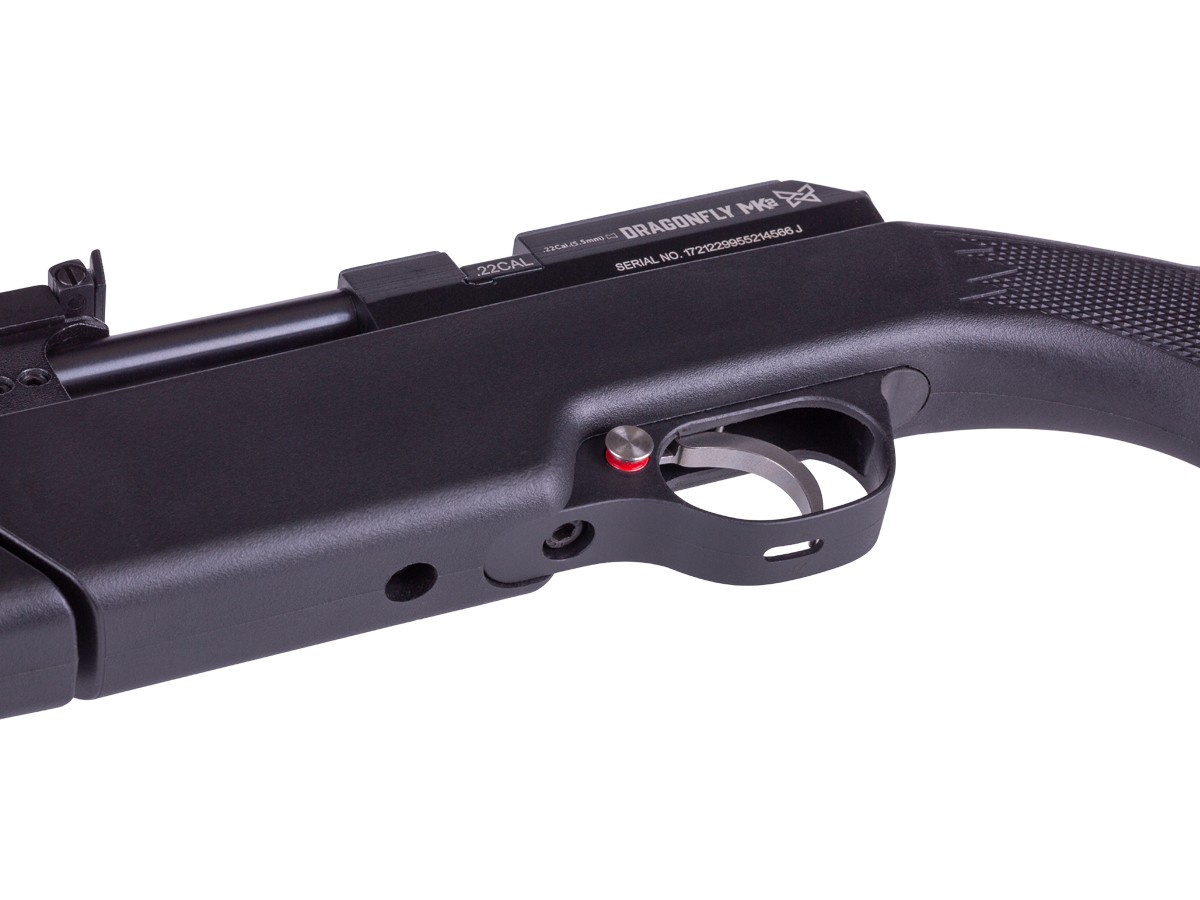
A metal trigger that is generally described as single-stage or as a long two-stage pull is fitted. Adjustability is not provided on most examples. A consistent break in the region of three to five pounds has been noted by testers. Dry-firing is stated by some retailers to be acceptable; nevertheless, the maker’s instructions should be followed.
Who is this rifle intended for?
New shooters learning fundamentals, experienced users seeking a simple backyard rifle, and anyone who wants variable power without fill gear can all find a use for it. Inclusive family sessions are possible when safety rules, eye protection and a proper backstop are observed. It is not presented as a self-defence tool. Small-game and pest use should be undertaken only where legal and ethical.
How does it compare with a pre-charged pneumatic rifle?
Filling independence and lower initial cost are offered by the multi-pump system. In exchange, a pump stroke is required before every shot and maximum energy is typically lower than that of a full-power PCP. Shot-to-shot consistency is still high when the same pump count is repeated. Therefore, the two platforms serve overlapping but not identical roles.
What accessories are most useful?
A compact scope and rings, a muzzle moderator, extra magazines, a sling or soft case, and a selection of test pellets cover most needs. Because no tank or hose is required, the accessory list stays short. Quality ammunition matched to the barrel remains the single most important extra purchase.
Is the stock synthetic or wood?
Current production commonly uses a black synthetic stock and pump handle for weather resistance and lower cost. Earlier examples were furnished in wood. Handling characteristics remain similar. The synthetic furniture is light, durable and easy to wipe down after wet sessions.
How should the rifle be stored?
A dry, secure location out of reach of unauthorised users is recommended. The reservoir should not be left at maximum pressure for long periods if the maker advises otherwise. A light coat of appropriate oil on metal surfaces helps prevent corrosion. Inclusive household safety includes treating every air rifle with the same respect given to any projectile launcher.
Can children use it?
Supervision by a responsible adult is essential. Local minimum-age rules must be obeyed. Lower pump settings reduce both energy and report, making them more suitable for introductory sessions. Eye protection and a safe backstop are non-negotiable for every shooter.
Will velocity change as the rifle is broken in?
A modest rise in velocity after the first few hundred shots has been observed by some testers as seals seat. Chronograph readings taken after a break-in period give a more reliable picture than first-day figures. Subsequent drops in speed often indicate that seals need attention or that the pump head requires lubrication.
Is the rifle suitable for hunting?
Where local law permits and the energy at the chosen pump setting is adequate, small-game and pest work can be undertaken ethically at appropriate ranges. Shot placement and a suitable pellet remain more important than maximum advertised velocity. Inclusive, responsible hunting practice includes knowing the rifle’s real-world limits rather than relying on catalogue claims alone.
What should be checked before the first shot?
The owner’s manual should be read in full. The bore should be confirmed clear. The correct magazine or tray for the calibre should be fitted. A safe backstop should be in place. Local regulations, including any energy or licensing thresholds, should already have been verified. When these steps are completed, enjoyable and informed use can begin.










Reviews
There are no reviews yet.