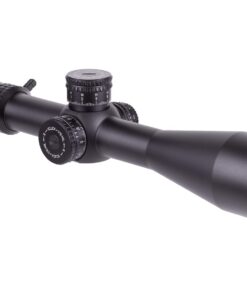
Hi-Lux Malcolm 6X 30″ Rifle Telescope Gen II Rifle Scope
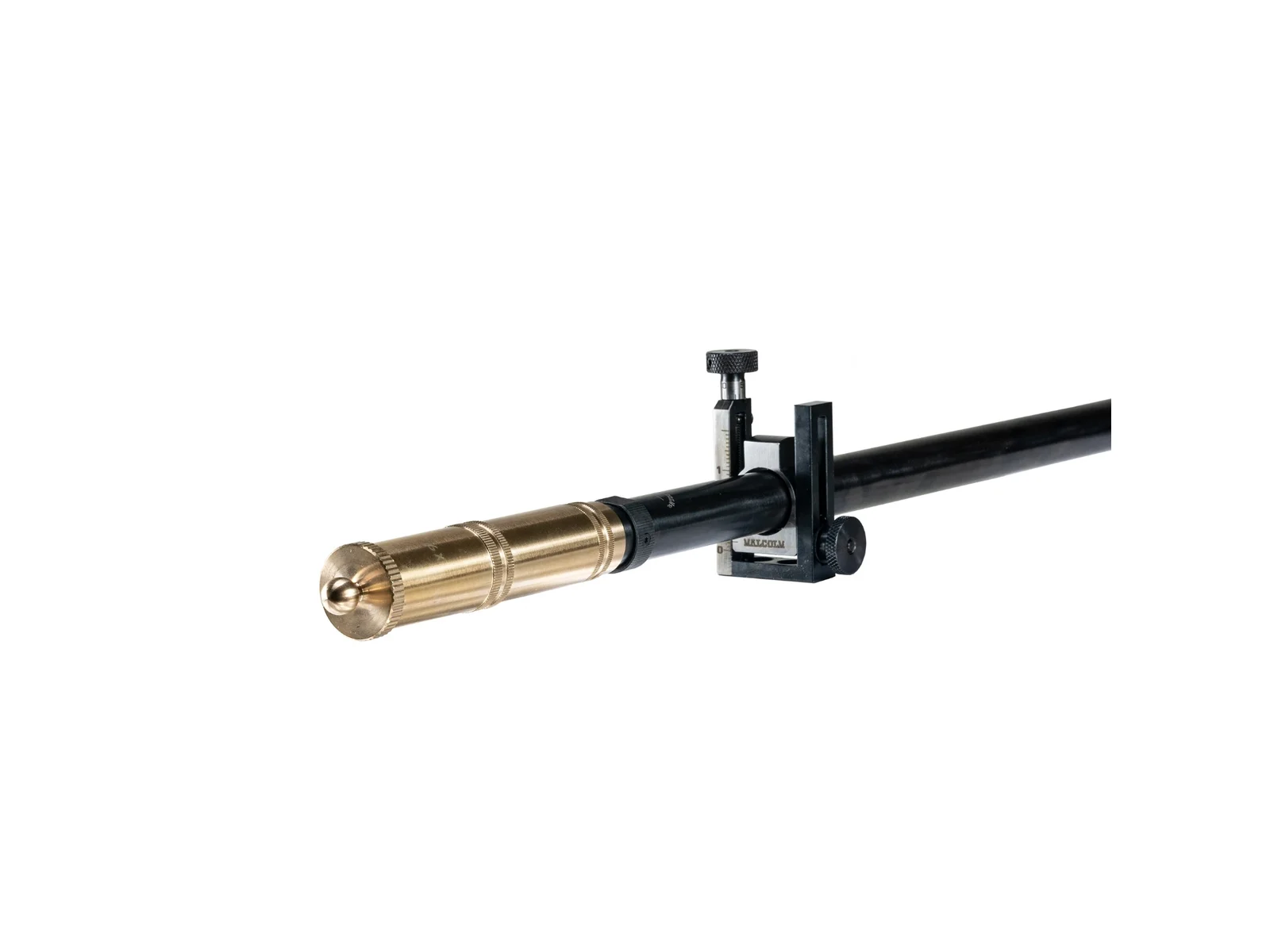
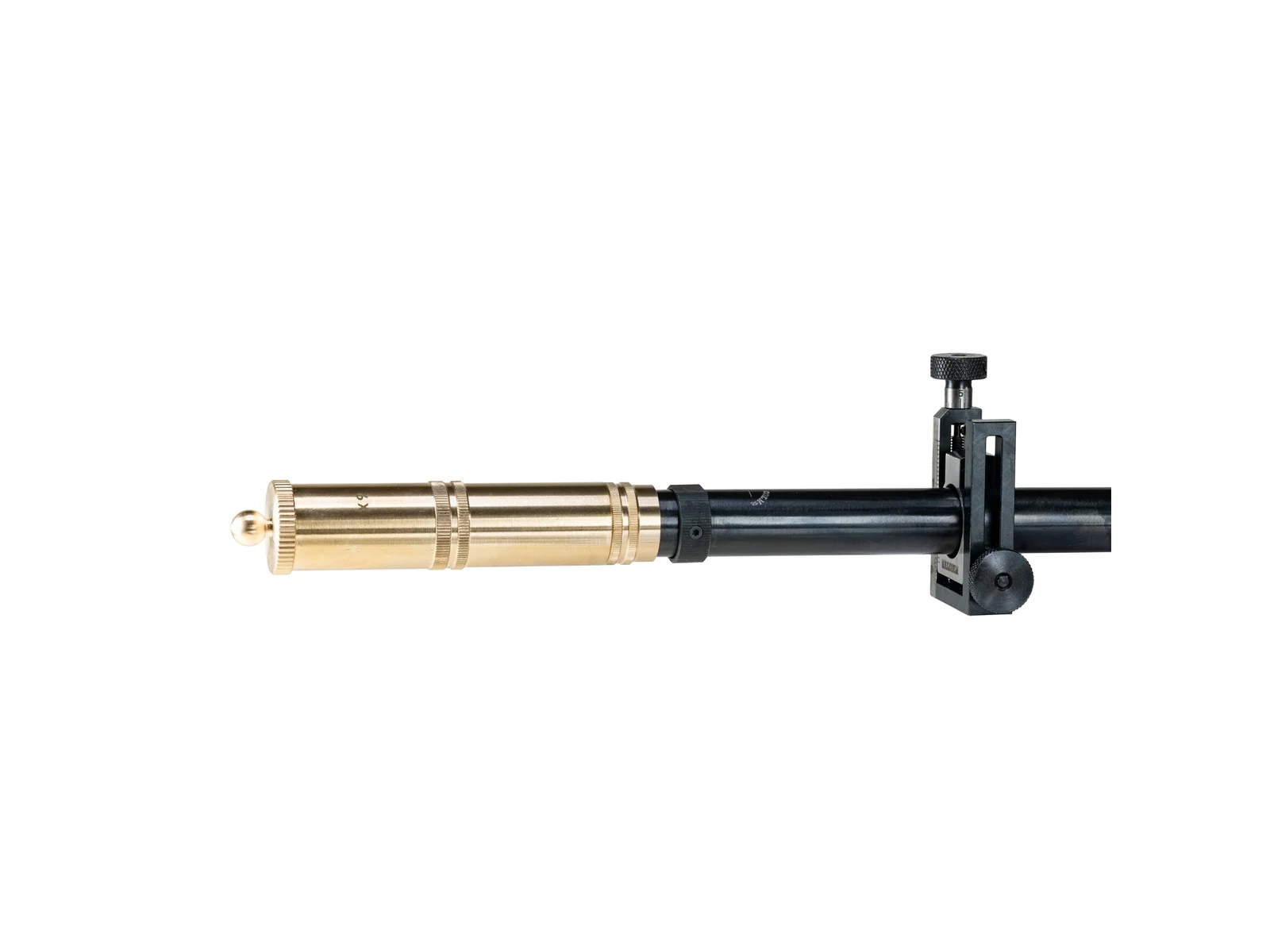
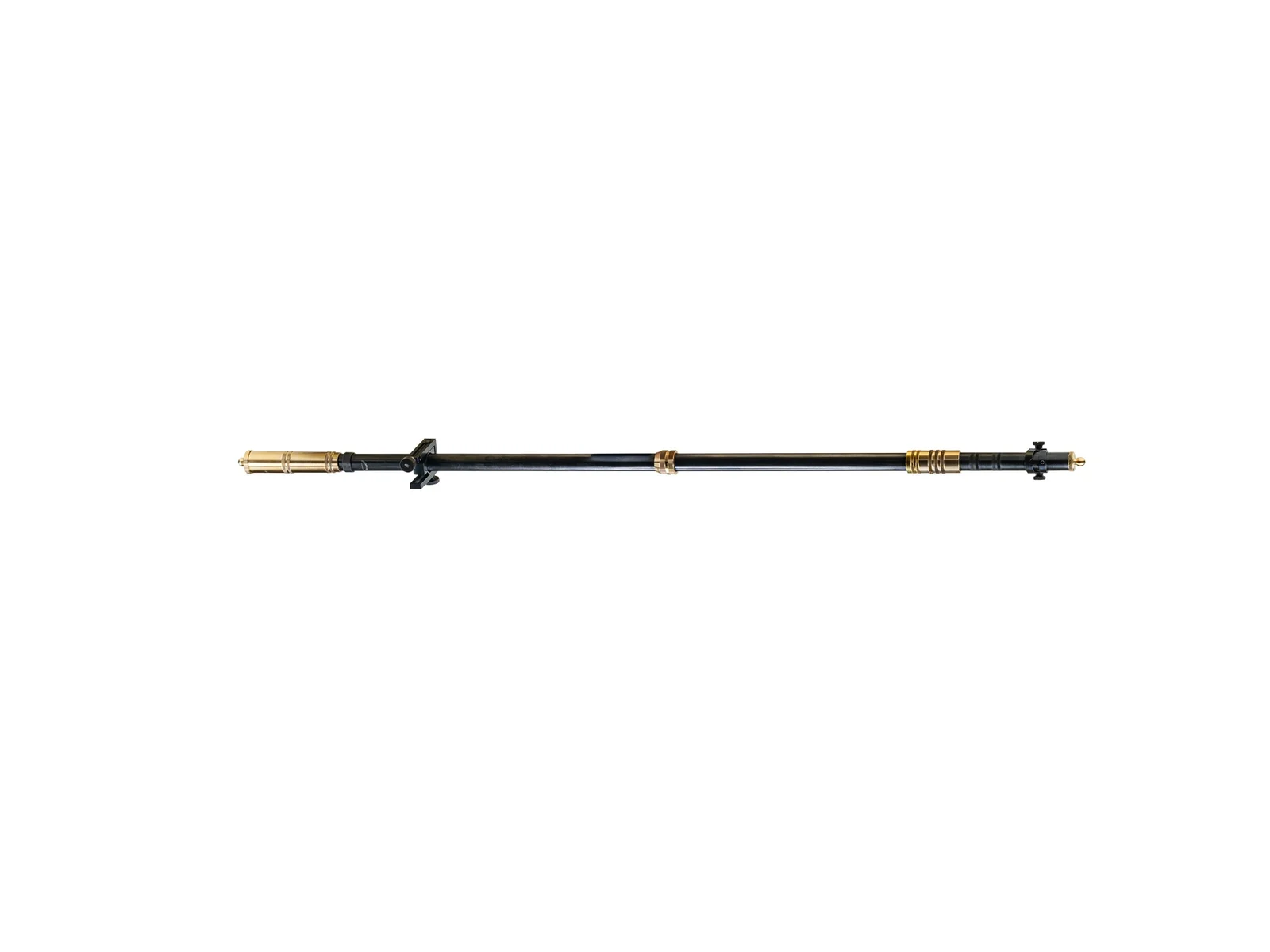
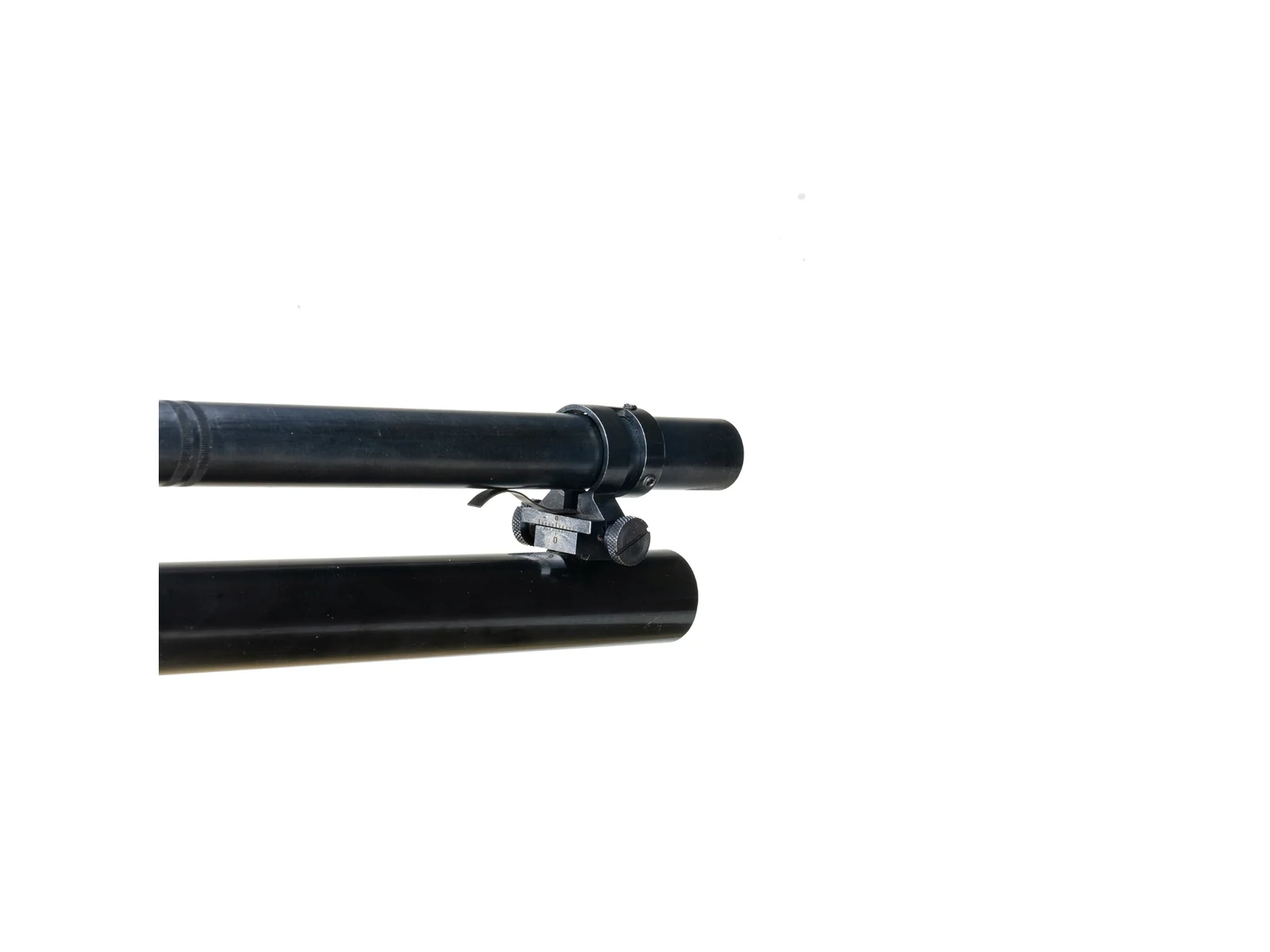
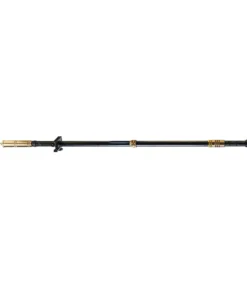
Classic styling is brought together with modern optical performance in the Hi-Lux Malcolm 6X 30″ Rifle Telescope Gen II Rifle Scope. Inspired by traditional long-tube rifle telescopes, this distinctive optic has been designed for enthusiasts who appreciate historically appropriate appearance without giving up the practical advantages expected from contemporary optics.
Rather than allowing a modern tactical-looking optic to dominate the appearance of a traditional rifle, the Malcolm Gen II has been given a long, slim profile that complements classic single-shot and long-barreled rifles. Meanwhile, dependable 6X magnification is provided so targets can be viewed clearly while the traditional character of the rifle is preserved.
For collectors, recreational target shooters, historical-rifle enthusiasts, and competitors using suitable traditional platforms, an excellent balance of heritage-inspired styling, adjustability, and optical usability is offered.
Classic Malcolm Styling Enhanced for Modern Shooting
Historical character is immediately communicated by the long-tube construction of the Hi-Lux Malcolm 6X 30″ Rifle Telescope Gen II Rifle Scope. However, performance has not been sacrificed simply to achieve a vintage appearance.
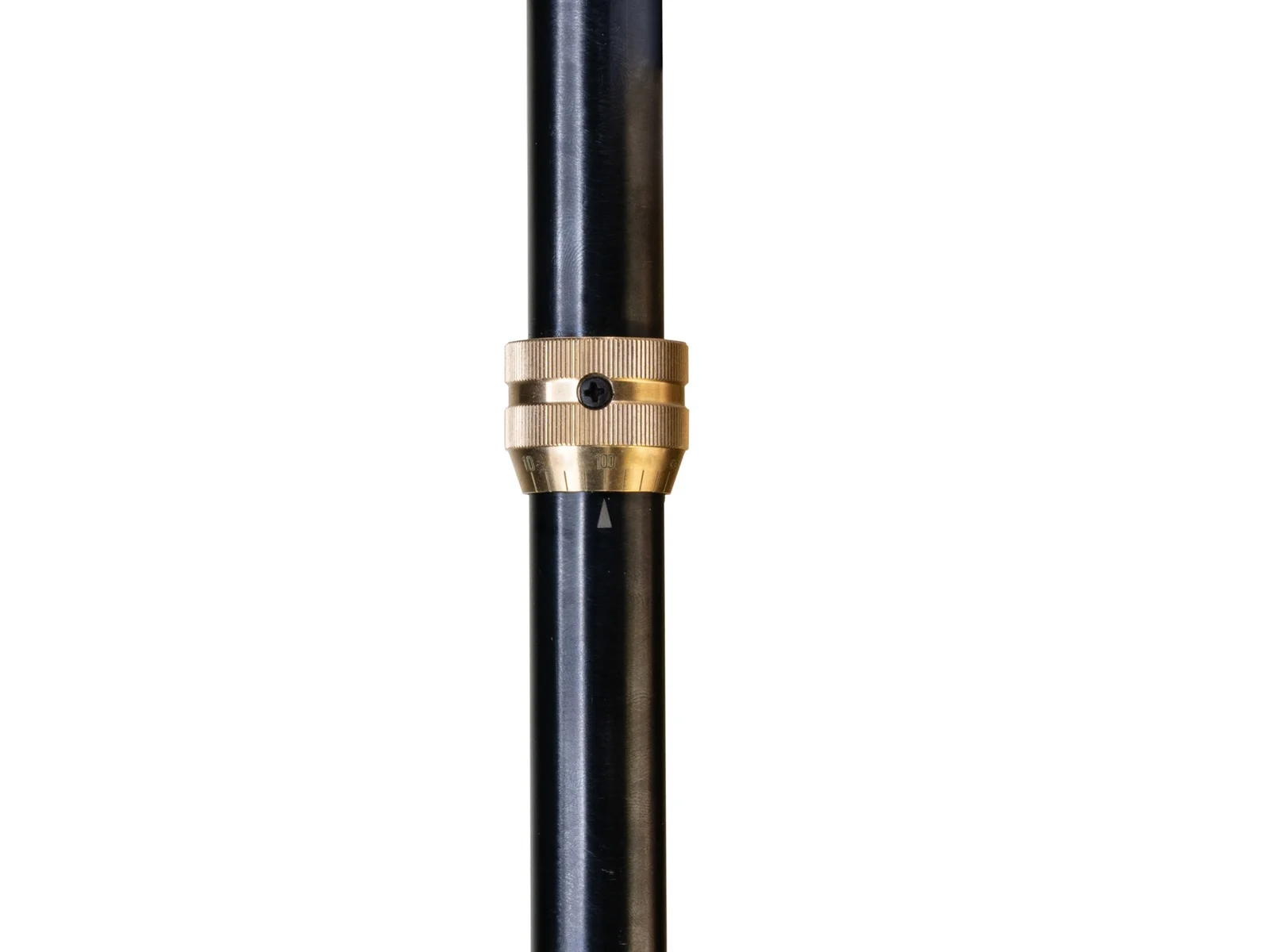
Instead, several practical improvements have been incorporated into the second-generation design. Most notably, parallax can be adjusted from approximately 10 yards to infinity. Consequently, clearer target observation can be maintained across considerably different shooting distances.
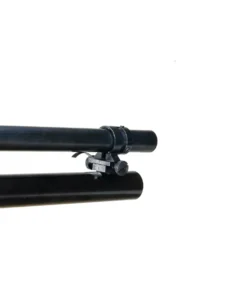
Furthermore, a sliding dovetail mounting system is included. On compatible rifles equipped with suitable front and rear sight dovetails, installation may therefore be completed without requiring the barrel to be drilled and tapped.
Key Product Highlights
- 6X fixed magnification for a consistent and straightforward sight picture
- 17 mm objective lens housed within the traditional slim-profile telescope
- Fine crosswire reticle for precise target alignment
- Parallax adjustment from 10 yards to infinity
- Approximately 4-inch eye relief
- 3/4-inch scope tube
- Sliding dovetail mounting system
- Traditional long-tube Malcolm appearance
- Threaded lens covers included
- 5-inch extended sunshade included
- Optional 10X booster eyepiece compatibility
- Multiple dovetail sizes available for compatible rifles
- Designed especially for traditional and long-barreled rifle configurations
Fixed 6X Magnification for a Consistent View
Instead of complicated variable-power controls, a straightforward 6X magnification system has been incorporated. Because magnification remains fixed, the viewing experience is kept simple and predictable.
A useful level of target enlargement is therefore provided while the classic configuration of the telescope is retained. For target shooting and traditional rifle applications, unnecessary external controls are minimized, allowing attention to remain focused on sight alignment and consistency.
Equally important, the fine crosswire reticle has been selected to complement the optic’s precision-oriented character. A target can consequently be referenced without an excessively heavy reticle covering the intended aiming point.
Adjustable Parallax From 10 Yards to Infinity
One of the most significant Gen II improvements is found in the adjustable parallax system.
Parallax adjustment can be made from approximately 10 yards through infinity, giving the telescope considerably more flexibility than a traditional fixed-focus reproduction. Therefore, the image can be brought into sharper focus according to target distance while potential aiming inconsistencies associated with parallax can be reduced.
Whether shorter-range practice or more distant target work is being undertaken, the optic can be configured more appropriately for the distance being used.
Period-Correct Appearance Without Outdated Convenience
Traditional rifles are frequently chosen because of their craftsmanship, history, and unmistakable appearance. Consequently, installing a bulky contemporary optic may significantly change their character.
The Hi-Lux Malcolm 6X 30″ Rifle Telescope Gen II Rifle Scope provides a different solution.
Its elongated profile is visually suited to classic rifle designs, while modern manufacturing and optical functionality are incorporated beneath the vintage-inspired exterior. As a result, traditional appearance can be retained while considerably greater usability is provided than would normally be expected from an antique telescope.
A 3/4-inch tube further reinforces the authentic slim appearance. Meanwhile, the extended sunshade contributes both to the recognizable long-scope silhouette and practical light management.
Convenient Sliding Dovetail Mounting System
Installation flexibility has also been improved through the supplied Sliding Dovetail Mounts.
When compatible front and rear sight dovetails are already present on the rifle, mounting may be accomplished without permanent drilling or tapping. This feature can be particularly attractive when alteration of a traditional rifle is undesirable.
Several dovetail dimensions are supported depending on the rifle configuration. Therefore, compatibility should always be confirmed before installation.
Once correctly fitted, the mounting arrangement preserves the distinctive appearance expected from a Malcolm-style telescope while providing the adjustment required for practical target use.
Designed Around Traditional Rifle Platforms
The long Malcolm configuration is particularly well suited to appropriate single-shot and long-barreled rifles. Accordingly, the optic can complement platforms where maintaining historical visual character is considered important.
Rather than being presented as another generic modern riflescope, this model has been created for shooters who specifically value traditional firearm architecture.
That distinction makes the telescope particularly appealing to collectors, vintage-rifle enthusiasts, historical shooting participants, and anyone seeking an optic whose appearance feels naturally integrated with a classic rifle.
Fine Crosswire Reticle for an Uncluttered Sight Picture
A fine crosswire reticle is supplied as standard.
Because relatively thin intersecting lines are used, unnecessary visual obstruction is reduced. Consequently, smaller aiming references can remain visible instead of being hidden behind thick reticle elements.
The uncomplicated design also complements the historical appearance of the telescope. Rather than filling the sight picture with modern ranging references and complex markings, a clean traditional aiming interface is provided.
For shooters who value simplicity, that uncluttered presentation can make the overall viewing experience more natural and intuitive.
What Is Included?
A comprehensive standard package is supplied with the Hi-Lux Malcolm 6X 30″ Rifle Telescope Gen II Rifle Scope, helping simplify installation on a compatible rifle.
Included components are:
- Long Malcolm telescope body
- 6X magnification eyepiece
- Fine crosswire reticle
- Sliding dovetail mounts
- Selected compatible dovetails
- Threaded protective lens covers
- 5-inch extended sunshade
Additional sunshade lengths and an optional 10X booster eyepiece may be available separately, allowing the setup to be further adapted according to the rifle and intended configuration.
Why Choose the Hi-Lux Malcolm 6X 30″ Rifle Telescope Gen II Rifle Scope?
Few optics combine heritage-inspired presentation and contemporary functionality as naturally as this model.
First, the elongated Malcolm design provides unmistakable traditional character. Additionally, fixed 6X magnification keeps operation straightforward. More importantly, adjustable parallax brings useful modern flexibility to the vintage-inspired platform.
Installation has also been made more practical through the sliding dovetail system. Therefore, compatible rifles may be equipped without unnecessary permanent modification.
Above all, the Hi-Lux Malcolm 6X 30″ Rifle Telescope Gen II Rifle Scope is designed for people who do not want to choose between classic appearance and usable modern optics. Traditional styling is preserved, practical improvements are incorporated, and the overall package remains unmistakably Malcolm.
For a vintage-style rifle that deserves an equally distinctive optic, this Gen II telescope provides an elegant, purpose-built finishing touch.
Element Optics Scopes, Rangefinding Technology, Mounts, and Precision Optic Options
For shooters comparing modern precision optics, element theos has become an important search term, especially for people researching the theos scope and premium long-range configurations such as element theos 6-36, 36×56, and element theos 6 36×56. At the same time, more versatile configurations including element optics 2-10, element 2-10 scope, and element 2 10 scope appeal to users who prefer a wider balance between close-range visibility and higher magnification. Across the broader product family, element helix, element scopes, and related models give buyers several magnification, reticle, and mounting configurations to consider.
When researching an optics-focused scopes website, customers often compare element tactical products with equipment from another optic scope manufacturer. Product searches may also include element prism, titan scope, op element, and helix scope, particularly when comparing compact optics with traditional variable-power designs. Higher magnification options such as element optics 6-24×50 can suit users who prioritize a detailed sight picture and substantial adjustment range.
The premium range also includes the nexus scope, element nexus scopes, and broader nexus scopes category. Searches for nexus tactical equipment frequently lead buyers toward the nexus 4-25×50, while the element titan provides another recognizable alternative. Users comparing a 5-25 scope, 25/56, titan 5, or theos 2-10 generally look closely at optical clarity, turret construction, reticle layout, focal-plane configuration, adjustment tracking, and overall build quality. Consequently, search phrases such as element titan 5 25×56 ffp review and titan25 are commonly associated with buyers researching the Titan platform in greater detail.
Another frequently researched configuration is the element helix 6 24×50, particularly alongside the element nexus gen 2. Although these optics occupy different positions within a product range, potential buyers often compare their specifications before choosing an appropriate design. Reticle selection is equally important, which explains continued interest in rifle scope reticles, while electronic tools such as a ballistic rangefinder can complement a modern optic setup. Some search queries also contain unusual specification formats such as 12×4/2, so checking the manufacturer’s exact specifications remains important before interpreting any numerical value.
Versatile magnification searches commonly include 2-12 scope and 2×12 scope. Meanwhile, terms such as element vision, spectrum element, and even prismatic scale of the elements can appear alongside optics-related searches. A prismatic scope differs structurally from a conventional variable-power riflescope because it uses a prism-based optical system rather than the same internal lens arrangement typically associated with traditional scope designs. Searches for element 3.0 may likewise refer to product generations, technical updates, or model-specific terminology, depending on the context.
Technology-focused users may also investigate element rf and element range products. Within the variable-power category, element theos 2-10 and element theos 2 10 provide alternative search formats for the same general magnification class. Similarly, element 2-10, 10 optic, 2-10 optic, and 2-10x scope describe configurations shoppers may encounter while comparing compact and medium-range optics. Buyers interested in first-focal-plane systems may specifically search for a 2-12 scope ffp, while terms such as fffp 2 can appear as alternate or mistyped search variations.
The Helix family attracts additional attention through searches for helix hd 2 16×50 and hdlr, whereas Titan users frequently research element titan 3 18×50 and element titan 3-18×50. These mid-range magnification configurations can provide a useful compromise between field of view and target detail. The Theos family is also represented by theos 2-10×42 ffp, which combines a practical magnification range with first-focal-plane terminology commonly sought by experienced optics buyers.
Search specifications such as 10×40, .10×40, and 14×50 may describe magnification and objective-lens formats, although exact interpretation should always be checked against official product information. People asking what is a prismatic scope are generally trying to understand how prism optics differ from traditional scope architecture. As with the phrase prismatic scale of the elements, search-engine terminology can occasionally mix scientific and optical expressions, so context matters when evaluating results.
Another product-related term is element hyper 7, together with searches for hqp7-rf-2 specifications details. Users researching newer optical or rangefinding systems may encounter these model codes while comparing technical features, dimensions, mounting options, display systems, or rangefinding capability. The terms element ll and 3×18 can also appear in searches associated with optics or magnification specifications.
For users focused specifically on the 3-18 magnification class, search phrases include 3-18 scopes, 3-18, nightforce 3-18, best 3-18 scopes, and 3×18 scope. Even unusual formatting such as 3:18 may be entered when shoppers are trying to locate comparable models. Regardless of brand, important evaluation factors include image resolution, eye relief, turret repeatability, mechanical reliability, reticle visibility, and low-light performance.
Optical quality also involves controlling distortion and color fringing. Therefore, someone researching chromatic aberration scope performance may be evaluating how effectively a particular optic manages unwanted color separation around high-contrast objects. Better glass, coatings, internal design, and manufacturing tolerances can all influence perceived image quality.
Scope Mounts, Rings, Rangefinders, and Accessory Compatibility
A precision optic also depends on a reliable mounting system. Searches for element mount, dovetail scope mount, and dovetail rings usually reflect the need to match an optic to the appropriate rail or receiver interface. Correct ring diameter, mounting height, rail type, and clearance should always be verified against the optic and platform specifications before purchase.
Electronic rangefinding accessories have expanded the number of configurations available. A picatinny mounted rangefinder or picatinny range finder can be mounted on compatible rail systems, while a rifle rangefinder provides distance information separately or as part of an integrated setup. Search phrases such as weapon mounted range finder, laser range finder for rifle, and rifle range finder generally refer to compact ranging technology intended to provide distance measurements.
Integrated technology has also increased interest in scopes with rangefinders built in, a rangefinder scope for rifle, and a rangefinding rifle scope. These products can combine optical magnification with electronic distance measurement in a single system. Buyers may encounter abbreviations such as wmlrf, while searches for a weapon mounted ballistic calculator or arken wmlrf usually indicate interest in systems that combine ranging information with additional electronic calculations or data.
Mounting accessories deserve equal attention because stability and alignment influence the overall optic installation. A 34mm diving board mount can provide an accessory mounting surface above or around a compatible optic. Similarly, a 34mm scope mount with diving board combines the primary scope mounting structure with an additional accessory interface. The broader term diving board scope mount is frequently used when researching this style of configuration.
Smaller tube systems may use a 30mm diving board mount, while scope diving board searches often refer to elevated accessory rails designed to position compatible devices above an optic. Traditional mounting searches also include picatinny scope rings, 30mm scope mount picatinny, 30mm picatinny scope rings, and picatinny scope mounts. Matching the correct ring diameter and rail standard is essential because a 30mm tube, 34mm tube, dovetail rail, and Picatinny interface are not interchangeable without the appropriate hardware.
Protection is another important consideration once an optic has been mounted. tenebraex scope caps and tenebraex scope covers can help protect exposed lenses when compatible with the selected optic. A flexible allen neoprene scope cover provides another style of external protection for storage and transport. Users running dovetail systems may instead be comparing 30mm dovetail scope rings with other dovetail scope mounts.
Ultimately, choosing between Element Optics families requires more than comparing magnification numbers alone. Whether researching Theos, Helix, Titan, Nexus, Prism, RF technology, rangefinding equipment, or mounting accessories, buyers should evaluate optical clarity, reticle design, adjustment range, focal-plane configuration, tube diameter, rail compatibility, physical dimensions, protective accessories, and manufacturer specifications. Doing so makes it easier to identify an optic and mounting system that properly matches the intended application while avoiding compatibility problems caused by relying solely on product names or search terminology.
Practical Use Scenarios
A traditional long-tube optic can offer considerably more than visual appeal when it is paired with the right rifle and used in the right environment. In practical terms, this style of telescope is especially well suited to shooters who value deliberate aiming, consistent sight pictures, historical appearance, and uncomplicated optical performance. Rather than being built around rapid magnification changes or modern tactical features, it supports a slower, more methodical shooting experience in which stability, visibility, and repeatability remain the priorities.
Traditional Target Shooting at the Range
One of the most natural environments for this optic is a controlled target range. Here, the fixed magnification provides a consistent view from one shooting session to the next, which can make the overall experience feel predictable and familiar. Because there is no variable magnification ring to adjust between shots, the shooter can concentrate more fully on body position, trigger discipline, breathing rhythm, and target observation.
At moderate distances, the magnified sight picture can make paper targets easier to evaluate without creating an unnecessarily complicated viewing experience. Fine aiming references also help keep smaller target details visible, which is especially useful during deliberate bench or supported shooting sessions.
As distance changes, the focus can be refined so that the target image remains clear. This flexibility can be particularly useful on ranges where shooters move between different target lines during the same visit. Instead of accepting a fixed focus that may be ideal at only one distance, the optical setup can be adapted to suit the target being viewed.
For recreational shooters, this makes range sessions more comfortable and enjoyable. For competitors in appropriate traditional disciplines, consistency can also be valuable because the same magnification level is maintained throughout the event.
Benchrest and Supported Precision Practice
Another practical scenario involves supported shooting from a bench, rest, or similar stable position. Long-tube optics are particularly well matched to deliberate shooting because they encourage careful alignment rather than rapid target transitions.
Once the rifle has been comfortably positioned, the shooter can establish a repeatable cheek position and view the target through the same optical configuration for each shot. Since the magnification remains fixed, fewer variables are introduced into the shooting process. Consequently, changes in grouping can be evaluated more easily in relation to ammunition, environmental conditions, or shooter technique.
A fine crosshair-style sight picture can also be advantageous when targets include small central reference points. Instead of having the aiming area obscured by a thick reticle, greater target visibility can be retained. This can help during accuracy testing, load evaluation, sight confirmation, or routine practice.
Longer sessions may also become more comfortable because the eye relief allows the shooter to establish a natural viewing position without pressing excessively close to the eyepiece. Proper positioning should always be confirmed on the individual rifle, but once the setup has been adjusted correctly, a consistent visual relationship between the shooter and optic can be established.
Historical Rifle Competitions
Period-inspired rifle competitions represent another strong use case. In these environments, appearance often matters almost as much as optical performance. A modern oversized scope may function well, yet it can look visually out of place on a rifle designed around nineteenth- or early twentieth-century styling.
A slim, elongated telescope preserves that traditional profile more effectively. Consequently, competitors can maintain a historically influenced presentation while still benefiting from modern optical clarity and practical adjustability.
During competition, the fixed magnification can simplify preparation. Instead of deciding which magnification level should be used for every stage, competitors work with one familiar sight picture. This consistency may help reduce distractions, especially during events where concentration, repeatable positioning, and measured shooting are important.
The ability to fine-tune focus for different target distances also adds practical value. Traditional styling therefore does not necessarily mean accepting the limitations associated with genuine antique optics. Instead, the experience can feel historically appropriate while remaining considerably more convenient for modern range use.
Classic Single-Shot Rifle Builds
Many shooters purchase or assemble traditional single-shot rifles because they appreciate craftsmanship, mechanical simplicity, and the deliberate pace associated with this style of shooting. In such a setup, a long, narrow telescope can feel visually integrated rather than added as an afterthought.
Imagine a carefully finished rifle with a long barrel, traditional stock profile, and classic metalwork. Installing a large contemporary optic could dramatically change the character of the build. By contrast, a slender telescope follows the proportions of the rifle and reinforces its traditional appearance.
This makes the optic especially appealing for enthusiasts who want their equipment to look coherent from muzzle to stock.
Practical performance is not forgotten, however. When the rifle is taken to the range, the magnified image makes target identification easier while maintaining the simple experience associated with a fixed-power system. As a result, the shooter can enjoy the aesthetic qualities of a traditional build without being limited to open sights.
Collectible Rifles That Are Still Regularly Used
Some rifles occupy a position between collectible object and working range firearm. Owners may value their history, unusual design, or traditional appearance, yet they still want to use them regularly under suitable range conditions.
In this situation, a period-inspired optic can provide an attractive compromise.
Rather than dramatically altering the visual style of the rifle, the telescope complements it. Depending on the compatible mounting arrangement, installation may also reduce the need for unnecessary permanent modification. That consideration can be especially important when the owner wishes to preserve the rifle’s original character as much as reasonably possible.
Once installed correctly, the optic can make recreational shooting more accessible for users who find traditional iron sights increasingly difficult to use. Magnification provides a clearer view of distant targets, while the fine reticle offers a straightforward aiming reference.
Consequently, a classic rifle can remain enjoyable at the range instead of spending most of its life stored simply because its original sights are challenging to see.
Shooters Who Prefer Fixed-Power Simplicity
Not every shooter wants numerous adjustment controls. Although variable-power optics dominate many modern categories, fixed magnification continues to appeal to people who appreciate simplicity.
With fixed power, there is no need to remember what magnification was previously selected. The sight picture remains familiar every time the rifle is shouldered. This predictability can be especially useful for recreational shooters who prefer straightforward equipment instead of frequently changing settings.
Fewer controls can also make the optic visually cleaner. On a traditional rifle, that simplicity supports the overall aesthetic.
During normal range use, the shooter can therefore concentrate on the essential adjustments that actually affect the current target and viewing conditions. The experience becomes less about managing equipment and more about establishing a repeatable shooting routine.
Medium-Distance Paper Target Sessions
Paper target shooting at moderate distances is another scenario where this configuration feels particularly natural. Fixed 6X-style magnification provides enough enlargement to make target details easier to distinguish while avoiding the extremely narrow viewing experience that can accompany substantially higher magnification.
For example, when shooting conventional bullseye-style targets, the center can be observed more clearly than through unaided sights. At the same time, surrounding target information remains visible enough for practical orientation.
The fine reticle also helps because it does not dominate the center of the image. When a small aiming point is being used, a thinner reference can allow the shooter to maintain more precise visual alignment.
Additionally, the adjustable focus can be set according to the range being used. As the target distance changes, clarity can therefore be optimized rather than left to a single factory-set distance.
Small-Bore and Reduced-Distance Practice
Although the long traditional appearance may immediately suggest full-size historical rifles, the adjustable optical system can also be useful during shorter-distance range practice on compatible platforms.
Being able to focus at relatively close distances gives shooters greater flexibility when access to a long outdoor range is unavailable. Consequently, meaningful practice can still take place at smaller facilities where target lines are positioned closer to the firing point.
This can be especially useful when working on fundamentals such as consistent positioning, sight alignment, breathing control, and smooth trigger operation. High magnification is not always necessary for these activities. Instead, a clear and stable image often contributes more to productive practice.
Shorter-distance use may also appeal to shooters who want to become familiar with the optic before participating in longer-range sessions. By beginning at a comfortable distance, the user can learn the visual characteristics of the scope and become accustomed to maintaining a repeatable viewing position.
Longer Outdoor Range Sessions
On outdoor ranges, changing light conditions can affect how comfortable an optic feels throughout the day. A long sunshade can become particularly useful when bright light approaches the objective from certain angles.
During early morning or late afternoon sessions, glare may otherwise interfere with the sight picture. By reducing some unwanted stray light from reaching the objective, the extended front section can help maintain a more comfortable view.
This does not eliminate every challenge caused by changing environmental conditions, but it can make the optic more pleasant to use when direct light becomes distracting.
Because outdoor ranges commonly include several target distances, adjustable focus also becomes relevant. The shooter can move between shorter and more distant targets while refining image clarity as needed.
For someone spending several hours at the range, these seemingly small conveniences can noticeably improve the overall experience.
Vintage-Inspired Display Rifles That Remain Functional
Some enthusiasts create rifles intended to look historically authentic while still being fully functional for modern recreational use. These builds may include traditional stock shapes, period-style metal finishes, long barrels, and carefully selected accessories.
In such projects, the optic becomes part of the rifle’s overall design.
A modern short-bodied scope can appear visually disconnected from the rest of the firearm. Conversely, a long-tube telescope reinforces the historical theme and creates a much more cohesive finished appearance.
Yet the rifle does not become merely decorative. Modern optical construction allows the setup to remain useful at the range. Therefore, the owner can enjoy both presentation and function rather than choosing between them.
This dual role is particularly attractive to collectors who enjoy displaying their rifles but also want to take them out for occasional range sessions.
Recreational Shooting With a Deliberate Pace
Finally, the optic suits shooters who simply enjoy a slower and more traditional approach to marksmanship.
Some range sessions are not about firing quickly or moving between multiple targets. Instead, the enjoyment comes from carefully preparing each shot, observing the target, making measured adjustments, and appreciating the mechanical character of the rifle.
A long fixed-power telescope naturally complements that rhythm.
Each shot can be approached methodically. The target is viewed through a clean, uncomplicated sight picture, and attention remains focused on consistency rather than constant equipment changes.
For many enthusiasts, this style of shooting provides a strong connection between historical design and modern recreational use. The rifle retains its classic personality, while the optic provides the visual assistance needed for confident target observation.
Ultimately, the most practical advantage of this type of telescope is its ability to bridge two worlds. Traditional styling is preserved, yet useful modern optical features remain available. Whether it is being used for relaxed target sessions, historically influenced competition, collectible rifle projects, supported precision practice, or carefully planned outdoor range days, the optic supports shooters who value simplicity, consistency, and classic design.


Reviews
There are no reviews yet.