Delivers serious power, refined handling, and ready-to-shoot versatility for small-game hunting, pest control, and precision target practice.
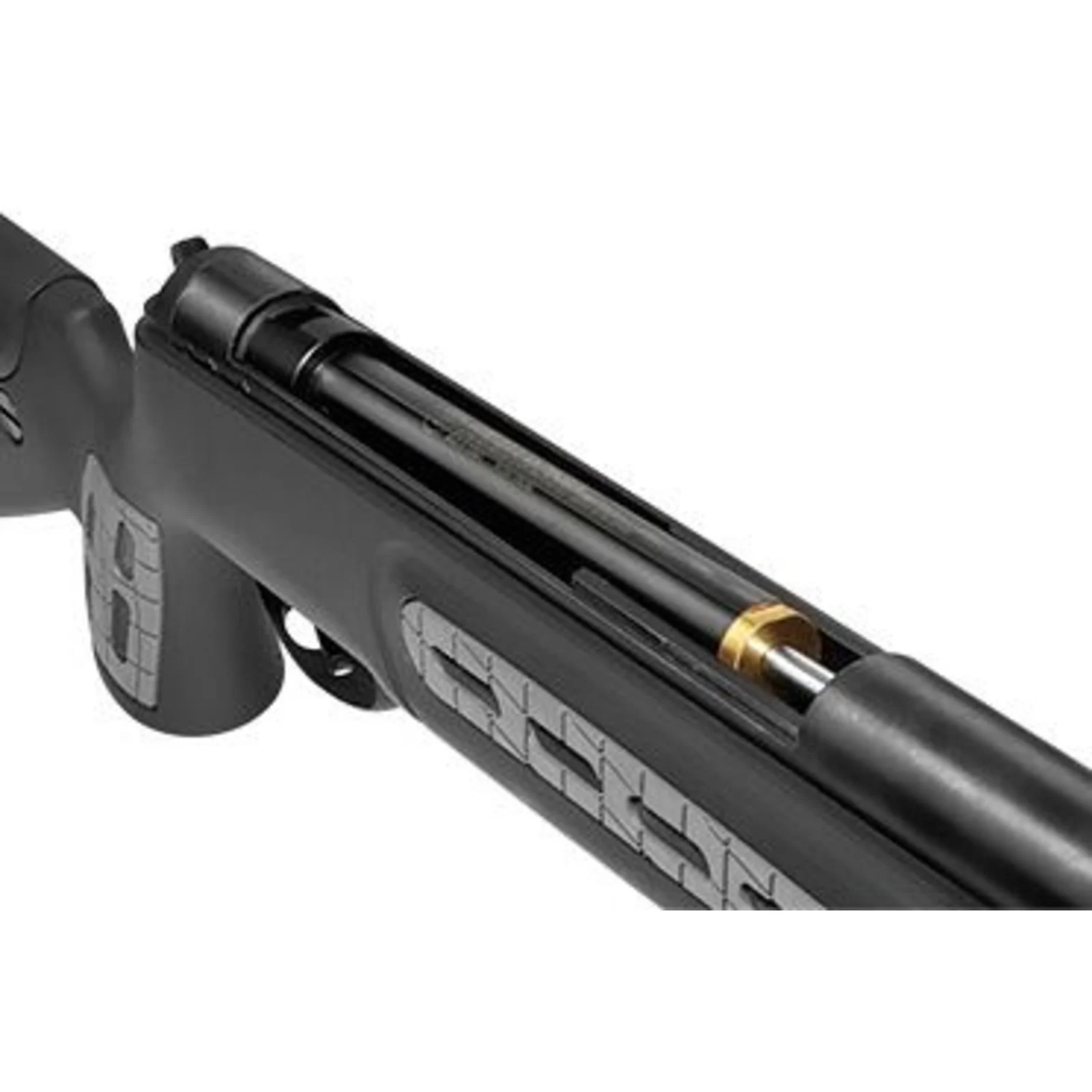
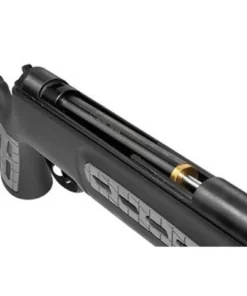
Designed around Hatsan’s Vortex gas-piston technology, this break-barrel single-shot air rifle stands apart from traditional spring-powered models. Smoother cocking is achieved, spring torque is eliminated, and consistent performance is maintained even after the rifle is left cocked. Cold-weather reliability is improved, and long-term durability is extended because metal-spring fatigue is no longer a concern. As a result, every shot feels more controlled and repeatable.
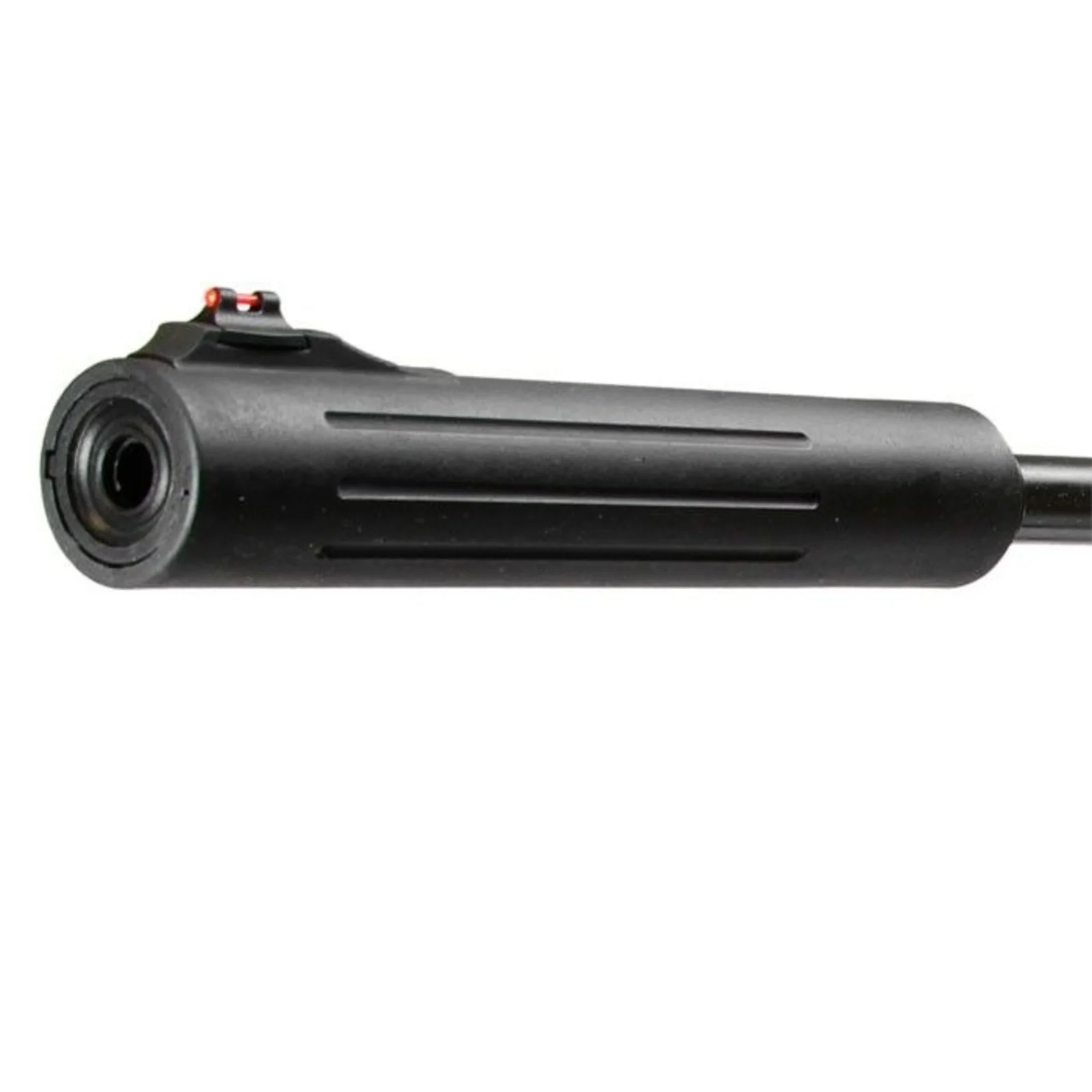
At the heart of the rifle sits a precision-rifled steel barrel paired with an integral muzzle brake that also functions as a sound moderator. Down-range noise is reduced, and muzzle jump is moderated. Furthermore, Hatsan’s SAS (Shock Absorber System) works to dampen vibration, protecting both the shooter and any mounted optics while helping preserve zero.
The Quattro Trigger system is fully adjustable in two stages. Trigger-pull weight and travel can be fine-tuned to individual preference, allowing a crisp, predictable break that supports tighter groups. In addition, dual safeties—an automatic cocking safety and a manual safety—plus an anti-beartrap mechanism add confidence during loading and handling.
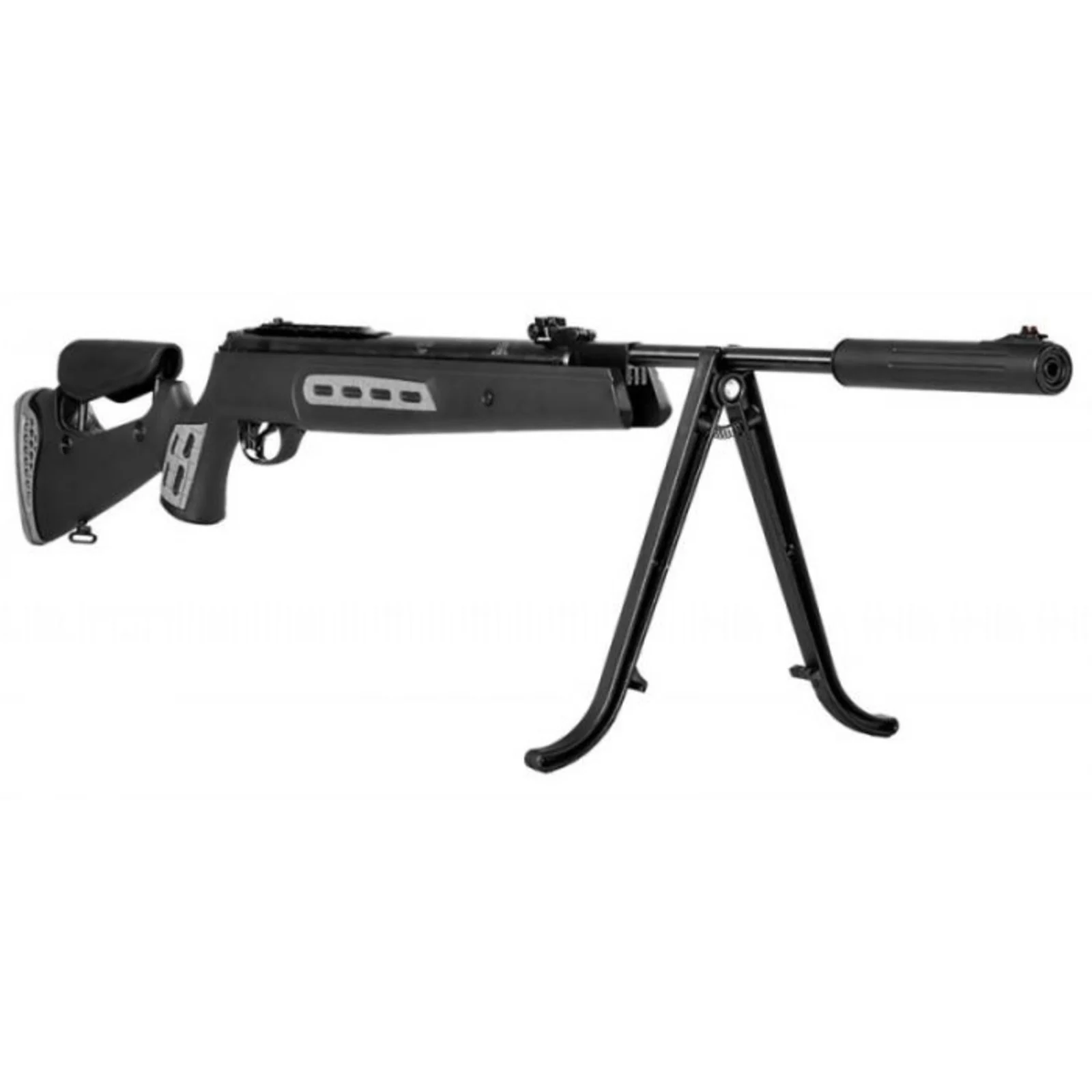
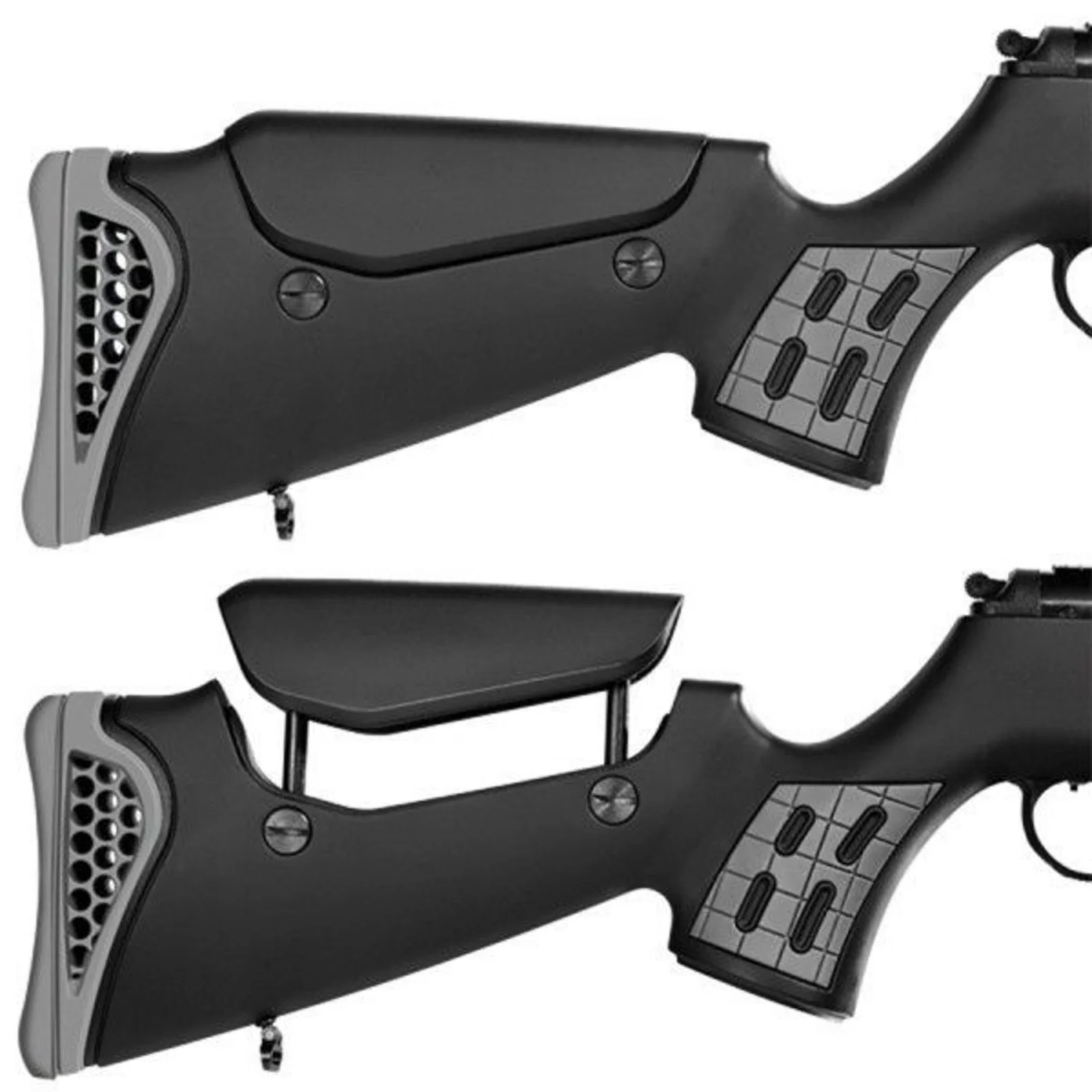
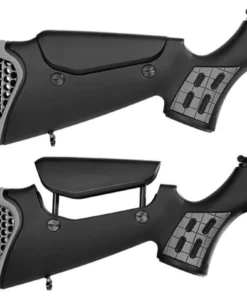
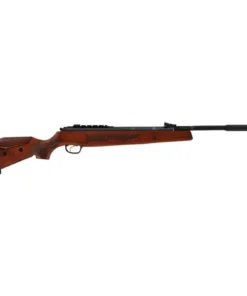
An ambidextrous synthetic stock welcomes both left- and right-handed shooters. Soft rubber inlays on the pistol grip and forearm improve purchase in varied weather conditions. Twin raised cheekpieces and a vertically adjustable Monte Carlo comb allow proper eye alignment whether iron sights or a scope are used. Meanwhile, the Triopad rubber recoil pad system, complete with three included stock spacers, lets length of pull be customized for a secure, comfortable fit across different body sizes and shooting styles.
Overall length measures approximately 48.8 inches with a barrel length near 19.6 inches. Unloaded weight sits around 9 to 9.3 pounds, giving the Hatsan 125 Sniper Vortex a solid, stable feel that helps absorb recoil and steady the aim.
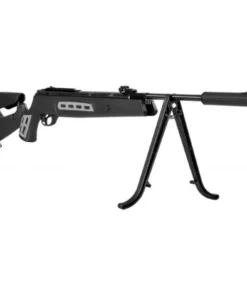
Fiber-optic iron sights come standard: a fixed red TruGlo front and a fully adjustable green TruGlo rear that can be tuned for windage and elevation. For magnified work, a combination 11 mm dovetail and Weaver-style rail accepts a wide range of scopes. Many packages include a 3-9×32 multi-coated Optima scope with rings, along with a sling, swivels, and often a bipod—creating a complete, field-ready setup right out of the box.
Whether the goal is backyard pest management, small-game hunting, or informal range sessions, the Hatsan 125 Sniper Vortex adapts readily. Its moderated report makes it more neighbor-friendly than many high-powered spring guns, while the gas-piston design maintains consistent velocity across temperature changes. Therefore, shooters can focus on technique rather than equipment variables.
Because the stock is ambidextrous and highly adjustable, a wide range of users—from newer shooters learning fundamentals to experienced airgunners seeking value and power—can find a comfortable, effective fit. Inclusive design choices ensure the rifle serves diverse preferences without compromise.
Power, adjustability, and included accessories are combined in a package that often retails at an accessible price point. Traditional spring guns may introduce more vibration and eventual fatigue; the Vortex system largely removes those drawbacks. Moreover, the thoughtful ergonomics and optics readiness reduce the need for immediate aftermarket upgrades. As a result, more time can be spent shooting and less time spent modifying.
When quality lead pellets matched to the chosen caliber are used, accuracy potential is realized and component longevity is protected. Alloy pellets are generally discouraged at these energy levels because they can fragment or damage the barrel.
Explore the available calibers and packages today. Equip yourself with the Hatsan 125 Sniper Vortex and experience the difference that thoughtful engineering and practical features can make on the range or in the field.
Calibers, FAC Power Levels, and Accessories for the Hatsan 125 Sniper Vortex
The Hatsan 125 Sniper Vortex stands out as a versatile break-barrel air rifle thanks to its range of calibers, adaptable power configurations, and generous factory accessory packages. Understanding these options helps shooters select the ideal setup for target practice, pest control, or small-game hunting while staying within local regulations.
Available Calibers and Performance Profiles
Three main calibers are offered for the Hatsan 125 Sniper Vortex, each delivering a different balance of speed, energy, and downrange behavior:
- .177 (4.5 mm) – Highest velocity for flatter trajectories
- .22 (5.5 mm) – Most popular all-rounder for hunting and general use
- .25 (6.35 mm) – Heavier pellets with strong impact and energy retention
In full-power (unrestricted) form, typical manufacturer ratings with lead pellets are approximately:
- .177: 1250–1300 fps, producing roughly 28–29 foot-pounds of energy (FPE) or about 39 joules
- .22: around 1000 fps, delivering 33–35 FPE (approximately 45–48 J)
- .25: 750–850 fps, generating 32–34 FPE (around 43–46 J)
Lead-free pellets can reach higher velocities (up to roughly 1550 fps in .177 and 1250 fps in .22), yet quality lead pellets are strongly recommended. Lightweight alloys risk fragmentation and reduced accuracy at these energy levels.
The .177 favors speed and a flatter path, suiting longer-range plinking and smaller pests. The .22 provides an excellent compromise of velocity, energy, and wind resistance, making it the preferred choice for most hunters and pest controllers. The .25 prioritizes heavier projectiles that hold energy better at distance and create more decisive impact, ideal when terminal performance is the priority.
Power Output and FAC Considerations
Power is supplied by Hatsan’s Vortex gas-piston system, which offers smoother cocking, reduced vibration, consistent shot-to-shot performance, and reliable function in cold weather. Unlike traditional metal springs, the gas piston resists fatigue even if left cocked for extended periods.
Actual muzzle energy and velocity vary with pellet weight, shape, temperature, and altitude. Published figures represent approximate maximums under favorable conditions.
In many European and other regulated markets, the rifle is supplied in limited-power form—commonly capped at 10 joules or up to 17 joules—to remain legal without a firearm certificate. These restricted versions still benefit from the Vortex system’s smoothness and the rifle’s solid ergonomics, making them suitable for training, recreational shooting, and short-range pest control.
Full-power or FAC (Firearm Certificate) versions unlock the higher velocities and energies listed above. In jurisdictions such as the UK and certain other countries, these unrestricted models require the appropriate license or permit. In some markets the gas piston can be adjusted within legal limits, allowing owners to fine-tune performance while remaining compliant.
Always confirm local airgun regulations before purchasing or using any high-powered model. The integral sound moderator and SAS (Shock Absorber System) help manage report and felt vibration across both limited and full-power configurations, contributing to a more pleasant shooting experience regardless of energy level.
Factory Accessories and Complete Packages
Most Hatsan 125 Sniper Vortex packages arrive well-equipped, allowing owners to begin shooting with minimal additional investment. Typical inclusions (which can vary by retailer and region) include:
- 3-9×32 multi-coated Optima scope with rings (frequently featuring see-through mounts so iron sights remain usable)
- Adjustable sling and sling swivels
- Barrel-clamp bipod for stable supported positions
- Three Triopad stock spacers for adjusting length of pull
- TruGlo fiber-optic iron sights (fixed red front and fully adjustable green rear) already installed
- Combination 11 mm dovetail + Weaver / 22 mm optics rail with scope stop
The ambidextrous synthetic stock, vertically adjustable Monte Carlo cheekpiece, and Triopad rubber recoil pad are standard. Soft rubber inlays on the grip and forearm improve control in varied weather. Because the rail accepts both common mounting standards, upgrading to a higher-quality optic later is straightforward.
Matching Caliber, Power, and Accessories to Your Needs
Choosing the right combination depends on intended use and legal requirements. Shooters seeking maximum velocity and a flatter trajectory often select the .177. Those wanting a versatile balance for hunting or pest control typically prefer the .22. Users focused on heavier impact lean toward the .25. In restricted markets a limited-power version still delivers satisfying performance thanks to the platform’s inherent quality and the Vortex system’s consistency.
When quality lead pellets matched to the chosen caliber are used, the Hatsan 125 Sniper Vortex produces reliable accuracy and ethical terminal performance. The comprehensive factory accessory suite—scope, bipod, sling, and adjustable stock components—ensures most buyers receive a field-ready rifle straight from the box.
Verify the exact caliber, power rating (limited or FAC), and included accessories with the seller for your specific market, as offerings differ by region and current regulations. With the appropriate configuration selected, the Hatsan 125 Sniper Vortex becomes a complete, adaptable tool ready for the range or the field.
Explore the Hatsan Air Rifle Range: PCP, Spring-Piston, Bullpup, and Semi-Auto Airguns
For shooters comparing a hatsan air rifle, the Hatsan lineup covers everything from traditional spring-powered platforms to modern hatsan pcp designs, compact bullpups, semi-automatic systems, and specialized large-bore models. Whether someone is researching an entry-level air rifle, premium PCP equipment, target-oriented air rifles, or replacement components, the broader range of air rifle options associated with hatsanusa and hatsan usa provides many configurations to compare.
Hatsan Blitz and Semi-Automatic PCP Platforms
The hatsan blitz remains one of the most recognizable names among Hatsan PCP platforms. Searches for hatsan blitz full automatic, hatsan blitz bullpup, hatsan blitz 30 cal, and hatsan blitz .30 cal commonly come from enthusiasts comparing high-capacity PCP designs and different caliber configurations. Alternative searches such as hatsun blitz and hatzan blitz may also appear when shoppers are looking for the same product family.
The term blitz guns is sometimes used more broadly when discussing this platform, while phrases such as blitz 777 may appear in related product searches. Buyers comparing a 30 cal air rifle with smaller-caliber platforms should always review the model specifications, local regulations, intended sporting application, and compatible ammunition before choosing an air gun.
Another notable semi-auto platform is the hatsan sortie. The hatsan sortie tact semi-auto pcp configuration combines compact handling with PCP operation, while hatsan sortie tact searches are frequently associated with tactical-style variants. Owners may additionally look for hatsan sortie accessories when configuring optics, magazines, maintenance components, or other compatible equipment. Likewise, buyers searching for a semi auto pellet gun may compare the Sortie with the invader auto and other semi-automatic PCP designs.
Hatsan Bullpup and PCP Air Rifles
Hatsan produces several PCP configurations for shooters who prefer compact ergonomics without giving up barrel length. The hatsan bullboss is one example, while the bullmaster represents another recognizable bullpup-style platform. The hatsan hercules family is associated with higher-capacity PCP configurations, and the hatsan hercules bully provides a compact bullpup alternative within that broader design category.
The hatsan flash is another widely recognized PCP platform. Because hatsan flash configurations can vary, buyers should compare caliber, stock style, barrel arrangement, pressure system, and included equipment before purchase. The hatsan flashpup qe offers a bullpup-inspired format and is often considered by customers wanting a shorter overall rifle.
Other PCP-related searches include the hatsan invader, hatsan factor rc, and hatsan neutron star. Each platform serves a somewhat different purpose, which means specifications rather than appearance alone should determine which airguns are most appropriate for a particular type of sporting or recreational shooting.
Hatsan Jet 2 and Compact PCP Options
The hatsan jet 2 has attracted attention among customers looking for compact PCP versatility. Because the hatsan jet 2 may be configured differently depending on market and package, shoppers should verify the exact specifications supplied by the retailer. Searches for jet ii generally refer to the same Jet-series concept, while hatsan jet 2 accessories may include compatible magazines, optics solutions, carrying equipment, seals, and manufacturer-approved replacement components.
The hatsan velox is another compact platform that may appeal to customers researching modern PCP systems. However, compatible equipment should always be verified against the precise model designation rather than assuming accessories interchange across different Hatsan products.
Classic Hatsan Spring and Gas-Ram Air Rifles
Not every Hatsan buyer wants PCP equipment. Traditional spring-piston and gas-ram designs remain an important part of the catalog. The hatsan model 95 is among the best-known examples, while searches for hatsan mod 95 and simply mod 95 usually refer to the same established platform.
The hatsan 125 is another familiar full-size option. Meanwhile, the hatsan 135 is commonly researched by shooters interested in larger, more substantial break-barrel platforms. The hatsan 135 vortex air rifle incorporates Hatsan’s Vortex gas-piston concept, while the hatsan 135 carnivore is associated with larger-caliber configurations. Searches for a hatsan big bore carnivore rifle are similarly connected with users comparing large-bore air-powered platforms.
Additional traditional models include the hatsan mod 65, which appears in searches from buyers interested in full-size sporting configurations. The hatsan airtact air rifle, commonly shortened to hatsan airtact, represents another accessible platform. The hatsan zada also broadens the selection for customers comparing break-barrel designs.
Big-Bore Hatsan Models and Specialty Platforms
For customers researching large-bore PCP technology, the hatsan piledriver is one of Hatsan’s best-known specialized platforms. Large-bore air rifles occupy a different category from a conventional .177 caliber air pellet gun, so caliber, projectile compatibility, operating pressure, legal restrictions, and intended sporting use should all be carefully reviewed.
The hatsan harpoon is another specialized product name associated with Hatsan’s air-powered lineup. Because it functions differently from a conventional pellet rifle, buyers may encounter the phrase arrow launcher while researching this category.
These specialized products should not automatically be compared with a traditional pallet gun or standard pellet rifle because their operating systems, projectiles, dimensions, and intended uses can be substantially different.
Refurbished Hatsan Air Rifles and Replacement Parts
Budget-conscious customers sometimes search for hatsan refurbished equipment or refurbished air rifles. A refurbished product can offer good value when its condition, inspection history, seals, pressure system, warranty coverage, and included accessories are clearly disclosed.
Existing owners may instead require hatsan aftermarket parts. When replacing magazines, seals, fill probes, stocks, mounts, or other components, compatibility should always be matched to the precise rifle generation and caliber. Similar-looking parts should never automatically be assumed to fit every Hatsan platform.
Product names such as 1000x.25 may also appear when shoppers compare model or caliber-specific configurations, so confirming the manufacturer’s exact designation is particularly important.
Scopes, Pellets, and Air Rifle Accessories
Optics are another major consideration when configuring an air rifle. A basic 4×20 optic may be encountered in entry-level packages, and the term 4×20 is therefore frequently seen alongside airgun searches. However, optic selection should ultimately reflect the rifle’s mounting system, recoil characteristics, shooting distance, and intended use.
Pellet selection also matters. Products such as h&n field target trophy are widely recognized among airgun enthusiasts, while h&n field target trophy bleifrei refers to a lead-free option within that product family. Individual rifles may prefer different pellet weights and shapes, so consistency and accuracy should be evaluated with the manufacturer’s recommendations in mind.
The term crow magnum may also appear when users research heavier hunting-oriented pellet designs or related airgun ammunition. Ammunition compatibility must always be checked against the specific caliber and manufacturer’s specifications.
Choosing Between PCP, CO2, and Spring-Powered Airguns
A modern air pellet gun can use several different power systems. A PCP system stores compressed air inside a reservoir, while a spring-piston rifle relies on mechanical energy generated during cocking. A co2 pellet rifle, by contrast, uses carbon dioxide cartridges or a compatible CO2 supply.
Each system offers different advantages. PCP rifles may provide low recoil and repeatable operation, while spring-powered rifles avoid the need for external filling equipment. CO2 systems can offer convenient operation in compatible platforms, although performance may vary with temperature.
Customers researching the air rifle range should therefore consider much more than velocity figures. Ergonomics, caliber, overall length, weight, filling equipment, magazine design, maintenance requirements, noise level, available service support, and local regulations can all affect long-term ownership.
Hatsan Models for Different Airgun Preferences
With platforms such as the hatsan blitz, hatsan sortie, hatsan hercules, hatsan bullboss, hatsan flash, hatsan invader, hatsan piledriver, hatsan jet 2, hatsan velox, hatsan factor rc, hatsan airtact, and hatsan model 95, Hatsan covers a broad spectrum of airgun categories.
Some customers may prioritize a traditional sporting rifle, whereas others may prefer a compact PCP or bullpup. Shooters interested in sniper long style configurations may focus more strongly on stock ergonomics, optics mounting, stability, and longer-range target capability rather than simply choosing the most powerful model.
Meanwhile, terms such as econ ii may appear in accessory or product-related searches depending on the equipment being compared. Compatibility should always be established using the exact manufacturer and model specification.
Ultimately, selecting among hatsan air guns should begin with the intended application. A lightweight .177 caliber rifle may suit recreational target shooting, while a larger PCP platform can serve a very different sporting role. Models such as the hatsan blitz .30 cal, hatsan blitz 30 cal, or other 30 cal air rifle configurations should therefore be evaluated according to their specifications, local law, appropriate shooting environment, and intended lawful use.
From the compact jet ii and hatsan jet 2 to the established hatsan mod 95, powerful hatsan 135, specialized hatsan harpoon, and modern semi-auto PCP platforms, the Hatsan catalog gives airgun enthusiasts an extensive selection. Comparing specifications carefully helps buyers identify the right air rifle while ensuring that pellets, optics, filling equipment, magazines, and accessories remain correctly matched to the chosen platform.




Reviews
There are no reviews yet.