Athlon Optics Helos BTR GEN2 – Precision, Control, and Optical Performance
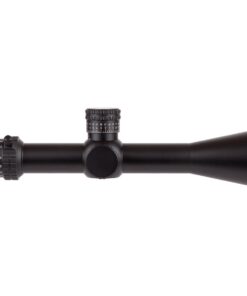
The Athlon Optics Helos BTR GEN2 has been designed for shooters who expect dependable optical performance, precise adjustment, and rugged construction from a versatile riflescope. Whether equipment is being prepared for recreational shooting, competition, hunting, or precision-oriented applications, a balanced combination of clarity, adjustment capability, and durability is provided by the Helos BTR GEN2 family.
Rather than being designed around only one shooting discipline, the series is offered in several configurations. Current models include 1-10×28 SFP, 2-12×42 FFP, 4-20×50 FFP, and 6-24×56 FFP options, allowing an appropriate magnification range to be selected for different requirements.
Furthermore, advanced optical coatings, illuminated reticle options, practical turret systems, and precision-focused features are incorporated throughout the range. Consequently, dependable performance can be maintained across changing environments while accurate adjustments can be made when conditions demand them.
Why Choose the Athlon Optics Helos BTR GEN2?
A riflescope should provide more than magnification alone. Instead, optical clarity, mechanical repeatability, usable controls, and protection against demanding outdoor conditions should be combined within one practical system.
With the Athlon Optics Helos BTR GEN2, this balance has been emphasized. Advanced Fully Multi-Coated lenses are used to improve light transmission while brightness and natural color reproduction are maintained across the visible spectrum. Additionally, XPL protective coatings are incorporated into the series to support performance under varied field conditions.
Because several magnification configurations are available, the platform can be matched more closely to the intended application. Lower-powered models can be selected when a wider field of view is preferred, whereas higher-magnification configurations can be considered when greater visual detail is required.
Designed Around Practical Precision
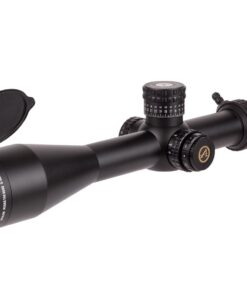
Control is especially important when adjustments must be made consistently. Therefore, selected Helos BTR GEN2 models are equipped with locking turrets that can be pulled upward for adjustment and pushed downward to lock the setting into place. As a result, unintended turret movement can be reduced during transportation or field use.
Likewise, a Precision Zero Stop System is included on applicable configurations. Once an initial zero has been established, the turret can be returned to that reference position with a defined mechanical stop. Consequently, adjustment management can be made more intuitive and repeatable.
Highlighted Athlon Optics Helos BTR GEN2 Features
- Multiple magnification options are offered, including 1-10×28, 2-12×42, 4-20×50, and 6-24×56 configurations.
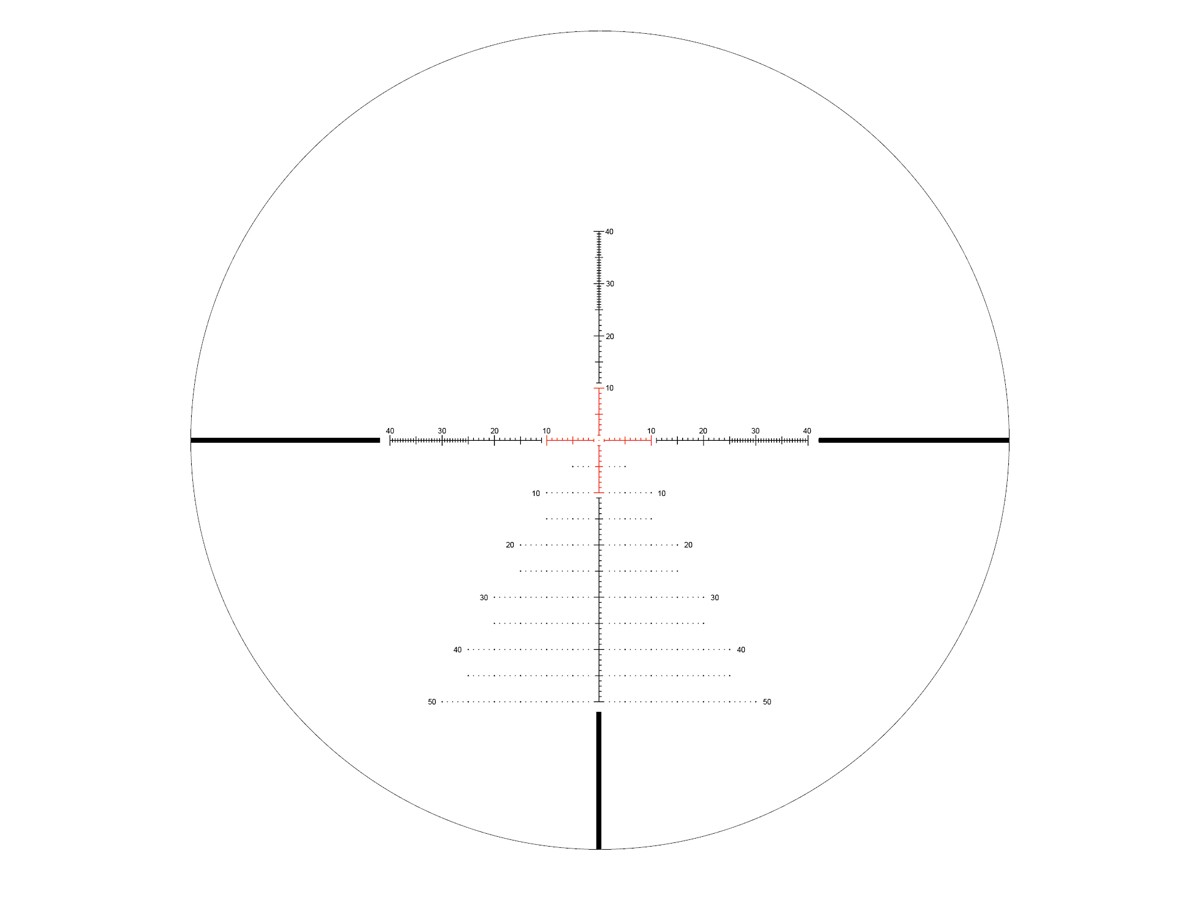
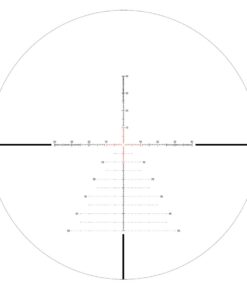
- First focal plane reticles are provided on several models, allowing reticle subtensions to remain proportional throughout the magnification range.
- Illuminated reticle configurations are available for improved reticle visibility when contrast is limited.
- Advanced Fully Multi-Coated lenses are incorporated for increased light transmission, brightness, and true-to-life color reproduction.
- XPL lens protection is included within the Helos BTR GEN2 platform for additional exterior lens protection.
- Locking turrets are used on applicable models so adjustments can be made and subsequently secured.
- A Precision Zero Stop System is featured on selected configurations, allowing the original zero reference to be recovered efficiently.
- MOA and MIL reticle options are offered, allowing a familiar measurement system to be selected.
- Large objective configurations are available, including the 56 mm objective on 6-24×56 models.
- A rugged precision-oriented construction is provided for demanding outdoor and recreational shooting environments.
Optical Clarity That Supports Confident Viewing
Clear target identification can be affected by light, weather, contrast, distance, and background detail. For that reason, optical quality has been given considerable attention throughout the Athlon Optics Helos BTR GEN2 range.
Through Advanced Fully Multi-Coated lenses, improved light transmission is supported while brightness and accurate color rendering are maintained. Therefore, a clearer image can be presented when lighting becomes less than ideal.
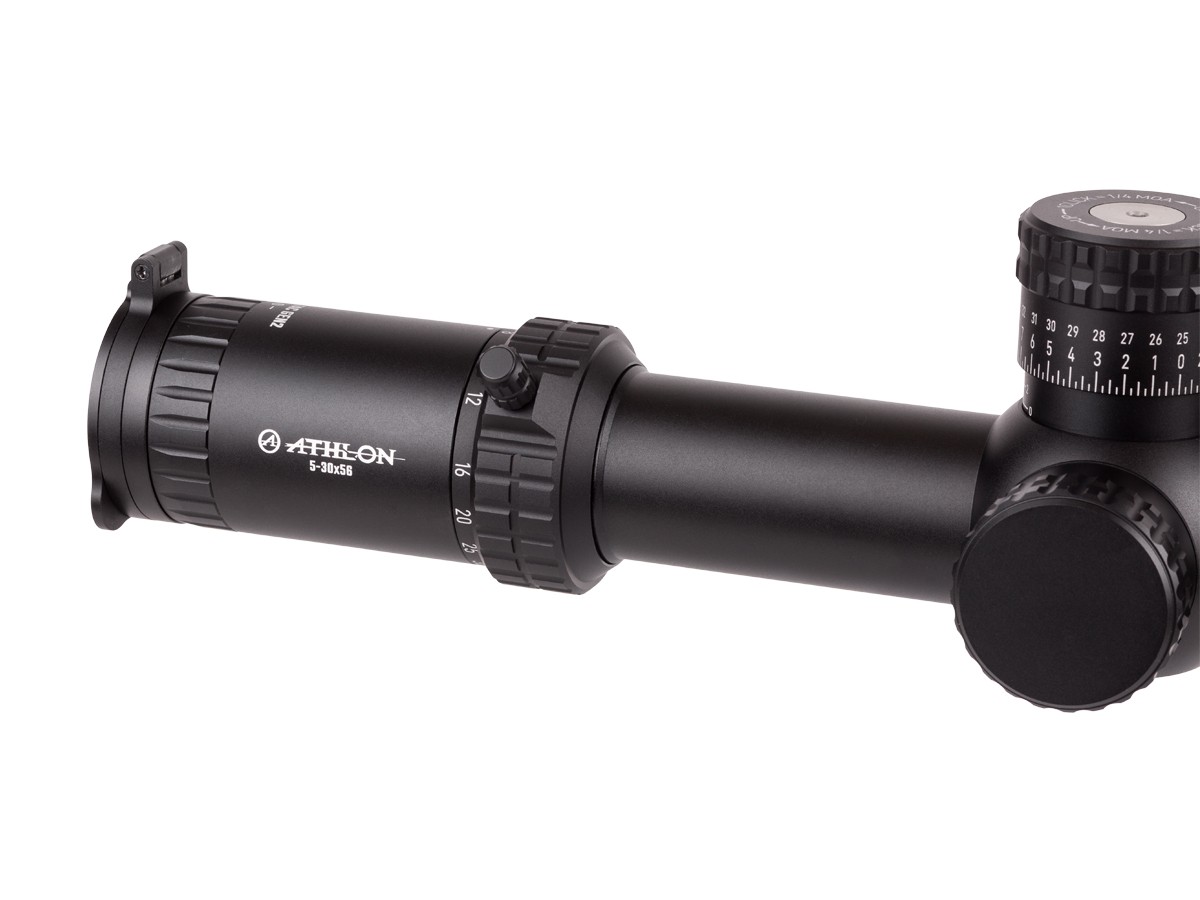
Moreover, larger-objective versions can provide additional light-gathering capability. For example, the Helos BTR GEN2 6-24×56 uses a 56 mm objective lens together with a 34 mm main tube. This configuration has been designed around greater magnification and precision-oriented viewing.
First Focal Plane Reticle Advantages
On FFP versions, the reticle is positioned within the first focal plane. Consequently, the apparent reticle size changes as magnification is increased or decreased.
Because the reticle scales with the image, subtensions are maintained proportionally throughout the magnification range. Therefore, users who work with reticle-based measurements can benefit from consistent references without being restricted to one magnification setting.
Additionally, both MOA- and MIL-based options are available across the family. Accordingly, equipment can be selected around an already familiar adjustment and measurement system instead of requiring an entirely different workflow.
Responsive Turrets and Repeatable Adjustments
Precise optics are most useful when adjustment controls can be operated predictably. For this reason, practical turret functionality has been incorporated into the Helos BTR GEN2 design.
Locking turrets are particularly valuable because settings can be protected against accidental movement. The turret can be raised when an adjustment is required; afterward, it can be pushed downward and locked.
Meanwhile, zero-stop functionality can simplify returning to an established baseline. Instead of repeatedly checking the turret reference after multiple adjustments, the initial zero can be mechanically indexed on compatible models.
As a result, greater confidence can be maintained when adjustments have been made and subsequently returned.
Athlon Helos BTR GEN2 6-24×56 Example Specifications
Different specifications are provided across the range, so the exact model should always be checked before purchase. As an example, the Helos BTR GEN2 6-24×56 APRS6 FFP IR MIL is currently specified by Athlon with:
- Magnification: 6-24×
- Objective Lens: 56 mm
- Main Tube: 34 mm
- Eye Relief: 3.7 inches
- Field of View at 100 yards: 19.9-5.12 feet
- Parallax Adjustment: 10 yards
- Click Value: 0.1 MIL
- Length: 14.3 inches
- Weight: 34.5 ounces
Accordingly, this higher-magnification configuration is positioned toward applications where detailed observation and precise adjustment are prioritized.
Built for Different Shooting Requirements
Versatility has become one of the strongest characteristics of the Athlon Optics Helos BTR GEN2 family. Instead of forcing every user into a single magnification range, several configurations are provided.
For closer-range or highly dynamic viewing, lower magnification can be preferred. Conversely, when more distant details need to be examined, higher magnification can be selected.
Furthermore, the 2-12×42 model provides an intermediate range that Athlon describes as offering a wide field of view together with ample magnification. Meanwhile, 4-20×50 and 6-24×56 options extend the platform toward increasingly precision-focused applications.
A Balanced Choice for Performance-Focused Users
Premium optical features are often associated with considerably more expensive equipment. However, the Helos series has been positioned by Athlon toward users seeking modern riflescope functionality at a more accessible level.
Importantly, practical features have not simply been added for marketing appeal. Instead, optical coatings, illuminated reticles, locking controls, zero-stop functionality, and multiple reticle systems have been combined to create a flexible precision-oriented platform.
Athlon Optics Helos BTR GEN2 – A Strong Combination of Features and Value
When optical clarity, adjustment control, reticle flexibility, and durable construction are being considered together, the Athlon Optics Helos BTR GEN2 provides a compelling package.
Multiple magnification ranges are available. Advanced lens coatings are provided. First focal plane configurations are offered. Illuminated reticles can be selected. Furthermore, locking turrets and precision zero-stop functionality are incorporated into applicable versions.
Ultimately, the right model can be selected according to magnification requirements, reticle preference, adjustment system, and intended use. Because several configurations are available, the Helos BTR GEN2 can be adapted to a broader range of users rather than being limited to one narrowly defined application.
For anyone comparing feature-rich Athlon riflescopes, the Athlon Optics Helos BTR GEN2 deserves consideration as a versatile platform in which modern optical technology, practical controls, and precision-focused engineering have been brought together.
Premium Rangefinding Binoculars, Hunting Optics, and Precision Rifle Scopes
Modern hunters, long-range shooters, and precision marksmen demand exceptional optical performance, and that is why products such as Leica rangefinder binoculars, Leica Geovid 10×42 rangefinder binoculars, Leica Geovid binoculars, Leica binoculars with rangefinder, Leica Geovid Pro 10×42, Geovid Pro 10×42, Leica Geovid rangefinder, Leica Geovid Pro rangefinder binoculars, Leica Geovid rangefinder binoculars, and the Leica Geovid 10×42 continue to attract attention throughout the shooting industry.
Whether enthusiasts are looking for Leica binoculars, Leica small binoculars, binoculars Leica, Leica Geovid binos, Leica bino, Leica binoculars for sale, Leica bino rangefinder, Leica camera binoculars, Leica binos, or a standard Leica binocular, there are options suitable for every environment and shooting application.
Many users also compare Leica products with SIG Sauer binoculars, SIG self stabilizing binoculars, SIG Sauer binos, SIG binoculars, SIG image stabilizing binoculars, SIG binocular, SIG auto stabilizing binoculars, Sigma binoculars, SIG Sauer self stabilized binoculars, and SIG Sauer image stabilized binoculars when evaluating premium optics.
Long-range shooters frequently combine these binocular systems with elite scopes such as the Nightforce ATACR, Nightforce ATACR 5-25×56 F2, Nightforce ATACR 4-20×50, Nightforce ATACR 5-25×56 F1, Nightforce ATACR 4-16×50, Night Force ATACR, ATACR scope, Nightforce attacker, ATACR 4-20, and the Nightforce ATACR 4-20×50 F1. Many professionals also pair their rifles with a Zeiss red dot for faster target acquisition.
Another respected name in the precision optics market is Tangent Theta. Experienced marksmen frequently search for Tangent Theta scopes, Tangent scope, Tangent scopes, Theta optics, Tangent Theta scope, and Tangent optics because of their legendary reputation for repeatability, durability, and optical clarity.
Companies such as Fierce Firearms, Fierce Arms, and Fierce Optics have likewise contributed to the growing popularity of advanced hunting equipment and premium glass systems. Their products are often used alongside specialized equipment featuring 11.5EE, 10×40, 34 56, 34×56, 14×44, 2S14, 2.5×15, 2.5/15, 1/2×42, 12×4.2, 4.5 30, and 4.5/30 specifications.
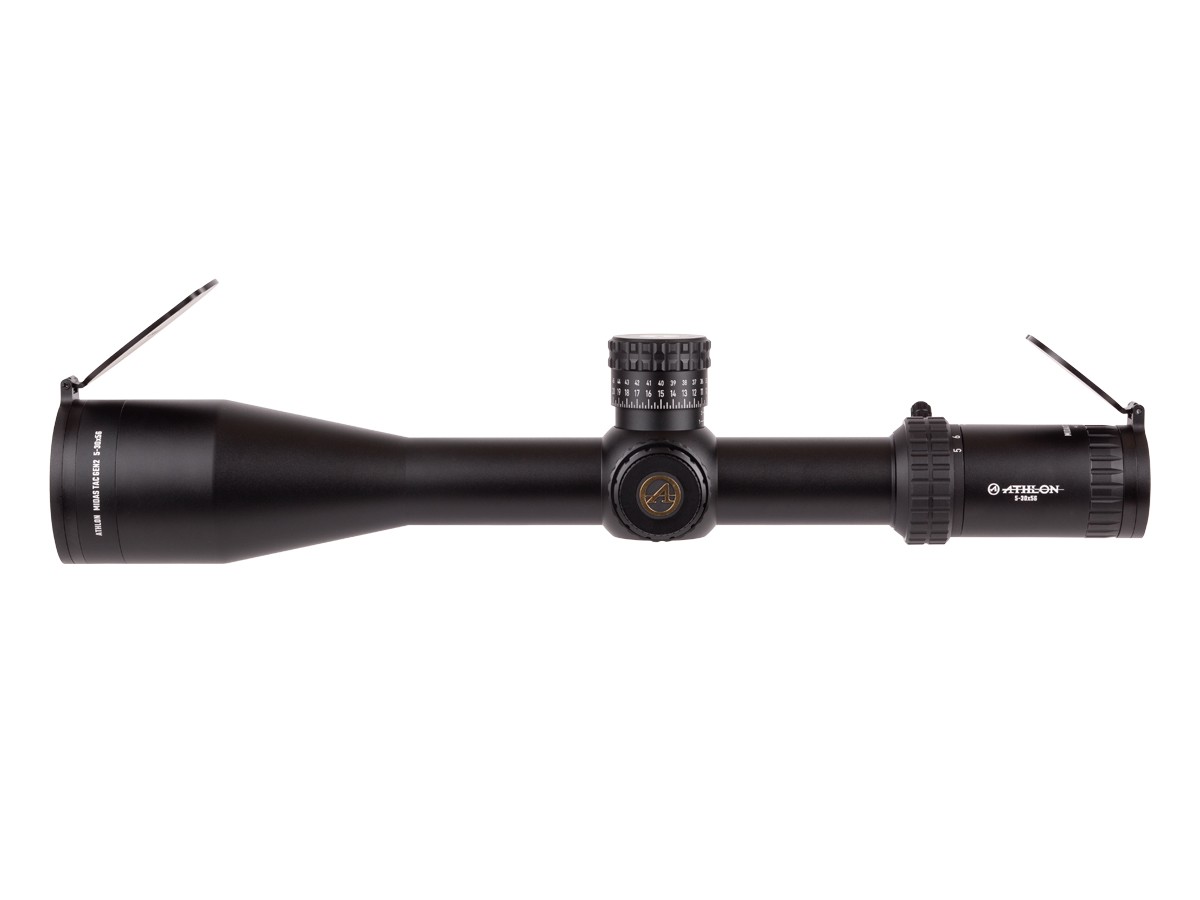
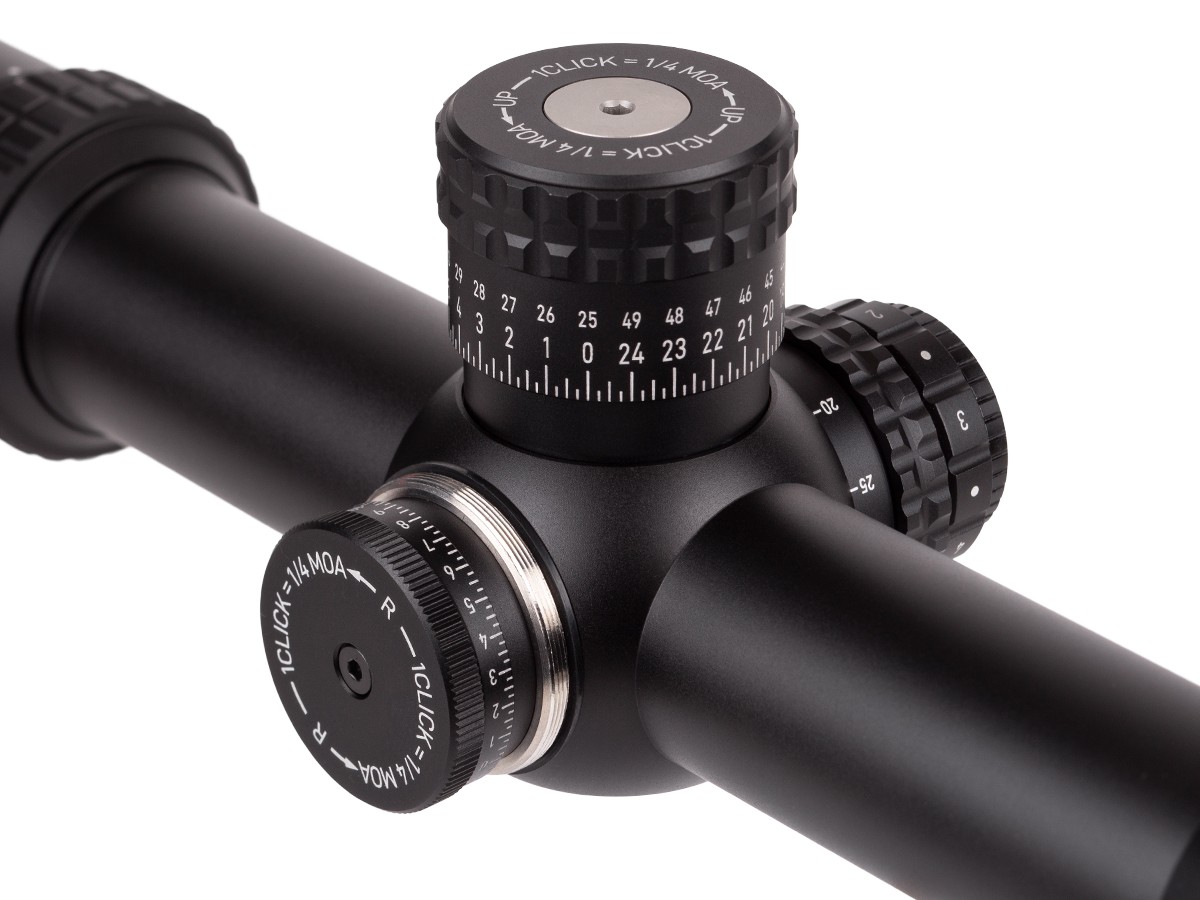
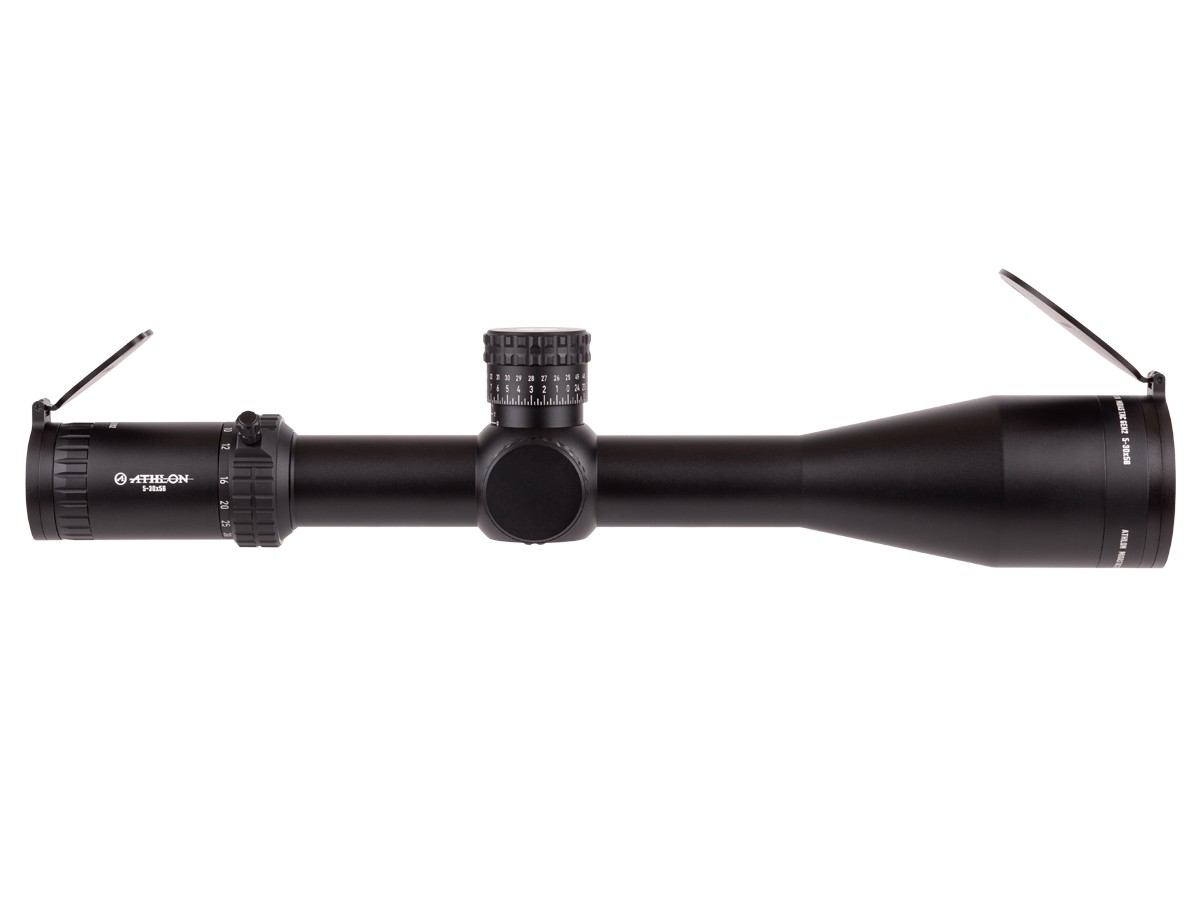
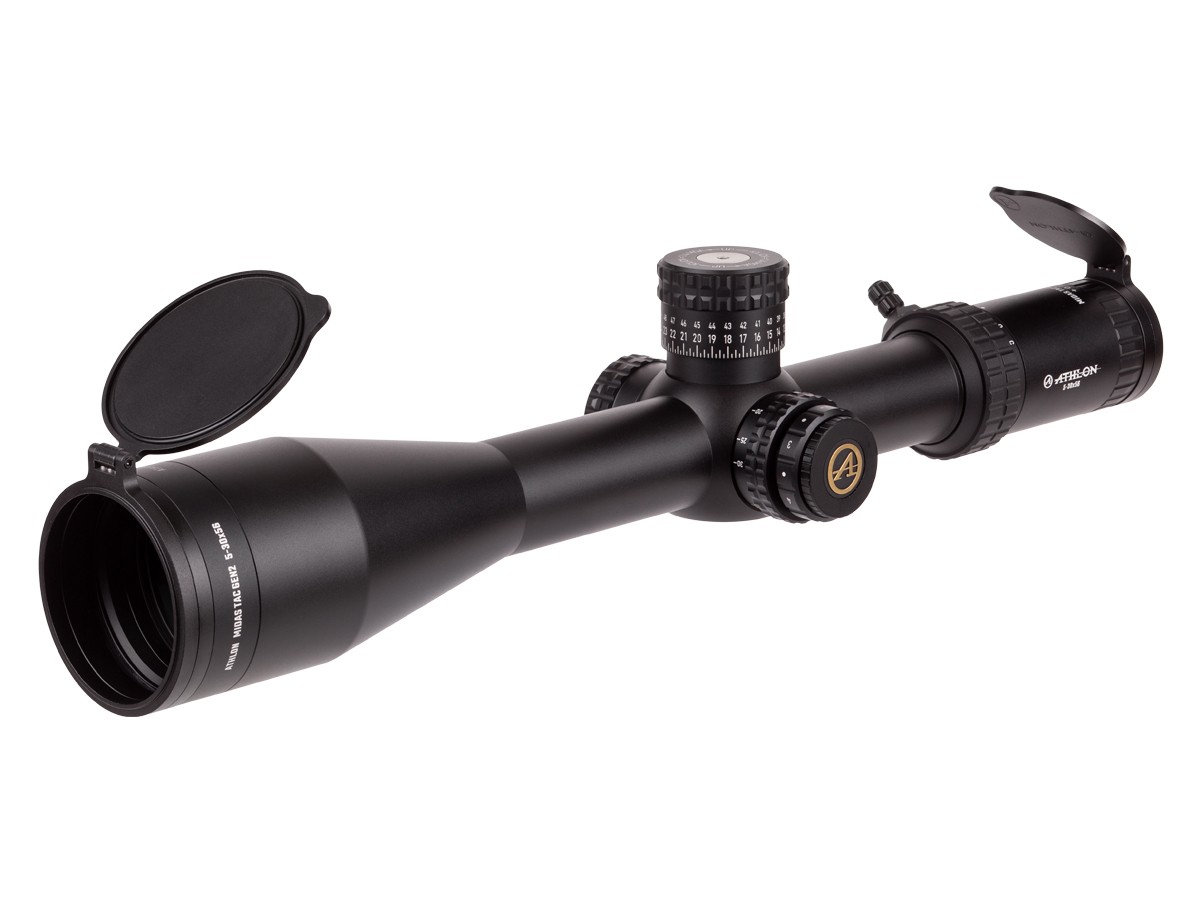
Among performance-oriented manufacturers, Athlon products remain extremely popular. Examples include the Midas TAC Gen2 HD 6-24×50 APLR15 FFP MOA reticle riflescope, Athlon Midas TAC, Athlon Midas TAC 6-24×50, Athlon Argos BTR Gen2 8-34×56, Athlon BTR Gen 2, Athlon Argos BTR Gen2, Athlon Argos BTR, Athlon Argos BTR Gen 2, Athalon scopes, Athens scope, Athlon Ares BTR, Athlon ETR, Athlon 4.5-30×56, Athlon BTR 2-12, Athlon 2, Athlon reticles, and numerous other models designed for demanding field conditions.
Shooters interested in low-power variable optics continue to search for solutions such as the 1-10 scope, Ares ETR 1-10, 1-10 LPVO, 1-10 FFP LPVO, 1×10 scope, LPVO 1-8, LPVO 1-10, and the 1-10 rifle scope. Likewise, precision enthusiasts appreciate the performance of the Ares ETR Gen2 UHD 4.5-30×56 APRS12 FFP IR MIL reticle, particularly when accuracy is required at extended distances.
The demand for versatile optics has also increased interest in equipment such as the 2-12x, 2.5-15 scope, AO scope, gun scope, hunting optic, longest range scope, and guides explaining how to buy a rifle scope. These products allow hunters and competitive shooters to adapt to changing terrain, lighting conditions, and target distances with exceptional precision.
From elite Leica Geovid rangefinder binoculars to advanced Nightforce ATACR models, highly regarded Tangent Theta scopes, innovative SIG Sauer binoculars, and dependable Athlon platforms, today’s market offers virtually unlimited possibilities for anyone seeking world-class optical performance.
Frequently Asked Questions About the Athlon Optics Helos BTR GEN2
What is the Athlon Optics Helos BTR GEN2?
The Athlon Optics Helos BTR GEN2 is a versatile riflescope series developed for users who value dependable optics, precise adjustments, durable construction, and flexible magnification choices. Several configurations are available, which means the series can accommodate different viewing preferences and shooting disciplines.
Depending on the selected model, features such as first focal plane reticles, illuminated reticles, locking turrets, adjustable parallax, and zero-stop functionality may be included. Consequently, users can choose a configuration that better matches their preferred magnification range and adjustment system.
Rather than focusing exclusively on extreme magnification, the Helos BTR GEN2 lineup has been designed around usability. Therefore, both lower-powered and higher-powered versions can be found within the family.
Is the Athlon Optics Helos BTR GEN2 a first focal plane scope?
Several Helos BTR GEN2 models use a first focal plane reticle, although the exact configuration should always be checked before selecting a specific version.
With a first focal plane design, the reticle appears to increase or decrease in size as magnification changes. Because the reticle changes proportionally with the viewed image, its subtensions remain consistent throughout the magnification range.
This characteristic can be particularly useful for users who prefer reticle-based measurements. Additionally, it eliminates the need to rely on only one predetermined magnification setting for proportional reticle references.
However, the complete Helos BTR GEN2 family includes different configurations. Therefore, reviewing the exact specifications of the intended model remains important.
What magnification options are available?
One of the greatest advantages of the Helos BTR GEN2 platform is the availability of multiple magnification ranges.
Depending on the model, options may include lower-powered configurations intended to provide a wider field of view as well as higher-magnification versions designed for more detailed observation.
For example, models within the series have been offered in ranges such as 1-10×, 2-12×, 4-20×, and 6-24×. As a result, users are not restricted to a single optical configuration.
Lower magnification can provide faster visual orientation and a broader viewing area. On the other hand, higher magnification can make smaller details easier to examine. Therefore, the most appropriate model depends largely on the desired balance between field of view and image enlargement.
What makes the Helos BTR GEN2 different from basic riflescopes?
A basic riflescope may provide magnification and a conventional reticle, but the Helos BTR GEN2 series introduces several additional features designed to improve control and overall usability.
Depending on the model, locking turrets can be provided so adjustments are less likely to be moved accidentally. Likewise, a zero-stop mechanism may be included to help users return to a previously established reference point.
Furthermore, advanced lens coatings are incorporated to improve light transmission and overall image quality. Illuminated reticles are also available on selected versions, which can improve reticle visibility against backgrounds where contrast is reduced.
Therefore, the Helos BTR GEN2 combines several features that are normally considered when comparing more performance-focused optical systems.
How clear is the glass on the Athlon Optics Helos BTR GEN2?
Optical clarity is one of the main areas emphasized throughout the Helos BTR GEN2 series. Fully multi-coated lenses are used to improve light transmission while helping maintain brightness, contrast, and natural color reproduction.
Consequently, users can obtain a clearer view across a variety of lighting conditions.
Image quality can still be influenced by factors such as atmospheric conditions, magnification level, available light, and the exact model being used. Nevertheless, the optical system has been designed to provide reliable clarity for its intended performance category.
Additionally, exterior lens protection helps reduce the effects of dirt, moisture, and other environmental exposure during regular outdoor use.
Does the Helos BTR GEN2 have an illuminated reticle?
Many configurations within the Helos BTR GEN2 family are equipped with an illuminated reticle.
Reticle illumination can be helpful whenever the reticle does not stand out clearly against the viewed background. For instance, darker environments or visually complex backgrounds can make conventional reticle lines more difficult to distinguish.
By introducing controlled illumination, reticle visibility can be improved without requiring major changes to the user’s normal viewing position.
However, illumination systems can vary according to the specific model and reticle configuration. Therefore, the exact specification should be confirmed before purchasing a particular version.
Does the Athlon Optics Helos BTR GEN2 include a zero stop?
Selected Helos BTR GEN2 models include Athlon’s Precision Zero Stop System.
A zero-stop mechanism provides a mechanical reference point that allows the elevation turret to be returned to an established baseline after adjustments have been made.
This feature can make turret management more convenient because the original reference can be recovered more predictably. Consequently, users who regularly make elevation adjustments may find a zero-stop system particularly useful.
Nevertheless, specifications differ across the Helos BTR GEN2 lineup. Checking the exact model ensures that the desired turret and zero-stop features are included.
What are locking turrets and why are they useful?
Locking turrets are designed to help prevent unintended adjustments.
On compatible Helos BTR GEN2 models, the turret can be unlocked when an adjustment is required and then secured after the setting has been changed.
This arrangement can be especially practical when equipment is being transported, handled frequently, or used in environments where contact with clothing, cases, or other equipment could otherwise move an exposed turret.
Therefore, locking functionality adds an additional layer of control without preventing adjustments when they are intentionally required.
Is the Athlon Optics Helos BTR GEN2 available in MIL and MOA?
Different Helos BTR GEN2 models are available with MIL-based or MOA-based adjustment and reticle systems.
Neither system is automatically better for every user. Instead, the most suitable option normally depends on familiarity, personal preference, and the measurement system already being used with other equipment.
MIL systems divide angular measurements using milliradians, whereas MOA systems use minutes of angle.
Most importantly, maintaining consistency between the reticle and turret system can make adjustments easier to understand. Therefore, buyers should verify whether a specific Helos BTR GEN2 configuration uses MIL or MOA before making a final selection.
What does adjustable parallax mean?
Adjustable parallax allows the optical system to be focused for different viewing distances while reducing apparent movement between the reticle and viewed object when the user’s eye position changes slightly.
Many precision-oriented Helos BTR GEN2 configurations include side-focus parallax adjustment.
By rotating the side-focus control, the user can refine image focus according to the viewing distance. As a result, both clarity and reticle alignment can be improved.
Proper adjustment is particularly valuable at increased magnification because small focusing differences can become more noticeable.
Is the Helos BTR GEN2 suitable for low-light conditions?
The Helos BTR GEN2 has been designed with optical coatings that support efficient light transmission. Additionally, larger-objective models can gather more available light than smaller-objective configurations under comparable conditions.
As a result, image visibility can remain useful when available light begins to decrease.
Illuminated reticle options can also help maintain reticle visibility when the background becomes dark.
Nevertheless, no conventional optical riflescope should be considered equivalent to dedicated night-vision or thermal technology. Performance will always depend on available ambient light, environmental conditions, magnification setting, and the exact optical configuration.
How durable is the Athlon Optics Helos BTR GEN2?
Durability has been given significant attention within the Helos BTR GEN2 platform.
The scopes are designed around robust main tubes and protected optical components intended to withstand regular outdoor use. Furthermore, protective coatings are applied to exterior lens surfaces to reduce vulnerability to dirt, oil, moisture, and environmental exposure.
A durable riflescope can be particularly valuable because optical alignment and mechanical adjustment systems need to remain dependable after repeated handling and transportation.
Even so, proper storage, careful mounting, and routine cleaning remain important for preserving long-term optical and mechanical performance.
What objective lens sizes are available?
Objective lens size varies according to the specific Helos BTR GEN2 configuration.
For example, models within the range can feature objective lenses including approximately 28 mm, 42 mm, 50 mm, or 56 mm.
A larger objective lens can potentially collect more available light, although it usually also results in a larger overall optic. Conversely, smaller objectives can contribute to a more compact configuration.
Therefore, objective size should not be evaluated independently. Instead, magnification, mounting height, weight, field of view, and intended use should all be considered together.
Is the Helos BTR GEN2 easy to adjust?
The Helos BTR GEN2 has been designed with practical external controls that allow adjustments to be made efficiently.
Depending on the configuration, elevation, windage, illumination, magnification, and parallax controls can all be accessed externally.
Locking turret systems provide additional security once the desired adjustment has been selected. Furthermore, clearly defined click values can make measured adjustments more predictable.
Although the controls are designed to be intuitive, new users should still become familiar with the specific reticle and adjustment system before relying heavily on advanced features.
Which Helos BTR GEN2 model should I choose?
The ideal configuration depends on how much magnification, field of view, objective size, and adjustment capability are desired.
Someone who values a wider viewing area may prefer one of the lower-powered configurations. Alternatively, a higher-magnification version may be more appealing when detailed observation is prioritized.
The 2-12× configuration provides a particularly broad middle ground because moderate magnification can be combined with a relatively wide viewing range. Meanwhile, 4-20× and 6-24× models provide greater enlargement.
Before choosing, buyers should compare magnification, reticle type, MIL or MOA preference, objective diameter, weight, tube diameter, eye relief, and available turret features.
What is the advantage of a larger main tube?
Certain Helos BTR GEN2 models use larger main tubes, including 30 mm and 34 mm configurations.
A larger tube can provide additional internal adjustment space and can support the mechanical architecture required by particular optical designs.
However, tube diameter should not be interpreted as a direct measurement of optical brightness. Instead, it is primarily associated with construction, adjustment range, and overall design.
Additionally, mounting hardware must match the tube diameter. Therefore, the correct ring size should always be confirmed for the specific Helos BTR GEN2 model.
Does magnification affect field of view?
Yes. As magnification increases, the visible field of view generally becomes narrower.
At lower magnification, a broader area can be viewed through the optic. Consequently, visual orientation can feel faster and surrounding details remain easier to observe.
As magnification increases, the image becomes larger, but less of the surrounding area remains visible.
This relationship explains why selecting the appropriate magnification range is important. Instead of choosing the highest available magnification automatically, users should consider the balance between enlargement and field of view that best fits their needs.
How should the lenses be cleaned?
Proper lens maintenance can help preserve image quality.
Loose dust should first be removed using a suitable lens brush or air blower. Afterward, a clean microfiber lens cloth can be used gently to remove fingerprints or light smudges.
For more persistent marks, a cleaning solution designed specifically for coated optical lenses should be used.
Harsh household chemicals, abrasive cloths, and excessive pressure should be avoided because protective lens coatings could potentially be damaged.
Furthermore, lens caps should be used whenever the optic is stored or transported. By keeping the glass protected, unnecessary cleaning can also be reduced.
Is the Athlon Optics Helos BTR GEN2 worth considering?
For users comparing feature-rich optics, the Helos BTR GEN2 offers an appealing combination of optical performance, modern reticle options, durable construction, and practical adjustment systems.
Features such as first focal plane reticles on selected configurations, illumination, locking turrets, adjustable parallax, fully multi-coated lenses, and zero-stop functionality give the series considerable versatility.
Moreover, several magnification ranges are available, allowing buyers to select an optic according to their individual requirements instead of adapting to a single configuration.
Ultimately, value depends on the features a particular user needs. However, when optical clarity, adjustment capability, flexible magnification, and robust construction are priorities, the Helos BTR GEN2 provides a well-rounded platform worth comparing with other optics in its performance category.
Practical Use Scenarios for the Athlon Optics Helos BTR GEN2
A quality riflescope becomes truly valuable when its features translate into practical benefits during real-world use. The Athlon Optics Helos BTR GEN2 is designed to support users who need clear optics, dependable adjustments, flexible magnification, and durable construction across a variety of sporting and recreational environments.
Rather than being limited to one specific setting, the scope family can be used for range sessions, competition practice, responsible hunting, equipment testing, outdoor observation, and general precision-oriented recreational shooting. Different magnification ranges within the lineup also make it possible to choose a configuration that better matches individual preferences.
Below are several realistic situations that demonstrate how the optical system, adjustment controls, and construction can contribute to a more controlled and comfortable experience.
Scenario 1: A Morning Session at an Outdoor Range
Imagine arriving at an outdoor shooting range shortly after sunrise. Lighting conditions are still changing, the air is cool, and targets have been positioned at different distances for a structured practice session.
Before beginning, the equipment is checked and the optic is inspected to make sure the lenses are clean. Once everything has been prepared safely, a lower magnification setting can initially be selected.
At this point, a wider field of view is useful because the target area can be located quickly without unnecessary visual searching. Instead of immediately relying on maximum magnification, the image can be assessed comfortably while the user settles into a consistent viewing position.
As daylight increases, the fully multi-coated optical system helps maintain a bright, usable image. Contrast between the target and surrounding background can therefore remain easier to distinguish.
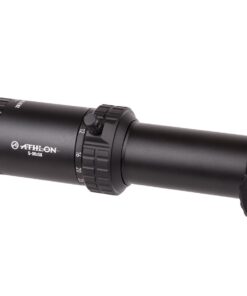
When more detail is needed, magnification can gradually be increased. Because the Helos BTR GEN2 family includes several magnification configurations, users can choose the range that best suits the distances commonly encountered during their recreational practice.
Maintaining a Consistent Reference
After an initial setup has been confirmed, users of compatible models can benefit from the zero-stop system.
During a longer range session, adjustments may occasionally be made as part of equipment testing or structured practice. Instead of relying entirely on memory when returning to the original reference, the zero-stop mechanism provides an identifiable baseline.
Consequently, the adjustment process can feel more organized.
Locking turrets can also provide additional reassurance. Once the desired setting has been selected, the turret can be secured so that unintended movement is less likely while equipment is being handled.
For a recreational user, these features are especially useful because they allow more attention to be placed on consistent technique and observation rather than repeatedly checking external controls.
Scenario 2: Practicing at Different Distances
Another practical situation involves a range that provides targets at several marked distances.
During this type of session, users may want to compare how the optical image changes as magnification is increased or decreased. The goal does not have to be maximum enlargement. Instead, the most comfortable combination of image size, field of view, and stability can be identified.
At shorter distances, moderate magnification may provide sufficient visual detail while keeping a generous viewing area available.
As the viewing distance increases, additional magnification can be introduced when finer target details need to be observed.
For first focal plane configurations, the reticle remains proportionally related to the viewed image throughout the magnification range. This characteristic can make the viewing experience more consistent when magnification settings are changed frequently.
Furthermore, adjustable parallax on applicable models allows image focus to be refined for different distances. By setting the side-focus control appropriately, the viewed image can appear sharper and more comfortable.
Why Variable Magnification Matters
Variable magnification is particularly useful during mixed-distance practice because no single setting is ideal for every situation.
Lower magnification generally provides a broader field of view. Therefore, it can be easier to see a larger portion of the range.
Higher magnification, by comparison, enlarges visual details while narrowing the visible area.
Having both possibilities within the same optic gives the user more flexibility. Rather than changing equipment whenever the viewing requirement changes, the magnification ring can be adjusted to create a more suitable image.
This flexibility is one reason the Helos BTR GEN2 lineup can accommodate such a broad range of recreational applications.
Scenario 3: Responsible Hunting in Changing Light
A responsible hunting environment often involves changing weather, variable terrain, and fluctuating natural light.
Consider an early morning outing when sunlight is still limited. Dark vegetation and uneven terrain may reduce contrast, making visual clarity especially important.
A riflescope with quality optical coatings can provide a brighter, more usable image under these conditions. Additionally, an illuminated reticle on compatible configurations can improve reticle visibility against darker backgrounds.
Illumination should be adjusted conservatively so that the reticle remains easy to see without overpowering the image.
As natural light increases, illumination may no longer be necessary. The optic can then be used normally while the magnification level is selected according to the viewing conditions.
If terrain becomes more enclosed, lower magnification can provide a wider view. In more open areas where additional visual detail is beneficial, increased magnification can be selected.
Comfort During Extended Outdoor Use
Outdoor use frequently involves carrying equipment for extended periods. Consequently, overall balance and ergonomics become important considerations.
A scope should not only provide strong optical performance; it should also allow the user to maintain a comfortable viewing position.
Proper eye relief helps achieve this objective. Instead of forcing the user into an unnatural posture, a correctly mounted optic allows the image to be viewed comfortably.
Weather protection also matters. Dust, moisture, fingerprints, and debris can accumulate during outdoor use. Protective exterior lens coatings help reduce the impact of these environmental contaminants.
Nevertheless, the lenses should still be treated carefully. Caps can be used during transportation, while appropriate optical cleaning materials should be used whenever maintenance becomes necessary.athlon scopes review
Scenario 4: Recreational Precision Practice
Some users enjoy recreational precision shooting because it combines concentration, consistency, equipment knowledge, and careful observation.
In this environment, the Helos BTR GEN2 can be appreciated for its combination of optical clarity and external adjustment controls.
Before beginning a session, magnification can be set at a comfortable level. Rather than immediately selecting the highest available setting, users can evaluate atmospheric conditions and image stability first.
Higher magnification can reveal greater detail, although it can also make natural movement more noticeable. Consequently, a moderate setting may sometimes provide a more comfortable visual experience.
Once the preferred magnification has been established, parallax can be adjusted on compatible models to refine image focus.
The result is a cleaner, more comfortable view that supports careful observation.
Using the Scope as a Learning Tool
Precision-oriented recreational practice is also an opportunity to understand how an optic behaves.
Users can observe how the field of view changes across the magnification range. Additionally, they can compare image brightness and clarity at different settings.
Turret controls can also be examined during safe, structured equipment testing.
By becoming familiar with these features in a controlled range environment, users are less likely to feel rushed when adjustments are required later.1 10 scope
This familiarity contributes to better equipment management and a more confident overall experience.
Scenario 5: Club Competition and Structured Practice
Competitive range events often place a premium on consistency and efficient equipment management.
For a participant preparing for a sporting competition, dependable controls can be especially valuable.
Before the event, equipment can be checked during practice sessions so that the selected magnification range, reticle style, and control layout become familiar.
During structured competition, accidental changes to external controls can be distracting. Locking turrets help reduce this possibility by allowing settings to be secured after adjustment.ares etr 1 10
Similarly, a clear reticle assists with maintaining visual focus.
Because competition environments can vary, the availability of different Helos BTR GEN2 configurations allows participants to select an optic that more closely matches their particular discipline.1 10 lpvo
Managing Changing Conditions
Outdoor competitions may take place under bright sunlight, overcast skies, or changing weather.
Therefore, optical contrast becomes especially important.
Fully multi-coated lenses help maintain brightness while supporting natural color reproduction. This can make viewed details easier to distinguish when lighting changes throughout the day.
Illuminated reticles can also provide additional contrast when needed.
However, illumination is not always required. Under strong daylight, a conventional visible reticle may already provide sufficient clarity.
The ability to adapt the optic to current conditions contributes significantly to practical usability.
Scenario 6: Equipment Testing and Setup Evaluation
Another common use involves evaluating newly installed equipment at a supervised range.
After mounting has been completed according to the appropriate manufacturer’s instructions, the optical system can be inspected for comfortable eye positioning and a full image.icarus scope
The magnification ring can then be moved through its range to confirm smooth operation.
Likewise, illumination controls, side focus, turret locks, and other external features can be checked for proper function.
This process is particularly useful because each user may prefer slightly different settings.
For example, one person may value a broad field of view, while another may prioritize additional magnification. Similarly, reticle brightness preferences can vary considerably depending on eyesight and ambient lighting.nightforce atacr 4 20×50 f1
Structured testing therefore allows the optic to be configured around the individual rather than relying exclusively on factory-default settings.
Scenario 7: Long Outdoor Sessions
Extended sessions can reveal qualities that are less obvious during brief equipment demonstrations.
After several hours outdoors, viewing comfort, control placement, lens clarity, and construction become increasingly noticeable.avalon aries


Reviews
There are no reviews yet.