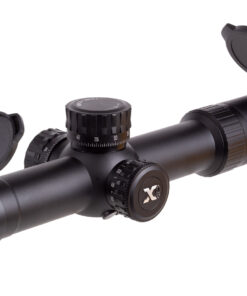
AMG UH-1 Gen II Holographic Sight Scope
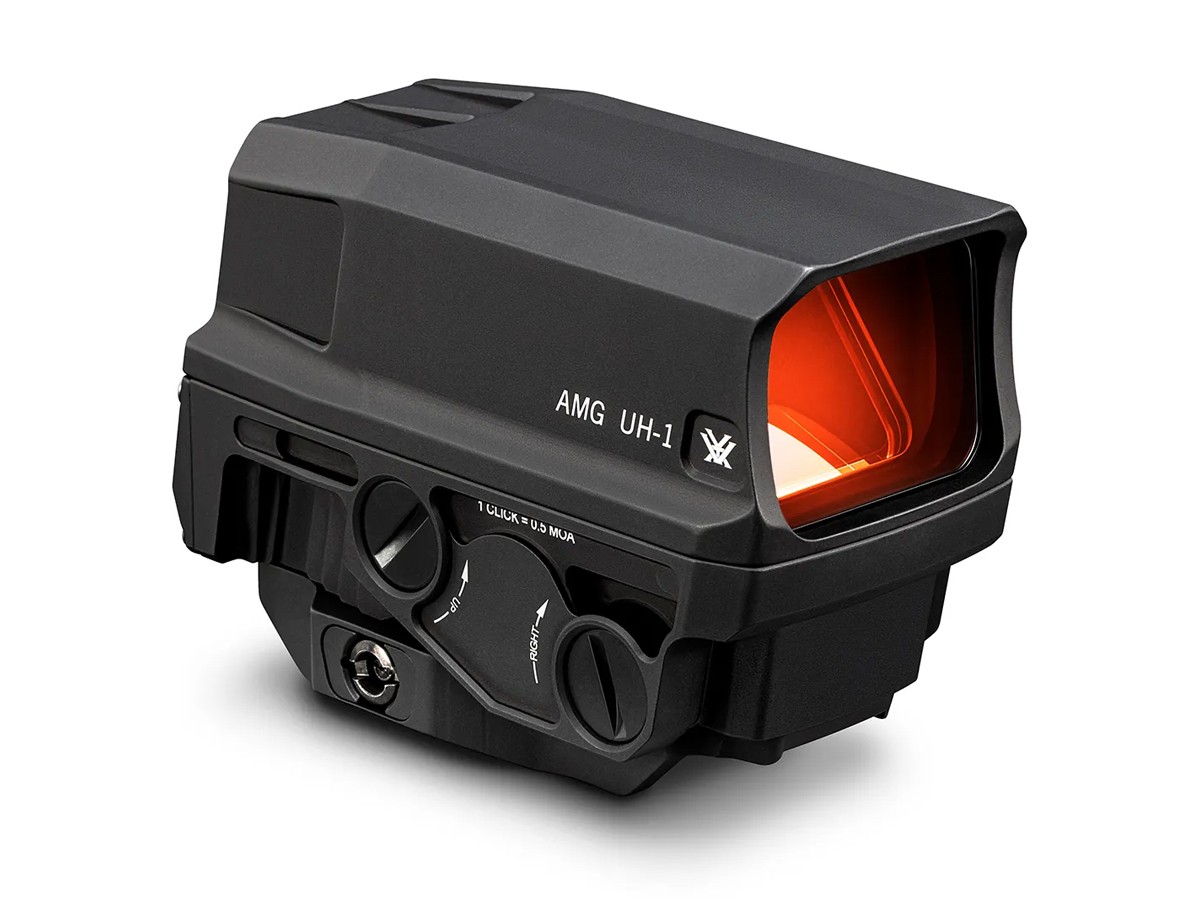
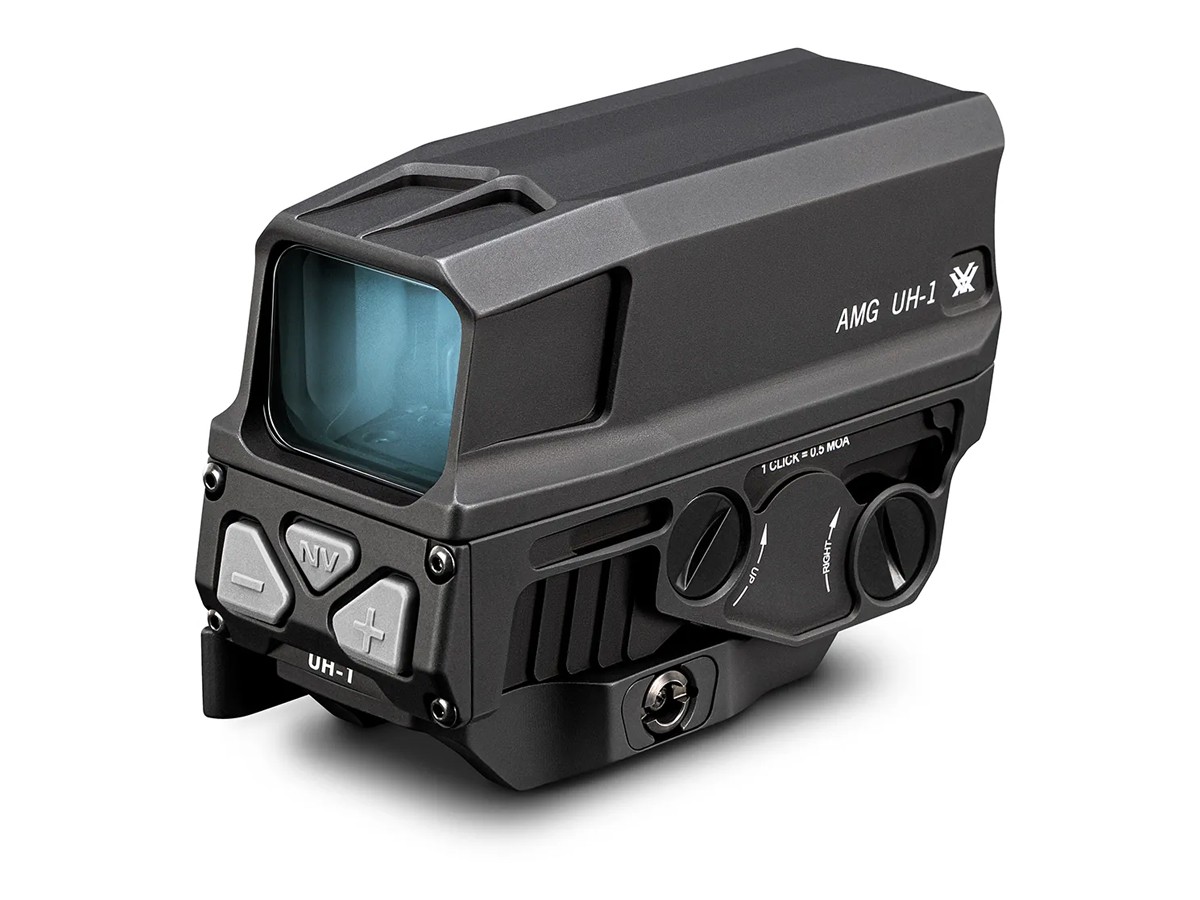
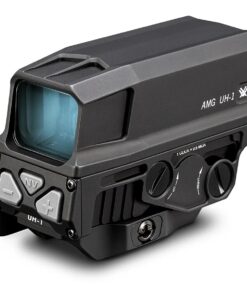
When speed, visual clarity, and rugged construction are expected from an optic, the AMG UH-1 Gen II Holographic Sight Scope is positioned as a premium solution for demanding users. Developed by Vortex Optics, the AMG UH-1 Gen II has been designed around holographic sight technology rather than a conventional magnified riflescope system. As a result, rapid visual acquisition can be supported while a wide, unobstructed sight picture is maintained.
Built for demanding environments, this holographic sight has been engineered with durability, streamlined handling, and day-or-night versatility in mind. In addition, night-vision compatibility has been incorporated, while Vortex FHQ™ technology has been used to reduce stray-light emissions. Vortex currently identifies MIL/LE and close-quarters applications among its recommended uses.
For users searching for an advanced holographic optic that combines robust construction with intuitive operation, the AMG UH-1 Gen II Holographic Sight Scope delivers a feature-rich platform that can be relied upon for range, professional, and demanding field environments.
Advanced Holographic Technology for a Clear Sight Picture
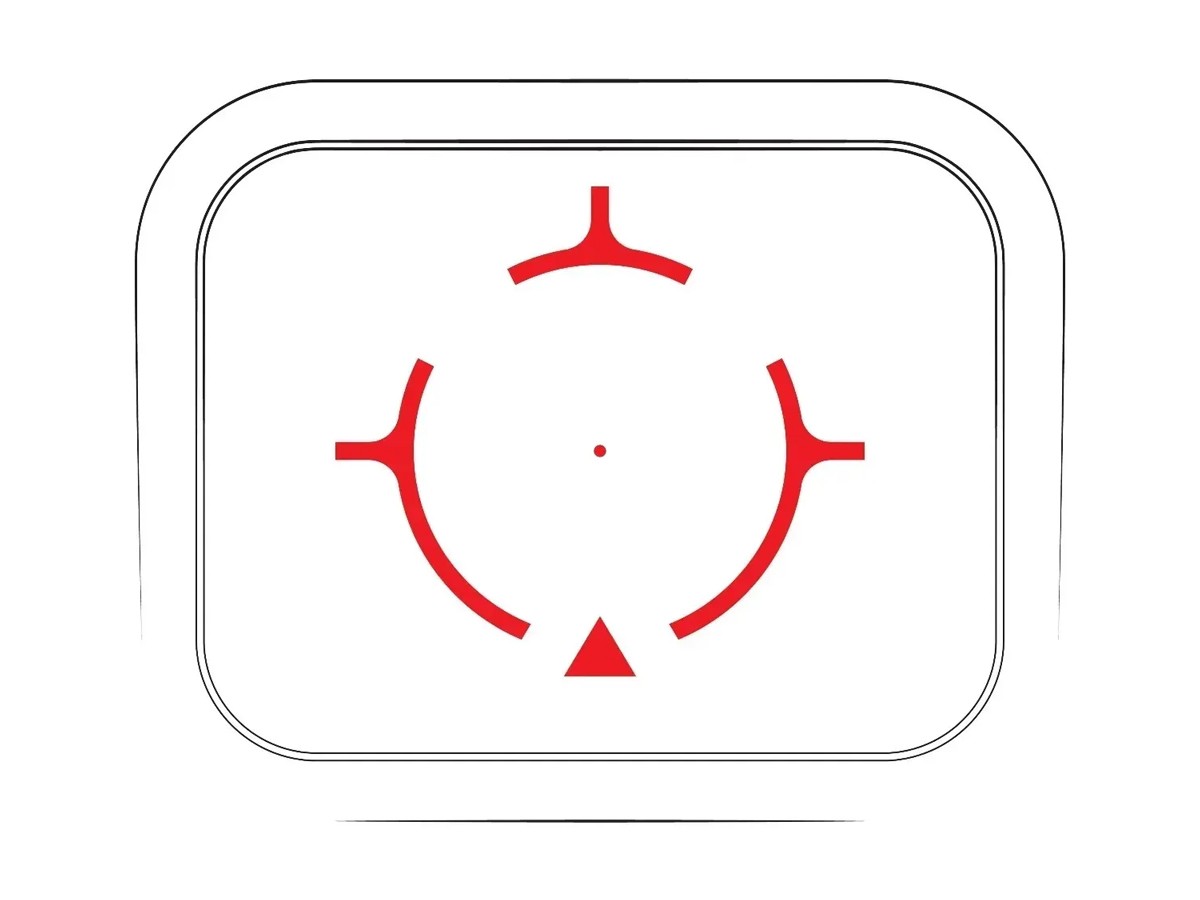
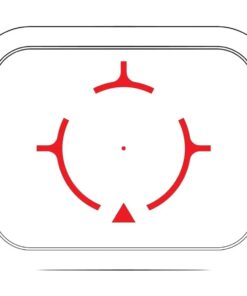
Unlike a traditional red-dot optic, a holographic reticle system is incorporated into the AMG UH-1 Gen II. Consequently, a distinctive aiming display is projected into the viewing window while the target area remains highly visible.
Because rapid visual recognition has been prioritized, the reticle can be picked up quickly without forcing the user to concentrate on a narrow field of view. Furthermore, the holographic configuration has been developed specifically around fast-response shooting environments.
Precision has also been emphasized through the clearly defined holographic reticle. Therefore, both speed and controlled aiming can be supported without unnecessarily complicating the viewing experience.
Designed for Fast Target Acquisition
Situations can change rapidly, and consequently an optic should remain easy to interpret. With the AMG UH-1 Gen II, a large viewing window and highly visible reticle are combined so that visual transitions can be completed naturally.
Meanwhile, unnecessary exterior projections have been reduced through a streamlined housing design. According to Vortex, this configuration has been engineered partly to minimize snagging on equipment.
Rather than being built around excessive controls or visual clutter, practical usability has been emphasized. As a result, attention can remain focused on the sight picture.
Key Features of the AMG UH-1 Gen II Holographic Sight Scope
A premium optic should be selected according to more than appearance alone. For that reason, several functional technologies have been integrated into this model.
Product highlights include:
- Advanced holographic sight technology for a distinctive and highly visible aiming display
- 1x viewing format suited to fast, close-range visual acquisition
- Night-vision compatibility for greater versatility with compatible equipment
- FHQ™ technology designed to reduce stray-light emissions
- Streamlined exterior profile designed to help reduce equipment snagging
- Durable construction developed for demanding professional and field environments
- Precision-marked holographic reticle designed to promote controlled aiming
- Magnifier compatibility for users who want additional optical versatility
- Premium Vortex engineering supported by the manufacturer’s VIP® Warranty program
- Purpose-built close-quarters configuration with speed and durability prioritized
Vortex currently lists the Micro6X Magnifier, a 3X Magnifier, and a protective Sure Fit Sight Cover among accessories associated with the UH-1 Gen II.
Night-Vision Compatibility Adds Greater Flexibility
Performance should not necessarily be limited to bright daylight. Therefore, night-vision compatibility has been incorporated into the AMG UH-1 Gen II Holographic Sight Scope.
This capability allows the sight to be integrated into compatible night-vision configurations when appropriate equipment is being used. Consequently, greater flexibility can be achieved across changing light conditions.
At the same time, FHQ™ technology has been incorporated to reduce stray-light emissions. This feature is specifically highlighted by Vortex as part of the Gen II design.
Streamlined Construction for Demanding Environments
Durability has been treated as a central design consideration rather than an afterthought. Accordingly, the AMG UH-1 Gen II has been engineered for endurance and demanding use.
Its exterior has also been kept comparatively streamlined. Therefore, unnecessary snag points can be minimized when equipment is carried, moved, or repositioned.
Moreover, the robust housing contributes to the premium feel expected from the AMG series. Instead of being designed simply for occasional recreational use, this optic has been positioned by Vortex for advanced competitors as well as military and law-enforcement professionals.
Built for Users Who Prioritize Speed and Simplicity
Complicated optics are not always better optics. In many short-range environments, an uncluttered viewing system can be far more valuable.
For that reason, the AMG UH-1 Gen II Holographic Sight Scope is centered around quick visual reference, intuitive viewing, and immediate access to the holographic reticle. Additionally, the 1x format allows the surrounding environment to remain visible rather than being heavily magnified.
When movement is involved, this open viewing experience can make the optic feel more natural. Likewise, when multiple visual reference points must be observed, unnecessary magnification is avoided.
Should additional magnification later be preferred, compatible Vortex magnifiers can be paired with the UH-1 platform. Vortex specifically recommends its Micro6X for use with the AMG UH-1, while additional magnifier options are listed for the Gen II sight.
Premium Vortex Optics Construction
Confidence in an optic is influenced by both optical performance and long-term support. Therefore, manufacturer backing should also be considered when comparing premium holographic sights.
The AMG UH-1 Gen II is currently covered under the Vortex VIP® Warranty program. Vortex describes this warranty as unlimited, unconditional, and lifetime coverage, although exclusions apply for circumstances such as loss, theft, deliberate damage, and certain cosmetic damage.
Consequently, additional long-term ownership reassurance is provided alongside the sight itself.
A Refined Second-Generation Design
Rather than simply continuing the original platform unchanged, the Gen II model has been refined around modern requirements. Night-vision compatibility, reduced stray-light emissions, durability, and a streamlined external design have all been emphasized in the current generation.
Moreover, the optic has been designed to balance functionality with an unmistakably premium appearance. Its enclosed housing gives the sight a distinctive profile, while its control layout and viewing window remain focused on practical performance.
Why Choose the AMG UH-1 Gen II Holographic Sight Scope?
Premium optics are often chosen because consistency matters just as much as raw specifications. With this model, dependable construction, holographic technology, versatile visibility, and a professional-grade design are brought together within one platform.
Additionally, the AMG UH-1 Gen II Holographic Sight Scope stands apart from conventional red dots through its holographic architecture. Night-vision compatibility further expands its flexibility, while FHQ™ technology contributes another layer of specialized engineering.
Most importantly, the sight has been developed around three fundamental priorities: speed, accuracy, and durability. Those are also the central characteristics highlighted by Vortex in its current description of the product.
Upgrade to Premium Holographic Performance
For users who want a rugged, refined, and technologically advanced 1x optic, the AMG UH-1 Gen II Holographic Sight Scope deserves serious consideration. A fast holographic reticle is provided, demanding environments are accommodated by its robust construction, and compatibility with night-vision equipment adds valuable versatility.
Furthermore, future configuration options can be expanded through compatible magnifiers and protective accessories. Therefore, the optic can be incorporated into a broader optical setup rather than being treated as an isolated component.
From its distinctive holographic display to its streamlined housing, every major feature has been developed around practical usability and long-term performance. For buyers who value premium engineering, intuitive visual acquisition, and a durable construction, the AMG UH-1 Gen II Holographic Sight Scope offers a compelling combination of advanced technology and trusted Vortex design.
Premium Rangefinding Binoculars, Precision Riflescopes and Advanced Hunting Optics
Modern optical technology gives hunters, sport shooters, wildlife observers, and outdoor enthusiasts more ways to identify distant targets, measure range, and achieve a clearer field of view. Premium Leica rangefinder binoculars remain highly regarded for combining observation and ranging technology in one compact optical platform. Popular searches include Leica Geovid 10×42 rangefinder binoculars, Leica Geovid binoculars, Leica binoculars with rangefinder, Leica Geovid Pro 10×42, and Geovid Pro 10×42. Whether someone is researching a Leica Geovid rangefinder, Leica Geovid Pro rangefinder binoculars, Leica Geovid rangefinder binoculars, or the classic Leica Geovid 10×42, the Geovid family is commonly associated with high-quality glass, strong optical clarity, and practical long-distance observation.
Beyond rangefinding models, the wider Leica binoculars collection appeals to users searching for Leica small binoculars, binoculars Leica, Leica Geovid binos, Leica bino, Leica binoculars for sale, Leica bino rangefinder, Leica camera binoculars, Leica binos, or simply a Leica binocular for travel, field observation, wildlife viewing, and outdoor use. Different magnification formats, including 10×40, can suit users who want a balance between detail, portability, and field of view.
Alternative electronic binocular technologies are also becoming increasingly popular. Searches for SIG Sauer binoculars, SIG self stabilizing binoculars, SIG Sauer binos, SIG binoculars, SIG image stabilizing binoculars, SIG binocular, and SIG auto stabilizing binoculars reflect growing interest in electronically assisted viewing. Likewise, SIG Sauer self stabilized binoculars and SIG Sauer image stabilized binoculars can appeal to users who want reduced visual movement during handheld observation. Some buyers may also encounter broader search variations such as Sigma binoculars or specification terms like 11.5ee while comparing different optical products.
Precision aiming optics occupy another major part of the premium optics market. A Zeiss red dot offers a different sighting concept from traditional magnified optics, while the Nightforce ATACR line is frequently researched by users interested in premium long-range scopes. Common variants include Nightforce ATACR 5-25×56 F2, Nightforce ATACR 4-20×50, Nightforce ATACR 5-25×56 F1, and Nightforce ATACR 4-16×50. Related searches such as Night Force ATACR, ATACR scope, Nightforce attacker, ATACR 4-20, and Nightforce ATACR 4 20×50 F1 often appear when buyers are comparing magnification ranges, focal-plane configurations, turret systems, and optical performance.
At the higher end of precision optics, Tangent Theta products are frequently associated with specialist applications requiring refined mechanical adjustment and premium optical performance. Users may search for Tangent Theta scopes, Tangent scope, Tangent scopes, Theta optics, Tangent Theta scope, and Tangent optics while researching high-performance long-range systems.
The market also includes companies such as Fierce Firearms, Fierce Arms, and Fierce Optics, which may appear in searches involving hunting equipment and optical accessories. Within the Athlon category, meanwhile, one of the more detailed product searches is Midas TAC Gen2 HD 6-24×50 APLR15 FFP MOA reticle riflescope. The broader Athlon Midas TAC family, including Athlon Midas TAC 6-24×50, is often considered by users who want substantial magnification and adjustable target-focused features.
For shooters comparing larger objective and magnification configurations, terms such as 34 56, 34×56, Athlon Argos BTR Gen2 8-34×56, Athlon BTR Gen 2, Athlon Argos BTR Gen2, Athlon Argos BTR, and Athlon Argos BTR Gen 2 commonly appear during product research. Search variations such as Athalon scopes and Athens scope may also lead shoppers toward Athlon products when researching a new gun scope, Icarus scope, longest range scope, or general hunting optic.
Anyone learning how to buy a rifle scope should compare magnification range, objective diameter, reticle design, adjustment system, eye relief, optical quality, focal-plane configuration, overall weight, and intended sporting application. Terms such as AO scope can refer to adjustable-objective configurations, while models in the Athlon Ares BTR family provide additional options for users exploring precision-oriented optics.
Mid-range magnification searches frequently include 2.5×15, Avalon Aries, 2.5/15, Athlon BTR Gen 2, Athlon scopes review, Athlon reticles, 2.5-15 scope, and repeated comparisons involving Athlon Argos BTR Gen2 8-34×56 or 34×56 configurations. These searches demonstrate how buyers often compare reticles, magnification ratios, objective sizes, and scope families rather than selecting an optic solely by maximum magnification.
Low-power variable optics are another major category. Searches such as 1 10 scope, Ares ETR 1 10, 1 10 LPVO, 1-10 LPVO, 1-10 FFP LPVO, 1×10 scope, Athlon ETR, LPVO 1-8, LPVO 1-10, and 1-10 rifle scope reflect demand for versatile magnification systems. An LPVO allows users to move between low magnification for a broad field of view and higher magnification for improved observation at extended distances, making the format useful across several sporting disciplines.
For greater magnification, the Ares ETR Gen2 UHD 4.5-30×56 APRS12 FFP IR MIL reticle represents another precision-focused configuration within the Athlon range. Related product searches include Athlon 4.5-30×56, 4.5 30, Athlon ETR, and 4.5/30. The large 56 mm objective and broad magnification range make this type of optic particularly relevant to users comparing long-distance target and field optics.
Other searches such as 14×44, 2s14, Athlon BTR 2-12, 1/2×42, Athlon BTR Gen 2, 12×4.2, 2-12x, and Athlon 2 demonstrate continued demand for more compact variable-magnification formats. A 2-12x configuration, for example, can provide a useful compromise between field of view and magnified observation without requiring the size or weight of a very high-magnification optic.
Ultimately, premium optics cover far more than a single product category. Leica rangefinder binoculars and Leica Geovid binoculars combine observation with distance measurement, while stabilized SIG Sauer binoculars emphasize steady handheld viewing. Meanwhile, Nightforce ATACR, Tangent Theta scopes, and Athlon families such as the Midas TAC, Argos BTR, Ares BTR, and Ares ETR provide a wide range of magnification, reticle, and focal-plane options. By comparing optical clarity, magnification range, objective diameter, reticle format, adjustment system, physical dimensions, and intended sporting use, buyers can narrow a broad optics market into products that better match their individual requirements.
Frequently Asked Questions
1. What is the AMG UH-1 Gen II?
The AMG UH-1 Gen II is a premium holographic optic designed to provide a clear, fast, and highly visible aiming reference. Unlike a conventional magnified optic, it uses a 1x viewing configuration, which allows the surrounding environment to remain visible while the reticle is being viewed.
Because holographic technology is used, the aiming pattern appears clearly within the viewing window. As a result, rapid visual alignment can be supported without requiring heavy magnification. The design is especially valued by users who prefer a large viewing window, rugged housing, intuitive controls, and a streamlined optical setup.
Additionally, the second-generation configuration includes features intended to improve versatility in different lighting conditions. Therefore, it can be considered by buyers who want a durable and technologically advanced optic for demanding recreational, competitive, or professional environments.
2. How does a holographic sight differ from a traditional red-dot sight?
Although both systems provide illuminated aiming references, their underlying technologies differ. A conventional red-dot sight generally reflects an LED-generated aiming point toward the user’s eye. By contrast, a holographic optic uses a laser-generated holographic image that is recorded and displayed within the viewing system.
Consequently, the reticle can appear highly defined while a broad sight picture is preserved. This configuration is often appreciated where rapid visual recognition is important.
Another difference can be found in the appearance of the reticle itself. Instead of relying solely on a basic illuminated dot, holographic systems can support more detailed reticle patterns. Therefore, additional visual references can be incorporated without significantly narrowing the viewing area.
Ultimately, both formats have advantages, and the better option depends on the user’s preferred sight picture, equipment setup, budget, and intended application.
3. Is the AMG UH-1 Gen II a magnified optic?
No. A true 1x viewing system is used, meaning that the image is not intentionally enlarged like it would be through a traditional riflescope.
Because magnification is absent, a wide and natural visual field can be maintained. This characteristic can be particularly useful when users value situational awareness and rapid transitions between visual reference points.
However, additional optical flexibility can still be created by pairing the unit with a compatible magnifier. When a magnifier is positioned behind the holographic sight, a closer visual inspection of more distant objects becomes possible. Therefore, users can configure the setup according to their preferred viewing requirements.
4. Can the AMG UH-1 Gen II be used with a magnifier?
Yes. The design can be paired with compatible magnifiers, allowing additional magnification to be introduced when required.
This creates a flexible configuration because the holographic sight can remain available at 1x while the magnifier can be moved into position whenever additional visual detail is desired. As a result, users do not necessarily have to choose permanently between a non-magnified optic and a magnified setup.
When selecting a magnifier, however, compatibility, mounting height, eye relief, and available rail space should all be considered. Proper alignment between the devices should also be maintained so that a comfortable and clear sight picture is achieved.
5. Is the sight suitable for low-light environments?
Yes, the illuminated holographic reticle is designed to remain visible across a range of lighting conditions when properly adjusted.
Brightness should always be matched to the environment. If illumination is set too high in darker surroundings, the reticle can appear overly bright. Conversely, if the brightness is too low during daylight, visibility can be reduced.
Therefore, users should select the lowest comfortable brightness level that allows the aiming reference to remain clearly visible. This approach can improve visual comfort while also helping preserve battery life.
6. Is the AMG UH-1 Gen II compatible with night-vision equipment?
Yes. Night-vision compatibility has been incorporated into the second-generation design.
Dedicated settings allow the reticle illumination to be reduced to levels suitable for use with compatible night-vision equipment. Consequently, the optic can be incorporated into specialized viewing configurations where conventional daytime brightness settings would be excessive.
Users should always confirm that their night-vision equipment, mounting system, and optic arrangement are compatible before use. Proper positioning is equally important because viewing comfort can depend on the relationship between the holographic optic and the night-vision device.
7. What is FHQ technology?
FHQ technology is designed to help reduce visible stray-light emissions from the optic. This feature adds another level of refinement to the holographic platform.
In practical terms, unnecessary light signatures can be minimized while the reticle continues to provide a clear aiming reference to the user. Therefore, the feature is particularly relevant in situations where controlled illumination is preferred.
It also demonstrates how the optic has been developed beyond basic reticle projection. Instead, attention has been given to visibility, housing design, electronic performance, and overall optical management.
8. Is the viewing window large enough for comfortable use?
The viewing window has been designed to provide a broad, uncluttered visual area. Therefore, users can maintain a strong awareness of the surrounding environment while keeping the holographic reticle visible.
A larger viewing window can be especially beneficial when quick visual transitions are required. Instead of looking through a narrow optical tube, the user is presented with an open and comparatively spacious sight picture.
Comfort will still depend on individual positioning, mounting height, equipment configuration, and personal preference. Nevertheless, the overall design emphasizes fast visual access and minimal obstruction.
9. Is the AMG UH-1 Gen II difficult to operate?
No. The operating system has been designed to remain relatively straightforward.
Brightness controls are easily accessible, while the sight picture remains simple and uncluttered. Consequently, users do not have to navigate complicated menus before the optic can be used effectively.
Nevertheless, new owners should become familiar with the controls before relying on the optic in demanding environments. Battery installation, brightness adjustment, mounting procedures, and shutdown functions should all be understood beforehand.
Taking a few minutes to learn the controls can significantly improve confidence and overall usability.
10. How durable is the construction?
A rugged housing has been used so that the optic can withstand demanding field conditions. The external structure is designed to protect the internal optical and electronic components while maintaining a compact overall profile.
Durability is particularly important because optics can be exposed to vibration, accidental knocks, weather changes, dust, and transportation stresses. Accordingly, premium construction materials and protective design principles are incorporated.
Even so, responsible handling remains recommended. A durable optic should not intentionally be exposed to unnecessary impacts, extreme heat, prolonged moisture, or improper storage.
11. Is the optic waterproof?
The housing is designed to provide protection against environmental exposure. Consequently, normal use in wet, humid, or changing outdoor conditions can be accommodated more confidently than with an unsealed electronic device.
However, waterproof construction should not be interpreted as permission to store the optic while it is continuously wet. After exposure to rain or moisture, the exterior should be dried before long-term storage.
Furthermore, protective caps, battery compartments, and mounting areas should periodically be inspected to ensure that dirt and moisture have not accumulated.
12. How should the lenses be cleaned?
Lens cleaning should always be performed carefully because unnecessary pressure or abrasive materials can damage optical coatings.
First, loose dust should be removed with clean air or a suitable lens brush. Afterward, a microfiber lens cloth can be used to remove fingerprints or light marks. If additional cleaning is required, an optical cleaning solution intended for coated lenses should be selected.
Household tissues, clothing fabric, rough paper towels, and aggressive chemicals should be avoided because small scratches or coating damage may result.
Proper lens maintenance helps preserve clarity and keeps the viewing window performing as intended.
13. How should the optic be stored?
A clean, dry, and temperature-controlled environment is preferred for storage.
Before being stored for extended periods, exterior moisture and dirt should be removed. Additionally, the optic should ideally be protected from direct sunlight, excessive heat, and highly humid locations.
If the device will remain unused for a particularly long period, the battery can be removed to reduce the risk of battery leakage. Protective covers can also be fitted where appropriate.
Good storage practices contribute to longer service life and help maintain both optical and electronic performance.
14. Does the brightness need to be adjusted regularly?
Brightness may need to be changed whenever lighting conditions change significantly.
For example, strong daylight generally requires a brighter reticle than indoor or low-light environments. Therefore, a setting that performs well outside at midday may appear unnecessarily intense after sunset.
Using excessive brightness can cause the reticle to appear larger or less defined to some users. Consequently, adjusting illumination to a comfortable level can improve visual clarity.
Regular adjustment should therefore be viewed as part of normal optic operation rather than an inconvenience.
15. Can people who wear glasses use it?
In many cases, yes. Because the optic uses a non-magnified viewing format, it can generally be viewed while corrective eyewear is being worn.
Individual experiences can vary depending on prescription strength, astigmatism, eye dominance, and the user’s preferred viewing position. Some people may perceive illuminated reticles differently because of their eyesight.
For the best experience, users should evaluate the reticle while wearing the glasses or corrective lenses they normally use. Brightness should then be adjusted until the reticle appears as comfortable and defined as possible.
16. Why might the reticle look distorted to some users?
Eye conditions such as astigmatism can change how illuminated reticles are perceived. Instead of seeing a perfectly defined pattern, some individuals may notice slight blooming, streaking, distortion, or irregular shapes.
Brightness can also influence this effect. If illumination is set too high, the reticle may appear less precise. Therefore, reducing brightness can sometimes improve the perceived image.
Before assuming the optic is defective, users can compare the reticle through different viewing conditions or ask another person to examine it. Corrective eyewear may also influence how the image appears.
17. What should be checked before mounting the optic?
Several factors should be reviewed before installation. The mounting surface should be clean, compatible, and structurally secure. In addition, enough space should be available for comfortable positioning and operation.
Mounting hardware should be tightened according to manufacturer guidance rather than being excessively forced. Correct alignment should also be confirmed before use.
If accessories such as magnifiers are being added, their placement should be considered at the same time. Planning the complete optical configuration in advance can prevent unnecessary repositioning later.
18. Does the optic require frequent maintenance?
Routine maintenance is relatively simple.
The viewing window should be kept clean, exterior dirt should be removed periodically, and the battery compartment should occasionally be inspected. Mounting hardware should also be checked to ensure that it remains secure.
After exposure to rain, dust, mud, or demanding outdoor conditions, additional cleaning may be appropriate. Nevertheless, aggressive disassembly should not be attempted unless specifically recommended by the manufacturer.
A simple maintenance routine is generally sufficient to keep the optic in dependable condition.
19. Who is this holographic optic best suited for?
The optic is best suited to users who prioritize rapid visual acquisition, a wide viewing window, premium durability, and a sophisticated holographic display.
Competitive users may appreciate its fast sight picture, while enthusiasts may value its robust construction and distinctive technology. Professional users can also benefit from features such as night-vision compatibility and reduced stray-light emissions.
At the same time, buyers who prefer substantial optical magnification may be better served by a traditional magnified optic or by combining the holographic unit with a compatible magnifier.
Therefore, selection should always be based on the intended optical role rather than brand recognition alone.
20. Is the AMG UH-1 Gen II worth choosing as a premium optic?
For buyers who value holographic technology, rugged construction, night-vision compatibility, and an open 1x viewing experience, it can represent a strong premium option.
Its value is found not in one single specification but in the overall combination of optical technology, durable housing, practical controls, accessory compatibility, and refined second-generation engineering.
Furthermore, its distinctive viewing experience separates it from many conventional red-dot systems. Buyers who want a straightforward, highly visible holographic reticle without relying on built-in magnification may therefore find the platform particularly appealing.
Ultimately, the best optic is the one that matches the user’s viewing preferences, equipment configuration, environment, and performance expectations.
Practical Use Scenario
A Full Day at the Range with the AMG UH-1 Gen II
Imagine arriving at an outdoor shooting range early in the morning, when the light is still soft and visibility changes gradually as the sun rises. Your equipment has already been checked, the optic has been securely mounted, and the battery has been confirmed before the session begins. In this setting, the AMG UH-1 Gen II Holographic Sight Scope immediately demonstrates why a holographic optic can be useful for users who value a clear, uncomplicated sight picture.
Rather than looking through a magnified tube, a broad 1x viewing window is presented. Consequently, the surrounding range environment can remain visible while the illuminated reticle is being observed. This creates a natural viewing experience, especially during close-range target practice where excessive magnification would offer little practical benefit.
Before the first training sequence begins, the brightness level is adjusted to match the early daylight. A setting that is bright enough to remain easily visible is selected without making the reticle unnecessarily intense. Because ambient conditions can change throughout the day, this simple adjustment becomes part of normal optic management.
Moving Between Different Range Stations
As the session continues, several supervised training stations are used. One station contains targets positioned at relatively close distances, while another is designed for controlled accuracy practice.
At the closer station, the large viewing window becomes particularly noticeable. The optic does not require the user to concentrate through a narrow field of view. Instead, attention can remain on the complete target area.
Furthermore, the 1x design allows visual transitions to feel intuitive. Since no built-in magnification is present, the image remains natural and familiar. For users who prefer an open viewing experience, this can make the sight comfortable during extended sessions.
Once the sun becomes brighter, the reticle brightness is increased slightly. This keeps the holographic display easy to identify without overwhelming the sight picture.
Combining the Sight with a Magnifier
Later in the day, a compatible magnifier is added behind the optic for a different range exercise. This demonstrates one of the practical advantages of using a modular optical setup.
When additional visual detail is preferred, the magnifier can be placed into position. Meanwhile, when magnification is no longer required, it can be moved aside so that the optic returns to its normal 1x viewing configuration.
This arrangement allows one primary sight to remain installed while the viewing system is adapted according to the range activity.
Importantly, the holographic optic itself is not transformed into a traditional magnified scope. Rather, additional magnification is supplied by the separate accessory. Therefore, users can retain the straightforward characteristics of the original sight while gaining greater flexibility.
Maintaining a Consistent Viewing Experience
During longer practice sessions, equipment comfort becomes increasingly important. The streamlined housing helps the setup remain relatively uncluttered, while the large optical window continues to provide a clear visual reference.
Between sessions, the exterior of the optic is inspected for dust or debris. Any loose particles around the viewing window are removed carefully using suitable lens-cleaning equipment.
Because premium optics depend partly on maintaining their coated surfaces, abrasive materials are avoided. Instead, a clean microfiber cloth and appropriate optical cleaning products are kept inside the range bag.
This small amount of routine maintenance helps preserve clarity and prevents minor dirt from becoming a distraction.
Adapting to Changing Light Conditions
By late afternoon, cloud cover begins to reduce the available light. Rather than leaving the illumination setting unchanged, the reticle brightness is lowered.
This adjustment becomes useful because an excessively bright reticle can appear more prominent than necessary in darker conditions. By selecting a comfortable level, the illuminated pattern remains visible while the surrounding target area stays clear.
For users who also own compatible night-vision equipment, the Gen II platform provides additional flexibility through dedicated night-vision compatibility. However, normal daytime or evening range use generally relies on the standard brightness settings.
The broader lesson is that the optic is designed to be adjusted according to the environment rather than being left at one universal illumination level.
Competition and Structured Training Environments
A similar setup could also be considered for organized shooting-sport environments where permitted by the event rules. In such situations, equipment consistency, clear visual information, and ease of operation can be particularly valuable.
Before an event begins, the mounting hardware would be inspected, the battery condition would be checked, and the viewing window would be cleaned. These simple preparation steps can help reduce avoidable equipment issues.
During the event itself, the uncomplicated 1x viewing format can provide an immediate visual reference without introducing unnecessary magnification.
Likewise, competitors who use a compatible magnifier can configure their equipment according to the permitted stage requirements and their own visual preferences.
End-of-Day Care and Storage
After the range session has finished, attention is turned toward proper maintenance.
First, the optic is checked for dirt, moisture, and fingerprints. If the equipment has been exposed to light rain or humidity, the exterior is dried before storage.
Next, the viewing window is cleaned gently if necessary. Harsh household cleaners are avoided because the optical coatings should be protected.
Finally, the equipment is stored in a dry location away from excessive heat or prolonged direct sunlight. If the sight will remain unused for a long period, battery removal may also be considered to reduce the possibility of leakage.
A Practical Premium Optic Experience
Across a complete day of lawful recreational range use, the AMG UH-1 Gen II demonstrates its value through versatility rather than complexity. Its holographic display provides a highly visible aiming reference, while its 1x format preserves an open sight picture.
Moreover, changing brightness levels can accommodate different lighting conditions, while compatible magnifiers can expand the optical setup when greater visual detail is wanted.
For users who prioritize premium construction, straightforward controls, a large viewing window, and modular flexibility, the optic can become a dependable part of a carefully maintained range setup. When combined with responsible handling, regular inspection, and appropriate storage, it offers a practical balance of advanced holographic technology and everyday usability.


Reviews
There are no reviews yet.