Discover the Unmatched Power of the AirForce Texan LSS Carbon-Fiber Tank
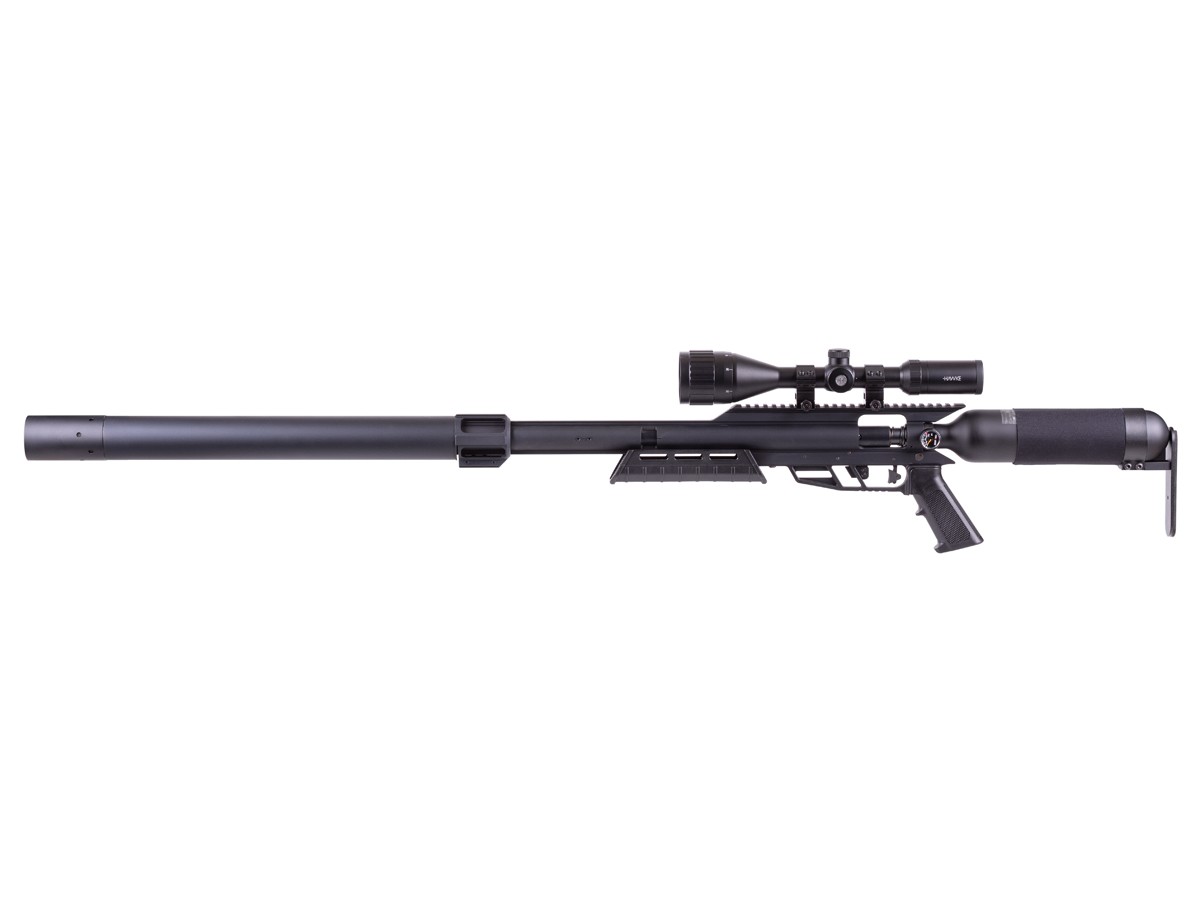
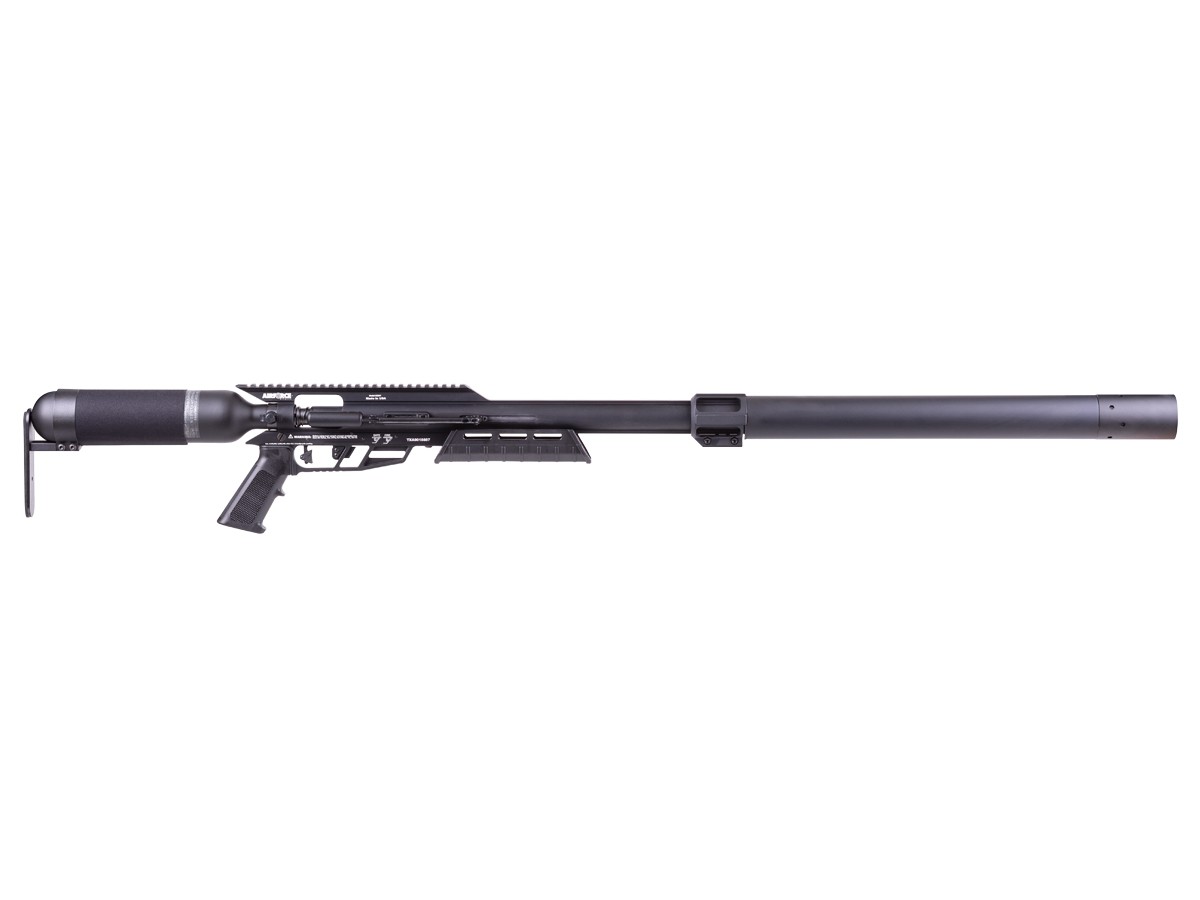
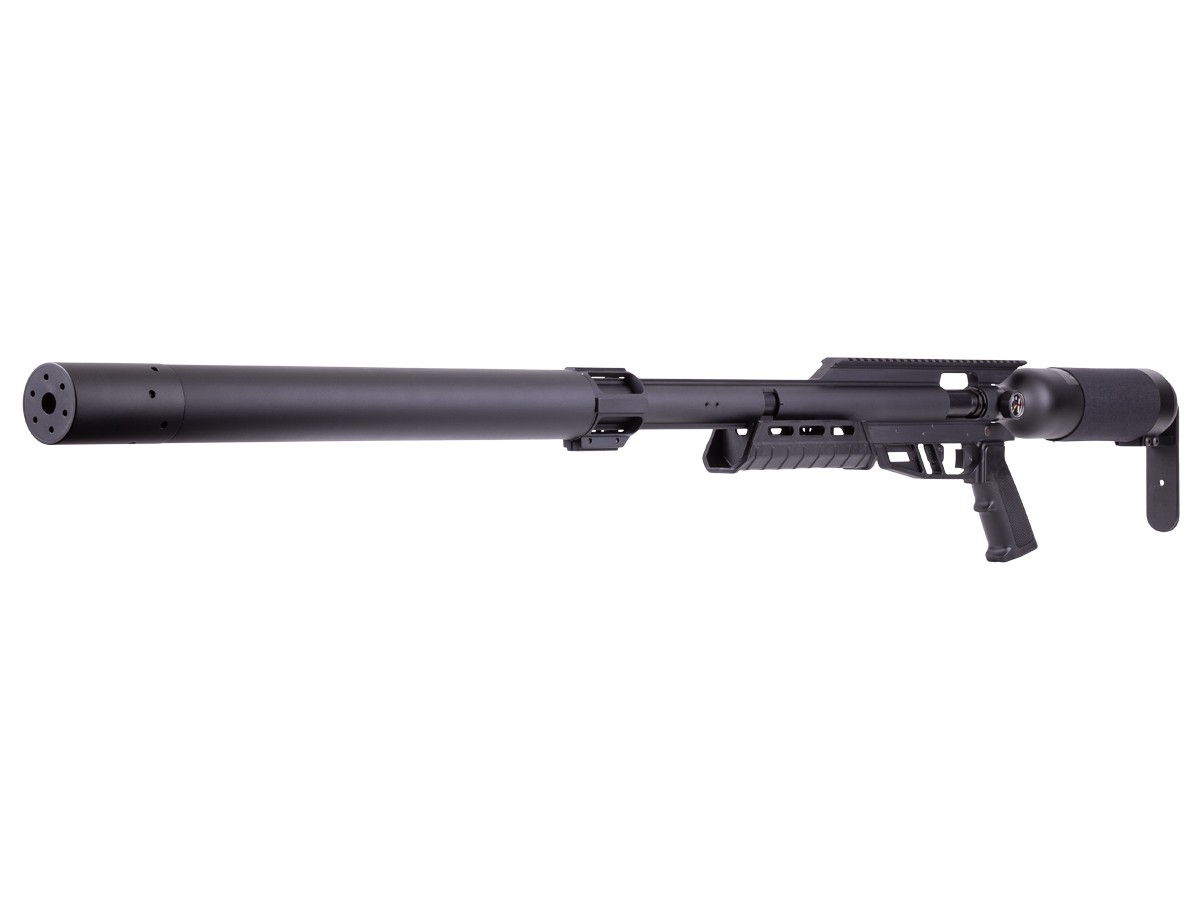
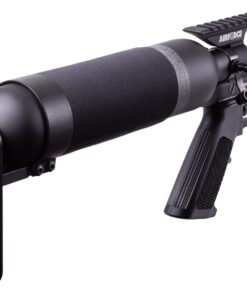
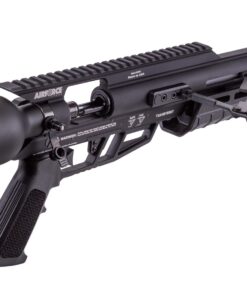
Serious big-bore performance is delivered by the AirForce Texan LSS Carbon-Fiber Tank. Exceptional power, reduced weight, and effective sound suppression are combined in this pre-charged pneumatic air rifle. Hunters and precision shooters are provided with a versatile platform that is engineered for demanding field conditions. Outstanding results are achieved through thoughtful design and high-quality components.is AirForce Tex-Rex Carbine good for beginnersCarbine
Exceptional Power and Performance Features
More than 800 foot-pounds of energy in .510 caliber can be produced by the AirForce Texan LSS Carbon-Fiber Tank. Velocities of up to 1,100 feet per second are reached depending on projectile weight and power setting. A 34-inch Lothar Walther barrel is utilized for accuracy and consistency. Furthermore, the updated TX2 valve system is incorporated to maximize efficiency from the high-pressure air supply.
Moreover, adjustable power is offered so that different ammunition and hunting scenarios can be accommodated. Consequently, ethical harvests of medium to larger game such as deer, hogs, and predators become more reliable. In addition, single-shot operation with low-effort sidelever cocking is featured for straightforward use in the field.
Key Specifications of the AirForce Texan LSS Carbon-Fiber Tank
The following core attributes are highlighted for clear comparison and informed decision-making:
- Calibers available: .457 and .510
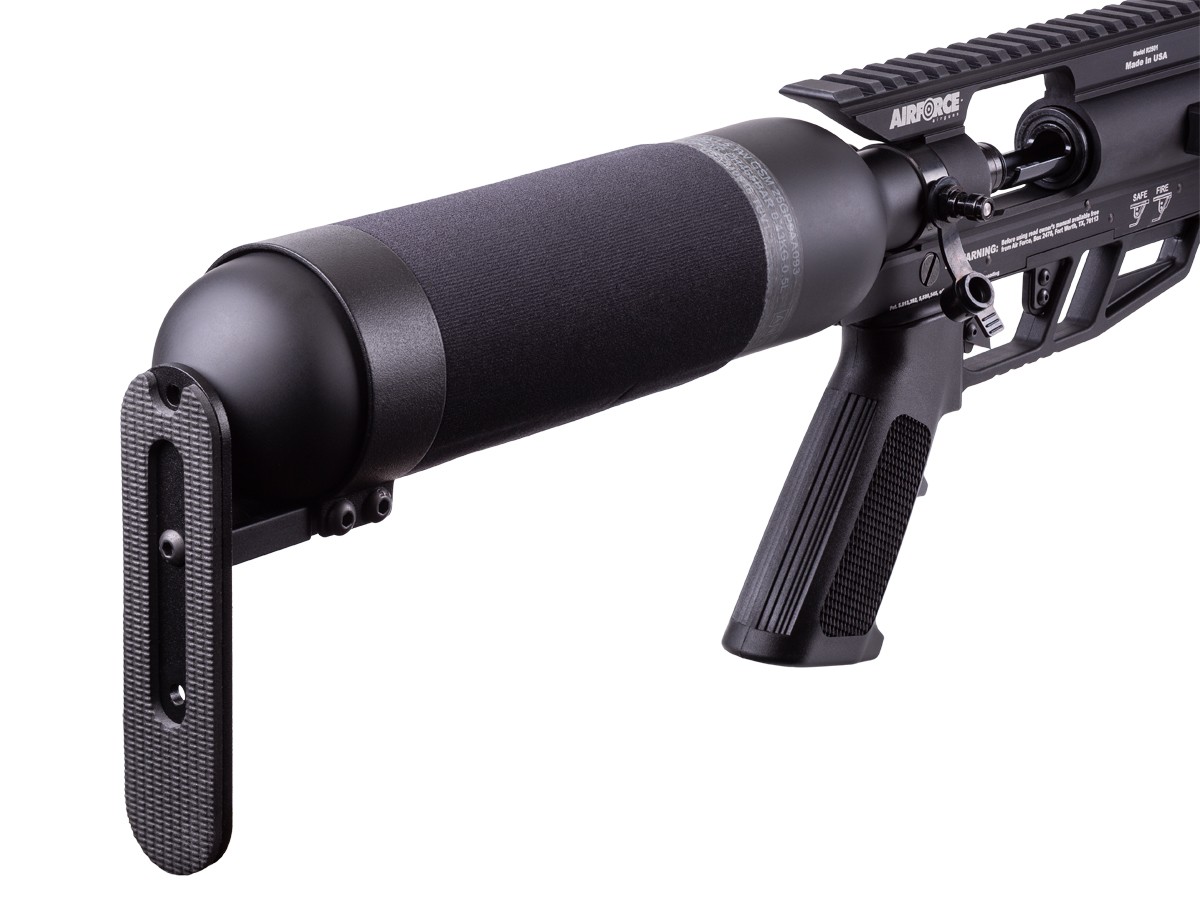
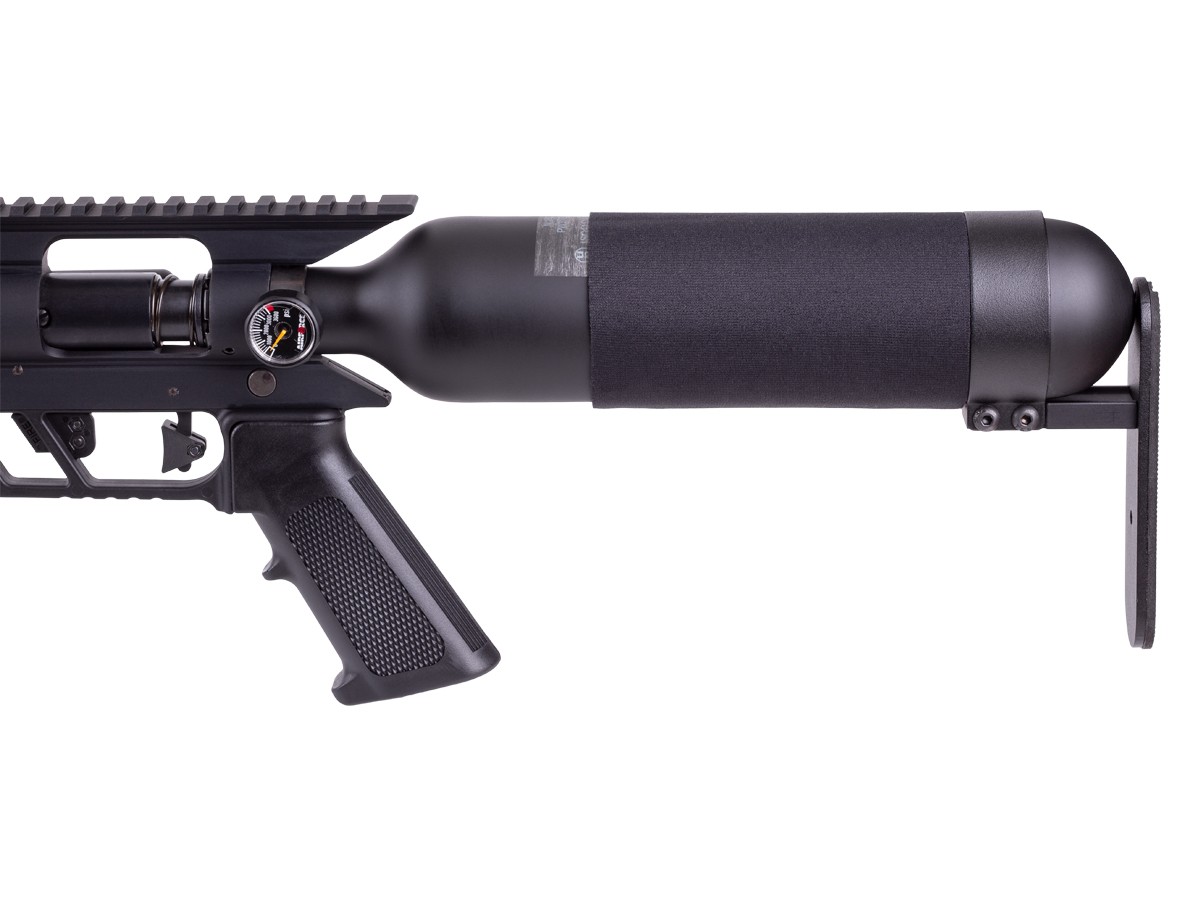
- Air tank: 475–500cc carbon-fiber construction
- Maximum fill pressure: 250 BAR / approximately 3,625 PSI
- Maximum energy: up to 700+ FPE in .457 and over 800 FPE in .510
- Maximum velocity: up to 1,100 FPS
- Barrel: 34-inch Lothar Walther match-grade
- Overall length: approximately 51.5 to 54.25 inches
- Weight: reduced to about 6.35 pounds thanks to the carbon-fiber tank
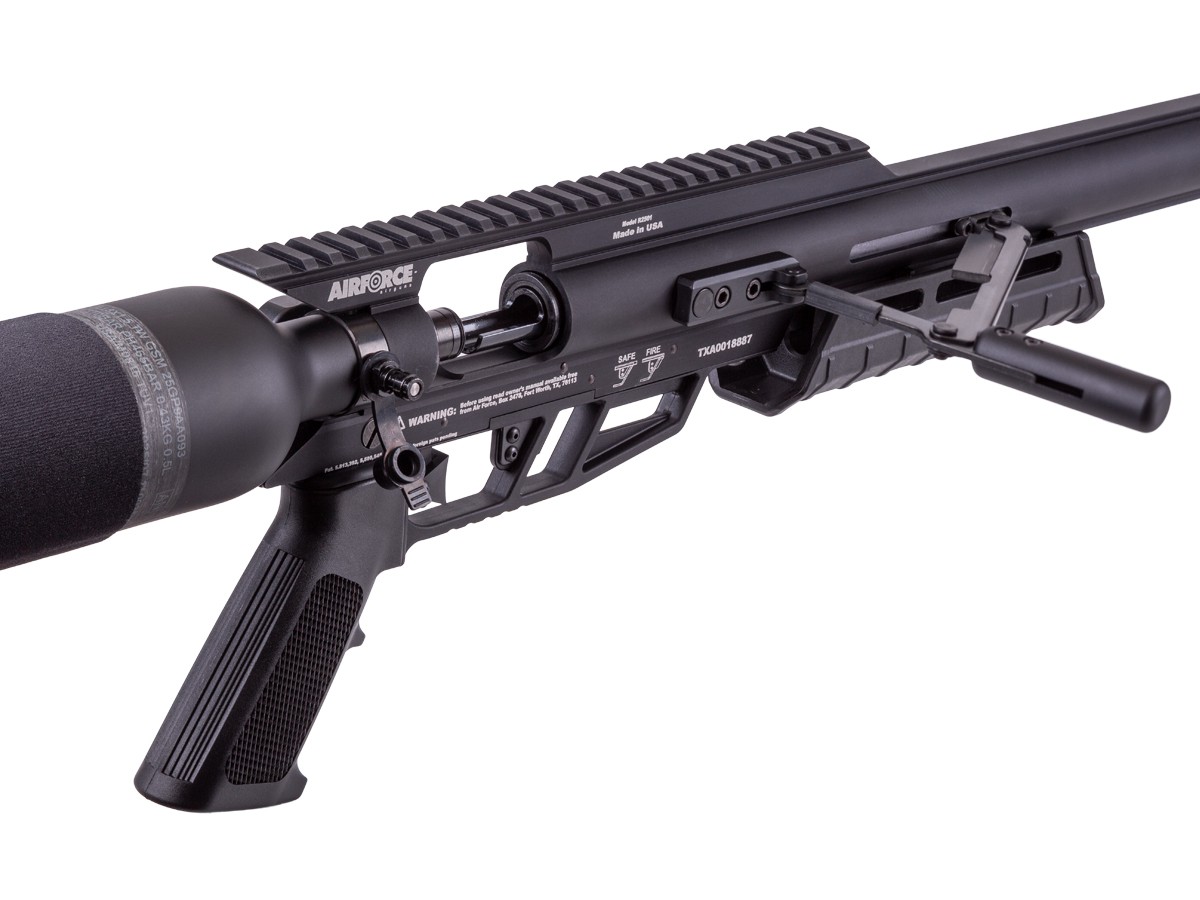
- Action: single-shot sidelever
- Trigger: two-stage adjustable
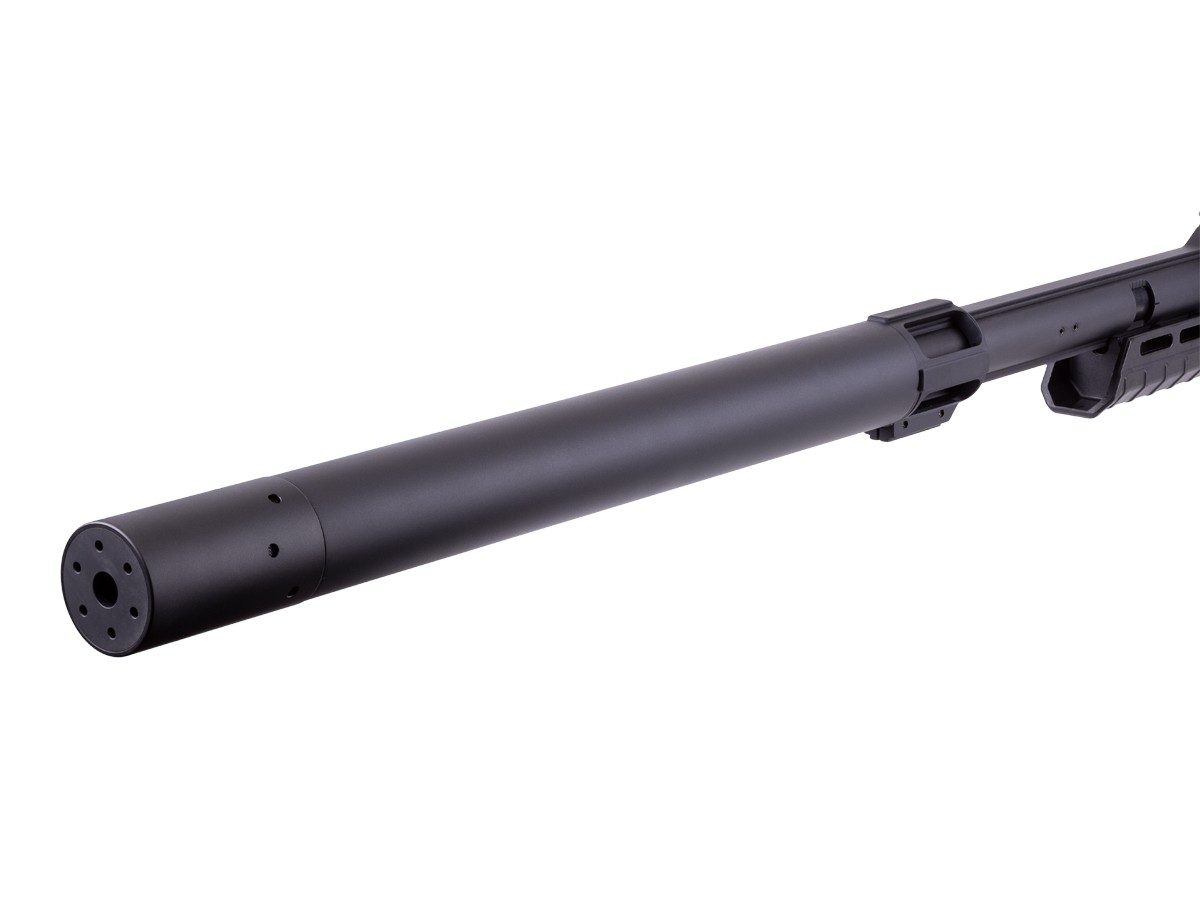
- Suppression: integrated Sound-Loc® system with full shroud and acoustic baffles
- Safety: automatic on cocking
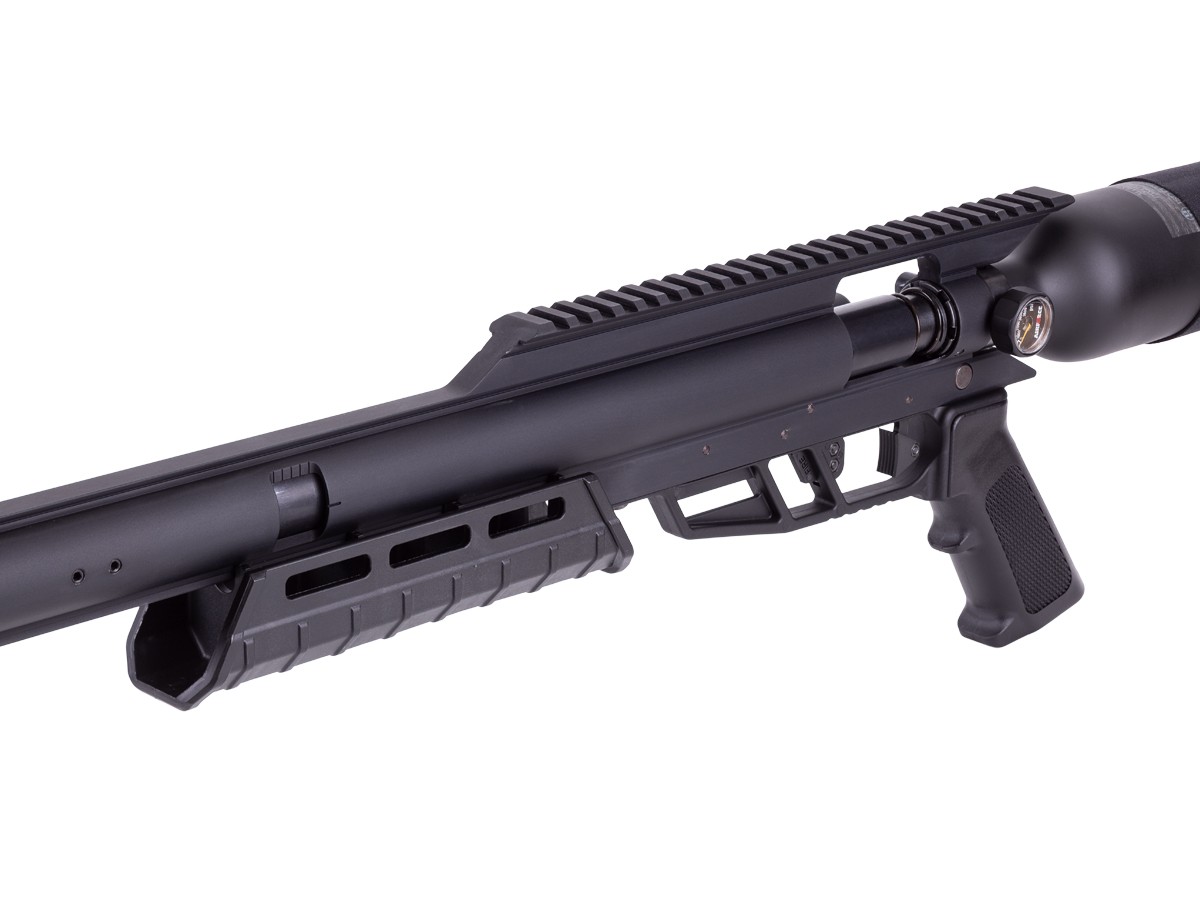
- Optics rail: Picatinny or Weaver-compatible (updated models)
- Origin: proudly manufactured in Texas, USA (with German barrel)
These specifications are supported by a limited lifetime warranty from the manufacturer. Therefore, long-term ownership confidence is increased for every user.
Advantages of the Carbon-Fiber Tank Design
Significant weight reduction is achieved through the carbon-fiber tank compared with traditional aluminum versions. As a result, the overall rifle weight drops substantially while higher fill pressure is supported. Greater air capacity and more consistent pressure curves are provided by the 250 BAR rating. In turn, additional energy and improved shot-to-shot consistency are delivered.
Furthermore, the carbon-fiber construction remains durable and DOT-approved for retesting and commercial refilling. Only clean, dry compressed air or dry nitrogen should be used. A pressure-relief device is installed for safety. Consequently, reliable high-pressure performance is maintained across multiple sessions.
Sound Suppression and Field Practicality
Muzzle report is notably reduced by the patented Sound-Loc® suppression system. Full shrouding and an internal acoustic baffle arrangement are employed. Therefore, the rifle becomes one of the quieter options in the powerful big-bore category. Discretion in hunting environments is improved without sacrificing the energy needed for effective terminal performance.
In addition, the combination of full-length barrel power and suppression makes the AirForce Texan LSS Carbon-Fiber Tank suitable for a wide range of users. Hunters seeking stealth, pest-control professionals, and long-range enthusiasts can all benefit. Inclusive design considerations ensure the platform remains accessible to shooters of varying experience levels and physical builds through adjustable trigger positioning and manageable weight.
Why Choose the AirForce Texan LSS Carbon-Fiber Tank?
Proven Texan platform reliability is elevated by the carbon-fiber upgrade. More air volume at higher pressure is stored, and more power is consequently extracted. Moreover, the lighter overall package reduces fatigue during extended carries or stalking. Transition from aluminum-tank models is straightforward for existing owners who desire the performance boost.
Accuracy potential is further supported by the quality Lothar Walther barrel and two-stage trigger. Scope mounting is facilitated by the rail system so that optics suited to individual preferences can be installed. In the field, ethical and efficient harvesting is enabled by the balance of power, accuracy, and reduced sound signature.
Ready for Your Next Hunt or Range Session
The AirForce Texan LSS Carbon-Fiber Tank stands ready to meet demanding performance expectations. High fill pressure, substantial energy output, lightweight handling, and effective suppression are all integrated into one cohesive design. Furthermore, American manufacturing quality and a solid warranty provide lasting value.
Whether big-game opportunities are pursued or precision practice is prioritized, this rifle delivers the capability required. Explore available calibers and configurations today. The AirForce Texan LSS Carbon-Fiber Tank is prepared to become a trusted partner for years of rewarding shooting. Upgrade your setup and experience the difference that advanced carbon-fiber technology and refined engineering can make.
Exploring Top Precision and Power Options: Air Arms XTi-50 FT and AirForce Tex-Rex Carbine
Competitive shooters and serious hunters often search for specialised tools that match their exact needs. Two standout platforms frequently discussed in these circles are the Air Arms XTi-50 FT Left handed air rifle and the AirForce Tex-Rex Carbine. Each serves a distinct purpose—one prioritises match-winning accuracy in Field Target disciplines, while the other delivers compact big-bore power for hunting. Understanding their strengths helps shooters decide which best fits their goals.
Air Arms XTi-50 FT Left Handed Air Rifle Overview
The Air Arms XTi-50 FT Left handed air rifle represents the pinnacle of modern Field Target design. Purpose-built as an Air Arms XTi-50 competition rifle, it offers left-handed shooters a true dedicated configuration rather than a compromised ambidextrous setup. Many consider it among the best left handed Field Target air rifle options currently available. An Air Arms XTi-50 FT review typically highlights its free-floating match-grade Lothar Walther barrel, micro-adjustable air stripper, titanium components for weight reduction, and an infinitely adjustable laminated stock complete with hamster, butt hook, and cheekpiece.
Air Arms XTi-50 FT specs include a .177-only calibre limited to under 12 ft-lbs for international Field Target rules, approximately 100 consistent shots per fill from a 200-bar titanium cylinder, and a weight around 10.3 lbs for the FT version. The fully regulated action delivers exceptional shot-to-shot consistency, while the match-grade trigger offers extensive adjustment. Precision PCP rifle for competition shooting does not get much more specialised than this model.
Shooters frequently ask how accurate is Air Arms XTi-50 FT. Independent tests and competition results show groups that can be covered by a small coin at 50 yards under good conditions, with the rifle already claiming major Field Target titles. What is Air Arms XTi-50 FT Left handed? It is a factory left-hand stock and action configuration of Air Arms’ flagship competition rifle, ensuring proper ergonomics for southpaw competitors. Those looking to buy Air Arms XTi-50 FT Left handed online or searching where to buy Air Arms XTi-50 FT Left handed will find it available through specialist dealers, often listed as Air Arms XTi-50 FT Left handed for sale with options for laminate finishes.
AirForce Tex-Rex Carbine Overview
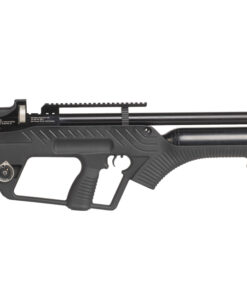
On the hunting side, the AirForce Tex-Rex Carbine stands out as a compact yet extremely powerful big-bore platform. An AirForce Tex-Rex Carbine review emphasises its short overall length of approximately 39 inches and weight near 7 lbs unscoped, making it highly manoeuvrable in blinds or dense cover. AirForce Tex-Rex Carbine specs typically list a 24.75-inch Lothar Walther barrel, 500 cc carbon-fibre tank, fill pressures up to 4,500 psi, and energy outputs reaching 900+ foot-pounds depending on calibre (.457 or .510) and Bias Port orifice selection.
Key AirForce Tex-Rex Carbine features include a user-tunable Bias Port system that lets shooters balance maximum power against shot count, a titanium valve, Picatinny optics rail, M-LOK forearm, and a two-stage adjustable trigger. The AirForce Tex-Rex Carbine compact carbine design prioritises field handling without sacrificing the hard-hitting performance expected from the Texan family. An AirForce Tex-Rex Carbine regulated air system is not present in the traditional sense; instead, the Bias Port and high-pressure tank provide tunable consistency.Air Arms XTi-50 FT accuracy performance
Many buyers search for AirForce Tex-Rex Carbine for sale, AirForce Tex-Rex Carbine price (commonly around the mid-$1,400 range), AirForce Tex-Rex Carbine best price, AirForce Tex-Rex Carbine deals, and AirForce Tex-Rex Carbine shop options. Retailers often promote the ability to buy AirForce Tex-Rex Carbine online, order AirForce Tex-Rex Carbine today, or check AirForce Tex-Rex Carbine near me and AirForce Tex-Rex Carbine available now status. Questions such as what is AirForce Tex-Rex Carbine, who should use AirForce Tex-Rex Carbine, and why choose AirForce Tex-Rex receive consistent answers: it suits experienced hunters seeking compact big-bore power for medium to large game.
AirForce Tex-Rex Carbine accuracy performance is strong when paired with quality heavy slugs, and the platform rewards proper tuning. An AirForce Tex-Rex Carbine user experience review often notes straightforward sidelever operation and solid reliability. For those new to high-power PCPs, is AirForce Tex-Rex Carbine good for beginners? Most experienced users recommend prior familiarity with big-bore systems and safe high-pressure filling practices. An AirForce Tex-Rex Carbine maintenance guide and broader AirForce Tex-Rex Carbine guide stress clean dry air, correct Bias Port selection, and regular inspection of seals and rails.
Comparing Competition Precision and Hunting Power
When evaluating Air Arms XTi-50 vs FX Impact comparison or broader best Field Target rifles comparison, the XTi-50 frequently ranks at the top for pure FT specialisation. Its dedicated left-handed configuration, extensive stock adjustability, and competition-proven consistency give it an edge for serious Field Target air rifle left handed users. The FX Impact offers greater modularity and multi-calibre flexibility, yet the XTi-50 remains purpose-built for the discipline.AirForce Tex-Rex Carbine for precision shooting
In contrast, the AirForce Tex-Rex Carbine serves an entirely different role. While the Air Arms model focuses on sub-12 ft-lbs precision at known distances, the Tex-Rex delivers extreme energy in a carbine-length package suited to ethical big-game hunting. Shooters seeking a left handed PCP air rifle for competition will gravitate toward the XTi-50 FT, whereas those prioritising compact high-power hunting performance look to the Tex-Rex.
Making the Right Choice
Ultimately the decision depends on intended use. Competitive Field Target athletes benefit from the refined ergonomics and consistency of the Air Arms XTi-50 FT Left handed air rifle. Hunters who value manoeuvrability combined with serious terminal performance find the AirForce Tex-Rex Carbine an excellent match. Both platforms represent high-end engineering in their respective categories, and both reward careful research into current pricing, availability, and supporting accessories.
Frequently Asked Questions About the AirForce Texan Hawke Scope Combo
What comes in the package?
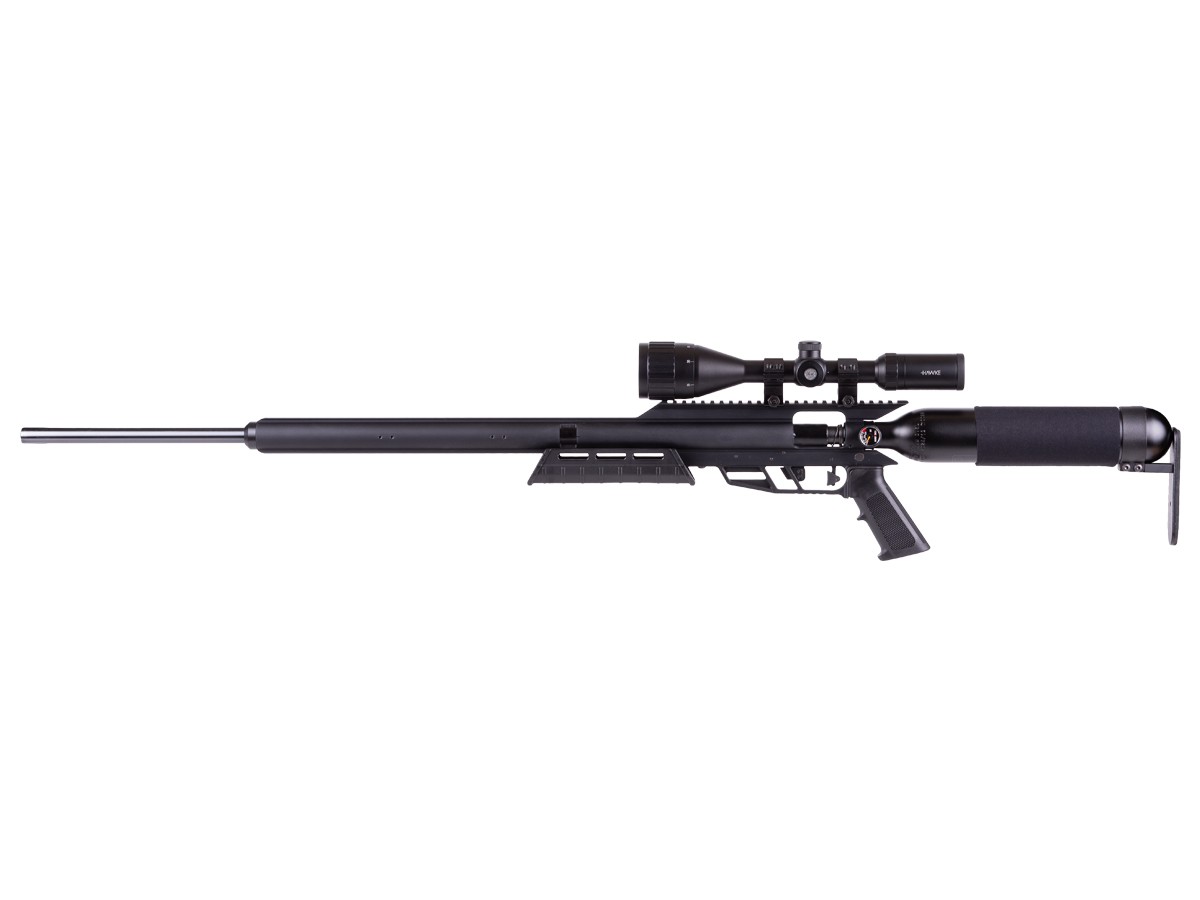
Every AirForce Texan Hawke Scope Combo arrives as a complete ready-to-assemble system designed for serious shooters. The core component is the powerful pre-charged pneumatic air rifle itself, engineered with a sidelever action and a high-capacity onboard air reservoir. Alongside the rifle, the package includes a quality Hawke variable-power optic featuring an adjustable objective and an illuminated reticle, plus a matching set of high rings for secure mounting.
This all-in-one approach means you avoid the frustration of sourcing compatible components separately. Once the optic is mounted and zeroed, the entire setup is prepared for range sessions or field use. Many buyers appreciate that the rings and optic are selected specifically to complement the rifle’s rail system, reducing the trial-and-error process common with aftermarket combinations. In practical terms, the package focuses on delivering both power and precision optics without requiring additional immediate purchases for basic functionality.
Which calibers are available?
The platform is offered in several popular big-bore options that suit different hunting and shooting preferences. Common choices include .30, .357, and .457, each delivering distinct performance characteristics depending on projectile weight and power setting. Smaller calibers often favor higher velocities and flatter trajectories for medium-range work, while larger ones emphasize greater energy transfer for heavier game.
Selecting the right caliber involves matching the intended use, local regulations, and preferred ammunition. Shooters who prioritize versatility frequently choose a mid-size option that balances speed and terminal performance. Regardless of caliber, the underlying design remains consistent, featuring the same sidelever mechanism, adjustable power system, and robust construction that define the platform.
How much power and velocity can I expect?
Performance figures vary with caliber, projectile weight, and power adjustment, yet the rifle is widely recognized for delivering substantial energy levels suitable for ethical harvesting of larger game where airguns are permitted. Velocities can exceed 1,000 feet per second with appropriate ammunition, and energy outputs frequently reach several hundred foot-pounds.
The adjustable power feature allows fine-tuning so users can optimize for accuracy, shot count, or maximum impact. Heavier projectiles typically produce higher energy at the cost of some velocity, while lighter ones increase speed. Real-world results also depend on consistent air fills and proper barrel condition. Many experienced shooters report reliable performance once they identify the ideal ammunition and power combination for their specific rifle.
Is this suitable for hunting larger game?
Yes, the design prioritizes the power and accuracy needed for ethical hunting of suitable game such as feral hogs, deer, and similar species in jurisdictions that allow airgun harvest. The combination of high energy delivery and a precise optic supports careful shot placement at realistic hunting distances.
Success still depends on the shooter’s skill, knowledge of animal anatomy, and adherence to local laws. The single-shot nature encourages deliberate aiming rather than rapid follow-ups, which aligns well with ethical hunting practices. Many users value the reduced noise compared with traditional firearms in certain environments, though the unmoderated versions remain relatively loud. Always confirm regulations regarding caliber, energy limits, and permitted species before heading afield.
What are the details of the included Hawke optic?
The optic is a variable-magnification model with a large objective lens that gathers excellent light in low-light conditions common during hunting hours. An adjustable objective corrects parallax across a useful range of distances, while the illuminated reticle enhances visibility against varied backgrounds.
Magnification typically spans a practical mid-range that works for both closer encounters and more extended shots. The glass quality supports clear target identification, and the reticle design includes hold points useful for compensating trajectory with heavier projectiles. When paired with the supplied rings, the optic mounts securely on the rifle’s extended rail system. Zeroing is straightforward once the rifle is properly supported and ammunition is consistent.
How do I fill the air tank?
The onboard reservoir is filled using a high-pressure air source capable of reaching the recommended maximum pressure, commonly 3,000 psi. A standard Foster-style quick-disconnect fitting makes connection simple with compatible tanks, compressors, or scuba setups.
Always use clean, dry air or nitrogen and never exceed the rated pressure. A pressure-relief device provides an extra safety margin. Fill rates and final pressure affect shot count and consistency, so many users monitor the gauge carefully and develop a routine that maintains optimal performance. Proper filling technique also helps preserve the longevity of seals and valves.
What kind of accuracy can I achieve?
With quality ammunition, careful zeroing, and solid fundamentals, many shooters produce groups measuring 1.5 inches or better at 100 yards under controlled conditions. Results improve further with practice and by matching projectile weight to the power setting.
The Lothar Walther barrel contributes significantly to consistency. Environmental factors such as wind and temperature still influence point of impact, so field accuracy depends on the shooter’s ability to read conditions. The optic’s adjustable objective and clear reticle further support precise aiming. Regular cleaning and consistent air fills help maintain peak performance over time.
How loud is the rifle during use?
Unmoderated versions produce a report comparable to other high-powered air rifles of similar energy levels. The sound is noticeably different from a firearm yet still significant enough to warrant hearing protection and consideration of surroundings.
Moderated variants exist for those seeking reduced noise, though the standard package emphasizes maximum power. Sound levels also vary with power setting and ammunition. In many hunting scenarios the report is acceptable, particularly when compared with centerfire rifles, yet users should always evaluate local conditions and neighbor considerations.
What maintenance does the system require?
Routine care focuses on keeping the barrel clean, inspecting seals, and ensuring the air system remains free of moisture or contaminants. After shooting sessions, a light cleaning of the bore with appropriate solvents and patches helps preserve accuracy.
Avoid over-lubrication, as excess oil can attract debris. Periodically check the fill probe and tank connections for wear. Storage in a dry environment with the tank at a moderate pressure protects internal components. Following the manufacturer’s guidelines for service intervals and using only recommended lead projectiles further extends the life of the rifle and optic.
Is there a warranty, and what does it cover?
The rifle is backed by a lifetime limited warranty from the manufacturer, reflecting confidence in its USA-made construction. Coverage typically addresses defects in materials and workmanship under normal use.
The optic carries its own manufacturer warranty, which users should register according to the provided instructions. Proper maintenance and adherence to operating guidelines help ensure warranty validity. In the event of an issue, contacting the authorized service network usually provides a clear path to resolution.
How does the single-shot design affect practical use?
The single-shot configuration requires manual loading for each shot, which promotes careful shot selection and reduces the temptation for hasty follow-ups. Loading is quick once the sidelever is operated and a projectile is placed in the breech.
This design also allows greater flexibility in projectile choice, since there is no magazine length restriction. Many hunters appreciate the simplicity and reliability that come with fewer moving parts. Practice develops a smooth loading rhythm that keeps the shooter ready for the next opportunity without unnecessary delay.
Are there any special considerations for first-time big-bore users?
Newcomers benefit from starting at lower power settings while becoming familiar with the recoil impulse, trigger characteristics, and optic controls. A solid rest or bipod helps during initial zeroing sessions.
Understanding trajectory differences compared with lighter air rifles or firearms is essential. Heavier projectiles drop more noticeably, so learning holdovers with the reticle pays dividends. Taking a formal airgun hunting course or practicing extensively on paper and reactive targets builds the confidence needed for ethical field use.
Can the stock and fit be adjusted?
Yes, the design incorporates an adjustable length of pull and a rotatable buttplate that allows limited cast adjustment. These features help accommodate different body sizes and shooting styles, improving comfort during extended sessions.
A proper fit reduces fatigue and supports consistent cheek weld with the optic. Taking time to set the adjustments before serious practice sessions pays off in both accuracy and enjoyment.
What ammunition works best?
Lead projectiles sized specifically for the chosen caliber deliver the most consistent results. Experimenting with different weights and designs helps identify the combination that groups tightly at preferred distances while producing adequate energy.
Avoid non-lead options unless explicitly approved, as they can affect barrel life and accuracy. Quality ammunition from reputable makers reduces variability and supports the rifle’s inherent precision potential.
How does this compare with other high-powered air rifles?
The combination of substantial energy, adjustable power, quality barrel, and included optic creates a compelling value proposition. Many alternative platforms require separate purchases for comparable optics or lack the same level of factory power.
The sidelever action and onboard tank design offer a distinctive handling experience that some shooters prefer over other cocking systems. Ultimately, the decision depends on individual priorities regarding noise, weight, caliber selection, and intended use.
What should I know about legal and safety requirements?
Always verify local, state, and federal regulations governing airgun ownership, hunting, and energy limits. Some areas restrict calibers or require specific licensing. Safe handling practices—treating the rifle as if it is always loaded, keeping the muzzle pointed in a safe direction, and using proper eye and ear protection—remain non-negotiable.
Secure storage when not in use protects both the equipment and others. Responsible ownership includes ongoing education about ethical hunting standards and continuous skill development.
These answers address the most common questions from prospective and current owners. Taking time to understand the platform’s capabilities and limitations leads to greater satisfaction and safer, more successful experiences in the field or on the range.




 Click here for California’s Proposition 65 warning.


Reviews
There are no reviews yet.