Explore the Hatsan Air Rifle Range: PCP, Spring-Piston, Bullpup, and Semi-Auto Airguns
For shooters comparing a hatsan air rifle, the Hatsan lineup covers everything from traditional spring-powered platforms to modern hatsan pcp designs, compact bullpups, semi-automatic systems, and specialized large-bore models. Whether someone is researching an entry-level air rifle, premium PCP equipment, target-oriented air rifles, or replacement components, the broader range of air rifle options associated with hatsanusa and hatsan usa provides many configurations to compare.
Hatsan Blitz and Semi-Automatic PCP Platforms
The hatsan blitz remains one of the most recognizable names among Hatsan PCP platforms. Searches for hatsan blitz full automatic, hatsan blitz bullpup, hatsan blitz 30 cal, and hatsan blitz .30 cal commonly come from enthusiasts comparing high-capacity PCP designs and different caliber configurations. Alternative searches such as hatsun blitz and hatzan blitz may also appear when shoppers are looking for the same product family.
The term blitz guns is sometimes used more broadly when discussing this platform, while phrases such as blitz 777 may appear in related product searches. Buyers comparing a 30 cal air rifle with smaller-caliber platforms should always review the model specifications, local regulations, intended sporting application, and compatible ammunition before choosing an air gun.
Another notable semi-auto platform is the hatsan sortie. The hatsan sortie tact semi-auto pcp configuration combines compact handling with PCP operation, while hatsan sortie tact searches are frequently associated with tactical-style variants. Owners may additionally look for hatsan sortie accessories when configuring optics, magazines, maintenance components, or other compatible equipment. Likewise, buyers searching for a semi auto pellet gun may compare the Sortie with the invader auto and other semi-automatic PCP designs.
Hatsan Bullpup and PCP Air Rifles
Hatsan produces several PCP configurations for shooters who prefer compact ergonomics without giving up barrel length. The hatsan bullboss is one example, while the bullmaster represents another recognizable bullpup-style platform. The hatsan hercules family is associated with higher-capacity PCP configurations, and the hatsan hercules bully provides a compact bullpup alternative within that broader design category.
The hatsan flash is another widely recognized PCP platform. Because hatsan flash configurations can vary, buyers should compare caliber, stock style, barrel arrangement, pressure system, and included equipment before purchase. The hatsan flashpup qe offers a bullpup-inspired format and is often considered by customers wanting a shorter overall rifle.
Other PCP-related searches include the hatsan invader, hatsan factor rc, and hatsan neutron star. Each platform serves a somewhat different purpose, which means specifications rather than appearance alone should determine which airguns are most appropriate for a particular type of sporting or recreational shooting.
Hatsan Jet 2 and Compact PCP Options
The hatsan jet 2 has attracted attention among customers looking for compact PCP versatility. Because the hatsan jet 2 may be configured differently depending on market and package, shoppers should verify the exact specifications supplied by the retailer. Searches for jet ii generally refer to the same Jet-series concept, while hatsan jet 2 accessories may include compatible magazines, optics solutions, carrying equipment, seals, and manufacturer-approved replacement components.
The hatsan velox is another compact platform that may appeal to customers researching modern PCP systems. However, compatible equipment should always be verified against the precise model designation rather than assuming accessories interchange across different Hatsan products.
Classic Hatsan Spring and Gas-Ram Air Rifles
Not every Hatsan buyer wants PCP equipment. Traditional spring-piston and gas-ram designs remain an important part of the catalog. The hatsan model 95 is among the best-known examples, while searches for hatsan mod 95 and simply mod 95 usually refer to the same established platform.
The hatsan 125 is another familiar full-size option. Meanwhile, the hatsan 135 is commonly researched by shooters interested in larger, more substantial break-barrel platforms. The hatsan 135 vortex air rifle incorporates Hatsan’s Vortex gas-piston concept, while the hatsan 135 carnivore is associated with larger-caliber configurations. Searches for a hatsan big bore carnivore rifle are similarly connected with users comparing large-bore air-powered platforms.
Additional traditional models include the hatsan mod 65, which appears in searches from buyers interested in full-size sporting configurations. The hatsan airtact air rifle, commonly shortened to hatsan airtact, represents another accessible platform. The hatsan zada also broadens the selection for customers comparing break-barrel designs.
Big-Bore Hatsan Models and Specialty Platforms
For customers researching large-bore PCP technology, the hatsan piledriver is one of Hatsan’s best-known specialized platforms. Large-bore air rifles occupy a different category from a conventional .177 caliber air pellet gun, so caliber, projectile compatibility, operating pressure, legal restrictions, and intended sporting use should all be carefully reviewed.
The hatsan harpoon is another specialized product name associated with Hatsan’s air-powered lineup. Because it functions differently from a conventional pellet rifle, buyers may encounter the phrase arrow launcher while researching this category.
These specialized products should not automatically be compared with a traditional pallet gun or standard pellet rifle because their operating systems, projectiles, dimensions, and intended uses can be substantially different.
Refurbished Hatsan Air Rifles and Replacement Parts
Budget-conscious customers sometimes search for hatsan refurbished equipment or refurbished air rifles. A refurbished product can offer good value when its condition, inspection history, seals, pressure system, warranty coverage, and included accessories are clearly disclosed.
Existing owners may instead require hatsan aftermarket parts. When replacing magazines, seals, fill probes, stocks, mounts, or other components, compatibility should always be matched to the precise rifle generation and caliber. Similar-looking parts should never automatically be assumed to fit every Hatsan platform.
Product names such as 1000x.25 may also appear when shoppers compare model or caliber-specific configurations, so confirming the manufacturer’s exact designation is particularly important.
Scopes, Pellets, and Air Rifle Accessories
Optics are another major consideration when configuring an air rifle. A basic 4×20 optic may be encountered in entry-level packages, and the term 4×20 is therefore frequently seen alongside airgun searches. However, optic selection should ultimately reflect the rifle’s mounting system, recoil characteristics, shooting distance, and intended use.
Pellet selection also matters. Products such as h&n field target trophy are widely recognized among airgun enthusiasts, while h&n field target trophy bleifrei refers to a lead-free option within that product family. Individual rifles may prefer different pellet weights and shapes, so consistency and accuracy should be evaluated with the manufacturer’s recommendations in mind.
The term crow magnum may also appear when users research heavier hunting-oriented pellet designs or related airgun ammunition. Ammunition compatibility must always be checked against the specific caliber and manufacturer’s specifications.
Choosing Between PCP, CO2, and Spring-Powered Airguns
A modern air pellet gun can use several different power systems. A PCP system stores compressed air inside a reservoir, while a spring-piston rifle relies on mechanical energy generated during cocking. A co2 pellet rifle, by contrast, uses carbon dioxide cartridges or a compatible CO2 supply.
Each system offers different advantages. PCP rifles may provide low recoil and repeatable operation, while spring-powered rifles avoid the need for external filling equipment. CO2 systems can offer convenient operation in compatible platforms, although performance may vary with temperature.
Customers researching the air rifle range should therefore consider much more than velocity figures. Ergonomics, caliber, overall length, weight, filling equipment, magazine design, maintenance requirements, noise level, available service support, and local regulations can all affect long-term ownership.
Hatsan Models for Different Airgun Preferences
With platforms such as the hatsan blitz, hatsan sortie, hatsan hercules, hatsan bullboss, hatsan flash, hatsan invader, hatsan piledriver, hatsan jet 2, hatsan velox, hatsan factor rc, hatsan airtact, and hatsan model 95, Hatsan covers a broad spectrum of airgun categories.
Some customers may prioritize a traditional sporting rifle, whereas others may prefer a compact PCP or bullpup. Shooters interested in sniper long style configurations may focus more strongly on stock ergonomics, optics mounting, stability, and longer-range target capability rather than simply choosing the most powerful model.
Meanwhile, terms such as econ ii may appear in accessory or product-related searches depending on the equipment being compared. Compatibility should always be established using the exact manufacturer and model specification.
Ultimately, selecting among hatsan air guns should begin with the intended application. A lightweight .177 caliber rifle may suit recreational target shooting, while a larger PCP platform can serve a very different sporting role. Models such as the hatsan blitz .30 cal, hatsan blitz 30 cal, or other 30 cal air rifle configurations should therefore be evaluated according to their specifications, local law, appropriate shooting environment, and intended lawful use.
From the compact jet ii and hatsan jet 2 to the established hatsan mod 95, powerful hatsan 135, specialized hatsan harpoon, and modern semi-auto PCP platforms, the Hatsan catalog gives airgun enthusiasts an extensive selection. Comparing specifications carefully helps buyers identify the right air rifle while ensuring that pellets, optics, filling equipment, magazines, and accessories remain correctly matched to the chosen platform.
Practical Use Scenarios
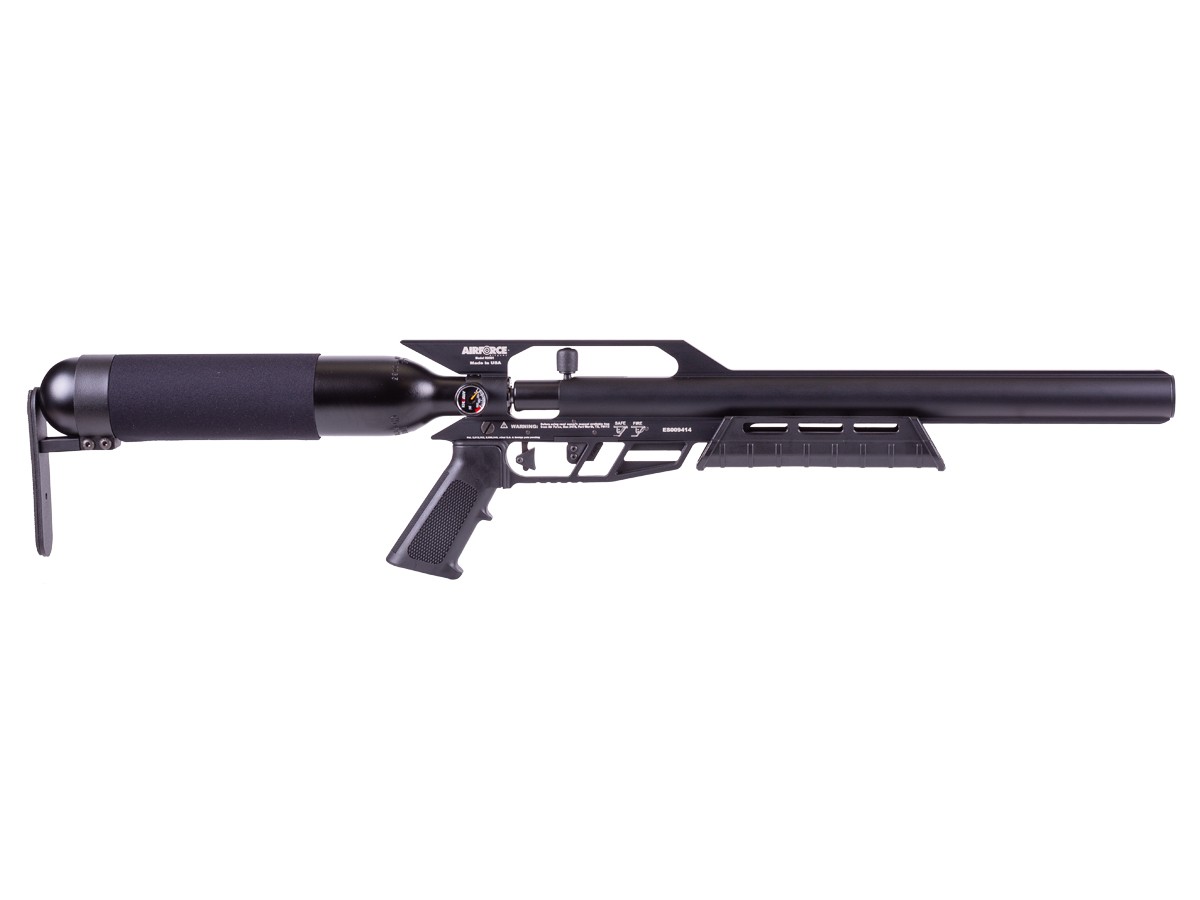
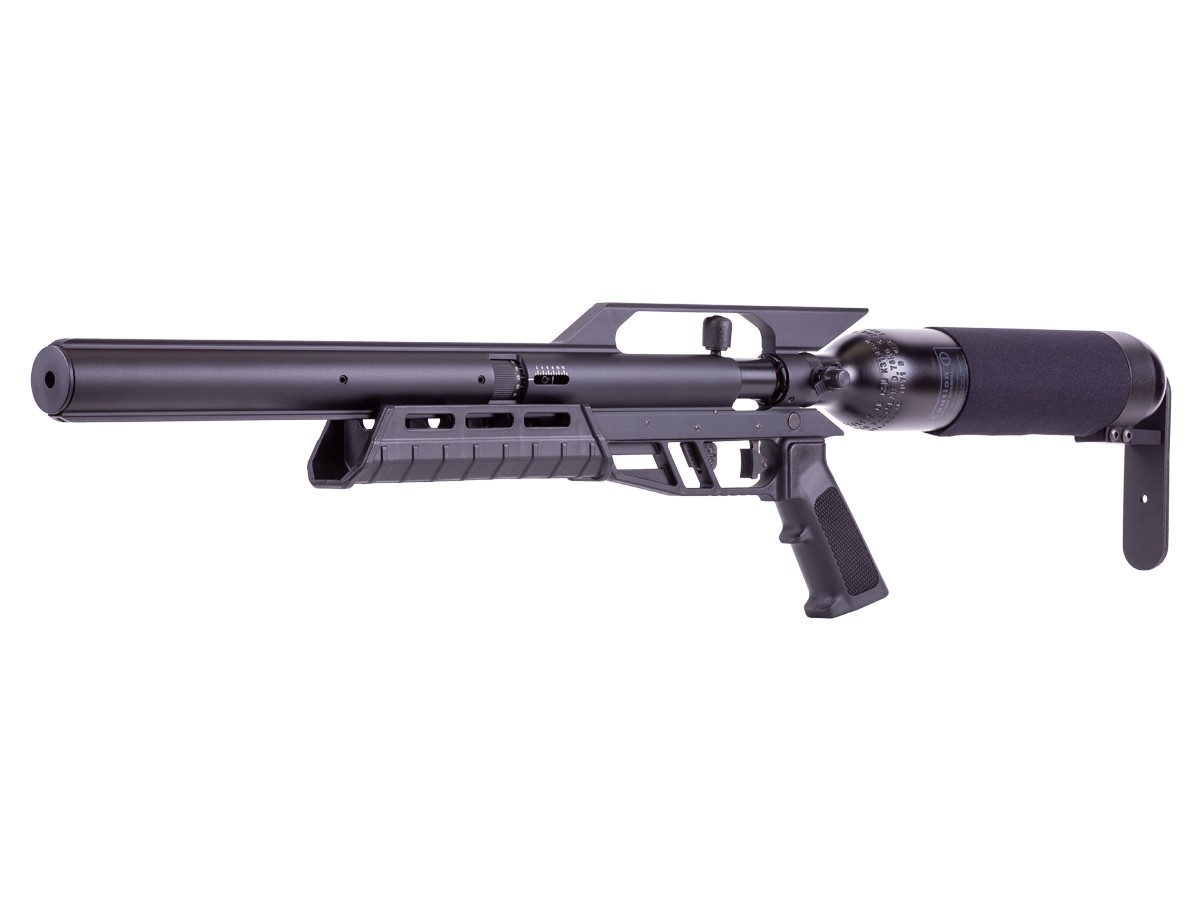
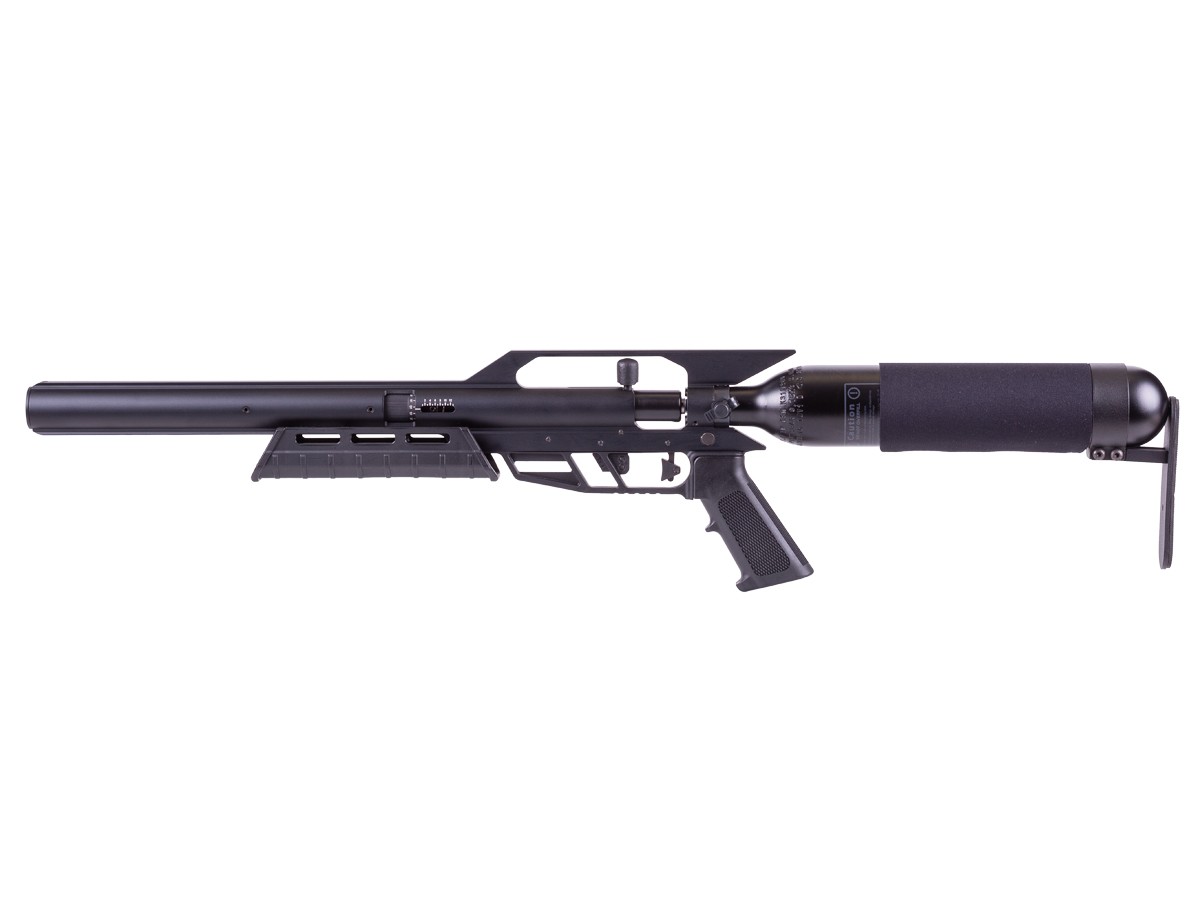
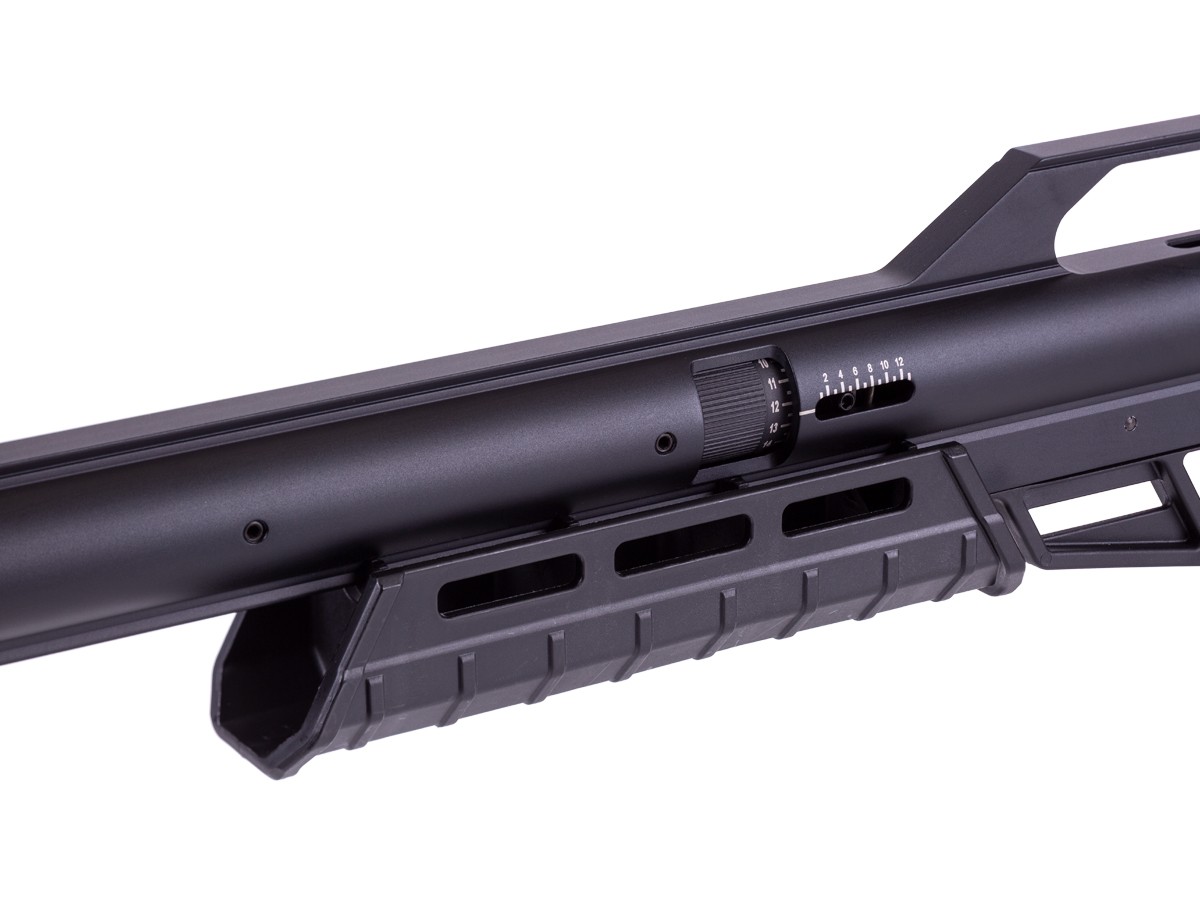
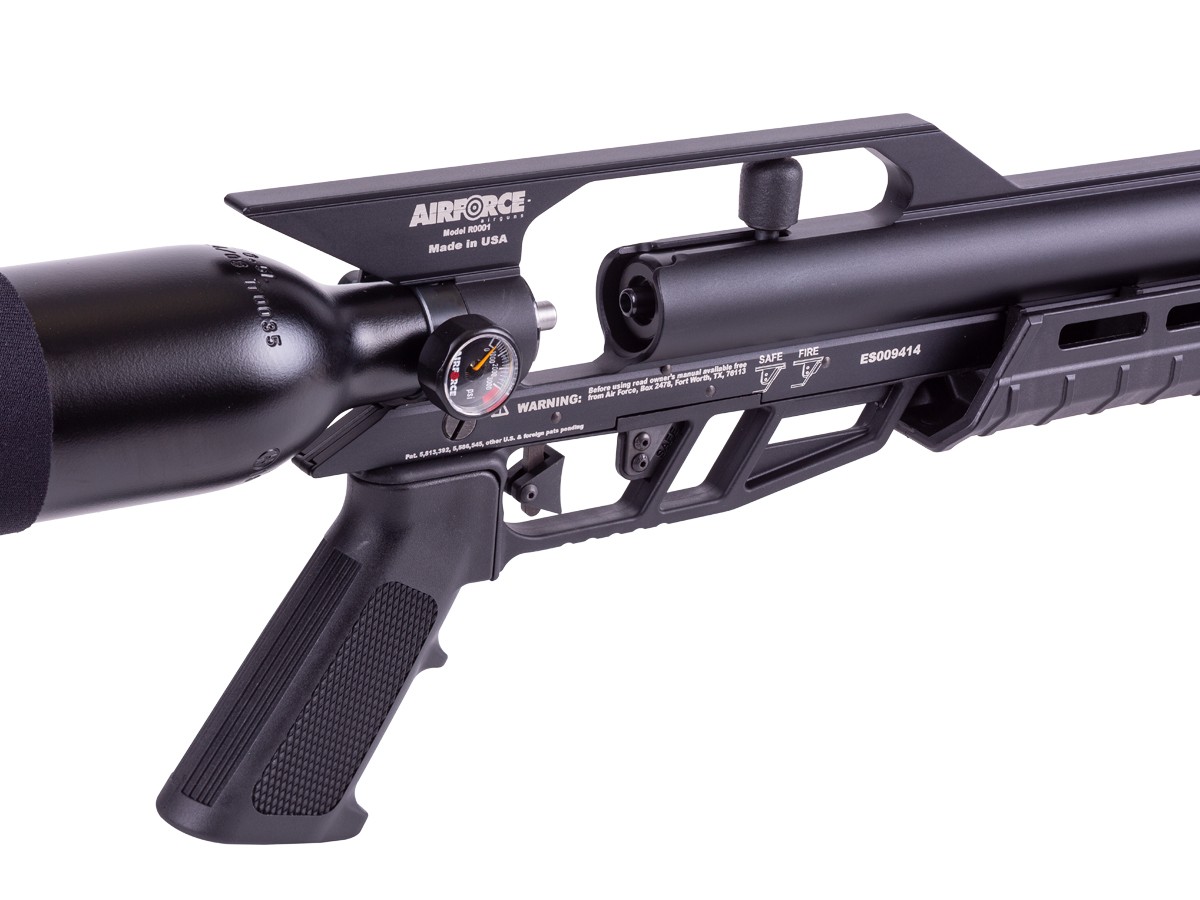
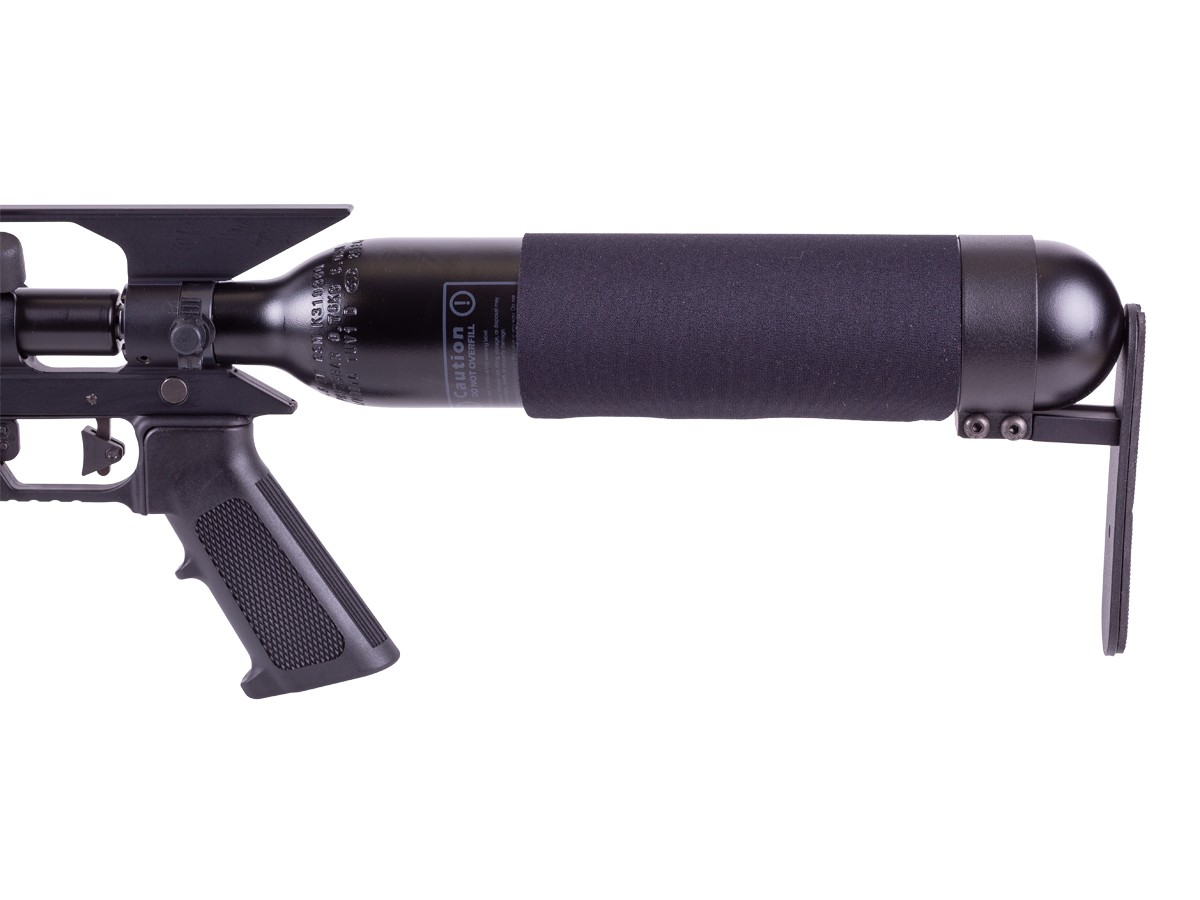
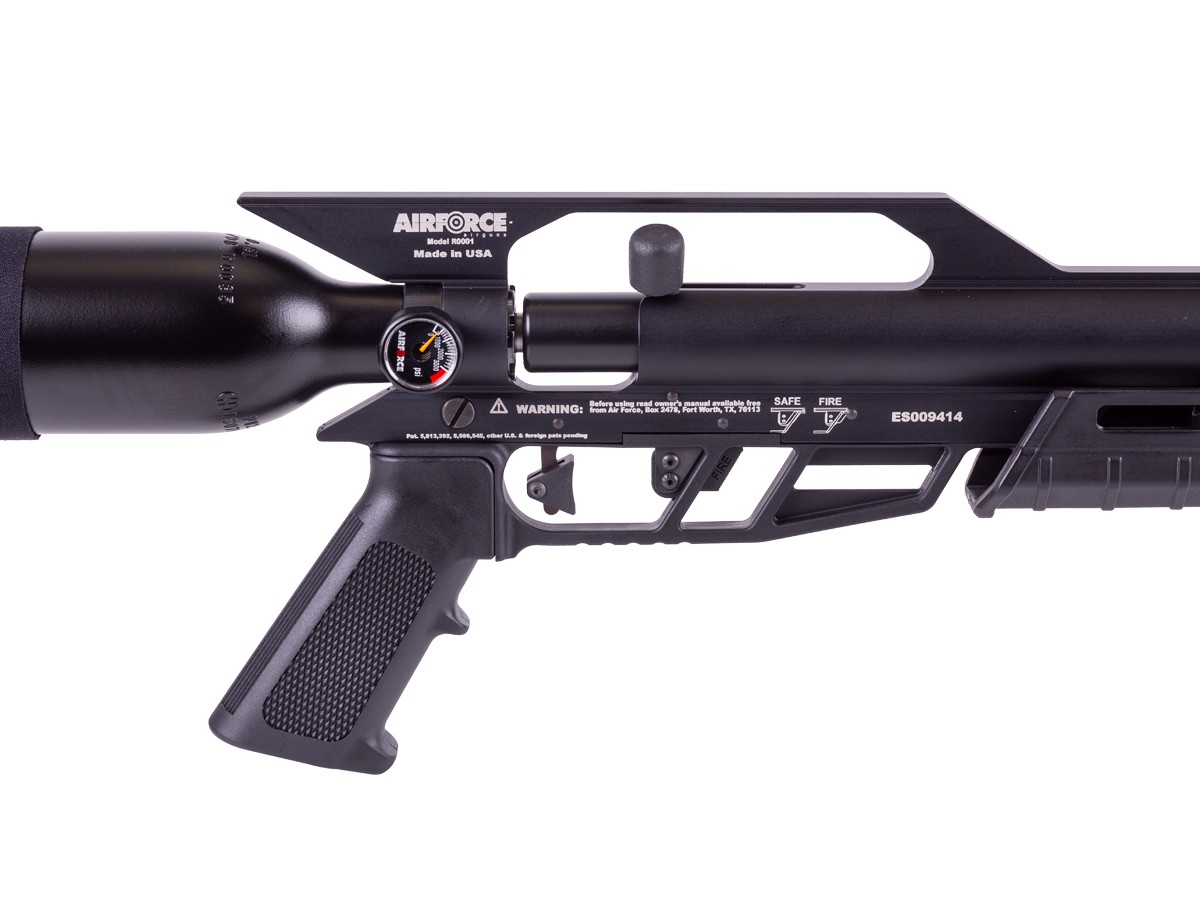
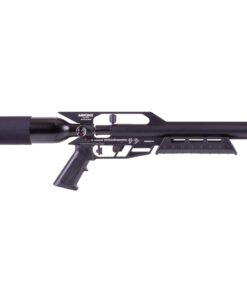
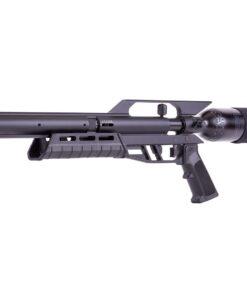
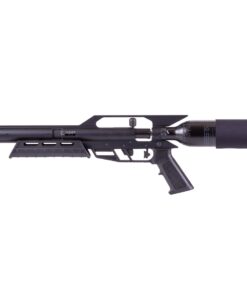
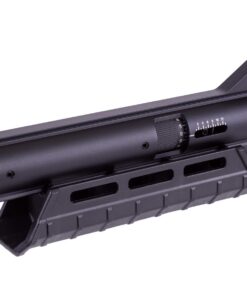
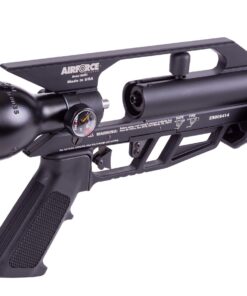
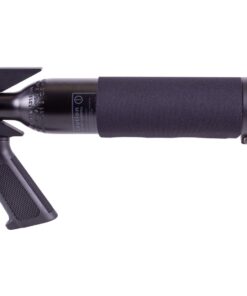
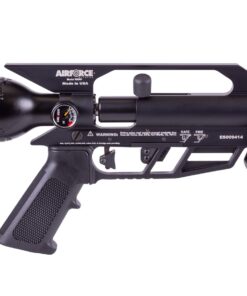
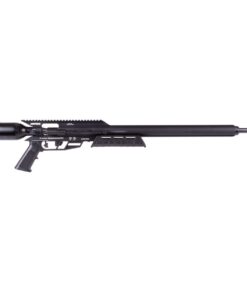
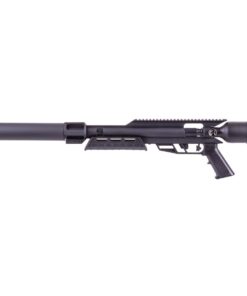
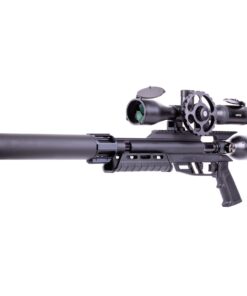
Quiet sessions and field work are supported by the same compact PCP carbine when power, pellet, and range are matched to the task. A 12-inch shrouded barrel, a rear air reservoir, and a side power wheel are employed so one platform can be moved from the backyard to the hedgerow without a second rifle being required. Inclusive setups are possible because an ambidextrous frame and long dovetail rails are provided; optics, slings, and supports can therefore be arranged for left- or right-handed use and for different shoulder heights.
Neighbor-Friendly Practice and Skill Building
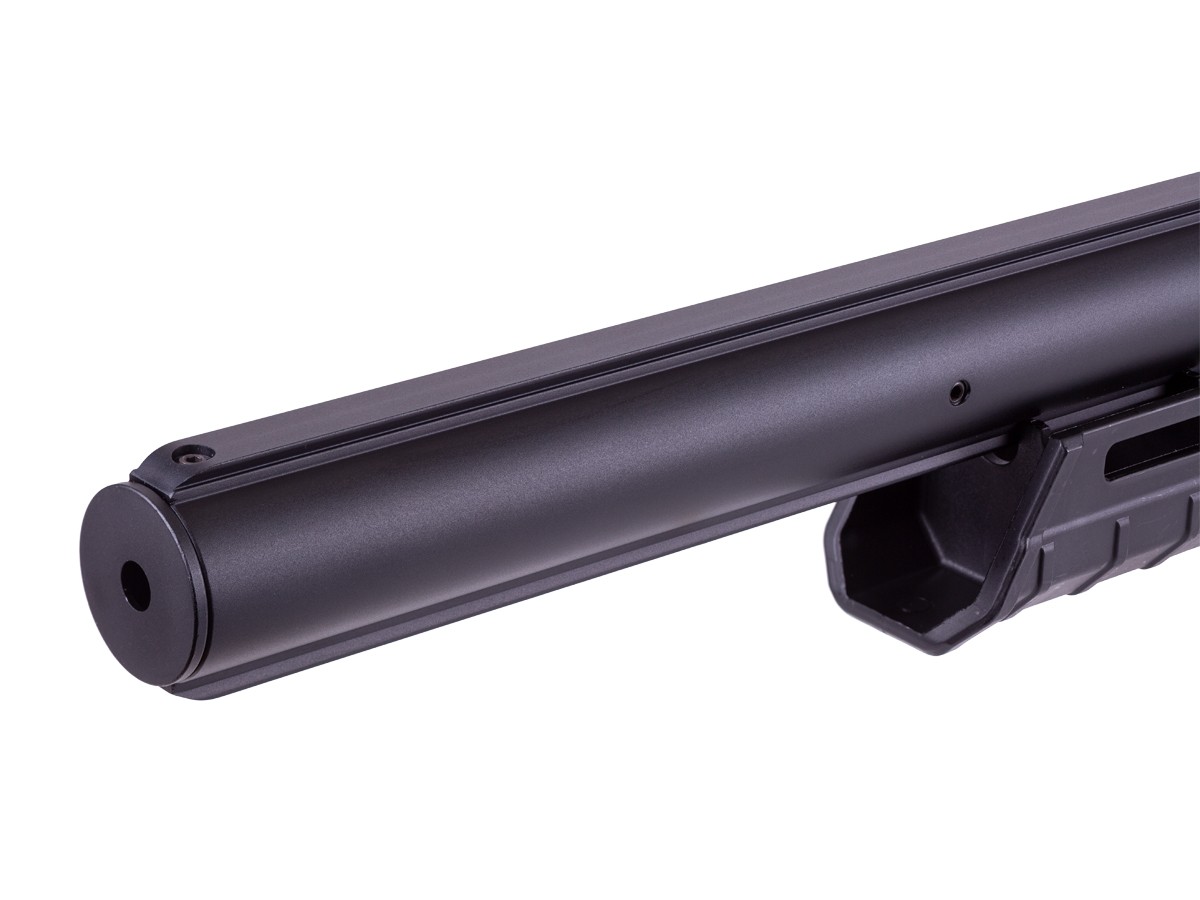
Low wheel settings are selected when report must be kept modest. Consequently, paper, spinners, and reactive targets can be used in a garage, basement range, or fenced yard where local rules allow airgun discharge. Turbulence is reduced at the muzzle by the factory Sound-Loc arrangement, so disturbance to adjacent households is lessened compared with many unshrouded PCP rifles of similar energy.
A recoilless shot is delivered. Follow-through is therefore easier to learn, and flinch is less often reinforced. Trigger position can be adjusted so reach is comfortable for smaller or larger hands. Automatic safety engagement on cocking is used as a reminder that the action must be made ready only when a safe backstop is confirmed.
Groups near one inch at fifty yards are commonly sought once an optic is mounted on the 11 mm rail. For indoor-style distances of ten to twenty-five yards, lower velocity is preferred so pellets remain on the backstop and bounce-back is reduced. Light-to-medium pellets in .177 or .20 are often chosen for this work because trajectory stays flat enough for quick holdovers while energy stays appropriate for paper and steel rated for airguns.
Session length is extended when the wheel is kept modest. Dozens to well over a hundred consistent shots can be taken from a 490 cc fill at reduced power, depending on pellet and setting. Refills can thus be postponed until the session ends. A spare Spin-Loc cylinder, if carried, is swapped when a second string is wanted without a pump being unpacked.
Pest Control Around Buildings and Outbuildings
Medium power is typically chosen when rodents, pigeons, or similar pests must be dispatched humanely where law and landowner permission allow. A .22 pellet of mid weight is frequently preferred because sectional density and energy are balanced against the short barrel. Higher settings are used only when range or wind demands more remaining energy; otherwise air is wasted and report rises.
Shots are taken from cover, windows, or barn aisles where a compact 32.75-inch overall length is an advantage. The light 5.25 lb mass can be held offhand for brief periods, though a rest on a windowsill or bag is recommended for ethical placement. Automatic safety discipline remains essential in mixed farm environments where people, livestock, and pets may appear suddenly.
Pellet choice is matched to the animal and distance. Domed designs are favored for penetration and flight; hollow-points may be selected at closer ranges when expansion is wanted and over-penetration must be limited near walls. Chronograph checks after a fill are advised so the wheel setting that produces a known, repeatable velocity is recorded for that pellet.
Night or dawn work is supported when a compact light or a low-light optic is attached to the lower or upper rail. Batteries and mounts should be secured so they do not shift under the modest cocking effort. After each successful or missed shot, the rifle is made safe before any approach to the target area.
Small-Game Hunting in Cover and Along Field Edges
Legal small-game hunting is undertaken only where seasons, species, and airgun rules permit. Energy in the mid-twenty-foot-pound class with a factory 12-inch barrel and a suitable .22 or .25 pellet is often adequate for close-to-medium shots when placement is precise. Longer 18- or 24-inch barrels may be fitted when more velocity is required; suppression at the muzzle is then reduced, and that trade-off should be accepted before the hunt.
Stalking in brush is helped by the carbine length. Slings can be fitted using rail hardware so hands remain free while moving. Recoil being absent, a second shot can be prepared quickly if a follow-up is ethical and lawful. Single-shot loading, however, means the next pellet must be seated deliberately; rushing the bolt is avoided so the skirt is not damaged.
Wind and range estimation become more important beyond thirty-five yards. Holdover charts for the chosen pellet and power setting should be built at the bench before the season. A 4–16× class scope is commonly mounted because target identification and precise aim are both required. Parallax should be set for the expected distance so groups are not opened by head position.
Fills to 3,000 psi are completed before leaving camp. A hand pump can be used in the field if time allows; otherwise a spare tank is the faster option. Temperature swings change pressure and velocity; a few confirmation shots at a safe backstop after a cold morning are recommended before game is pursued.
Paper, Field Target, and Friendly Competition
When the goal is score rather than harvest, the wheel is often turned to a setting that yields a tight velocity band rather than maximum speed. Consistency over a string matters more than peak feet per second. Medium pellets that the particular Lothar Walther tube prefers are selected after group testing at 25 and 50 yards.
The two-stage trigger, once position is set, is used with a surprise break rather than a slap. Because the action is recoilless, the sight picture can be watched through the shot. That trait is helpful for coaching: new adult shooters can be shown follow-through without a springer’s jump hiding errors.
Course stages that demand kneeling or standing are manageable because weight is low. A bipod or bag on the lower rail can be added for supported stages. Inclusive coaching is straightforward: rail height and butt position can be adapted so different body sizes share one rifle during a club afternoon, provided each user confirms eye relief and trigger reach before firing.
Travel, Storage, and Shared Household Use
Cases sized for a 33-inch carbine are readily found. The tank should be stored at a moderate pressure per the manual rather than left empty or at maximum for long periods, unless the manufacturer directs otherwise. Unloaded transport with the bolt open or otherwise made inert is the standard expectation wherever vehicles and dwellings are shared.
Household members of different statures can use the same platform because length of pull is not fixed by a conventional stock in the usual way; the tank-as-butt and adjustable trigger position allow a workable interface for many adults. Children are never given unsupervised access. Eye protection is worn by everyone on the line.
Finishes in black, blue, or red do not change function; they only aid identification when several similar rifles are stored together. Accessory grooves accept lights, lasers (where legal), and markers so each user’s preferred layout can be restored after shared sessions.
Weather, Maintenance Between Outings, and Filling Discipline
Damp conditions call for a wipe-down after return. Seals are not flooded with oil; only approved lubricants in small amounts are used on probes and specified points. Grit in the fill port is blown clear before the next charge so particles are not driven into the valve.
Electric compressors, scuba tanks with proper adapters, or stirrup pumps may be used. Fill rate should remain moderate so heat does not spike pressure readings misleadingly. Dry air or nitrogen only is specified; moisture in the tank shortens valve life and can affect consistency.
A written log of wheel setting, pellet, fill pressure, and typical velocity helps later sessions start closer to the desired tune. Seasonal changes in temperature are noted in that log so the same number on the wheel is not assumed to produce the same speed in midsummer and midwinter.
Matching Caliber and Barrel Length to the Day’s Purpose
.177 is generally reserved for high-volume paper and long strings at reduced power. .20 occupies a middle ground when a flatter line and modest energy are both wanted. .22 remains the usual choice for mixed pest and small-game days with the factory barrel. .25 is selected when heavier pellets and closer shots are planned.
Barrel swaps are performed on a clean bench with the rifle unloaded and the tank pressure known. After a longer tube is installed, suppression is no longer the same; neighbors and hunting partners should be considered before that configuration is taken afield. Chronograph work is repeated after every barrel or caliber change because the previous wheel numbers will not apply.
Safety Habits That Travel Across Every Scenario
A verified backstop is required for every shot, including “just one more” at a tin in the yard. Ricochets from stones, metal feeders, and frozen ground are treated as likely, not rare. The automatic safety is not used as a substitute for muzzle control.
Local statutes on muzzle energy, licensing, transport, and hunting with airguns differ widely. Confirmation of those rules is completed before the first outing in a new area. Insurance, permission from landowners, and awareness of nearby dwellings are treated as part of the shot process, not as paperwork after the fact.
When these habits are kept, the compact suppressed PCP can be moved from quiet practice to lawful pest work and small-game hunts without a second dedicated rifle being packed. Power is turned to the task, the pellet is matched to the barrel, and the session is ended with the action made safe—ready for the next lawful use.

 Click here for California’s Proposition 65 warning.

Reviews
There are no reviews yet.