Discover the Unmatched Power and Versatility of the AirForce Condor
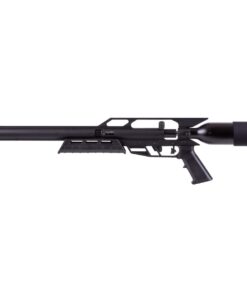
Precision, power, and adaptability are delivered by the AirForce Condor in ways few air rifles can match. Designed and manufactured in the United States, this pre-charged pneumatic (PCP) platform has earned recognition among hunters, target shooters, and pest-control professionals who demand reliable performance across a wide range of distances and applications. From backyard plinking sessions to extended small-game pursuits, the AirForce Condor is engineered so that consistent results can be achieved by shooters of varying experience levels.
Through its modular construction and user-adjustable power system, the AirForce Condor transforms easily from a high-energy hunting tool into a controlled practice rifle. Lightweight handling is maintained even as substantial muzzle energy is generated, making the platform approachable for a broad community of airgun enthusiasts.
Why the AirForce Condor Stands Out in the PCP Category
Exceptional energy output is produced by the AirForce Condor, with figures reaching up to 105 foot-pounds in .25 caliber depending on pellet weight and power setting. Velocities ranging from approximately 600 to 1,450 feet per second are attainable in .177 caliber, while heavier projectiles in larger calibers still deliver substantial terminal performance. Recoilless operation is ensured by the pneumatic design, allowing tighter groups to be formed without the disruption common in spring-piston models.
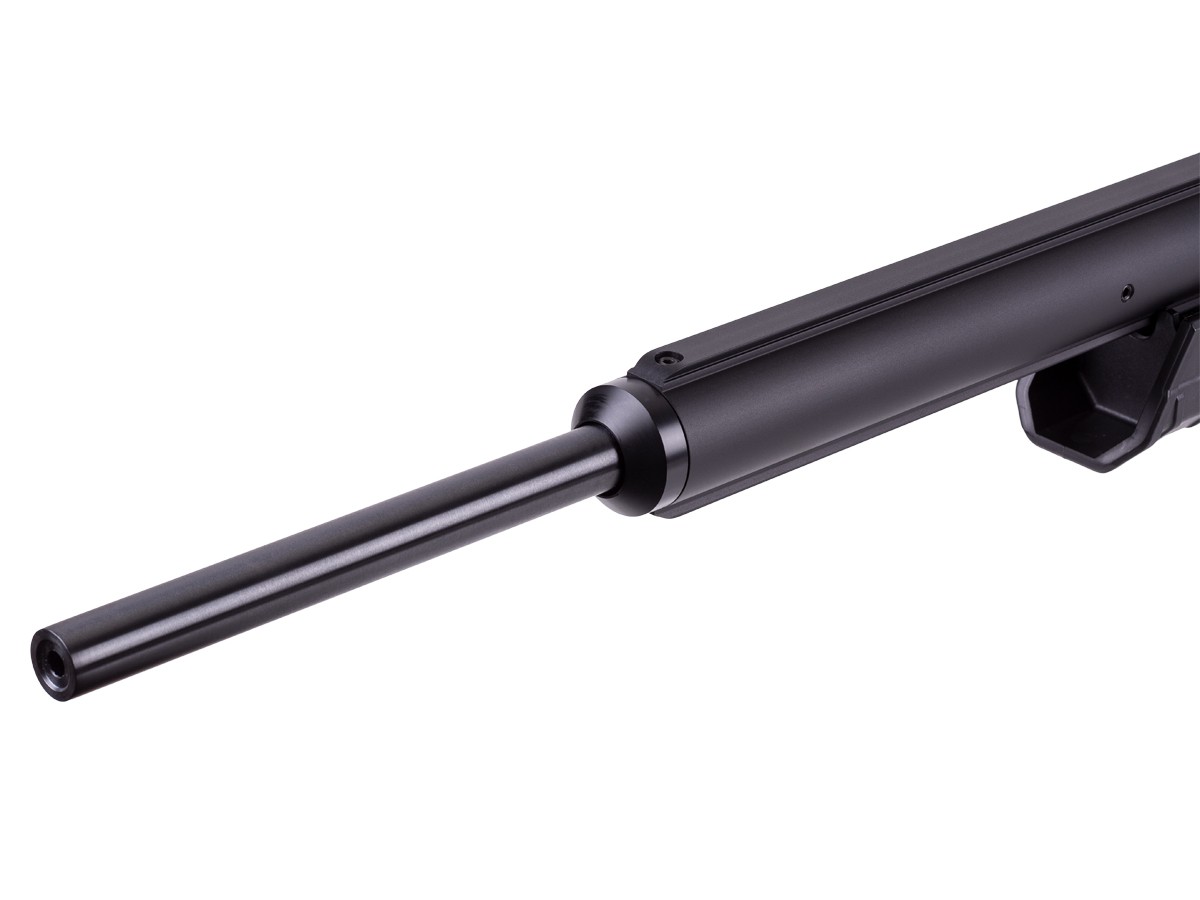
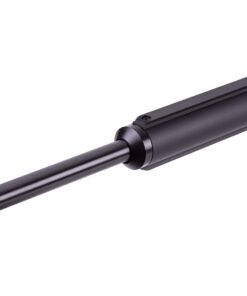
Furthermore, a 24-inch Lothar Walther barrel is fitted as standard, contributing both accuracy and velocity efficiency. German-engineered rifling supports consistent pellet flight, so that groups measuring around one inch at 50 yards can regularly be produced by careful shooters. In addition, long-range capability is extended well beyond the typical limits of many small-bore air rifles; effective results at 70, 80, or even 100 yards remain achievable when conditions and ammunition are matched appropriately.
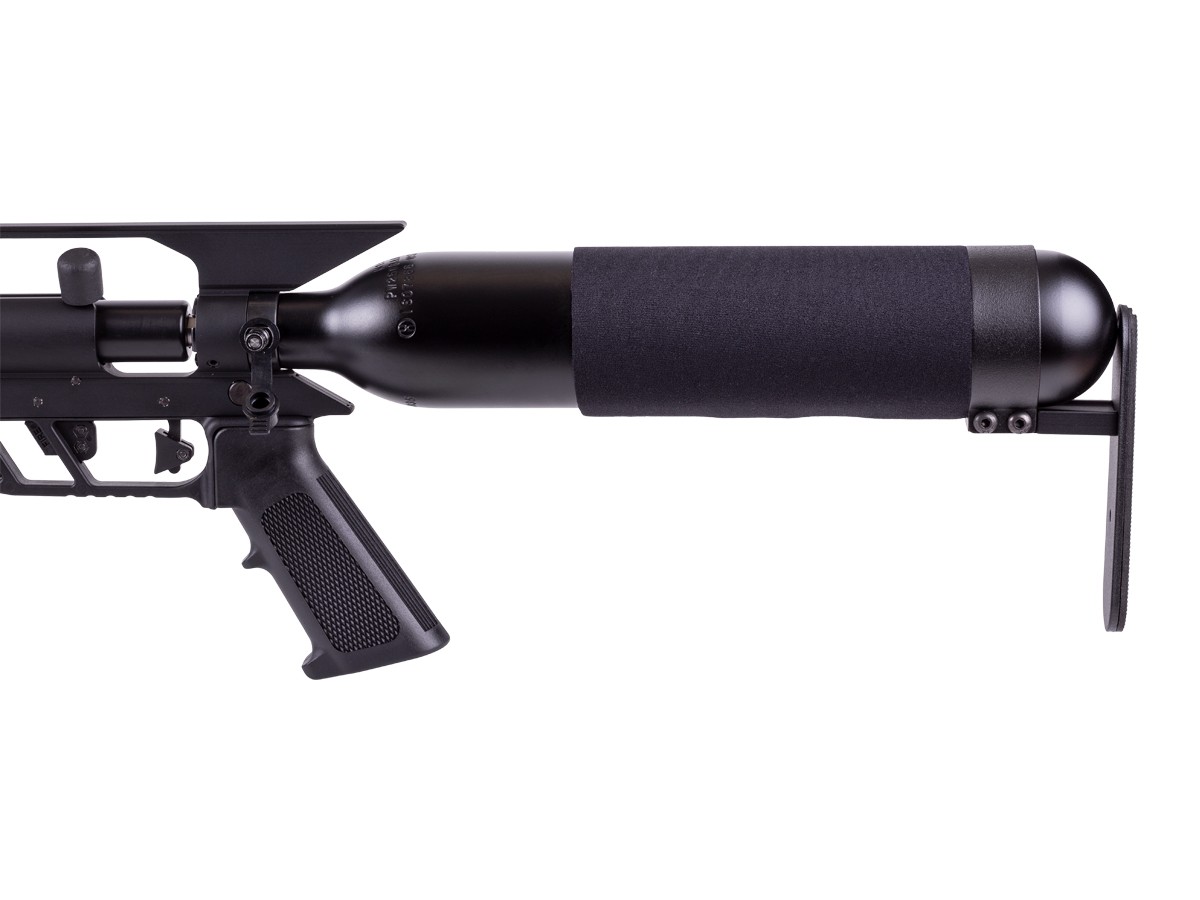
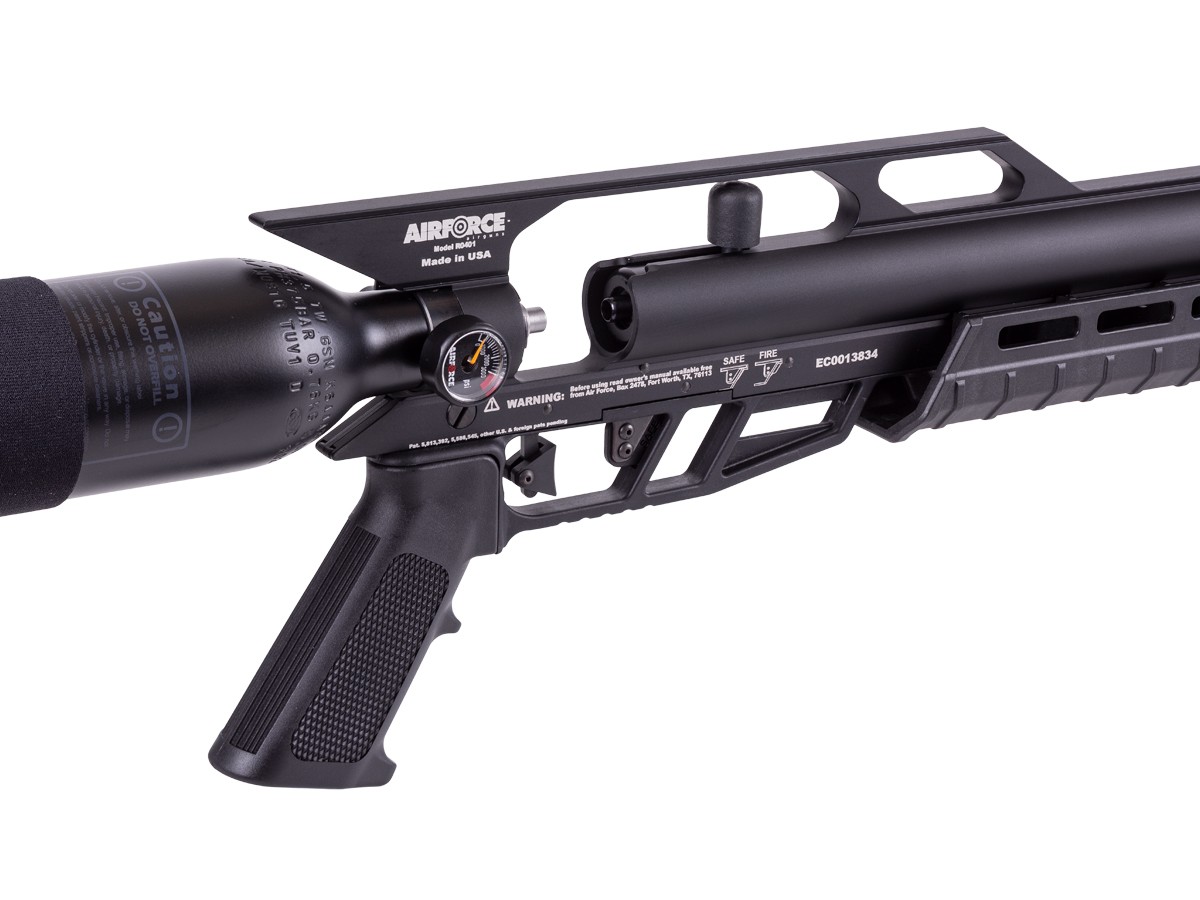
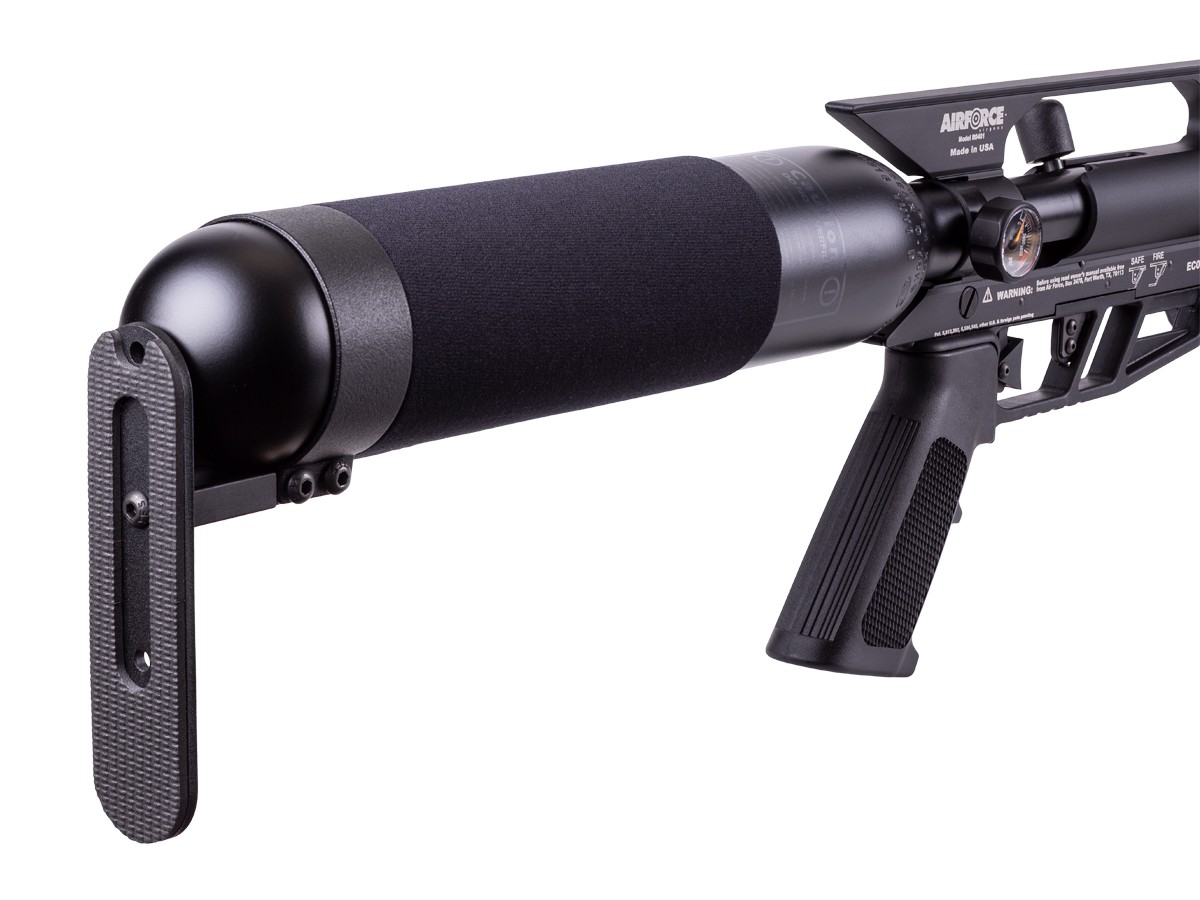
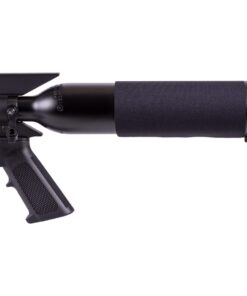
Moreover, the Spin-Loc tank system, complete with pressure gauge and Ring-Loc valve, is integrated into the design. Fill pressures of up to 3,000 psi are supported, and shot counts between 35 and more than 50 can be expected depending on power level and caliber. Consequently, extended sessions are possible without frequent recharging, whether a hand pump, scuba tank, or compressor is used for refills.
Modular Design and Caliber Flexibility
Barrel and caliber changes are accomplished without specialized tools, so that the same AirForce Condor platform can be reconfigured for different roles. Available calibers include .177, .20, .22, and .25, each suited to distinct needs. Target practice and higher-velocity work are favored by the smaller options, while greater energy transfer for small-game hunting is provided by the larger ones.
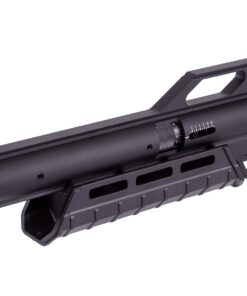
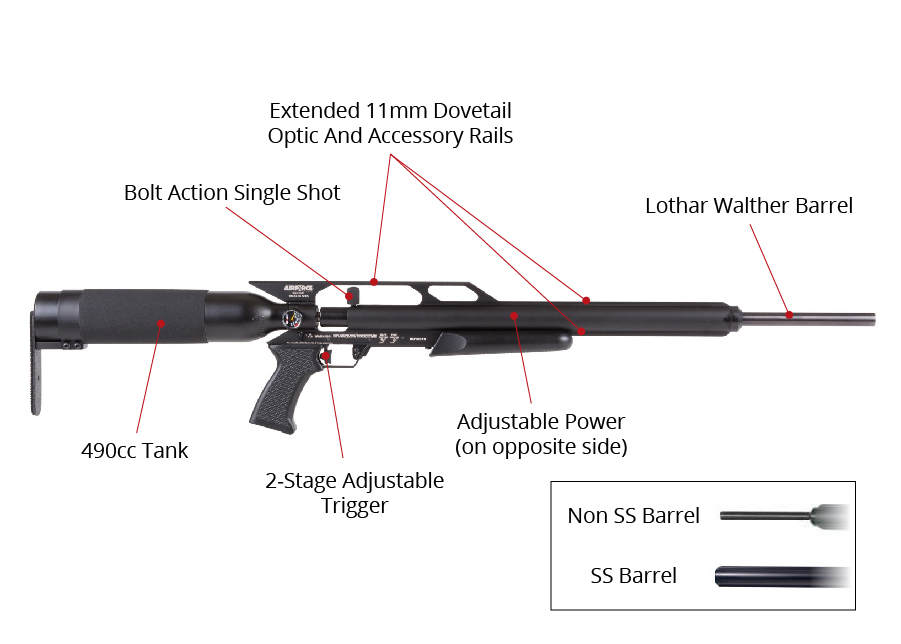
In the same way, barrel-length options of 12, 18, and 24 inches can be selected. Shorter configurations reduce overall length for tighter spaces, whereas the full 24-inch tube maximizes power and sight radius. An integral extended scope rail is included, and additional accessory mounting points along the frame accept bipods, lasers, lights, or other attachments. Therefore, a highly personalized setup can be created by every owner.
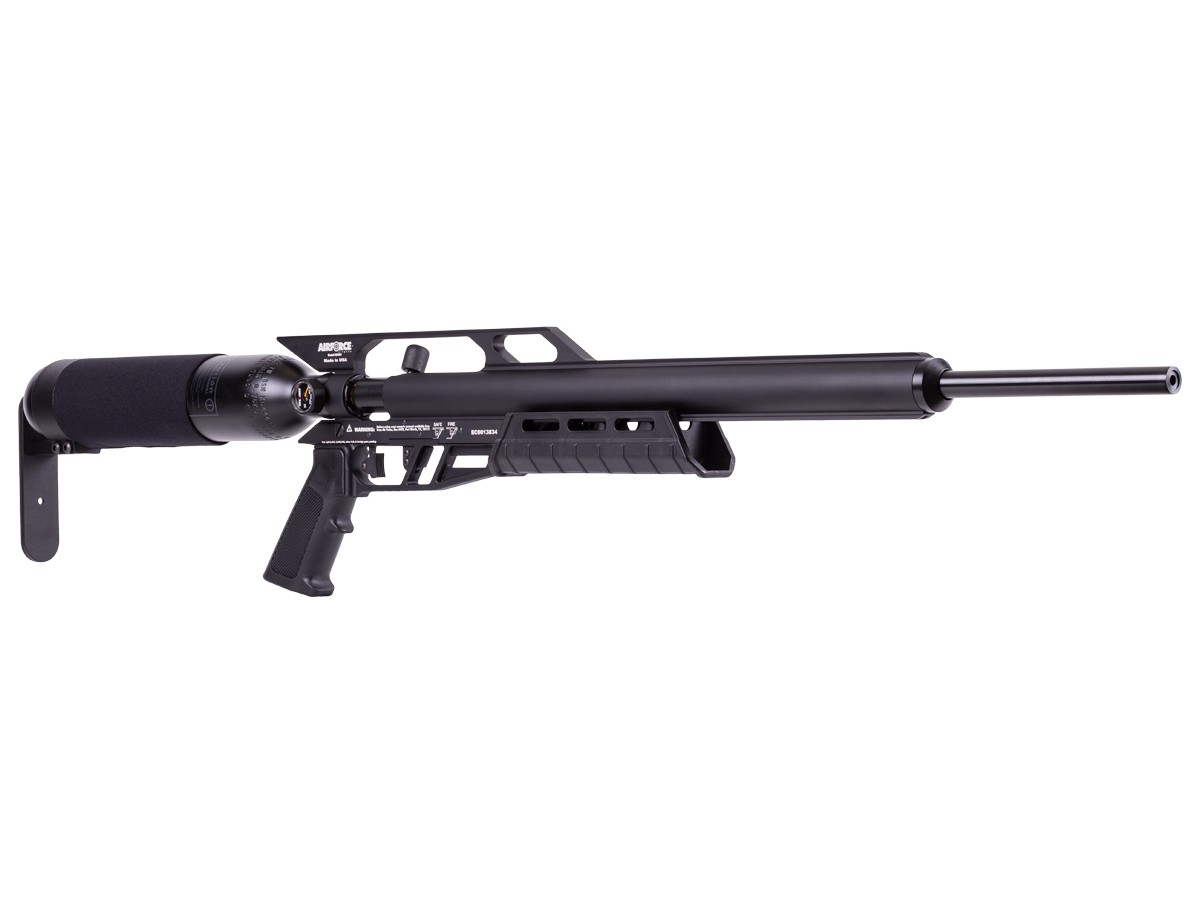
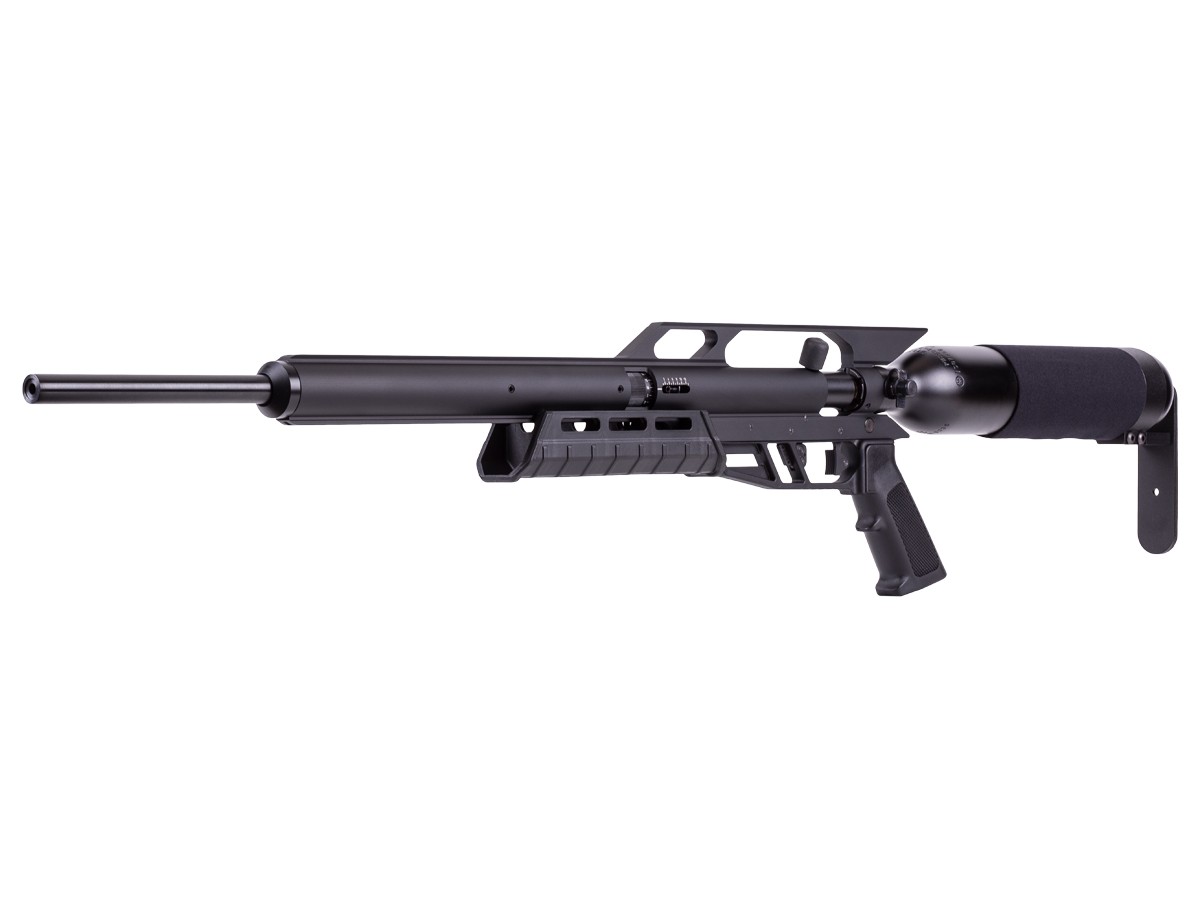
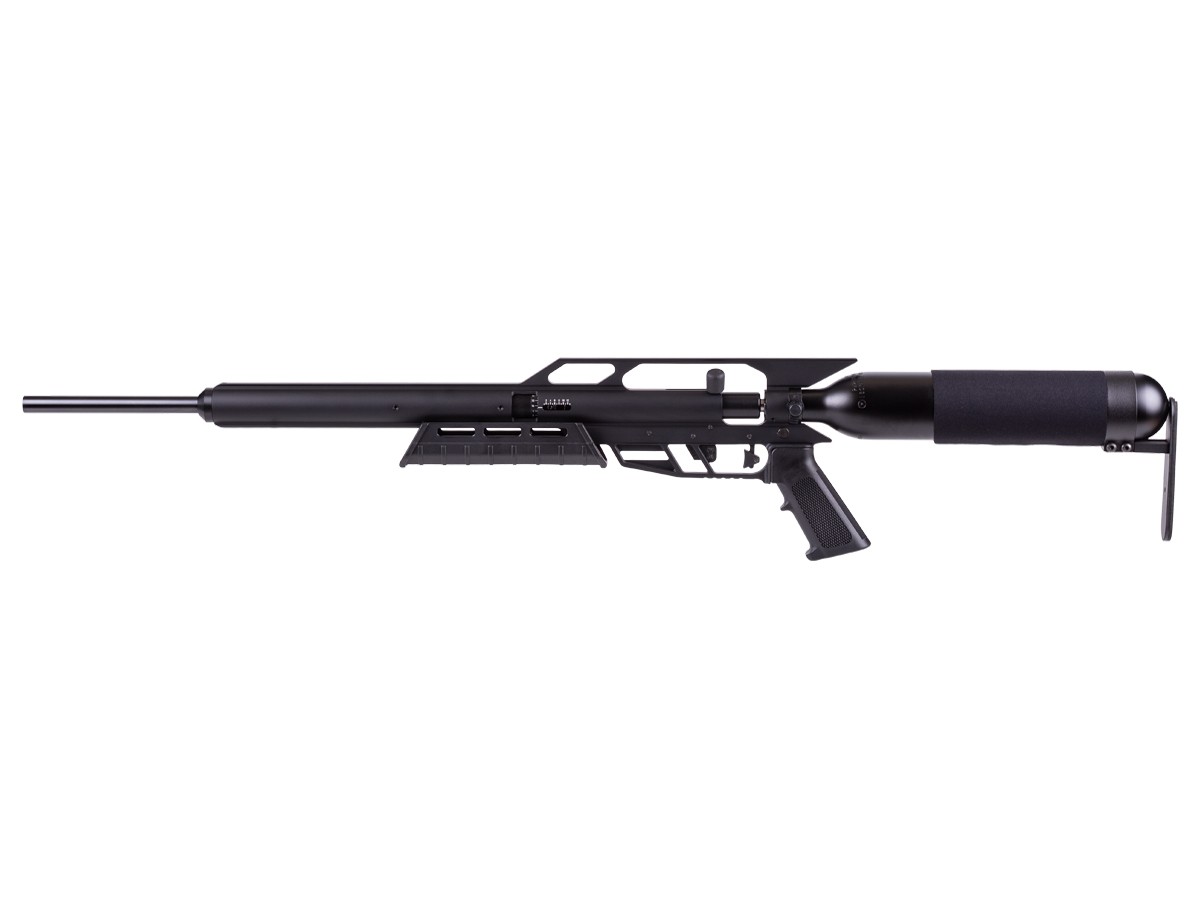
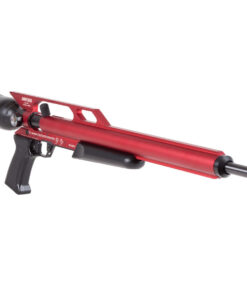
Additionally, finish choices in black, blue, or red anodizing allow the rifle’s appearance to be matched to personal preference. The overall weight of approximately 6.5 pounds and length of 38.75 inches keep the AirForce Condor manageable during extended carry or offhand shooting.
Adjustable Power for Every Application
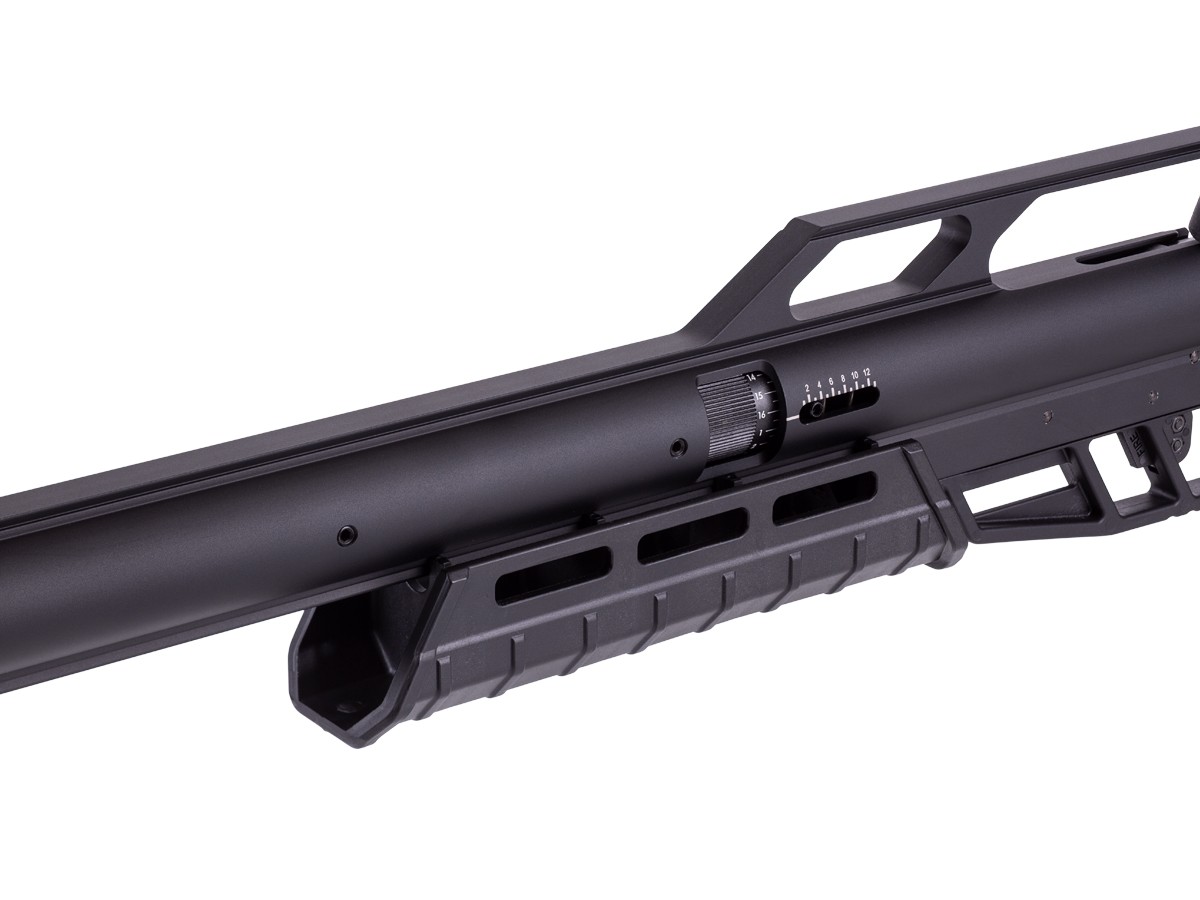
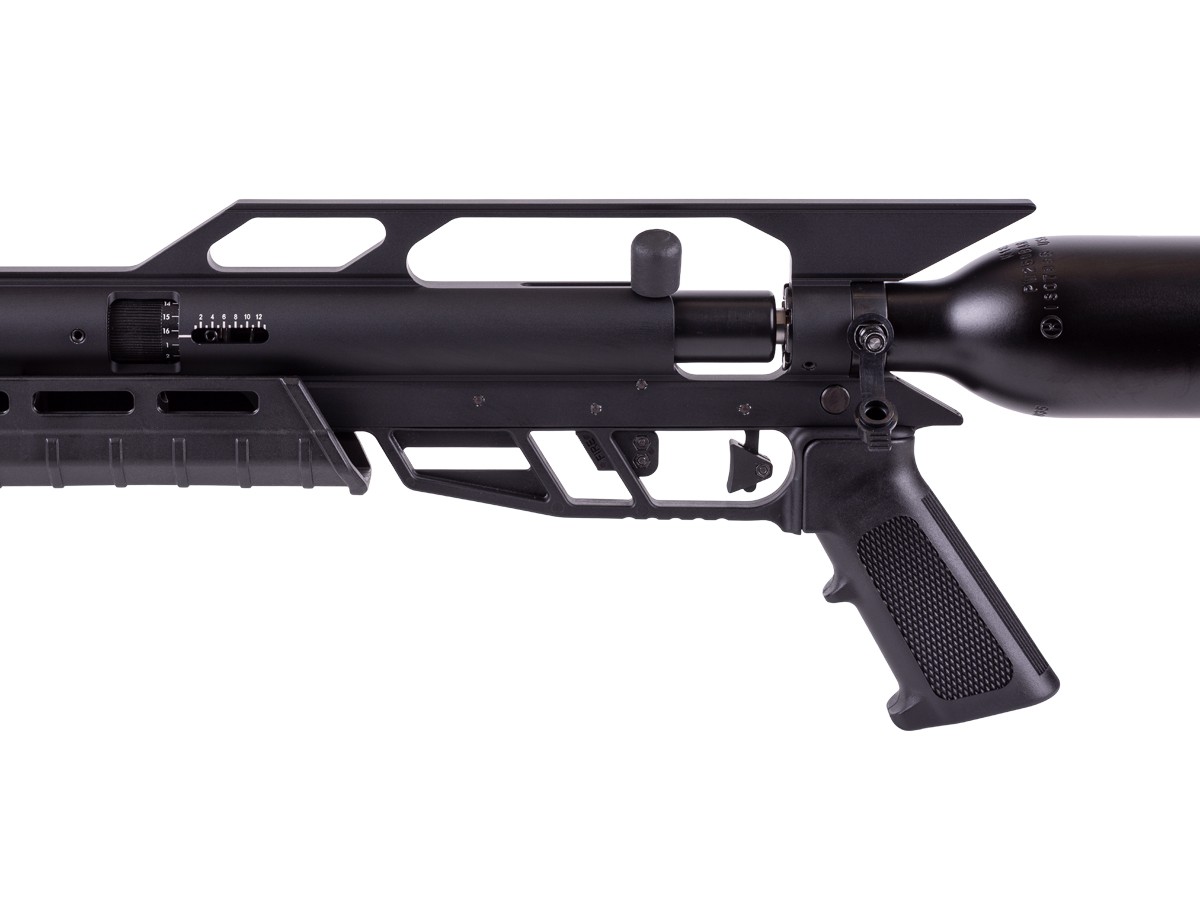
Infinite fine-tuning is enabled by the power-adjustment wheel. Minor velocity changes are made quickly, while the optional Ring-Loc kit expands the usable range dramatically. As a result, the same rifle can be dialed down for quiet backyard use or elevated for maximum hunting energy. Automatic safety engagement upon cocking adds a layer of security, and the two-stage trigger, adjustable for position, supports precise shot release.
Meanwhile, the single-shot action encourages deliberate loading and focus. Accuracy remains high across the power spectrum provided pellets are not driven excessively beyond the speed of sound. Consequently, both newcomers and experienced shooters can extract reliable performance once the preferred pellet and setting combination is identified.
Key Features and Specifications of the AirForce Condor
The following attributes highlight why the AirForce Condor continues to be selected by serious airgun users:
- Pre-charged pneumatic power plant delivering up to 105 foot-pounds of energy
- Available calibers: .177, .20, .22, and .25
- 24-inch Lothar Walther rifled barrel (with shorter interchangeable options)
- Adjustable power system with optional Ring-Loc valve kit for expanded range
- Spin-Loc air tank with integrated pressure gauge and refill nipple
- Maximum fill pressure of 3,000 psi / 200 bar
- Lightweight construction at approximately 6.5 pounds
- Overall length of 38.75 inches
- Extended 11 mm dovetail scope rail plus accessory mounting points
- Two-stage trigger adjustable for position
- Automatic safety engaged on cocking
- Recoilless operation for improved follow-through
- Made in the USA with limited lifetime warranty support
- Finish options in black, blue, or red
These specifications combine to create a platform that adapts readily to changing requirements rather than locking the user into a single performance profile.
Practical Uses Across Hunting, Target, and Pest Control
Small-game hunting is supported effectively by the energy levels available, particularly in .22 and .25 calibers. Squirrels, rabbits, and similar quarry can be taken humanely when ethical shot placement is observed and local regulations are followed. Pest-control professionals also benefit from the combination of power, accuracy, and reduced regulatory hurdles compared with firearms in many jurisdictions.
Simultaneously, target shooters appreciate the ability to lower power for cost-effective practice while retaining the option to increase energy for longer-range challenges. Because the action is recoilless and the trigger is consistent, skill development is encouraged for shooters of all backgrounds and physical capabilities. Inclusive design considerations—manageable weight, adjustable trigger position, and modular accessories—help ensure that the AirForce Condor remains accessible rather than exclusive.
In addition, the absence of traditional firearm classification in many regions means quieter storage and transport options may be available, further broadening practical appeal.
Calibres, Power Output, FAC Considerations and Accessories for the AirForce Condor
A wide selection of calibres is offered by the AirForce Condor so that performance can be matched precisely to the intended use. Four primary options are available: .177, .20, .22 and .25. Each calibre interacts differently with the rifle’s adjustable power system, producing distinct velocity and energy profiles that support target shooting, pest control or small-game hunting.
Available Calibres and Their Performance Characteristics
The .177 calibre is frequently chosen when higher velocities and flatter trajectories are preferred. Lightweight pellets in this size can be driven beyond 1,400 feet per second under maximum settings, generating substantial kinetic energy for longer-range target work. Accuracy remains excellent when pellets are selected carefully, and the lighter projectile weight allows more shots per fill to be obtained.
In comparison, the .20 calibre occupies a middle ground that balances speed and momentum. Moderate velocities are produced while still delivering useful energy for small pests. Transitioning to this calibre is straightforward because barrel changes require no special tools, and the same Spin-Loc tank system continues to function without modification.
Greater emphasis on energy transfer is placed by the .22 calibre. Velocities typically range between 1,000 and 1,250 feet per second depending on pellet weight and power setting. Energies in the region of 50–70 foot-pounds are readily achieved, making this option popular for rabbit and squirrel hunting where ethical terminal performance is required. Group sizes at 50 yards remain tight when quality match-grade pellets are used.
Maximum power is unlocked by the .25 calibre. Energies approaching or exceeding 100 foot-pounds can be generated with heavier pellets, placing the AirForce Condor among the most capable small-bore PCP platforms currently produced. Although velocity is lower than in the smaller calibres, the increased mass of the projectile improves down-range energy retention and impact effect. Consequently, this configuration is often selected for longer-range small-game pursuits or when greater stopping power is desired.
Across all four calibres the same modular frame is retained, so that owners can maintain one rifle and simply exchange barrels as needs change. Lothar Walther barrels in 12-inch, 18-inch and 24-inch lengths further expand the possibilities, allowing overall length and velocity to be fine-tuned.
Adjustable Power System and Energy Output
User-adjustable power is one of the defining strengths of the AirForce Condor. A tuning wheel permits continuous variation of velocity, while the optional Ring-Loc valve kit expands the usable range still further. At the lower end of the scale, energies suitable for quiet backyard practice can be selected. At the upper end, full hunting power is available without the need to change platforms.
Typical energy figures illustrate the flexibility. In .177, lighter pellets may exceed 40 foot-pounds; in .22, 50–70 foot-pounds are common; and in .25, figures approaching 105 foot-pounds have been recorded under optimal conditions. Shot counts per fill vary accordingly—higher power settings reduce the number of consistent shots, while moderated settings can yield 50 or more. Fill pressure remains 3,000 psi across the range, and the integral pressure gauge on the Spin-Loc tank allows remaining air to be monitored easily.
Because power is continuously variable rather than limited to discrete steps, the AirForce Condor can be adapted to local regulations or personal preference with minimal effort. Chronograph confirmation is recommended after any significant adjustment so that exact performance can be verified.
FAC Requirements and Legal Considerations
In the United Kingdom the Firearm Certificate (FAC) system applies once muzzle energy exceeds 12 foot-pounds. Virtually every standard configuration of the AirForce Condor surpasses this threshold, particularly in .22 and .25 calibres. Therefore an FAC is normally required for lawful ownership and use of the full-power versions.
Prospective owners are advised to consult their local police firearms licensing department before purchase. Conditions attached to an FAC may restrict the calibres, maximum energy or locations where the rifle can be used. Secure storage and transportation requirements must also be observed. In contrast, jurisdictions outside the UK often treat high-powered air rifles more leniently, though local laws regarding hunting, transport and discharge still apply and should be confirmed.
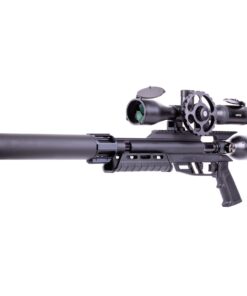
Sound-suppressed variants such as the Condor SS or newer Sound-Loc models can reduce report significantly, yet they remain subject to the same energy-based classification. No change in legal status is produced by the addition of a moderator alone.
Recommended Accessories and Expansion Options
A comprehensive range of accessories is supported by the AirForce Condor’s modular design, allowing the rifle to be configured for almost any role.
- Interchangeable Lothar Walther barrels in multiple lengths and all four calibres
- Ring-Loc valve kits that expand the power-adjustment range
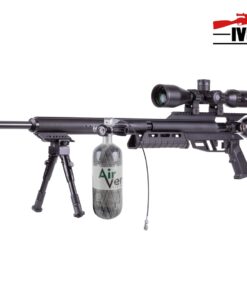
- Additional Spin-Loc air tanks for rapid swaps in the field
- Extended scope rails and Picatinny adapters for optics, lights or lasers
- Bipods and bipod adapters for stable prone or bench shooting
- Hand pumps, scuba adaptors and compressors for convenient filling
- Sound-Loc moderators and fully shrouded barrels for reduced report
- Colour-anodised frames in black, blue or red
- Soft cases and hard transport cases designed for the platform
These components attach quickly and require no permanent modification. As a result, a single AirForce Condor can evolve over time as the owner’s interests or legal requirements change. Quality optics matched to the intended range further enhance practical accuracy, while spare tanks keep shooting sessions uninterrupted.
Taken together, the combination of four calibres, continuously adjustable power, clear FAC implications in regulated markets, and a rich accessory ecosystem ensures that the AirForce Condor remains one of the most adaptable high-performance air rifles available. Whether the priority is maximum energy, moderated practice power, or a quiet field configuration, the platform can be tailored accordingly while retaining the accuracy and reliability that have established its reputation.
Building Confidence Through Quality Construction
Aluminum frame components and high-grade barrel steel contribute to durability under repeated use. Pressure-relief features are incorporated for added safety during filling and operation. Furthermore, the modular nature means that barrels, tanks, and accessories can be maintained or upgraded over time, extending the useful life of the investment.
Consequently, owners often report that a single AirForce Condor becomes a long-term companion rather than a temporary purchase. When paired with quality pellets—such as those from JSB, Beeman, or Crosman—and a reliable scope, the platform consistently demonstrates the accuracy and power that have established its reputation.
Ready to Experience the AirForce Condor?
Whether the goal is ethical small-game harvesting, precise target work, or effective pest management, the AirForce Condor supplies the tools needed for success. Adjustable power, modular flexibility, and American manufacturing combine in a lightweight package that performs across a wide spectrum of conditions.
Explore available configurations, caliber options, and accessory packages today. Once the AirForce Condor is in hand, the full potential of modern PCP technology can be unlocked—quietly, accurately, and on the user’s own terms. Join the community of shooters who have already discovered why this platform continues to set the standard for powerful, adaptable air rifles.
Weihrauch HW100X Karbine, Thumbhole PCP Air Rifle, HW35, HW45, HW97K, HW70, HW40, HW30, HW80, HW95, HW98, HW77, HW50S, HW44 and HW90, while explaining differences between PCP, spring piston, underlever, break-barrel, compressed-air rifles and air pistols. It can also incorporate comparison phrases such as Weihrauch HW77 vs HW97, HW77 vs break barrel air rifle, HW77 Green Laminate vs HW97 comparison, and informational searches including what are air rifles, what are air pistols, what is a PCP air rifle, and precision shooting airgun.
For the HW77 specifically, the content can discuss the Weihrauch HW77 air rifle, HW77 Green Laminate rifle, Weihrauch underlever air rifle, HW77 spring piston air rifle, German precision air rifle, Weihrauch HW77 accuracy review, Weihrauch HW77 Green Laminate price and specs, is Weihrauch HW77 good for beginners, air rifle with low recoil, durable air rifle for outdoor use, reliable air rifle for long term use, top rated underlever air rifle, best Weihrauch air rifles, and most accurate air rifle for target shooting.
Broader terminology can also be integrated naturally, including german air rifle, accurate air rifles, compressed air rifles, air rifle makes, spring piston, air pistols, rifles de aire, high quality German airguns, affordable premium air rifle, hw100 airgun, Weihrauch HW100, Weihrauch HW95, Weihrauch HW50S, Weihrauch HW44, Weihrauch HW98, Weihrauch HW70, Weihrauch HW30, HW30S, HW50, HW50 S, HW40, HW44, HW70, HW98, HW100, HW97K, HW97K, HW35 air rifle, HW77 air rifle, Weihrauch English, Weihrauch Englisch, H45, SK X rifles, and air shot gun.
Commercial search expressions such as Weihrauch HW35E for sale, Weihrauch HW77 for sale, buy Weihrauch HW77 Green Laminate online, best price Weihrauch HW77, where to buy Weihrauch HW77, and Weihrauch HW77 in stock can be discussed as examples of common buyer search terminology without directing readers toward acquiring a weapon.
Frequently Asked Questions About the AirForce Condor
Many questions arise when shooters first encounter this high-performance pre-charged pneumatic platform. Clear answers help buyers make informed decisions and ensure the rifle performs as expected once it reaches their hands. The following collection addresses the most common inquiries drawn from real-world use, technical specifications and practical ownership experiences.
What makes this rifle different from other pre-charged pneumatic models?
Exceptional modularity combined with class-leading energy output sets the platform apart. A single frame accepts interchangeable barrels in multiple lengths and four different calibres, so that the same rifle can be reconfigured for target work one day and small-game hunting the next. Continuously adjustable power further distinguishes it from fixed-output designs. Energy levels can be dialled from modest backyard settings up to figures approaching 105 foot-pounds depending on calibre and pellet choice. Recoilless operation and a high-quality German barrel contribute to consistent accuracy that many owners describe as rifle-like rather than typical of airguns.
In addition, the tank serves as both air reservoir and buttstock, keeping overall weight around 6.5 pounds while still holding enough compressed air for dozens of shots. American manufacturing and a limited lifetime warranty complete a package that prioritises long-term reliability over short-term cost savings.
Which calibres are available and how do they perform?
Four calibres are supported through simple barrel swaps: .177, .20, .22 and .25. Each produces a distinct balance of velocity and energy. The smallest option generates the highest speeds, often exceeding 1,400 feet per second with lightweight pellets, and is favoured when a flat trajectory is desired for longer-range target shooting. The .20 calibre occupies an intermediate position that many find ideal for general pest control. Greater momentum is delivered by the .22, with energies commonly falling between 50 and 70 foot-pounds, making it a popular choice for rabbits and similar quarry. Maximum terminal performance is achieved in .25, where heavier pellets can push energy close to or beyond 100 foot-pounds while still maintaining usable accuracy at extended distances.
Because barrels interchange without tools, owners frequently keep more than one calibre on hand and switch according to the day’s purpose. Pellet selection remains important in every calibre; heavier or lighter projectiles alter both velocity and point of impact, so chronograph testing after any change is recommended.
How much power can realistically be expected?
Power is continuously variable rather than limited to a few preset levels. A tuning wheel allows fine adjustments, while an optional valve kit expands the usable range still further. At the lower end, energies suitable for quiet practice sessions are easily obtained. At the upper end, the platform ranks among the most powerful mass-produced small-bore air rifles currently available. Real-world figures vary with calibre, pellet weight, barrel length and ambient temperature, yet consistent results above 40 foot-pounds in .177, 60-plus in .22 and 90-plus in .25 are routinely reported by owners who have dialled the system correctly.
Shot count declines as power is increased because more air is released with each discharge. Lower settings can yield 50 or more consistent shots from a full 3,000-psi fill, while maximum settings reduce that number substantially. Monitoring the integral pressure gauge helps maintain predictable performance throughout a session.
Does ownership require a Firearm Certificate in the United Kingdom?
Yes, in almost every practical configuration. United Kingdom law classifies air rifles producing more than 12 foot-pounds of muzzle energy as Section 1 firearms. Virtually every standard barrel and power setting on this platform exceeds that threshold, particularly in the larger calibres. Therefore a valid Firearm Certificate is required for lawful possession and use. Prospective buyers should contact their local police firearms licensing department before ordering so that storage conditions, authorised locations and any calibre restrictions can be confirmed in advance. Sound-moderated versions do not alter the energy classification and remain subject to the same requirements.
Outside the United Kingdom the legal position differs widely. Many regions treat high-powered air rifles more permissively, yet local hunting, transport and discharge rules still apply and should always be verified.
What accessories are most useful?
A modular rail system and standardised interfaces support a broad range of additions. Interchangeable barrels in 12-inch, 18-inch and 24-inch lengths allow length and velocity to be tailored. Extra air tanks enable rapid field swaps so that shooting can continue without interruption. Optics mounting is straightforward thanks to the extended dovetail rail; Picatinny adapters further expand compatibility with modern scopes, red-dots and thermal devices. Bipods, lights, lasers and bipod adapters attach easily for supported shooting positions.
Filling options include hand pumps for remote locations, scuba adaptors for bulk air and electric compressors for home use. Moderators and fully shrouded barrels reduce report for situations where noise must be minimised. Soft and hard cases designed specifically for the platform protect the rifle during transport, while colour-anodised frames in black, blue or red allow a degree of personalisation. Most accessories install without permanent modification, preserving the original configuration for future resale or reconfiguration.weihrauch hw 30
How accurate is the rifle in practical use?
Accuracy is determined largely by barrel quality, pellet consistency and shooter technique. The match-grade German barrel produces groups measuring approximately one inch at 50 yards under favourable conditions when appropriate pellets are selected. At 100 yards many owners report reliable hits on small targets once the power setting and ammunition have been optimised. Because the action is recoilless, follow-through is easier than with spring-piston designs, contributing to tighter groups especially among newer shooters.
Chronograph confirmation after any power or pellet change remains essential, as velocity extremes can degrade accuracy even when the mechanical components are sound. A stable rest or bipod further improves results during zeroing and longer sessions.weihrauch hw90
How is the air tank filled and how many shots can be expected?
The tank accepts dry compressed air or nitrogen up to a maximum of 3,000 psi. A quick-fill fitting on the Spin-Loc system accepts standard adaptors. Hand pumps work adequately for occasional use, yet most owners prefer bulk sources such as scuba tanks or compressors for convenience. After filling, the integral gauge displays remaining pressure so that performance drop-off can be anticipated.
Shot count depends heavily on the chosen power setting and calibre. Moderate settings commonly deliver 40 to 60 consistent shots; maximum settings may reduce that figure to the mid-twenties or lower. Keeping a spare charged tank on hand eliminates downtime during extended range sessions or hunting trips.hw 97k
Is the rifle suitable for hunting and pest control?
Yes, when local regulations permit and ethical shot placement is observed. The energy levels available in .22 and .25 calibres are sufficient for rabbits, squirrels and similar small game at practical distances. Pest-control professionals also value the combination of power, accuracy and relatively quiet operation compared with rimfire firearms. Longer barrels and higher power settings extend effective range, while moderated versions help reduce disturbance in suburban environments. Always confirm that the intended quarry and location are legal under current rules, and select pellets that expand or fragment appropriately for humane results.hw 70.h 45
What maintenance is required?
Routine care is straightforward. The exterior can be wiped clean after use, and the barrel should be inspected periodically for lead fouling. Air seals and the valve system are designed for longevity, yet occasional lubrication of specified points according to the manufacturer’s guidance keeps operation smooth. Avoid over-pressurising the tank and never use anything other than clean, dry air or nitrogen. When the rifle will be stored for extended periods, a partial fill is often preferred over a completely empty or fully charged state. Following these simple practices helps preserve both performance and the limited lifetime warranty coverage.weihrauch hw80
How heavy is the rifle and is it comfortable for extended carry?
Overall weight sits near 6.5 pounds depending on exact configuration and accessories. The 24-inch barrel version measures approximately 38.75 inches in length, while shorter barrels reduce both dimensions. Balance is generally neutral because the air tank forms the buttstock, placing mass close to the shooter’s body. Many owners report that the combination of modest weight and recoilless operation makes the platform comfortable for offhand shooting and extended field carry, provided a suitable sling or bipod is added when needed.weihrauch hw 95.hw 44
What warranty and support can owners expect?
A limited lifetime warranty covers defects in materials and workmanship under normal use. American manufacturing means that parts and technical assistance remain available through authorised channels. Modular design further simplifies repairs or upgrades, as individual components can often be replaced without returning the entire rifle. Keeping proof of purchase and following recommended maintenance practices helps ensure that warranty claims, should they arise, are processed smoothly.weihrauch hw45.hw 98.hw 40
Can the power be reduced for quieter or lower-energy use?
Yes. The tuning wheel and optional valve kit allow substantial reduction in velocity and energy. Many owners keep a low-power setting for practice or backyard use and a higher setting for hunting, switching between them in seconds. Moderators and shrouded barrels further reduce report without affecting the mechanical power adjustment. Chronograph verification after any change confirms that the desired performance level has been achieved and remains consistent.
These answers address the questions most frequently raised by prospective and current owners. Further clarification is always available from authorised dealers or the manufacturer’s technical resources. With proper setup and respect for local regulations, the platform delivers the power, accuracy and adaptability that have earned its reputation among serious airgun enthusiasts.

 Click here for California’s Proposition 65 warning.

Reviews
There are no reviews yet.