We Deliver Airguns Directly To Your Door
SKU N/A Category

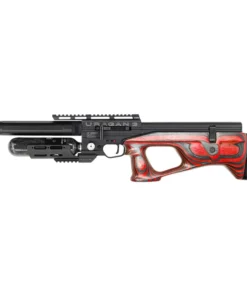
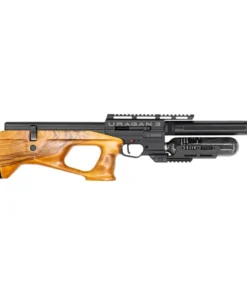
AGT URAGAN 3 Compact Carbon Fibre PCP Bullpup Air Rifle

€2,020.00

GT URAGAN 3 Compact – Power and Precision in a Compact Form


The AGT URAGAN 3 Compact takes the advanced engineering of the URAGAN 3 and condenses it into a lighter, shorter, and more manoeuvrable package. Designed for shooters who demand the same cutting-edge performance in a portable format, the URAGAN 3 Compact is perfect for tight spaces, dynamic shooting scenarios, and those who value mobility without sacrificing precision.


Revolutionary Internal Upgrades

  • Enhanced Block and Receiver: The compact version retains the redesigned receiver and trigger mechanism for unmatched precision and reliability.
  • Improved Firing Valve Assembly: Built for durability, the updated valve system simplifies maintenance, ensuring effortless upkeep.
  • Simplified Power Plenum: Optimized for efficient airflow and consistent shot performance.
  • New Air Pressure Regulator: Ensures steady performance even under the stress of high-pressure conditions.
  • Upgraded Hammer System: Features a stronger hammer spring and precise spring tension adjustments.
  • Depinger: The added depinger reduces noise, making this compact model quieter than ever.


Compact Ergonomics and Versatility

  • Shortened Top Picatinny Rail: Still long enough for advanced optics, including night vision add-ons, while maintaining a more streamlined profile.
  • Colder Weather Adaptation: The updated trigger guard offers superior usability with gloves, ideal for cold-weather conditions.
  • Swappable Side Lever: Fully ambidextrous for left or right-handed operation.


Optimized Specifications for Compact Performance

  • Barrel: A 400mm shrouded barrel system with an integral silencer and M14CW threading for additional moderators.
  • Stock: Adjustable butt pad for customized ergonomics.
  • Trigger: Two-stage adjustable trigger for a personalized shooting experience.
  • Rails: Built-in 20MOA top Picatinny rail and a lower Picatinny rail with a bottle guard attachment, including a forward Keymod mount.


Technical Data

  • Length: 700mm
  • Weight: ~3.2Kg
  • Max Fill Pressure: 300BAR
  • Operational Pressure Range: ~200-100BAR (varies by calibre)
  • Shot Count: Approximately 120 shots per fill (calibre-dependent)
  • Safety: Ambidextrous slide safety


The AGT URAGAN 3 Compact is the ultimate balance of portability and power. With its shortened profile and lightweight design, it’s perfect for shooters who need a rifle that performs flawlessly in tight spaces or during mobile scenarios. Whether you’re hunting, target shooting, or just enjoying some plinking, the URAGAN 3 Compact delivers top-tier performance and ease of use in a compact, efficient design.

AGT URAGAN 3 Compact Carbon Fibre PCP Bullpup Air Rifle

The AGT URAGAN 3 Compact Carbon Fibre PCP Bullpup Air Rifle has been engineered around a compact bullpup platform in which a substantial barrel length can be retained while overall dimensions are reduced. Consequently, a highly condensed configuration has been achieved without requiring the barrel to be shortened excessively. Furthermore, carbon-fibre components, an adjustable trigger system, regulated pre-charged pneumatic operation, and a CZ barrel have been incorporated into the platform.

A 400 mm barrel is used on the Compact version, while an overall length of approximately 700 mm has been specified by current UK listings. A weight of approximately 3.2 kg has also been reported. Therefore, the rifle has been configured to provide a relatively short overall footprint while maintaining the mechanical architecture expected from the URAGAN series.

Because compressed air is used rather than a spring-powered mechanism, recoil movement associated with conventional spring-piston air rifles is largely avoided. As a result, a comparatively stable firing cycle can be provided.

AGT URAGAN 3 Compact Carbon Fibre PCP Bullpup Air Rifle Design

A modern bullpup arrangement has been used for the AGT URAGAN 3 Compact Carbon Fibre PCP Bullpup Air Rifle. In this configuration, much of the action is positioned farther rearward than it would be on a conventional rifle.

Consequently, a 400 mm barrel can be incorporated into a rifle measuring roughly 700 mm overall.

Additionally, rear-biased balance has been associated with the Compact configuration. Therefore, the rifle can be held within a comparatively condensed profile during controlled target shooting.

Carbon fibre has also been used as a prominent structural and visual material. Moreover, a carbon-fibre air cylinder has been fitted on current Compact Carbon Fibre configurations.

Carbon-Fibre Construction

Several practical benefits are associated with carbon-fibre construction. Primarily, high strength can be provided without the weight associated with some traditional materials. Additionally, corrosion-related concerns can be reduced on carbon-fibre surfaces.

A distinctive technical appearance is also created. Nevertheless, carbon fibre should still be inspected regularly for physical damage, particularly around areas exposed to impacts or concentrated mechanical stress.

The carbon-cylinder capacity has been listed at approximately 250 cc, while a maximum charging pressure of 300 bar has been specified by current retailers.

Regulated PCP Operating System

Pre-charged pneumatic technology is used by the AGT URAGAN 3 Compact Carbon Fibre PCP Bullpup Air Rifle. Before use, compressed air is stored inside the onboard cylinder. Subsequently, a controlled quantity of air is released during each firing cycle.

A pressure regulator has been incorporated into the system. Consequently, variations in pressure delivered to the firing valve can be reduced while sufficient reservoir pressure remains available.

More consistent velocity can therefore be supported across a useful portion of the air charge.

Furthermore, the third-generation Uragan design has been reported with a revised regulator, redesigned firing-valve arrangement, updated hammer system, stronger hammer spring and a depinger intended to reduce unwanted resonance.

Precision CZ Barrel System

A 400 mm CZ barrel has been specified for the Compact model.

Cold-hammer-forged CZ barrels have been identified on current Uragan 3 Compact technical listings. In addition, an integrated sound-moderating system has been incorporated around the barrel assembly.

Nevertheless, mechanical accuracy should never be confused with guaranteed field performance. Pellet selection, individual barrel preference, air-pressure stability, optic setup, environmental conditions and shooter technique can all affect grouping performance.

Therefore, suitable ammunition should be evaluated responsibly in controlled conditions rather than accuracy being assumed from the rifle specification alone.

Two-Stage Adjustable Trigger

A two-stage adjustable trigger has been incorporated into the platform.

Accordingly, trigger characteristics can be configured within the adjustment range provided by the manufacturer. A predictable trigger break can be valuable during precision-oriented target shooting because unnecessary movement immediately before pellet release can be minimized.

However, trigger adjustments should always remain within manufacturer specifications. Safety engagement and correct sear operation should also be verified whenever permitted adjustments have been made.

Reversible Side-Lever Cocking System

A biathlon-style side lever has been fitted to the AGT URAGAN 3 Compact.

Importantly, the cocking lever has been designed so that its operating side can be changed. Therefore, accommodation for different shooter preferences has been incorporated into the rifle rather than requiring one permanently fixed configuration.

Smooth magazine indexing can also be supported through the side-lever system.

Magazine capacity, however, should be checked against the exact rifle supplied. Current retailers publish conflicting figures. One listing states capacities of 15 rounds in .177, 12 in .22 and 10 in .25, whereas another lists 18, 16 and 14 respectively. Consequently, the specification accompanying the exact rifle should be treated as authoritative.

Available Calibres

The Compact platform has been listed in several common airgun calibres:

  • .177 / 4.5 mm
  • .22 / 5.5 mm
  • .25 / 6.35 mm

Different characteristics are naturally produced by each calibre. For instance, trajectory characteristics, pellet weight, air consumption and magazine capacity can vary.

Furthermore, legal energy limits differ substantially between jurisdictions. Therefore, calibre availability and permitted power configuration should always be confirmed under the laws applicable where the rifle will be possessed and used.

Air Capacity and Shot Consistency

A maximum fill pressure of approximately 300 bar has been specified for the Compact platform.

However, published shot counts vary according to calibre, configuration, power setting and retailer testing methodology. Approximately 90–130 regulated shots per charge are cited across current Compact listings, although individual configurations may differ.

Consequently, shot-count figures should be regarded as estimates rather than guaranteed values.

Optics and Accessory Interface

A raised 20 MOA Weaver/Picatinny-style top rail has been incorporated for optical equipment.

Additionally, attachment provisions have been provided around the forward section of the rifle. Current specifications reference lower rail mounting and modular handguard attachment arrangements.

Therefore, compatible support equipment can be mounted where lawful and appropriate without fundamentally altering the compact bullpup architecture.

Key Technical Highlights

  • Platform: Pre-charged pneumatic bullpup
  • Configuration: Compact
  • Barrel: Approximately 400 mm CZ barrel
  • Overall length: Approximately 700 mm
  • Weight: Approximately 3.2 kg
  • Air cylinder: Carbon-fibre cylinder
  • Cylinder capacity: Approximately 250 cc
  • Maximum fill pressure: 300 bar
  • Regulator: Yes
  • Cocking system: Reversible side lever
  • Trigger: Adjustable two-stage system
  • Top rail: 20 MOA Weaver/Picatinny-type rail
  • Calibres: .177, .22 and .25
  • Butt pad: Adjustable
  • Safety: Manual safety system
  • Configuration origin: Czech Republic

Practical Character of the URAGAN 3 Compact

The defining characteristic of the AGT URAGAN 3 Compact Carbon Fibre PCP Bullpup Air Rifle is its combination of a 400 mm barrel with an overall length of roughly 700 mm.

As a result, a relatively full-length precision barrel system has been packaged into a substantially shorter platform.

Furthermore, regulated PCP operation, carbon-fibre construction, adjustable ergonomics and a reversible cocking lever have been combined within the same design.

The rifle should nevertheless be treated as a high-pressure pneumatic device as well as an airgun. Consequently, correct charging equipment, cylinder inspection, manufacturer-approved maintenance and appropriate storage procedures should always be followed.

Finally, local laws governing ownership, permissible muzzle energy, transport and use should be checked before the rifle is handled or configured. When those requirements are followed, the URAGAN 3 Compact can be evaluated on its intended engineering characteristics: compact dimensions, regulated pneumatic operation, modular ergonomics and precision-oriented construction.

AGT URAGAN 3 Compact Carbon Fibre PCP Bullpup Air Rifle Calibres, FAC, Power and Accessories

The AGT URAGAN 3 Compact Carbon Fibre PCP Bullpup Air Rifle is offered in several established airgun calibres, while different power configurations can also be supplied depending on national legislation and the exact model specification. Because calibre, permitted muzzle energy and licensing requirements vary considerably between countries, the rifle should always be matched to the legal requirements of the jurisdiction in which it will be possessed and used.

Furthermore, the Compact Carbon Fibre configuration combines a regulated PCP action with a 400 mm CZ rifled barrel, approximately 250 cc carbon-fibre air cylinder and maximum 300-bar fill pressure. Current UK dealer specifications list the rifle at approximately 11.5 ft-lb in standard UK configuration, although licensed FAC versions use a different high-power valve arrangement and are treated separately.

.177 Calibre / 4.5 mm

The .177 calibre version uses 4.5 mm pellets and represents the smallest commonly listed calibre for the AGT URAGAN 3 Compact Carbon Fibre PCP Bullpup Air Rifle.

Because .177 pellets generally have lower mass than larger-calibre alternatives, a comparatively flat trajectory can be achieved within the energy limits of the specific rifle configuration. Consequently, .177 has traditionally been associated with precision target shooting and other applications where trajectory predictability is important.

Current specifications list a 15-round magazine for the .177 Compact configuration. Furthermore, approximately 110 shots per fill are quoted for the 11.5 ft-lb UK-specification model, although actual shot count will depend on operating pressure, pellet choice, environmental conditions and individual rifle setup.

.22 Calibre / 5.5 mm

The .22 calibre, or 5.5 mm configuration, accommodates heavier pellets while retaining the same compact bullpup platform.

Because pellet mass is increased, external-ballistic characteristics differ from those of .177. Therefore, trajectory, retained momentum and air consumption should not be assumed to be identical between the two calibres.

For the current Compact Carbon Fibre configuration, a 12-round magazine is listed for .22. Approximately 120 shots per fill are quoted for the standard UK configuration. Again, these figures should be viewed as approximate manufacturer/dealer specifications rather than guaranteed results for every rifle.

.25 Calibre / 6.35 mm

The larger .25 calibre / 6.35 mm configuration accommodates heavier pellets than either .177 or .22.

As a result, greater pellet mass is available, although trajectory and air consumption characteristics change accordingly. Moreover, calibre choice should always reflect the legal power classification of the rifle and the intended lawful shooting discipline.

Current dealer specifications list a 10-round magazine for .25 and approximately 130 shots from the 250 cc air system in the UK-specification version.

Standard UK Power Configuration

Current UK dealer listings specify approximately 11.5 ft-lb for the standard AGT URAGAN 3 Compact Carbon Fibre PCP Bullpup Air Rifle. This configuration is deliberately positioned below the UK 12 ft-lb threshold applicable to many air rifles, although the exact legal position always depends on local law and individual circumstances.

A regulated PCP system is incorporated into the rifle. Consequently, compressed air can be delivered more consistently across a substantial portion of the usable fill pressure.

The carbon-fibre cylinder is listed at approximately 250 cc, while maximum charging pressure is specified as 300 bar / approximately 4,351 psi. Filling is undertaken through the rifle’s designated charging interface using compatible high-pressure air equipment designed for PCP use.

FAC Version and Higher-Power Configurations

An FAC configuration is also referenced by current UK dealers. In the United Kingdom, “FAC” refers to a Firearm Certificate, and higher-powered air rifles exceeding the applicable non-FAC energy threshold are subject to different legal controls.

Importantly, the FAC variant is not simply described as the standard rifle operated at a different adjustment. Current dealer information states that FAC models use a different high-power assisted valve system, alongside different regulator provisions and compliance components. These variants are intended specifically for appropriately licensed use.

Accordingly, no universal FAC muzzle-energy figure should be assumed from the standard 11.5 ft-lb specification. Output can differ according to calibre, valve configuration, market specification and applicable law.

For this reason, power figures should be confirmed from the documentation supplied with the exact rifle rather than inferred from another URAGAN model or another country’s specification.

Optics and Scope Accessories

The AGT URAGAN 3 Compact Carbon Fibre platform includes an upper Picatinny/Weaver-style optics rail.

Current specifications describe a raised rail arrangement with approximately 20 MOA inclination. Therefore, compatible airgun-rated optics can be mounted when required for lawful target disciplines.

Suitable accessory categories may include:

  • Airgun-rated telescopic sights
  • Compatible Picatinny or Weaver scope rings
  • Protective lens caps
  • Sunshades where compatible
  • Scope levels
  • Approved optical accessories permitted under local law

The rifle itself is commonly supplied without a scope, so optic selection remains separate from the basic rifle specification.

M-LOK and Lower Accessory Mounting

An alloy fore-end is incorporated into the Compact Carbon Fibre configuration.

Additionally, dealer specifications reference a six-slot lower Picatinny section and M-LOK mounting provisions. Consequently, compatible support accessories can be attached without requiring permanent alteration of the rifle.

For controlled target use, examples may include a compatible bipod, shooting-rest interface or other non-prohibited support accessory.

Magazines and Loading Accessories

Detachable magazines are used with the AGT URAGAN 3 Compact Carbon Fibre PCP Bullpup Air Rifle.

Current capacities are listed as:

  • .177: 15 rounds
  • .22: 12 rounds
  • .25: 10 rounds

Because magazines are calibre-specific, replacement or spare magazines must correspond exactly with the rifle calibre and generation.

Charging and Maintenance Accessories

As a high-pressure PCP rifle, appropriate charging equipment is required.

Compatible accessory categories typically include a PCP-rated filling system, correct charging probe, approved pressure-rated hoses and suitable maintenance equipment. However, every component used with the 300-bar system must carry the appropriate pressure rating.

Additionally, cleaning equipment should be selected specifically for airgun barrels and used according to AGT guidance. Excessive or inappropriate cleaning can potentially damage barrel components.

Overall Calibre and Equipment Configuration

Ultimately, the AGT URAGAN 3 Compact Carbon Fibre PCP Bullpup Air Rifle combines .177, .22 and .25 calibre options with a regulated PCP operating system, carbon-fibre air storage, modular accessory interfaces and compact 400 mm barrel architecture.

The standard UK model is currently listed at approximately 11.5 ft-lb, whereas FAC versions are separately configured for licensed higher-power use.

Therefore, the exact calibre, power classification, magazine, optic and accessory configuration should always be verified against the rifle’s factory documentation and the laws applicable to the owner’s location.

Gamo Air Rifles, PCP Systems, Pellet Pistols, and Shooting Accessories

When precision, reliability, and performance are required, Gamo air rifles are recognized among shooters who value innovative designs and consistent accuracy. A wide range of gamo pellet guns, gamo pellet rifles, and gamo air rifles has been developed for target shooting, pest control, training, and recreational use. From classic break barrel air rifles to advanced PCP platforms, Gamo provides options for beginners and experienced shooters looking for dependable air-powered performance.

Modern high powered air rifles and high power air rifles combine velocity, accuracy, and improved technology to deliver excellent shooting experiences. Models such as the Gamo Swarm Magnum 10X Gen3i, Gamo Swarm Magnum, Gamo Swarm Maxxim Gen 3, and Swarm Magnum Gen3i are designed with multi-shot capabilities, allowing faster follow-up shots compared with traditional single-shot designs. The Gamo Swarm Magnum Pro 10X Gen3i represents the next level of magazine-fed pellet rifle technology, offering improved handling and convenience for demanding shooters.

Break Barrel Air Rifles and Pellet Pistols

A break barrel air rifle remains one of the most popular choices because of its simple operation, durability, and self-contained power system. A gamo break barrel rifle uses a spring piston or gas piston mechanism to generate power without requiring external air tanks. For shooters searching for reliable performance, the Gamo 177 platform provides excellent accuracy with .177 caliber pellets.

A break barrel pellet pistol offers the same operating principle in a compact handgun format. Options such as a break barrel air pistol, break barrel pistol, and break action pellet pistol provide an engaging shooting experience for training and target practice. A 22 caliber break barrel air pistol delivers larger pellet performance, while the best break barrel pellet pistol options are selected for balance, accuracy, and durability.

For users searching for powerful compact options, a most powerful break barrel pellet gun can provide increased velocity and energy compared with standard models. These platforms are often chosen by shooters who want a practical combination of power and simplicity. Other popular handgun categories include the 22 pellet pistol, bee bee gun pistol, air pistol, air pistols, and pellet pistols.

Gamo Swarm Magazine Technology

The Gamo Swarm series changed the way many shooters use break barrel rifles by introducing magazine-fed shooting systems. The Gamo Swarm 10X technology allows multiple pellets to be loaded for faster shooting sessions. A multi shot pellet gun with a reliable magazine system provides greater convenience for target practice and recreational shooting.

Popular Swarm models include:

  • Gamo Swarm Magnum
  • Gamo Swarm 10X
  • Gamo Magnum Gen3i
  • Gamo Swarm Magnum Gen3i
  • Gamo Swarm Magnum Pro 10X Gen3i

These rifles are designed for shooters who want the benefits of a pellet gun with magazine functionality while maintaining the advantages of a break barrel platform.

PCP Air Rifles and Gamo Arrow Technology

For shooters looking for advanced performance, PCP air rifles provide excellent consistency through regulated compressed air systems. A precharged pneumatic rifle stores high-pressure air in a reservoir, allowing smooth operation, reduced vibration, and improved shot consistency.

Popular PCP categories include:

  • PCP air rifle
  • PCP air rifles
  • PCP rifle
  • PCP guns
  • PCP rifles
  • PCP air gun
  • PCP pellet rifle
  • Rifle PCP
  • Air rifle compressed air

The Gamo Arrow PCP series introduces modern PCP technology with lightweight designs and precision-focused performance. The Gamo Arrow PCP air rifle, PCP Arrow guns, Arrow rifle, Arrow rifles, and Arrow air rifle platforms provide shooters with a versatile option for target shooting and field use. The Gamo Arrow .22 and Gamo Arrow Classic models deliver larger caliber performance with excellent accuracy.

Lever Action and Alternative Air Rifle Designs

Different shooters prefer different operating systems, which is why lever-style air rifles continue to attract attention. Under lever air rifles, also known as underlever air rifles, provide a fixed barrel design that can improve consistency and accuracy. A side lever air gun or side lever air rifle offers smooth cocking operation while maintaining a streamlined profile.

Other traditional designs include:

  • Lever action pellet gun
  • Lever action air rifle
  • Air gun thumb lever

For shooters interested in classic Gamo models, the Gamo Shadow 1000, Shadow 1000 Gamo, and Gamo 1000 Shadow remain recognizable names. The 1000/4.5 designation refers to the popular .177 caliber format used by many air rifle enthusiasts.

Gas Piston Air Rifles and High Velocity Shooting

Many modern rifles use gas piston technology instead of traditional springs. When asking what is a gas piston air rifle, the answer is a system that replaces the metal spring with a gas-filled cylinder, providing smoother cocking, reduced vibration, and consistent power.

Some high-velocity rifles are marketed around impressive speed ratings, including the Gamo 1800 FPS air rifle. Shooters often research the Gamo 1800 FPS air rifle price when comparing powerful break barrel options. These rifles are designed for users who want increased velocity while maintaining the practicality of a self-contained airgun.

CO2 Pistols and Pellet Handguns

CO2-powered handguns provide convenient operation and realistic shooting experiences. A CO2 pistol, pistol CO2, or CO2 air pistol uses disposable CO2 cartridges to propel pellets or BBs. Popular categories include:

  • CO2 pistols
  • CO2 gun
  • CO2 guns
  • C02 pistol
  • C02 guns
  • Guns CO2
  • CO 2 Gen

A pellet handgun, pellet pistol, pistol pellet gun, and pellet gun pistol can be used for recreational shooting, training, and improving shooting skills. These compact platforms provide an accessible entry point for new shooters.

Airgun Maintenance and Cleaning Equipment

Proper maintenance helps preserve accuracy and extend the service life of any air-powered firearm. Regular airgun maintenance and air gun maintenance routines help prevent performance issues caused by dirt, debris, or improper storage.

Recommended maintenance products include:

  • Pellet rifle cleaning kit
  • Pellet gun cleaning kit
  • Airgun lubricant

Using the correct cleaning equipment ensures that barrels, seals, and moving components remain protected while maintaining consistent shooting performance.

Air Rifle Targets and Shooting Accessories

Accurate shooting requires quality practice equipment. Whether using a PCP rifle, break barrel rifle, or pellet pistol, proper targets improve skill development. Popular options include:

  • Pellet gun targets
  • Air rifle targets
  • Targets for air rifle
  • Airgun targets
  • Air gun targets
  • Air rifle shooting targets
  • Airgun shooting targets
  • Air rifle target
  • Air pistol targets
  • Pellet rifle target

From beginner practice sessions to advanced accuracy training, quality targets help shooters measure performance and improve technique.

Choosing the Right Gamo Airgun

Selecting the correct airgun depends on the intended purpose, preferred shooting style, caliber, and experience level. A beginner may prefer a reliable Gamo pellet gun or break barrel air rifle, while experienced shooters may choose a PCP air rifle for greater consistency and customization.

Whether searching for the best air rifles, a powerful pellet platform, a compact air pistol, or a precision PCP system, Gamo offers a wide selection designed for recreational shooters, target enthusiasts, and experienced airgun users. With options ranging from the Gamo Arrow PCP air rifle to the Gamo Swarm Magnum Gen3i, shooters can find a platform suited to their specific needs.

Practical Use Scenarios

A compact regulated PCP bullpup can fit several practical roles when it is used responsibly, lawfully, and within the limits set by the owner’s jurisdiction. Its short overall layout, relatively long barrel, regulated air system, adjustable ergonomics, and modular mounting provisions make it particularly relevant to target shooters who want a compact platform without giving up the stability associated with a purpose-built PCP system.

The most useful way to understand this type of rifle is to consider the situations in which its design characteristics actually matter. Instead of focusing only on specifications, practical use highlights how size, weight distribution, charging requirements, optics compatibility, shot consistency, and maintenance affect day-to-day ownership.

Controlled Target Shooting at a Range

One of the clearest use cases is formal or recreational target shooting at an approved range.

Because the rifle uses a regulated PCP system, shot-to-shot consistency can be maintained across a substantial part of the usable air fill. That characteristic can help when shooting repeated groups from the same position because less variation is introduced by changing reservoir pressure.

The compact bullpup layout can also make bench handling easier. A shorter overall rifle occupies less space on a shooting bench and can feel less cumbersome when it is being placed into a rest, moved between firing points, or packed away after a session.

In addition, the 400 mm barrel configuration provides a useful balance between compact external dimensions and conventional barrel length. Therefore, the shooter does not have to rely on an extremely short barrel simply to obtain a compact platform.

At the range, a typical routine may involve filling the rifle before shooting, checking the pressure gauge, confirming the optic remains securely mounted, loading the appropriate magazine, and then firing measured groups at a safe backstop.

After several groups, the shooter can review consistency, note whether a particular pellet performs more predictably than another, and monitor remaining pressure.

This sort of controlled environment is also the best place to evaluate the rifle’s ergonomics. Butt-pad position, optic height, cheek position, and trigger reach can all be assessed safely and methodically.

Precision Practice From a Bench Rest

Bench-rest practice is another natural scenario.

When the rifle is supported by a suitable rest or bipod, the adjustable trigger and stable PCP firing cycle become particularly relevant. The absence of the pronounced movement associated with spring-powered systems can make it easier to focus on breathing, trigger control, sight alignment, and follow-through.

For this type of use, consistency is more important than raw output. A shooter can use the same aiming point, same support position, same ammunition type, and same shooting distance to assess grouping performance.

Because different calibres and pellet designs can behave differently, a careful owner may compare several suitable factory-made pellets to determine which combination gives the most consistent results in that particular barrel.

That testing should remain simple and controlled. The goal is not to alter the rifle mechanically but to understand how it behaves with lawful, manufacturer-compatible ammunition.

The compact dimensions can also help on smaller benches or indoor facilities where space is limited.

Indoor Range Practice

Where indoor airgun ranges are available, this format can be convenient because of its relatively compact overall length.

Indoor shooting removes wind and some environmental variables. As a result, the shooter can focus more closely on the relationship between ammunition choice, optic setup, trigger control, and group size.

This makes indoor practice useful for establishing a baseline before shooting outdoors.

A common session might involve zero confirmation, five-shot or ten-shot groups, pressure monitoring, and basic equipment checks.

The shooter should still follow all range rules concerning muzzle direction, loading, safe areas, and handling between firing periods.

If a moderator or shrouded barrel system is fitted as part of the lawful factory configuration, it may also make the shooting experience more comfortable in a controlled facility, although local range rules should always be followed.

Outdoor Target Shooting

Outdoor target shooting introduces variables that cannot be reproduced indoors.

Wind, temperature, lighting, and atmospheric conditions can all influence practical results. Therefore, outdoor practice can be useful for learning how the rifle and selected pellet combination behave in changing conditions.

The regulated action can provide a stable mechanical baseline, while the shooter learns to recognize the effect of environmental factors.

In this scenario, a compact rifle can be easier to carry between a vehicle, shooting point, and target area than a longer traditional-format rifle.

However, secure transport remains important. The rifle should be unloaded, protected in a suitable case, and transported in accordance with local law.

Outdoor shooting also requires a reliable backstop and a location where projectile travel is fully controlled.

Informal Recreational Plinking

Where local law and property conditions permit it, recreational plinking can provide another practical use.

Safe targets can include purpose-made airgun spinners, paper targets, rated metal targets positioned correctly, or other range-approved reactive systems.

The compact platform can make relaxed recreational shooting more convenient because it is easy to handle and reposition.

However, casual shooting should never mean casual safety. A suitable backstop, controlled firing direction, eye protection, and clear understanding of the surroundings remain essential.

Owners should also avoid makeshift targets that may produce unpredictable ricochets or debris.

Training New Adult Shooters

A regulated PCP rifle can also be used to introduce responsible adults to precision airgun shooting.

The relatively mild firing cycle can help a new shooter concentrate on stance, breathing, sight alignment, trigger discipline, and range etiquette without needing to manage the forward and rearward movement associated with some spring-powered rifles.

Because bullpup ergonomics differ from traditional rifle layouts, the instructor should spend time explaining where the action, magazine, cocking lever, safety, pressure gauge, and trigger controls are located.

The rifle should remain unloaded while these controls are being demonstrated.

Once the new shooter understands the layout, supervised target practice can begin at a suitable range.

This is also a useful opportunity to teach safe magazine handling, pressure awareness, and the importance of keeping the muzzle pointed in a safe direction at all times.

Compact Storage and Transport

Practical ownership does not only involve shooting.

Storage and transport are important parts of day-to-day use, and a compact bullpup can be advantageous in both areas.

Because overall length is reduced, the rifle may fit into shorter protective cases than a conventional full-length rifle with a comparable barrel.

This can simplify storage in a secure cabinet, vehicle transport case, or range bag system.

Nevertheless, compact size should never be confused with reduced responsibility. Secure storage remains necessary, particularly where local law requires locked cabinets, separate ammunition storage, or specific transport procedures.

Optics should also be protected from impact during transport.

A rigid or well-padded case can help preserve zero and reduce the chance of damage to the scope, rail, stock surfaces, or carbon-fibre cylinder.

Using the Rifle With an Optic

An optical sight is one of the most common practical accessories used with a precision PCP rifle.

A compatible scope can support accurate target shooting, particularly where the shooter needs a clear aiming reference at varying distances.

The raised top rail provides a mounting platform for suitable rings and optics.

During setup, the owner should ensure that eye relief, scope position, and ring spacing are comfortable and secure.

Once mounted, zero should be confirmed in a controlled range environment.

A compact bullpup may place the shooter’s head differently compared with a traditional rifle, so optic height and cheek position become especially important.

A poorly positioned scope can make an otherwise accurate rifle uncomfortable to use.

For that reason, setup should prioritize repeatable head position rather than simply mounting the optic as low as possible.

Bipod-Supported Shooting

A compatible bipod can be useful for supported target shooting.

When attached to an appropriate mounting point, the bipod can provide a stable front support for bench or prone-style range practice.

The rifle’s relatively short overall profile may make the setup feel more balanced on a bench.

A bipod is particularly useful for evaluating mechanical consistency because it reduces some of the movement associated with unsupported shooting.

However, the rear of the rifle still needs to be controlled consistently.

Shooters should avoid placing excessive force on the carbon-fibre cylinder or using any part of the air system as an improvised support point.

Monitoring Air Pressure During a Session

PCP ownership includes pressure management.

Before shooting, the owner should check that the cylinder is within the manufacturer’s permitted working range.

During use, the gauge can be monitored so the rifle is not operated outside the recommended pressure window.

As pressure gradually decreases, the regulator helps maintain consistent delivery until the useful regulated portion of the fill is reached.

Once the rifle approaches the lower end of its recommended pressure range, it should be refilled using approved equipment.

A disciplined pressure routine is useful because it improves consistency and protects the air system from misuse.

Range-Day Preparation

A practical range session is easier when the required equipment is prepared in advance.

Typical items may include the rifle, compatible magazine, suitable pellets, eye protection, approved charging equipment, optic tools, cleaning cloth, pressure-safe fittings, and a secure case.

Before leaving home, the owner can confirm that the rifle is unloaded, the magazine is empty, the optic is protected, and the air cylinder shows sufficient pressure for the planned session.

At the range, only the accessories actually required should be placed on the bench.

This keeps the shooting area organized and reduces the risk of losing small items.

After use, the rifle should be unloaded and checked before it is returned to the case.

Routine Cleaning and Inspection

Another practical scenario is routine maintenance after repeated use.

PCP rifles do not normally require aggressive barrel cleaning after every session. Instead, maintenance should follow the manufacturer’s recommendations.

External surfaces can be wiped down to remove dust, moisture, fingerprints, and debris.

The carbon-fibre cylinder should also be visually inspected for damage.

Fittings, seals, magazines, and the charging connection can be checked for obvious wear.

If unusual air loss, regulator behavior, mechanical resistance, or damaged components are noticed, the rifle should be inspected by a qualified technician rather than modified experimentally.

Long-Term Ownership

Over time, responsible ownership involves more than maintaining accuracy.

The owner should keep track of seals, pressure-system condition, cylinder inspection requirements, magazines, charging equipment, and any manufacturer service intervals.

Carbon-fibre pressure vessels deserve particular care because they form part of a high-pressure system.

A protective case can reduce the risk of impact damage, while proper storage helps limit exposure to moisture and temperature extremes.

Documentation should also be kept with the rifle so the owner knows the model configuration, calibre, original specification, and any legal classification that applies.pellet gun pistols

Practical Value of the Compact Bullpup Layout

Across these scenarios, the defining advantage of the platform is not simply that it is short.

Instead, the compact layout combines reduced overall dimensions with a full PCP action, regulated air supply, conventional precision barrel length, adjustable controls, and accessory compatibility.air pellet pistol.co2 air pistols

That combination can be useful for range users who want a rifle that is relatively easy to transport, stable from supported positions, and adaptable to different target-shooting environments.brake barrel bb gun.10m rifle

The most appropriate practical use remains controlled target shooting where safe backstops, suitable equipment, legal compliance, and responsible handling can all be maintained.pellet guns that can kill.gamo 10x

Used in that context, the rifle’s compact architecture, regulated firing system, carbon-fibre air cylinder, reversible side lever, adjustable trigger, and optics rail work together as part of a precision-oriented airgun platform rather than as isolated specifications.shotgun pellet gun

Caliber

.177, .22, .30

Reviews

There are no reviews yet.

Be the first to review “AGT URAGAN 3 Compact Carbon Fibre PCP Bullpup Air Rifle”

FAQ

  • Spring-Piston (Break-Barrel or Underlever): Cock by compressing a spring. Reliable, no external air source needed, but can have more recoil (“spring twang”) and require technique to shoot accurately.
  • Pre-Charged Pneumatic (PCP): Filled from a scuba tank, compressor, or pump. High power, low recoil, multiple shots per fill. Popular for precision and hunting.
  • CO₂: Powered by disposable cartridges. Good for pistols and semi-auto/repeaters, but performance drops in cold weather.
  • Multi-Pump Pneumatic: Hand-pumped to build pressure. Versatile but requires effort.
  • Gas Ram (Nitro Piston): Uses compressed gas instead of a metal spring. Smoother than traditional springers.

Calibers: Most common are .177 (4.5mm) for speed/flat trajectory and general use, and .22 (5.5mm) for better hunting knockdown power. Larger “big bore” (.25, .30, .357+) exist for hunting bigger game where legal.

Yes, many modern PCP and springers deliver enough energy for small game (rabbits, squirrels, birds) and even larger game in some areas. Muzzle energy (in ft-lbs or joules) matters more than velocity alone. Always match caliber, pellet weight, and energy to the game and check local hunting regs.

Treat every airgun as if it is loaded.

  • Always point the muzzle in a safe direction.
  • Keep your finger off the trigger until ready to shoot.
  • Know your target and what is beyond it (pellets can ricochet or travel far).
  • Wear eye protection.
  • Store unloaded, out of reach of children/untrained users, and ideally locked.
  • Never shoot at hard surfaces or in areas where pellets could escape your property.

Follow these rules strictly—airguns cause real injuries.

Laws differ dramatically by country, state/province, and even city. Always verify current local laws before buying, owning, transporting, or using an airgun. Age restrictions (often 18+) are common.

Examples (summaries only; check official sources):

  • UK: Air rifles ≤12 ft-lbs (16.3 joules) and pistols ≤6 ft-lbs generally do not require a license (FAC needed above that).
  • USA: Varies by state. Some treat powerful airguns as firearms; others do not. Many states now allow big-game hunting with air rifles.
  • Canada: Some airguns classified as firearms if they exceed velocity/energy thresholds.
  • Australia: Often treated as firearms; licensing/registration required in most states.
  • EU/France/Belgium/etc.: Varies; many allow low-power (<20J) guns freely to adults, with higher power needing permits. Germany has strict ~7.5J limits in some contexts.
  • Other countries: Some have no restrictions below certain energies; others ban or heavily regulate them.

Resources: Wikipedia “Air gun laws”, airgun forums, or official government sites. For travel, research transit laws carefully.

Consider:

  • Purpose: Plinking/backyard → lower power springer or CO₂. Hunting/precision → PCP.
  • Budget: Entry-level springers are affordable; PCPs need a fill system (extra cost).
  • .177 vs .22: .177 easier for beginners/targets; .22 better for hunting.
  • Power source: Convenience vs performance.
  • Test pellets in your gun—accuracy varies.

Buy from reputable dealers and consider warranties.

  • Clean barrel periodically (especially if accuracy drops) with patches and appropriate tools/solvents. Avoid over-oiling.
  • Lubricate moving parts and seals with airgun-specific oil (not general gun oil). Springers need piston seal oil occasionally.
  • Check screws, seals for leaks (PCP), and safety mechanisms regularly.
  • Store in a cool, dry place, ideally in a case. Avoid leaving cocked for long periods.

Follow your model’s manual. Basic care extends life significantly.

International shipping may be available for select products. Customers are responsible for understanding and complying with their local import laws and regulations before ordering.

Yes. Customers are required to confirm their order number through WhatsApp or Live Chat before orders are processed and shipped.

If local laws prevent shipment to your area, your order may be canceled and refunded according to our store policy.

Processing typically takes 1–3 business days after payment confirmation. Delivery times vary depending on destination, carrier, and product availability.


  • Wrong pellets for your barrel/caliber.
  • “Death grip” or poor shooting form (especially with springers—let the gun recoil naturally).
  • Loose scopes or mounts.
  • Ignoring safety or local laws.
  • Over-oiling or shooting with obstructions.


Pellets are the most common projectile (lead or lead-free). Match them to your gun, caliber, and purpose—test several brands as accuracy varies by barrel.

  • Domed (Round-Head): Best all-rounder. Excellent accuracy, ballistic coefficient, and energy retention. Ideal for target shooting, field target, and general hunting (e.g., JSB Exact, Air Arms Diabolo Field, H&N Field Target Trophy).
  • Wadcutter (Flat-Head): Clean holes in paper. Best for close-range target/plinking (under 20-25 yards).
  • Hollow Point: Expands on impact for better energy dump. Good for small game hunting (e.g., Predator Polymag, H&N Terminator).
  • Pointed: More penetration, but often less accurate than domed.
  • Slugs: Heavier, more aerodynamic for high-power PCPs at longer ranges (better for big game where legal).

Tips: Heavier pellets in .22/.25 for hunting (better momentum). Lighter in .177 for speed/flat trajectory. Always check head size fit (e.g., 4.51-4.53mm variants).

Muzzle energy (ft-lbs or joules) matters more than velocity. Ethical shots require precise placement (head/heart-lung) within effective range.

Rough Guidelines (adjust for distance, pellet, and local laws):

  • Small game (squirrels, rabbits, birds): 9-20+ FPE, .177/.22.
  • Medium (raccoons, etc.): 25+ FPE, .22/.25 recommended.
  • Larger game: 40-100+ FPE in .30+ calibers (up to big bore for deer/hogs where permitted).

PCPs dominate serious hunting due to power and shot count. Springers/gas rams work well for small game but require skill. Always prioritize clean kills and check seasons/species rules.

  • Barrel Cleaning: Use a pull-through kit or rod with patches. Avoid brushes that could damage rifling. Clean when accuracy drops or after 500-1000 shots.
  • Lubrication: Airgun-specific silicone oil for seals/O-rings (sparingly—excess causes dieseling in springers). Springers may need piston lube periodically.
  • PCP Specific: Check for leaks (soapy water test), monitor regulator/hammer settings, and keep fill systems clean. Don’t exceed rated pressure.
  • General: Tighten stock screws, inspect for wear, store properly. Chronograph shots to track consistency.

Common Issues:

  • Inconsistent velocity → dirty barrel, bad pellets, or seal problems.
  • Spring “twang” → tuning or proper hold.
  • Low power → worn seals or under/over-pumping.

Toggle Content

  • Scopes: Airgun-rated (hold zero under recoil). 3-9x or 4-12x common.
  • Fill Systems: Hand pumps, compressors, or tanks for PCPs.
  • Safety Gear: Eye/ear protection, targets with backstops.
  • Noise: Airguns quieter than firearms, but moderators help further.

Budget Tip: Start with a quality springer (~$150-400) before investing in PCP setup.

Airgunning offers endless depth—from backyard plinking to precision competition and ethical hunting. Prioritize safety, legality, and practice. If you want specifics (e.g., recommendations for a country, budget, hunting small game, or a particular type like PCP vs springer), let me know for more targeted info! Shoot responsibly.

Tuning improves accuracy, reduces noise/recoil, or increases power (within legal limits).

  • Springers: Lighter springs, guides, seals, or custom tuning kits for smoother shot cycle. “V-Mach” or similar professional tunes popular.
  • PCPs: Regulator tuning, hammer spring adjustments, valve work for efficiency and shot count. Some add electronic systems.
  • Accessories: Suppressors (often unregulated on airguns), better triggers, stocks, and scopes.

Caution: Check laws—power increases may reclassify your gun. DIY only if experienced; professional tuners recommended.

You must be at least 18 years old to purchase any airgun or related accessories from our store. By placing an order, you confirm that you meet the legal age requirements in your state or country.

Yes. Orders may require age verification before processing and shipping. In some cases, we may request a valid government-issued ID to confirm eligibility.


Translate »