We Deliver Airguns Directly To Your Door
SKU N/A Category

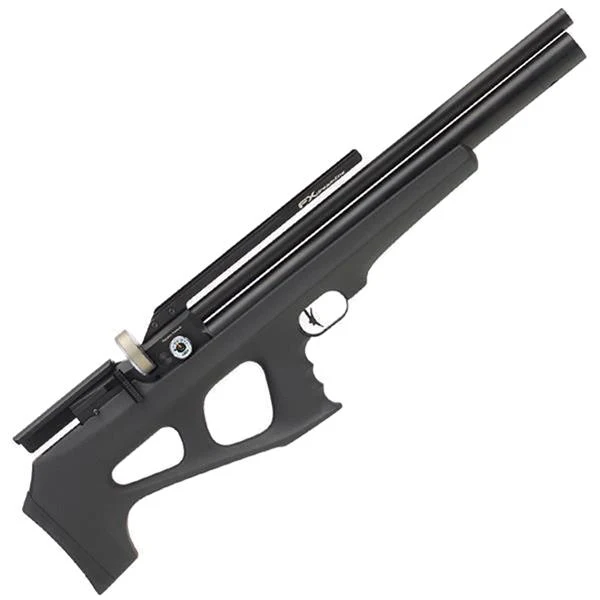
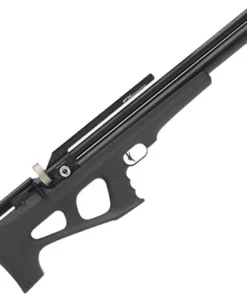
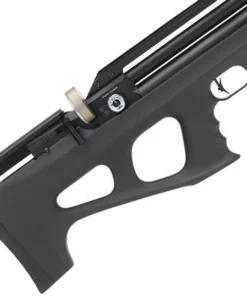
FX Dreamline Standard Bullpup

€920.00

DREAMLINE BULLPUP

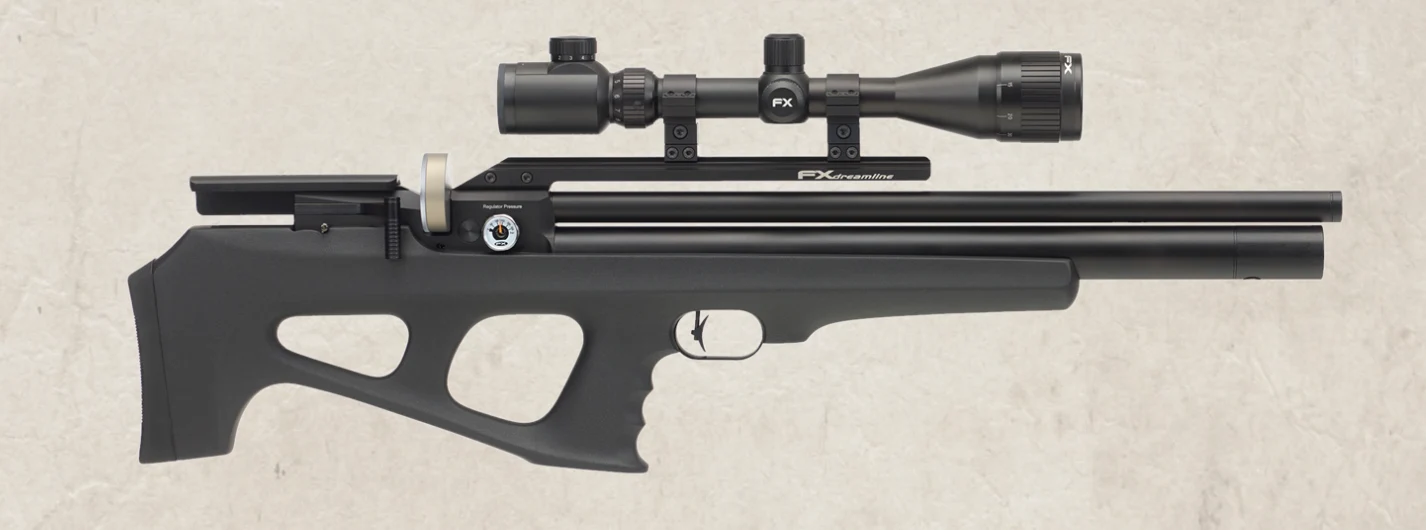
The Dreamline Bullpup takes the same Dreamline internals as the others but fits it into a bullpup configuration to shorten the overall length. Yet retaining all the adjustability and still utilizing the high-capacity magazine of the standard Dreamline. 

*2021 The Dreamline Bottle Bullpup received a massive inline change and upgrade with a new edition and the most powerful FX Dreamline yet, the Power Pup! 

With the addition of a large Power Plenum the Power-Pup is no longer just any Bullpup. 

The Power Plenum is paired with an externally adjustable AMP regulator, and a hammer tension power wheel so you can tune the Power-Pup to either sling heavy hard-hitting slugs and heavy pellets or tune it down to still send standard sized pellets. 

The massive power plenum serving those seeking to shoot heavier pellets and slugs. 

Dreamline Concept 

With the arrival of the FX Dreamline, innovation that was previously only dreamed about, is now a reality. The FX Dreamline is the first fully modular airgun system in the world. The modular design allows the rifle to change to any of the Dreamline configurations. 

Today’s hunting bullpup can be converted for the weekend field target match. The classic sporter rifle can be switched out to house all your favorite AR furniture and accessories. Whatever you can imagine is possible with the FX Dreamline. 

The beauty of the FX Dreamline starts with the revolutionary world class FX Smooth Twist X barrel (STX). This is the same barrel housing and liner system as found on other elite rifles such as the FX Impact, FX Crown and FX Wildcat. The STX barrel allows the Dreamline the unique ability of changing both the caliber of the gun as well as the inner liner of the barrel to allow for different twist rates and other bore specifications. This provides a tailored barrel to meet the vast array of projectiles available today. 

The Dreamline also includes the new AMP Regulator (Adjustable Match Precision Regulator). This robust regulator is revolutionary in that it can be adjusted externally either to higher or lower pressures without the need to remove pressure from the gun. The AMP regulator also uses the latest in high performance parts to provide precision accuracy that holds up over time. 

The FX Dreamline features the same adjustability as found on other premium FX rifles. All adjustments can be fine tuned including valve flow, hammer tension, and regulator pressure. These adjustments are done quickly and easily allowing the shooter find harmonic balance and maximize the performance and accuracy of the Dreamline. 

All FX Dreamline models utilize a large capacity rotary magazine. This is the same magazine used in the FX Crown and is indexed with the smooth cocking side lever. This newly designed side lever takes the ease of cocking a rifle to a whole new level as it is nearly effortless to cock. 

½” UNF threads on the barrel allow for the optional addition of a moderator. The FX Dreamline also features the world-famous FX match grade trigger, set at 15 ounces from the factory. 

Standard Edition Regular air tube 

Bottle Edition Bottle (only available up to 12ft/s). 

Power Pup Edition Bottle and Power Plenum 

Note: Muzzle energy listed in the specifications of each rifle is for maximum setting. Due to differences in regulations the rifle is often produced with a lower muzzle energy from the factory. Contact your dealer for more info about muzzle energy in your region.

Cocking system Sidelever
Magazine type Removable, capacity:  

4,5 (.177): 22 

5,5 (.22):18 

6,35 (.25):16 

7,62 (.30): 13 

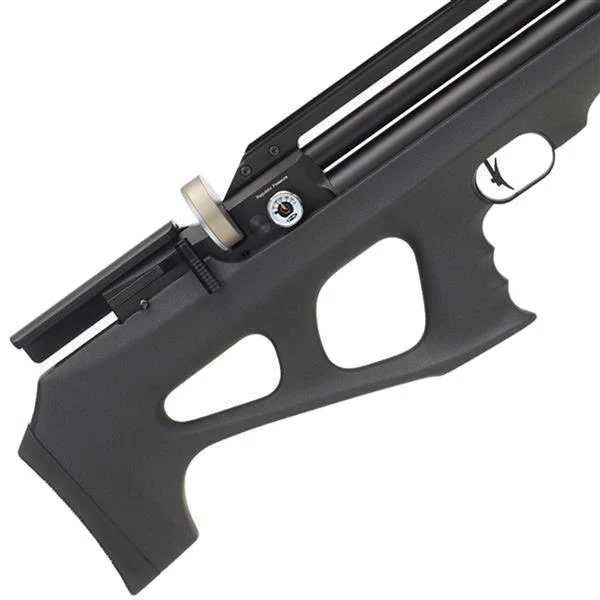
Stock Synthetic with soft touch surface 
Caliber 4,5 (.177) 

5,5 (.22)

6,35 (.25)

7,62 (.30)

Barrel type and length FX Smooth twist X  

Match grade 

Free floating 

Standard: 

4,5 (.177): 500 mm 

5,5 (.22): 500 mm 

6,35 (.25): 600 mm 

7,62 (.30) 600 mm 

Bottle: 

4,5 (.177): 500 mm 

5,5 (.22): 500 mm 

6,35 (.25): 600 mm 

7,62 (.30) 600 mm 

Power Pup Compact: 

4,5 (.177): 500 mm 

5,5 (.22): 500 mm 

6,35 (.25): 500 mm 

7,62 (.30) 500 mm 

Power Pup Sniper: 

4,5 (.177): 600 mm 

5,5 (.22): 700 mm 

6,35 (.25): 700 mm 

7,62 (.30) 700 mm 

Shot capacity Standard:
4,5 (.177): 110
5,5 (.22): 80
6,35 (.25): 50
7,62 (.30) 30
Bottle:
4,5 (.177): N/A
5,5 (.22): N/A
6,35 (.25): N/A
7,62 (.30) N/A
Bottle VP:
4,5 (.177): N/A
5,5 (.22): N/A
6,35 (.25): N/A
7,62 (.30) N/A
Power Pup Compact:
4,5 (.177): N/A
5,5 (.22): 110
6,35 (.25): 68
7,62 (.30) 48
Power Pup Compact VP:
4,5 (.177): N/A
5,5 (.22): 85
6,35 (.25): 52
7,62 (.30) 38
Power Pup Sniper:
4,5 (.177): 225
5,5 (.22): 145
6,35 (.25): 85
Fill pressure 230 Bar • 3300 Psi
Safety Manual
Optics 11 mm dovetail scope mount
Muzzle ½” UNF
Pressure gauge One for airtube pressure 

One for regulator pressure

Trigger Adjustable match trigger
Velocity 4,5 (.177): 295 m/s • 940 ft/s 

5,5 (.22): 280 m/s • 920 ft/s

6,35 (.25): 270 m/s • 890 ft/s

7,62 (.30) TBA

Energy Standard:  

4,5 (.177): up to 24 J • 18 ft/lbs 

5,5 (.22): up to 43 J • 32 ft/lbs 

6,35 (.25): up to 63 J • 47 ft/lbs 

7,62 (.30) up to 100 J • 75 ft/lbs 

Bottle: 

4,5 (.177): 10J (SE) Sub 12ft (UK) 

5,5 (.22): 10J (SE) Sub 12ft (UK) 

6,35 (.25): 10J (SE) 

Power Pup Compact: 

4,5 (.177): 24 J • 18 ft/lbs 

5,5 (.22): up to 68 J • 50 ft/lbs 

6,35 (.25): up to 88 J • 65 ft/lbs 

7,62 (.30) up to 108 J • 80 ft/lbs 

Power Pup Sniper: 

4,5 (.177): up to 43 J • 32 ft/lbs 

5,5 (.22): up to 68 J • 50 ft/lbs 

6,35 (.25): up to 88 J • 65 ft/lbs 

7,62 (.30) up to 108 J • 80 ft/lbs 

Air capacity Standard:  

4,5 (.177) – 5,5 (.22): 2,6kg 

6,35 (.25) – 7,62 (.30): 2,7kg 

Bottle: 

2,3kg 

Bottle VP: 

N/A 

Power Pup Compact: 

2,7kg 

Power Pup Compact VP: 

3kg 

Length Standard:  

4,5 (.177) – 5,5 (.22): 720 mm 

6,35 (.25) – 7,62 (.30): 835 mm 

Bottle: 

4,5 (.177) – 5,5 (.22): 720 mm 

6,35 (.25) – 7,62 (.30): 835 mm 

Power Pup Compact: 

762mm 

Power Pup Sniper: 

4,5 (.177): 851 mm 

5,5 (.22)- 7,62 (.30): 953 mm 

Weight Standard:  

4,5 (.177) – 5,5 (.22): 2,6kg 

6,35 (.25) – 7,62 (.30): 2,7kg 

Bottle: 

2,3kg 

Bottle VP: 

N/A 

Power Pup Compact: 

2,7kg 

Power Pup Compact VP: 

3kg 

Charging Quick charge system
More features Interchangeable Barrel Liner System (with changeable core barrel liner to obtain various twist rates).  

AMP Externally adjustable pressure regulator. 

FX Dreamline Standard Bullpup – Compact PCP Air Rifle with Adjustable Performance Features

FX Dreamline Standard Bullpup – Product Description and Overview

The FX Dreamline Standard Bullpup is a pre-charged pneumatic (PCP) air rifle developed by Swedish manufacturer FX Airguns. Its bullpup configuration combines a relatively short overall length with the barrel and pneumatic components associated with the broader Dreamline platform. Consequently, the design offers an alternative to conventional full-length PCP rifles while retaining several of the manufacturer’s established engineering features.

Unlike traditional rifle layouts, the bullpup arrangement places the action farther toward the rear of the stock. Therefore, a substantial barrel length can be accommodated without requiring an equally long overall profile. This configuration gives the model its distinctive appearance and influences its balance, handling characteristics, and placement of operating controls.

Additionally, the Standard version uses a conventional cylindrical air reservoir rather than the larger bottle arrangement found on other Dreamline variants. Its synthetic stock, removable magazine, sidelever action, and adjustable components form the foundation of the rifle’s design.

Key Features and Technical Highlights

The following specifications describe the established Dreamline Bullpup Standard platform. Certain dimensions, power ratings, and available calibres may differ across production years and regional configurations.

  • Manufacturer: FX Airguns, Sweden

  • Model: FX Dreamline Standard Bullpup

  • Operating system: Pre-charged pneumatic (PCP)

  • Configuration: Compact bullpup layout

  • Stock: Synthetic construction

  • Cocking mechanism: Sidelever

  • Barrel system: FX Smooth Twist X

  • Magazine: Removable, multi-shot design

  • Trigger: Adjustable match-style trigger

  • Regulator: FX AMP adjustable regulator

  • Maximum stated fill pressure: 230 bar / approximately 3,300 PSI

  • Safety mechanism: Manual safety

  • Scope mounting: 11 mm dovetail

  • Muzzle threading: ½-inch UNF

  • Pressure monitoring: Separate air reservoir and regulator gauges

  • Air reservoir: Conventional cylindrical air tube

  • Barrel liner: Interchangeable liner system

  • Available configurations: Different calibres and regional power specifications

These features are documented in manufacturer information for the Dreamline Bullpup platform.

Australia
+1

Compact Bullpup Design and Structural Characteristics

Shorter Overall Length with a Distinctive Layout

A major characteristic of the FX Dreamline Standard Bullpup is its shortened configuration. Instead of placing the action ahead of a conventional shoulder stock, the bullpup design positions important operating components closer to the rear.

As a result, the overall dimensions differ significantly from those of traditional PCP air rifles with comparable barrel lengths.

For earlier Standard configurations, published overall lengths include approximately 720 mm for smaller-calibre versions and 835 mm for larger-calibre versions. Meanwhile, the corresponding barrel lengths are listed at 500 mm and 600 mm.

However, individual production revisions should be identified before these dimensions are applied to a particular rifle.

Synthetic Stock Construction

The synthetic stock provides the exterior foundation for the rifle’s compact arrangement. Its construction offers a practical alternative to traditional timber stocks and contributes to the model’s modern appearance.

Furthermore, synthetic materials do not exhibit the same moisture-related swelling characteristics as untreated natural wood. Nevertheless, routine cleaning and suitable storage remain important for preserving the stock’s condition.

The Standard configuration also has a different external profile from the Bottle and Power Pup versions. Therefore, photographs and model identification should be checked carefully when distinguishing between Dreamline variants.

FX Smooth Twist X Barrel Technology

Manufacturer-Developed Barrel System

The FX Dreamline Standard Bullpup incorporates the manufacturer’s Smooth Twist X barrel platform.

This system uses a barrel liner arrangement designed around interchangeable internal components. Accordingly, the construction differs from a conventional permanently configured barrel assembly.

The manufacturer identifies the system as a match-grade, free-floating barrel design. However, actual accuracy depends on numerous variables, including ammunition consistency, mechanical condition, environmental factors, and the individual rifle.

Interchangeable Liner Architecture

Another defining characteristic is the interchangeable liner system.

Rather than treating the barrel as a single fixed configuration, FX developed an architecture that accommodates different factory-supported liner specifications. This provides a distinguishing engineering characteristic within the Dreamline family.

Importantly, compatibility should always be established from the manufacturer’s documentation for the particular model and production generation.

Regulated PCP Air System

FX AMP Regulator

The rifle includes an FX AMP regulator as part of its compressed-air operating system.

In a regulated PCP platform, the regulator manages the relationship between reservoir pressure and the pressure supplied to the firing mechanism. Consequently, the system is intended to support consistency throughout the usable pressure range.

However, the regulator does not eliminate all variations between shots. Mechanical condition, temperature, ammunition characteristics, and other factors continue to influence measured performance.

23. What signs indicate that professional maintenance may be necessary?

Several conditions can indicate a need for professional inspection.

These include unexplained pressure loss, unusual mechanical resistance, damaged components, inconsistent gauge readings, or visible deterioration around pressure-bearing assemblies.

Furthermore, abnormal noises or other changes in operation should not be dismissed.

A malfunctioning rifle should be removed from service until its condition has been assessed.

Attempts to repair pressurized components without proper training and equipment can be dangerous.

Consequently, qualified service personnel should evaluate any concern involving the integrity of the compressed-air system.

24. Are there special legal requirements for owning PCP air rifles?

Legal requirements vary substantially between countries and, in some cases, between individual states or regions.

Depending on the jurisdiction, ownership may be subject to age restrictions, licensing, registration, permissible muzzle-energy limits, transport rules, and safe-storage obligations.

Furthermore, particular calibres or configurations may be regulated differently.

Therefore, prospective owners should consult current local legislation and relevant licensing authorities before acquiring equipment.

International transport and shipment may also involve additional restrictions.

Compliance should be confirmed independently rather than inferred from a manufacturer’s product description.

25. What should be checked when evaluating a secondhand PCP air rifle?

A secondhand rifle should be assessed for its overall condition, maintenance history, correct model identification, and evidence of unauthorized modification.

External damage, corrosion, missing components, and questionable pressure-system integrity deserve particular attention.

Additionally, documentation establishing lawful ownership and the exact factory configuration can be valuable.

Because some defects are not readily visible, a professional inspection may be appropriate.

The availability of replacement components should also be considered, especially for discontinued versions.

Ultimately, safety, authenticity, legal compliance, and verified mechanical condition should take priority over cosmetic appearance or unsupported performance claims.

Air Reservoir and Pressure Monitoring

Unlike the bottle-equipped version, the Standard model incorporates a conventional air tube.

Separate pressure gauges are provided for reservoir and regulator readings. Therefore, the rifle includes distinct indicators for these two parts of its pneumatic system.

The manufacturer lists a maximum fill pressure of 230 bar, although users must verify the specific pressure limit marked on their own equipment.

Only manufacturer-approved filling procedures and pressure-rated equipment should be used.

Sidelever Action and Magazine Design

Sidelever Operating Mechanism

A sidelever mechanism forms part of the rifle’s repeating action.

Its position reflects the compact architecture of the bullpup platform, in which the action sits toward the rear of the assembly.

Furthermore, the mechanism differs visually and mechanically from break-barrel spring-powered air rifles. The Dreamline operates using stored compressed air rather than energy generated by a spring-piston assembly.

Removable Multi-Shot Magazine

The Standard model features a detachable magazine system, with published capacities varying by calibre.

This is an important distinction when comparing configurations because magazine components are not necessarily interchangeable between calibres.

Similarly, magazine compatibility may depend on the rifle’s production generation. For that reason, replacement parts should be matched against the correct factory specifications.

Adjustable Trigger and Manual Safety

Match-Style Trigger Assembly

FX identifies an adjustable match-style trigger as a standard characteristic of the Dreamline platform.

The trigger forms an important part of the rifle’s mechanical interface. Nevertheless, its precise configuration, condition, and factory settings should be assessed individually, especially when evaluating previously owned equipment.

Any trigger-related servicing should be carried out in accordance with manufacturer guidance by a qualified professional.

Integrated Manual Safety

A manual safety mechanism is also incorporated into the design.

Although this feature provides a mechanical safety control, it cannot replace responsible handling. Every air rifle should be treated as loaded until it has been safely checked, and the muzzle should always remain pointed in a safe direction.

Safe storage is equally important, particularly where children or unauthorized individuals could gain access.

Exterior Configuration and Optical Mounting

Dovetail Mounting Interface

The FX Dreamline Standard Bullpup includes an 11 mm dovetail mounting interface.

This is a common mounting format associated with airgun optical equipment. Nevertheless, mount fitment and clearance requirements vary between specific products.

Optical equipment is not necessarily included with every retail configuration, and package contents should be identified independently.

Muzzle and External Components

The manufacturer lists a ½-inch UNF threaded muzzle for the platform.

External components, however, may vary according to regional restrictions, production specifications, and the configuration supplied.

Consequently, photographs of one model should not automatically be treated as definitive evidence of another model’s included equipment.

Quality, Maintenance, and Long-Term Ownership

Routine Condition Assessment

Regular maintenance is important for a PCP air rifle because its pneumatic operating system contains pressure-bearing components, seals, and mechanical assemblies.

Over time, seals and other serviceable parts may experience wear. Accordingly, unusual pressure loss or mechanical irregularities should be investigated by an appropriately qualified airgun technician.

Likewise, exterior surfaces should be kept clean and dry in accordance with manufacturer recommendations.

Safe Storage and Regulatory Compliance

The rifle should be stored securely, preferably unloaded and inaccessible to unauthorized individuals.

Additionally, compressed-air servicing must follow the manufacturer’s prescribed procedures. Pressure-bearing components should never be modified or disassembled while pressurized.

Legal requirements also differ by jurisdiction. Calibre availability, permissible muzzle energy, licensing requirements, transport restrictions, and authorized uses must therefore be checked against applicable local regulations.

Understanding the Standard Model Within the FX Dreamline Family

The Dreamline family includes several configurations that share a related underlying platform.

While the Standard Bullpup uses a conventional air tube, other variants may incorporate bottle reservoirs, different external dimensions, or revised pneumatic assemblies.

Likewise, later Power Pup configurations should not be confused with the earlier Standard version simply because both use a bullpup stock layout.

This distinction matters when comparing published specifications, identifying accessories, or confirming the exact model represented in a product listing.

Conclusion

The FX Dreamline Standard Bullpup combines a compact bullpup structure with a regulated PCP system, Smooth Twist X barrel technology, removable magazine, synthetic stock, and adjustable match-style trigger.

Its engineering reflects the broader modular approach of the FX Dreamline series, while its conventional air reservoir distinguishes it from bottle-equipped versions.

For accurate model identification, technical assessment, and responsible ownership, the specific rifle’s calibre, production generation, factory specifications, and applicable regulatory requirements should always be verified.

Snowpeak Airguns, PCP Rifles, Air Pistols and Umarex Airguns

For shooters researching Snowpeak airguns, Snowpeak Sports, and the wider Snowpeaks product range, there are many PCP rifles, air pistols, and shooting accessories to consider. Popular searches include the Snowpeak AP900, Snowpeak AP900B PCP air rifle, Snowpeak MAX 1, Snowpeak MAX 1 price, Snowpeak PP750, PP750, Snow Peak PP750, and PP750 air pistol. Buyers also regularly compare models such as the Snowpeak P35, P35, P 35, PCP P 35, Snowpeak P35X, P35X, P35X PCP, and Snowpeak P35 vs P35X.

Other Snowpeak models attracting attention include the Snow Peak PP20, Snowpeak PP20, Snowpeak M25, M25 rifle, M-25, M25 weapon, Snowpeak M60, Snowpeak M60B, M 60B, rifle M60, rifle M50, and M50 rifle. Searches such as Snow Peak brand origin are also common among buyers who want to understand the manufacturer before choosing a rifle or pistol.

Snowpeak PCP Models and Related Airgun Searches

The PCP category covers everything from compact pistols to full-size hunting and target rifles. Searches frequently include PR900 Gen 3, CR650, SR 1000X, T Rex 6000, and pistolet PCP Arcea-Snowpeak Onix Sport. People comparing pneumatic platforms may also search what is a PCP airgun, air gun, air rifle, pellet pistol, air gun accessories, 9mm pellet, and pellet 9mm.

Some search phrases overlap with firearm terminology even when shoppers are researching airgun products. These include rifle M60, how much did the M60 weigh, rifle M50, M50 rifle, M25 weapon, and snowfall gun. Therefore, model specifications should always be checked carefully so that a historical firearm search is not confused with a modern sporting airgun product.

Umarex Airguns, Air Rifles, Pistols and PCP Platforms

Alongside Snowpeak products, Umarex USA, UmarexUSA, Umarex airguns, and Umarex air rifles are widely searched by recreational shooters, target shooters, and PCP enthusiasts. The Umarex range includes PCP rifles, CO₂-powered platforms, break-barrel pistols, BB guns, airsoft replicas, and large-caliber airgun systems.

Popular PCP searches include Umarex Notos, Umarex Notos Carbine, Umarex Gauntlet, Umarex Gauntlet 2, Umarex Gauntlet 30, Umarex Zelos, Umarex Origin, Umarex Komplete, and Umarex Komplete NCR .22. Hunters researching larger airgun platforms may also encounter the Umarex Hammer, Umarex Hammer .50 caliber, Umarex Hammer Carbine, Umarex Primal 20, and Umarex AirSaber.

Umarex Pistols, BB Guns and T4E Models

For handgun-style platforms, popular searches include Umarex BB gun, BBgun, BB gun pistol, metal BB gun, Umarex TR50, Umarex HDR 50, Umarex T4E, Umarex T4E Smith, Umarex Smith, and Umarex P2P DR50 how many joules.

Glock-style replicas remain another major category. Search terms include Glock BB gun, Glock 19 BB gun, Umarex Glock 19, Umarex Glock 19X, Umarex Glock 19 Gen3 .177 caliber BB gun air pistol, Umarex Glock 17, Umarex Glock 17 Gen 5, Umarex Glock, airsoft Glock, airsoft Glock 19, Glock 17 airsoft, and Glock airsoft gun.

Other replica and recreational searches include Umarex MP40, Umarex MP5, Umarex Legends, Umarex HK Heckler, Umarex shotgun, and airsoft pistol.Umarex DX17.

Break-Barrel and Sporting Umarex Airguns

Shooters looking for spring or gas-piston platforms frequently research the Umarex Trevox, loading Umarex Trevox break barrel .177, Umarex pistol break barrel, Umarex Fusion 2, Umarex Synergis Elite, and Amazon Umarex Browning 800 Express. These platforms provide alternatives for people who want an airgun without relying on a high-pressure PCP charging system.

Additional searches across the Umarex catalog include Umarex H, while broader terms such as air rifle, pellet pistol, air gun, and air gun accessories help buyers compare platforms, ammunition, optics, filling equipment, targets, cases, and other shooting equipment.

Whether the focus is a Snowpeak M60, Snowpeak M25, Snowpeak P35X, Snowpeak PP750, Snowpeak MAX 1, Umarex Notos, Umarex Gauntlet 2, Umarex Origin, or Umarex Hammer Carbine, buyers should compare caliber, operating system, power level, dimensions, intended use, and local regulations before selecting an airgun.

Frequently Asked Questions (FAQs)

General Questions About Design and Performance

1. What makes a bullpup air rifle different from a traditional air rifle?

A bullpup air rifle features a distinctive configuration in which the action is positioned farther toward the rear of the stock. Unlike conventional designs, the trigger is located ahead of the action, allowing the overall length to be reduced without necessarily shortening the barrel.

Consequently, this arrangement creates a compact exterior while retaining many of the mechanical characteristics associated with full-length models. Furthermore, the positioning of internal components influences weight distribution, ergonomics, and the location of operating controls.

Although the appearance differs considerably, the underlying compressed-air operating principles remain similar to those found in other pre-charged pneumatic platforms.

2. What are the main advantages of a bullpup configuration?

The primary advantage is the compact arrangement of its mechanical components. By positioning the action toward the rear, manufacturers can incorporate a substantial barrel length within a relatively short overall structure.

Additionally, this design produces a different balance from conventional rifles. Some owners appreciate the compact profile, while others prefer the familiar handling characteristics of traditional stocks.

However, ergonomics are subjective. Trigger positioning, cheekpiece geometry, sight height, and control accessibility should all be evaluated individually.

Ultimately, the advantages depend on the intended lawful sporting activity, personal preferences, and the specifications of the particular model.

3. Is this type of air rifle suitable for beginners?

A regulated PCP air rifle can be understood by a beginner, but it requires familiarity with compressed-air equipment, pressure limits, safe handling procedures, and routine maintenance.

For that reason, formal instruction and supervised familiarization are strongly recommended for anyone without previous experience.

Furthermore, the compact layout may feel unfamiliar compared with traditional sporting rifles. This difference does not necessarily make the design more difficult, but the location of its controls deserves attention.

Beginners should prioritize safe operation, appropriate protective equipment, secure storage, and compliance with local regulations rather than selecting equipment based solely on appearance or technical sophistication.

4. What is a pre-charged pneumatic operating system?

A pre-charged pneumatic system uses compressed air stored in an onboard pressure reservoir.

Unlike spring-powered airguns, which rely on a compressed spring or gas ram to generate operating energy, PCP equipment uses previously stored compressed air.

Consequently, the operating mechanism incorporates pressure-bearing components, valves, and seals designed for pneumatic use.

Many regulated platforms also contain a pressure regulator that controls the air supplied to the firing mechanism.

Although the principle is relatively straightforward, these systems involve substantial pressure. Therefore, maintenance and servicing must follow the manufacturer’s requirements.

Calibres and Technical Specifications

5. What calibres are commonly available?

The broader platform has been manufactured in several calibre configurations, including .177, .22, .25, and .30, depending on the particular version and regional market.

However, not every calibre has necessarily been available in every production generation.

Different configurations may also have different barrels, magazines, operating specifications, and regulatory classifications.

Accordingly, the exact calibre should be confirmed from the manufacturer’s markings and relevant documentation.

Furthermore, ammunition must always match the calibre designated for the individual rifle. Using incompatible ammunition or components can cause mechanical damage and create serious safety hazards.

6. Does barrel length affect performance?

Barrel length can influence several technical characteristics of a pneumatic air rifle, including its overall dimensions and interaction with the compressed-air operating system.

However, a longer barrel does not automatically guarantee superior accuracy.

Manufacturing quality, barrel condition, ammunition consistency, and environmental conditions remain important considerations.

Additionally, published performance figures may vary between different barrel lengths and factory configurations.

When comparing models, it is important to distinguish the manufacturer’s stated specifications from independent measurements.

A meaningful technical comparison should account for the complete system instead of treating barrel length as the only determining factor.

7. What is an adjustable regulator?

An adjustable regulator is a pressure-control component incorporated into certain PCP systems.

Its purpose is to maintain a regulated pressure supply from the main air reservoir, within the operating limits established by the manufacturer.

As a result, the regulator helps manage changes in reservoir pressure throughout the usable charge.

Nevertheless, actual consistency also depends on component condition, temperature, ammunition, and other mechanical factors.

Because the regulator forms part of a pressurized system, adjustments and servicing should be performed only according to approved manufacturer procedures or by a qualified professional.

8. What is the difference between regulated and unregulated PCP systems?

A regulated system includes a component that controls the pressure supplied from the air reservoir to the firing mechanism.

By comparison, an unregulated system operates without that separate pressure-control stage.

Both designs can function effectively when properly engineered and maintained.

However, their pressure characteristics differ, particularly as the stored air supply decreases.

A regulator is not a guarantee of perfect shot-to-shot consistency, nor does its presence eliminate the need for inspection.

Instead, it represents one engineering method of managing pneumatic pressure within a specified operating range.

Construction and Mechanical Features

9. What is the purpose of a synthetic stock?

A synthetic stock provides structural support for the rifle’s external assembly while offering an alternative to natural timber.

One advantage is its resistance to the moisture-related swelling and shrinking associated with some wooden materials.

Additionally, synthetic stocks can be manufactured with molded contours and consistent external dimensions.

Nevertheless, durability depends on the material formulation, manufacturing quality, and conditions of use.

Synthetic construction should not be interpreted as resistance to every type of impact or environmental exposure.

Regular cleaning, appropriate storage, and inspection remain necessary to preserve its condition.

10. What is a sidelever action?

A sidelever action is a mechanical arrangement in which a lever located along the side of the action operates the rifle’s repeating mechanism.

The design differs from traditional bolt-action arrangements in its external controls and mechanical movement.

In bullpup configurations, the lever’s location is influenced by the rearward position of the action.

Consequently, accessibility and ergonomic preferences may vary among different users.

Mechanical components should be inspected periodically for signs of damage, wear, or unusual resistance.

Any suspected malfunction should be assessed by a qualified technician rather than addressed through unauthorized modification.

11. How does a detachable magazine system work?

A detachable magazine is designed to hold a specified quantity of compatible ammunition within a removable component.

Magazine capacity generally depends on calibre and design.

Because individual models may use different magazine generations, components should not be assumed compatible simply because they have a similar appearance.

Furthermore, damaged or incorrectly matched magazines may cause mechanical problems.

Manufacturer-approved components are therefore important when replacing worn or missing accessories.

Safe handling procedures must always be followed, and the presence or absence of a magazine should never be treated as proof that the rifle is unloaded.

12. What is the purpose of an adjustable trigger?

An adjustable trigger assembly allows certain mechanical characteristics to be established within the manufacturer’s specified adjustment range.

These characteristics can include aspects of trigger movement and the feel of the mechanism.

However, trigger systems are safety-critical components. Unauthorized changes or incorrect adjustments can create dangerous operating conditions.

Consequently, servicing should be undertaken only by qualified personnel following appropriate technical documentation.

A properly maintained trigger should function consistently and safely within its intended design limits.

Importantly, an adjustable trigger does not remove the need for disciplined handling or adherence to standard firearm and airgun safety practices.

Air Reservoir and Pressure Questions

13. What is the purpose of the air reservoir?

The air reservoir stores compressed air required by the pneumatic operating system.

Its construction must withstand the pressures specified by the manufacturer.

Different rifle configurations may incorporate cylindrical reservoirs or bottle-style arrangements, each with distinct physical characteristics.

However, reservoir size alone does not determine overall performance.

Pressure ratings, internal system design, and factory specifications must also be considered.

Because the reservoir is a pressure-bearing component, dents, corrosion, unauthorized alterations, and visible damage require professional attention.

A damaged reservoir should never be used until its condition has been properly assessed.

14. Why are pressure gauges important?

Pressure gauges provide information about the compressed-air system.

On platforms equipped with separate reservoir and regulator gauges, each indicator serves a different monitoring purpose.

The reservoir gauge displays the pressure associated with the stored air supply, while the regulator gauge reflects pressure within the regulated section.

Nevertheless, gauges can become inaccurate or damaged over time.

Therefore, unusual readings should not be ignored.

A qualified technician should inspect equipment that exhibits inconsistent pressure indications, visible leakage, or other abnormal behavior.

Pressure gauges should also be protected from impact and handled according to the manufacturer’s guidance.

15. Can compressed-air equipment require periodic servicing?

Yes. PCP systems contain mechanical and pneumatic components that can experience wear as they age.

For example, seals may deteriorate, external fittings may become damaged, and pressure-monitoring equipment may require inspection.

The frequency of servicing depends on equipment condition, manufacturer recommendations, storage environment, and usage history.

Rather than following an arbitrary maintenance interval, owners should consult the documentation supplied with their particular model.

Furthermore, repairs involving pressure-bearing assemblies should be completed by appropriately qualified professionals.

Routine inspection supports safe ownership and can help identify developing problems before they become more serious.

Accuracy, Consistency, and Reliability

16. Does a match-grade barrel guarantee exceptional accuracy?

No. A match-grade barrel indicates a particular manufacturing or design standard, but it does not guarantee a specific result under every condition.

Accuracy is influenced by multiple interacting variables, including mechanical condition, ammunition quality, environmental conditions, and the testing methodology.

Additionally, manufacturer specifications and independent testing results may differ.

The condition of an individual rifle is especially important when evaluating previously owned equipment.

Therefore, accuracy claims should be supported by credible testing rather than broad marketing statements.

A high-quality barrel is one component of a complete mechanical system, not an independent guarantee of precision.

17. How do environmental conditions affect pneumatic equipment?

Temperature, humidity, moisture, and airborne contaminants can influence the condition of pneumatic equipment.

For example, temperature changes can affect gas pressure, while prolonged moisture exposure may contribute to corrosion on susceptible metallic components.

Additionally, dust and debris may accumulate around exposed external surfaces.

Proper storage and routine inspection help reduce these risks.

However, owners should avoid unapproved lubricants and cleaning agents because certain substances may be incompatible with seals or pressure-bearing components.

The manufacturer’s maintenance documentation should remain the primary reference for appropriate care.

18. How long can a properly maintained PCP air rifle last?

Service life depends on manufacturing quality, maintenance history, storage conditions, component availability, and overall mechanical condition.

A well-maintained platform may remain functional for many years, although individual parts can require replacement over time.

Seals, gauges, magazines, and other serviceable components may have different wear characteristics.

Furthermore, an older rifle should not automatically be considered unsafe or reliable solely because of its age.

Condition matters more than appearance alone.

Professional inspection is particularly valuable when purchasing secondhand equipment or returning a long-stored rifle to service.

Accessories and Compatibility

19. Are all accessories compatible with every version?

No. Compatibility may differ between production generations, calibre configurations, and individual variants.

Even products belonging to the same manufacturer’s family may use different dimensions, connection standards, or mechanical interfaces.

Consequently, visual similarity is not sufficient evidence of interchangeability.

Before obtaining replacement parts, owners should verify the model designation, serial information where applicable, and relevant factory part numbers.

Furthermore, accessories must comply with local laws and manufacturer specifications.

Incorrectly matched components can cause damage or create unsafe operating conditions.

20. Why is the scope-mounting interface important?

The mounting interface establishes the physical connection standard between the rifle and compatible optical equipment.

Different platforms may incorporate dovetail arrangements, Picatinny rails, or other mounting systems.

Although these interfaces can appear similar, their dimensions and compatibility requirements are not necessarily identical.

Furthermore, optical equipment varies in size, mass, and mounting clearance.

Therefore, compatibility should be verified through the relevant manufacturer’s documentation.

Secure and appropriate mounting is important for preventing damage to equipment and maintaining a safe mechanical configuration.

21. Can replacement components be obtained for older models?

Replacement-part availability depends on the manufacturer, production generation, geographic market, and whether a component remains supported.

Some common service items may remain available long after a model’s original release.

However, discontinued or redesigned components can become more difficult to obtain.

Additionally, later parts may not always be backward-compatible with earlier versions.

For this reason, owners should consult an authorized service provider when identifying replacements.

Serial information and official component diagrams can assist with correct model identification.

Maintenance, Storage, and Ownership

22. How should a PCP air rifle be stored?

Safe storage begins with preventing unauthorized access.

Equipment should be kept in a secure location that complies with applicable legal requirements.

Additionally, the storage environment should be reasonably dry, clean, and protected from extreme temperatures.

The manufacturer’s recommendations concerning reservoir pressure during storage should also be followed.

Importantly, ammunition should be secured appropriately, and the rifle should be checked using approved safe-handling procedures.

Long-term storage should include periodic condition assessments, particularly where humidity or temperature fluctuations are common.

23. What signs indicate that professional maintenance may be necessary?

Several conditions can indicate a need for professional inspection.

These include unexplained pressure loss, unusual mechanical resistance, damaged components, inconsistent gauge readings, or visible deterioration around pressure-bearing assemblies.

Furthermore, abnormal noises or other changes in operation should not be dismissed.

A malfunctioning rifle should be removed from service until its condition has been assessed.

Attempts to repair pressurized components without proper training and equipment can be dangerous.

Consequently, qualified service personnel should evaluate any concern involving the integrity of the compressed-air system.

24. Are there special legal requirements for owning PCP air rifles?

Legal requirements vary substantially between countries and, in some cases, between individual states or regions.

Depending on the jurisdiction, ownership may be subject to age restrictions, licensing, registration, permissible muzzle-energy limits, transport rules, and safe-storage obligations.

Furthermore, particular calibres or configurations may be regulated differently.

Therefore, prospective owners should consult current local legislation and relevant licensing authorities before acquiring equipment.

International transport and shipment may also involve additional restrictions.

Compliance should be confirmed independently rather than inferred from a manufacturer’s product description.

25. What should be checked when evaluating a secondhand PCP air rifle?

A secondhand rifle should be assessed for its overall condition, maintenance history, correct model identification, and evidence of unauthorized modification.

External damage, corrosion, missing components, and questionable pressure-system integrity deserve particular attention.

Additionally, documentation establishing lawful ownership and the exact factory configuration can be valuable.

Because some defects are not readily visible, a professional inspection may be appropriate.

The availability of replacement components should also be considered, especially for discontinued versions.

Ultimately, safety, authenticity, legal compliance, and verified mechanical condition should take priority over cosmetic appearance or unsupported performance claims.

Final FAQ Summary

Understanding a regulated bullpup air rifle involves more than examining its compact appearance. Pneumatic engineering, mechanical construction, manufacturer specifications, maintenance requirements, and safe ownership practices all contribute to an informed assessment.

Consequently, reliable technical documentation and professional servicing remain essential references. By distinguishing verified specifications from general assumptions, owners and prospective owners can better understand the equipment’s design, maintenance responsibilities, and regulatory considerations.
Why Choose This Air Rifle? Key Reasons It Stands Out From Other PCP Models

1. Compact Design Without Sacrificing Barrel Length

One of the most appealing characteristics of this model is its compact bullpup configuration. Unlike conventional full-length air rifles, the action is positioned toward the rear of the stock, allowing a substantial barrel length to be accommodated within a shorter overall structure.

Consequently, the design offers a distinctive combination of compact dimensions and modern engineering. Furthermore, its streamlined profile makes it an interesting alternative for enthusiasts who prefer contemporary sporting equipment.

The shorter exterior does not automatically mean better accuracy, but it does provide a different handling experience compared with traditional rifle configurations.

2. Advanced Barrel Technology and Precision Engineering

Another compelling reason to consider this platform is its Smooth Twist X barrel system. Developed by a respected Swedish manufacturer, the technology incorporates interchangeable barrel liners and an engineering approach focused on consistency.

Additionally, the barrel assembly reflects the manufacturer’s emphasis on modular construction and technical development.

While precision ultimately depends on ammunition quality, mechanical condition, and environmental factors, a well-manufactured barrel provides an important foundation for consistent performance.

Therefore, enthusiasts interested in advanced airgun engineering may appreciate the attention given to this component.

3. Regulated Air System for Consistent Performance

A regulated pneumatic system represents another significant feature.

The incorporated pressure regulator manages the air supplied from the reservoir to the firing mechanism. Consequently, the design is intended to reduce variations associated with changing reservoir pressure.

Furthermore, separate pressure gauges allow the reservoir and regulated sections to be monitored individually.

Compared with basic unregulated configurations, this arrangement introduces an additional level of pressure management.

Nevertheless, actual performance remains dependent on proper maintenance, equipment condition, and factory specifications.

4. Durable Synthetic Stock and Modern Construction

Durability is an important consideration when evaluating any sporting air rifle.

Fortunately, the synthetic stock provides a practical alternative to traditional wooden construction. Its material is less susceptible to moisture-related dimensional changes commonly associated with untreated timber.

Moreover, the contemporary exterior complements the compact mechanical arrangement.

Although every material requires appropriate care, synthetic construction can simplify routine exterior maintenance.

As a result, owners who value modern styling and straightforward cleaning may find this configuration appealing.

5. Modular Engineering and Long-Term Serviceability

The underlying platform incorporates several design features associated with modular engineering.

For example, the interchangeable barrel liner architecture distinguishes it from many conventional fixed-barrel configurations.

Additionally, the broader product family includes multiple configurations with different external characteristics.

However, replacement-part compatibility must always be confirmed against the specific production version.

This consideration is particularly important for owners interested in long-term maintenance and factory-supported servicing.

6. A Distinctive Alternative to Traditional Sporting Air Rifles

Beyond technical specifications, the overall design provides an alternative ownership experience.

Its bullpup architecture, sidelever action, removable magazine, and adjustable match-style trigger reflect a modern approach to PCP construction.

Meanwhile, the manufacturer’s established presence within the airgun industry contributes to the platform’s technical identity.

Rather than assuming that one configuration is universally superior, prospective owners should consider ergonomics, maintenance responsibilities, regulatory requirements, and personal preferences.

7. Why It Deserves Consideration

Ultimately, this model stands out because it brings together compact construction, regulated pneumatic technology, synthetic stock materials, and a sophisticated barrel system.

Its appeal is especially clear for enthusiasts who value distinctive engineering and modern sporting design.

Although no single air rifle is the perfect choice for everyone, these characteristics provide meaningful points of comparison with conventional PCP alternatives.

Caliber

.177, .22, .25, .30

Reviews

There are no reviews yet.

Be the first to review “FX Dreamline Standard Bullpup”

Related Products

FAQ

  • Spring-Piston (Break-Barrel or Underlever): Cock by compressing a spring. Reliable, no external air source needed, but can have more recoil (“spring twang”) and require technique to shoot accurately.
  • Pre-Charged Pneumatic (PCP): Filled from a scuba tank, compressor, or pump. High power, low recoil, multiple shots per fill. Popular for precision and hunting.
  • CO₂: Powered by disposable cartridges. Good for pistols and semi-auto/repeaters, but performance drops in cold weather.
  • Multi-Pump Pneumatic: Hand-pumped to build pressure. Versatile but requires effort.
  • Gas Ram (Nitro Piston): Uses compressed gas instead of a metal spring. Smoother than traditional springers.

Calibers: Most common are .177 (4.5mm) for speed/flat trajectory and general use, and .22 (5.5mm) for better hunting knockdown power. Larger “big bore” (.25, .30, .357+) exist for hunting bigger game where legal.

Yes, many modern PCP and springers deliver enough energy for small game (rabbits, squirrels, birds) and even larger game in some areas. Muzzle energy (in ft-lbs or joules) matters more than velocity alone. Always match caliber, pellet weight, and energy to the game and check local hunting regs.

Treat every airgun as if it is loaded.

  • Always point the muzzle in a safe direction.
  • Keep your finger off the trigger until ready to shoot.
  • Know your target and what is beyond it (pellets can ricochet or travel far).
  • Wear eye protection.
  • Store unloaded, out of reach of children/untrained users, and ideally locked.
  • Never shoot at hard surfaces or in areas where pellets could escape your property.

Follow these rules strictly—airguns cause real injuries.

Laws differ dramatically by country, state/province, and even city. Always verify current local laws before buying, owning, transporting, or using an airgun. Age restrictions (often 18+) are common.

Examples (summaries only; check official sources):

  • UK: Air rifles ≤12 ft-lbs (16.3 joules) and pistols ≤6 ft-lbs generally do not require a license (FAC needed above that).
  • USA: Varies by state. Some treat powerful airguns as firearms; others do not. Many states now allow big-game hunting with air rifles.
  • Canada: Some airguns classified as firearms if they exceed velocity/energy thresholds.
  • Australia: Often treated as firearms; licensing/registration required in most states.
  • EU/France/Belgium/etc.: Varies; many allow low-power (<20J) guns freely to adults, with higher power needing permits. Germany has strict ~7.5J limits in some contexts.
  • Other countries: Some have no restrictions below certain energies; others ban or heavily regulate them.

Resources: Wikipedia “Air gun laws”, airgun forums, or official government sites. For travel, research transit laws carefully.

Consider:

  • Purpose: Plinking/backyard → lower power springer or CO₂. Hunting/precision → PCP.
  • Budget: Entry-level springers are affordable; PCPs need a fill system (extra cost).
  • .177 vs .22: .177 easier for beginners/targets; .22 better for hunting.
  • Power source: Convenience vs performance.
  • Test pellets in your gun—accuracy varies.

Buy from reputable dealers and consider warranties.

  • Clean barrel periodically (especially if accuracy drops) with patches and appropriate tools/solvents. Avoid over-oiling.
  • Lubricate moving parts and seals with airgun-specific oil (not general gun oil). Springers need piston seal oil occasionally.
  • Check screws, seals for leaks (PCP), and safety mechanisms regularly.
  • Store in a cool, dry place, ideally in a case. Avoid leaving cocked for long periods.

Follow your model’s manual. Basic care extends life significantly.

International shipping may be available for select products. Customers are responsible for understanding and complying with their local import laws and regulations before ordering.

Yes. Customers are required to confirm their order number through WhatsApp or Live Chat before orders are processed and shipped.

If local laws prevent shipment to your area, your order may be canceled and refunded according to our store policy.

Processing typically takes 1–3 business days after payment confirmation. Delivery times vary depending on destination, carrier, and product availability.


  • Wrong pellets for your barrel/caliber.
  • “Death grip” or poor shooting form (especially with springers—let the gun recoil naturally).
  • Loose scopes or mounts.
  • Ignoring safety or local laws.
  • Over-oiling or shooting with obstructions.


Pellets are the most common projectile (lead or lead-free). Match them to your gun, caliber, and purpose—test several brands as accuracy varies by barrel.

  • Domed (Round-Head): Best all-rounder. Excellent accuracy, ballistic coefficient, and energy retention. Ideal for target shooting, field target, and general hunting (e.g., JSB Exact, Air Arms Diabolo Field, H&N Field Target Trophy).
  • Wadcutter (Flat-Head): Clean holes in paper. Best for close-range target/plinking (under 20-25 yards).
  • Hollow Point: Expands on impact for better energy dump. Good for small game hunting (e.g., Predator Polymag, H&N Terminator).
  • Pointed: More penetration, but often less accurate than domed.
  • Slugs: Heavier, more aerodynamic for high-power PCPs at longer ranges (better for big game where legal).

Tips: Heavier pellets in .22/.25 for hunting (better momentum). Lighter in .177 for speed/flat trajectory. Always check head size fit (e.g., 4.51-4.53mm variants).

Muzzle energy (ft-lbs or joules) matters more than velocity. Ethical shots require precise placement (head/heart-lung) within effective range.

Rough Guidelines (adjust for distance, pellet, and local laws):

  • Small game (squirrels, rabbits, birds): 9-20+ FPE, .177/.22.
  • Medium (raccoons, etc.): 25+ FPE, .22/.25 recommended.
  • Larger game: 40-100+ FPE in .30+ calibers (up to big bore for deer/hogs where permitted).

PCPs dominate serious hunting due to power and shot count. Springers/gas rams work well for small game but require skill. Always prioritize clean kills and check seasons/species rules.

  • Barrel Cleaning: Use a pull-through kit or rod with patches. Avoid brushes that could damage rifling. Clean when accuracy drops or after 500-1000 shots.
  • Lubrication: Airgun-specific silicone oil for seals/O-rings (sparingly—excess causes dieseling in springers). Springers may need piston lube periodically.
  • PCP Specific: Check for leaks (soapy water test), monitor regulator/hammer settings, and keep fill systems clean. Don’t exceed rated pressure.
  • General: Tighten stock screws, inspect for wear, store properly. Chronograph shots to track consistency.

Common Issues:

  • Inconsistent velocity → dirty barrel, bad pellets, or seal problems.
  • Spring “twang” → tuning or proper hold.
  • Low power → worn seals or under/over-pumping.

Toggle Content

  • Scopes: Airgun-rated (hold zero under recoil). 3-9x or 4-12x common.
  • Fill Systems: Hand pumps, compressors, or tanks for PCPs.
  • Safety Gear: Eye/ear protection, targets with backstops.
  • Noise: Airguns quieter than firearms, but moderators help further.

Budget Tip: Start with a quality springer (~$150-400) before investing in PCP setup.

Airgunning offers endless depth—from backyard plinking to precision competition and ethical hunting. Prioritize safety, legality, and practice. If you want specifics (e.g., recommendations for a country, budget, hunting small game, or a particular type like PCP vs springer), let me know for more targeted info! Shoot responsibly.

Tuning improves accuracy, reduces noise/recoil, or increases power (within legal limits).

  • Springers: Lighter springs, guides, seals, or custom tuning kits for smoother shot cycle. “V-Mach” or similar professional tunes popular.
  • PCPs: Regulator tuning, hammer spring adjustments, valve work for efficiency and shot count. Some add electronic systems.
  • Accessories: Suppressors (often unregulated on airguns), better triggers, stocks, and scopes.

Caution: Check laws—power increases may reclassify your gun. DIY only if experienced; professional tuners recommended.

You must be at least 18 years old to purchase any airgun or related accessories from our store. By placing an order, you confirm that you meet the legal age requirements in your state or country.

Yes. Orders may require age verification before processing and shipping. In some cases, we may request a valid government-issued ID to confirm eligibility.


Translate »