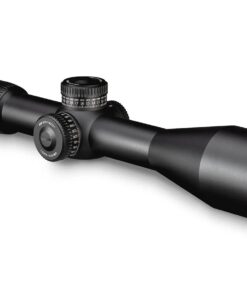
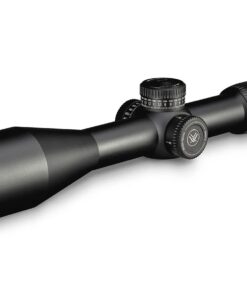
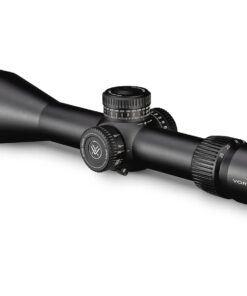
Vortex Venom Scope – Precision Optics Built for Confident Long-Range Shooting
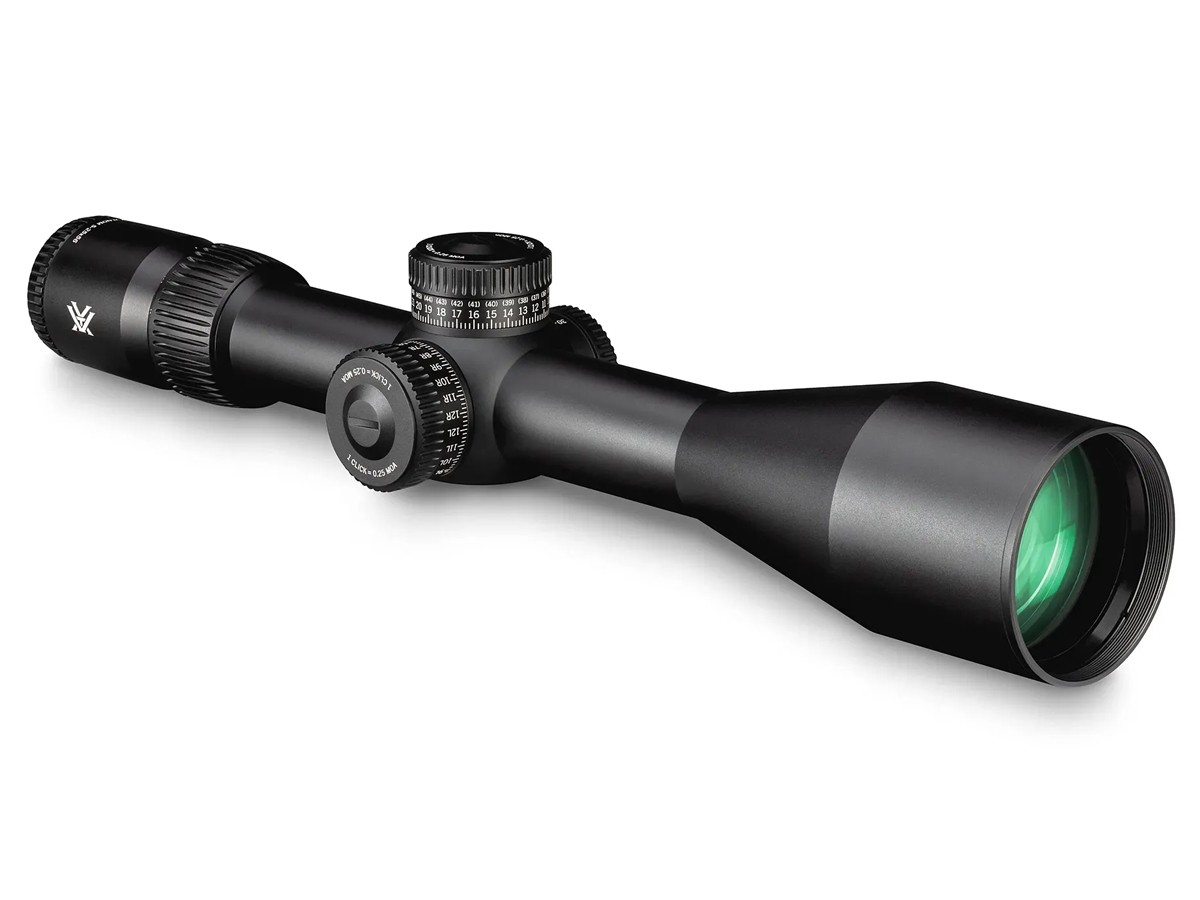
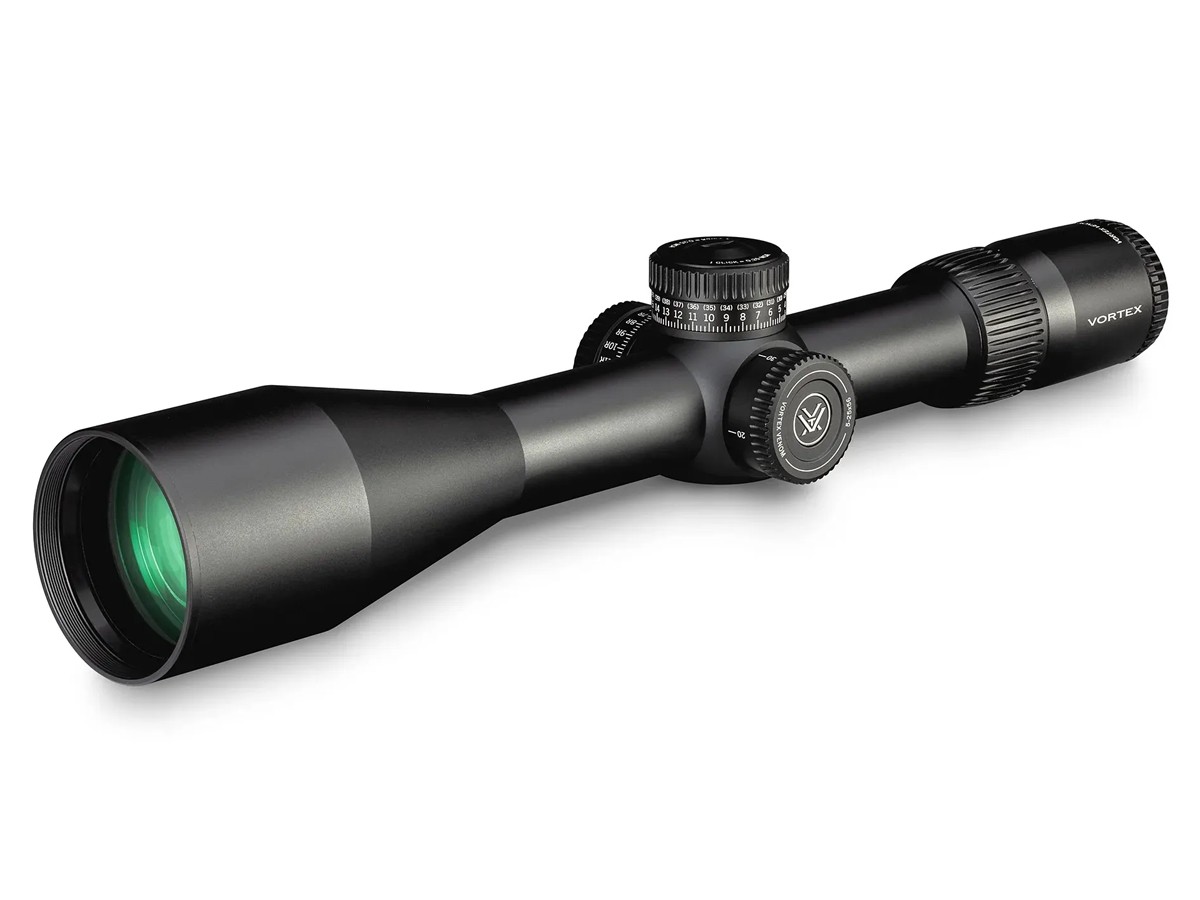
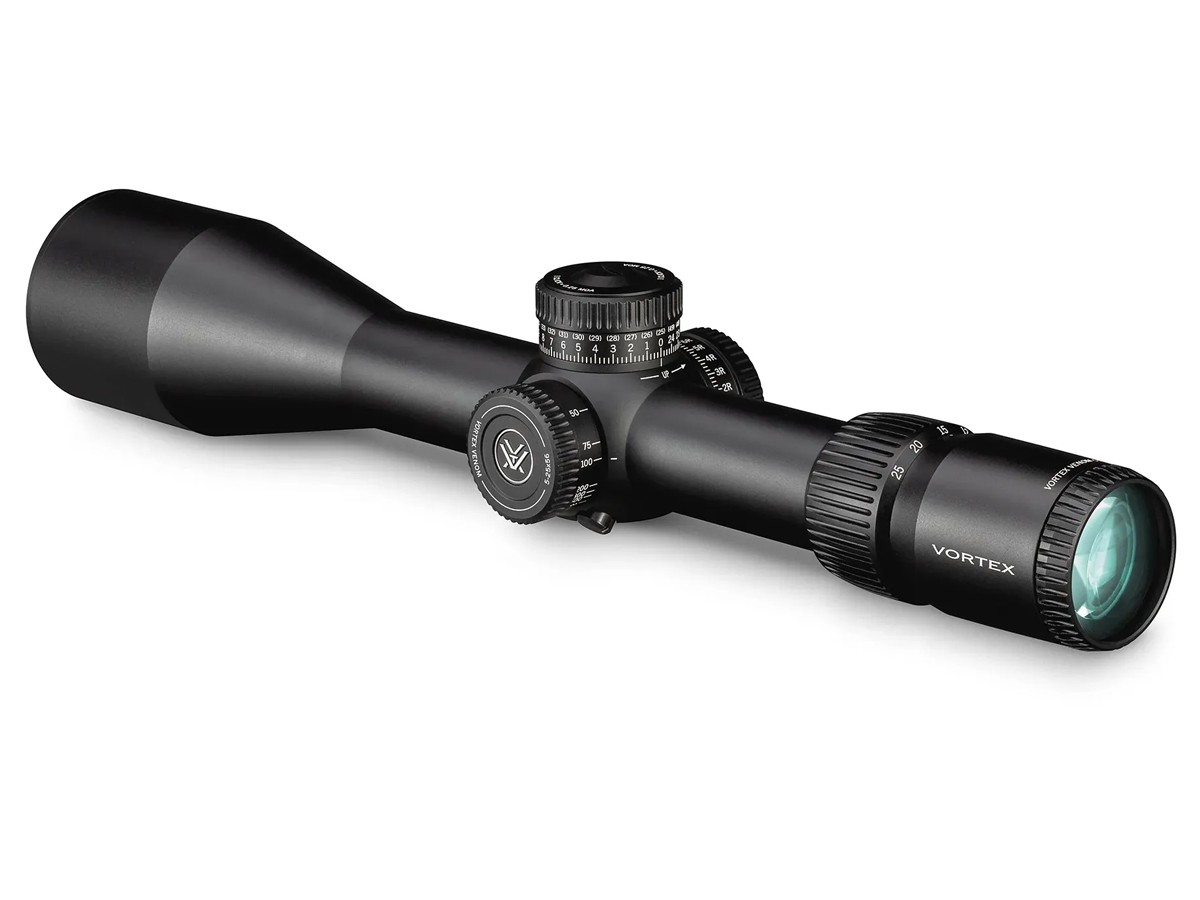
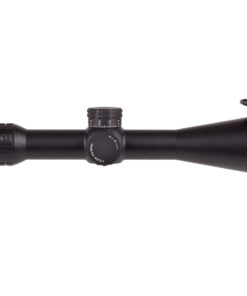
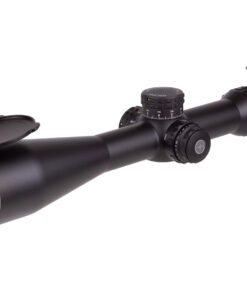
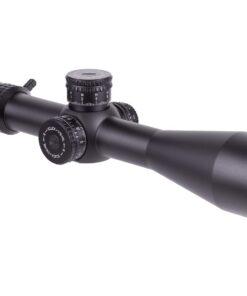
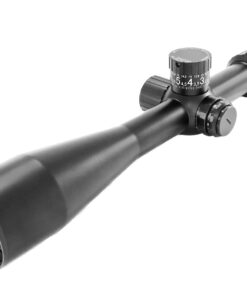
The Vortex Venom scope has been designed for shooters who want dependable optical performance, practical adjustment features, and durable construction without unnecessary complexity. From long-range target shooting to precision-oriented recreational use, excellent visibility, repeatable adjustments, and dependable tracking are provided in a streamlined riflescope platform.
A clear sight picture can be maintained across different magnification settings, while fine aiming references can be used when greater precision is required. In addition, rugged materials are incorporated throughout the optic so dependable performance can be maintained when equipment is exposed to regular field use.
Because consistency matters whenever distance increases, the Vortex Venom scope has been engineered around practical features that support accurate aiming, easier corrections, and improved shot-to-shot confidence.
Why Choose a Vortex Venom Scope?
Reliable optical equipment can make target acquisition and adjustment significantly easier. Therefore, the Vortex Venom scope has been configured to deliver a balance between optical clarity, mechanical precision, and user-friendly controls.
Rather than overwhelming the shooter with unnecessary features, important controls are positioned where they can be accessed efficiently. Meanwhile, the optical system is designed to produce a bright and detailed sight picture, helping targets remain visible across changing shooting conditions.
Furthermore, elevation and windage corrections can be applied with improved confidence because tactile turret adjustments are provided. As a result, shooters can spend more time concentrating on technique, positioning, and accurate hold placement.
Key Features and Benefits
- Clear optical performance – A detailed sight picture is provided for easier target identification.
- Useful magnification range – Greater flexibility is offered for medium- and longer-distance shooting.
- Precision adjustment turrets – Elevation and windage corrections can be applied accurately.
- First focal plane reticle options – Reticle subtensions can remain useful throughout the magnification range on applicable models.
- Side focus adjustment – Parallax can be reduced for improved aiming precision at varying distances.
- Durable housing – Rugged construction is provided for dependable everyday use.
- Weather-resistant design – Internal components are protected against challenging environmental conditions.
- Comfortable eye relief – A natural shooting position can be maintained more easily.
- Fast-focus eyepiece – Reticle sharpness can be adjusted according to the shooter’s eyesight.
- Vortex-backed construction – Long-term ownership confidence is enhanced by the brand’s established optics support.
Optical Clarity for Detailed Target Identification
Good long-range performance begins with a clear image. For that reason, quality glass and lens treatments are incorporated into the Vortex Venom scope to improve light transmission and image definition.
Targets can therefore be distinguished more effectively from surrounding backgrounds. Additionally, glare and unwanted reflections can be reduced, allowing a cleaner viewing experience to be maintained during bright outdoor conditions.
Contrast is also important when smaller targets are being viewed at increased distances. Consequently, visual details are preserved so aiming points can be identified with greater confidence.
Although lighting conditions may change throughout a shooting session, usable brightness is maintained across the optical system. Thus, the scope can remain practical during early-morning range sessions, overcast conditions, or brighter afternoon environments.
Designed for Precision at Extended Distances
Longer shooting distances require more than magnification alone. Proper elevation adjustment, parallax control, and reliable reticle references must also be provided.
With the Vortex Venom scope, these important functions are brought together in a practical precision-oriented design. Elevation can be adjusted through clearly defined turret movements, while windage corrections can be made whenever changing environmental conditions must be accounted for.
At the same time, the side-focus control can be adjusted to reduce parallax error. Consequently, the reticle and target image can be aligned more effectively when precision matters.
Easy-to-Use Turret Adjustments
Accurate turret tracking is especially valuable when different shooting distances are being used. Therefore, adjustments are designed to feel positive and repeatable.
Instead of relying exclusively on visual estimation, shooters can dial calculated corrections directly into the optic. Once a preferred zero has been established, adjustments can be referenced more efficiently during future shooting sessions.
Furthermore, the exposed turret layout allows changes to be made without complicated access procedures. As a result, the optic remains suitable for shooters who frequently move between targets positioned at different distances.
Practical Reticle Performance
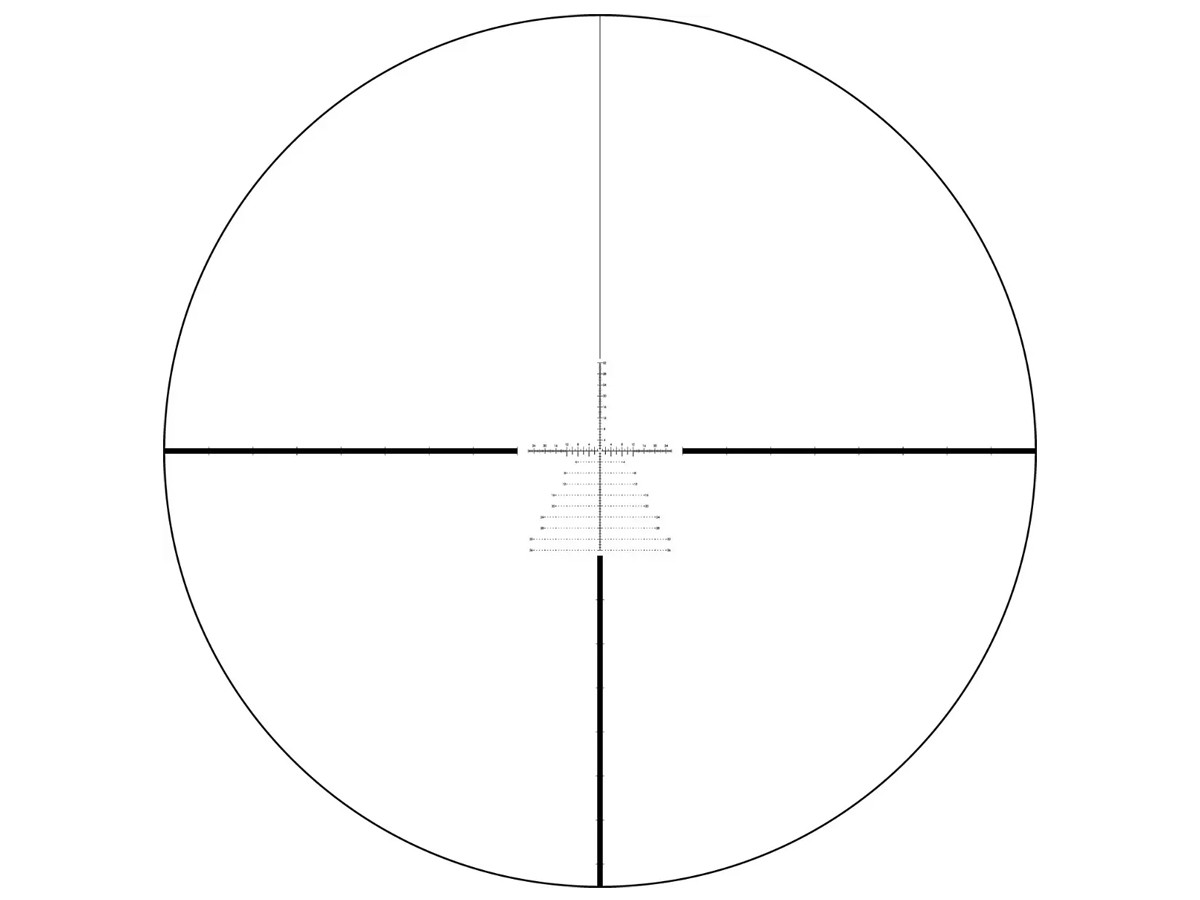
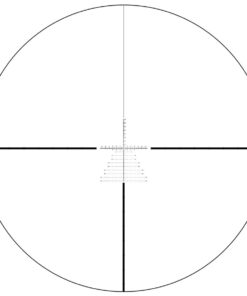
A useful reticle should assist aiming without unnecessarily obstructing the target. Accordingly, reticle designs offered within the Vortex Venom scope range are intended to support precision corrections and holdovers.
On first focal plane configurations, reticle markings remain proportionally consistent relative to the target as magnification is changed. Therefore, subtension-based measurements can continue to be used throughout the available magnification range.
This feature can be especially helpful when elevation or wind corrections are being estimated quickly. Meanwhile, the reticle remains detailed enough for precise aiming while still providing a usable overall field of view.
Side Focus and Parallax Control
Parallax becomes increasingly important when precision is required over changing distances. Consequently, a dedicated side-focus adjustment is provided on compatible Vortex Venom scope models.
By adjusting the side focus according to target distance, apparent reticle movement can be minimized when eye position shifts slightly behind the optic. Therefore, greater consistency can be achieved during carefully aimed shots.
In addition, the control can be reached from a normal shooting position. Adjustments can therefore be made without significantly disturbing the shooter’s setup.
Rugged Construction for Dependable Performance
Optics can be exposed to vibration, impact, temperature variation, moisture, and regular transportation. Because of this, the Vortex Venom scope has been constructed with durability as an important consideration.
A robust main tube helps maintain structural stability, while internal components are protected from typical environmental exposure. Furthermore, weather-resistant sealing is used so performance can be preserved when conditions become less predictable.
The exterior finish is also designed to tolerate normal handling and repeated mounting use. As a result, the scope can be confidently incorporated into a regularly used shooting setup.
Built for Consistent Zero Retention
Maintaining zero is essential for dependable accuracy. Therefore, internal adjustment systems are engineered so the selected point of impact can remain stable once the optic has been properly mounted and zeroed.
Of course, correct ring installation and torque specifications should always be followed. Once installation has been completed correctly, however, reliable performance can be maintained across repeated shooting sessions.
Comfortable Viewing and Faster Target Acquisition
Eye position can significantly influence the overall shooting experience. Consequently, practical eye relief has been incorporated to make proper alignment easier.
Meanwhile, the fast-focus eyepiece allows reticle sharpness to be customized according to individual vision. A crisp reticle image can therefore be achieved without unnecessary difficulty.
When magnification must be adjusted, controls can also be operated efficiently. Thus, users can transition between wider target awareness and more detailed high-magnification viewing according to the situation.
Ideal for Range and Precision Shooting Applications
The Vortex Venom scope can be considered by shooters who want a feature-rich optic for precision-oriented shooting environments. Its combination of magnification, turret adjustments, parallax control, and reticle functionality makes it particularly useful when targets are placed at varying distances.
It may be well suited for:
- Precision target shooting
- Long-range recreational shooting
- Bench shooting
- Competition-style practice
- Steel target shooting
- Distance training
- Controlled outdoor range use
- Shooters developing ballistic correction skills
Because different Venom configurations may feature different magnification ranges and reticles, specifications should always be checked before a particular model is selected.
A Strong Balance of Performance and Value
Premium long-range optics can become expensive quickly. However, many shooters primarily need clear glass, functional turrets, useful reticle markings, and dependable construction rather than unnecessary luxury features.
The Vortex Venom scope has been positioned to provide that practical balance. Optical quality and adjustment capability are emphasized, while the overall design remains approachable for shooters progressing into longer-range disciplines.
Moreover, features normally associated with more advanced precision optics can be accessed without making the scope excessively complicated. Therefore, both experienced shooters and users developing their long-range skills can benefit from the platform.
Buy the Vortex Venom Scope with Confidence
When reliable adjustments, useful magnification, and clear target visibility are required, the Vortex Venom scope offers a compelling combination of features.
Precision-focused controls are provided, durable construction is incorporated, and practical optical performance is delivered for demanding range applications. Furthermore, the straightforward layout allows essential adjustments to be learned and used without unnecessary complexity.
Whether a new precision setup is being assembled or an existing optic is being upgraded, the Vortex Venom can provide the functionality needed for more confident shooting at distance.
Choose the Vortex Venom scope when dependable optics, repeatable adjustments, practical reticle performance, and strong overall value are priorities.
Premium Rangefinding Binoculars, Precision Riflescopes and Advanced Hunting Optics
Modern optical technology gives hunters, sport shooters, wildlife observers, and outdoor enthusiasts more ways to identify distant targets, measure range, and achieve a clearer field of view. Premium Leica rangefinder binoculars remain highly regarded for combining observation and ranging technology in one compact optical platform. Popular searches include Leica Geovid 10×42 rangefinder binoculars, Leica Geovid binoculars, Leica binoculars with rangefinder, Leica Geovid Pro 10×42, and Geovid Pro 10×42. Whether someone is researching a Leica Geovid rangefinder, Leica Geovid Pro rangefinder binoculars, Leica Geovid rangefinder binoculars, or the classic Leica Geovid 10×42, the Geovid family is commonly associated with high-quality glass, strong optical clarity, and practical long-distance observation.
Beyond rangefinding models, the wider Leica binoculars collection appeals to users searching for Leica small binoculars, binoculars Leica, Leica Geovid binos, Leica bino, Leica binoculars for sale, Leica bino rangefinder, Leica camera binoculars, Leica binos, or simply a Leica binocular for travel, field observation, wildlife viewing, and outdoor use. Different magnification formats, including 10×40, can suit users who want a balance between detail, portability, and field of view.
Alternative electronic binocular technologies are also becoming increasingly popular. Searches for SIG Sauer binoculars, SIG self stabilizing binoculars, SIG Sauer binos, SIG binoculars, SIG image stabilizing binoculars, SIG binocular, and SIG auto stabilizing binoculars reflect growing interest in electronically assisted viewing. Likewise, SIG Sauer self stabilized binoculars and SIG Sauer image stabilized binoculars can appeal to users who want reduced visual movement during handheld observation. Some buyers may also encounter broader search variations such as Sigma binoculars or specification terms like 11.5ee while comparing different optical products.
Precision aiming optics occupy another major part of the premium optics market. A Zeiss red dot offers a different sighting concept from traditional magnified optics, while the Nightforce ATACR line is frequently researched by users interested in premium long-range scopes. Common variants include Nightforce ATACR 5-25×56 F2, Nightforce ATACR 4-20×50, Nightforce ATACR 5-25×56 F1, and Nightforce ATACR 4-16×50. Related searches such as Night Force ATACR, ATACR scope, Nightforce attacker, ATACR 4-20, and Nightforce ATACR 4 20×50 F1 often appear when buyers are comparing magnification ranges, focal-plane configurations, turret systems, and optical performance.
At the higher end of precision optics, Tangent Theta products are frequently associated with specialist applications requiring refined mechanical adjustment and premium optical performance. Users may search for Tangent Theta scopes, Tangent scope, Tangent scopes, Theta optics, Tangent Theta scope, and Tangent optics while researching high-performance long-range systems.
The market also includes companies such as Fierce Firearms, Fierce Arms, and Fierce Optics, which may appear in searches involving hunting equipment and optical accessories. Within the Athlon category, meanwhile, one of the more detailed product searches is Midas TAC Gen2 HD 6-24×50 APLR15 FFP MOA reticle riflescope. The broader Athlon Midas TAC family, including Athlon Midas TAC 6-24×50, is often considered by users who want substantial magnification and adjustable target-focused features.
For shooters comparing larger objective and magnification configurations, terms such as 34 56, 34×56, Athlon Argos BTR Gen2 8-34×56, Athlon BTR Gen 2, Athlon Argos BTR Gen2, Athlon Argos BTR, and Athlon Argos BTR Gen 2 commonly appear during product research. Search variations such as Athalon scopes and Athens scope may also lead shoppers toward Athlon products when researching a new gun scope, Icarus scope, longest range scope, or general hunting optic.
Anyone learning how to buy a rifle scope should compare magnification range, objective diameter, reticle design, adjustment system, eye relief, optical quality, focal-plane configuration, overall weight, and intended sporting application. Terms such as AO scope can refer to adjustable-objective configurations, while models in the Athlon Ares BTR family provide additional options for users exploring precision-oriented optics.
Mid-range magnification searches frequently include 2.5×15, Avalon Aries, 2.5/15, Athlon BTR Gen 2, Athlon scopes review, Athlon reticles, 2.5-15 scope, and repeated comparisons involving Athlon Argos BTR Gen2 8-34×56 or 34×56 configurations. These searches demonstrate how buyers often compare reticles, magnification ratios, objective sizes, and scope families rather than selecting an optic solely by maximum magnification.
Low-power variable optics are another major category. Searches such as 1 10 scope, Ares ETR 1 10, 1 10 LPVO, 1-10 LPVO, 1-10 FFP LPVO, 1×10 scope, Athlon ETR, LPVO 1-8, LPVO 1-10, and 1-10 rifle scope reflect demand for versatile magnification systems. An LPVO allows users to move between low magnification for a broad field of view and higher magnification for improved observation at extended distances, making the format useful across several sporting disciplines.
For greater magnification, the Ares ETR Gen2 UHD 4.5-30×56 APRS12 FFP IR MIL reticle represents another precision-focused configuration within the Athlon range. Related product searches include Athlon 4.5-30×56, 4.5 30, Athlon ETR, and 4.5/30. The large 56 mm objective and broad magnification range make this type of optic particularly relevant to users comparing long-distance target and field optics.
Other searches such as 14×44, 2s14, Athlon BTR 2-12, 1/2×42, Athlon BTR Gen 2, 12×4.2, 2-12x, and Athlon 2 demonstrate continued demand for more compact variable-magnification formats. A 2-12x configuration, for example, can provide a useful compromise between field of view and magnified observation without requiring the size or weight of a very high-magnification optic.
Ultimately, premium optics cover far more than a single product category. Leica rangefinder binoculars and Leica Geovid binoculars combine observation with distance measurement, while stabilized SIG Sauer binoculars emphasize steady handheld viewing. Meanwhile, Nightforce ATACR, Tangent Theta scopes, and Athlon families such as the Midas TAC, Argos BTR, Ares BTR, and Ares ETR provide a wide range of magnification, reticle, and focal-plane options. By comparing optical clarity, magnification range, objective diameter, reticle format, adjustment system, physical dimensions, and intended sporting use, buyers can narrow a broad optics market into products that better match their individual requirements.
Frequently Asked Questions
1. What type of shooting is this riflescope best suited for?
This riflescope is primarily designed for precision-oriented recreational shooting, target practice, bench shooting, steel target engagement, and longer-distance range use. Its magnification capability, adjustment system, reticle design, and parallax controls make it particularly useful when targets are positioned at varying distances.
Furthermore, shooters who are learning how to use elevation adjustments, wind corrections, and holdover references can benefit from the practical control layout. Because the optic combines accessible controls with precision-focused features, it can also be suitable for users who are progressing from basic scopes into more advanced long-range optics.
Ultimately, suitability depends on the exact model, firearm compatibility, intended shooting distance, and personal preference.
2. Is this optic suitable for long-range shooting?
Yes, the optic has been designed with features that support longer-distance shooting. Depending on the configuration, a broad magnification range, exposed adjustment turrets, side-focus control, and a detailed reticle can be provided.
At longer distances, bullet drop, wind, parallax, and target size become increasingly important. Therefore, having an optic that allows precise corrections can significantly improve consistency.
However, accurate long-range shooting also depends on ammunition consistency, firearm performance, mounting quality, environmental conditions, and shooter technique. The scope can provide the visual and adjustment capabilities required, but proper training and a correctly configured setup remain equally important.
3. Does the riflescope provide good image clarity?
Clear image quality is one of the important characteristics of this optic. Lens coatings are used to improve light transmission, contrast, and visual detail while helping to reduce unwanted reflections.
As a result, targets can be identified more easily across a variety of lighting conditions. Furthermore, good contrast can help the target remain distinguishable from surrounding terrain or range backgrounds.
Image brightness may naturally vary depending on magnification, weather, available light, and target distance. Nevertheless, the optical system is designed to provide a clean and practical sight picture throughout its usable magnification range.
4. What is the advantage of a first focal plane reticle?
A first focal plane reticle changes apparent size together with the target image as magnification is increased or decreased. Because of this, the relationship between the reticle markings and the target remains consistent across the magnification range.
This can be particularly helpful when reticle subtensions are being used for holdovers, range estimation, or wind corrections. Instead of having to use a specific magnification setting for accurate subtension measurements, those markings can remain proportionally useful throughout the available zoom range.
For precision shooters, this flexibility can make corrections faster and more intuitive, especially when different target distances are encountered during the same shooting session.
5. Why is side-focus adjustment important?
Side focus is used to help reduce parallax error and improve target-image sharpness at different distances. Parallax occurs when the reticle appears to shift relative to the target because the shooter’s eye has moved slightly behind the optic.
When the side-focus control is adjusted correctly, the target and reticle can be brought more closely onto the same optical plane. Consequently, apparent movement can be reduced and more consistent aiming can be achieved.
This feature becomes especially valuable at longer ranges, where even small aiming inconsistencies may produce noticeable changes in point of impact.
6. How should the riflescope be mounted correctly?
The optic should be mounted using rings and bases that are compatible with both the firearm and the scope’s tube diameter. Before installation, the firearm should be unloaded and handled according to all applicable safety procedures.
Ring spacing should be selected carefully so the scope can be positioned without contacting adjustment components. Eye relief should then be established from a normal shooting position before the rings are fully tightened.
Additionally, the reticle should be leveled so vertical and horizontal references remain correctly aligned. Manufacturer-recommended torque specifications should be followed to prevent damage caused by excessive tightening.
Professional installation may be considered when the user is unfamiliar with scope mounting or alignment.
7. Will the optic hold zero after repeated use?
The riflescope is designed to provide reliable zero retention when it has been correctly mounted and properly adjusted. However, several factors can influence whether zero remains consistent.
Loose rings, improperly torqued mounts, damaged bases, ammunition changes, or impact to the firearm can all cause the point of impact to shift. Therefore, mounting hardware should be inspected periodically.
If an unexpected change in accuracy occurs, the mounting system should be checked before assuming the optic itself has developed a problem.
When installed correctly and used within appropriate operating conditions, dependable adjustment retention should be expected.
8. How do elevation and windage turrets work?
Elevation and windage turrets allow the reticle position to be adjusted relative to the firearm’s point of impact. Elevation adjustments move the point of impact vertically, while windage adjustments move it horizontally.
During zeroing, corrections can be made until the group aligns with the intended aiming point. Later, elevation may be dialed for different shooting distances, while windage may be adjusted when environmental conditions require compensation.
Each turret click represents a specific angular adjustment. Users should confirm whether their particular model uses MOA, MRAD, or another system before making calculated corrections.
9. Is the scope suitable for beginners?
Yes, beginners can use this optic, particularly when they are interested in learning precision shooting techniques. Although several advanced features may be included, the controls remain relatively straightforward once their functions are understood.
New users should first become familiar with proper mounting, zeroing, magnification adjustment, side focus, turret operation, and reticle use.
Rather than attempting to master every feature immediately, beginners can start with basic zeroing and target practice. Additional functions can then be introduced gradually.
Because the optic offers room for skill development, it can remain useful as the shooter’s understanding of longer-distance shooting improves.
10. What magnification should be used for target shooting?
The most suitable magnification depends on target size, distance, shooting position, available light, and personal preference.
Lower magnification generally provides a wider field of view, which can make target acquisition easier. Higher magnification can provide more target detail and may be preferred when shooting at smaller targets or longer distances.
However, maximum magnification is not always necessary. Increased magnification can make movement more noticeable, reduce the visible field, and make atmospheric distortion easier to see.
Many shooters therefore use enough magnification to identify the target clearly while still maintaining a comfortable and stable sight picture.
11. How should the fast-focus eyepiece be adjusted?
The fast-focus eyepiece is used to make the reticle appear sharp according to the user’s eyesight.
For proper adjustment, the scope should be pointed toward a plain, bright background rather than a detailed target. The user should briefly look through the optic and determine whether the reticle appears sharp.
If the reticle seems blurred, the eyepiece can be adjusted gradually until a crisp appearance is achieved.
Because the eye naturally tries to compensate for blur, long viewing periods should be avoided during this process. Quick checks can provide a more accurate indication of reticle sharpness.
Once adjusted, the eyepiece generally does not need frequent changes unless another shooter uses the optic.
12. Can the riflescope be used in changing weather conditions?
The optic is designed to tolerate typical outdoor shooting conditions. Durable construction and protective sealing help safeguard internal components against environmental exposure.
Nevertheless, no precision optic should be treated carelessly. Excessive impact, prolonged water exposure, improper storage, or extreme temperature changes can potentially affect performance.
After use in wet or dusty environments, the exterior should be cleaned carefully and allowed to dry before storage.
Lens covers can also be used when the scope is being transported. Proper maintenance will help preserve optical clarity, adjustment reliability, and exterior condition over time.
13. How should the lenses be cleaned?
Loose dust and debris should first be removed using an appropriate lens brush or air blower. This helps prevent particles from scratching the lens surface during wiping.
After loose material has been removed, a clean microfiber lens cloth can be used gently. If additional cleaning is required, a suitable optical lens-cleaning solution may be applied according to the product instructions.
Household glass cleaners, rough fabric, paper towels, and abrasive materials should be avoided because lens coatings may be damaged.
Regular but careful cleaning can help preserve clarity without unnecessarily wearing the protective coatings.
14. What is eye relief and why does it matter?
Eye relief refers to the distance between the shooter’s eye and the rear lens at which the complete sight picture can be seen.
Proper eye relief allows a natural shooting position to be maintained and helps reduce the risk of contact between the optic and the shooter’s face during recoil.
During installation, the scope should therefore be positioned while the shooter assumes a normal firing posture. The optic should not have to be moved excessively forward or backward with the head to obtain a complete image.
Correct eye relief also improves comfort and helps produce more consistent head positioning.
15. What should be checked before the first range session?
Before the first range session, mounting hardware should be inspected carefully. Rings and bases should be secure, the reticle should be level, and comfortable eye relief should be established.
The bore and firearm should also be checked according to standard safety procedures.
If possible, initial bore sighting can be performed before live firing. This can help place the first shots closer to the intended target area and reduce unnecessary ammunition use.
Additionally, turret directions, adjustment values, reticle units, and side-focus controls should be understood beforehand.
A controlled zeroing session can then be completed before longer-distance adjustments are attempted.
16. How often should the mounting system be checked?
Mounts do not necessarily require constant adjustment, but they should be inspected periodically.
A check is particularly useful after transportation, a significant impact, heavy use, or an unexpected change in point of impact. Screws should be examined for loosening, but they should not be repeatedly overtightened.
Using the correct torque during installation can help maintain consistent clamping pressure.
If thread-locking products are recommended by the mount manufacturer, only the appropriate type and amount should be used.
Regular inspection is a simple way to protect both accuracy and equipment reliability.
17. What causes a blurry image at high magnification?
Several factors can contribute to a blurry or unstable image. Incorrect side-focus adjustment is one common cause. Atmospheric conditions, heat shimmer, poor lighting, target distance, and incorrect eye position can also influence visual quality.
At higher magnification, these effects become more noticeable.
The user should first verify that the eyepiece is correctly focused for the reticle. Afterwards, side focus can be adjusted until the target becomes sharp and parallax is minimized.
If heat waves are visible across a range, slightly reducing magnification may provide a cleaner and more usable image.
18. Can the optic be used without constantly adjusting the turrets?
Yes. Turret dialing is only one method of making aiming corrections.
Once the firearm has been zeroed, reticle holdover references can sometimes be used instead of adjusting the turrets for every target distance. Some shooters prefer dialing elevation, while others prefer holding with the reticle.
The chosen method depends on the reticle design, shooting style, target distance, and available time.
Learning both approaches can provide greater flexibility because different shooting situations may favor different correction methods.
19. How can the scope’s service life be extended?
Proper installation, careful handling, and routine maintenance are the most effective ways to preserve the optic.
Protective caps should be used during transport whenever possible. Lenses should be cleaned only when necessary and with appropriate optical tools.
The scope should also be stored in a dry environment away from prolonged moisture exposure. Mounting hardware should be inspected periodically, while unnecessary disassembly should be avoided.
Furthermore, extreme impacts should be prevented because precision internal mechanisms can be affected by severe physical damage.
With sensible care, reliable performance can be maintained for many shooting sessions.
20. Is this riflescope a good value for precision shooters?
For shooters seeking a combination of optical clarity, useful magnification, accessible controls, detailed reticle functionality, and durable construction, the platform can provide strong overall value.
Its feature set allows users to develop important precision-shooting skills without immediately moving into significantly more expensive premium optics.
Additionally, the combination of side focus, turret adjustments, and reticle references creates a versatile setup for users who regularly shoot at changing distances.
As always, the best purchase depends on individual requirements, firearm compatibility, preferred adjustment system, intended shooting distance, and budget. Comparing the exact model specifications before purchasing will ensure that the optic matches the user’s intended application.
Practical Use Scenario
Imagine arriving at an outdoor shooting range early in the morning with a precision rifle already fitted with a properly mounted optic. Targets have been positioned at several distances, beginning at 100 yards and extending farther downrange. Before shooting begins, the equipment is inspected, the firearm is confirmed safe, and the optic’s mounting hardware is checked for proper alignment.
Establishing a Reliable Zero
The first stage involves confirming zero at a known distance. A clear target is selected, and the magnification is adjusted to provide enough detail without excessively reducing the field of view. Next, the side-focus control is fine-tuned until the target appears sharp and apparent reticle movement is minimized.
A carefully supported shooting position is then established. After a small group is fired, the point of impact is compared with the intended aiming point. If corrections are needed, the elevation and windage turrets are adjusted according to the measured displacement.
Another group is fired afterward to confirm the correction. Because repeatable adjustments are provided, the process can be completed efficiently without unnecessary guesswork.
Moving to a Longer-Distance Target
Once the zero has been confirmed, attention is shifted to a target positioned farther downrange. Magnification is increased gradually so additional target detail can be seen. However, maximum magnification is not automatically selected. Instead, a setting is chosen that provides a stable sight picture while still allowing the target surroundings to remain visible.
The side-focus adjustment is then corrected for the new distance. As a result, the target becomes sharper and the reticle can be positioned more consistently.
A previously calculated elevation correction is applied through the turret. Alternatively, an appropriate reticle reference can be used when holdover is preferred. This allows the shooter to adapt the optic to different shooting techniques without changing the overall setup.
Adapting to Changing Wind Conditions
Later in the session, a light crosswind begins moving across the range. Wind indicators and environmental movement are observed before another shot is taken.
Rather than changing the rifle setup completely, a measured horizontal correction can be applied. Depending on the shooter’s preferred method, the windage turret may be adjusted or a reticle reference may be used.
After each group, impact location is reviewed and minor corrections are made when required. Through this process, the optic becomes more than a simple magnification device. It functions as an important reference system for managing elevation, wind, and target distance.
Working Across Multiple Targets
As the session continues, several steel targets at different ranges are engaged. Lower magnification is used when a wider field of view is helpful, while higher magnification is selected for smaller or more distant targets.
Because adjustments can be accessed from the shooting position, transitioning between distances becomes more efficient. The shooter can concentrate on breathing, trigger control, body position, and consistent eye placement rather than struggling with complicated optic controls.
When returning to the original zero distance, previously applied turret corrections are reversed. A confirmation group is then fired to verify that the original point of impact has been maintained.
End-of-Session Care
After shooting has finished, the firearm is unloaded and handled according to established safety procedures. The optic is inspected for dust, moisture, or debris. Loose particles are removed carefully, while the lenses are left untouched unless cleaning is necessary.
Protective covers are installed before transportation, and the equipment is stored securely in a dry environment.
In this type of practical range scenario, the optic provides a useful combination of magnification, parallax control, reticle references, and repeatable adjustments. More importantly, these features allow the shooter to work methodically across different distances while maintaining a consistent and organized precision-shooting setup.

Reviews
There are no reviews yet.