Hawke Sidewinder 30 SF IR 6.5-20×44 AO 20x Half Mil
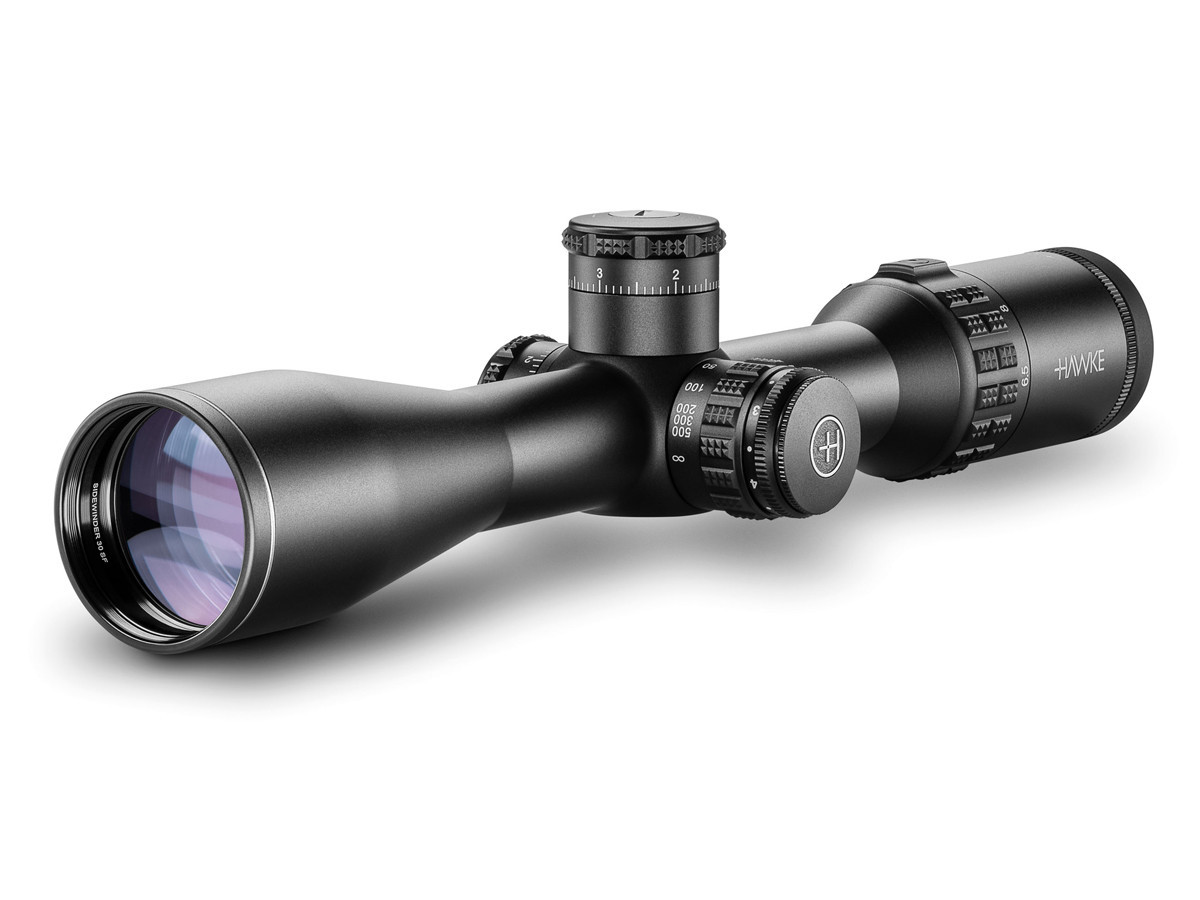
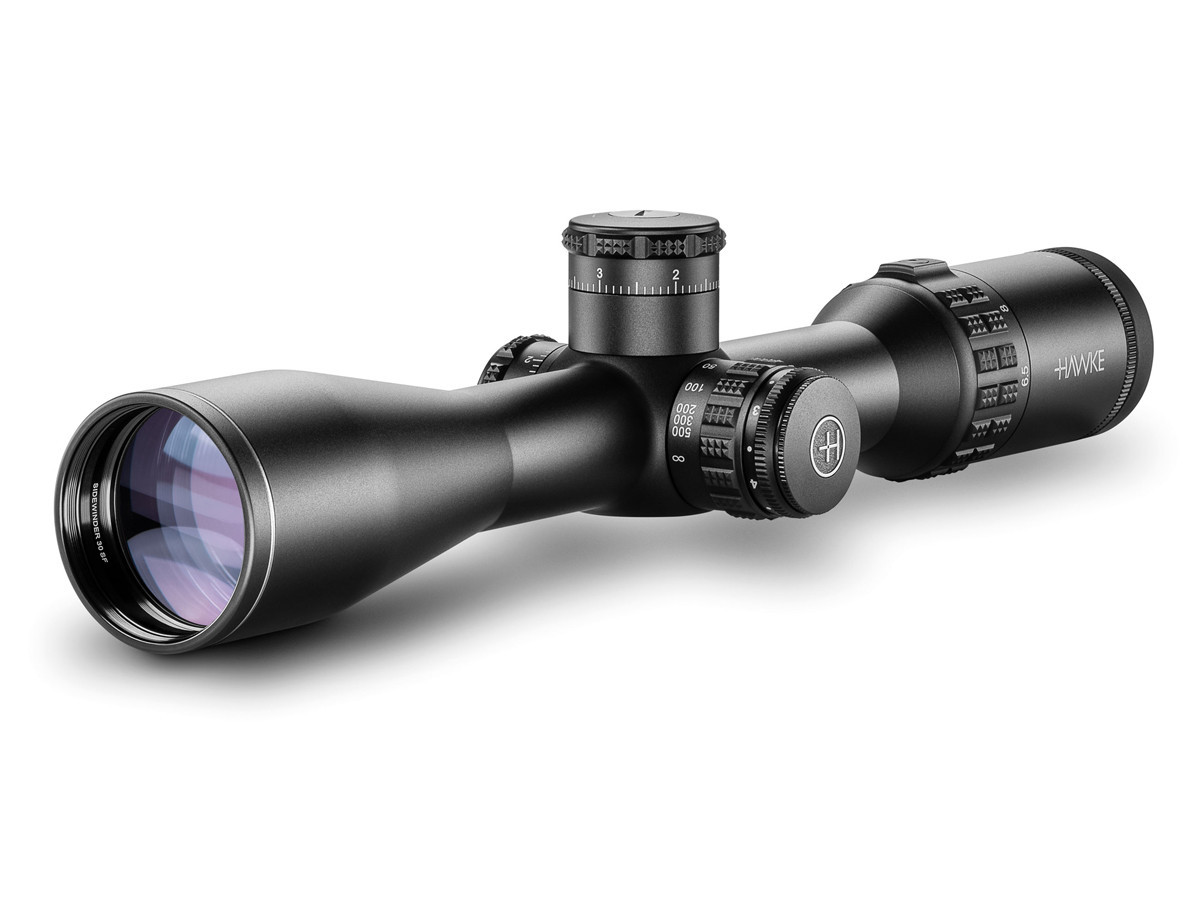
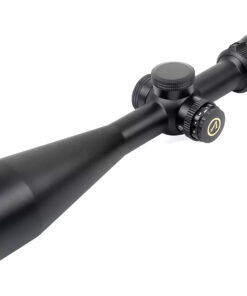
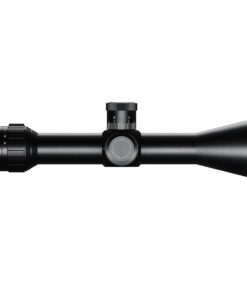
The Hawke Sidewinder 30 SF IR 6.5-20×44 AO 20x Half Mil has been engineered for shooters who demand precision, optical clarity, dependable adjustment, and versatile magnification from a premium riflescope. Whether detailed target work is being carried out at the range or accuracy is required across changing outdoor distances, this optic offers a refined combination of magnification, side-focus control, illumination, and a highly practical Half Mil reticle.
A 6.5-20x magnification range is provided, while a 44 mm objective lens helps maintain a useful balance between light transmission and manageable overall dimensions. Furthermore, a robust 30 mm one-piece main tube has been incorporated, allowing dependable mounting while supporting a generous internal adjustment system. The model measures approximately 339 mm and weighs around 680 g, so substantial optical capability is delivered without excessive bulk.
Precision Optics Designed for Detailed Viewing
Image quality remains one of the strongest reasons to choose the Hawke Sidewinder 30 SF IR 6.5-20×44 AO 20x Half Mil. At lower magnification, a broader field can be observed and targets can be acquired more comfortably. Meanwhile, as magnification is increased toward 20x, smaller details can be examined more precisely.
Therefore, the scope can be adapted to different shooting distances instead of being limited to a single role. At 100 metres, the field of view ranges from approximately 6.5 m at lower magnification to around 2.1 m at maximum magnification. In addition, approximately 100–102 mm of eye relief is provided, helping a comfortable shooting position to be maintained.
Because optical performance is supported by careful focusing control, the image can also be refined for the selected distance. Consequently, distracting parallax effects can be reduced while target detail is kept sharp.
Side Focus for Greater Control
A convenient side-focus adjustment has been included, allowing focus and parallax correction to be managed without requiring the shooter to reach around the objective lens. Therefore, adjustments can be made more naturally while the rifle remains in position.
The supplied side wheel further improves adjustment control by making smaller focus changes easier to perform. This feature can be particularly useful when targets are positioned at varying distances and accurate range-related focus becomes important.
As a result, the riflescope feels suitable not only for general recreational shooting but also for more deliberate precision applications.
20x Half Mil Reticle for Accurate Holdover Reference
At the heart of the optic is the 20x Half Mil reticle positioned in the second focal plane. The graduated aiming pattern can be used as a visual reference for elevation compensation, wind correction, and calculated aiming points.
Because the reticle is positioned in the second focal plane, its apparent size remains constant as magnification is adjusted. Meanwhile, the mil-based spacing is calibrated for its designated magnification setting. Shooters who understand their trajectory information can therefore use the markings to establish repeatable holdover references rather than relying only on turret adjustment.
Moreover, the Half Mil layout provides intermediate reference points between full mil values. Consequently, more precise corrections can be estimated when a complete mil of adjustment would be excessive.
Illuminated Reticle for Changing Light
Reticle illumination has also been incorporated into the Hawke Sidewinder 30 SF IR 6.5-20×44 AO 20x Half Mil. This illuminated configuration improves reticle visibility when the background becomes dark, cluttered, or difficult to distinguish.
Rather than overpowering the sight picture, illumination can be used when additional contrast is required. Therefore, aiming references remain easier to identify under changing environmental conditions.
A CR2032 battery is included with listed packages from retailers, together with useful accessories such as lens protection, a lens cloth, sunshade, side wheel, and magnification lever.
Strong 30 mm Construction
Durability has been prioritized through the use of a 30 mm main tube. This format provides a strong mounting platform while also giving the internal adjustment system adequate working space.
At the same time, the scope remains proportioned for rifles where a huge objective lens may not be desirable. The 44 mm objective therefore provides a practical middle ground between optical performance, mounting height, handling, and overall weight.
Controls have also been arranged for straightforward access. Consequently, magnification, focus, illumination, elevation, and windage can all be managed without making the optic unnecessarily complicated.
Key Features at a Glance
- 6.5-20x variable magnification for medium- to longer-range observation
- 44 mm objective lens for a balanced combination of light gathering and compact dimensions
- 30 mm one-piece main tube for strong, stable mounting
- 20x Half Mil illuminated reticle for precise aiming references
- Second focal plane configuration for a consistently sized reticle throughout the magnification range
- Side-focus adjustment for convenient parallax and image refinement
- Approximately 100–102 mm eye relief for comfortable viewing
- Field of view of approximately 6.5-2.1 m at 100 m
- Approximately 339 mm overall length
- Approximately 680 g weight
- Illuminated reticle system
- Supplied accessories may include CR2032 battery, lens cloth, protective caps, 4-inch sunshade, 2-inch side wheel, magnification lever, and documentation
Built for Shooters Who Value Repeatability
Consistency can be especially important when an optic is being used repeatedly at known ranges. Therefore, the Sidewinder platform has been designed around controllable adjustment and an aiming system that supports repeatable references.
Instead of offering extreme magnification simply for specification appeal, the 6.5-20x range remains highly usable. Lower magnification can be selected when a wider visual area is needed, whereas 20x can be selected when finer target details need to be resolved.
Similarly, the Half Mil reticle gives shooters several reference marks that can be incorporated into established ballistic data. Once suitable aiming points have been confirmed, transitions between known distances can be handled more efficiently.
Comfortable Observation Through a Generous Eyebox
A riflescope must allow the shooter to establish a consistent viewing position. With approximately 4 inches of eye relief, comfortable alignment can be achieved while a clear sight picture is maintained.
This generous distance also allows shooting posture and rifle setup to be adapted more easily. Consequently, the optic can be integrated into a variety of compatible configurations without forcing an unnaturally close eye position.
Excellent Balance Between Power and Practicality
Large long-range optics can sometimes become unnecessarily heavy or cumbersome. However, the Hawke Sidewinder 30 SF IR 6.5-20×44 AO 20x Half Mil takes a more balanced approach.
Its 44 mm objective helps keep the profile relatively manageable, while the 20x maximum magnification still provides substantial target enlargement. Meanwhile, side focus, illumination, Half Mil references, and a 30 mm tube provide the features commonly expected from a precision-oriented optic.
For that reason, it can appeal to target shooters, airgun enthusiasts, recreational precision shooters, and users looking for an optic capable of performing across multiple distances.
Why Choose the Hawke Sidewinder 30 SF IR 6.5-20×44 AO 20x Half Mil?
Choosing a riflescope often involves balancing clarity, magnification, adjustment control, reticle design, dimensions, and usability. With this Sidewinder configuration, each element has been combined into a cohesive package.
Firstly, the variable magnification range allows different target distances to be addressed. Secondly, side focus helps improve image sharpness and parallax management. Furthermore, the illuminated Half Mil reticle provides useful aiming references when trajectory or wind correction needs to be considered.
Just as importantly, the manageable 44 mm objective avoids the excessive size associated with some high-magnification optics. As a result, the scope delivers serious precision-oriented capability while remaining practical to mount and operate.
A Refined Optic for Precision-Focused Shooting
For shooters who want a detailed sight picture, adaptable magnification, practical reticle references, and straightforward focusing control, the Hawke Sidewinder 30 SF IR 6.5-20×44 AO 20x Half Mil offers a compelling combination.
Its 6.5-20x magnification, 44 mm objective, 30 mm tube, side-focus system, illuminated 20x Half Mil reticle, and approximately 4-inch eye relief work together to create an optic designed around controlled, repeatable aiming.
Ultimately, dependable optical performance has been combined with versatile adjustment and an intelligently proportioned design. Therefore, whether targets are being observed at moderate distance or finer aiming references are required farther downrange, this Sidewinder provides the flexibility and precision expected from a premium Hawke riflescope.\
Hawke Sidewinder 30 SF IR 6.5-20×44 AO 20x Half Mil
The Hawke Sidewinder 30 SF IR 6.5-20×44 AO 20x Half Mil has been engineered for shooters who demand precision, optical clarity, dependable adjustment, and versatile magnification from a premium riflescope. Whether detailed target work is being carried out at the range or accuracy is required across changing outdoor distances, this optic offers a refined combination of magnification, side-focus control, illumination, and a highly practical Half Mil reticle.
A 6.5-20x magnification range is provided, while a 44 mm objective lens helps maintain a useful balance between light transmission and manageable overall dimensions. Furthermore, a robust 30 mm one-piece main tube has been incorporated, allowing dependable mounting while supporting a generous internal adjustment system. The model measures approximately 339 mm and weighs around 680 g, so substantial optical capability is delivered without excessive bulk.
Precision Optics Designed for Detailed Viewing
Image quality remains one of the strongest reasons to choose the Hawke Sidewinder 30 SF IR 6.5-20×44 AO 20x Half Mil. At lower magnification, a broader field can be observed and targets can be acquired more comfortably. Meanwhile, as magnification is increased toward 20x, smaller details can be examined more precisely.
Therefore, the scope can be adapted to different shooting distances instead of being limited to a single role. At 100 metres, the field of view ranges from approximately 6.5 m at lower magnification to around 2.1 m at maximum magnification. In addition, approximately 100–102 mm of eye relief is provided, helping a comfortable shooting position to be maintained.
Because optical performance is supported by careful focusing control, the image can also be refined for the selected distance. Consequently, distracting parallax effects can be reduced while target detail is kept sharp.
Side Focus for Greater Control
A convenient side-focus adjustment has been included, allowing focus and parallax correction to be managed without requiring the shooter to reach around the objective lens. Therefore, adjustments can be made more naturally while the rifle remains in position.
The supplied side wheel further improves adjustment control by making smaller focus changes easier to perform. This feature can be particularly useful when targets are positioned at varying distances and accurate range-related focus becomes important.
As a result, the riflescope feels suitable not only for general recreational shooting but also for more deliberate precision applications.
20x Half Mil Reticle for Accurate Holdover Reference
At the heart of the optic is the 20x Half Mil reticle positioned in the second focal plane. The graduated aiming pattern can be used as a visual reference for elevation compensation, wind correction, and calculated aiming points.
Because the reticle is positioned in the second focal plane, its apparent size remains constant as magnification is adjusted. Meanwhile, the mil-based spacing is calibrated for its designated magnification setting. Shooters who understand their trajectory information can therefore use the markings to establish repeatable holdover references rather than relying only on turret adjustment.
Moreover, the Half Mil layout provides intermediate reference points between full mil values. Consequently, more precise corrections can be estimated when a complete mil of adjustment would be excessive.
Illuminated Reticle for Changing Light
Reticle illumination has also been incorporated into the Hawke Sidewinder 30 SF IR 6.5-20×44 AO 20x Half Mil. This illuminated configuration improves reticle visibility when the background becomes dark, cluttered, or difficult to distinguish.
Rather than overpowering the sight picture, illumination can be used when additional contrast is required. Therefore, aiming references remain easier to identify under changing environmental conditions.
A CR2032 battery is included with listed packages from retailers, together with useful accessories such as lens protection, a lens cloth, sunshade, side wheel, and magnification lever.
Strong 30 mm Construction
Durability has been prioritized through the use of a 30 mm main tube. This format provides a strong mounting platform while also giving the internal adjustment system adequate working space.
At the same time, the scope remains proportioned for rifles where a huge objective lens may not be desirable. The 44 mm objective therefore provides a practical middle ground between optical performance, mounting height, handling, and overall weight.
Controls have also been arranged for straightforward access. Consequently, magnification, focus, illumination, elevation, and windage can all be managed without making the optic unnecessarily complicated.
Key Features at a Glance
- 6.5-20x variable magnification for medium- to longer-range observation
- 44 mm objective lens for a balanced combination of light gathering and compact dimensions
- 30 mm one-piece main tube for strong, stable mounting
- 20x Half Mil illuminated reticle for precise aiming references
- Second focal plane configuration for a consistently sized reticle throughout the magnification range
- Side-focus adjustment for convenient parallax and image refinement
- Approximately 100–102 mm eye relief for comfortable viewing
- Field of view of approximately 6.5-2.1 m at 100 m
- Approximately 339 mm overall length
- Approximately 680 g weight
- Illuminated reticle system
- Supplied accessories may include CR2032 battery, lens cloth, protective caps, 4-inch sunshade, 2-inch side wheel, magnification lever, and documentation
Built for Shooters Who Value Repeatability
Consistency can be especially important when an optic is being used repeatedly at known ranges. Therefore, the Sidewinder platform has been designed around controllable adjustment and an aiming system that supports repeatable references.
Instead of offering extreme magnification simply for specification appeal, the 6.5-20x range remains highly usable. Lower magnification can be selected when a wider visual area is needed, whereas 20x can be selected when finer target details need to be resolved.
Similarly, the Half Mil reticle gives shooters several reference marks that can be incorporated into established ballistic data. Once suitable aiming points have been confirmed, transitions between known distances can be handled more efficiently.
Comfortable Observation Through a Generous Eyebox
A riflescope must allow the shooter to establish a consistent viewing position. With approximately 4 inches of eye relief, comfortable alignment can be achieved while a clear sight picture is maintained.
This generous distance also allows shooting posture and rifle setup to be adapted more easily. Consequently, the optic can be integrated into a variety of compatible configurations without forcing an unnaturally close eye position.
Excellent Balance Between Power and Practicality
Large long-range optics can sometimes become unnecessarily heavy or cumbersome. However, the Hawke Sidewinder 30 SF IR 6.5-20×44 AO 20x Half Mil takes a more balanced approach.
Its 44 mm objective helps keep the profile relatively manageable, while the 20x maximum magnification still provides substantial target enlargement. Meanwhile, side focus, illumination, Half Mil references, and a 30 mm tube provide the features commonly expected from a precision-oriented optic.
For that reason, it can appeal to target shooters, airgun enthusiasts, recreational precision shooters, and users looking for an optic capable of performing across multiple distances.
Why Choose the Hawke Sidewinder 30 SF IR 6.5-20×44 AO 20x Half Mil?
Choosing a riflescope often involves balancing clarity, magnification, adjustment control, reticle design, dimensions, and usability. With this Sidewinder configuration, each element has been combined into a cohesive package.
Firstly, the variable magnification range allows different target distances to be addressed. Secondly, side focus helps improve image sharpness and parallax management. Furthermore, the illuminated Half Mil reticle provides useful aiming references when trajectory or wind correction needs to be considered.
Just as importantly, the manageable 44 mm objective avoids the excessive size associated with some high-magnification optics. As a result, the scope delivers serious precision-oriented capability while remaining practical to mount and operate.
A Refined Optic for Precision-Focused Shooting
For shooters who want a detailed sight picture, adaptable magnification, practical reticle references, and straightforward focusing control, the Hawke Sidewinder 30 SF IR 6.5-20×44 AO 20x Half Mil offers a compelling combination.
Its 6.5-20x magnification, 44 mm objective, 30 mm tube, side-focus system, illuminated 20x Half Mil reticle, and approximately 4-inch eye relief work together to create an optic designed around controlled, repeatable aiming.
Ultimately, dependable optical performance has been combined with versatile adjustment and an intelligently proportioned design. Therefore, whether targets are being observed at moderate distance or finer aiming references are required farther downrange, this Sidewinder provides the flexibility and precision expected from a premium Hawke riflescope.
Premium Rangefinding Binoculars, Precision Riflescopes and Advanced Hunting Optics
Modern optical technology gives hunters, sport shooters, wildlife observers, and outdoor enthusiasts more ways to identify distant targets, measure range, and achieve a clearer field of view. Premium Leica rangefinder binoculars remain highly regarded for combining observation and ranging technology in one compact optical platform. Popular searches include Leica Geovid 10×42 rangefinder binoculars, Leica Geovid binoculars, Leica binoculars with rangefinder, Leica Geovid Pro 10×42, and Geovid Pro 10×42. Whether someone is researching a Leica Geovid rangefinder, Leica Geovid Pro rangefinder binoculars, Leica Geovid rangefinder binoculars, or the classic Leica Geovid 10×42, the Geovid family is commonly associated with high-quality glass, strong optical clarity, and practical long-distance observation.
Beyond rangefinding models, the wider Leica binoculars collection appeals to users searching for Leica small binoculars, binoculars Leica, Leica Geovid binos, Leica bino, Leica binoculars for sale, Leica bino rangefinder, Leica camera binoculars, Leica binos, or simply a Leica binocular for travel, field observation, wildlife viewing, and outdoor use. Different magnification formats, including 10×40, can suit users who want a balance between detail, portability, and field of view.
Alternative electronic binocular technologies are also becoming increasingly popular. Searches for SIG Sauer binoculars, SIG self stabilizing binoculars, SIG Sauer binos, SIG binoculars, SIG image stabilizing binoculars, SIG binocular, and SIG auto stabilizing binoculars reflect growing interest in electronically assisted viewing. Likewise, SIG Sauer self stabilized binoculars and SIG Sauer image stabilized binoculars can appeal to users who want reduced visual movement during handheld observation. Some buyers may also encounter broader search variations such as Sigma binoculars or specification terms like 11.5ee while comparing different optical products.
Precision aiming optics occupy another major part of the premium optics market. A Zeiss red dot offers a different sighting concept from traditional magnified optics, while the Nightforce ATACR line is frequently researched by users interested in premium long-range scopes. Common variants include Nightforce ATACR 5-25×56 F2, Nightforce ATACR 4-20×50, Nightforce ATACR 5-25×56 F1, and Nightforce ATACR 4-16×50. Related searches such as Night Force ATACR, ATACR scope, Nightforce attacker, ATACR 4-20, and Nightforce ATACR 4 20×50 F1 often appear when buyers are comparing magnification ranges, focal-plane configurations, turret systems, and optical performance.
At the higher end of precision optics, Tangent Theta products are frequently associated with specialist applications requiring refined mechanical adjustment and premium optical performance. Users may search for Tangent Theta scopes, Tangent scope, Tangent scopes, Theta optics, Tangent Theta scope, and Tangent optics while researching high-performance long-range systems.
The market also includes companies such as Fierce Firearms, Fierce Arms, and Fierce Optics, which may appear in searches involving hunting equipment and optical accessories. Within the Athlon category, meanwhile, one of the more detailed product searches is Midas TAC Gen2 HD 6-24×50 APLR15 FFP MOA reticle riflescope. The broader Athlon Midas TAC family, including Athlon Midas TAC 6-24×50, is often considered by users who want substantial magnification and adjustable target-focused features.
For shooters comparing larger objective and magnification configurations, terms such as 34 56, 34×56, Athlon Argos BTR Gen2 8-34×56, Athlon BTR Gen 2, Athlon Argos BTR Gen2, Athlon Argos BTR, and Athlon Argos BTR Gen 2 commonly appear during product research. Search variations such as Athalon scopes and Athens scope may also lead shoppers toward Athlon products when researching a new gun scope, Icarus scope, longest range scope, or general hunting optic.
Anyone learning how to buy a rifle scope should compare magnification range, objective diameter, reticle design, adjustment system, eye relief, optical quality, focal-plane configuration, overall weight, and intended sporting application. Terms such as AO scope can refer to adjustable-objective configurations, while models in the Athlon Ares BTR family provide additional options for users exploring precision-oriented optics.
Mid-range magnification searches frequently include 2.5×15, Avalon Aries, 2.5/15, Athlon BTR Gen 2, Athlon scopes review, Athlon reticles, 2.5-15 scope, and repeated comparisons involving Athlon Argos BTR Gen2 8-34×56 or 34×56 configurations. These searches demonstrate how buyers often compare reticles, magnification ratios, objective sizes, and scope families rather than selecting an optic solely by maximum magnification.
Low-power variable optics are another major category. Searches such as 1 10 scope, Ares ETR 1 10, 1 10 LPVO, 1-10 LPVO, 1-10 FFP LPVO, 1×10 scope, Athlon ETR, LPVO 1-8, LPVO 1-10, and 1-10 rifle scope reflect demand for versatile magnification systems. An LPVO allows users to move between low magnification for a broad field of view and higher magnification for improved observation at extended distances, making the format useful across several sporting disciplines.
For greater magnification, the Ares ETR Gen2 UHD 4.5-30×56 APRS12 FFP IR MIL reticle represents another precision-focused configuration within the Athlon range. Related product searches include Athlon 4.5-30×56, 4.5 30, Athlon ETR, and 4.5/30. The large 56 mm objective and broad magnification range make this type of optic particularly relevant to users comparing long-distance target and field optics.
Other searches such as 14×44, 2s14, Athlon BTR 2-12, 1/2×42, Athlon BTR Gen 2, 12×4.2, 2-12x, and Athlon 2 demonstrate continued demand for more compact variable-magnification formats. A 2-12x configuration, for example, can provide a useful compromise between field of view and magnified observation without requiring the size or weight of a very high-magnification optic.
Ultimately, premium optics cover far more than a single product category. Leica rangefinder binoculars and Leica Geovid binoculars combine observation with distance measurement, while stabilized SIG Sauer binoculars emphasize steady handheld viewing. Meanwhile, Nightforce ATACR, Tangent Theta scopes, and Athlon families such as the Midas TAC, Argos BTR, Ares BTR, and Ares ETR provide a wide range of magnification, reticle, and focal-plane options. By comparing optical clarity, magnification range, objective diameter, reticle format, adjustment system, physical dimensions, and intended sporting use, buyers can narrow a broad optics market into products that better match their individual requirements.
Frequently Asked Questions
1. What type of shooting is this riflescope best suited for?
This riflescope is designed primarily for shooters who value precision, detailed target viewing, dependable adjustment, and flexibility across different distances. Its variable magnification makes it particularly useful for target shooting, recreational precision shooting, airgun applications, pest-control setups where permitted by law, and other activities where accurate shot placement is important.
At the lower end of the magnification range, a wider field of view can be maintained, which helps when locating targets or observing a larger section of the range. Meanwhile, higher magnification allows smaller target details to be examined more carefully.
Because side focus and a graduated reticle are included, the optic is especially suitable for users who regularly shoot at changing distances and want additional control over their aiming references.
2. What does the 6.5-20x magnification range mean?
The first number represents the lowest magnification available, while the second number represents the highest. Therefore, at 6.5x magnification, an object appears approximately 6.5 times closer than it would to the unaided eye. At 20x magnification, the same target appears substantially enlarged.
This variable range gives shooters the ability to adapt the sight picture according to distance, target size, and shooting conditions.
Lower magnification is often preferred when a wider field of view is needed. Conversely, higher magnification becomes useful when small aiming points need to be seen more clearly. As a result, the scope can be used across a variety of practical precision-shooting situations without requiring a fixed magnification setting.
3. What is the advantage of a 44 mm objective lens?
A 44 mm objective lens provides a practical balance between optical performance, overall scope size, mounting height, and weight.
A larger objective can collect more available light; however, excessively large lenses often require taller mounts and can increase the overall weight of a rifle. With a 44 mm configuration, good light transmission can be achieved while the optic remains comparatively manageable.
This size also helps provide a comfortable sight picture during daylight and changing light conditions. Therefore, shooters who want strong optical performance without using a particularly bulky scope may appreciate this balanced design.
4. What is side focus and why is it useful?
Side focus allows the shooter to adjust image focus and manage parallax from a turret positioned on the side of the scope.
Rather than reaching forward toward the objective lens, the adjustment can be made while maintaining a more natural shooting position. Consequently, focusing between targets at different distances becomes faster and more convenient.
Side focus is especially useful for precision shooting because a sharply focused image makes small target details easier to identify. Furthermore, correct parallax adjustment helps reduce apparent reticle movement when the shooter’s eye position changes slightly behind the ocular lens.
For shooters who frequently change distances, side focus can therefore provide a noticeable usability advantage.
5. What is parallax in a riflescope?
Parallax occurs when the target image and reticle appear to move relative to one another as the shooter’s eye position changes.
When significant parallax is present, the reticle may appear to shift across the target even though the rifle itself has not moved. This apparent movement can introduce aiming errors, particularly when higher magnification is being used.
By correctly adjusting the focus system for the target distance, this effect can be minimized. As a result, both the target and reticle can appear properly aligned.
Parallax control becomes increasingly important during precision shooting, where even relatively small aiming inconsistencies may affect group size.
6. What does a Half Mil reticle provide?
A Half Mil reticle provides graduated reference marks that can help with elevation compensation, wind correction, and repeatable aiming.
Instead of relying only on the central crosshair, shooters can use additional markings positioned at measured intervals. Half-mil spacing provides intermediate reference points between full mil positions, allowing finer holdover or correction decisions to be made.
Once trajectory data has been established for a particular setup, these markings can be matched to specific distances. Consequently, users may be able to compensate for predictable projectile drop without adjusting the elevation turret before every shot.
However, accurate use requires knowledge of the rifle, ammunition or pellet, velocity, distance, and environmental conditions.
7. Why is the reticle calibrated at a specific magnification?
The reticle is positioned in the second focal plane. Therefore, its apparent size remains visually consistent even as magnification is changed.
Because the target image becomes larger or smaller while the reticle remains the same apparent size, the angular relationship between the reticle markings and target changes with magnification.
For this reason, the graduated spacing corresponds accurately to its intended calibration at a specified magnification setting.
Shooters who want to use the markings for precise range estimation or trajectory compensation should therefore understand the correct magnification setting before relying on the reticle values.
8. What is a second focal plane riflescope?
A second focal plane scope places the reticle behind the magnification system. Because of this arrangement, the reticle maintains approximately the same apparent thickness and size throughout the magnification range.
Many shooters appreciate this because the crosshair remains easy to see at both lower and higher magnification.
By comparison, a first focal plane reticle grows and shrinks visually as magnification changes.
Second focal plane optics can be particularly comfortable for target shooting because the reticle does not become extremely fine at low magnification or comparatively thick at high magnification. However, graduated reticle measurements must generally be interpreted at the correct calibration magnification.
9. What benefit does reticle illumination provide?
Illumination helps improve reticle visibility when the target background has low contrast.
For example, a dark reticle can sometimes become difficult to distinguish against shaded vegetation, dark targets, or dim surroundings. In those situations, controlled illumination can help the aiming point remain clearly visible.
Illumination is not necessarily required in bright daylight, and excessive brightness can sometimes distract from the target. Therefore, the lowest effective brightness level is often preferable.
The feature provides additional flexibility rather than replacing the normal etched aiming pattern.
10. Is 20x magnification always better than lower magnification?
No. Maximum magnification should be used when it genuinely improves target identification or aiming precision.
At very high magnification, the field of view becomes narrower. Natural movement, pulse, breathing, and small rifle movements can also appear more pronounced. In addition, heat shimmer and atmospheric distortion can become more noticeable over longer distances.
Lower magnification often provides faster target acquisition and a more forgiving sight picture.
Therefore, shooters may begin at moderate magnification and increase power only when smaller target details need to be examined. Variable magnification allows the most suitable setting to be selected for each situation.
11. What does a 30 mm main tube offer?
A 30 mm main tube provides a strong central structure while allowing sufficient internal space for the scope’s adjustment system.
Importantly, a larger tube does not automatically mean that more light reaches the eye. Light transmission depends heavily on lens size, optical coatings, glass quality, and internal design.
However, a 30 mm construction can provide additional adjustment range compared with some smaller tube designs. It also gives the scope a robust mounting platform.
Correct 30 mm rings must be selected because smaller one-inch rings will not fit properly.
12. Which scope mounts are required?
Mounts or rings designed for a 30 mm scope tube are required.
The correct mounting system also depends on the rifle’s rail. Common systems include dovetail and Picatinny-style rails, although individual rifles vary.
Ring height should be selected carefully. The objective lens must clear the barrel or receiver while the scope should ideally remain as low as practical for comfortable cheek positioning.
Before purchasing rings, users should verify tube diameter, rail type, objective clearance, and available mounting length.
Professional fitting may be worthwhile when there is uncertainty regarding compatibility.
13. How important is eye relief?
Eye relief refers to the distance between the rear lens and the shooter’s eye at which the full image can be viewed.
Correct eye relief is important for comfort, consistent positioning, and safe operation. If the eye is positioned too close or too far away, dark shadows may appear around the sight picture.
When mounting the scope, the rifle should normally be placed into the user’s natural shooting position before final ring placement is determined. This helps ensure that the full image is visible without forcing the head forward or backward.
Consistent eye positioning can also contribute to more repeatable shooting.
14. How should the scope be mounted correctly?
First, the correct rings should be fitted securely to the rifle’s rail. The scope should then be positioned so that comfortable eye relief can be achieved in a natural shooting posture.
Next, the reticle should be leveled before the ring screws are tightened evenly.
Excessive tightening should be avoided because unnecessary pressure could damage the scope tube or rings. A suitable torque specification should be followed whenever one is provided by the mount manufacturer.
After mounting, bore alignment or preliminary sighting can be performed before final zeroing at the chosen distance.
15. What does zeroing a riflescope mean?
Zeroing means adjusting the optic until the projectile’s point of impact corresponds with the intended aiming point at a selected distance.
For example, a shooter may choose a 25-, 50-, or 100-metre zero depending on the rifle and intended application.
Initial groups should be fired from a stable position. The centre of the group should then be compared with the aiming point.
Elevation adjustments move the point of impact vertically, while windage adjustments move it horizontally.
Several groups may be required before a reliable zero is established. Once completed, the user should record the chosen ammunition or pellet, distance, and environmental conditions for future reference.
16. Can this scope be used on an air rifle?
It may be suitable for compatible air-rifle applications, but the individual rifle and mounting system should always be checked before installation.
Different air rifles generate different recoil characteristics. Spring-powered airguns, for example, can produce a distinctive forward and backward recoil impulse that differs from many conventional firearm platforms.
Therefore, the optic manufacturer’s compatibility recommendations should be followed.
The mounting system should also be appropriate for the rifle because some air rifles require specific dovetail rings, recoil stops, or other mounting arrangements.
17. How can image clarity be improved at high magnification?
Several adjustments can affect clarity.
First, the eyepiece or diopter should be correctly set so the reticle itself appears sharp. Next, side focus should be adjusted according to target distance. Finally, magnification can be changed until the best compromise between detail and image stability is achieved.
Atmospheric conditions also matter. Heat waves, haze, humidity, and poor light can reduce apparent sharpness regardless of optical quality.
Therefore, maximum magnification does not always produce the clearest practical image.
In difficult conditions, slightly reducing magnification can often make the target appear sharper and more stable.
18. How should the lenses be cleaned?
Loose dust should first be removed using a lens blower or a clean optical brush.
A dedicated microfiber lens cloth can then be used carefully. If fingerprints, grease, or dried marks remain, a suitable optical lens-cleaning solution may be applied according to its instructions.
Household paper towels, abrasive fabrics, clothing, and harsh chemical cleaners should be avoided because they may scratch the lens surface or damage protective coatings.
Lens caps should also be replaced when the optic is not being used. Proper cleaning helps preserve image quality and protects the coatings over long-term use.
19. How should the scope be stored?
The scope should be stored in a clean, dry environment away from excessive heat, moisture, corrosive chemicals, and prolonged direct sunlight.
If the rifle has been used in rain or humid conditions, exterior moisture should be wiped away before storage.
Lens caps can be fitted once the surfaces are clean and dry. However, wet equipment should not be sealed in an airtight case for extended periods because trapped moisture may encourage corrosion or mildew.
Long-term storage should also include occasional inspection of mounts, screws, battery condition, and exposed metal surfaces.
20. Should the illumination battery be removed during long-term storage?
Removing the battery can be a sensible precaution when the scope will not be used for an extended period.
Although modern batteries are generally reliable, any battery can potentially leak as it ages. Leakage may damage the battery compartment or electrical contacts.
Therefore, users who store the optic for several months may prefer to remove the battery and keep it separately in a suitable dry location.
If the battery remains installed, the illumination should always be switched off after use.
21. Can the reticle markings replace turret adjustments?
They can complement turret adjustments, but they do not necessarily replace them in every situation.
Some shooters prefer dialing elevation and windage corrections directly into the turrets. Others prefer keeping their established zero and using reticle holdovers.
The best method depends on shooting style, available time, distance, environmental conditions, and the level of precision required.
A practical approach may involve using turret adjustments for carefully measured shooting situations and reticle references for faster corrections.
Regardless of the method, verified trajectory information remains essential.
22. Is this scope suitable for beginners?
Yes, provided the user is willing to learn the basic principles of magnification, focus, zeroing, reticle references, and safe firearm or airgun handling.
The controls may initially appear more advanced than those found on a simple fixed-power optic. However, each adjustment performs a clearly defined function.
Beginners can start by learning how to obtain proper eye relief, focus the reticle, adjust side focus, and zero the rifle. Once those fundamentals are understood, the graduated reticle and more advanced correction methods can be introduced gradually.
Therefore, the scope can continue to offer useful functionality as the shooter’s experience develops.
23. Who would benefit most from this type of optic?
It is particularly well suited to shooters who want substantial magnification without moving to an oversized objective lens.
Target shooters may appreciate the ability to observe smaller aiming points. Airgun enthusiasts may value adjustable parallax for shorter or intermediate distances. Recreational precision shooters may benefit from the graduated reticle and controlled side-focus system.
It may also appeal to users who prefer a second focal plane reticle that maintains a consistent visible size throughout the magnification range.
Ultimately, the best match will be someone who values optical versatility, repeatable adjustment, clear aiming references, and a well-balanced design.
24. What should be checked before purchasing?
Compatibility should be verified first.
The rifle’s rail type, available mounting space, required ring height, tube diameter, and intended shooting distances should all be considered.
The user should also determine whether a second focal plane reticle suits their preferred shooting method. Those who frequently use reticle measurements at multiple magnification settings should understand how reticle calibration works.
Finally, intended usage should be considered. A high-magnification precision optic is ideal when detailed aiming is required, but it may be unnecessary for extremely close-range applications.
Taking these factors into account helps ensure that the optic matches both the rifle and the shooter’s expectations.
25. Why choose a precision-oriented variable riflescope?
A quality variable optic gives the shooter control over how the target is viewed rather than forcing every situation into one fixed magnification level.
Magnification can be reduced when a broader field of view is useful and increased when small details require closer observation. Side focus allows the sight picture to be refined according to distance, while an illuminated graduated reticle provides additional aiming references when lighting or trajectory conditions become more demanding.
Furthermore, a strong 30 mm construction provides a reliable foundation for adjustment and mounting.
Together, these features create an adaptable optical system that can serve both developing shooters and experienced users who want greater control over their precision-shooting setup.



Reviews
There are no reviews yet.