Frequently Asked Questions About the Hawke Frontier 34 FFP IR
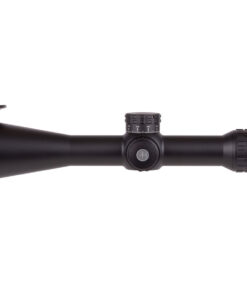
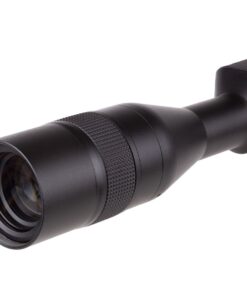
What makes the Hawke Frontier 34 FFP IR suitable for long-range shooting? The Hawke Frontier 34 FFP IR is purpose-built for shooters who need reliable performance at extended distances. Its 34 mm mono-tube chassis provides greater internal space for mechanical adjustment, allowing substantial elevation and windage travel. This extra room supports dialing for distant targets without running out of adjustment range. The first-focal-plane reticle ensures that holdover marks and wind holds remain accurate at every magnification setting, which is essential when switching between lower power for target acquisition and higher power for precise shot placement. High-grade low-dispersion crown glass and 21-layer fully multi-coated lenses deliver bright, high-contrast images even in challenging light. Side-focus parallax adjustment from 15 yards to infinity further reduces aiming error, helping shooters maintain consistent point of impact across a wide range of distances. Combined with the patented Zero Lock ‘N’ Stop elevation turret, the optic gives users the tools needed for confident engagement far beyond typical hunting ranges.
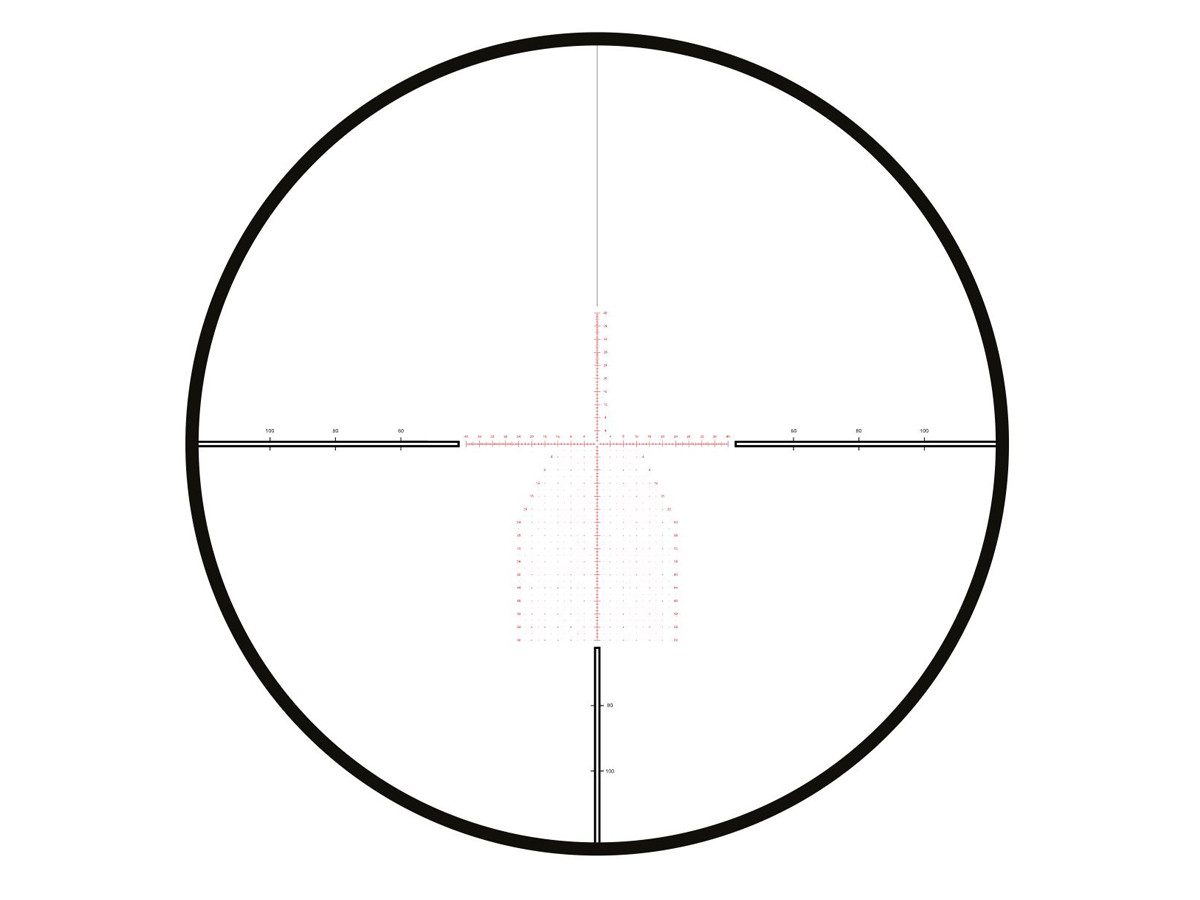
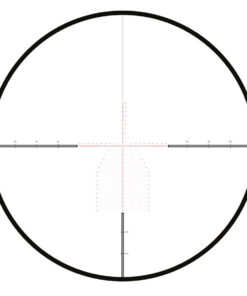
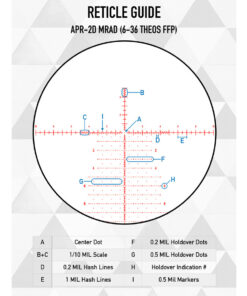
How does the first-focal-plane reticle work on this model? In a first-focal-plane design, the reticle is positioned in front of the magnification lenses so that it grows and shrinks in proportion to the image. This means the subtensions—such as mil or MOA markings—stay true no matter which power setting is selected. On the Hawke Frontier 34 FFP IR, shooters can use the reticle for ranging, holdovers, or wind corrections at any magnification without having to recalculate values. The illuminated version lights the entire reticle, including outer posts and hold points, with 11 intensity levels and intermediate off positions. This full illumination improves visibility against dark or complex backgrounds while still allowing the reticle to remain usable when the light is turned off. Whether a shooter prefers the Mil Pro Ext or MOA Pro Ext pattern, the first-focal-plane placement ensures practical accuracy across the full zoom range.
What is the difference between the available magnification options? Two main configurations are offered. The 5-30×56 version prioritizes maximum reach and light-gathering ability, making it well suited for extreme long-range work and low-light conditions. Its larger objective lens and higher top-end magnification support precise shots at the farthest distances. The 3-18×50 model offers a more versatile zoom range in a slightly more compact package, with even greater elevation adjustment travel. Both share the same 34 mm tube, H7 optical system, side-focus parallax, illuminated first-focal-plane reticle options, and Zero Lock ‘N’ Stop turret technology. Choosing between them depends on the primary use: maximum magnification and light transmission favor the 5-30×56, while broader field of view and higher total elevation travel may suit the 3-18×50 for mixed-distance or competition scenarios.
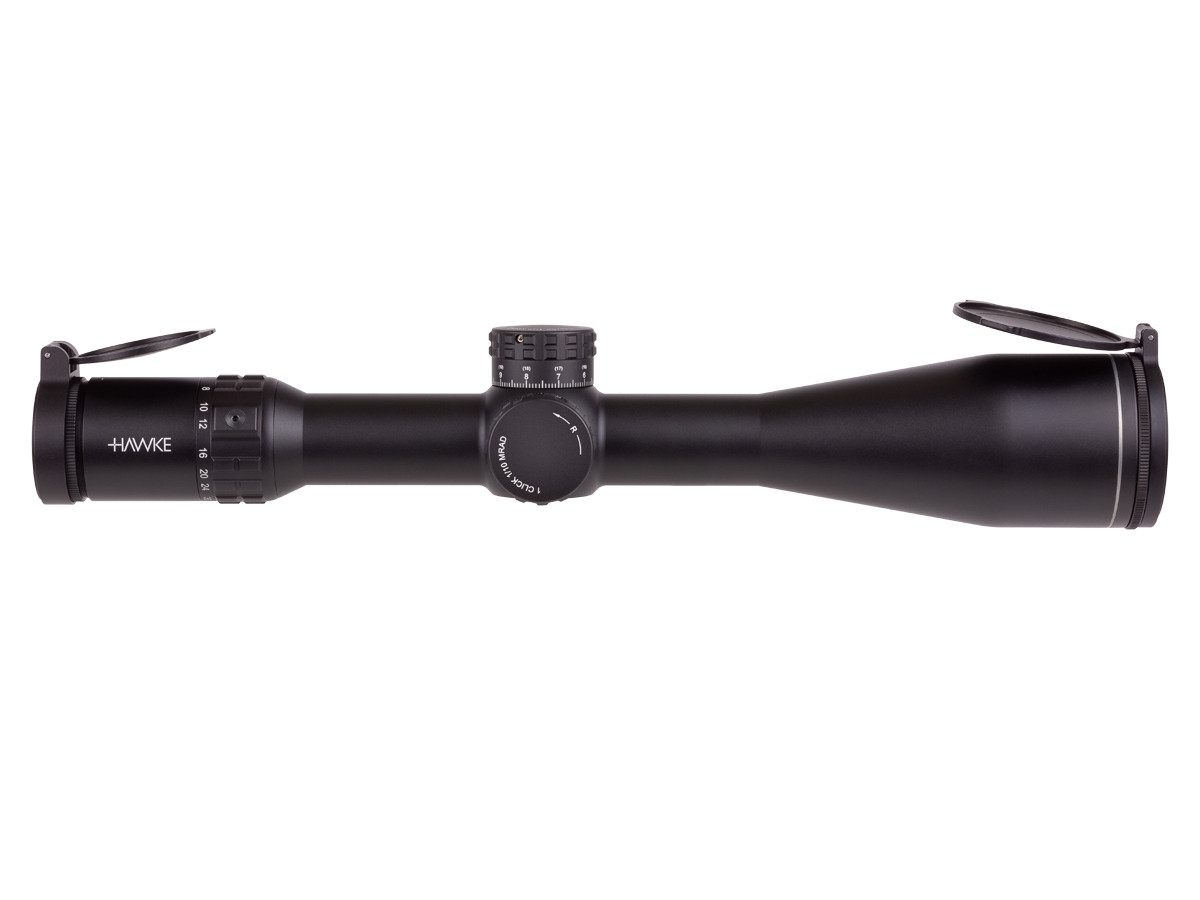
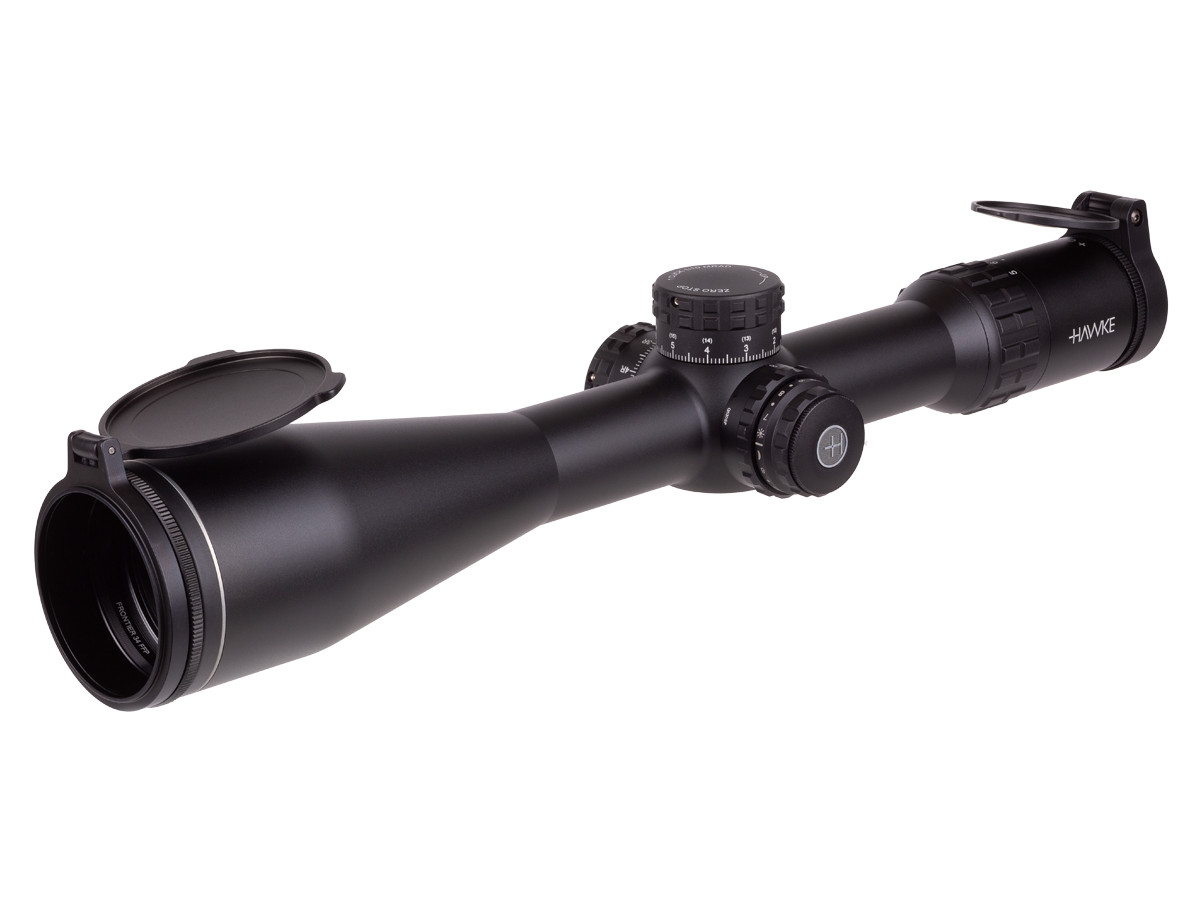
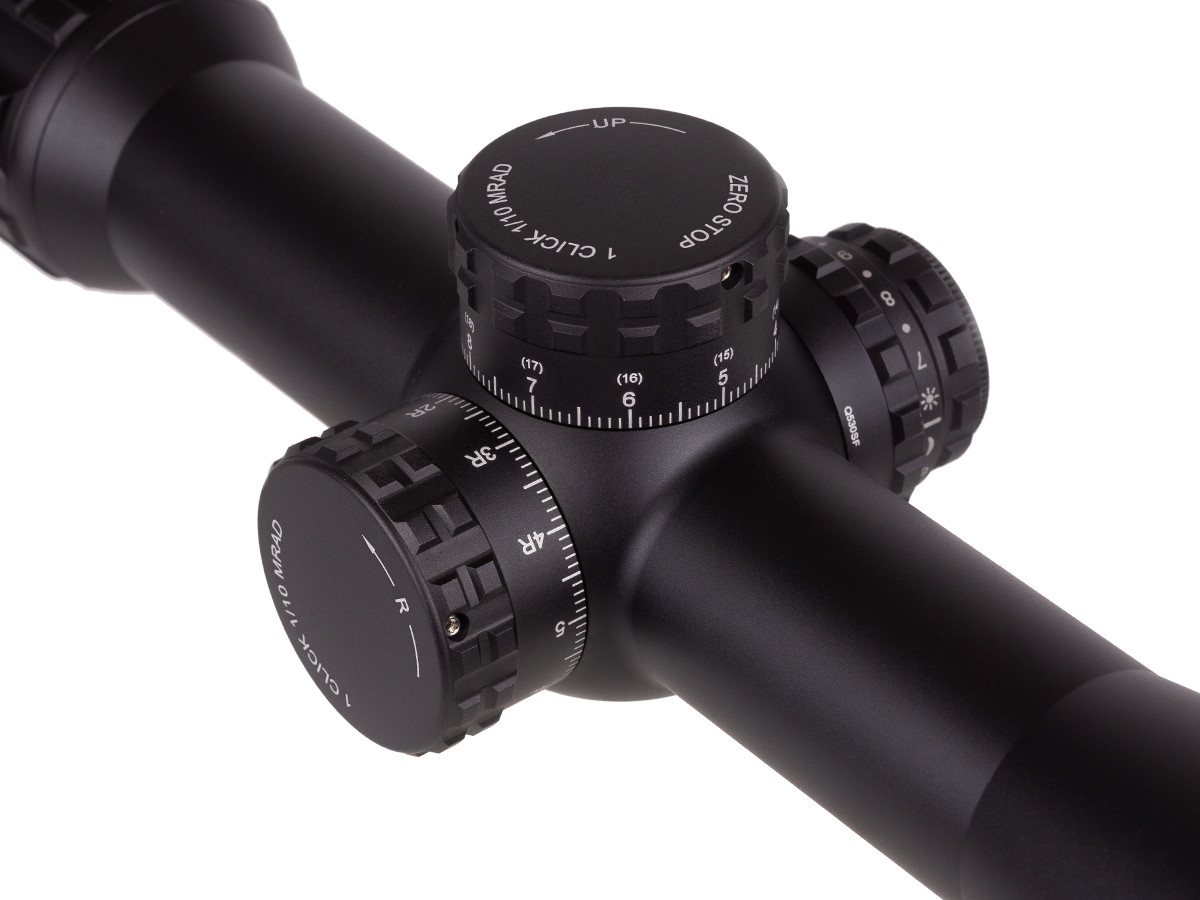
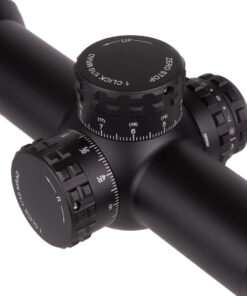
How does the Zero Lock ‘N’ Stop elevation turret function? The patented exposed Zero Lock ‘N’ Stop elevation turret is designed for rapid, repeatable adjustments. The turret lifts to unlock, allowing free rotation for dialing elevation. Once the desired setting is reached, it can be locked to prevent accidental movement. A mechanical zero stop is built in, so the turret can be returned to the established zero without counting clicks or relying solely on memory. This feature is especially valuable when multiple targets at different distances are engaged in sequence. Windage turrets follow a similar exposed, locking, and resettable design, giving shooters tactile feedback and clear control under field conditions. The combination reduces the chance of lost zero and speeds up the process of making precise corrections.
Is the Hawke Frontier 34 FFP IR durable enough for heavy-recoil rifles and harsh environments? Yes. The optic is nitrogen purged, waterproof, fog-proof, and shockproof, and it is rated for all calibers. The single-piece 34 mm aluminum mono-tube provides structural strength while resisting flex under recoil. Sealed construction prevents moisture and dust intrusion, and the nitrogen purge eliminates internal fogging caused by temperature changes. These characteristics make the scope suitable for a wide range of platforms, from precision bolt-action rifles to higher-recoil hunting and competition rifles. The lifetime no-fault warranty further supports long-term confidence in the product’s ability to withstand repeated use in varied weather and terrain.
What kind of eye relief and viewing comfort can users expect? Generous 4-inch (102 mm) eye relief is provided across the magnification range, giving shooters a comfortable margin that helps prevent scope bite and accommodates different shooting positions and body sizes. A high-volume eyebox makes it easier to maintain a full sight picture even when head position shifts slightly. The locking fast-focus ocular allows quick diopter adjustment and then secures the setting so it does not drift. Together these features support inclusive use by shooters of varying physical builds, experience levels, and preferred stances, whether shooting from a bench, prone, or supported field positions.
How effective is the illumination system in different lighting conditions? The multi-LED red illumination offers 11 intensity levels with intermediate off positions. This design allows rapid selection of the brightness that best matches ambient light—dim settings for twilight or night, brighter settings for daylight contrast against dark targets. Because the entire reticle illuminates, including hold points and outer posts, the pattern remains clearly visible against complex backgrounds. The intermediate off positions make it easy to return to a preferred intensity without scrolling through every setting. Power is supplied by a standard CR2032 battery, and the system is engineered for efficient use so that battery life remains practical during extended range sessions.cronus ats pro 25p 250 review
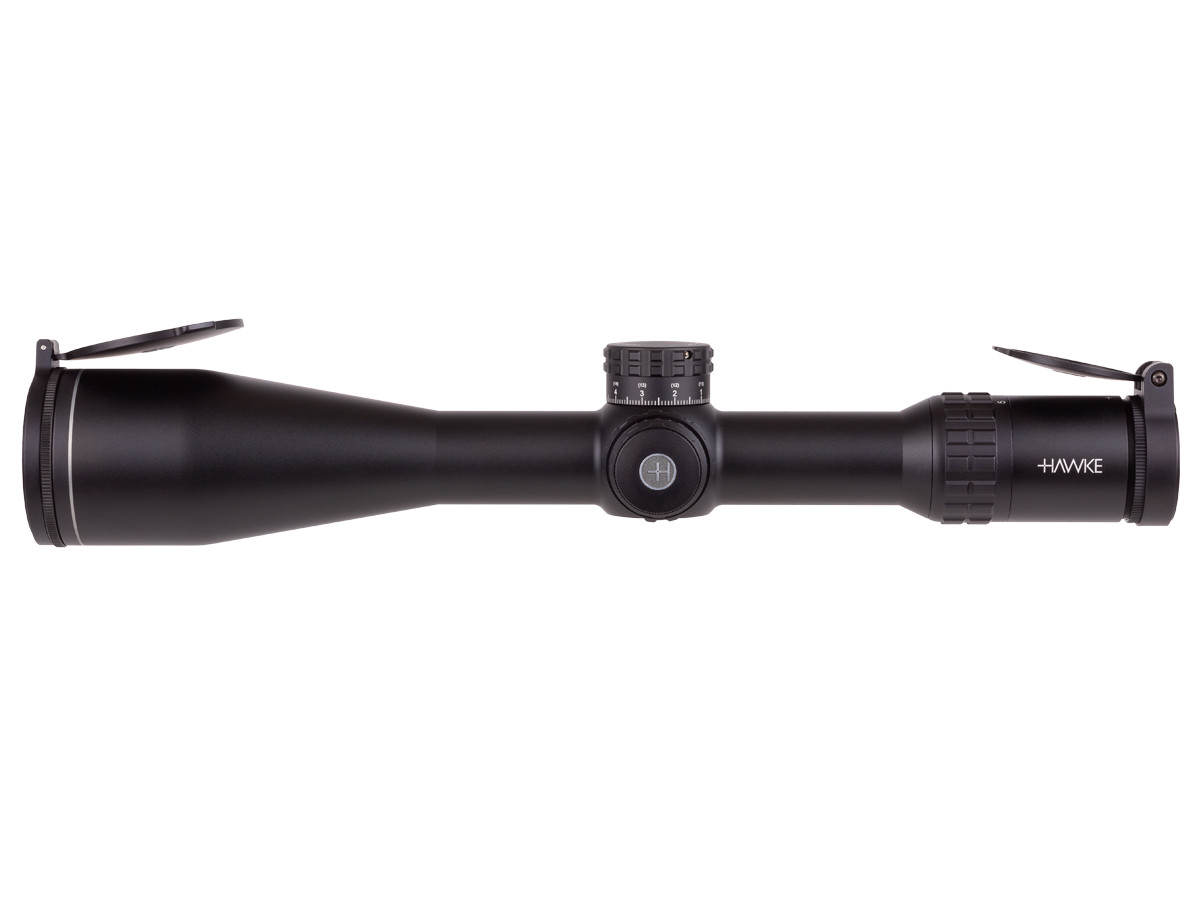
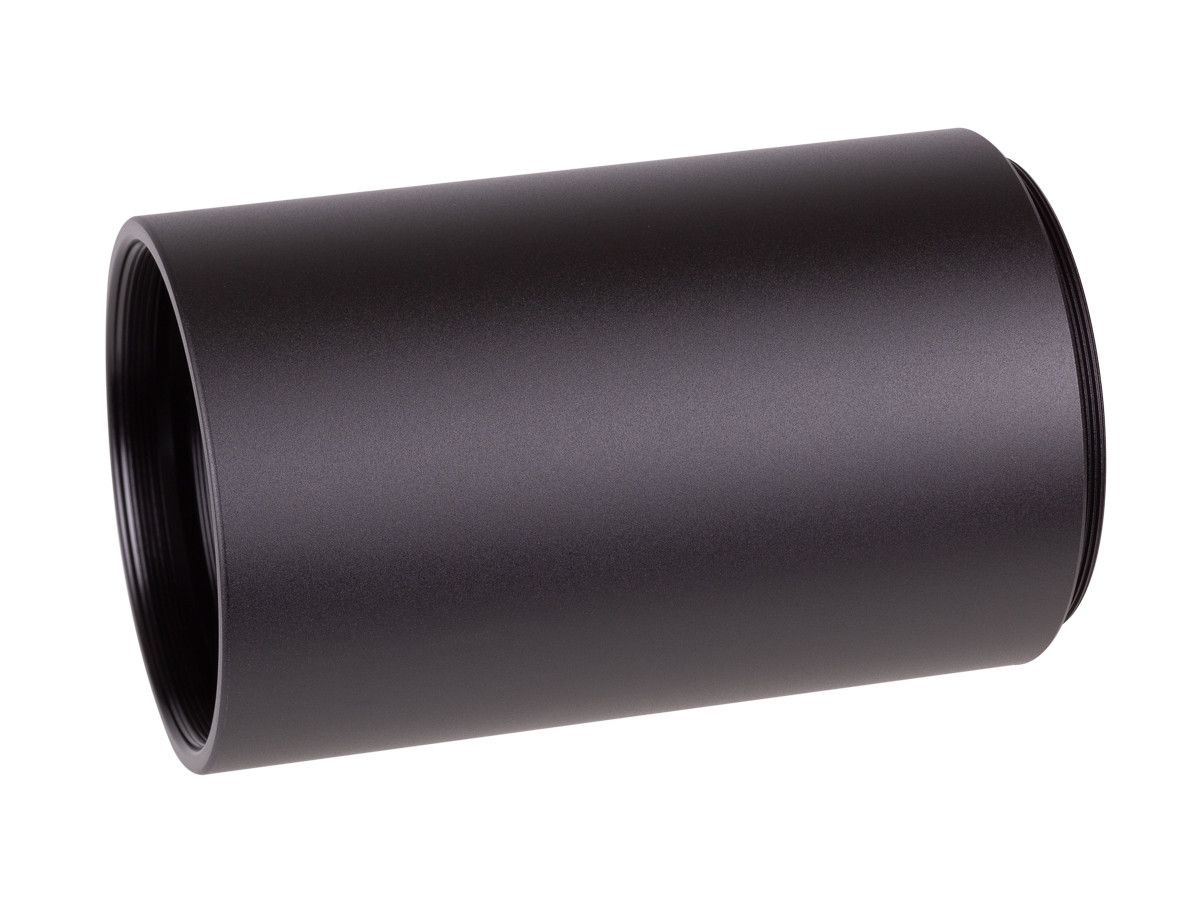
What accessories are typically included with the scope? Most packages include professional metal flip-up lens covers for both objective and ocular ends, a 4-inch sunshade to reduce glare and protect the objective lens, a removable zoom magnification throw lever for faster power changes, a lens cloth, reticle booklet, instruction manual, and a CR2032 battery. These items allow the optic to be mounted and put into service quickly while providing basic protection and convenience features. Additional rings, bases, or custom accessories can be selected according to the specific rifle and mounting preference.helos btr gen2 4 20×50 aprs6 ffp ir mil
Can the magnification throw lever be positioned for either left- or right-handed use? Yes. The zoom lever is removable and can be reattached in positions that suit left-handed or right-handed shooters, or removed entirely if a cleaner profile is preferred. This flexibility supports a wide range of users and rifle setups without requiring permanent modification of the optic.
How should the side-focus parallax adjustment be used? The side-focus knob is located on the left side of the saddle and adjusts parallax from 15 yards to infinity. Proper use involves dialing the knob until the reticle and target appear sharp and aligned in the same focal plane, eliminating apparent movement of the reticle relative to the target when the eye shifts slightly. Correct parallax setting improves precision, especially at longer distances or when using higher magnification. Because the control is easily reached without breaking position, shooters can fine-tune it quickly as distances change.
Is the reticle usable without illumination? Absolutely. The glass-etched reticle remains fully visible in daylight and most outdoor conditions without illumination. The illumination system is an enhancement for low-light or high-contrast situations rather than a requirement. Shooters can leave the light off for extended periods and activate it only when needed, preserving battery life while retaining a clear aiming reference.
What maintenance is required to keep the optic performing well? Routine care is straightforward. Keep the lenses clean with the supplied cloth or a soft microfiber and appropriate lens cleaner. Avoid abrasive materials. Ensure the flip-up covers are closed when the scope is not in use. Periodically check that turret caps and the battery compartment remain secure. Because the optic is sealed and nitrogen purged, internal maintenance is not required under normal conditions. Storing the scope in a dry environment and protecting it from extreme impacts will help maintain long-term performance. The lifetime warranty covers manufacturing defects, giving additional peace of mind.thermal scope 640
How does the field of view support practical shooting? The wide-angle field of view helps shooters acquire targets more quickly and maintain awareness of surrounding conditions. At lower magnification settings the broader view is especially useful for scanning or tracking moving targets, while higher magnification still provides a usable field for precise aiming. This balance supports both competitive scenarios and field hunting where situational awareness remains important.
Who can benefit from this riflescope? The design accommodates a broad range of shooters. The generous eye relief, high-volume eyebox, tactile turrets, and flexible throw-lever placement make it accessible to individuals of different physical sizes, experience levels, and dominant hands. Whether used for precision competition, ethical long-range hunting, or recreational extreme-distance practice, the combination of optical clarity, mechanical reliability, and practical features supports consistent performance. New shooters can grow into the capabilities of the optic, while experienced long-range practitioners will appreciate the adjustment range and reticle utility.
What should be considered when mounting the Hawke Frontier 34 FFP IR? Proper mounting begins with selecting quality rings or a one-piece mount compatible with a 34 mm tube and the rifle’s receiver. Ensure adequate eye relief is achieved by positioning the scope correctly in the rings. Level the reticle carefully and torque fasteners to the manufacturer’s recommended specifications. After mounting, confirm that the Zero Lock ‘N’ Stop turret can be set to the desired zero and that full adjustment travel remains available in the preferred direction. A solid mounting system preserves the accuracy potential of the optic and protects it from shifting under recoil.
These answers address the most common questions about capability, features, durability, and practical use. The Hawke Frontier 34 FFP IR combines optical performance, mechanical precision, and thoughtful design details to support accurate shooting across a wide range of distances and conditions.athlon cronus thermal
A Day on the Long-Range Range: Practical Use of the Hawke Frontier 34 FFP IR
The morning air carried a light chill as the sun began to climb over the distant ridgeline. A group of shooters had gathered at a private range that offered steel targets stretching from 200 yards out past 1,200. Among them were experienced competitors, newer precision enthusiasts, and a couple of hunters preparing for an upcoming season. Each person brought different rifles and different levels of experience, yet every one of them shared a common need: an optic that could deliver clear sight pictures, reliable adjustments, and consistent holdovers across a wide span of distances. That morning the Hawke Frontier 34 FFP IR would demonstrate how those needs could be met in real conditions.
One shooter settled behind a bolt-action rifle chambered in a popular long-range cartridge. The scope had already been mounted in quality 34 mm rings and zeroed at 100 yards the previous afternoon. With the Zero Lock ‘N’ Stop elevation turret set, the shooter confirmed that the mechanical stop returned the dial precisely to the established zero. A quick check of the side-focus knob brought the 300-yard plate into sharp alignment. The reticle appeared crisp, and the first-focal-plane design meant the subtensions would remain accurate whether the magnification stayed at a moderate setting or climbed higher.
At the lower end of the zoom range the wide field of view made it easy to locate the target cluster and confirm wind flags farther downrange. A gentle breeze drifted from left to right. The shooter dialed a small windage correction, then lifted the elevation turret, added the required clicks for the 300-yard distance, and locked it again. The shot landed just inside the edge of the steel. A second round, with a minor hold refinement using the illuminated reticle, centered the plate with a solid ring. The process felt natural. Because the reticle scaled with magnification, the same hold points would remain valid when the power was increased later for smaller or more distant targets.
As the morning progressed the group moved farther out. At 600 yards the light had improved, yet a thin haze still hung over the valley floor. The high-grade crown glass and multi-coated lenses of the Hawke Frontier 34 FFP IR kept the image bright and the edges of the steel clearly defined. Parallax was refined once more with the side-focus control. The generous eye relief allowed a relaxed cheek weld even when the shooter shifted slightly to accommodate a different bipod height. No one in the group felt restricted by the optic; the high-volume eyebox and consistent eye relief supported both taller and shorter shooters, left- and right-handed positions, and varied rifle stocks.
One participant preferred to leave the illumination off during bright daylight, relying on the etched reticle alone. Another activated a low intensity setting so the hold marks stood out against the darker face of a partially shaded plate. Both approaches worked. The intermediate off positions on the rheostat made it simple to return to a preferred brightness without cycling through every level. When a cloud temporarily dimmed the range, a quick turn of the dial restored visibility without interrupting the shooting cadence.
Later in the session the group practiced rapid transitions between distances. A shooter would engage a 400-yard plate, then immediately move to an 800-yard silhouette. The Zero Lock ‘N’ Stop turret proved especially useful here. After dialing elevation for the farther target, the shooter could return the turret to the mechanical stop and know the original zero was restored without counting clicks or risking a lost reference. Windage adjustments remained locked until intentionally changed, preventing accidental shifts while the rifle was carried between firing points. The removable throw lever allowed quick magnification changes; some shooters left it in place for speed, while others removed it for a lower profile once the preferred power settings were established.
Throughout the morning the scope handled the recoil of several different cartridges without complaint. Nitrogen purging and sealed construction kept the internal optics free of fog even as temperatures rose and a light afternoon breeze carried dust across the firing line. Flip-up covers protected the lenses between strings of fire, and the included sunshade reduced glare when the sun angled low across the valley. These practical details meant less time spent on maintenance and more time spent shooting.
In the early afternoon a different scenario unfolded. Two hunters who planned to use the same optic on a mountain hunt set up for a practical field-style exercise. They practiced from improvised positions—prone behind a pack, seated against a rocky outcrop, and kneeling with a shooting stick. The 4-inch eye relief continued to provide a full sight picture even when head position was less than ideal. Side-focus adjustment remained reachable without breaking the shooting position. At 500 yards a steel ram stood against a broken background of sage and rock. The illuminated reticle, set to a moderate intensity, allowed the holdover marks to remain visible against the mottled terrain. Both hunters made solid hits and noted that the first-focal-plane design removed any uncertainty about whether the hold values were still correct after a magnification change.
One of the hunters preferred the Mil Pro Ext reticle pattern; the other had chosen the MOA Pro Ext. Both found the extended hold points useful for estimating drop and wind without constant dialing. The ability to illuminate the entire reticle, including the outer posts, proved helpful when the target sat in partial shadow. Because the optic is rated for all calibers and built on a robust mono-tube chassis, the hunters felt confident it would handle the recoil of their preferred mountain cartridges and the inevitable bumps of travel into remote country.
As the day continued, a newer shooter joined the group. The individual had limited long-range experience and initially felt unsure about managing turrets and reticle holds. The tactile feedback of the elevation and windage dials, the clear mechanical zero stop, and the straightforward side-focus control helped reduce that uncertainty. Within a few strings the new shooter was successfully engaging plates at 500 and 700 yards by combining dialed elevation with simple reticle holds for wind. The inclusive design of the optic—generous eye relief, accessible controls, and a clear illuminated reticle—supported the learning process without demanding prior expertise.
Late in the afternoon the group conducted a final exercise that simulated changing conditions. Targets were engaged at 300, 600, and 1,000 yards while light levels shifted and a stronger crosswind developed. The Hawke Frontier 34 FFP IR allowed each shooter to adapt quickly. Magnification could be increased for the distant plates while the first-focal-plane reticle kept subtensions accurate. Elevation was dialed for the longer shots and returned to the zero stop between strings. Wind holds were refined using the illuminated marks, and parallax was checked at each new distance. The wide field of view at lower power helped locate the next target after a successful hit, while the optical clarity at higher power confirmed exact point of impact on the steel.
By the time the last round was fired, the practical advantages of the optic had become clear through repeated use rather than theory. The 34 mm tube had provided the adjustment range needed for the farthest targets. The H7 optical system and multi-coated lenses had maintained usable brightness and contrast as the light changed. The side-focus parallax control had kept the reticle and target in the same plane. The Zero Lock ‘N’ Stop turret had simplified returning to a known zero after dialing. The illuminated first-focal-plane reticle had offered both holdover utility and visibility in varied conditions. Protective covers, the sunshade, and the removable throw lever had supported efficient range work without adding complexity.
Shooters of different backgrounds, physical builds, and experience levels had all been able to use the same optic effectively. Some preferred pure dialing; others mixed dialing with reticle holds. Some kept illumination off in bright light; others used low settings for contrast. Some left the throw lever attached for speed; others removed it. The design accommodated these preferences without forcing a single approach. That flexibility, combined with mechanical reliability and optical performance, made the scope a practical tool rather than a specialized instrument limited to one style of shooting.
As the group packed up, conversations turned to future applications. One competitor planned to use the optic in a precision rifle match that featured stages from 200 to over 1,000 yards. A hunter intended to carry it into high country where shots might range from close timber to open basins. A recreational shooter simply wanted to continue stretching distance on the same range. In each case the Hawke Frontier 34 FFP IR had already shown it could support the work. The combination of a robust chassis, precise turrets, scalable reticle, and clear glass had turned a long day of varied shooting into a series of successful, repeatable engagements.
Practical use ultimately reveals an optic’s true character. On this day the Hawke Frontier 34 FFP IR proved capable of handling changing distances, shifting light, wind, and the differing needs of the people behind the rifles. It delivered the clarity required to see distant steel, the adjustment range needed to reach it, and the reticle utility that made corrections straightforward. Those qualities, experienced under real conditions rather than listed on a specification sheet, are what turn a well-designed riflescope into a trusted partner for long-range work.


Reviews
There are no reviews yet.